Latest Science & Research News

Stay informed about scientific discoveries, research developments and new findings from around the world.

Latest News

View All →
3I/ATLAS has an extreme taste for heavy water
Science News

3I/ATLAS has an extreme taste for heavy water

More and more details about 3I/ATLAS are filtering through the scientific process as time goes on. Our third known interstellar visitor attracted the attention of some of the world's most powerful observatories when it was discovered in July 2025, and some of those telescopes found something peculiar—the isotopes it contained appeared different. A new paper submitted to The Astrophysical Journal Letters (and available as a preprint on arXiv) by Kenji Furuya of the RIKEN Pioneering Research Institute in Japan and his co-authors shows that the isotopic discrepancy is likely due to the "low metallicity" of the stellar nursery in which 3I/ATLAS was born.

📅 2026-09-22 16:00:01    •    Phys.org
Read Original Article →
Scientists identify 'sweet spot' for early stage of life on Earth that preceded LUCA, the ancestor of all living things
Science News

Scientists identify 'sweet spot' for early stage of life on Earth that preceded LUCA, the ancestor of all living things

Scientists have identified a "sweet spot" in Earth's deep past when conditions were optimal for a proposed early stage of life to take hold — a phase known as the RNA World.The sweet spot was 4.33 billion years ago, although Earth may have become suitable for the RNA World as early as 4.4 billion years ago, given that extreme bombardment by asteroids, comets and other rocky leftovers of planet formation had largely stopped by then, the researchers reported in a study published Tuesday (Sept. 22) in the journal Nature Communications.The findings give a more precise estimate of the RNA World's onset than previous studies based on geochemical modeling, biomolecular analyses and simulations of e...

📅 2026-09-22 15:47:28    •    Live Science
Read Original Article →
Methane beneath the Greenland ice sheet shapes microbial life and influences the carbon cycle
Science News

Methane beneath the Greenland ice sheet shapes microbial life and influences the carbon cycle

A new study involving researchers from the Faculty of Science, Charles University, Prague, shows that methane concentration is among the key factors determining the composition of microbial communities at the margin of the Greenland Ice Sheet. The findings, published in Applied and Environmental Microbiology, provide new insights into processes that influence carbon and methane cycling in a rapidly warming Arctic.

📅 2026-09-22 15:40:04    •    Phys.org
Read Original Article →
Milky Way's first microblazar may produce fastest particles in the galaxy
Science News

Milky Way's first microblazar may produce fastest particles in the galaxy

An international team of astronomers from ASTRON, JIVE, the University of Amsterdam and other institutions has found the first so-called "microblazar" in the Milky Way. This stellar system is composed of a massive star and a black hole with a jet that is pointed toward Earth. The researchers also identified the region where the jet hits a molecular cloud as a place where particles are accelerated to ultra-high energies, likely up to petaelectronvolts. This would make microblazars one of the most powerful particle accelerators in the galaxy. The research was appears in Astronomy & Astrophysics.

📅 2026-09-22 15:40:01    •    Phys.org
Read Original Article →
The tilt in Earth's axis makes the apparent position of continents shift with the seasons
Science News

The tilt in Earth's axis makes the apparent position of continents shift with the seasons

Most kids learn in elementary school that the seasons are caused by Earth rotating on a tilted axis during its yearly orbit around the sun. The substantial tilt, about 23.5 degrees, is thought to be the result of an ancient planetary body, Theia, smashing into Earth about 4.5 billion years ago, in the same cataclysmic collision that formed the moon.

📅 2026-09-22 15:20:02    •    Phys.org
Read Original Article →
Giant caves beneath sinkhole reveal origin of mystery trenches that score Australia's Nullarbor Plain
Science News

Giant caves beneath sinkhole reveal origin of mystery trenches that score Australia's Nullarbor Plain

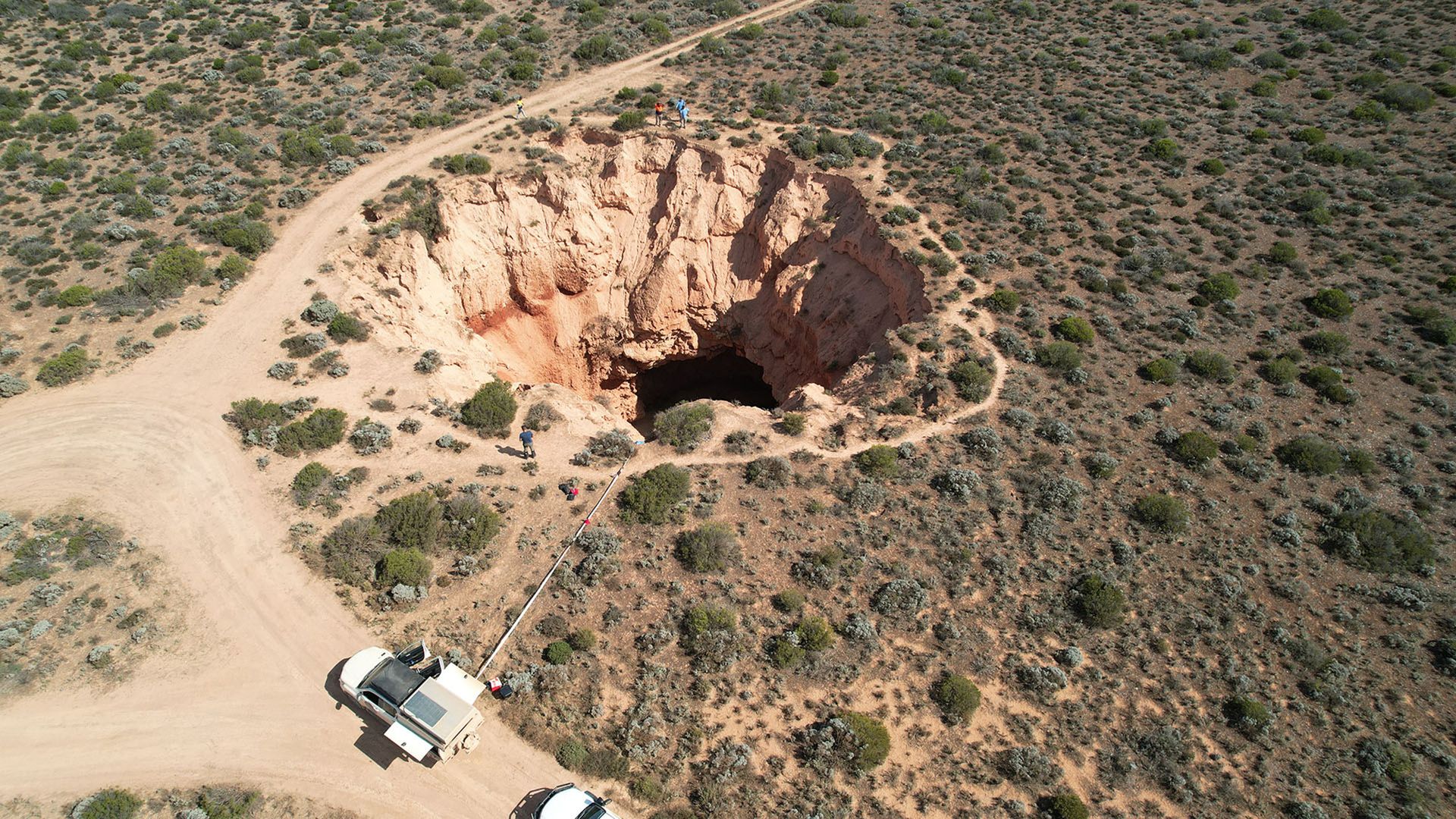
Mysterious trenches stretching for miles across the vast Nullarbor Plain in Australia are the surface scars of huge ancient caves collapsing deep underground, according to new research."They look like some kind of river channel, but they start and end so abruptly that it triggered us to investigate them," Matej Lipar, a researcher at the Anton Melik Geographical Institute in Slovenia and first author of the study, told Live Science.The Nullarbor Plain is an arid, flat, almost-treeless expanse in southern Australia. Nestled between the Great Victoria Desert and the Great Australian Bight coast, it has existed for more than 14 million years. Along the eastern edge of the Nullarbor Plain are fi...

📅 2026-09-22 14:12:18    •    Live Science
Read Original Article →

Coffee doesn’t have to keep you awake to disrupt your sleep
Science News

Coffee doesn’t have to keep you awake to disrupt your sleep

Caffeine may make sleep less restorative even when you fall asleep normally and stay in bed for eight hours, with EEG recordings revealing fewer of the slow brain waves associated with deep sleep. Individual sensitivity varies dramatically, meaning even caffeine consumed earlier in the day could affect nighttime recovery for some people.

📅 2026-09-22 13:42:49    •    ScienceDaily
Read Original Article →
This emerging treatment could help people avoid knee replacement surgery
Science News

This emerging treatment could help people avoid knee replacement surgery

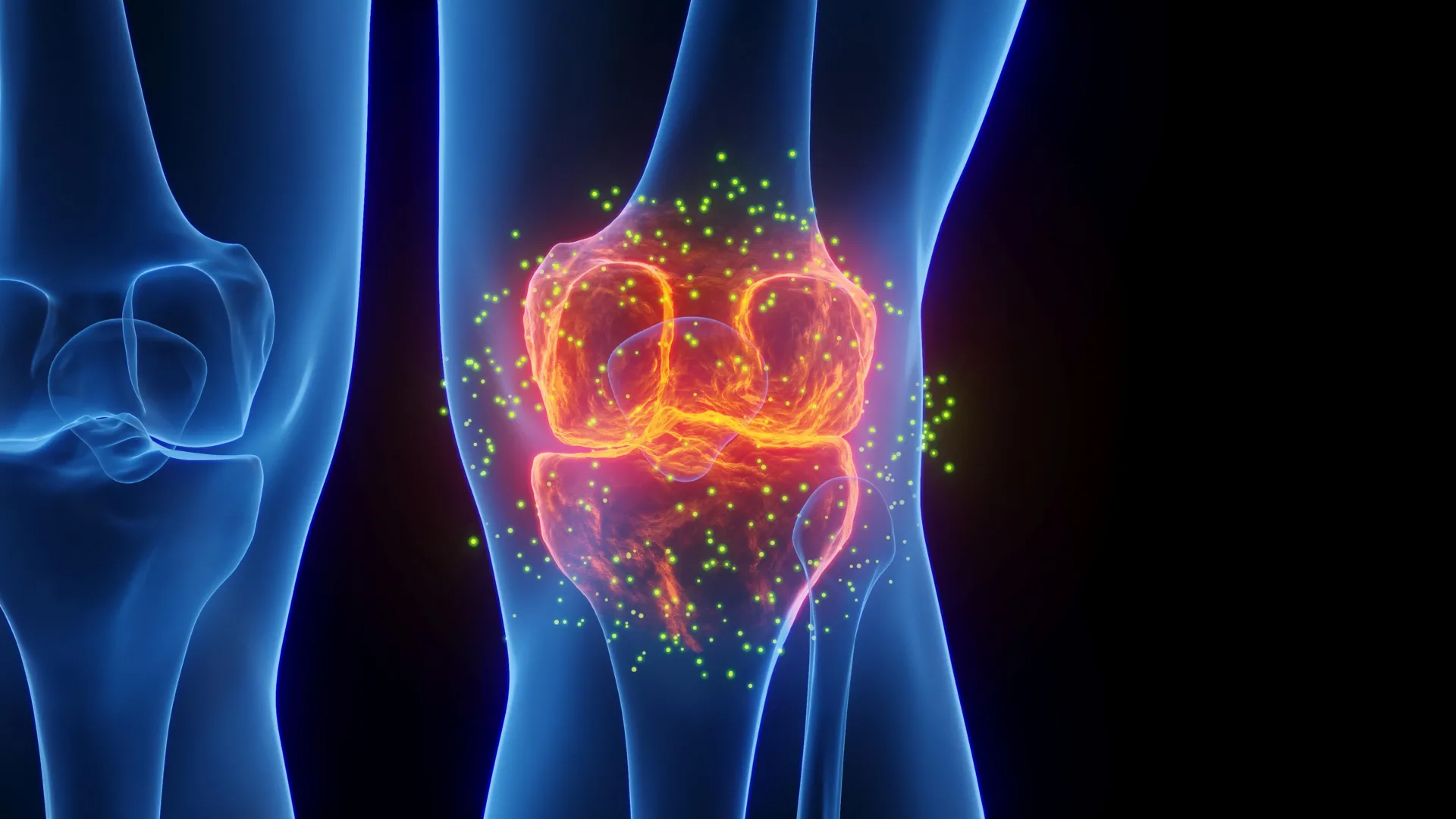
A minimally invasive procedure called genicular artery embolization could offer a new middle ground between conservative treatments and knee replacement for osteoarthritis. By blocking tiny blood vessels associated with inflammation, GAE can significantly reduce pain, with some patients reporting little or no pain afterward. Studies suggest the benefits may last two to four years in people who respond well.

📅 2026-09-22 13:31:54    •    ScienceDaily
Read Original Article →
Humpback whale mother may have mourned her dead calf for days
Science News

Humpback whale mother may have mourned her dead calf for days

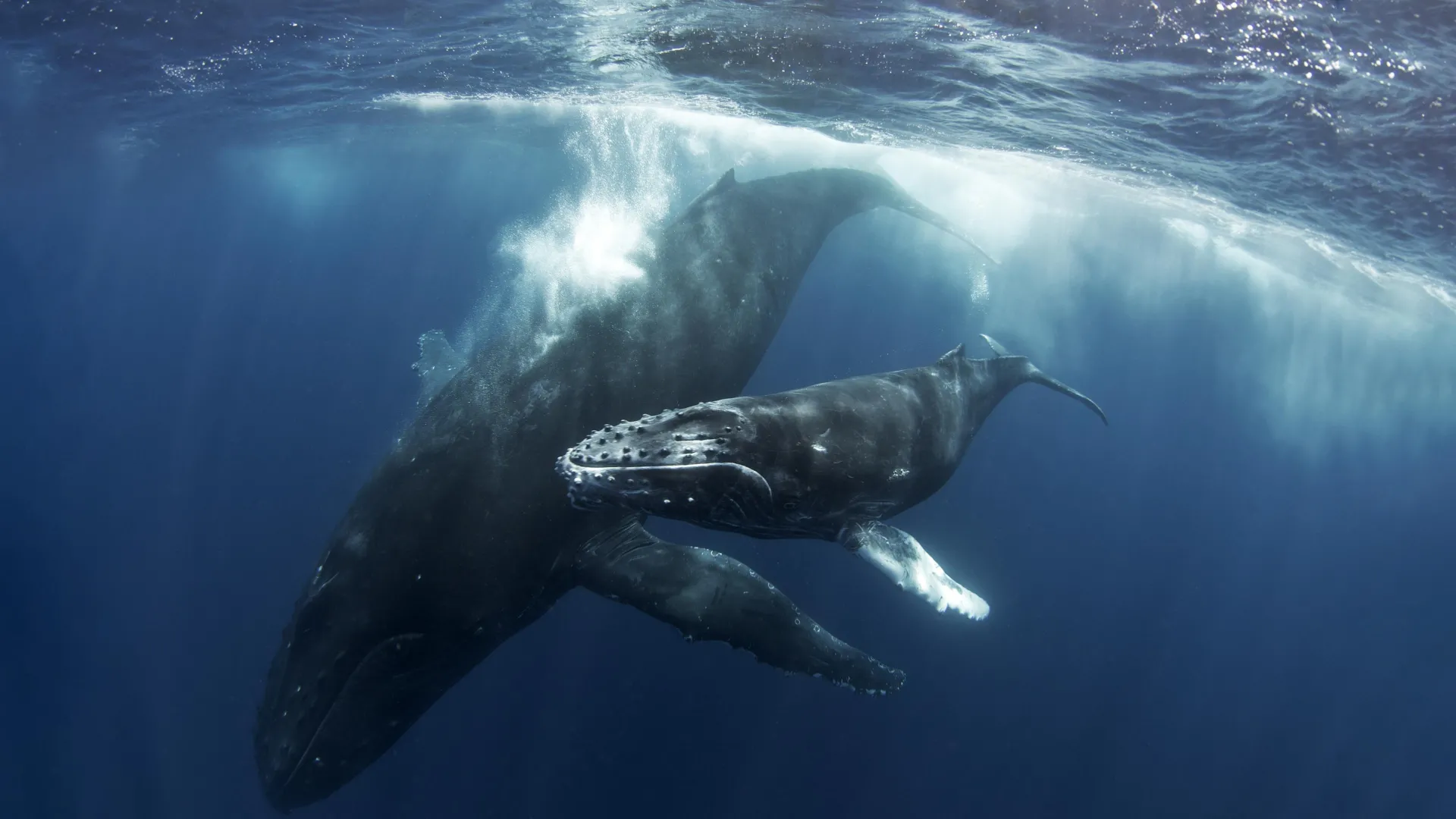
Researchers observed a humpback whale mother staying beside her presumed stillborn calf for hours and possibly days off Australia’s Gold Coast. She maintained eye contact and remained close to the calf in behavior resembling caregiving and nurturing. Scientists say the rare observation may provide new insight into grief, maternal attachment, and emotional complexity in humpback whales.

📅 2026-09-22 13:05:14    •    ScienceDaily
Read Original Article →
MIT’s tiny flying robot gets 450% faster with AI
Science News

MIT’s tiny flying robot gets 450% faster with AI

A new AI control system lets MIT’s tiny flying robot move with insect-like agility, boosting its speed by about 450 percent and allowing it to pull off 10 somersaults in 11 seconds. The technology could eventually enable miniature robots to search earthquake rubble and navigate dangerous spaces that conventional drones cannot reach.

📅 2026-09-22 12:52:43    •    ScienceDaily
Read Original Article →
Nearly 2,400-year-old school where Aristotle taught Alexander the Great discovered in Greece
Science News

Nearly 2,400-year-old school where Aristotle taught Alexander the Great discovered in Greece

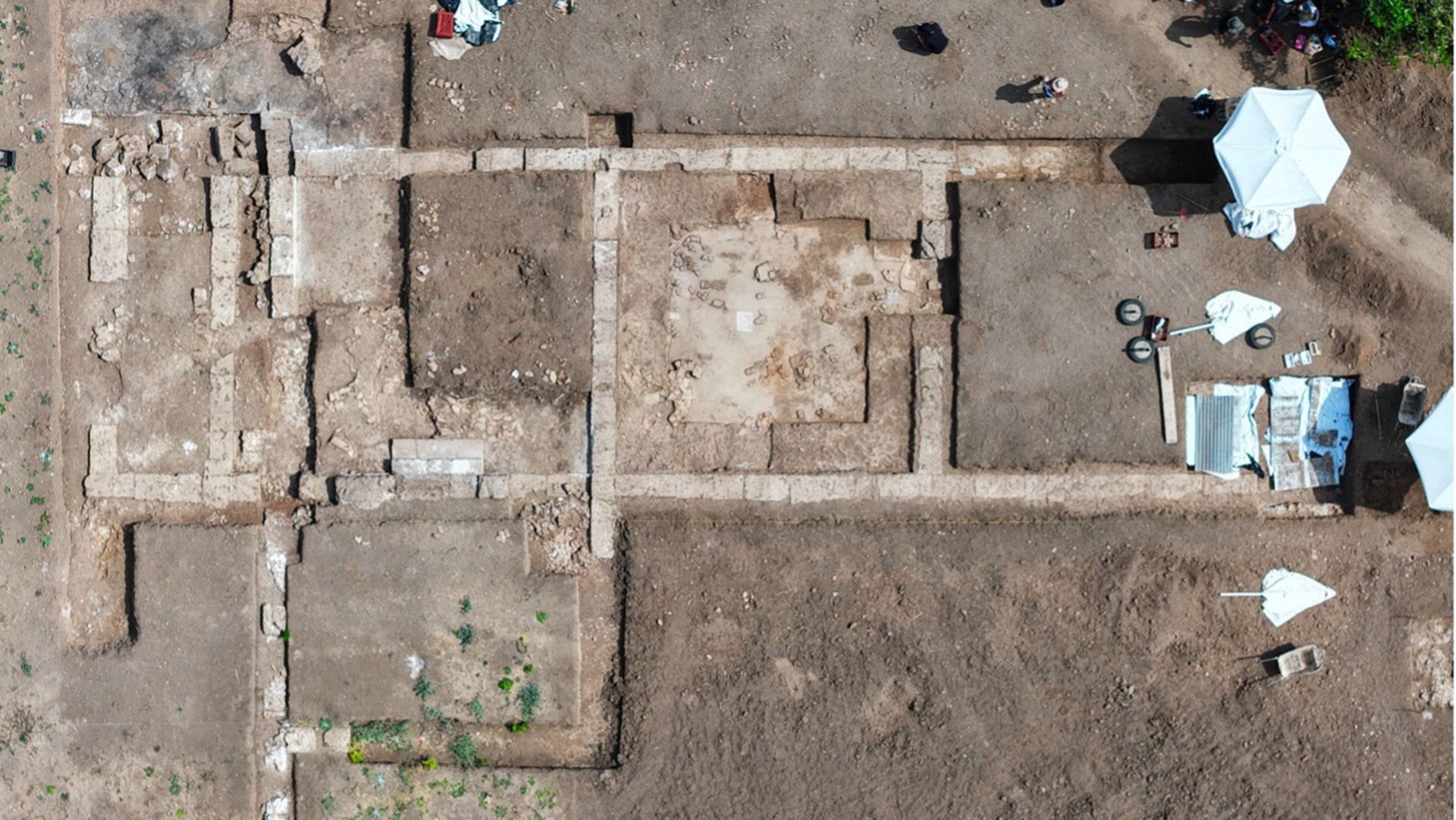
The school where Alexander the Great was educated by Aristotle more than 2,300 years ago has been uncovered in the ancient Macedonian city of Mieza, now in northern Greece, the Hellenic Ministry of Culture said in a translated statement. Archaeologists unearthed a building complex containing two banquet halls, a sporting arena, a stadium, a roofed porch and a lecture hall with stone desks, according to the statement. Mosaic floors and columns decorated the complex. The banquet halls had raised pedestals where nearly a dozen couches would originally have been placed. The decoration and architecture of the school is similar to that of the Macedonian royal palace at Aigai (modern Vergina in nor...

📅 2026-09-22 12:00:00    •    Live Science
Read Original Article →

This new concrete is stronger and pulls CO2 from the air
Science News

This new concrete is stronger and pulls CO2 from the air

Researchers have created a concrete mixture that is both stronger and capable of absorbing carbon dioxide. The best formula, combining zeolite with bamboo biochar, boosted compressive strength by 7.48% and tensile strength by 15% compared with conventional concrete. It also captured about 1.2 grams of CO₂ per day in laboratory testing.

📅 2026-09-22 11:46:55    •    ScienceDaily
Read Original Article →
'Once every 130 years': A huge new crater on the moon could be a giant leap for lunar science, researcher says
Science News

'Once every 130 years': A huge new crater on the moon could be a giant leap for lunar science, researcher says

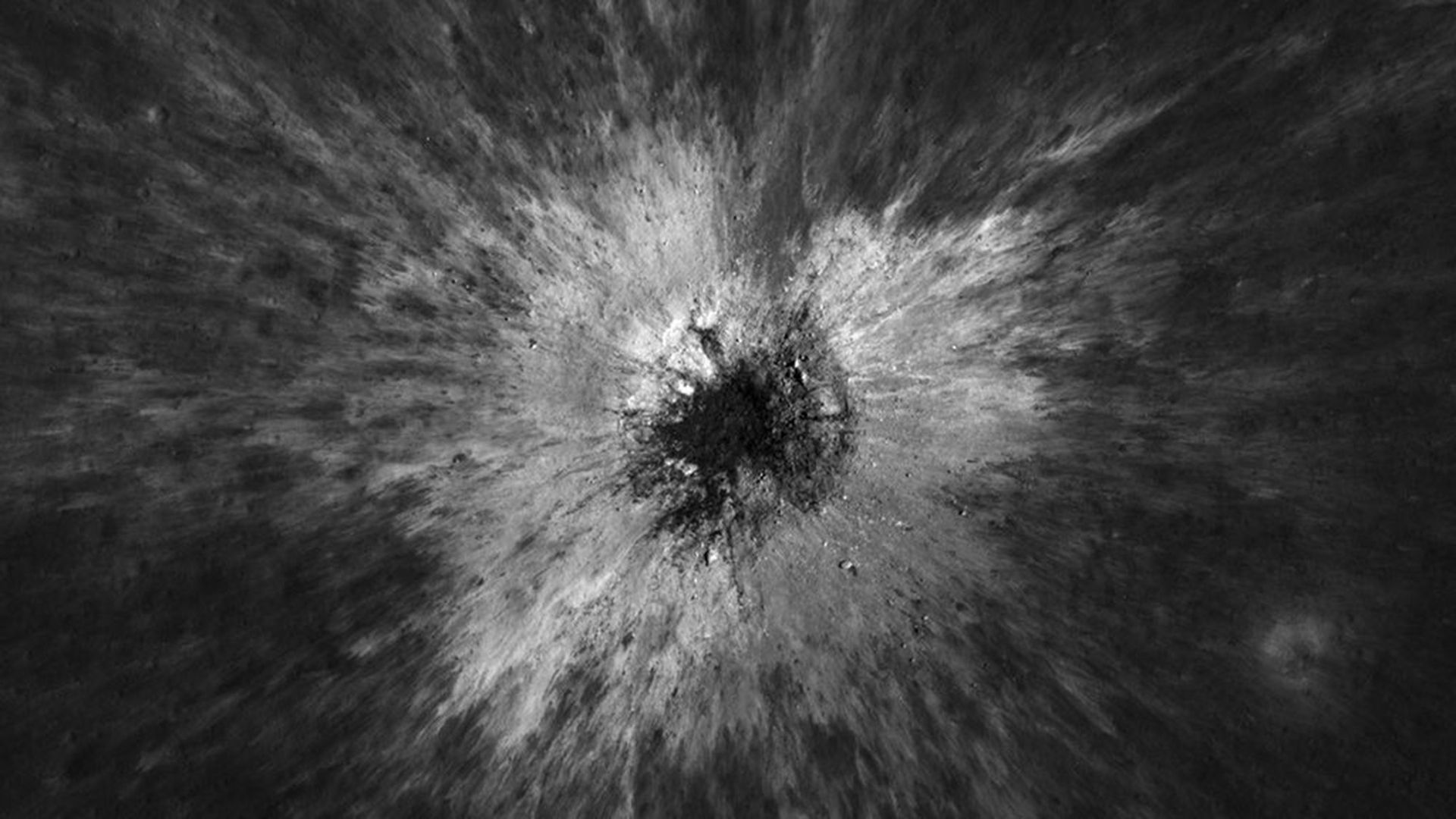
Since launching in 2009, NASA's Lunar Reconnaissance Orbiter (LRO) — a robotic satellite about the size of a minivan — has taken more than 3 million photos of the lunar surface. This week, scientists studying a few hundred of those photos announced what they're calling a "once-in-a-century" discovery: the biggest, freshest impact crater ever seen in the solar system. ‪It's the result of a building-size meteorite that slammed into the moon just two years ago.The new lunar pockmark, named McGetchin crater after the late geologist and lunar scientist Tom McGetchin, is about 728 feet (222 meters) wide, on average, and 141 feet (43 m) deep ‪—‬ imagine a hole as long as two American football field...

📅 2026-09-22 11:30:00    •    Live Science
Read Original Article →
700-year-old skull from China is first ever skeletal evidence of nose amputation
Science News

700-year-old skull from China is first ever skeletal evidence of nose amputation

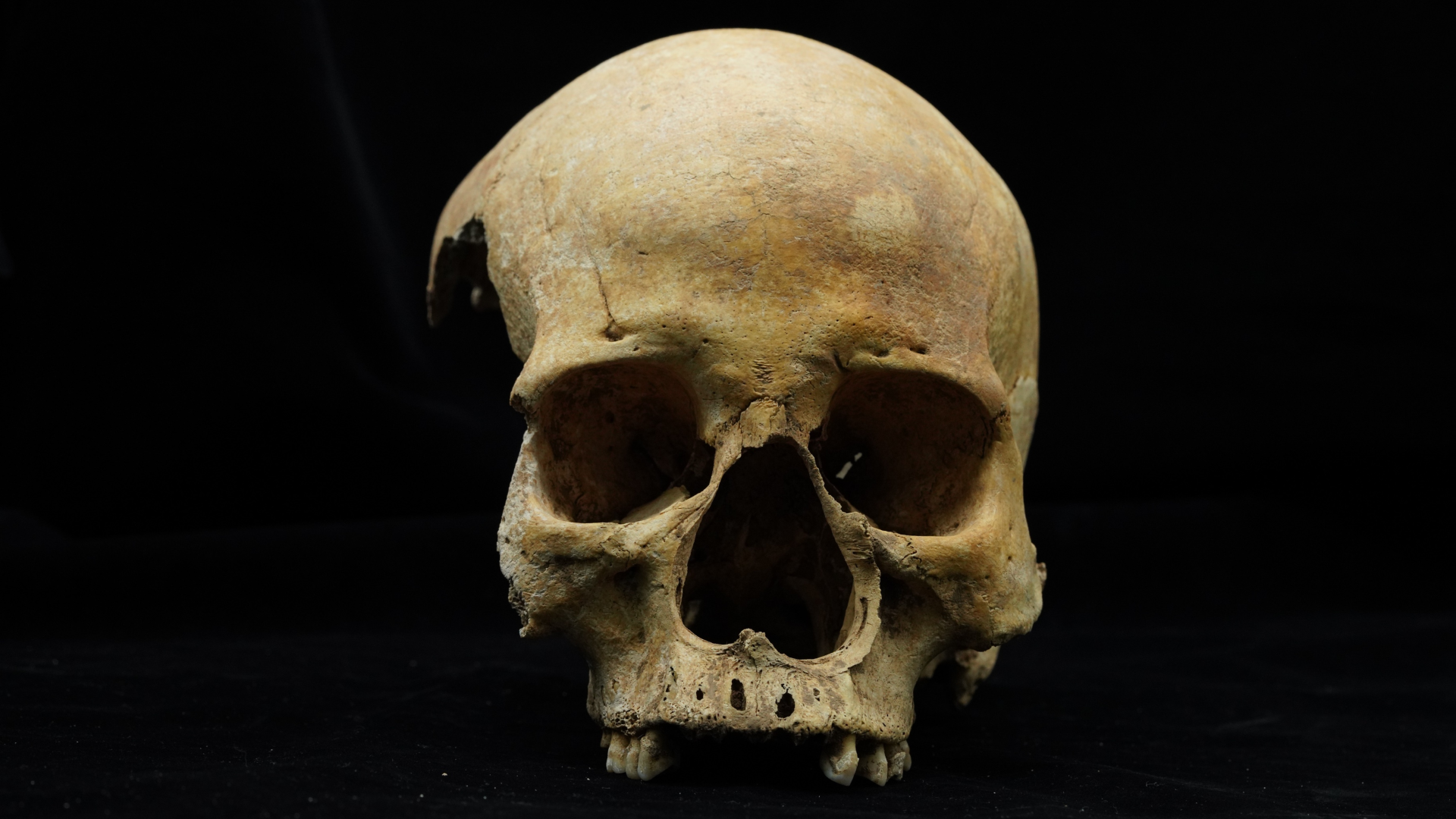
A 700-year-old female skull found in a Chinese cemetery is the world's first archaeological example of punitive nose amputation, according to a new study. The middle-aged woman survived the ruthless punishment, which may have been administered for stealing or for adultery."We believe this woman was a kind of cast-off after death. She was buried face-down, suggesting a discriminatory attitude," study co-author Qian Wang, a biological anthropologist at Texas A&M University, told Live Science in an email. "Her burial, alone, in a place without her family or community, could be a decision of disapproval."The woman's skeleton was discovered among 300 others in 2019 during an excavation of the San...

📅 2026-09-22 11:00:00    •    Live Science
Read Original Article →
Page 86of 160   •   3,820articles