Latest Science & Research News

Stay informed about scientific discoveries, research developments and new findings from around the world.

Latest News

View All →
Copying others can help young orangutans build a broad diet
Science News

Copying others can help young orangutans build a broad diet

A Sumatran orangutan mother uses a stick tool to extract honey from a large tree holeGuilhem Duvot, SUAQ Project Young orangutans who spend little time working out for themselves how to build a broad diet can partly compensate by watching how other orangutans choose what to eat. The findings suggest that orangutans have different strategies for developing broad survival skills, says Revathe Thillaikumar at the Max Planck Institute of Animal Behavior in Germany. Young orangutans acquire a substantial body of knowledge before they can survive independently, which they must do by the time they are 8.5 years old. This includes understanding what foods are safe to eat, where to find them and how ...

📅 2026-09-24 18:00:00    •    New Scientist
Read Original Article →

Rare armored dinosaur found in Japan may have ancestors that migrated across a land bridge 100 million years ago
Science News

Rare armored dinosaur found in Japan may have ancestors that migrated across a land bridge 100 million years ago

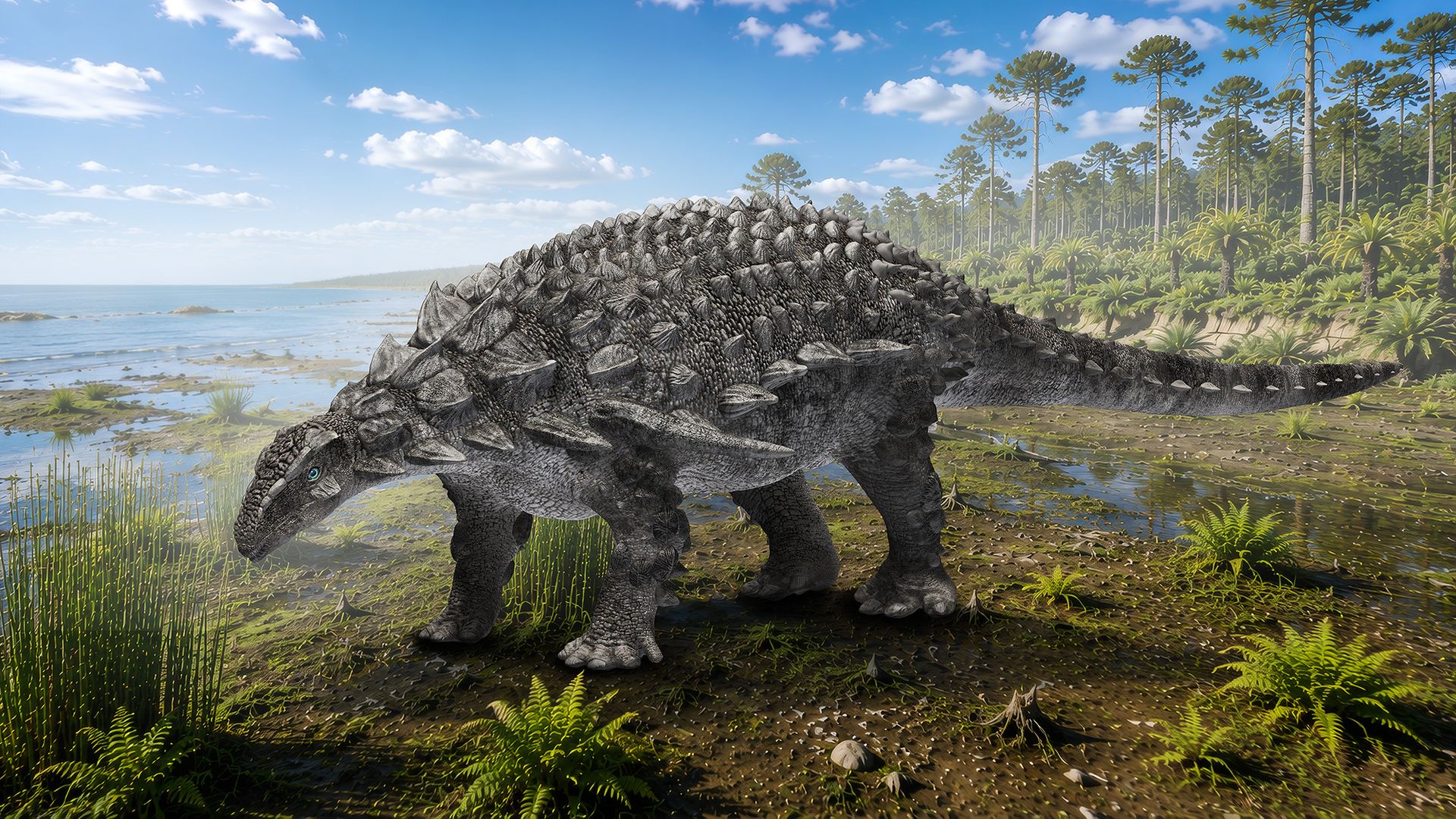
Rare fossils discovered in Japan more than 30 years ago are from a new species of armored dinosaur — one whose ancestors likely reached Asia by trekking across a land bridge, a new study finds.The newly named dinosaur, a type of nodosaurid, is now one of just three species of its kind found in Asia to date. The scarcity of nodosaurids in Asia, and the fact that the newly described beast is similar anatomically to those from North America, hint that its species likely arose from a migration from North America to Asia via the Bering Land Bridge, an ancient strip of land that connected present-day Alaska and Russia, researchers reported in the February 2027 issue of the journal Cretaceous Resea...

📅 2026-09-24 17:42:28    •    Live Science
Read Original Article →
New cell-collection device could improve early cancer detection
Research Institutions

New cell-collection device could improve early cancer detection

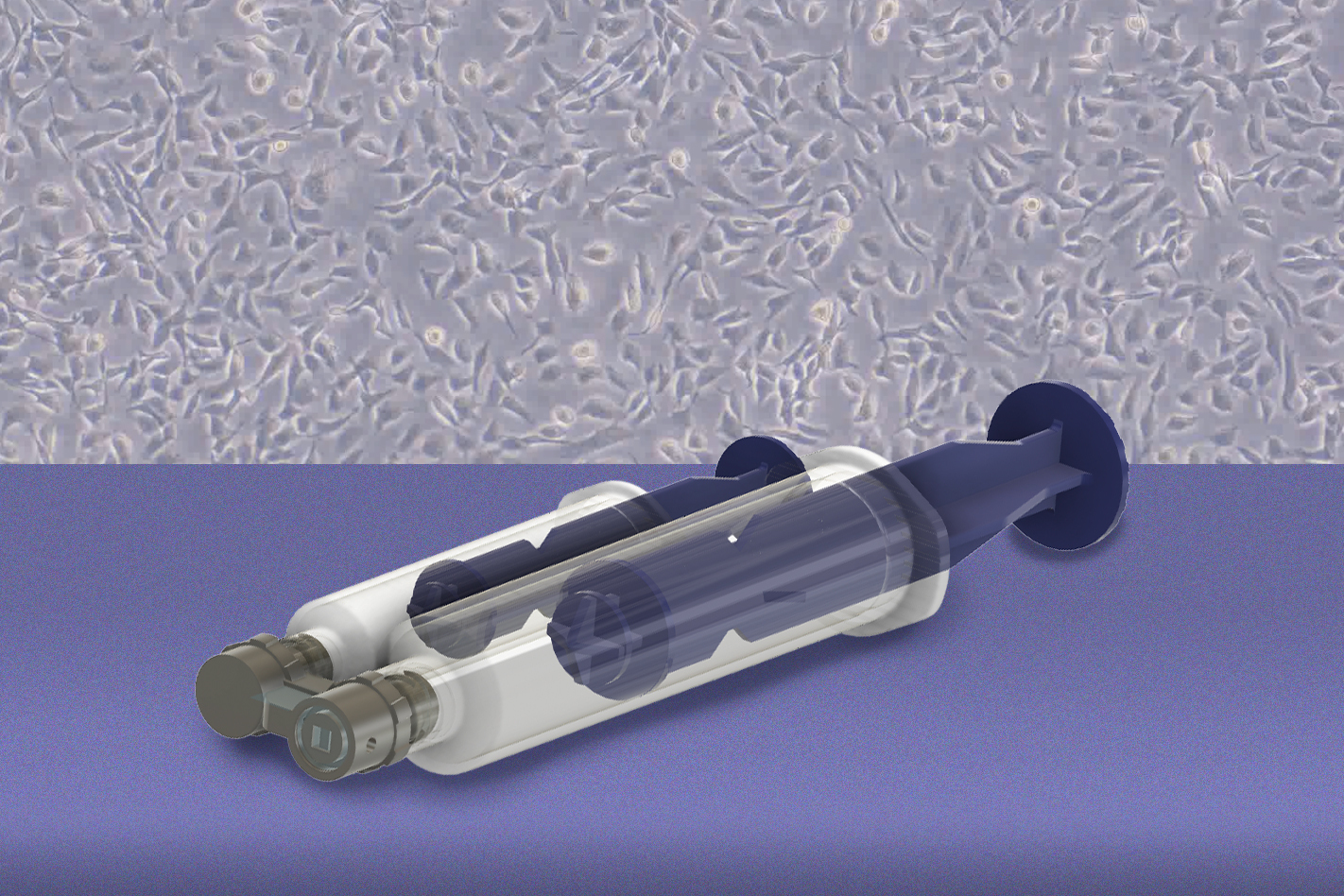
One of the main reasons that ovarian cancer is among the deadliest forms of cancer is timing: When doctors catch it early, the five-year survival rate can be north of 90 percent. But when doctors catch it late, in stages 3 or 4, five-year survival is less than half that.About 20 years ago, researchers studying ovarian cancer discovered that many cases of high-grade serous ovarian cancer, the most common type, originate in the fallopian tubes. Detecting the disease there remains challenging, in part because its precursor lesions can be microscopic and difficult to sample.Now researchers in the group of MIT Professor Kripa Varanasi, working with colleagues at MIT and Johns Hopkins University, ...

📅 2026-09-24 15:00:00    •    MIT News
Read Original Article →
Backpack massages muscles when it detects they’re fatigued
Science News

Backpack massages muscles when it detects they’re fatigued

People wore the backpack while lifting dumbbells and then enjoyed a nice massageHuang et al., 2026, Cell Reports Physical Science A backpack can detect when muscles become fatigued and automatically massage the affected areas. This seems to help muscles recover better than heat therapy or pre-programmed massages, like those delivered by chairs and cushions. About 1 in 6 adults in the UK have some form of back pain. This can occur when back muscles become fatigued through exertion or prolonged or repetitive activity. Persistent fatigue can impair local blood flow and tissue recovery, potentially contributing to chronic pain. Read more From back pain to cancer, how the interstitium could trans...

📅 2026-09-24 15:00:00    •    New Scientist
Read Original Article →
ADHD and autism diagnoses have surged. A massive study may help explain why
Science News

ADHD and autism diagnoses have surged. A massive study may help explain why

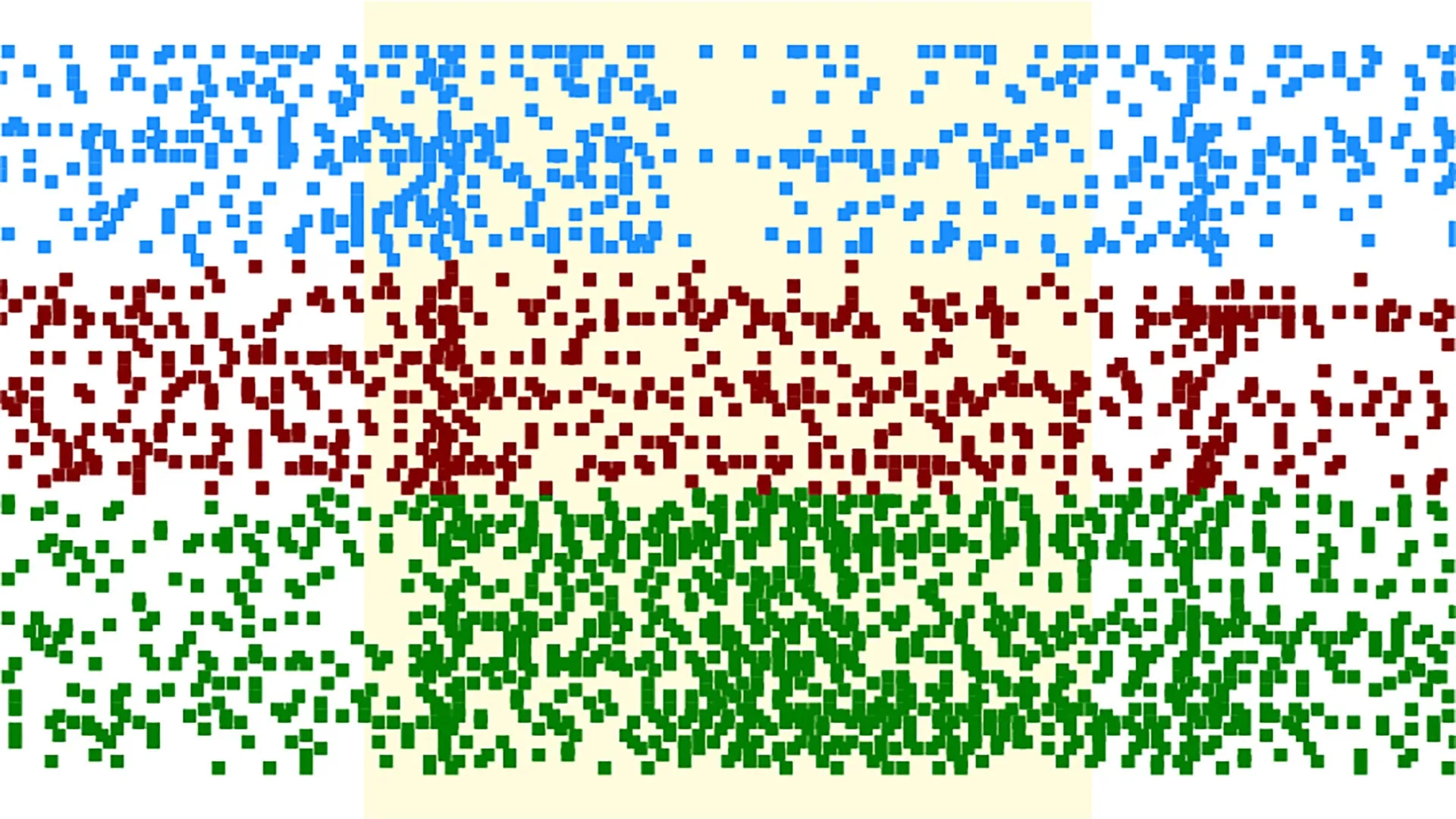
A large Danish study found that children diagnosed with ADHD or autism today more closely resemble their peers in the general population than those diagnosed 10 years ago. The shift suggests that rising diagnosis rates may partly reflect broader identification and changing diagnostic patterns, rather than only an increase in the underlying conditions.

📅 2026-09-24 13:45:17    •    ScienceDaily
Read Original Article →
When what you see doesn’t make sense, your brain does something remarkable
Science News

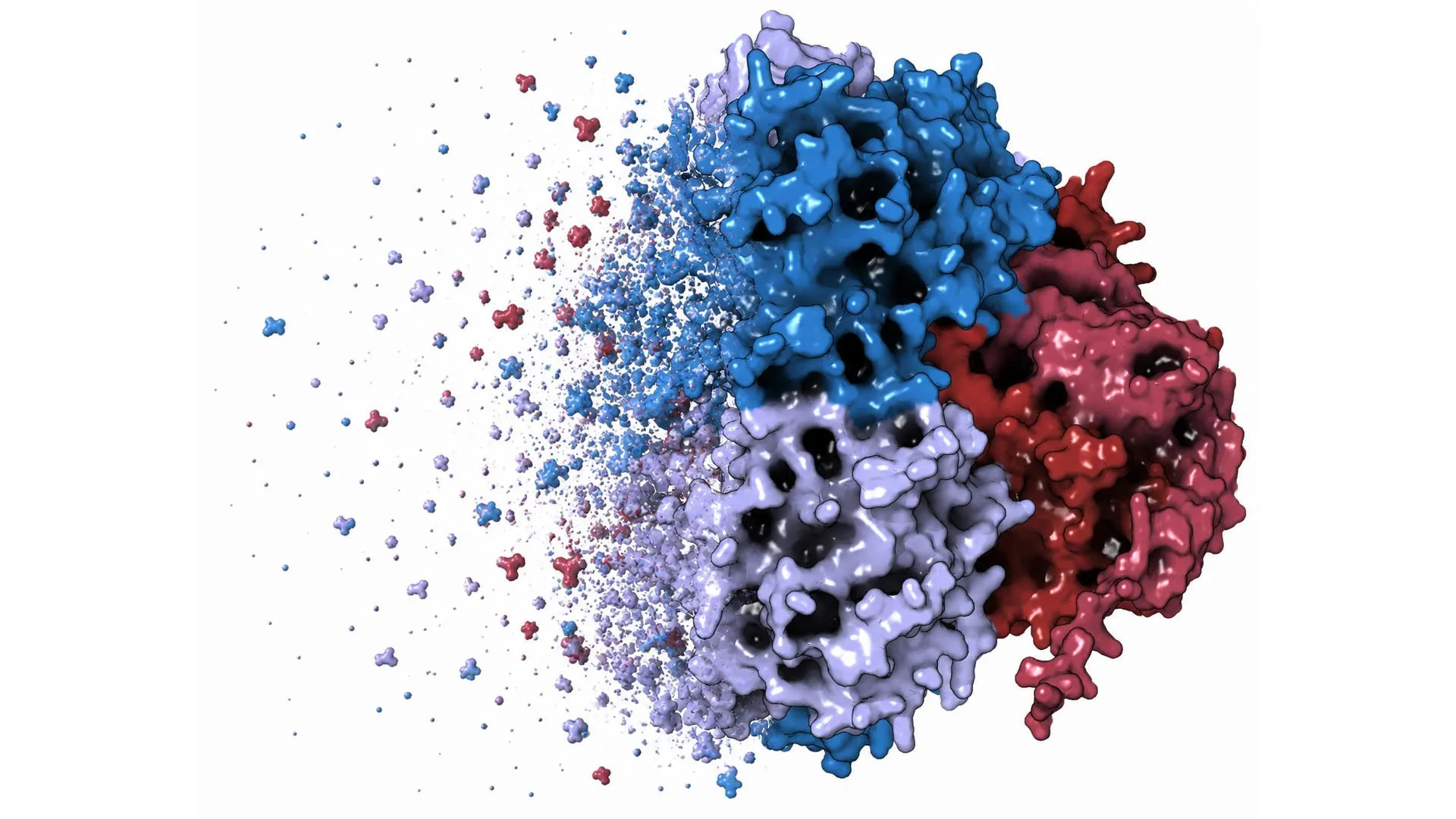
When what you see doesn’t make sense, your brain does something remarkable

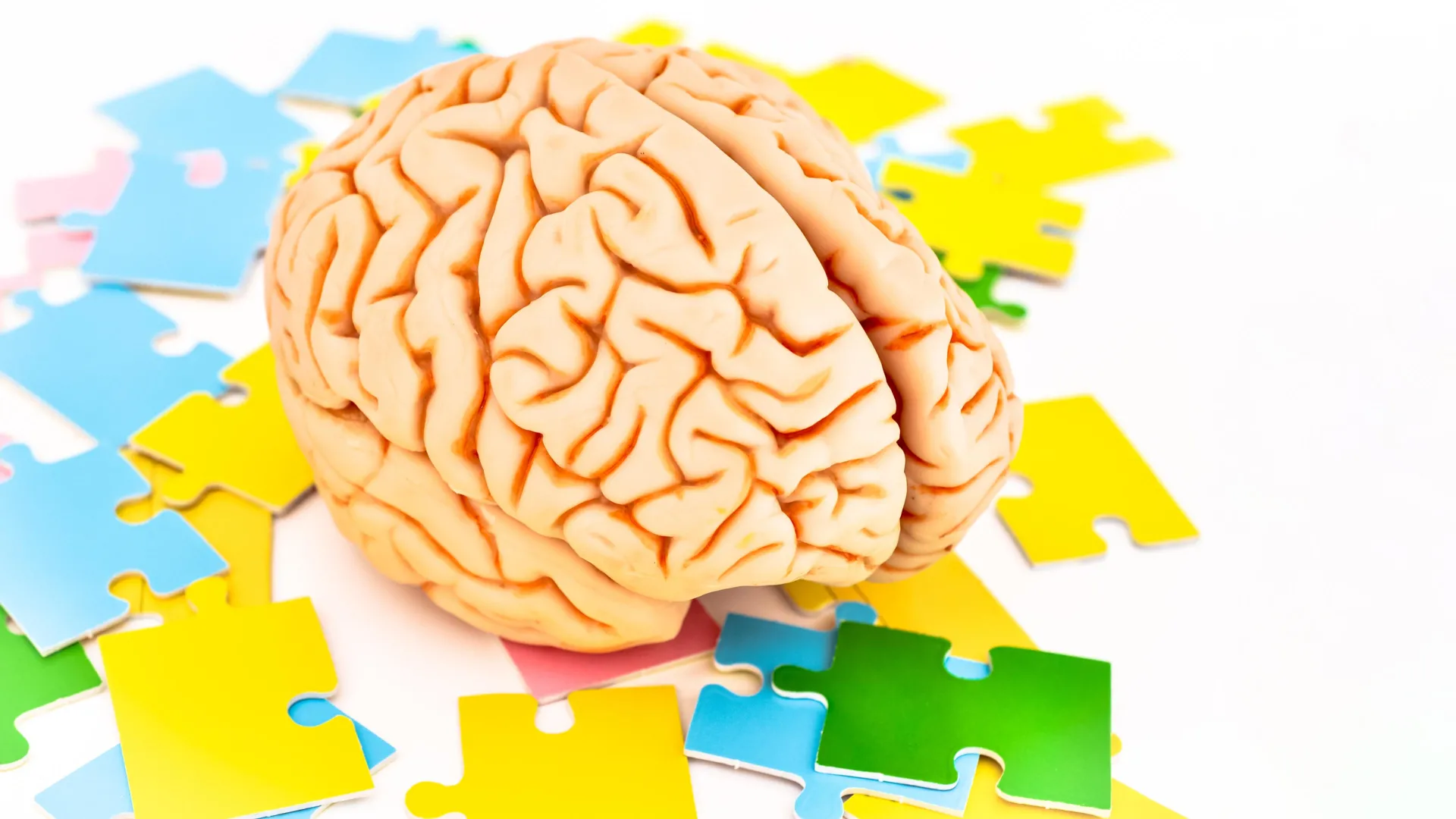
The brain may have a built-in way to quickly settle disagreements between regions processing the same scene. Researchers found that matching signals between two visual areas lasted longer, while conflicting signals rapidly faded away. This “consensus building” mechanism could help explain how the brain turns many specialized inputs into one unified view of the world.

📅 2026-09-24 13:28:15    •    ScienceDaily
Read Original Article →

Distant time crystals can somehow fall into the same rhythm
Science News

Distant time crystals can somehow fall into the same rhythm

Researchers have shown that multiple time crystals inside a semiconductor can synchronize their oscillations, much like pendulum clocks gradually falling into the same rhythm. The coupling is carried by spin-polarized electrons, allowing time crystals separated by up to 40 micrometers to lock to a common frequency. The discovery reveals surprisingly long-range connections between these exotic spin systems and could help researchers develop future spin-based devices.

📅 2026-09-24 13:16:41    •    ScienceDaily
Read Original Article →
Scientists thought they knew how this 70-year-old leukemia drug worked
Science News

Scientists thought they knew how this 70-year-old leukemia drug worked

A 70-year-old leukemia drug is still revealing new secrets. Researchers found that removing a protein called NUDT5 protected cells from the drug, even though simply blocking the protein had little effect. The unexpected result points to a hidden cellular role that could help explain why people respond differently to certain leukemia treatments.

📅 2026-09-24 12:47:28    •    ScienceDaily
Read Original Article →
Q&A: Why should colleges promote student physical activity?
Science News

Q&A: Why should colleges promote student physical activity?

Every fall in the United States, millions of young people move to college campuses, away from home for the first time. During this transition, they typically develop new social networks and routines as they learn to live on their own. One of the most important routines college students can intentionally develop is regular physical activity, according to Melissa Bopp, a professor of kinesiology at Penn State.

📅 2026-09-24 11:20:01    •    Phys.org
Read Original Article →
Page 78of 160   •   3,830articles