Latest Science & Research News

Stay informed about scientific discoveries, research developments and new findings from around the world.

Latest News

View All →
Why does lithium work against bipolar disorder?
Science News

Why does lithium work against bipolar disorder?

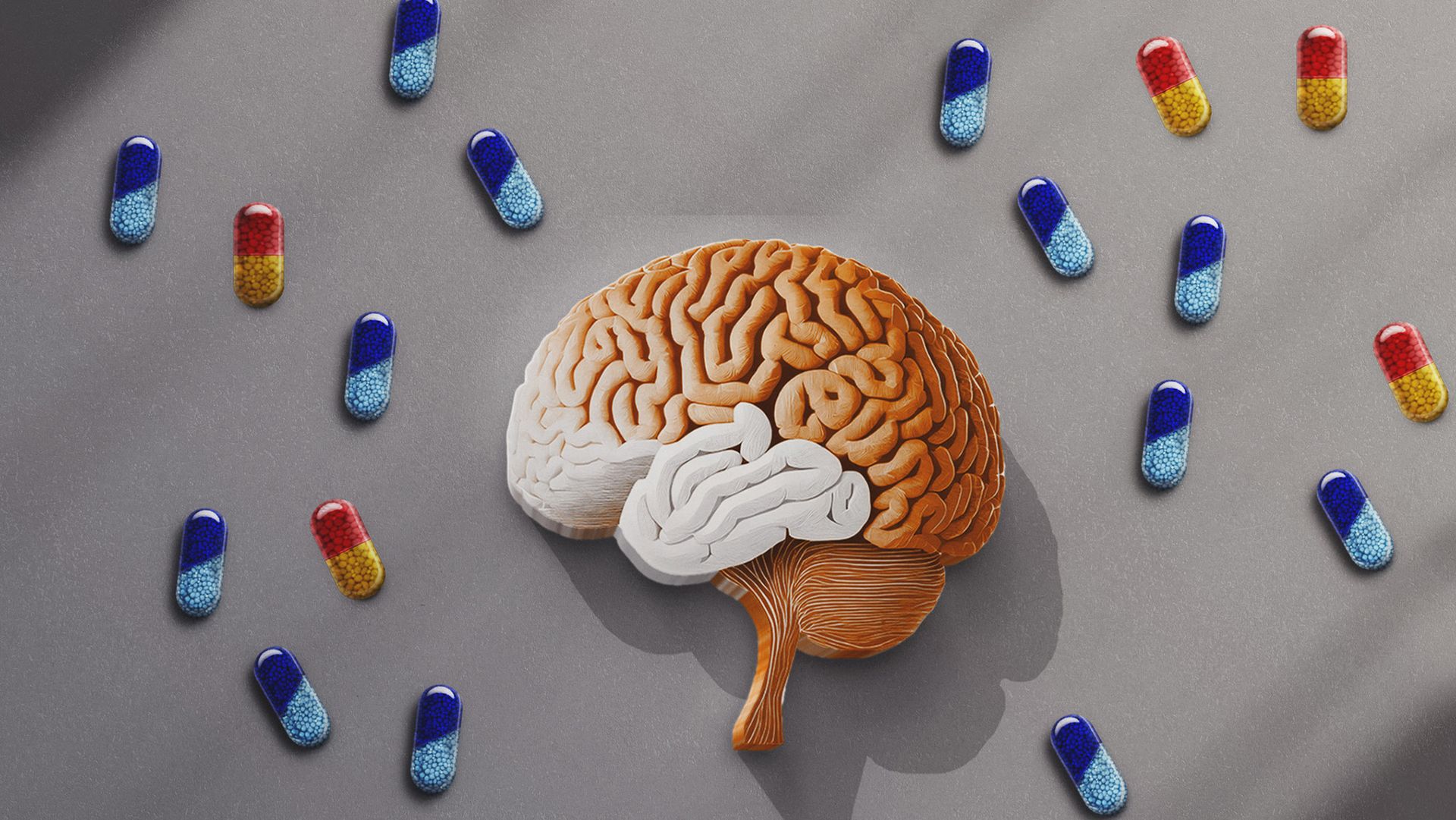
In modern times we tend to think of lithium as powering smartphones and cars, yet its historical fame comes from its role as a mood stabilizer.Lithium was first used as a treatment for bipolar disorder in 1949. Yet despite decades of research and drug development, this simple medication remains the gold standard for treating one of the most complex psychiatric conditions. But why?According to Becci Strawbridge, a senior lecturer in psychological medicine at King's College London, lithium's simplicity could be what helps it cut through the complexity of bipolar disorder, a lifelong disorder that affects about 36 million people worldwide.Clinically, bipolar disorder is defined as a mood disord...

📅 2026-09-26 09:00:00    •    Live Science
Read Original Article →
The secret to growing food on Mars could be fungi
Science News

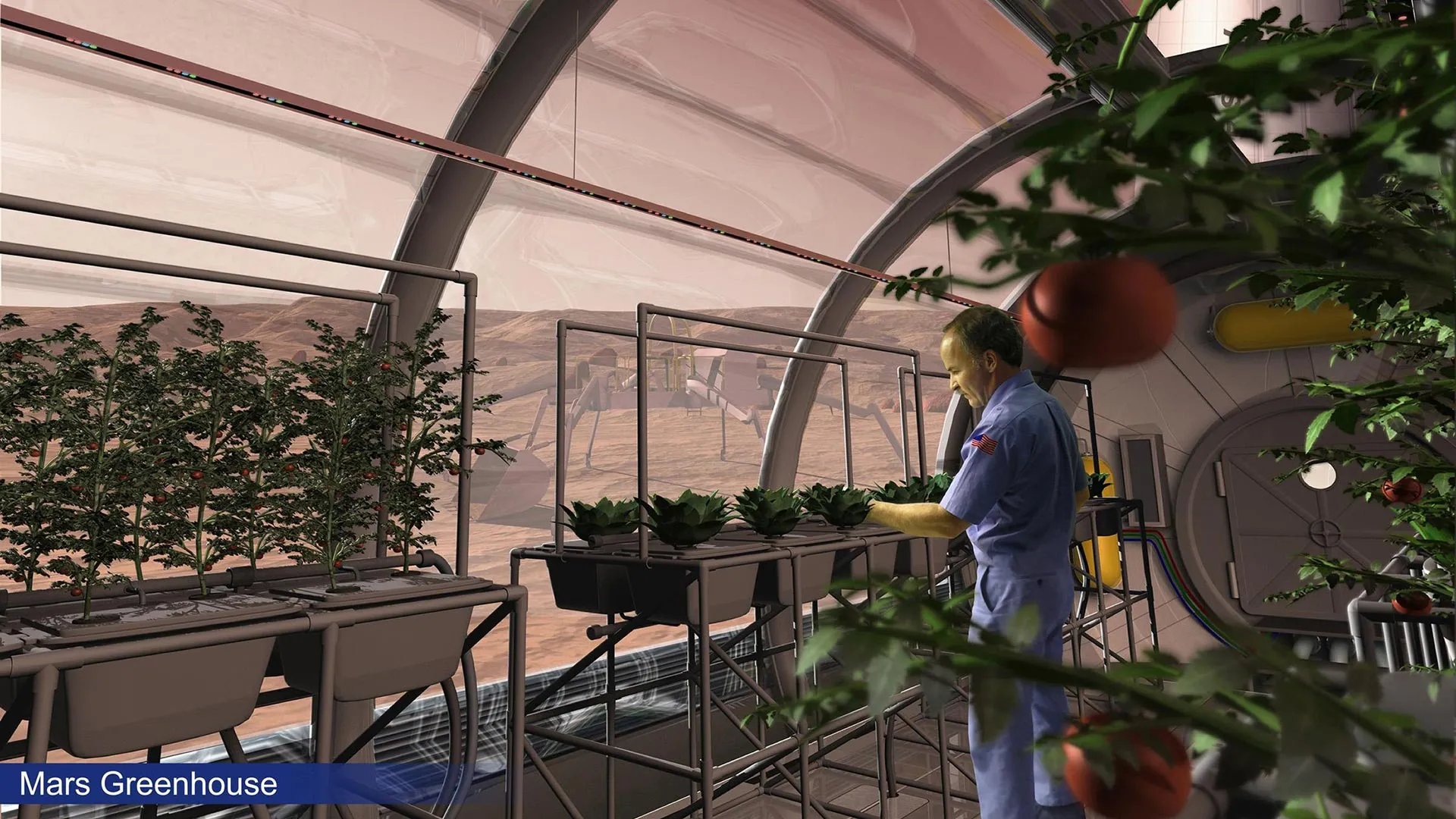
The secret to growing food on Mars could be fungi

Scientists think beneficial fungi could help transform nutrient-poor lunar and Martian regolith into a material capable of supporting crops. By helping plants access nutrients and withstand harsh conditions, these microbes could someday make self-sustaining space farming more realistic.

📅 2026-09-26 02:26:05    •    ScienceDaily
Read Original Article →
Climate crisis is affecting children's nutrition
Science News

Climate crisis is affecting children's nutrition

Wildfires, floods and other extreme weather events are no longer the only ways climate change affects children around the world. Increasingly, it also affects their diets. Droughts reduce agricultural production, floods cut off roads and disrupt supply chains, and rising prices limit families' access to fruits, vegetables and other fresh foods.

📅 2026-09-26 00:00:01    •    Phys.org
Read Original Article →
Critically endangered species in the heart of Africa: Investigating Hooded Vultures in Chad
Science News

Critically endangered species in the heart of Africa: Investigating Hooded Vultures in Chad

Slaughterhouses are places most people never want to go, and might seem like unlikely places to search for rare or endangered species. In West Africa, however, they are among the last places one can find a critically endangered species, the Hooded Vulture, which historically thrived as a human commensal species, living in close proximity to people and contributing to waste disposal.

📅 2026-09-25 21:20:02    •    Phys.org
Read Original Article →
Mitochondrial protein complexes: A single amino acid can jeopardize their stability
Science News

Mitochondrial protein complexes: A single amino acid can jeopardize their stability

Removing a single amino acid can determine whether new proteins assemble into stable complexes within mitochondria. An enzyme carries out this precise trimming at the start of mitochondrial proteins. Without it, numerous protein complexes lose their stability, according to a study led by Dr. Nora Vögtle of Heidelberg University and Dr. Pitter Huesgen of the University of Freiburg. In their work published in Nature Structural & Molecular Biology, the scientists identified a previously unknown mechanism by which human cells maintain the balance of proteins in their mitochondria.

📅 2026-09-25 21:00:01    •    Phys.org
Read Original Article →
NASA teases new PRIMA telescope that could see what even the James Webb telescope can't
Science News

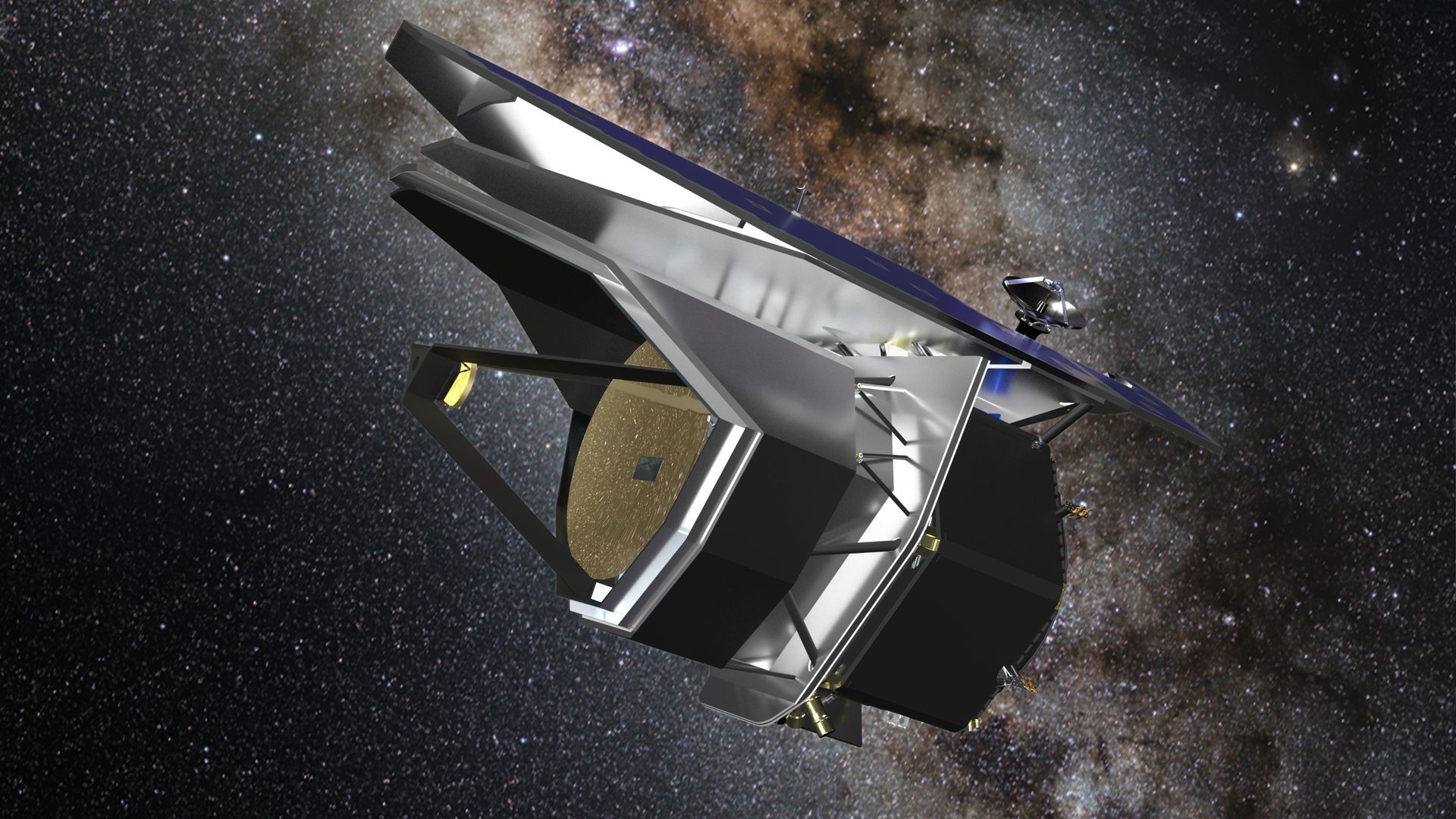
NASA teases new PRIMA telescope that could see what even the James Webb telescope can't

NASA is moving forward with designing a new space telescope that can see even deeper into the infrared universe than the James Webb Space Telescope (JWST) can. The new mission, called PRIMA (Probe far-Infrared Mission for Astrophysics), is continuing its development to Phase B — the preliminary design and tech phase — according to a NASA statement. Managers will review the mission's progress before officially beginning the telescope's journey to launch; if all goes to plan, PRIMA will embark on a five-year mission no earlier than 2033.PRIMA's objective is to use a 5.9-foot [1.8 meters] telescope to examine the cosmos in the far-infrared, in a different set of wavelengths than the more famous...

📅 2026-09-25 20:56:29    •    Live Science
Read Original Article →
How Harvard scientists built genomics outpost on Gloucester harbor
Research Institutions

How Harvard scientists built genomics outpost on Gloucester harbor

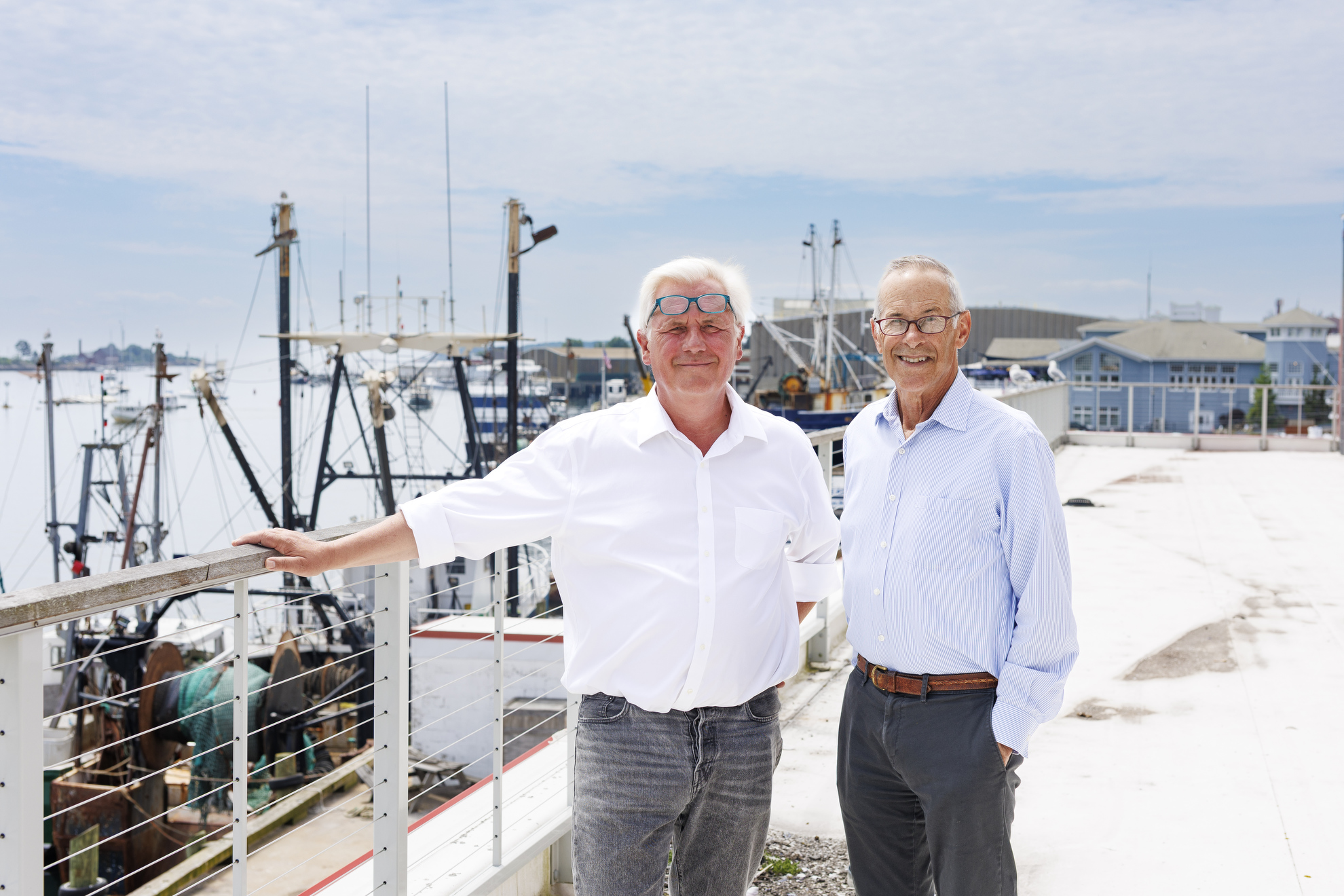
Marc Vidal (left) and David Walt. Photos by Niles Singer/Harvard Staff Photographer Science & Tech How Harvard scientists built genomics outpost on Gloucester harbor Sy Boles Harvard Staff Writer September 25, 2026 8 min read It started with idea to help beleaguered fishermen. Now marine science lab promotes healthy fisheries, trains local workforce, seeks clues to longevity The year was 2012, and Massachusetts state Rep. Ann-Margaret Ferrante had an idea that might help fishermen in her hometown of Gloucester. The Atlantic cod population had been in decline for decades, partly due to overfishing. Regulation to try to bring about a rebound was in everyone’s best interest, but there were prob...

📅 2026-09-25 20:41:06    •    Harvard Gazette
Read Original Article →
New kind of AI audio chip transforms earbuds into always-on 'intelligent' devices that run without a smartphone. How does it work?
Science News

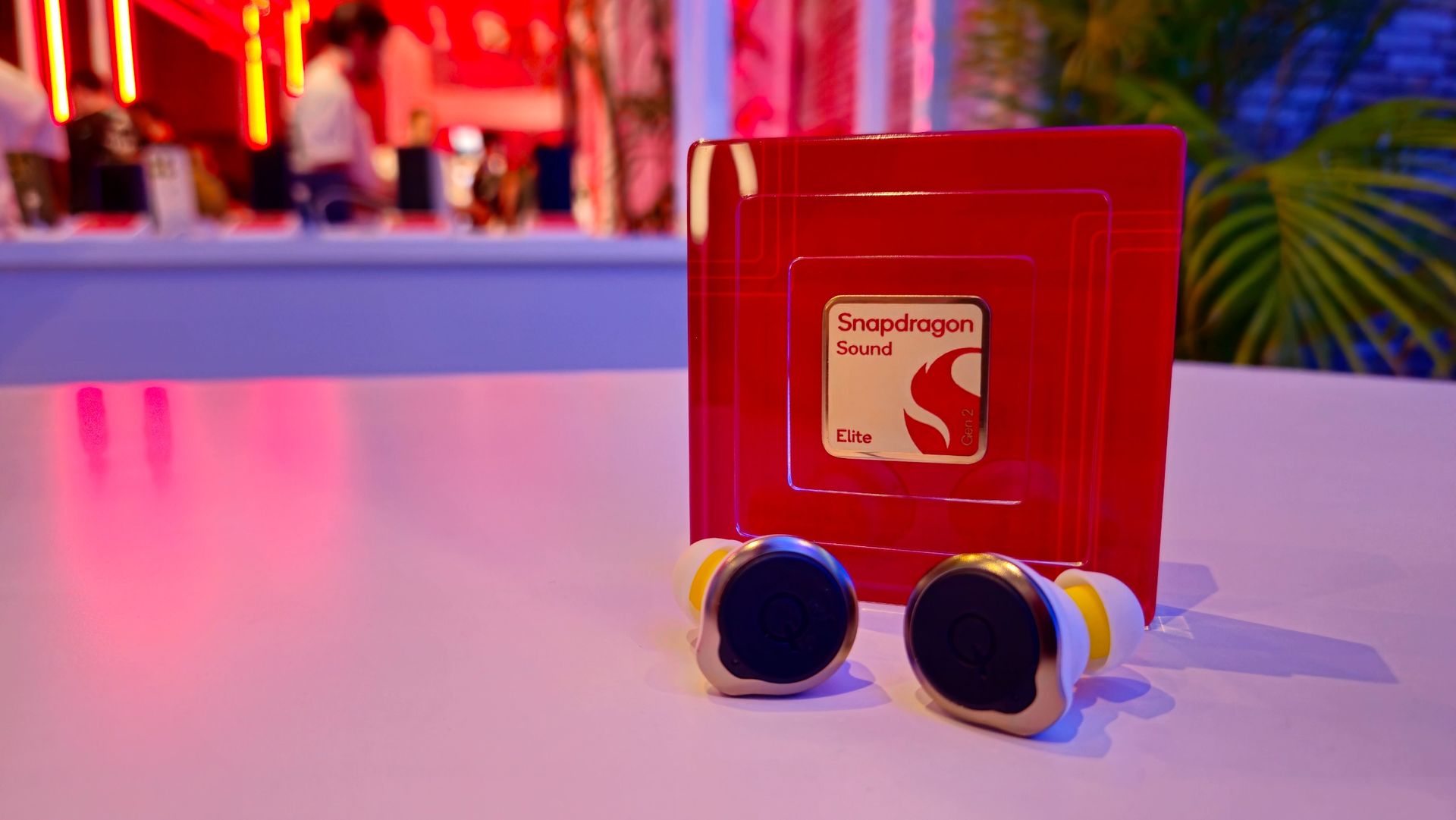
New kind of AI audio chip transforms earbuds into always-on 'intelligent' devices that run without a smartphone. How does it work?

MAUI, Hawaii — Engineers have built a first-of-its-kind artificial intelligence (AI) audio chip for wearable devices that they say will let users engage with AI assistants without needing to maintain a smartphone connection. Devices with the new chip will also harvest audio ‪—‬ and even video ‪—‬ data from the world around you to better serve these virtual agents.The new chip, called Snapdragon Sound Elite Gen 2, will pave the way for new features that are currently unavailable directly in portable devices such as headphones, smart glasses and speakers. Qualcomm representatives announced the new chip at the company's annual Snapdragon Summit, hosted here Sept. 21-24. Unlike current earbuds, ...

📅 2026-09-25 20:35:00    •    Live Science
Read Original Article →
MIT students gain a humanist lens on technical innovation in Tulsa, Oklahoma
Research Institutions

MIT students gain a humanist lens on technical innovation in Tulsa, Oklahoma

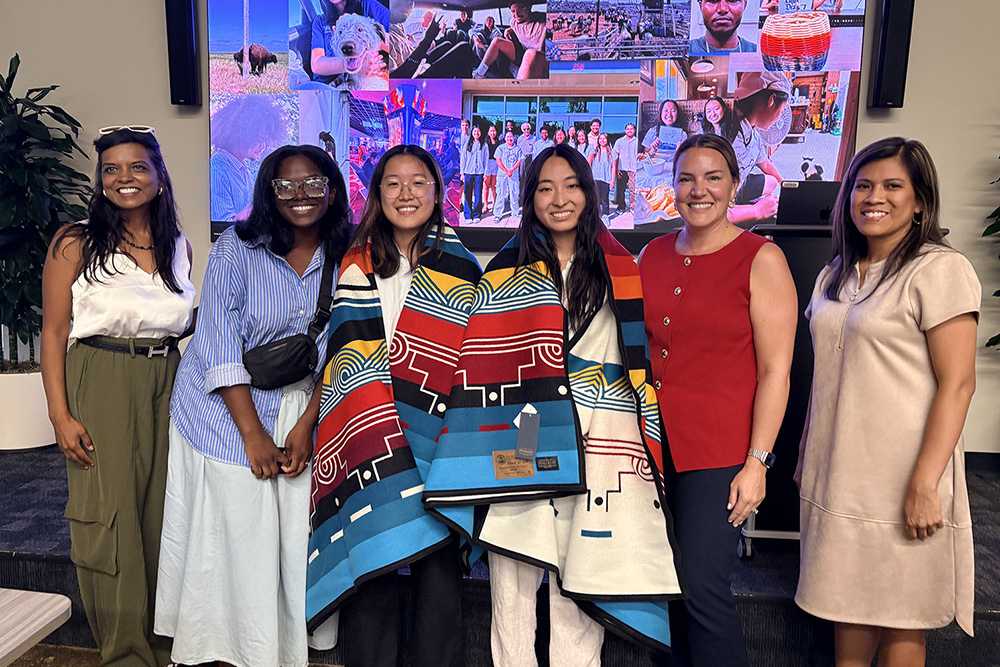
When MIT mechanical engineering student Daphne Wang arrived for her internship at the Muscogee Creek Nation Department of Health in Tulsa, Oklahoma last summer, she expected to be writing code. To her surprise, she found herself analyzing tribal history and the implications for technical innovation. “I learned so much that I think should be required curriculum for every single person in this country,” says Wang. “I think tech for good is genuinely getting out into communities and learning about people who aren't you, creating worldly perspectives that you ultimately can take into everything else that you do.”Wang and fellow intern Lucy Sun, who is majoring in artificial intelligence and deci...

📅 2026-09-25 20:15:00    •    MIT News
Read Original Article →
An overlooked era of cosmology is stealing the show in the quest to understand the cosmos
Science News

An overlooked era of cosmology is stealing the show in the quest to understand the cosmos

Could you imagine if pagers made a comeback? Sure, your smartphone would still be your notepad-flashlight-camera-personal assistant-MP3 player-wallet-social media browser. But imagine if pagers made it so easy to do that one important thing—pinging your friends and associates—that we all brought them back into our lives, or adopted them for the first time.

📅 2026-09-25 19:20:01    •    Phys.org
Read Original Article →
Taming the Duck, for starters
Research Institutions

Taming the Duck, for starters

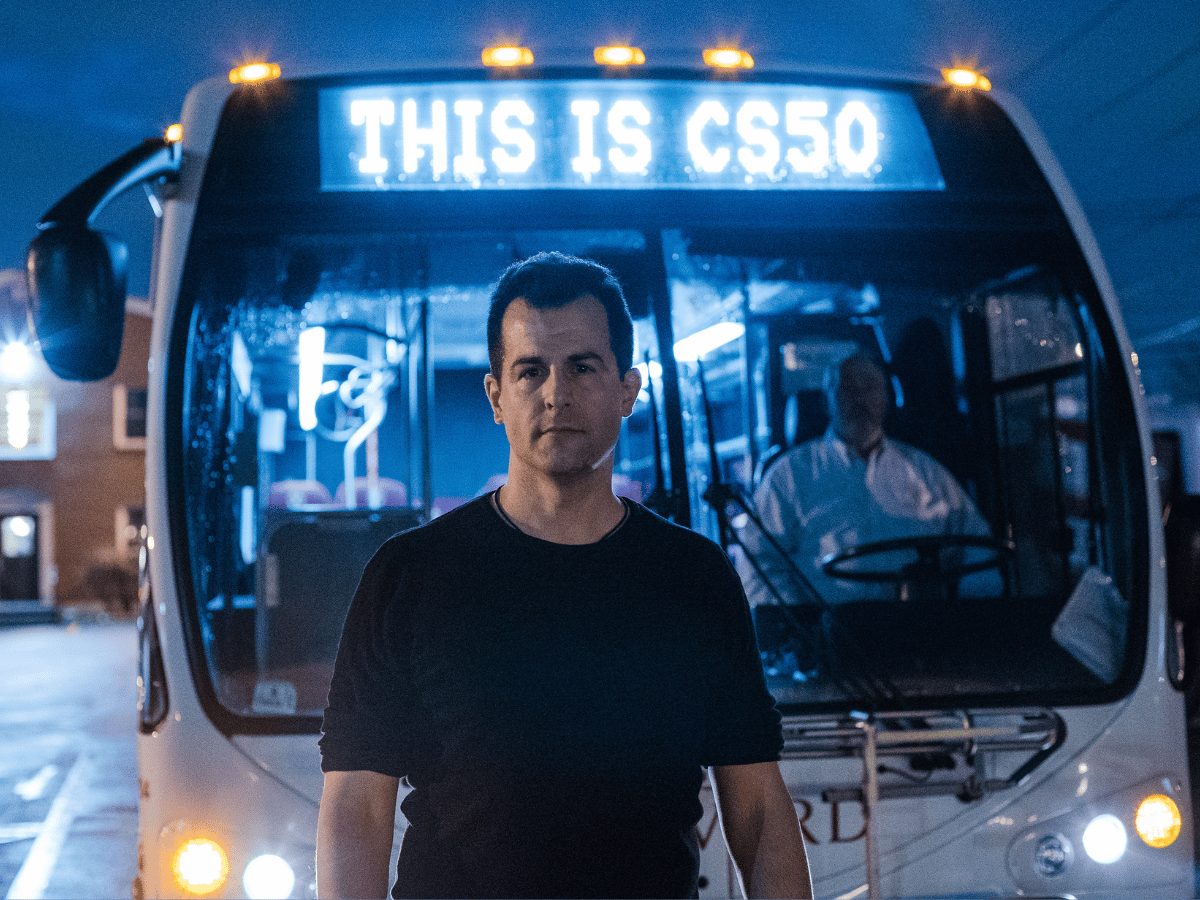
David Malan.Photo by Arturo Real Science & Tech Taming the Duck, for starters David Malan says CS50’s AI tutor is a net positive — and getting better Max Larkin Harvard Staff Writer September 25, 2026 long read By now David Malan may be one of Harvard’s most recognizable (human) faces. Since 2007, Malan — a Gordon McKay Professor of the Practice of Computer Science — has built CS50, “Introduction to Computer Science,” into the University’s largest course. During that time, the online version of CS50 has taken on a global scope. Over the years, millions of students have registered in CS50x or its growing menu of more focused modules: on cybersecurity and law, Python, SQL, and AI. Malan is on ...

📅 2026-09-25 19:15:41    •    Harvard Gazette
Read Original Article →
Helping us make our way ‘through a world that can feel broken’
Research Institutions

Helping us make our way ‘through a world that can feel broken’

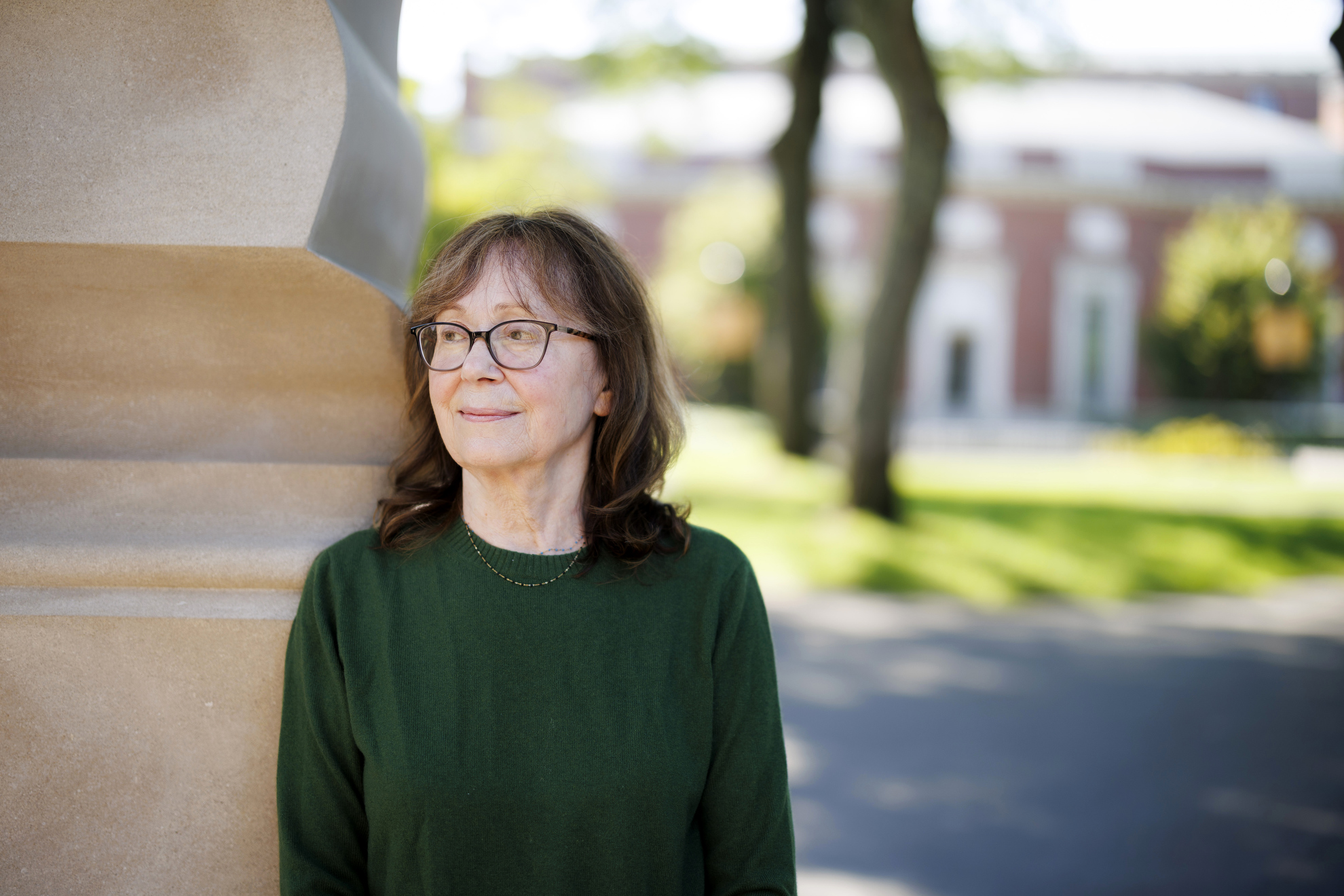
Photos by Stephanie Mitchell/Harvard Staff Photographer Arts & Culture Helping us make our way ‘through a world that can feel broken’ Liz Mineo Harvard Staff Writer September 25, 2026 long read Maria Tatar has spent her career tracing evolution of folk, fairy tales, explaining why they still matter Part of the Experience series Scholars at Harvard tell their stories in the Experience series. Maria Tatar’s love for fairy tales and German literature took root in the cluttered attic of a rambling mansion donated to a church in Highland Park, Illinois. Her family was housed there after immigrating from postwar Europe and settling in the US as “displaced persons.” Tatar, one of the world’s foremo...

📅 2026-09-25 17:33:00    •    Harvard Gazette
Read Original Article →
Page 76of 161   •   3,864articles