Latest Science & Research News

Stay informed about scientific discoveries, research developments and new findings from around the world.

Latest News

View All →
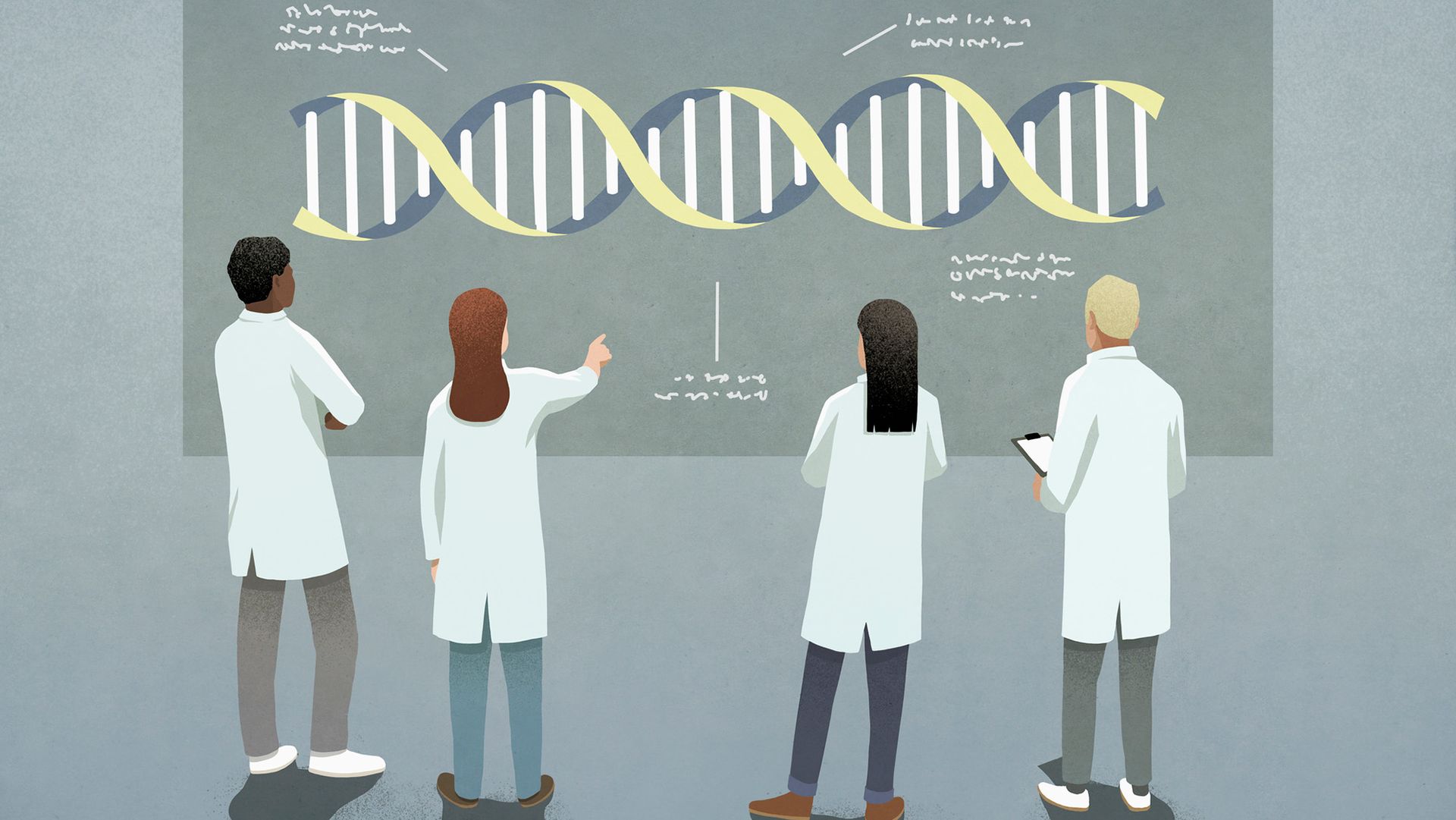
'The right diagnosis is unbelievably powerful': It can take years to diagnose rare diseases, and scientists are trying to fix that
Science News

'The right diagnosis is unbelievably powerful': It can take years to diagnose rare diseases, and scientists are trying to fix that

Millions of Americans are diagnosed with common conditions like cancer and diabetes — but some 10% of the population live with rare diseases that doctors often struggle to diagnose. On average, those with rare diseases will spend five to seven years searching for answers and see 12 specialists before they arrive at a diagnosis.In the process, they may be subject to incorrect, ineffective or even harmful treatments."Any medicine that you prescribe has a one-third chance of working, a one-third chance of doing nothing, and a one-third chance of hurting you," said Dr. Ada Hamosh, a geneticist and the center director for the Johns Hopkins Medicine-Kennedy Krieger Institute National Organization ...

📅 2026-09-28 12:00:00    •    Live Science
Read Original Article →
13,000-year-old butchered bones of long-tusked beast found in Chile give more evidence of early first Americans
Science News

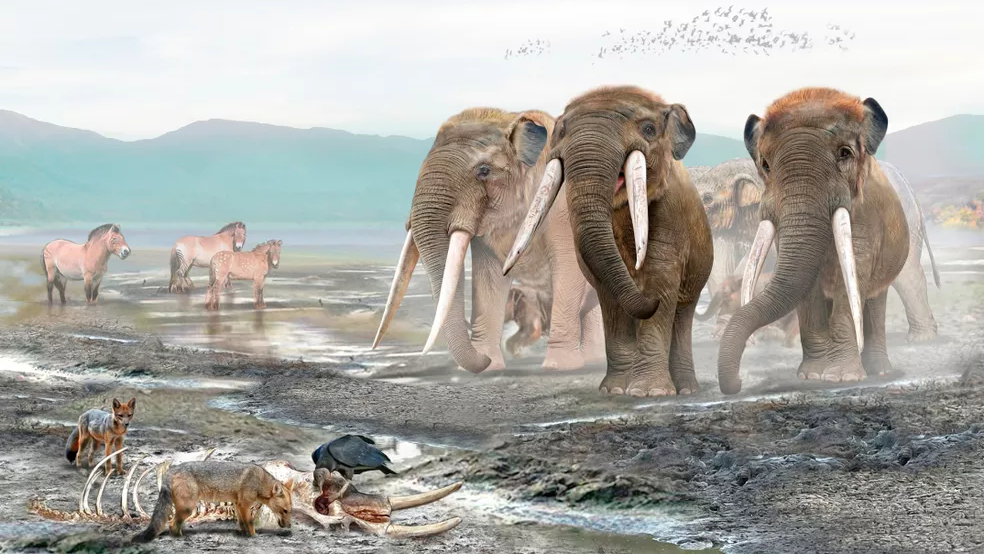
13,000-year-old butchered bones of long-tusked beast found in Chile give more evidence of early first Americans

Bones from extinct elephant-like creatures discovered along the shore of Lake Tagua Tagua in central Chile bear human-made cut marks and were found alongside stone tools, revealing that some of the first humans to live there were killing and eating these animals 13,000 years ago, new research shows. Archaeological excavations carried out over the past two years in the basin of the ancient lake revealed a large concentration of megafauna remains and stone tools, according to a Sept. 24 statement from the Catalan Institute for Human Palaeoecology and Social Evolution (IPHES-CERCA). Several bones from gomphotheres, an extinct group of tusked mammals related to modern elephants, displayed clear ...

📅 2026-09-28 11:00:00    •    Live Science
Read Original Article →

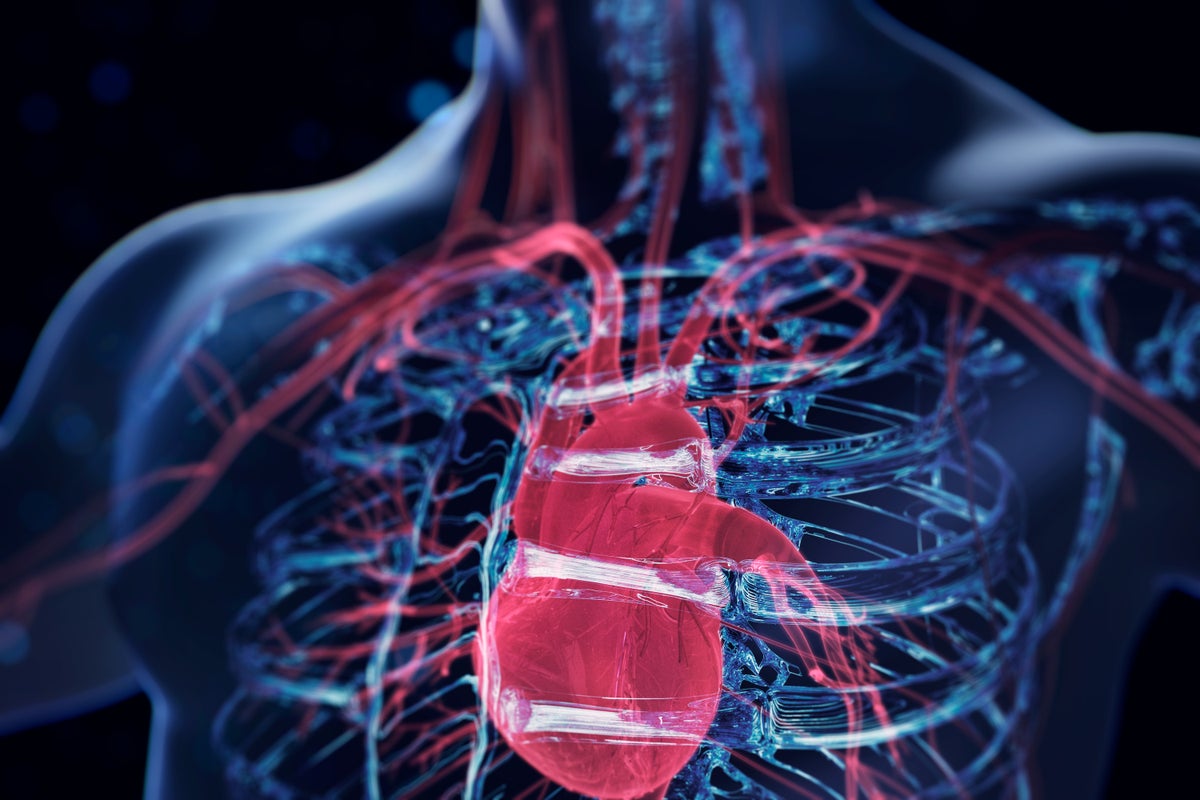
Pomegranate compound improves heart function by up to 80% in study
Science News

Pomegranate compound improves heart function by up to 80% in study

A compound the body can make after eating pomegranates, walnuts, and some berries improved measures of heart function by up to 80% in animal models of a difficult-to-treat form of heart failure. Urolithin A helped stiff heart tissue relax and reduced scarring and abnormal enlargement. It also improved relaxation in engineered human heart tissue.

📅 2026-09-28 10:49:22    •    ScienceDaily
Read Original Article →
Battersea Shield: A 2,000-year-old Celtic shield that may have been 'sacrificed' in a ritual in the River Thames
Science News

Battersea Shield: A 2,000-year-old Celtic shield that may have been 'sacrificed' in a ritual in the River Thames

The Battersea Shield was pulled out of the River Thames in 1857. (Image credit: Universal History Archive/Universal Images Group via Getty Images)QUICK FACTSName: Battersea ShieldWhat it is: Bronze facing of a shieldWhere it is from: River Thames, LondonWhen it was made: Between 350 and 50 B.C.This masterpiece of ancient Celtic weaponry was discovered by a laborer who was working on a bridge over the River Thames in 1857. Named the Battersea Shield after the London neighborhood near where it was found, the bronze artifact shows no signs of use, leaving archaeologists wondering how it ended up at the bottom of the river.According to the British Museum, which acquired the shield directly from ...

📅 2026-09-28 10:00:00    •    Live Science
Read Original Article →

160-million-year-old proteins show surprising power against superbugs
Science News

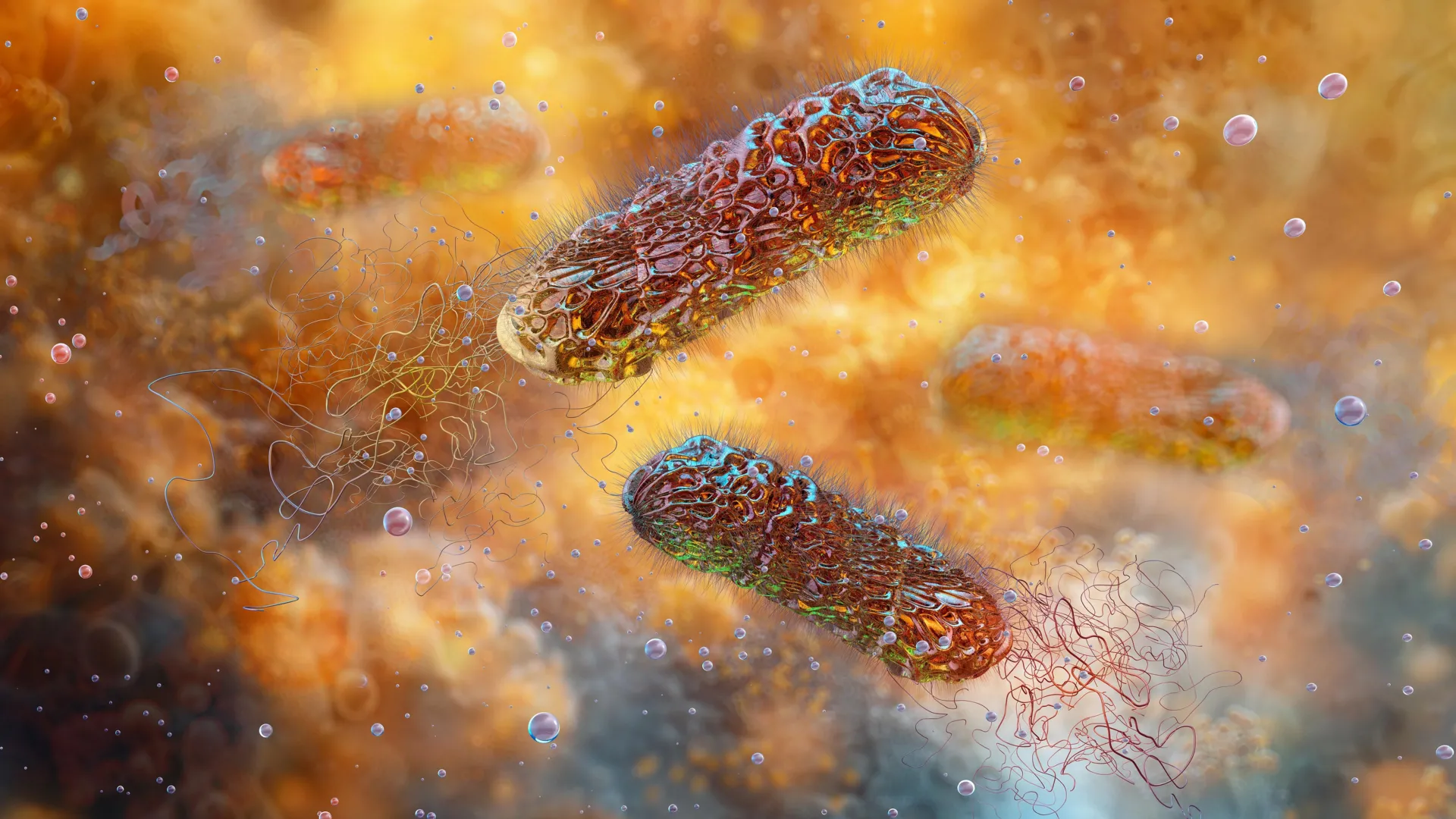
160-million-year-old proteins show surprising power against superbugs

Scientists resurrected antimicrobial peptides from mammals that lived millions of years ago and found that some were more potent against drug-resistant bacteria than modern human versions. These evolutionary relics could provide new clues for designing treatments as antibiotic resistance becomes an increasingly serious threat.

📅 2026-09-28 09:59:57    •    ScienceDaily
Read Original Article →
The herring fishery that took 400 years to rebound—and what it teaches us today
Science News

The herring fishery that took 400 years to rebound—and what it teaches us today

From the 13th to the 16th century, herring from the Sound—the strait in the Baltic Sea between Denmark and Sweden—was one of northern Europe's most important trade goods. Salted herring from the so-called Skanör-Falsterbo fishery fed large parts of Europe. Around 1570, however, the fishery collapsed rapidly, with far-reaching consequences for trade, politics and society. It took almost 400 years, until the 1950s, for catches to reach comparable levels again.

📅 2026-09-28 09:00:08    •    Phys.org
Read Original Article →

Waves find order in the chaos of an oddly shaped cavity
Science News

Waves find order in the chaos of an oddly shaped cavity

When light or sound bounces around inside an oddly shaped room, its reflections can quickly become difficult to predict. But new research led by scientists at the Advanced Science Research Center at the CUNY Graduate Center (CUNY ASRC) shows that waves can behave very differently when they travel through a special class of materials.

📅 2026-09-28 09:00:03    •    Phys.org
Read Original Article →
New formulation helps RNA vaccines withstand high temperatures
Research Institutions

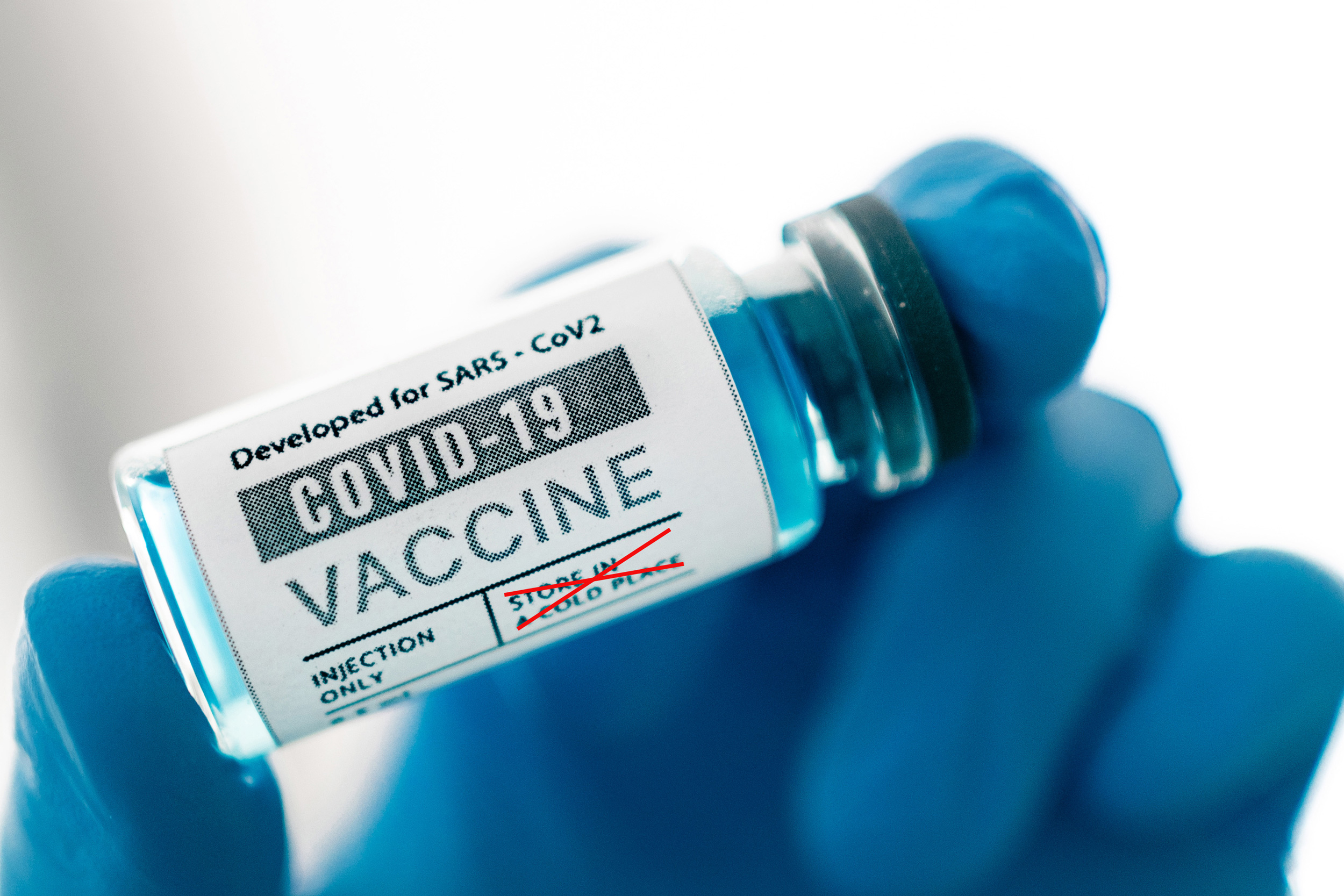
New formulation helps RNA vaccines withstand high temperatures

RNA vaccines, which have been proven effective against Covid-19, are now being developed for many other diseases, including cancer. One of the drawbacks to these vaccines is that they require ultracold storage, but researchers from MIT have found a promising way to overcome that limitation.With help from an AI algorithm, the researchers tweaked the formulation surrounding the lipid nanoparticles that are typically used to deliver mRNA vaccines, making the vaccines more heat-resistant. Using this approach, they formulated vaccines that could remain stable even when stored at room temperature for up to a year, or at nearly 100 degrees Fahrenheit for two months.When Covid-19 vaccines carried by...

📅 2026-09-28 09:00:00    •    MIT News
Read Original Article →
Resetting the body clock could help the brain recover after stroke
Science News

Resetting the body clock could help the brain recover after stroke

Strengthening the body’s natural daily rhythms helped mice recover after stroke by improving the brain’s waste-clearing system and reducing lingering inflammation. The approach worked even when treatment began three days after the stroke, suggesting circadian-based therapies could eventually offer a new way to support long-term recovery.

📅 2026-09-28 08:35:12    •    ScienceDaily
Read Original Article →
Antarctic radar data improves forecasts for Southern Hemisphere atmospheric rivers in tests
Science News

Antarctic radar data improves forecasts for Southern Hemisphere atmospheric rivers in tests

Weather forecasts in the Southern Hemisphere (SH) are generally less accurate than those in the Northern Hemisphere because Antarctica and the surrounding Southern Ocean have relatively few weather observations. With limited information about atmospheric conditions in one of the world's most remote regions, forecasting models often struggle to predict the movement of weather systems. This is especially true for atmospheric rivers that can trigger heavy rain, snowfall, flooding and strong winds across Australia, New Zealand, South America and Antarctica. Improving forecasts of these weather systems is essential for protecting lives and property, supporting aviation and shipping, and helping c...

📅 2026-09-28 07:00:02    •    Phys.org
Read Original Article →
New metal-free molecules glow deep red in water and boost MRI contrast in test images
Science News

New metal-free molecules glow deep red in water and boost MRI contrast in test images

Bioimaging technologies, such as fluorescence imaging (FI) and magnetic resonance imaging (MRI), are powerful tools in basic research and clinical medicine. But they have drawbacks. FI allows researchers to visualize cells and other biological processes at high resolution, but it lacks imaging depth. MRI can capture images deep within the body, but it lacks the single-cell resolution provided by FI. Furthermore, MRI contrast agents contain paramagnetic metals, such as gadolinium, that can potentially cause adverse side effects.

📅 2026-09-28 06:00:01    •    Phys.org
Read Original Article →
Is the universe infinite? The answer gets weird fast
Science News

Is the universe infinite? The answer gets weird fast

Measurements of ancient light from the cosmic microwave background suggest that the universe is remarkably flat. But that does not prove it is infinite, because the observable cosmos could be only a small patch of a much larger curved universe. Space could even be flat while wrapping around on itself in exotic ways.

📅 2026-09-28 03:18:42    •    ScienceDaily
Read Original Article →
Scientists found a surprising driver of Alzheimer’s outside the brain
Science News

Scientists found a surprising driver of Alzheimer’s outside the brain

Scientists found that immune cells contributing to Alzheimer’s-related brain damage may be activated in lymph nodes outside the brain before traveling into the nervous system. Blocking this pathway in mice dramatically reduced neurodegeneration and preserved cognitive abilities, pointing to a potentially more accessible treatment target.

📅 2026-09-28 02:39:28    •    ScienceDaily
Read Original Article →
What the smell of a soil can tell us about soil health
Science News

What the smell of a soil can tell us about soil health

Farmers used to sniff their soil to gauge how healthy it was. According to ecologist Rosa Boone, you can deduce a great deal from its smell: "The fungi and bacteria present in the soil are important for soil health and are responsible for the soil's smell." Boone discovered that the smell of soil can be captured and analyzed in the lab, providing insights into these microbial communities. "Monitoring soil life is becoming increasingly important, particularly in view of the forthcoming soil monitoring guidelines. My research shows that there is great potential for developing a sensor—an 'electronic nose'—that could be used to analyze microbial soil life directly, based on how it smells."

📅 2026-09-28 00:30:06    •    Phys.org
Read Original Article →
Who is responsible for limiting global warming to 1.5°?
Science News

Who is responsible for limiting global warming to 1.5°?

Even if industry rapidly becomes more sustainable, households will still need to change their lifestyles to meet climate targets. Industrial ecologist Stephanie Cap warns that households cannot do this alone: Businesses and governments must create the conditions to make these changes possible. Cap defends her dissertation titled "Everything Must Change: 1.5°C decarbonisation scenarios across industries and households" on Oct. 1.

📅 2026-09-27 21:00:01    •    Phys.org
Read Original Article →
Why volcanic crystals are black boxes for tracking magma's journey to the Earth's surface
Science News

Why volcanic crystals are black boxes for tracking magma's journey to the Earth's surface

When we think of a volcanic eruption, rivers of glowing lava or giant columns of ash come to mind. But beneath Earth's surface, a more complex story is unfolding. Magma deep within volcanoes is more than molten rock. It is a thick mixture of melted rock and solid mineral crystals known as "magma mush". To picture it, imagine a semi-frozen granita: a slushy blend of solid ice crystals suspended in sweet liquid syrup.

📅 2026-09-27 19:00:01    •    Phys.org
Read Original Article →
Finding homes for whales and dolphins when parks close isn't easy—sea sanctuaries aren't the answer
Science News

Finding homes for whales and dolphins when parks close isn't easy—sea sanctuaries aren't the answer

When Marineland Canada in Niagara Falls, Ontario, closed in September 2024, it had no regular income to support the care of the 30 belugas and four dolphins housed there. To ensure their welfare, the Association of Zoos and Aquariums led an international effort to relocate the animals to the United States and Spain.

📅 2026-09-27 18:00:06    •    Phys.org
Read Original Article →
Page 73of 161   •   3,864articles