Latest Science & Research News

Stay informed about scientific discoveries, research developments and new findings from around the world.

Latest News

View All →
DarkSide detector puts 'nuclear' dark matter to the test
Science News

DarkSide detector puts 'nuclear' dark matter to the test

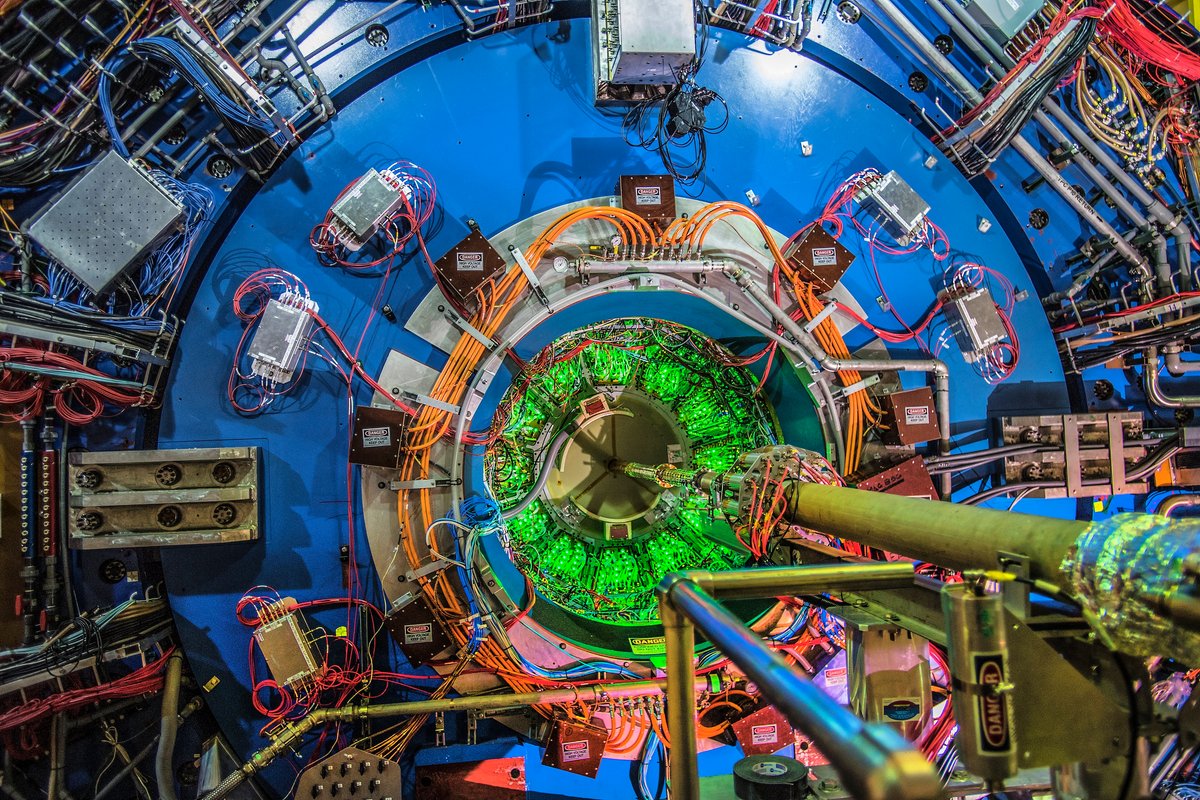
Researchers at the DarkSide collaboration have unveiled results from a seven-year experiment that tested whether dark matter particles could exist as composites of smaller, elementary particles. While the search turned up no direct evidence of this "ultraheavy nuclear" dark matter, results from the DarkSide-50 detector could lay the groundwork for future experiments, helping physicists work out whether dark matter has an internal structure.

📅 2026-09-28 16:30:01    •    Phys.org
Read Original Article →
Nearly 90% of Americans engaging with nonprofits do not realize it, researchers find
Science News

Nearly 90% of Americans engaging with nonprofits do not realize it, researchers find

Many Americans encounter nonprofits in everyday life without recognizing those interactions as nonprofit service use, according to a new report from the Indiana University Lilly Family School of Philanthropy, What Americans Think About Nonprofits & Philanthropy 2026. While only 7.4% of respondents reported that they or someone in their immediate family had received or used services from a charitable organization in the past year, 71.9% reported engaging in at least one activity typically provided by nonprofits. That means nearly 90% of nonprofit users did not initially identify themselves as such.

📅 2026-09-28 16:20:16    •    Phys.org
Read Original Article →
US Cold War-era spy satellite explodes above Earth — and nobody knows why
Science News

US Cold War-era spy satellite explodes above Earth — and nobody knows why

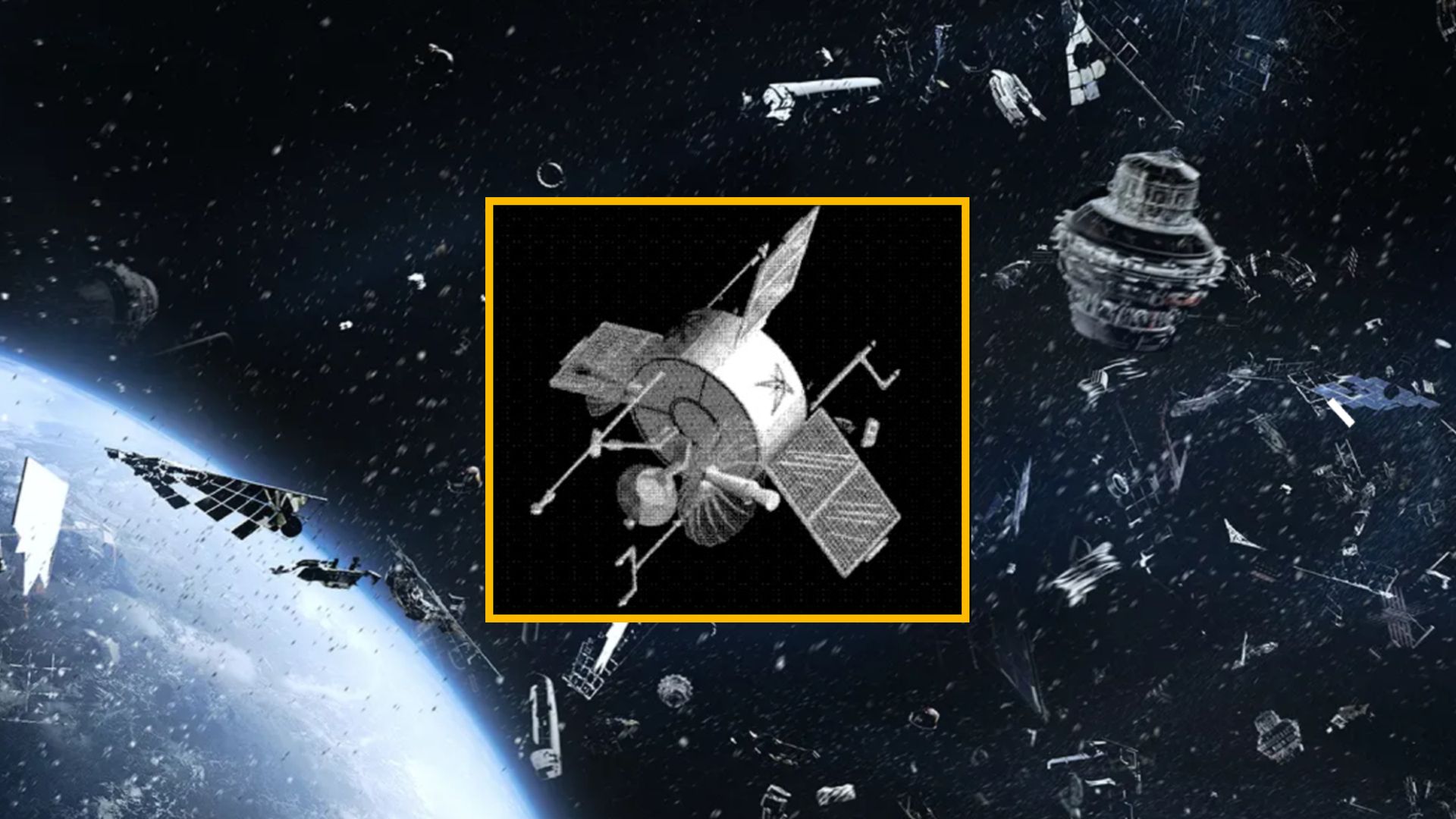
An American spy satellite deployed during the Cold War has exploded above our planet without warning — and, so far, scientists can't explain why. The debris cloud from this sudden fragmentation, which experts are still trying to measure, could pose a very "real threat" to other spacecraft in a highly crowded region of low Earth orbit (LEO), experts warn. The spacecraft, known as USA 32 or Farrah III, was launched by the National Reconnaissance Office (NRO) in 1988. Its mission, which was only fully declassified earlier this year, was to intercept Soviet radar and radio signals from space, according to Futura. The cylindrical spacecraft, whose shape has been described as a giant "tuna can," l...

📅 2026-09-28 16:19:28    •    Live Science
Read Original Article →
Organic chemists harness AI to uncover how fast chemical reactions proceed
Science News

Organic chemists harness AI to uncover how fast chemical reactions proceed

Chemists routinely optimize reactions to maximize the yield of their desired products, but understanding why those reactions work can require laborious experiments that track reactions over time. Researchers at the University of Tokyo have developed a method to extract hidden information about reaction speeds from yield data obtained during reaction optimization, using machine learning and rate equations developed by chemists.

📅 2026-09-28 16:00:18    •    Phys.org
Read Original Article →
Harvard launches $150 million research initiative
Research Institutions

Harvard launches $150 million research initiative

Campus & Community Harvard launches $150M research initiative Alvin Powell Harvard Staff Writer September 28, 2026 6 min read University plans range of awards in basic and applied science, seeking to meet ‘moment of remarkable opportunity’ A new strategic research initiative is seeking to bolster pioneering Harvard work in areas ripe for breakthroughs, including neuroscience, immunology, quantum, artificial intelligence, and energy and climate. The $150 million initiative, which represents one of Harvard’s largest direct investments in research, will fund promising avenues of inquiry in both basic and applied science, and fuel the creativity of the University’s exceptional scientists and res...

📅 2026-09-28 16:00:00    •    Harvard Gazette
Read Original Article →
'It is something we must know before we go where no man has gone before': Readers react to NASA's Roman telescope mission
Science News

'It is something we must know before we go where no man has gone before': Readers react to NASA's Roman telescope mission

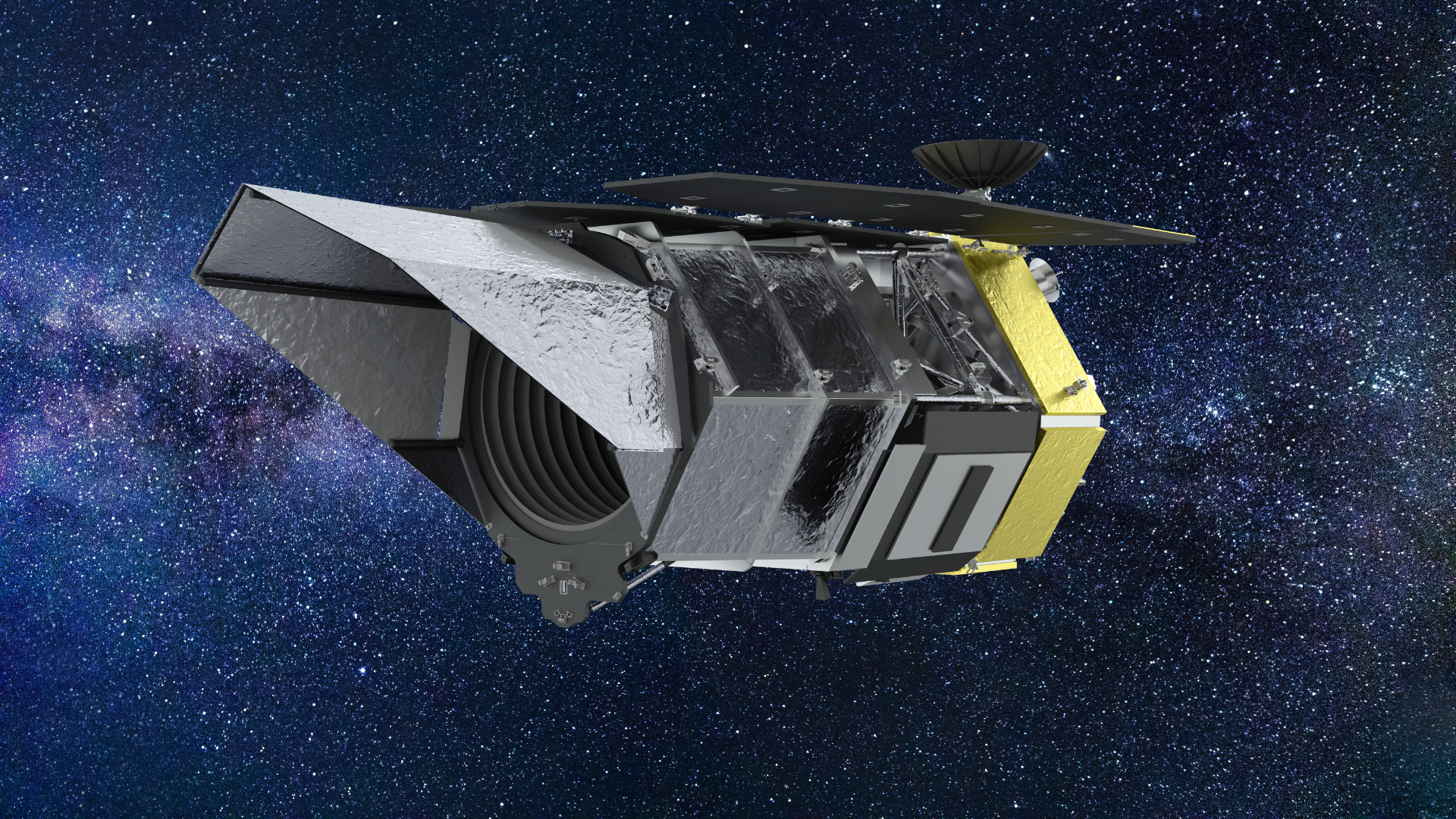
Moving toward Lagrange point L2 around a million miles (1.6 million kilometers) from Earth, NASA's Nancy Grace Roman Space Telescope is about to begin its study of our universe. Launched on Aug. 30, the space telescope has already released its first images before its 300-megapixel camera is fully calibrated, capturing clusters of stars as blurry green rings. Once Roman's Wide Field Instrument is fully functional, the telescope should produce images as crisp as those from the Hubble Space Telescope but encompassing an area 100 times larger in each snap, NASA has stated. Experts hope to use these images to uncover more information about dark energy and possible habitable exoplanets. With Roman...

📅 2026-09-28 15:47:51    •    Live Science
Read Original Article →
Mating-related chemical changes in New World screwworm identified
Science News

Mating-related chemical changes in New World screwworm identified

Researchers at the University of Kentucky Martin-Gatton College of Agriculture, Food and Environment (CAFE) and the U.S. Department of Agriculture have discovered that mating changes the chemical coating on the New World screwworm, a fly species with maggots that can cause serious tissue destruction and deadly diseases in livestock and other animals. The findings may help scientists better understand how the insects recognize mates and could provide leads for future monitoring and control methods.

📅 2026-09-28 15:40:06    •    Phys.org
Read Original Article →
Pressurized experiments could help wind farms generate more power
Research Institutions

Pressurized experiments could help wind farms generate more power

The world needs more wind energy. But anyone designing new wind turbines or trying to squeeze more power out of existing ones faces a stiff challenge testing new approaches. That’s because the atmosphere is a tough place for a controlled experiment.Some researchers use wind tunnels to conduct tests, but scaled-down wind turbines in traditional wind tunnels can differ widely from conditions in the field. (Wind turbines are the largest rotating machines ever made.) The problem hampers not only development of better wind turbines, but also our understanding of basic questions like how much power to expect from a turbine when winds change direction.In a new open access paper published in PNAS Ne...

📅 2026-09-28 15:00:00    •    MIT News
Read Original Article →
Scientists just discovered what coffee really does to your gut and brain
Science News

Scientists just discovered what coffee really does to your gut and brain

A new study suggests coffee may influence mood and brain function by changing the activity of microbes in the gut. Both caffeinated and decaf coffee were linked to lower stress, depression, and impulsivity, while also producing measurable changes in gut bacteria and metabolites. Decaf was associated with better learning and memory, while caffeinated coffee appeared to reduce anxiety and improve attention.

📅 2026-09-28 13:37:05    •    ScienceDaily
Read Original Article →
A 72-year-old photo is revealing new clues about 'Meretneith,' a powerful woman who may have ruled Egypt 5,000 years ago
Science News

A 72-year-old photo is revealing new clues about 'Meretneith,' a powerful woman who may have ruled Egypt 5,000 years ago

A new analysis of a decades-old photo is revealing new details about a powerful woman who ruled Egypt 5,000 years ago, a new study finds.The woman, named Meretneith (also spelled Merneith or Meret-Neith), reigned during the first dynasty, a time not long after Egypt was united under a single ruler, according to the new research. The study, published in the September issue of the journal Prague Egyptological Studies, enhanced an old photo of a now lost artifact revealing that Meretneith's name was written in a way reserved for a ruler for Egypt. The finding was more than 70 years in the making. In the 1940s, archaeologist William B. Emery found 13 mud stoppers, or seals that identify an objec...

📅 2026-09-28 13:00:00    •    Live Science
Read Original Article →
Blood tests reveal why astronauts get constipated in space
Science News

Blood tests reveal why astronauts get constipated in space

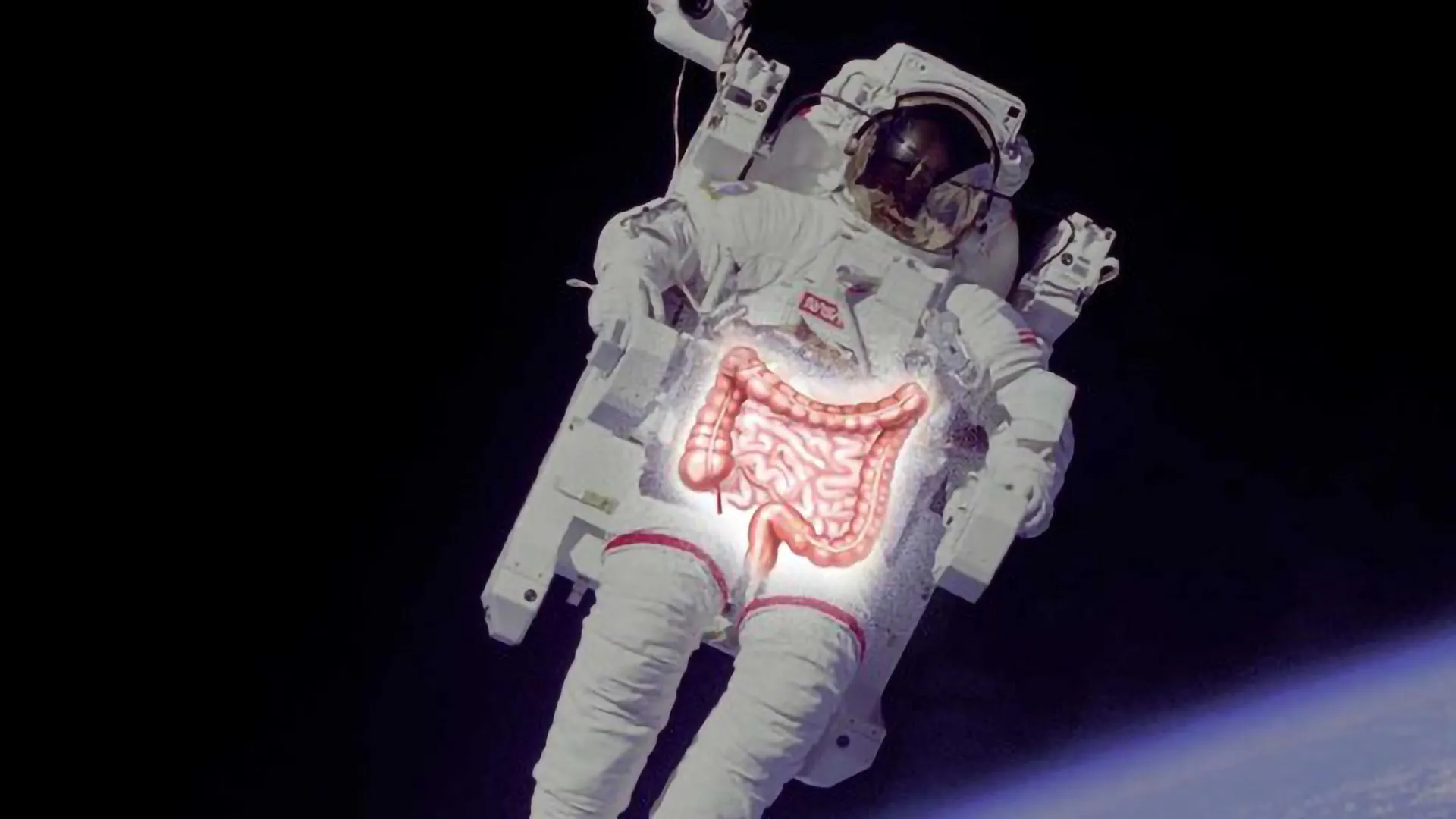
Spaceflight may dramatically change the gut within weeks, causing bacteria to break down more protein as food moves more slowly through the intestines. The shift could help explain astronaut constipation and may have wider effects on health, making it an important concern for future missions to Mars.

📅 2026-09-28 12:49:59    •    ScienceDaily
Read Original Article →
Scientists were wrong about this strange mammal for nearly 40 years
Science News

Scientists were wrong about this strange mammal for nearly 40 years

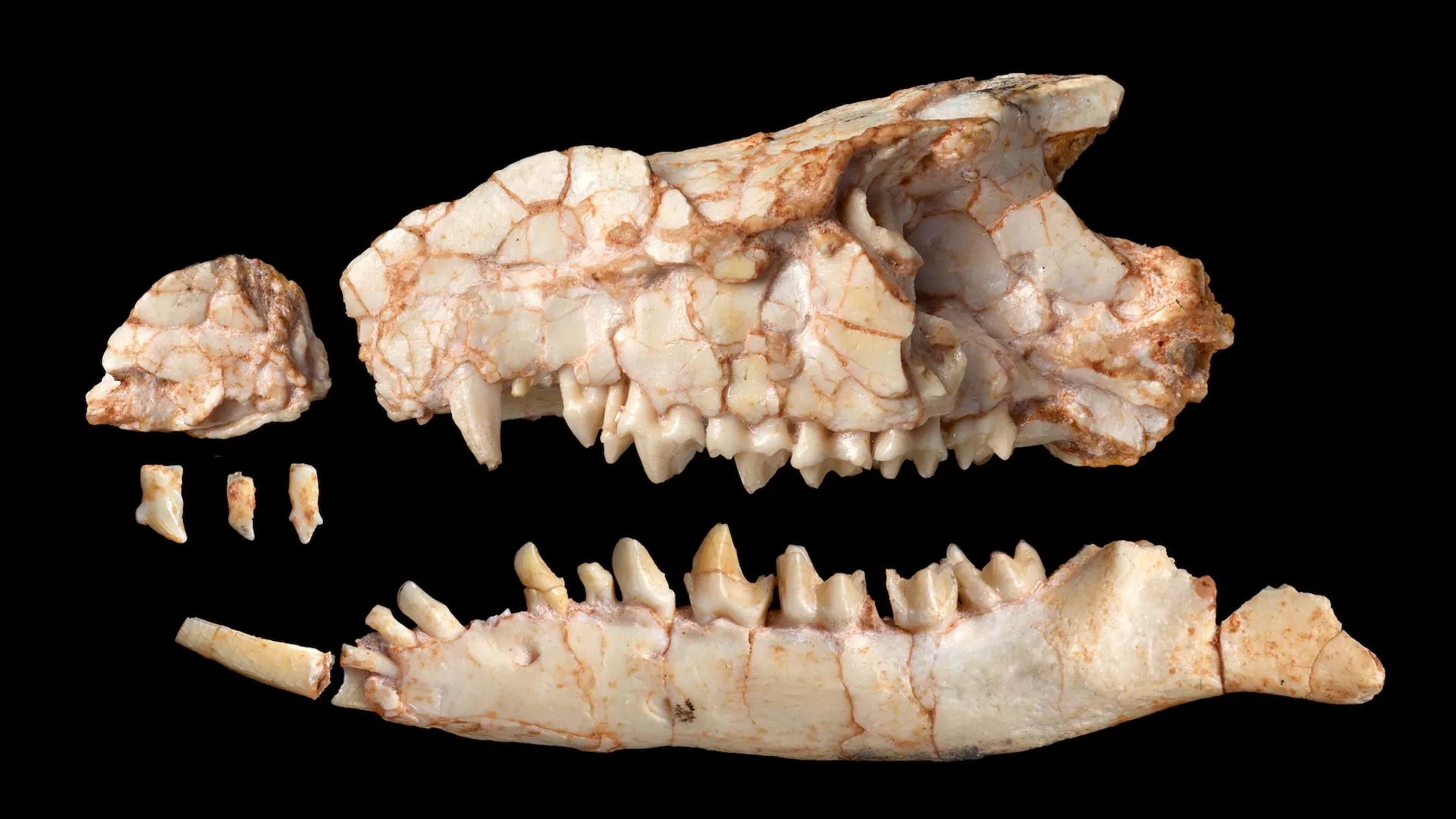
A beautifully preserved fossil from Mongolia’s Gobi Desert has solved a mystery that puzzled paleontologists for nearly 40 years. Tamirkhan balcarceli shows that zhelestids were not early relatives of modern placental mammals, despite having teeth that seemed to suggest they were. Instead, the rabbit-like animal belonged to a separate lineage of small Cretaceous mammals.

📅 2026-09-28 12:25:21    •    ScienceDaily
Read Original Article →
Page 72of 161   •   3,864articles