Latest Science & Research News

Stay informed about scientific discoveries, research developments and new findings from around the world.

Latest News

View All β†’
Heat-trapping gas once frozen in Arctic ground is slowly leaking and warming the planet
Science News

Heat-trapping gas once frozen in Arctic ground is slowly leaking and warming the planet

As Ted Schuur stepped along the edges of Smith Lake, a bubble surfaced from the muck underfoot. And then another. They're bubbles of methane, a potent heat-trapping gas made from decomposing plants and animals that had once been stuck in Alaska's frigid permafrost. But that frozen ground is thawing because the Arctic is warming four times faster than the rest of the globe. For thousands of years that frozen ground stored dead plants and animals, but the accelerating thaw is allowing them to decay into methane and carbon dioxide.

πŸ“… 2026-10-04 16:20:01    β€’    Phys.org
Read Original Article β†’
How Enceladus' ocean spray becomes chemically diverse ice grains
Science News

How Enceladus' ocean spray becomes chemically diverse ice grains

Saturn's icy moon Enceladus hides a global ocean beneath its frozen surface. From fractures near its south pole, material from this ocean is ejected into space as a plume of water vapor and ice particles. These particles offer scientists a rare opportunity to investigate an extraterrestrial ocean without drilling through kilometers of ice.

πŸ“… 2026-10-04 16:00:01    β€’    Phys.org
Read Original Article β†’
Inka scattered sacred coca leaves over sacrificed llamas, excavation suggests
Science News

Inka scattered sacred coca leaves over sacrificed llamas, excavation suggests

Deep in Peru's AcarΓ­ Valley lie the ruins of Tambo Viejo, an Inka provincial center where excavations have uncovered tasseled sacrificial llamas and brightly adorned guinea pigs. But save for a few seeds and some stored leaves, evidence of how the Inka used one of their most sacred plants in rituals remained elusive. Now, archaeologists have discovered coca leaves still stuck in the wool of some sacrificed llamas.

πŸ“… 2026-10-04 13:40:01    β€’    Phys.org
Read Original Article β†’
A meteor hit Oklahoma 100 million years later than scientists thought
Science News

A meteor hit Oklahoma 100 million years later than scientists thought

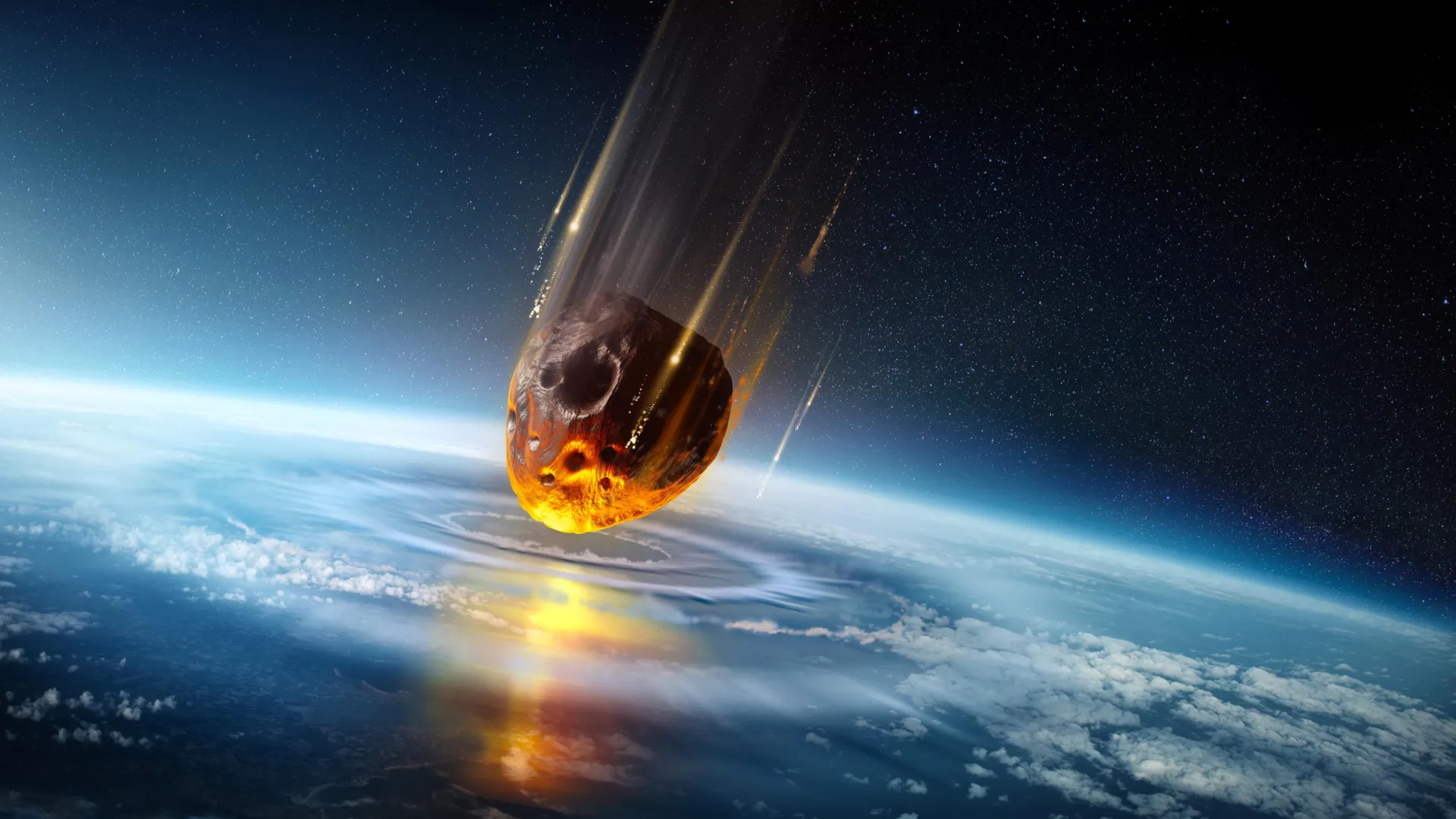
A meteor crater buried beneath Oklahoma has turned out to be nearly 100 million years younger than scientists thought. Zircon crystals show the Ames impact occurred about 370 million years ago, meaning it was not part of the mysterious Ordovician bombardment once linked to a possible ring of debris around Earth. Instead, the impact coincided closely with a major mass extinction that devastated marine life.

πŸ“… 2026-10-04 12:41:43    β€’    ScienceDaily
Read Original Article β†’
Scientists find a surprising clue to why the universe’s expansion doesn’t add up
Science News

Scientists find a surprising clue to why the universe’s expansion doesn’t add up

Tiny magnetic fields created shortly after the Big Bang may help explain the long-running disagreement over how fast the universe is expanding. Detailed simulations show that these primordial fields could have changed the formation of hydrogen in the early universe, affecting the cosmic microwave background and the expansion rate inferred from it.

πŸ“… 2026-10-04 12:05:54    β€’    ScienceDaily
Read Original Article β†’
Scientists recreate the universe's first moments and find something they didn't expect
Science News

Scientists recreate the universe's first moments and find something they didn't expect

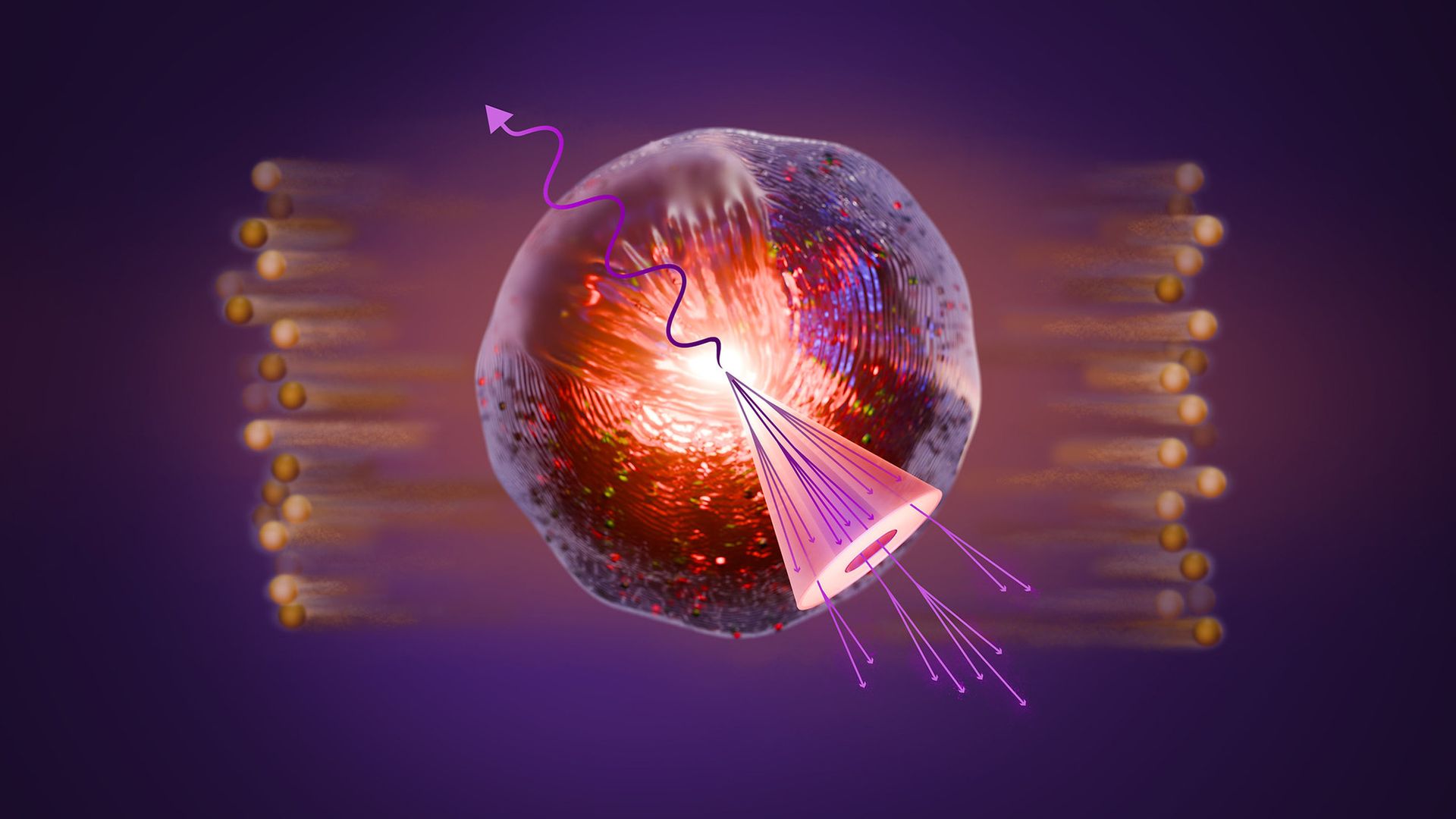
Physicists smashed gold nuclei together at nearly the speed of light and found an unexpected pattern in the particles these collisions sprayed out. If confirmed, that pattern could help reveal how the hot soup of quarks and gluons that filled the universe in the first few microseconds after the Big Bang cooled and condensed into the protons and neutrons that make up ordinary matter today. In every collision, particles are flung out sideways; how hard they are flung, on average, varies slightly from one collision to the next. Physicists expected the size of these variations to change smoothly as they adjusted the collision energy. Instead, the variations dipped, shrinking and then growing aga...

πŸ“… 2026-10-04 12:00:00    β€’    Live Science
Read Original Article β†’
Your gut bacteria may reveal how fast your brain is aging
Science News

Your gut bacteria may reveal how fast your brain is aging

A UCLA study links faster brain aging to specific gut bacteria and chemical byproducts, with older-looking brains also associated with poorer memory, focus, and mood. The findings suggest that biological signs of brain aging may appear decades before obvious symptoms and could eventually make the gut a target for prevention.

πŸ“… 2026-10-04 11:28:03    β€’    ScienceDaily
Read Original Article β†’
This common vitamin could help fight one of the deadliest brain cancers
Science News

This common vitamin could help fight one of the deadliest brain cancers

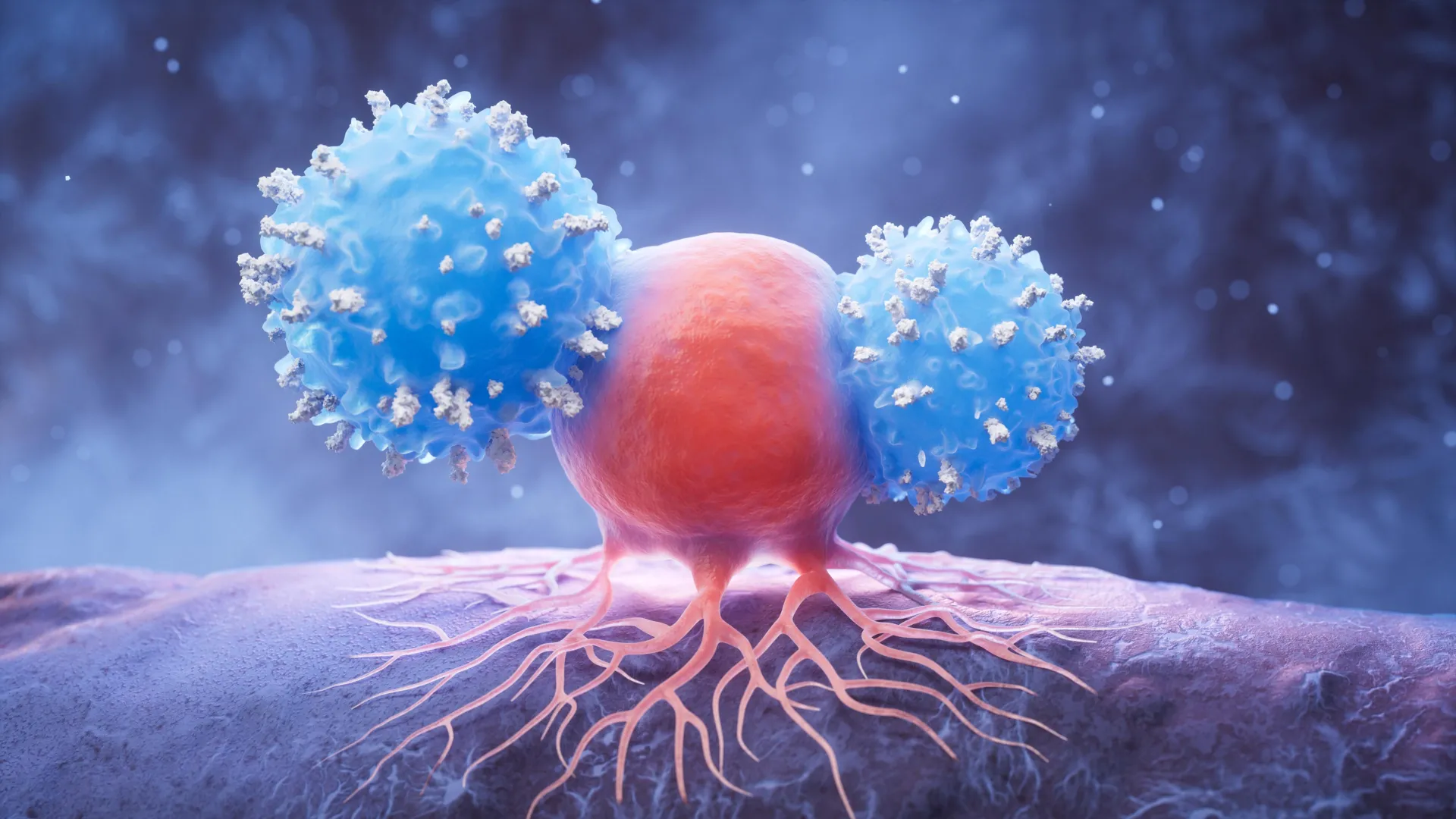
High-dose vitamin B3 is showing intriguing early promise as an addition to standard glioblastoma treatment, with 82% of patients in a small trial remaining progression-free after six months. Researchers believe niacin may help revive immune cells suppressed by the cancer, but larger studies are still needed to confirm the benefit and safety.

πŸ“… 2026-10-04 10:09:00    β€’    ScienceDaily
Read Original Article β†’
First photos from Smile spacecraft show Earth like you've never seen it before
Science News

First photos from Smile spacecraft show Earth like you've never seen it before

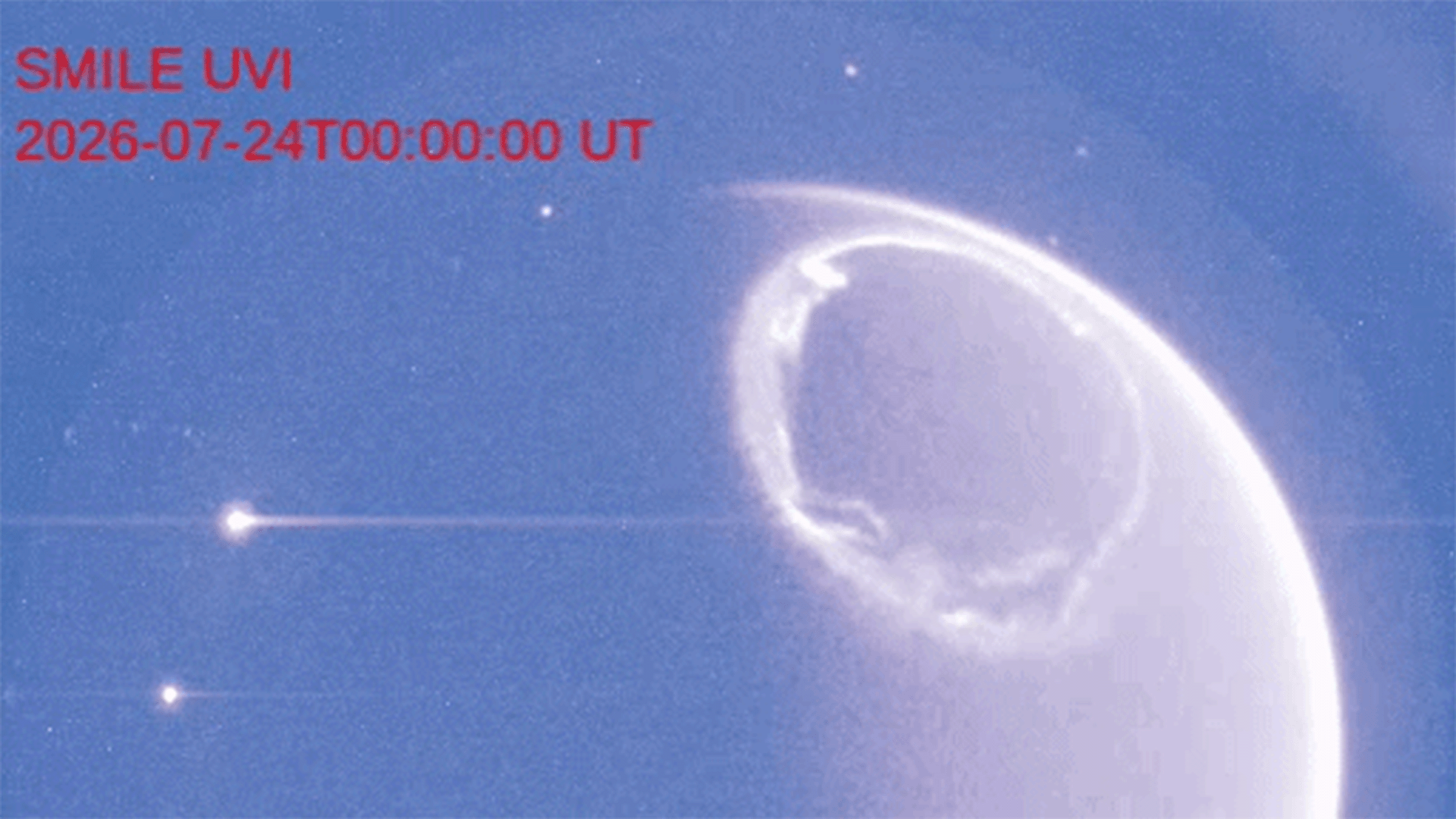
Earth glows like a half moon while a giant aurora writhes over the North Pole in this ultraviolet image from the new Smile spacecraft. (Image credit: ESA & CAS/Smile/UVI CC BY-SA 3.0 IGO)Quick factsWhat it is: An aurora on the sunlit side of EarthWhere it is: Over the North Pole, as seen from about 75,000 miles awayWhen it was shared: Sept. 30The debut images from a new Earth-observing satellite have just given us a view of the impossible: giant auroras rippling over the North Pole in broad daylight. Earth's auroras are one of our planet's signature wonders β€” a sight worth advertising in interstellar travel guides, alongside our perfect total solar eclipses, bright shooting stars and majesti...

πŸ“… 2026-10-04 10:00:00    β€’    Live Science
Read Original Article β†’
Do animals experience schadenfreude?
Science News

Do animals experience schadenfreude?

In 2023, an African gray parrot named Jack went viral for mimicking the coughs and wheezes of her owner's father, who often struggled to breathe from severe chronic obstructive pulmonary disease. But it wasn't just the imitation that made Jack famous; it was also that she seemed to relish the suffering of a man she purportedly hated. In the video, Jack's owner even claimed that she had a favorite cough.The parrot appeared to be experiencing a complex emotion that in humans is known as schadenfreude, or pleasure at seeing another's pain. Literally translated from German as "harm joy," it's a feeling that might emerge when a rival coworker gets fired, or when a rude neighbor has their package ...

πŸ“… 2026-10-04 09:00:00    β€’    Live Science
Read Original Article β†’
Diet drinks work as well as water for weight loss, major trial finds
Science News

Diet drinks work as well as water for weight loss, major trial finds

A two-year randomized clinical trial involving 493 adults with overweight or obesity found that diet soft drinks were essentially as effective as water for long-term weight loss and weight maintenance. Participants drinking beverages sweetened with aspartame, acesulfame-K, or sucralose lost a similar amount of weight to those drinking water, while both groups also saw improvements in waist size, body composition, and several metabolic measures.

πŸ“… 2026-10-04 02:10:59    β€’    ScienceDaily
Read Original Article β†’
Feeling secure in a group may help dissenters make stronger arguments
Science News

Feeling secure in a group may help dissenters make stronger arguments

When everyone in a meeting voices the same opinion, an organization can miss important warning signs and new ideas. A research team from KAIST suggests that when members feel securely accepted within their group, they can express dissenting opinions in greater detail and more persuasively, and other members may be more willing to use those opinions in decision-making.

πŸ“… 2026-10-03 21:00:06    β€’    Phys.org
Read Original Article β†’
Page 51of 160   β€’   3,820articles