Latest Science & Research News

Stay informed about scientific discoveries, research developments and new findings from around the world.

Latest News

View All →
Scientists discover a human brain gene that can jump through DNA
Science News

Scientists discover a human brain gene that can jump through DNA

Scientists have discovered a human gene with a remarkable double life: it appears to play an important role in brain cells while still retaining the ability to jump around the genome. Called BC200, the gene evolved millions of years ago from a mobile piece of DNA known as a transposon, but unlike most genes that arose this way, it never lost its mobility. Researchers even found BC200 embedded inside a human poxvirus, suggesting it may have jumped from infected skin cells into the virus.

📅 2026-10-05 10:06:28    •    ScienceDaily
Read Original Article →
Urn with jaguars and skulls: A 1,400-year-old burial container depicting a deceased ruler's arrival to the Maya underworld
Science News

Urn with jaguars and skulls: A 1,400-year-old burial container depicting a deceased ruler's arrival to the Maya underworld

This burial urn depicts a person, accompanied by skulls, as they are received into the Maya underworld. (Image credit: The Walters Art Museum; (CC0 1.0 Universal))QUICK FACTSName: Urn with jaguars and skullsWhat it is: A ceramic burial urnWhere it is from: GuatemalaWhen it was made: Circa A.D. 600 to 900This colorful ceramic urn depicts a person wearing a jaguar costume and surrounded by human skulls, about to be received into the Maya underworld. The urn once held the bones of an ancestor for their descendants to venerate.The urn was anonymously gifted to The Walters Art Museum in Baltimore in 2008. According to the museum, the urn is about 17.5 inches (44.5 centimeters) tall and was likely...

📅 2026-10-05 10:00:00    •    Live Science
Read Original Article →
Cancer-fighting t cells burn out. Scientists may have found a fix
Science News

Cancer-fighting t cells burn out. Scientists may have found a fix

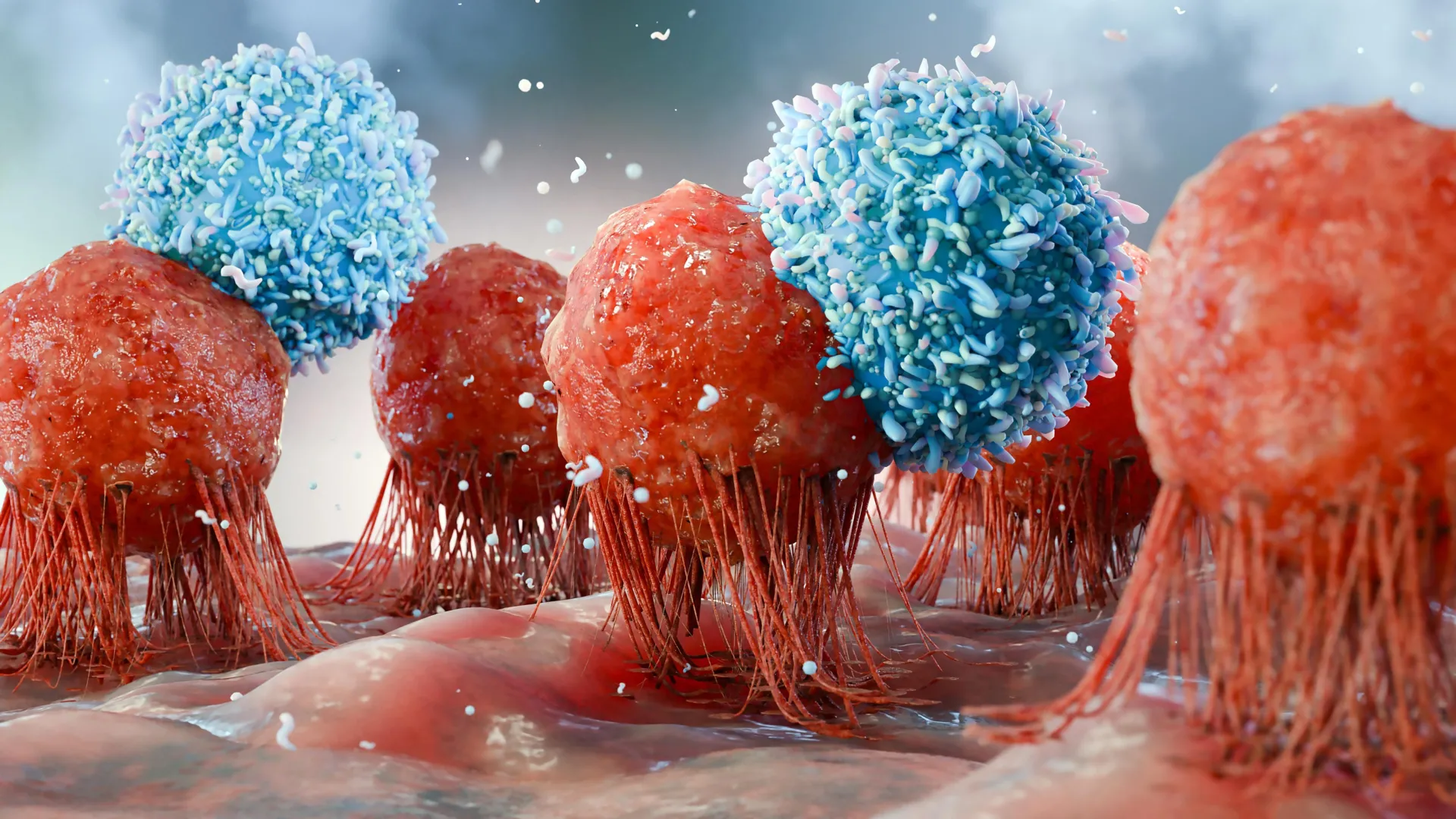
Cancer immunotherapy can lose its punch when tumor-fighting T cells become exhausted, but researchers may have found a way to keep them going longer. Scientists at Memorial Sloan Kettering Cancer Center identified a signaling molecule called MEK that can push T cells to burn through their energy while producing cancer-killing proteins. In animal and laboratory studies, blocking MEK helped the cells conserve energy, survive longer, and remain active even in the harsh environment around tumors.

📅 2026-10-05 09:24:29    •    ScienceDaily
Read Original Article →
New quantum chip taps into weird quasiparticles to get qubits to communicate over long distances
Science News

New quantum chip taps into weird quasiparticles to get qubits to communicate over long distances

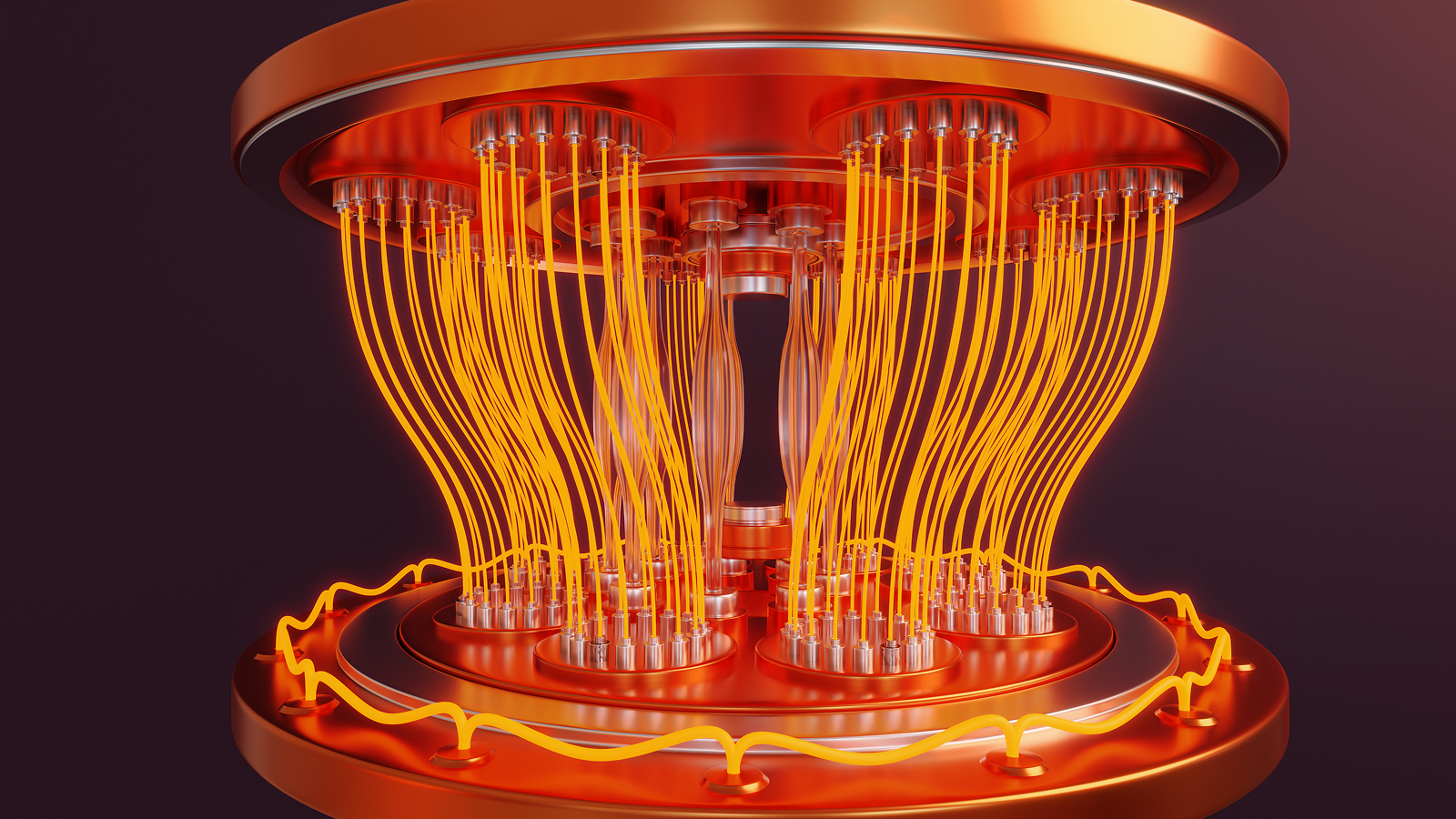
Researchers have developed a new type of interconnected architecture for quantum computing chips, and it could pave the way for machines capable of large-scale processing, including those with over a million qubits.In a study published June 15 in the journal APL Quantum, scientists aimed to resolve a huge problem with the leading quantum processing units (QPUs): Qubits struggle to communicate and share quantum information with each other if they aren't immediate neighbors.That's why the scientists pioneered Quantum Phononic Links (QPLs) — an approach for long-range coupling between qubits that leans on phonons — quasiparticles that carry vibration energy — to convey information. By contrast,...

📅 2026-10-05 09:00:00    •    Live Science
Read Original Article →
This mysterious hole on the Moon may open into a giant cave
Science News

This mysterious hole on the Moon may open into a giant cave

NASA has selected the GIMLI project to investigate whether the Marius Hill Pit opens into a vast underground cave or lava tube. Using radar, seismic sensors, gravity measurements, and cameras, researchers will search beneath the lunar surface and estimate the size of any hidden void. Such caves could preserve clues to the Moon’s volcanic history and potentially provide protected shelters for future astronauts.

📅 2026-10-05 04:47:40    •    ScienceDaily
Read Original Article →
The “glue” holding your cells together has a surprising second job
Science News

The “glue” holding your cells together has a surprising second job

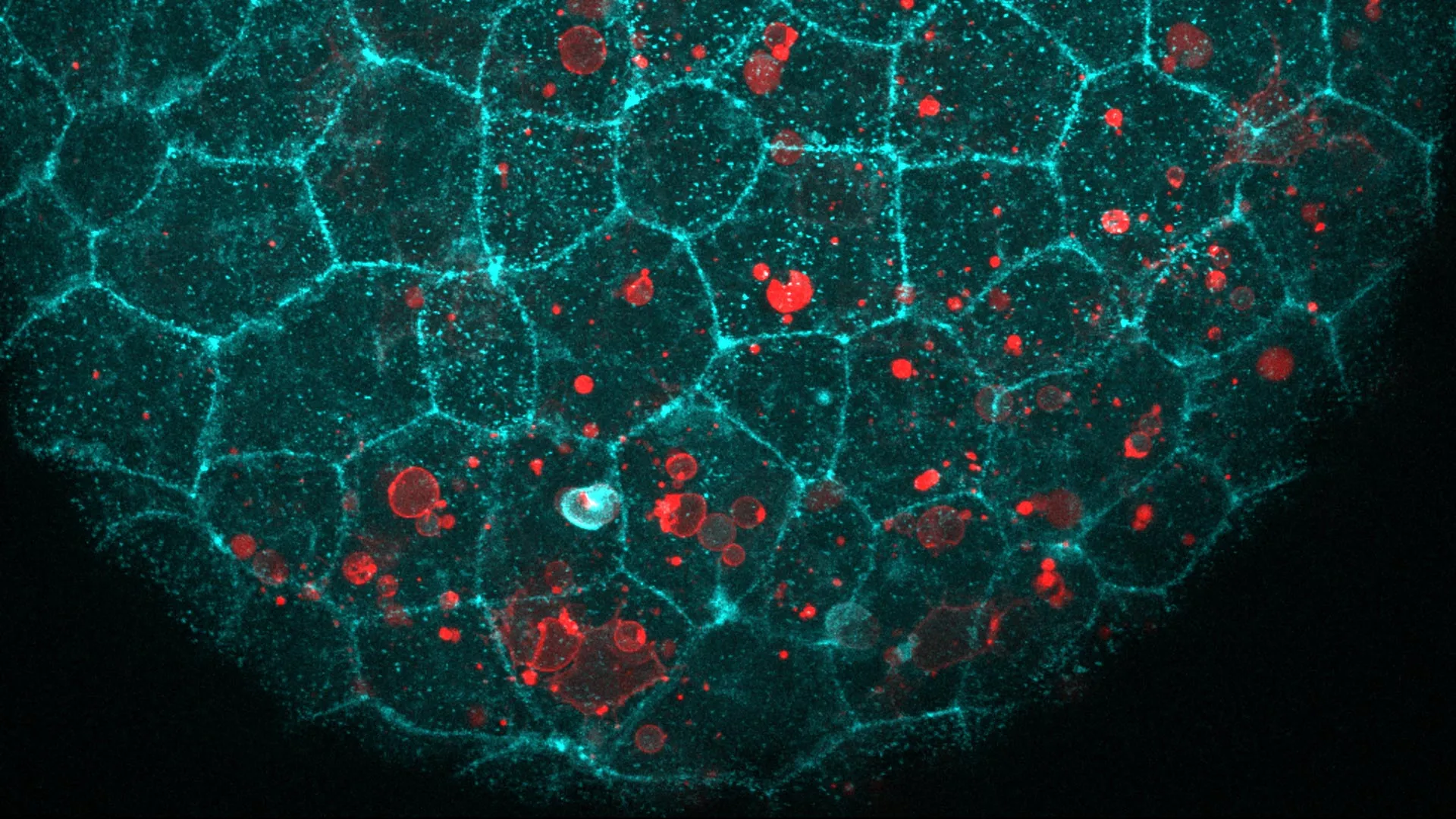
Scientists have discovered that E-cadherin, a protein best known as the “glue” holding cells and tissues together, has a surprising second job: helping epithelial cells swallow nearby dead cells. Using live zebrafish and mouse embryos, researchers found that cells can dramatically reshape their lower surfaces to engulf cellular debris while keeping their upper surfaces stable, allowing protective barriers to remain sealed.

📅 2026-10-05 03:12:55    •    ScienceDaily
Read Original Article →
Easing constipation: A 20-minute walk can get your gut moving almost immediately
Science News

Easing constipation: A 20-minute walk can get your gut moving almost immediately

Researchers found that just 20 minutes of comfortable walking can rapidly stimulate the gut. Within one to two minutes after exercise, bowel sounds became stronger, more frequent, and lasted longer, suggesting increased intestinal movement. The boost was brief, fading within a few minutes, but it may help explain why walking can provide relief from constipation.

📅 2026-10-05 01:58:03    •    ScienceDaily
Read Original Article →
Nanoneedle arrays map RNA in fresh tissue without sequencing or amplification
Science News

Nanoneedle arrays map RNA in fresh tissue without sequencing or amplification

Recently, spatial omics has become a powerful tool, enabling researchers to see not only what molecules are present in a tissue, but also where they are located and how they are organized across cells, tissue structures and local microenvironments. This spatial context has deepened our understanding of cancer, neurobiology and immunology. Yet as the field advances, an important question remains: How many of these powerful technologies are ready for routine clinical use?

📅 2026-10-04 21:00:06    •    Phys.org
Read Original Article →
Taste shapes support for climate-friendly school meals
Science News

Taste shapes support for climate-friendly school meals

Students in a new study were neither clearly positive nor negative about more climate-friendly school meals. Whether the food tasted good, was filling and felt familiar played an important role. Students were somewhat more positive about reducing the amount of meat in recipes than about having more all-vegetarian days.

📅 2026-10-04 18:40:01    •    Phys.org
Read Original Article →
Hidden X-ray phase revealed in likely neutron star merger
Science News

Hidden X-ray phase revealed in likely neutron star merger

An international team of astronomers, including researchers from the Department of Physics and the Hong Kong Institute for Astronomy and Astrophysics (HKIAA) at The University of Hong Kong (HKU), has discovered a previously hidden phase of high-energy activity following the merger of compact stars.

📅 2026-10-04 17:00:02    •    Phys.org
Read Original Article →

Page 50of 160   •   3,820articles