See last night’s ‘blood moon’ eclipse from around the world
In a near-total lunar eclipse, the moon turned red-orange for viewers in North America, Europe and Africa
Stay informed about scientific discoveries, research developments and new findings from around the world.
In a near-total lunar eclipse, the moon turned red-orange for viewers in North America, Europe and Africa
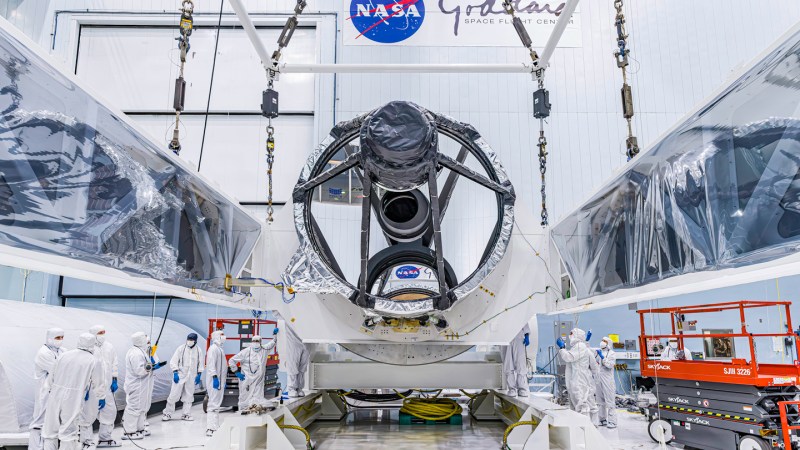
NASA’s new Nancy Grace Roman space telescope will tackle nearly every aspect of astrophysics, including dark matter, dark energy and alien planets.
Reading hasn't been around for long, evolutionary speaking. Instead, the brain recruits systems evolved for other purposes
NASA’s newest major observatory will include the most advanced planet-imaging tech ever flown in space. Here’s how it works
The evidence in favor of and against video games promoting aggressive behavior is murkier than you might think
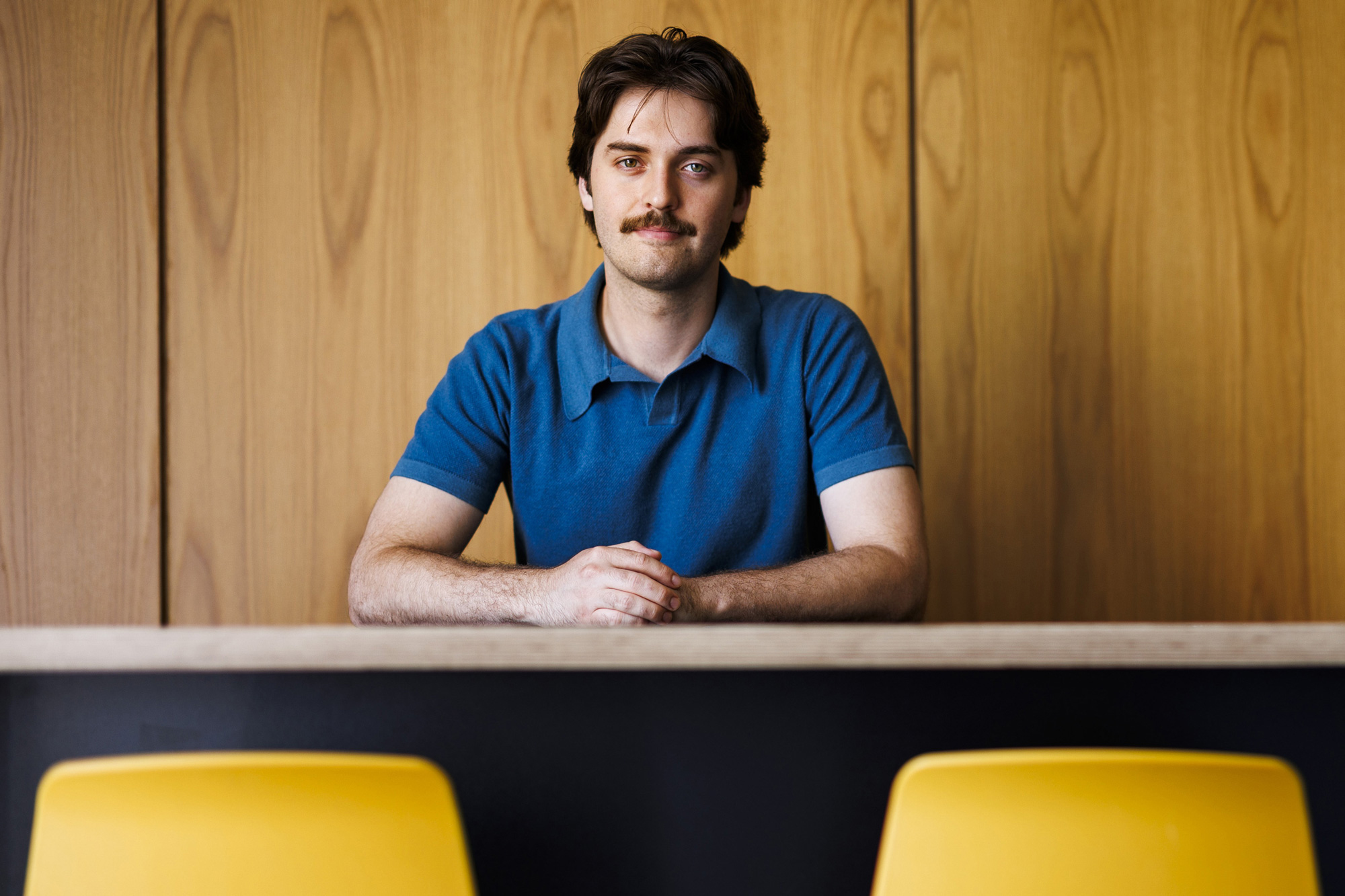
The PhD student’s research on how microorganisms digest compounds in their environment could enable advances in wastewater treatment.
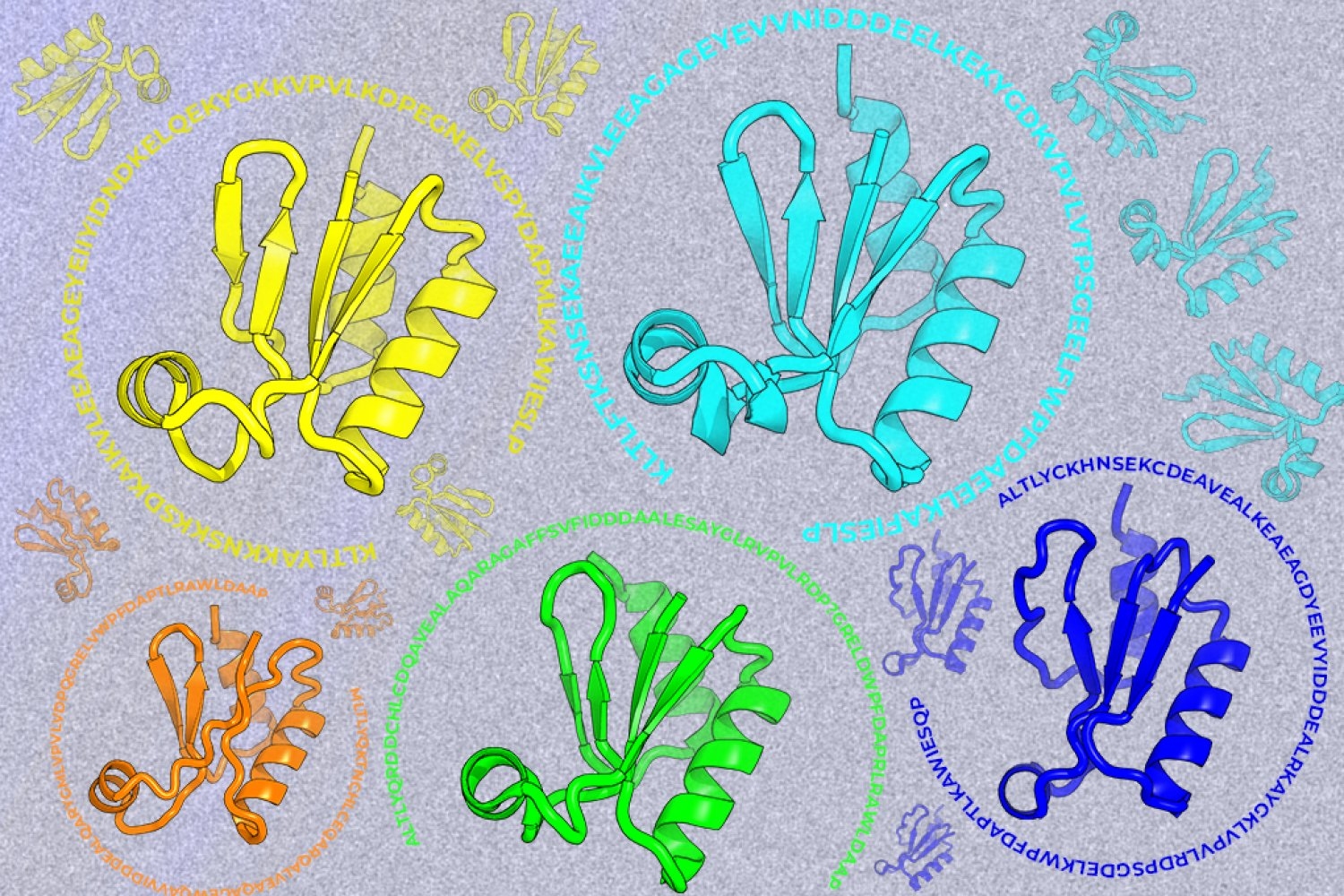
A new machine-learning framework aims to improve the success rate of computational protein design while moving away from results that reproduce sequences found in nature.
A study of 70,000 earthquakes finds tiny tremors often precede larger fracking-linked quakes, offering a warning to halt fluid injection.
Appalachia is a hotspot of landslides, but many there can’t afford to move away or mitigate the danger, a new study finds. Wealthy urban residents can.
I never intended to join the cutting edge of electromechanical television. I just wanted to make a nice clock. But sometimes you have to go where the engineering takes you, and in my case it took me to the Scanwheel, a pocket-size wide-screen electromechanical TV with a resolution of 4,096 by 20 pixels. Yup, that’s 4K by 20. The 3D-printed drum [top] is spun by a motor controlled by a driver board [second row, from top]. The driver board, in turn, is controlled by a Raspberry Pi Pico [middle], which also controls the LEDs [second row, from bottom], which are mounted in the 3D-printed casing [b...
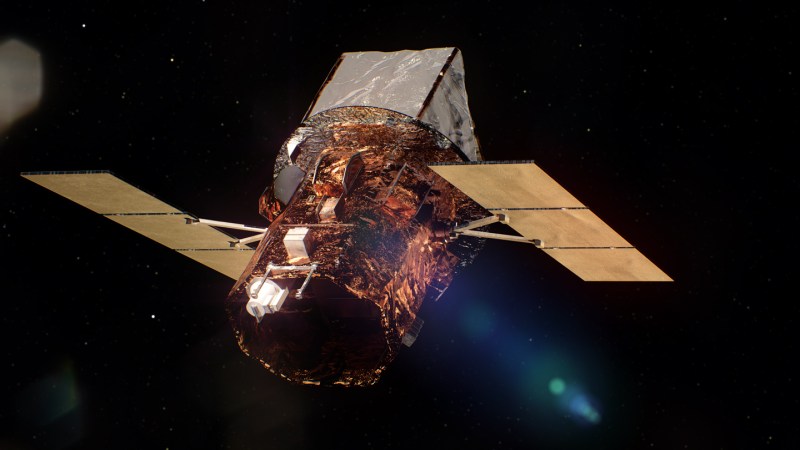
NASA’s attempt to save the falling Swift telescope failed, revealing the realities of the burgeoning field of satellite servicing.
Bassler has been named the 2026 recipient of the society's Copley Medal, its oldest and most prestigious prize.
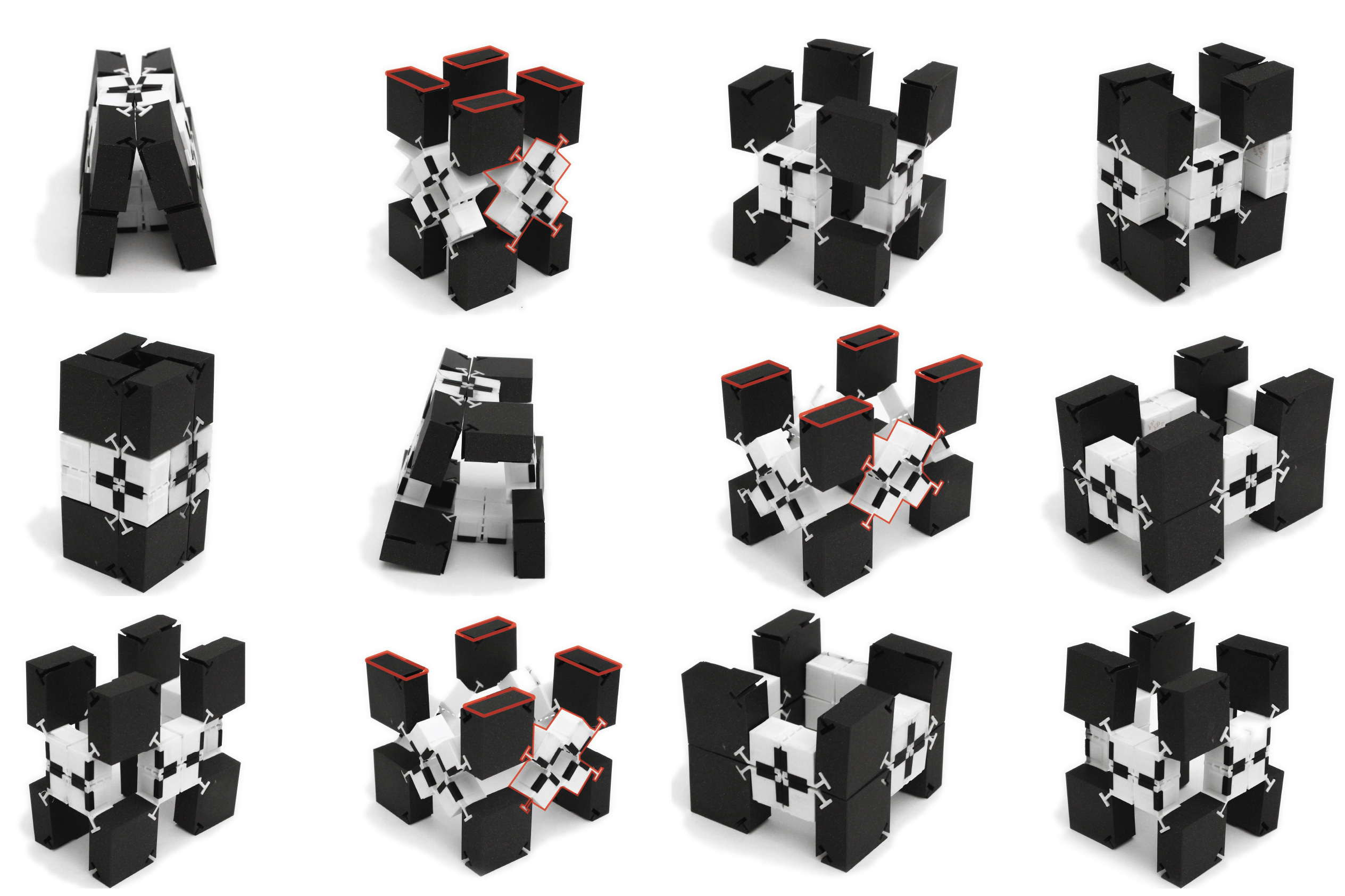
Dubbed “bifur-circuits,” these interactive building blocks could be used to develop reconfigurable robotic grippers or customized assistive devices.
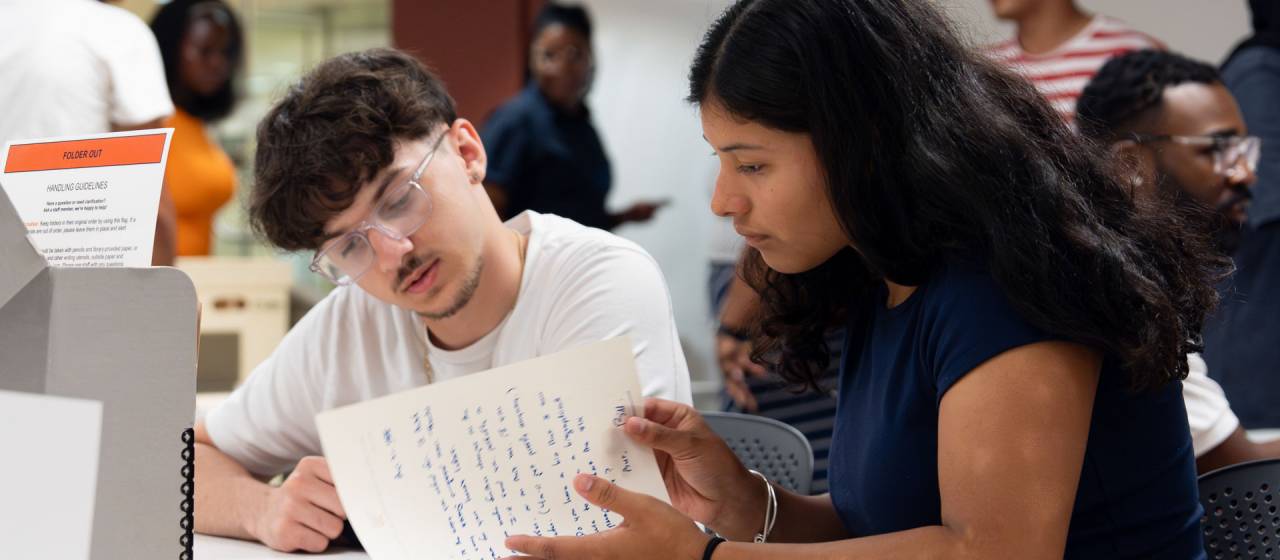
Bittersweet goodbyes and jitters make way for excitement as Class of 2030 settles in on move-in day
The IEEE–Eta Kappa Nu (IEEE-HKN) honor society is preparing to host the Innovating the Future event on 6 November.The inaugural one-day, in-person event is designed to provide a forum for IEEE and IEEE-HKN undergraduate and graduate student authors to present their original research papers. A keynote address and thematic presentation sessions are planned as well. Student attendees can network with their peers and gain firsthand experience with the academic publishing process.To present at the conference, students had to submit an abstract of their research before 1 May. Students whose work was...
Capuchins hunt and eat small vertebrates more often as plant foods wane. The behavior may help us learn more about humans’ early dietary evolution.
Quiz based on Daniel Lieberman’s new book looks at food fads through evolutionary lens
A many-legged oddball from long ago helps fill a major gap in the fossil record — and hints at how insects ended up with just six legs.
More than 400 students participated in programs led by the Emma Bloomberg Center for Access and Opportunity.
Throughout his 60-year career, he pursued a single question: How does air move around an airplane, and how can that knowledge improve design?
Summary NASA and industry engineers propose a synchronal bimodal nuclear rocket (S‑BNR) to dramatically cut transit times to destinations around the solar system, such as Mars, by combining nuclear thermal and electric propulsion. S‑BNR uses a single reactor with two independent fluid loops and correspondingly optimized fuel zones, eliminating complex mode-switching valves while providing both high thrust and continuous electric power. Major challenges include developing fuel elements that integrate well together, ground testing, nuclear launch safety, and multi-agency collaboration to mature ...
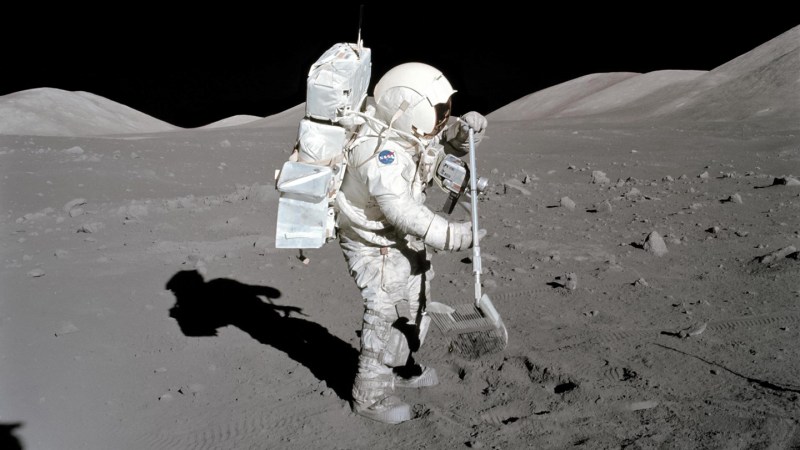
Artemis IV will put people on the moon’s surface for the first time in 50 years. NASA research reveals the microbes that might hitch a ride.
The “CrysVCD” tool developed at MIT could cut the huge amounts of time and money spent on screening out chemically unstable designs.
Deindustrialization didn’t only hurt some workers, Daron Acemoglu says in a new book; it shrank the coalition supporting democracy, which needs expanding.