Science News
How our sense of beauty takes shape in the brain
A new study tries to map why humans can experience beauty collectively
📅
2026-09-13 11:00:00
•
Scientific American
Read Original Article →
Stay informed about scientific discoveries, research developments and new findings from around the world.
A new study tries to map why humans can experience beauty collectively

AI analysis of 400,000 Reddit posts found that users of drugs such as Ozempic, Wegovy, Mounjaro, and Zepbound reported unexpected symptoms including menstrual changes, chills, hot flashes, and fatigue. Researchers cannot say the medications caused these problems, but the patterns may reveal overlooked signals worth studying.
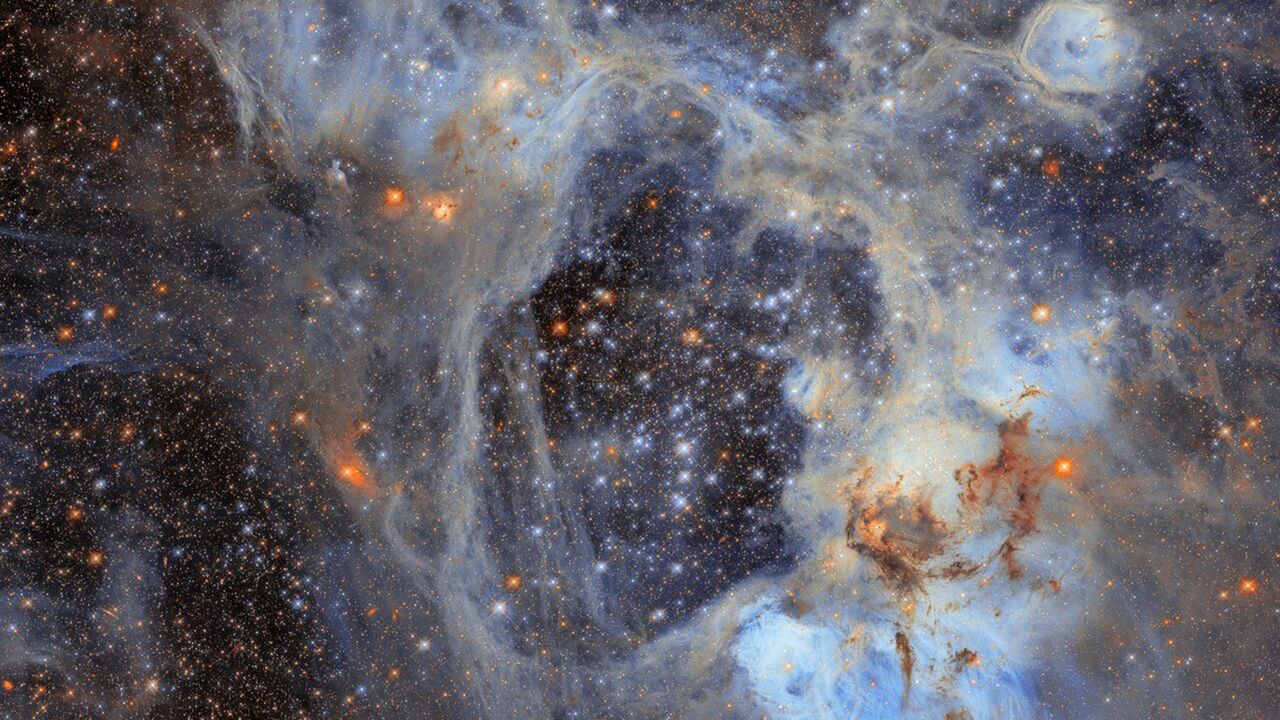
Quick factsWhat it is: The nebula LHA 120-N44Where it is: 160,000 light-years away, in the constellation DoradoWhen it was shared: Sept. 3, 2026It looks like a gigantic hole punched through a cloud, but this spectacular new image from the Hubble Space Telescope captures something more complicated: a cosmic cycle of destruction and creation, with one generation of stars tearing apart its birthplace while simultaneously helping a new generation form.LHA 120-N44 (N44, for short) is a nebula that lies about 160,000 light-years away in the Large Magellanic Cloud, a small galaxy that orbits the Milky Way. From Earth, it appears in the constellation Dorado. This enormous, empty-looking region measu...
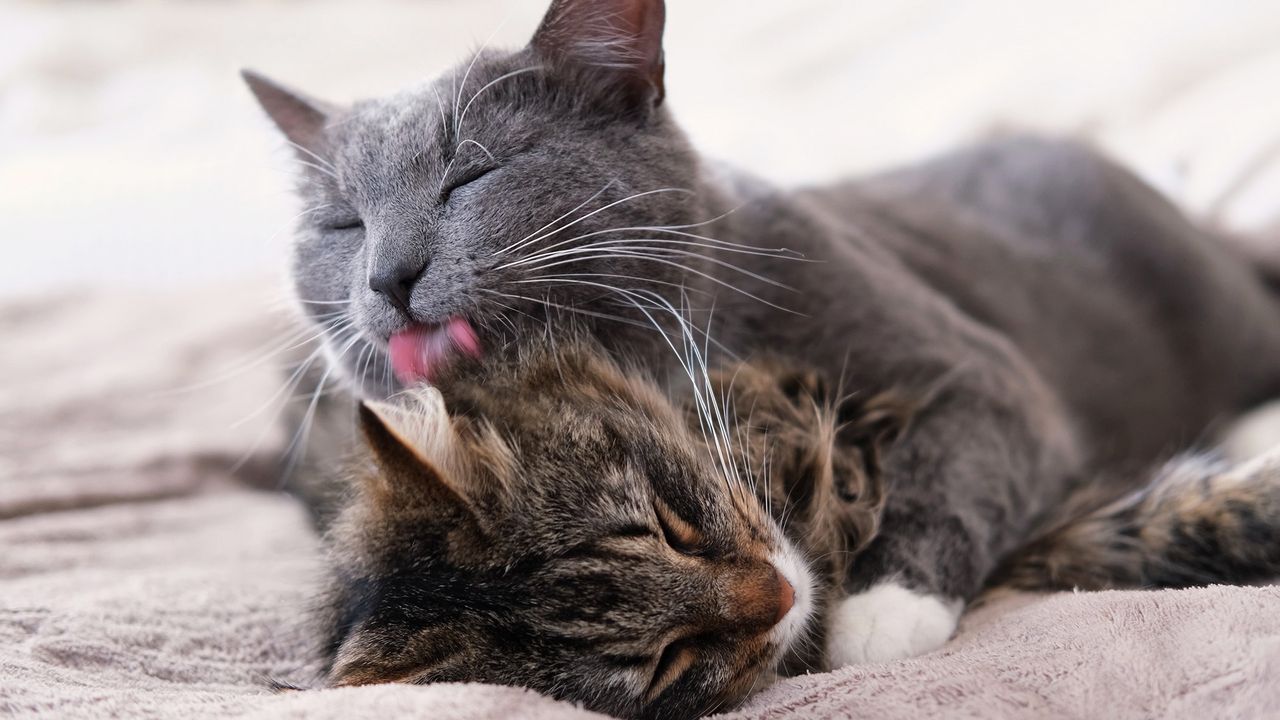
In a multicat household, it's common to see one cat licking another. When some people see this behavior, known as allogrooming ("allo" means "another individual"), they assume it's a sign of friendship. But is that really the case? Are there hidden, more complex reasons for why cats lick each other?While research into allogrooming is ongoing, scientists have suggested different explanations for why cats lick each other, including some social reasons and some more practical ones.Social bonding or social tension?The historical view, based on observations of free-roaming-cat colonies, was that allogrooming is a sign of affection and helps cats create and maintain bonds with other cats in their ...

Long before dinosaurs appeared on Earth, fierce predatory fish developed crushing jaws and sharp teeth to survive and diversify in ancient oceans.
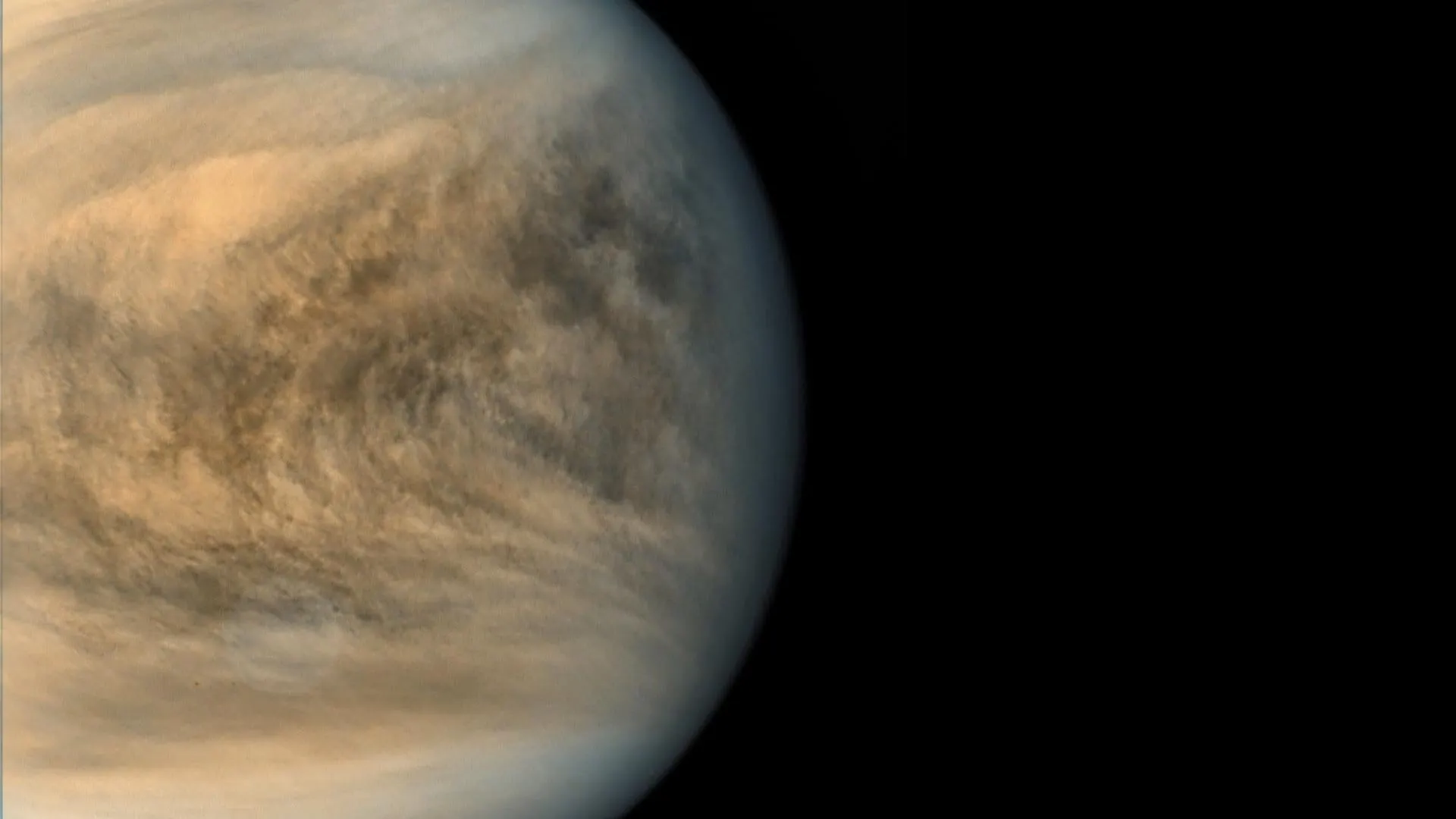
A century-old mystery in Venus’s clouds just became more intriguing, as scientists calculated how strongly the unidentified material behind its dark ultraviolet patterns must absorb light. The results sharply narrow the possibilities and could help future spacecraft determine whether the mysterious substance is organic, inorganic, or something unexpected.
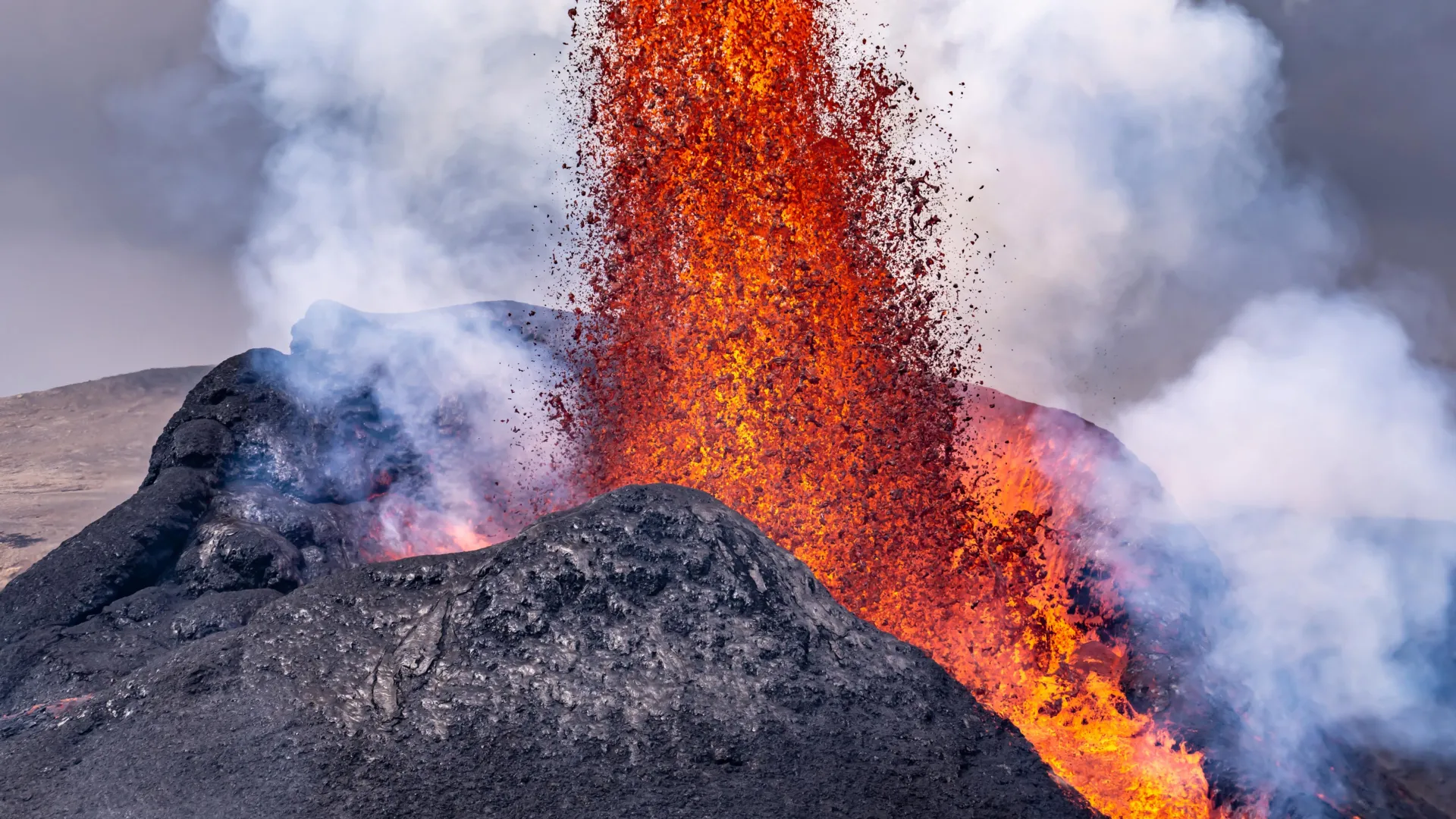
Ancient rocks from Western Australia suggest water was reaching deep inside Earth more than three billion years ago, long before modern plate tectonics may have fully developed. Researchers propose that water-rich pieces of crust periodically sank into the mantle through a process they call “dripduction.” The buried water then helped produce magma and volcanic eruptions.

A natural compound found in foods such as spinach, almonds, and sweet potatoes may aggravate gut inflammation in people with Crohn’s disease and ulcerative colitis because their intestines appear to handle it differently. Researchers say the finding could open the door to lower-oxalate diets or microbiome treatments tailored specifically to people with IBD.
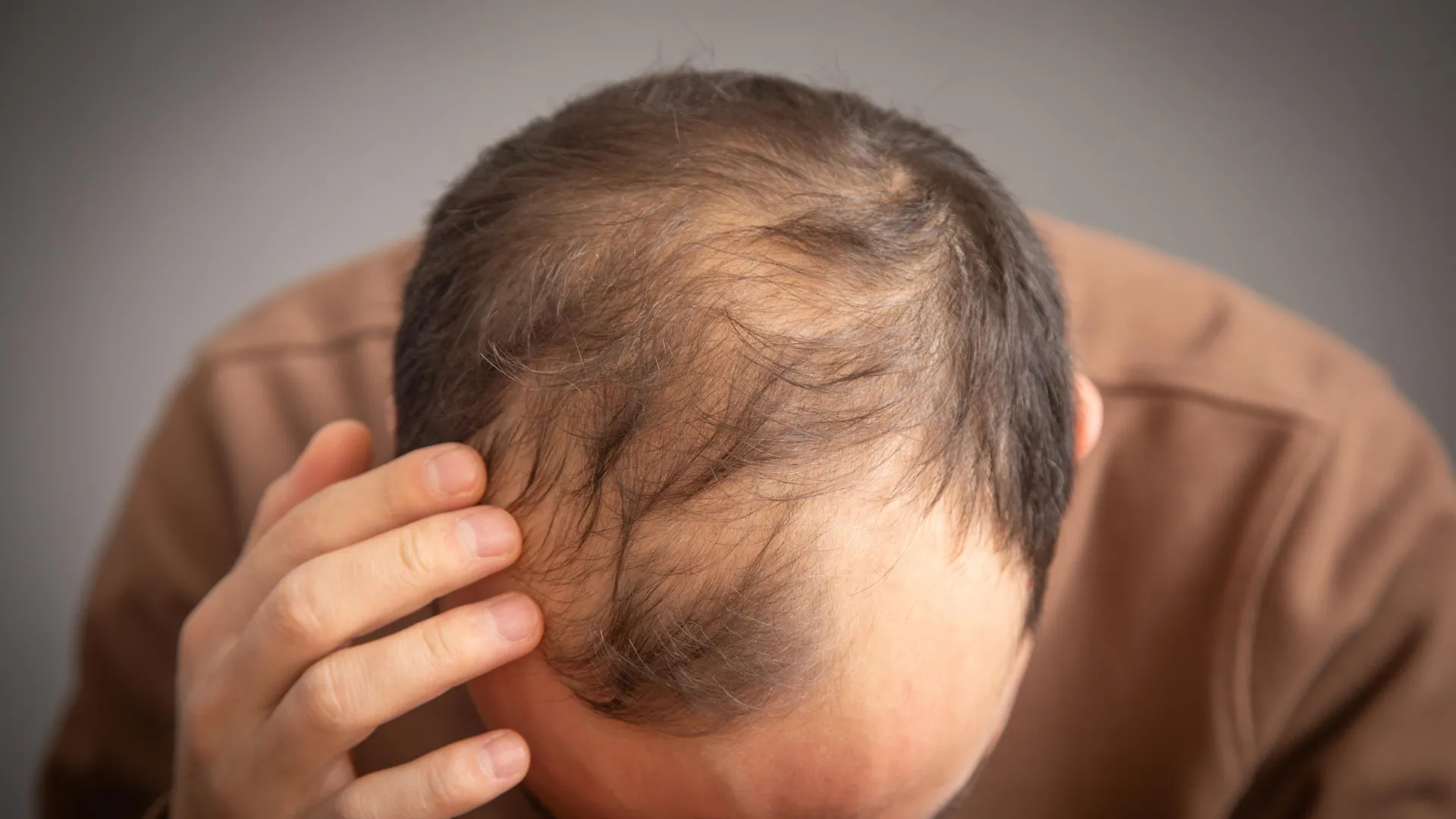
GLP-1 drugs such as Ozempic, Wegovy, and Zepbound may increase hair-loss risk by 7% in men who are already genetically susceptible to male-pattern baldness. The findings suggest thinning hair may not be caused only by rapid weight loss and could also reflect a biological link between GLP-1 activity and hair follicles.
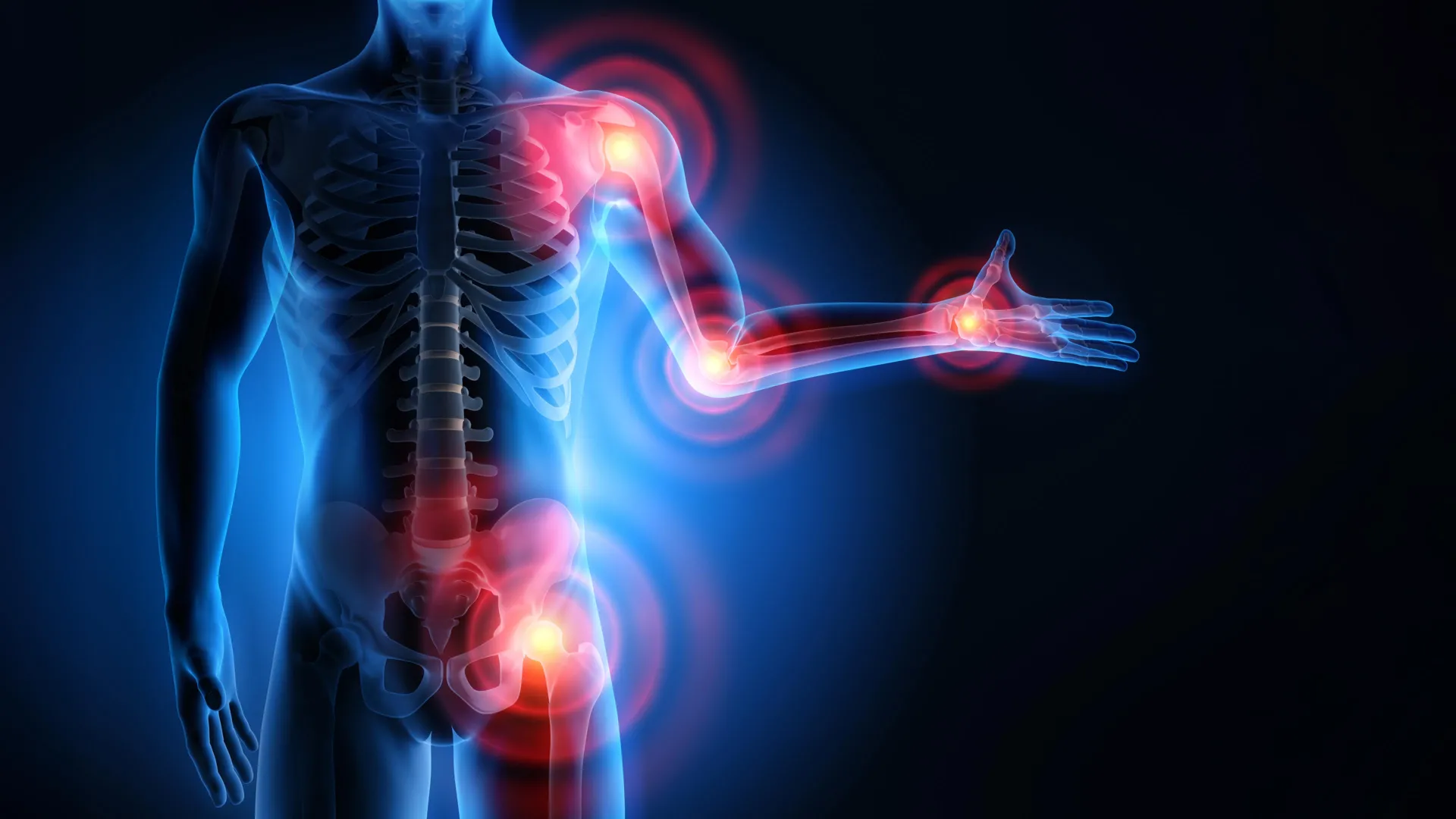
Scientists have uncovered a natural braking system that helps the immune system switch off inflammation and prevent harmful immune cells from building up. Boosting this pathway in people reduced inflammation-related immune changes and sped up pain relief, pointing toward potential new treatments for chronic inflammatory diseases.

Generative AI could help overwhelmed travelers organize their thoughts, compare options and complete vacation plans they might otherwise abandon, according to new research from the University of Surrey.

A multidisciplinary scientific team at the University of Malaga has developed a new technology based on magnetic nanoparticles that enables precise, rapid and reliable diagnosis of allergy to beta-lactam antibiotics, including amoxicillin and other penicillins.

Virtually all cultures and eras fizz with magic. You might call it a secret ingredient of human life because magic takes so many forms and serves so many functions.

The Japan Aerospace Exploration Agency's (JAXA) Hayabusa2 spacecraft reached another milestone this summer, a first for space agencies. On Sunday, July 5, the probe conducted the first successful laser-ranging experiment during a flyby of asteroid Torifune, the first exploration target of Hayabusa2's Extended Mission. This latest milestone will advance the capabilities of JAXA and other space agencies as they pursue future missions involving near-Earth asteroids (NEAs) and other deep-space objects.

Anyone who has ever woken up with a hangover will recognize its physical and psychological effects: headache, nausea, self-loathing, regret and perhaps even some shame at the uninhibited behavior that accompanied the intoxication.

Thermoelectric materials can directly convert heat into electricity, making them promising for recovering waste heat from factories, vehicles and other sources. They can also transport heat when an electric current is applied through a phenomenon known as the Peltier effect. These properties have attracted considerable interest in energy-saving technologies and thermal management.

"Color coatings are expected to provide vivid color, brightness, gloss and long-term durability, yet no existing technology satisfies all of these requirements simultaneously," says Kobe University materials engineer Hiroshi Sugimoto. Conventional coatings usually rely on relatively thick pigment layers that fade and add significant weight.

The central north Amazon, with extensive areas of high forest cover, natural savannas and vast, important Indigenous territories, was not previously considered the area most affected by climate change.

Plans to limit the global temperature rise to 1.5°C above preindustrial levels depend on reaching net-zero emissions and, in many cases, actively removing carbon dioxide (CO2) from the air. While this helps limit extreme weather, sea level rise, ecosystem loss and the risk of triggering irreversible climate tipping points, a new study, published in Science Advances, finds that reducing CO2 levels may have an unexpected effect. Climate simulations used in the study suggest that the Southern Ocean around Antarctica may switch from being an important carbon sink to being a prolific source of carbon.

For cancer patients undergoing head and neck radiation therapy, people living with Sjögren's syndrome, people with diabetes or older people, reduced saliva production and the resulting dry mouth are far more than uncomfortable. They can have major consequences for quality of life, making it difficult to eat, speak and swallow, altering taste perception, and increasing the risk of dental cavities and oral infections.

A study by researchers at Columbia University Vagelos College of Physicians and Surgeons has found that new cutting-edge techniques can accurately edit genes in human embryos—giving scientists indispensable tools for understanding normal human development—but has also uncovered important risks that currently preclude the use of the techniques in the clinic.

Physicists at CERN have found a new way to peer deep inside atomic nuclei and distinguish between two competing explanations for how gluons behave. Using the ALICE experiment at the Large Hadron Collider, researchers measured particle production at unprecedented spatial resolution, revealing structures as small as about one-quarter the size of a proton. At the smallest scales, they saw a surprising drop in J/ψ production that conventional “nuclear shadowing” struggles to explain.

As sea levels rise, coastal wetlands around the world are expected to shrink—and researchers at the University of British Columbia have found this could put the world's shorebirds and their critical habitat at risk.
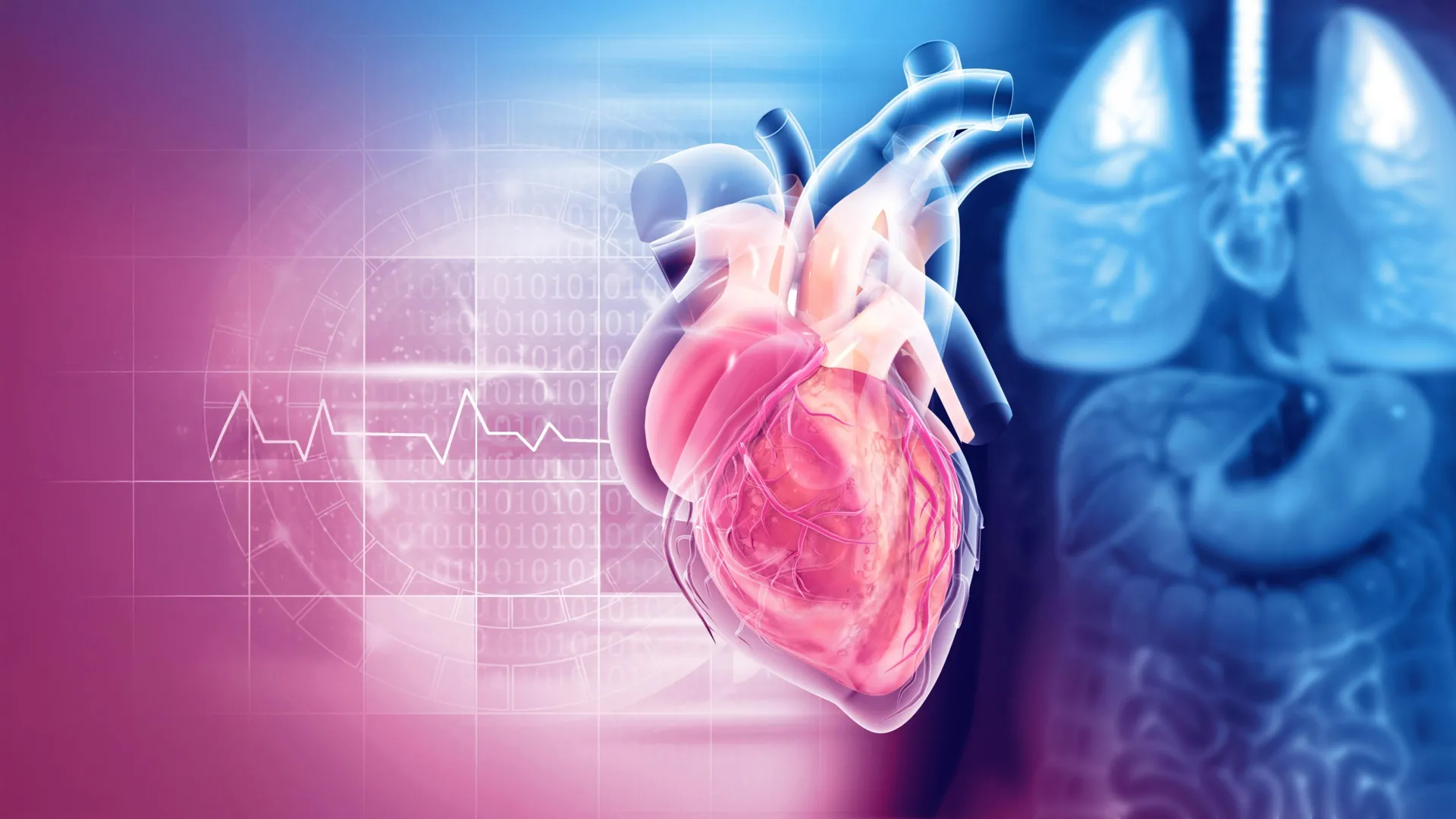
A 10-year study of more than 6,000 adults found that popular coronary calcium scans may add little to standard heart disease risk estimates for many people. But for patients with borderline or intermediate risk, the scans could make a meaningful difference by revealing who is actually more likely to develop heart disease.