Latest Science & Research News

Stay informed about scientific discoveries, research developments and new findings from around the world.

Latest News

View All →
Consumers demand transparency, but is it rewarded?
Science News

Consumers demand transparency, but is it rewarded?

Transparent supply chains boost consumer trust—if the results are positive. But what if they aren't? A new paper by Kühne Logistics University (KLU), in collaboration with the University of Tennessee and Tilburg University, published in the Journal of Business Logistics, reaches a surprising conclusion. The researchers advise companies: It's better to publish mixed results than none at all.

📅 2026-09-14 00:30:04    •    Phys.org
Read Original Article →
Astronomers unmask a supernova impostor
Science News

Astronomers unmask a supernova impostor

A distant star has captured astronomers' attention over the past decade, teasing them with indications that it will soon explode as a supernova. But new research shows that something else entirely is behind the star's outbursts. Rather than an impending catastrophic explosion, a previously unseen companion may be responsible for the star's behavior.

📅 2026-09-13 21:00:03    •    Phys.org
Read Original Article →
Masked tectonic structures suggest Mercury contracted 40% more than its visible scars alone indicate
Science News

Masked tectonic structures suggest Mercury contracted 40% more than its visible scars alone indicate

The surface of Mercury is filled with craters, ridges and steep cliffs. Over billions of years, as the planet's interior cooled, the planet also shrank. Just as the skin of a drying fruit wrinkles when what is inside it shrinks, Mercury's rocky surface crumpled into ridges and cliffs as its interior cooled and the planet contracted. Mercury has quite literally grown smaller with age.

📅 2026-09-13 19:30:01    •    Phys.org
Read Original Article →
Fall stargazing 2026: The best skywatching sights in autumn (and how to see them)
Science News

Fall stargazing 2026: The best skywatching sights in autumn (and how to see them)

With fall now upon us, many of us will be dusting off our binoculars and telescopes ready for the longer nights this season brings. Earlier sunsets mean more stargazing hours, and we'll start to see the return of some favorite celestial sights and deep-sky objects that we haven’t seen since before spring. Fall is also an excellent time for casual stargazers, with the earlier evenings and cooler temperatures offering a comfortable compromise before we head into those freezing winter nights when we can't feel our toes. Don't worry if you're just starting out and don't have any gear yet, as many of this season's celestial objects are visible with the naked eye — and some are actually best viewe...

📅 2026-09-13 19:24:52    •    Live Science
Read Original Article →
AI automates 3D membrane mapping, matching manual results in a fraction of time
Science News

AI automates 3D membrane mapping, matching manual results in a fraction of time

Cell membranes and the proteins within them control many vital processes and play a key role in health and disease. But studying them in 3D images of cells has so far meant slow, manual work. A team from Helmholtz Munich, the Technical University of Munich (TUM) and the Biozentrum of the University of Basel has developed MemBrain v2, an AI tool that automates this task—cutting work that once took weeks down to a few hours. The study is published in Nature Methods.

📅 2026-09-13 18:00:06    •    Phys.org
Read Original Article →
Luminescence dating pushes age of South Dakota's Mammoth Site back by more than 100,000 years
Science News

Luminescence dating pushes age of South Dakota's Mammoth Site back by more than 100,000 years

Deep within an ancient sinkhole lie the remains of dozens of mammoths, prehistoric wanderers who waded into the warm springs to their deaths. These deaths had long been accepted as having occurred roughly 26,000 years ago, but new dates published in the journal Quaternary Research suggest these ice-age giants were more than 160,000 years old.

📅 2026-09-13 16:40:02    •    Phys.org
Read Original Article →
The tourism industry is slowly waking up to solo travelers' needs
Science News

The tourism industry is slowly waking up to solo travelers' needs

Solo travel is surging—and an industry still largely built for two is taking note. Google reported in April 2026 that online searches involving "solo travel" hit an all-time high this year, with queries for "women solo travel" reaching a 15-year peak. Hilton's 2026 trends report found that 26% of travelers planned to take a trip alone this year and that nearly half said they planned to add solo days to the front or back of a family trip.

📅 2026-09-13 16:00:01    •    Phys.org
Read Original Article →
Scientists find a new layer of Alzheimer’s hidden in the genome
Science News

Scientists find a new layer of Alzheimer’s hidden in the genome

Scientists found that the 3D organization of DNA is disrupted in several types of brain cells affected by Alzheimer’s disease, altering how important genes are switched on and off. The discovery reveals a previously underexplored layer of the disease that could open new paths for understanding and eventually treating Alzheimer’s.

📅 2026-09-13 13:56:06    •    ScienceDaily
Read Original Article →
Physicists can’t agree on how the Universe works
Science News

Physicists can’t agree on how the Universe works

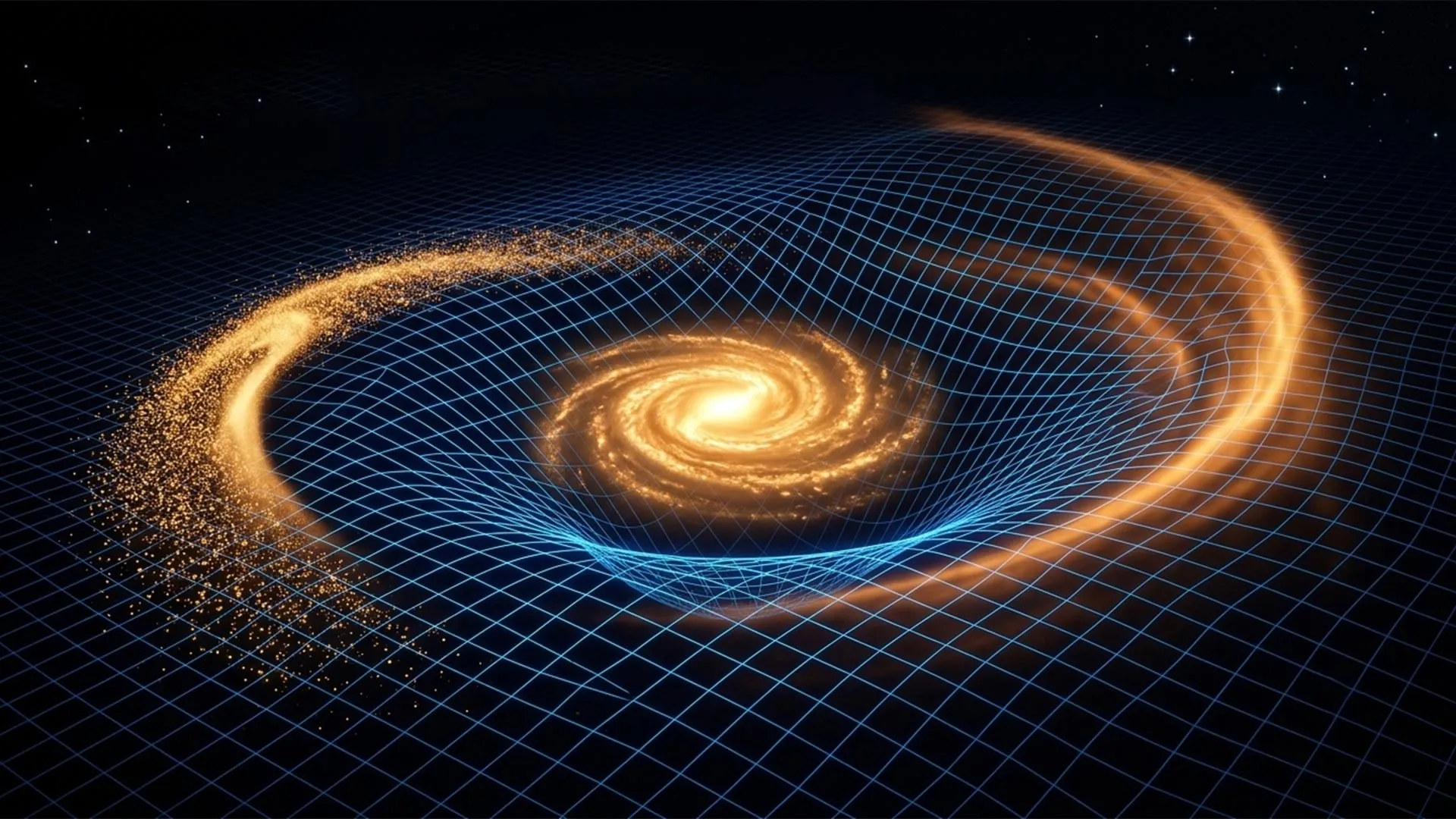
A massive worldwide survey of physicists has revealed surprisingly little agreement about some of the universe’s biggest mysteries. No majority backed the standard cosmological model, a leading explanation for dark matter, or any single theory of quantum gravity. One area of stronger agreement stood out: 68% said the Big Bang does not necessarily represent the beginning of time. Researchers say the divisions show just how alive and unsettled the frontiers of physics remain.

📅 2026-09-13 13:15:56    •    ScienceDaily
Read Original Article →
A 1,000-fold longer charge lifetime helps organic catalyst produce solar hydrogen faster
Science News

A 1,000-fold longer charge lifetime helps organic catalyst produce solar hydrogen faster

Researchers from the Ningbo Institute of Materials Technology and Engineering (NIMTE) of the Chinese Academy of Sciences (CAS), in collaboration with researchers from the Technical Institute of Physics and Chemistry of CAS, have developed a coumarin-linked covalent organic framework (COF) that enables high-efficiency photocatalytic water splitting for hydrogen production.

📅 2026-09-13 13:00:08    •    Phys.org
Read Original Article →
Most men don’t know dairy is linked to prostate cancer risk
Science News

Most men don’t know dairy is linked to prostate cancer risk

Most men may be missing an important dietary clue about prostate cancer. A new survey found that only 20% knew research has linked dairy consumption with increased prostate cancer risk, while 66% said they would consider avoiding dairy after learning about the connection. Studies have also associated plant-based diets with substantially lower risks of prostate cancer, progression, and recurrence.

📅 2026-09-13 12:58:06    •    ScienceDaily
Read Original Article →
NASA-backed scientists turn plastic waste into edible cookies
Science News

NASA-backed scientists turn plastic waste into edible cookies

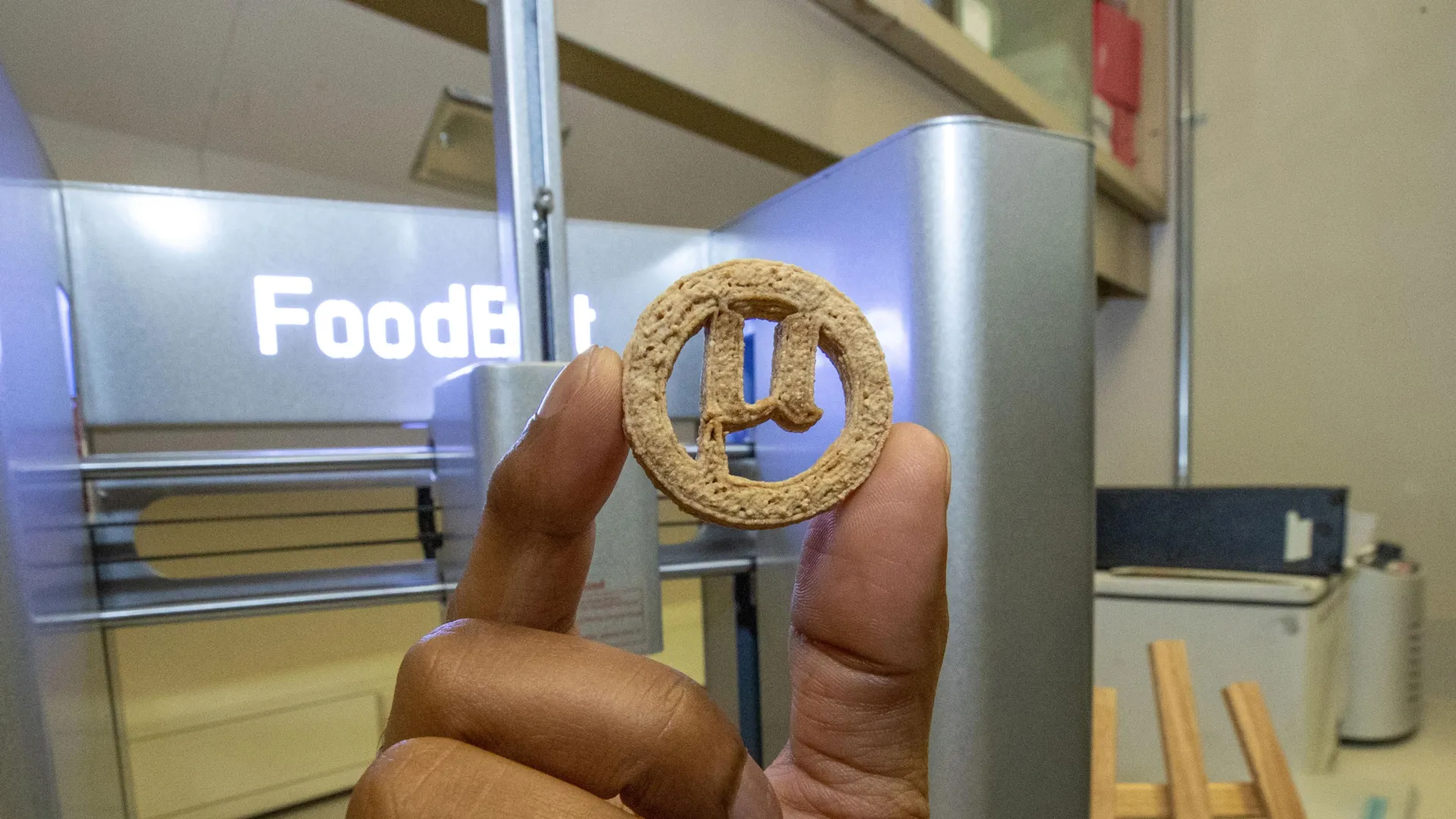
Scientists have engineered yeast to turn PET plastic and agricultural waste into ingredients for protein-rich, 3D-printed cookies called µBites. Developed partly for NASA’s Deep Space Food Challenge, the system can produce proteins, fats, vitamins, and even vanilla flavoring from waste materials. Researchers hope the unusual technology could eventually help address both plastic pollution and food insecurity, while also supplying food in extreme environments such as deep-space missions.

📅 2026-09-13 11:54:36    •    ScienceDaily
Read Original Article →
Physicists discover a hidden “curveball” in quantum light
Science News

Physicists discover a hidden “curveball” in quantum light

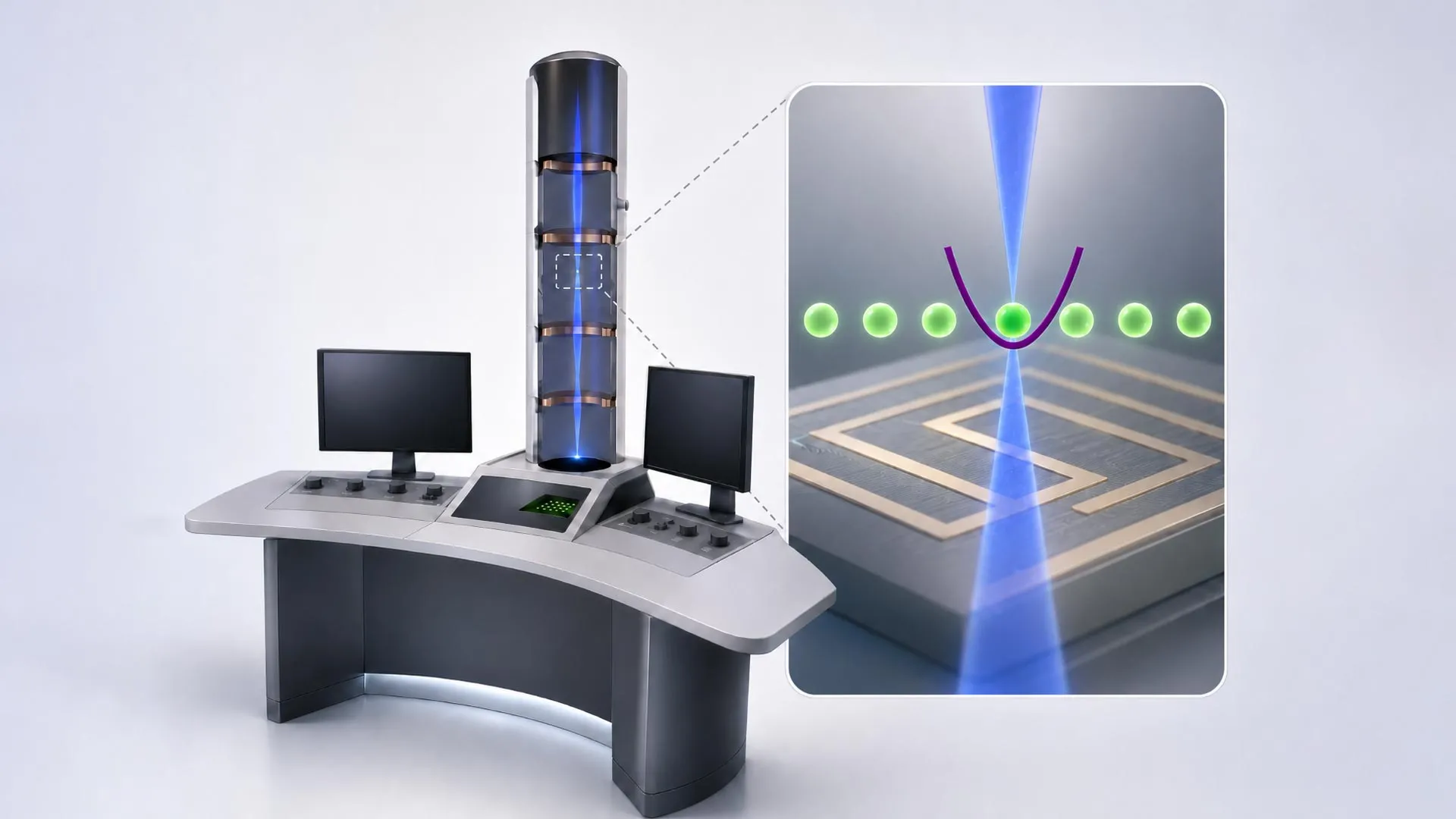
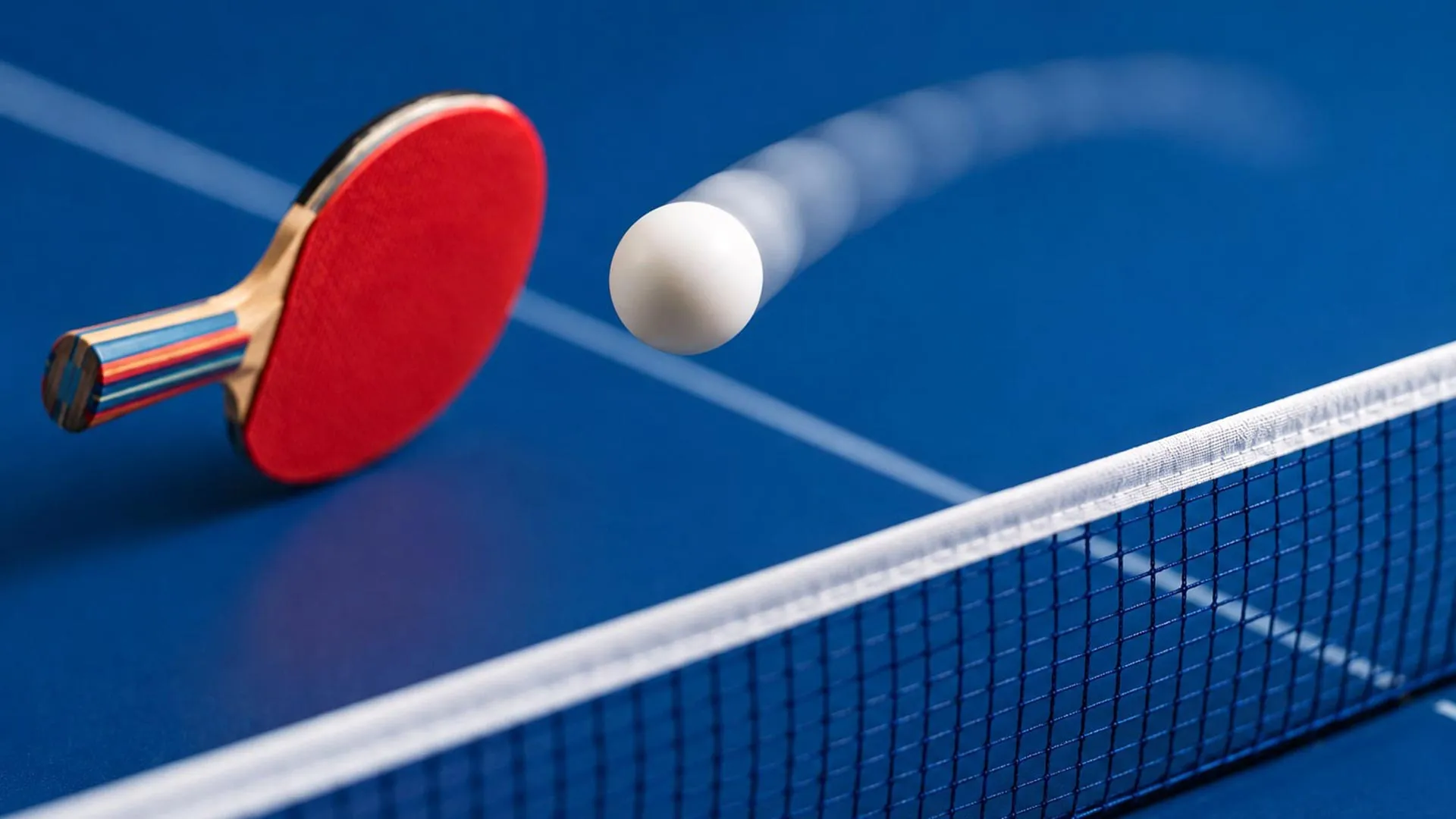
Researchers have experimentally demonstrated the optical Magnus effect for the first time, revealing that a tightly focused laser interacts most strongly with an atom slightly away from the beam’s center. The unexpected shift is similar to the physics that makes a spinning table tennis ball curve through the air. Because lasers are used to control qubits, the effect could create errors in quantum computers, but it might also provide a new way to couple qubits together.

📅 2026-09-13 11:22:01    •    ScienceDaily
Read Original Article →
Page 108of 158   •   3,778articles