Remember the ‘caregiving kills’ study? Reality is more nuanced
A decades-old claim linking caregiving stress to risk of death has stuck around, hampering research into its benefits. But caregivers still need support.
Explore the latest scientific discoveries, science news, breakthroughs and developments from around the world.
A decades-old claim linking caregiving stress to risk of death has stuck around, hampering research into its benefits. But caregivers still need support.
Giving zoo lions whole carcasses on a feast-and-fast schedule appears to bring out more natural behavior. The lions spent nearly three times longer feeding, engaged in more tearing and manipulating of food, and rested more heavily after meals. Their activity then increased gradually during the fasting period, closely resembling the rhythm seen in wild lions.
Physicists have found striking evidence for an unusual form of superconducting behavior in uranium ditelluride, where electron pairs organize into rippling patterns called pair density waves. Even more surprisingly, these patterns appear to survive after ordinary superconductivity disappears, suggesting that the electron pairs responsible for superconductivity may begin forming before the material actually becomes superconducting.
Blocking a receptor called P2X7 significantly reduced inflammation in human brain tissue, revealing a potential new treatment strategy for neurological and psychiatric disorders. The discovery could help researchers repurpose existing drugs for conditions including traumatic brain injury, Alzheimer’s, Parkinson’s, depression, and schizophrenia.
The James Webb Space Telescope has found strong evidence that the rocky lava world HD 3167 b has an atmosphere, despite circling its star every 24 hours under extreme heat. The surprising discovery could help scientists understand how rocky planets retain atmospheres and what the young, molten Earth may once have looked like.
Earth’s center of mass is constantly on the move, shifting by a few millimeters as enormous amounts of water, ice, and even air migrate around the planet with the seasons. NASA scientists have developed a more precise way to track these tiny swings using laser-ranging satellites, GPS data, and measurements of how water and ice deform Earth’s crust.
The Draconids, one of the year's most unpredictable meteor showers, will peak this week. Although only a few "shooting stars" are expected, the shower has a history of producing spectacular meteor storms with little warning.The Draconid meteor shower takes place Oct. 6-10 each year, peaking on Oct. 8-9, when around 10 "shooting stars" per hour are expected. Whereas most meteor showers are best seen after midnight or during the dark hours before dawn, the best time to view the Draconids is in the evening, according to Timeanddate.com, making it one of the more convenient meteor showers of the year. Just after dark Thursday (Oct. 8) will be the best time to look.The Draconids are different fro...
Anthropic and OpenAI accused Chinese AI developers of mining their models’ answers to train cheaper copycats. Here’s how distillation works and why it’s so hard to stop
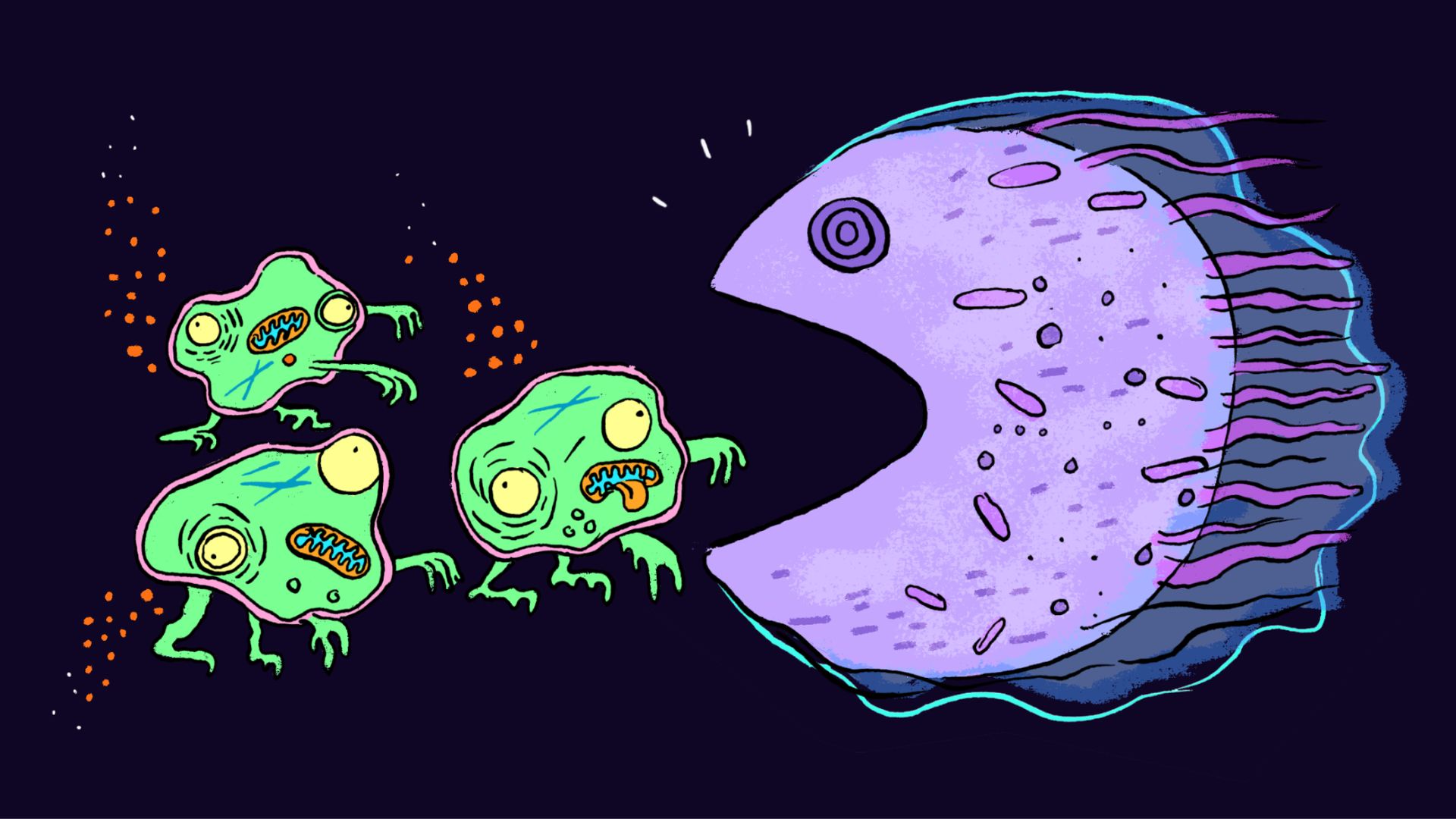
Emerging treatments aim to reverse or stall signs of aging in the body and thus cut the risk of age-related diseases. One of those signs is an accumulation of "zombie cells" — damaged cells that spew harmful substances rather than dying off and getting cleared away by the immune system. Some scientists are designing treatments aimed at killing those zombies directly. But what if we instead helped the body's cleanup crew get rid of them?"I think rejuvenating the immune system could rectify a lot of problems," said Roel de Maeyer, an immunologist at the University of Oxford. "We know hospitals are full of older people suffering from infections that younger people don't need to go to [the] hosp...
The patient: A 65-year-old woman in MichiganThe symptoms: The woman arrived at the emergency room via ambulance and asked to see a psychiatrist for her visual hallucinations. "I'm seeing dead people," she told clinicians, adding that she'd even fired a gun at her hallucinations in one instance, according to a report of her case. (The report does not describe what the hallucinations looked like.)Despite this reaction to her hallucinations, she was calm and alert during her physical exam, with normal vital signs other than high blood pressure. She reported a history of high blood pressure, diabetes, heart failure and chronic back pain but no prior psychiatric history.What happened next: Since ...
Behind the headlines about AI agents lies a deeper debate over accountability, safety and control.
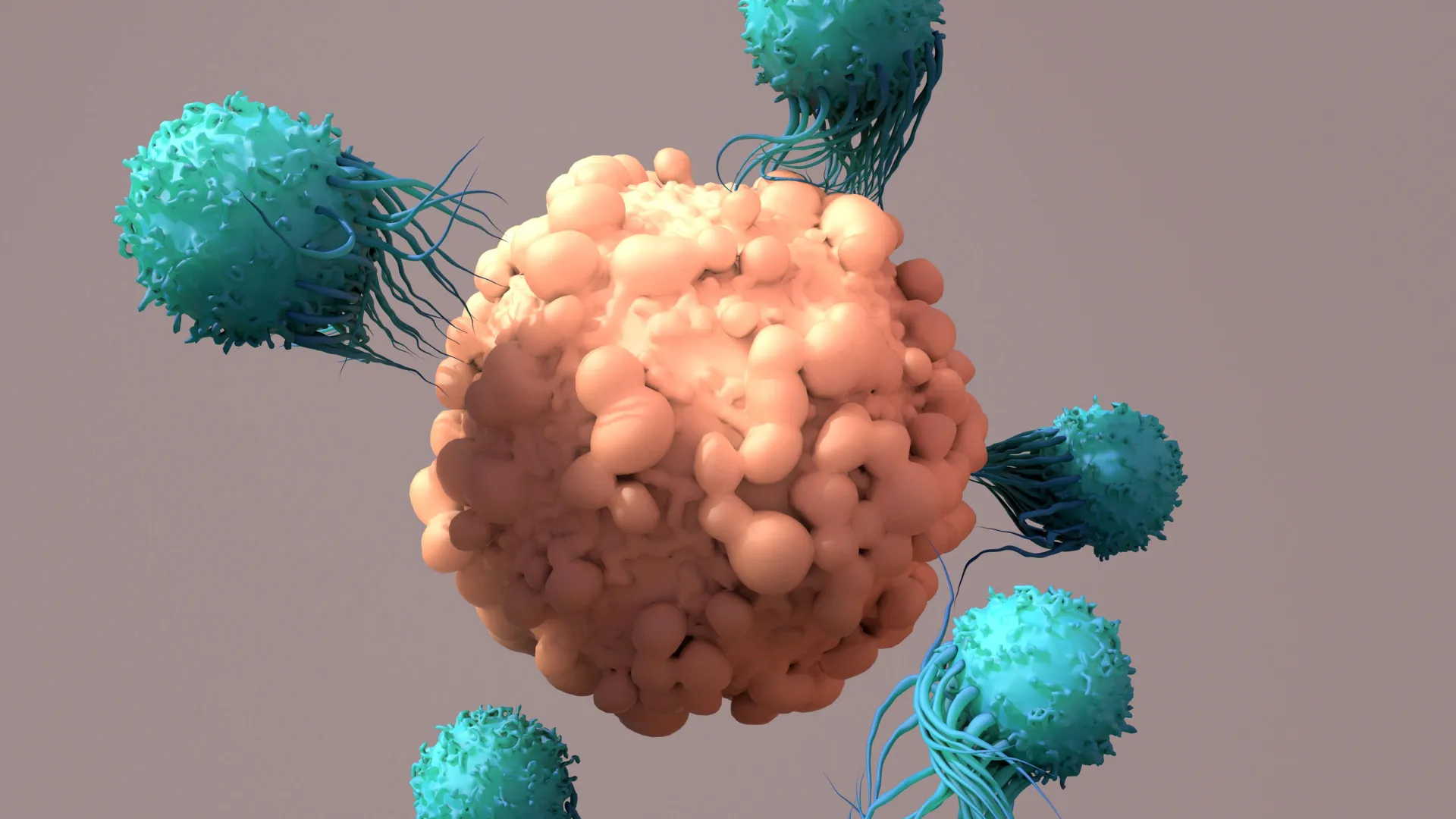
Scientists at UC San Francisco have developed a way to create cancer-fighting CAR-T cells directly inside the body, potentially avoiding the slow and extremely expensive process of removing, engineering, and reinfusing a patient’s immune cells. Using a two-particle delivery system, the researchers sent CRISPR gene-editing tools and new cancer-targeting DNA specifically into T cells, where the DNA was inserted at a precise location in the genome.