Latest Scientific Discoveries

All News β†’
Amazon wildfires are generating ozone that weakens surviving trees' carbon uptake
Science News

Amazon wildfires are generating ozone that weakens surviving trees' carbon uptake

Ozone pollution caused by Amazon wildfires is significantly reducing the rainforest's ability to absorb carbon dioxide from the atmosphere, new research reveals. Ground-level ozone is formed when pollutants from sources such as wildfires react in the presence of sunlight. This harms human health and interferes with plants' ability to absorb carbon dioxide (CO2) from the atmosphere.

πŸ“… 2026-10-07 09:00:01    β€’    Phys.org
Roboticists showcase tiny, frog-like robot that can hop across wet surfaces and swim
Science News

Roboticists showcase tiny, frog-like robot that can hop across wet surfaces and swim

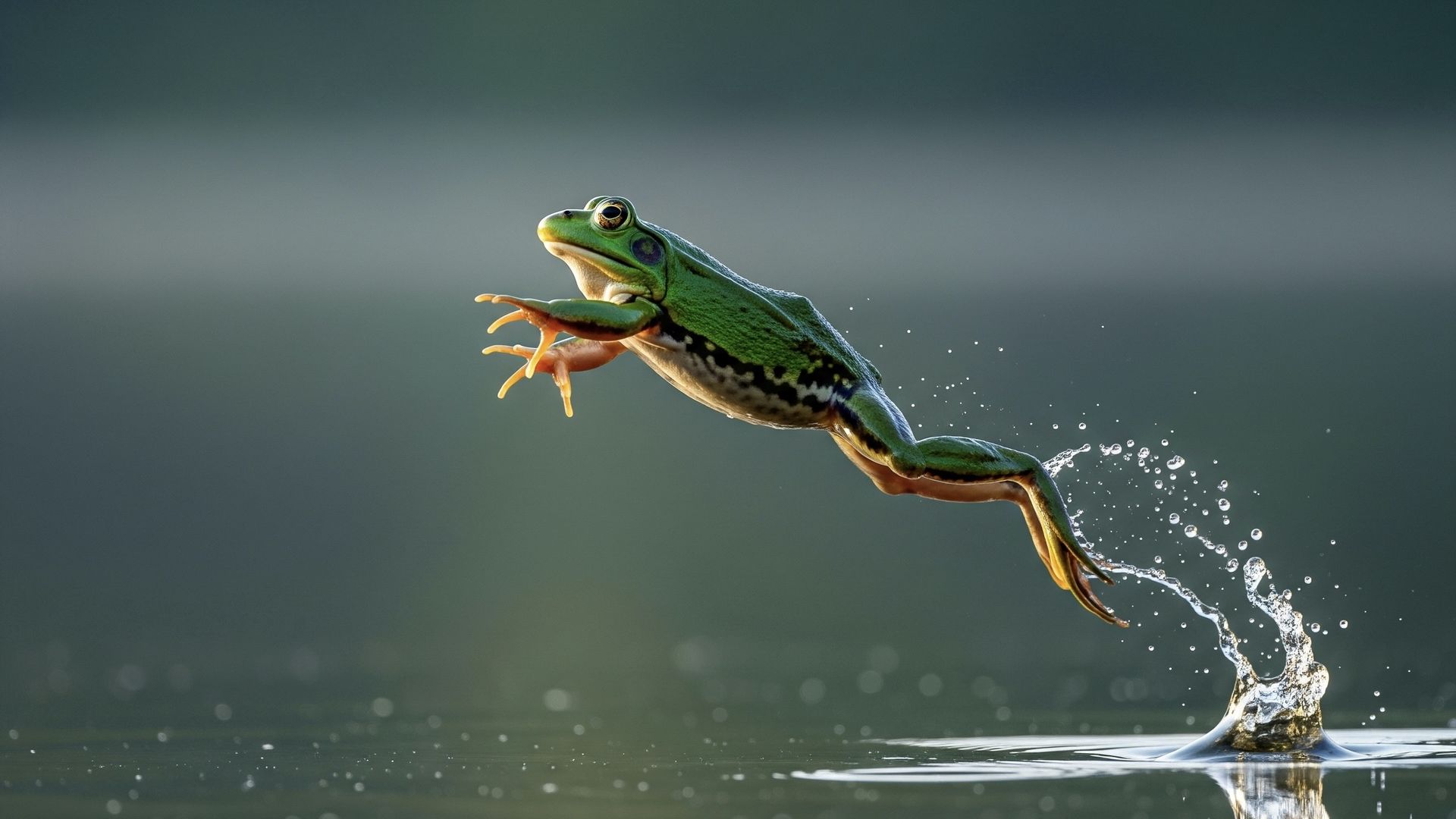
The animal kingdom has influenced several robot designs over the years to solve fundamental challenges in propulsion and movement β€” from horses to insects. Now, frogs are the latest creatures to inspire roboticists. As seen in a new study published Sept. 18 in the journal Science Advances, researchers probed how twisting bent elastic rods could produce a "snapping motion" that enabled a small robot to hop or swim. This mechanism could be used to improve robots with limited power and ones that need to traverse rough terrain and even water, the scientists said in the study. They also built a prototype to demonstrate the work. The palm-sized robot weighs just 3.4 ounces, or about as much as a d...

πŸ“… 2026-10-07 09:00:00    β€’    Live Science
Petal 'windows' affect the abundance of microbes within flowers
Science News

Petal 'windows' affect the abundance of microbes within flowers

Some flowers have petals with small semitranslucent sections. Research in New Phytologist reveals that these "windows" alter the amount of light and heat entering the flower and create conditions that influence microbial abundance.

πŸ“… 2026-10-07 07:10:18    β€’    Phys.org
Biodegradable nanoparticle technology may improve agricultural production
Science News

Biodegradable nanoparticle technology may improve agricultural production

Farmers use a manufactured version of a natural plant hormone called gibberellic acid to improve the health and growth of crops, but it is highly sensitive to heat and light. A study in the Journal of the Science of Food and Agriculture shows that loading gibberellic acid into biodegradable nanoparticles can improve grape yield and quality, making it a promising and environmentally friendly approach for sustainable agricultural production.

πŸ“… 2026-10-07 07:10:14    β€’    Phys.org
Fierce lobbying in EU over 'forever chemicals'
Science News

Fierce lobbying in EU over 'forever chemicals'

The European Union is under pressure to ban "forever chemicals," but a battle is heating up in Brussels over the toxic substances known as PFAS, with industry groups seeking as many exemptions as possible.

πŸ“… 2026-10-07 06:28:50    β€’    Phys.org
The world's oyster reefs could add $12 trillion to planetary health each yearβ€”if they were better managed
Science News

The world's oyster reefs could add $12 trillion to planetary health each yearβ€”if they were better managed

A new study shows that the world's oyster reefs are a precious resource that's vastly underestimated and underutilized. The authors set out to calculate the reefs' potential gross ecosystem product (GEP), the ecological counterpart of the gross economic product, and arrived at trillions of dollars in ecosystem goods and services delivered each year to different aspects of planetary health, including human well-being. But for their full potential to be realized, oyster reefs around the world will need to be restored and protected.

πŸ“… 2026-10-07 04:00:01    β€’    Phys.org
A new way to fight gum disease without wiping out good bacteria
Science News

A new way to fight gum disease without wiping out good bacteria

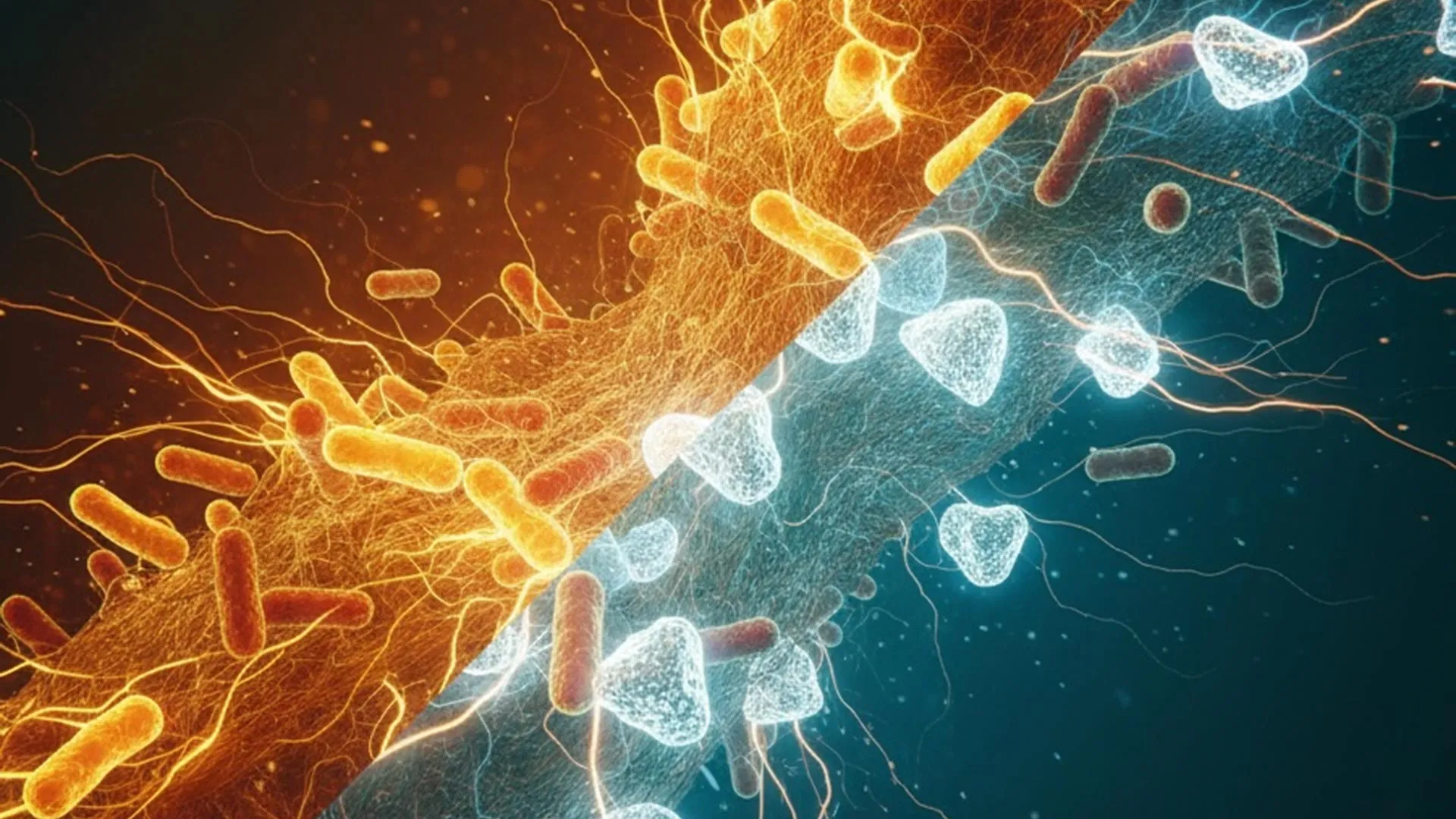
Scientists discovered that disrupting the chemical messages bacteria use to communicate can push dental plaque toward a healthier microbial balance. The approach could lead to new treatments for gum disease that control harmful bacteria without destroying beneficial species.

πŸ“… 2026-10-07 03:55:00    β€’    ScienceDaily
Humans may not be as hardwired for violence as we thought
Science News

Humans may not be as hardwired for violence as we thought

A study comparing 100 primate species, including humans, suggests that everyday aggression and lethal violence did not evolve as part of the same simple behavioral spectrum. Species that frequently fight or show mild aggression are not necessarily more likely to kill rivals, while extreme acts such as infanticide and lethal attacks appear to follow their own evolutionary patterns.

πŸ“… 2026-10-07 03:22:55    β€’    ScienceDaily
Animals may have evolved 200 million years earlier than we thought
Science News

Animals may have evolved 200 million years earlier than we thought

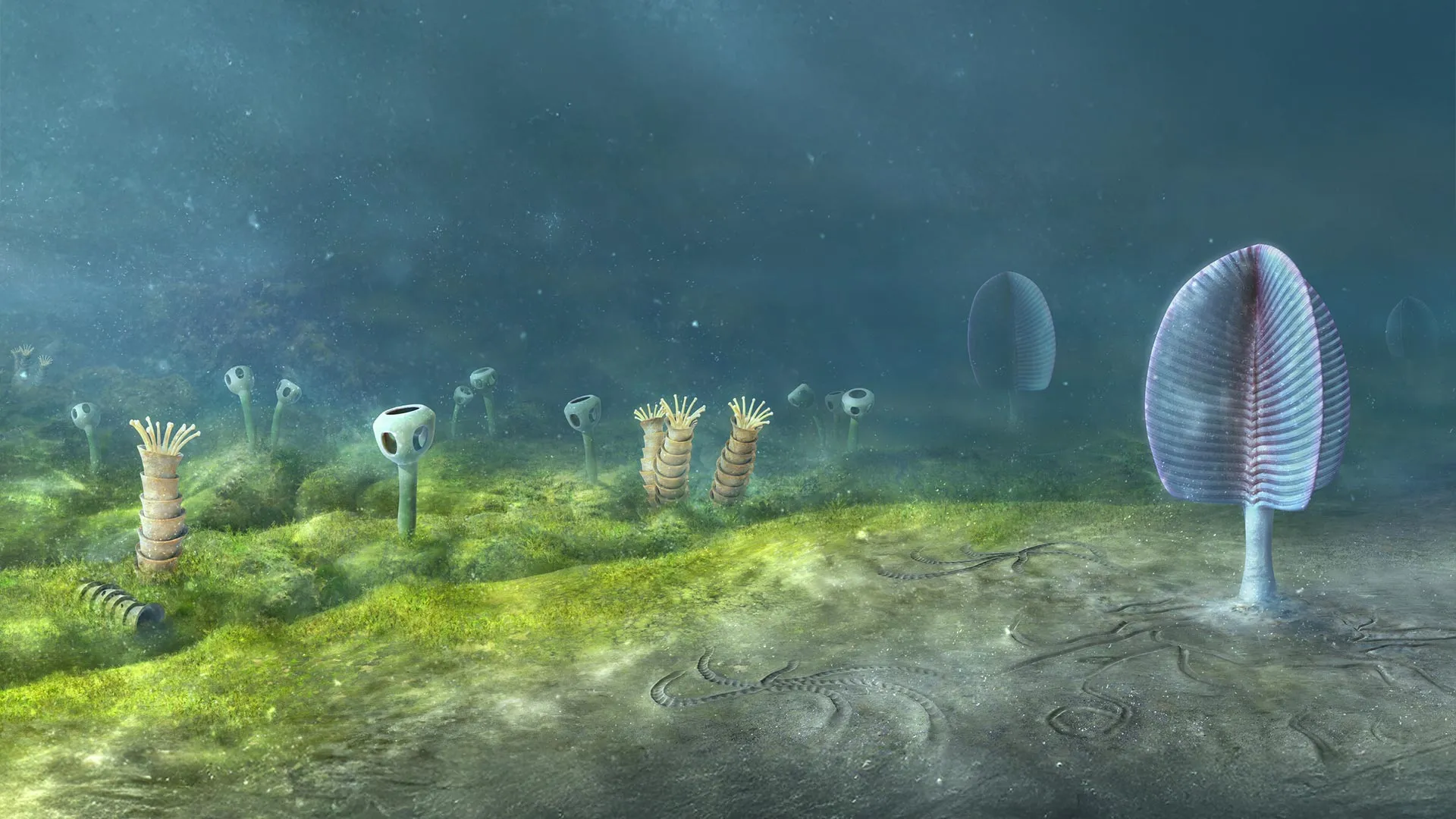
New research suggests animals could have evolved as early as 800 to 700 million years ago, roughly 200 million years earlier than some previous estimates. If so, the first animals may have lived before or during Snowball Earth, leaving behind little trace because their soft bodies were rarely preserved.

πŸ“… 2026-10-07 02:29:56    β€’    ScienceDaily