Latest Scientific Discoveries

All News β†’
Waste plastics become molecular sponges that capture water from air
Science News

Waste plastics become molecular sponges that capture water from air

Discarded plastic packaging materials, old CDs and even LEGO bricks can be transformed into materials that capture significant amounts of moisture from the air. Materials chemists Anastasiia Naryshkina, Paul Schweng and Robert Woodward at the University of Vienna have converted several types of plastic waste into water-attracting polymer networks that take up water even in dry climates and release it again under moderate heating, for example, using sunlight. The study, published in Chem Circularity, offers a route to give plastic waste a second life as an adsorbent for atmospheric water harvesting.

πŸ“… 2026-10-14 22:20:07    β€’    Phys.org
Cancer is rising in younger adults, and scientists can't fully explain why
Science News

Cancer is rising in younger adults, and scientists can't fully explain why

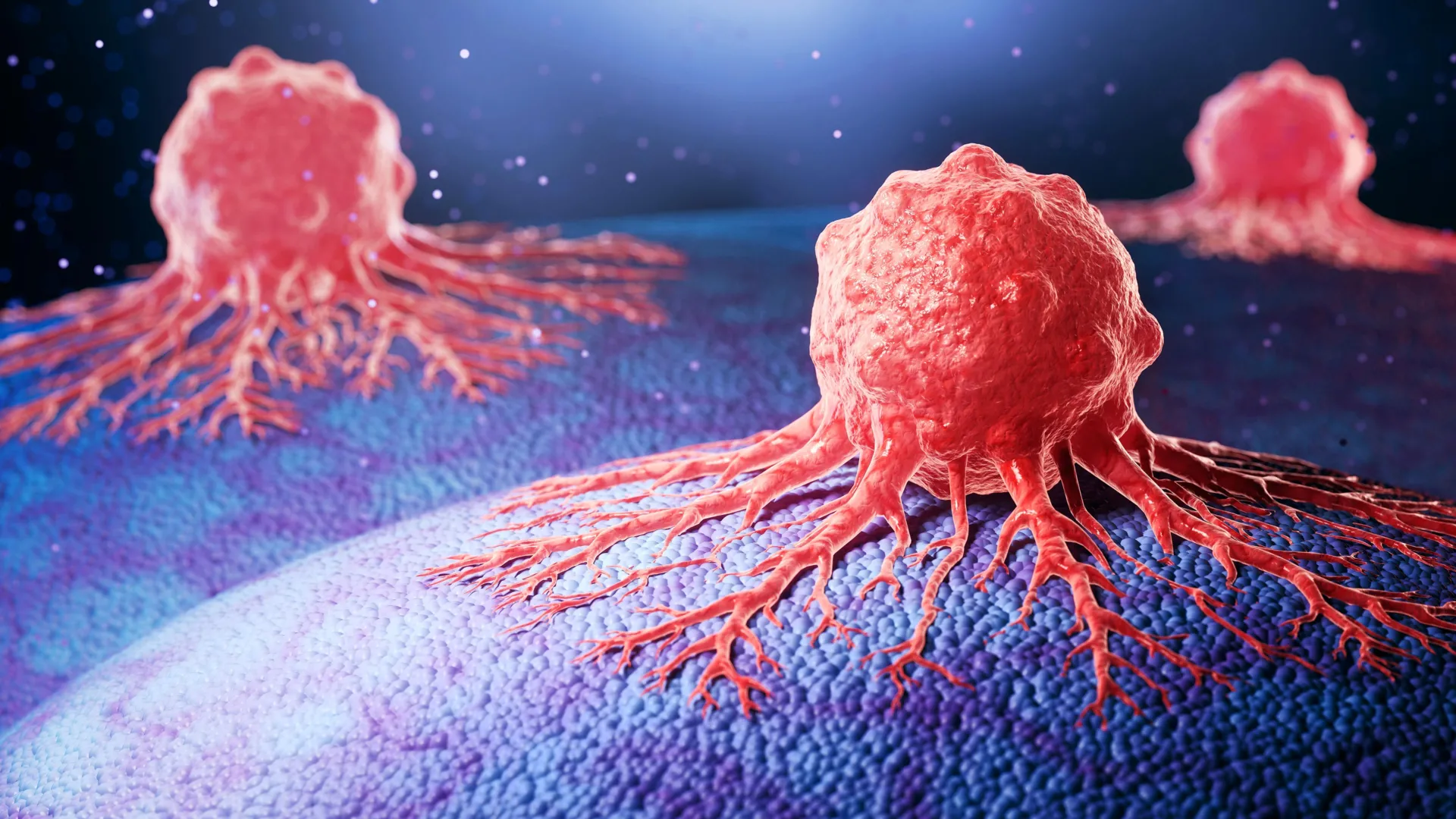
A major study found that several cancers are rising faster among younger adults in England, even as smoking, diet, and other established risk factors have generally improved. Excess weight explains only part of the increase, leaving scientists searching for other possible causes, including changes in the gut microbiome and early-life exposures.

πŸ“… 2026-10-14 22:03:26    β€’    ScienceDaily
Genome publishing overhaul targets 200 reports per month, up from 30
Science News

Genome publishing overhaul targets 200 reports per month, up from 30

The Wellcome Sanger Institute's Tree of Life program plans to accelerate publication of genome notes from approximately 30 per month to 200, expanding access to research that is supporting advances in agriculture, conservation and medicine. This increase will be facilitated by a new specialized workflow developed by F1000 and the Wellcome Sanger Institute for Wellcome Open Research.

πŸ“… 2026-10-14 22:00:07    β€’    Phys.org
A single carbon atom stitches flat molecules into 3D structures
Science News

A single carbon atom stitches flat molecules into 3D structures

Flat is fine for a sheet of paper, but many of the most useful molecules need depth. Now, researchers from Japan have found a way to give them that depth using nothing more than a single carbon atom.

πŸ“… 2026-10-14 22:00:01    β€’    Phys.org
How E. coli eavesdrops on the metabolic activity of other gut bacteria
Science News

How E. coli eavesdrops on the metabolic activity of other gut bacteria

The gut microbiome is teeming with hundreds of bacterial species and trillions of bacteria. These microorganisms influence many aspects of health, including digestion, and assist with numerous functions in the body. Gut bacteria compete for the limited nutrients available in their environment, while also interacting with each other in ways that can influence the stability of the microbial community.

πŸ“… 2026-10-14 21:40:05    β€’    Phys.org
Scientists identify avian cholera as major cause of penguin deaths in Antarctica
Science News

Scientists identify avian cholera as major cause of penguin deaths in Antarctica

Thousands of AdΓ©lie penguins found dead in Antarctica in 2024 were primarily victims of avian cholera, not high pathogenicity avian influenza (H5N1) as researchers initially suspected, according to a study published today in Proceedings of the Royal Society B: Biological Sciences. The findings highlight an underrecognized threat to Antarctic wildlife and the importance of comprehensive disease investigations, particularly as H5N1 continues to raise concerns for seabird and marine mammal populations.

πŸ“… 2026-10-14 21:10:01    β€’    Phys.org
Engineered enzyme could improve detection of HIV and other viruses
Science News

Engineered enzyme could improve detection of HIV and other viruses

Scientists have long used a powerful gene-editing tool called CRISPR to make precise changes to DNA. But a different version of the technology, known as Cas13a, targets RNA, the genetic material found in viruses such as HIV. Now, researchers at Rice University have developed an improved version of Cas13a that could make it easier to detect HIV and other RNA viruses in blood and environmental samples. The study was published in Cell Chemical Biology.

πŸ“… 2026-10-14 21:00:11    β€’    Phys.org
Firms facing tariff shocks choose collaboration over conquest
Science News

Firms facing tariff shocks choose collaboration over conquest

New research has charted the way U.S. businesses adapted to market shocks caused by reductions in import tariffs and increased foreign competition, with greater innovation emerging as a longer-term benefit.

πŸ“… 2026-10-14 21:00:01    β€’    Phys.org