Latest Scientific Discoveries

All News →
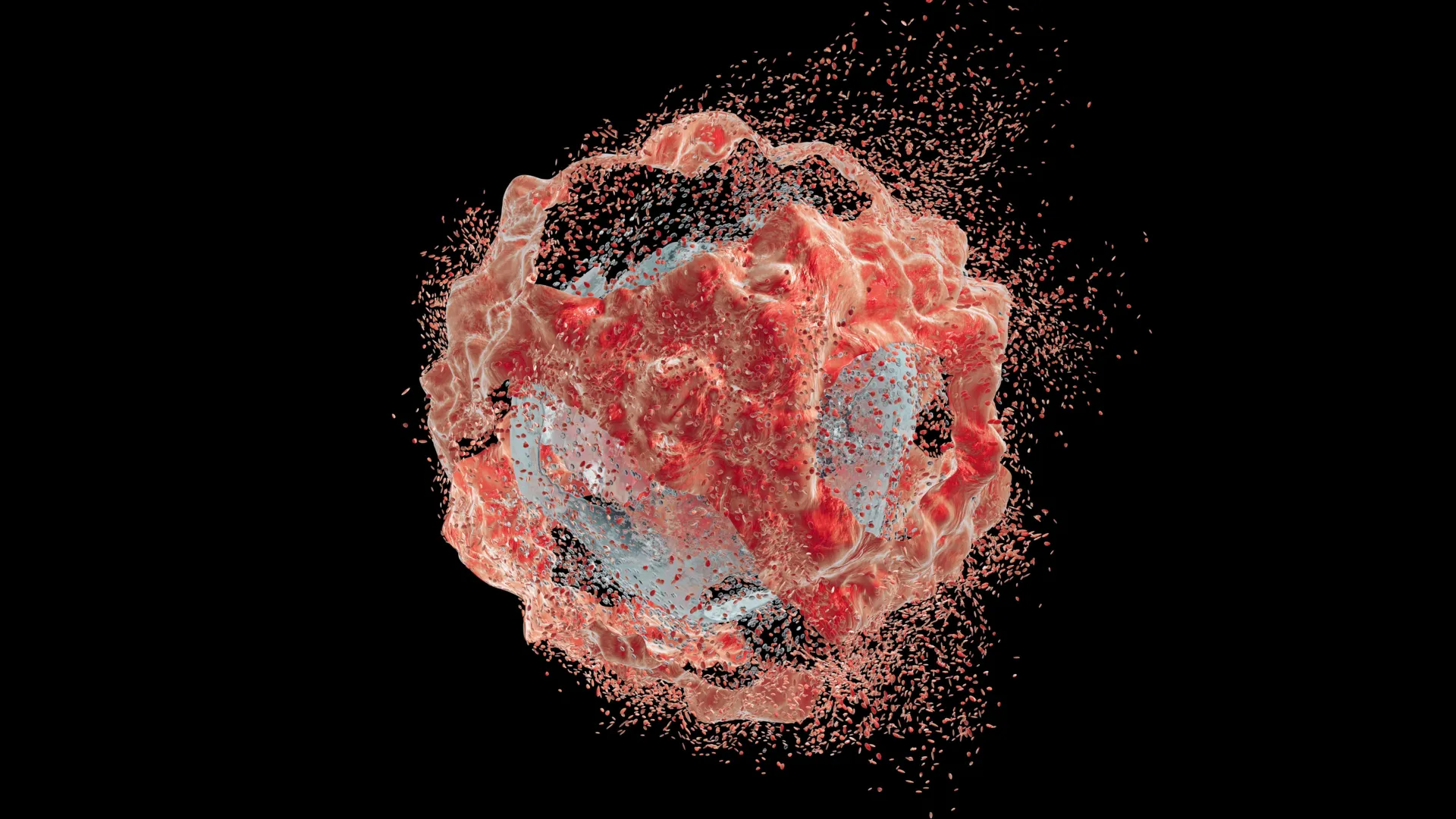
Scientists find a way to break pancreatic cancer’s protective shield
Science News

Scientists find a way to break pancreatic cancer’s protective shield

Researchers found that blocking IL1RAP could disrupt a powerful inflammatory network that helps pancreatic cancer survive treatment. In preclinical experiments, the approach reduced tumor-protecting cells and fibrosis while boosting the activity of cancer-fighting T cells. That could make chemotherapy and immunotherapy more effective.

📅 2026-09-12 02:34:24    •    ScienceDaily
Nepal flood disaster exposes cascading threats in Himalayas
Science News

Nepal flood disaster exposes cascading threats in Himalayas

A catastrophic flood in Nepal that left thousands missing began with a collapse of ice and rock high in the mountains—a warning that disaster planning must prepare for chains of hazards, not isolated events, experts say.

📅 2026-09-12 02:00:05    •    Phys.org
Mercury’s surface reveals a surprisingly fiery past
Science News

Mercury’s surface reveals a surprisingly fiery past

Scientists have discovered that Mercury’s surface contains far less silicon dioxide than previously thought, pointing to an unexpectedly hot volcanic past. The finding suggests ancient lava may have originated from deeper, more extensively melted parts of the planet’s mantle.

📅 2026-09-12 01:28:22    •    ScienceDaily
Q&A: The origin of 'OnlyMarms' and what made it a roaring success
Science News

Q&A: The origin of 'OnlyMarms' and what made it a roaring success

The story of Dan Blumstein's decision to share videos of marmots from the Rocky Mountain Biological Laboratory field study on an OnlyFans account called OnlyMarms has captured attention around the world over the past few weeks.

📅 2026-09-12 01:00:02    •    Phys.org
The secret to longer life may be hidden in bat DNA
Science News

The secret to longer life may be hidden in bat DNA

Long-lived bats appear to combine powerful immune defenses with unusual strategies for eliminating damaged cells, potentially helping them avoid cancer and disease for decades. Researchers hope these genetic tricks could eventually reveal new ways to protect human health during aging.

📅 2026-09-12 00:25:05    •    ScienceDaily
Bridging interfacial water structure and reactivity in photocatalytic hydrogen evolution at TiO₂ interfaces
Science News

Bridging interfacial water structure and reactivity in photocatalytic hydrogen evolution at TiO₂ interfaces

Hydrogen (H2) evolution via photocatalytic water splitting is an environmentally friendly and sustainable technology for solar-to-chemical energy conversion. Although interfacial interactions are recognized as key determinants of photocatalytic performance, systematic experimental studies explicitly targeting the structure and reactivity of the water-catalyst interface remain limited. A major challenge lies in probing the molecular structure of interfacial water, especially under hydrogen-evolving conditions.

📅 2026-09-12 00:20:01    •    Phys.org
How one RNA nucleotide switch activates fluorescent dyes
Science News

How one RNA nucleotide switch activates fluorescent dyes

RhoBAST is a tiny RNA molecule that activates fluorescent dyes, enabling researchers to track RNA molecules in living cells with super-resolution. An international collaboration, which includes Ronald Micura and his team from the Institute of Organic Chemistry, has now shown that a small, local "nucleotide flip" within the RNA controls this fluorescence activation.

📅 2026-09-12 00:00:04    •    Phys.org
66-million-year-old feather in dinosaur poop may reveal why birds survived the asteroid
Science News

66-million-year-old feather in dinosaur poop may reveal why birds survived the asteroid

A feather discovered inside 66-million-year-old fossilized dinosaur poop may help explain why modern birds survived the asteroid catastrophe. The extinct bird it came from had more primitive insulating feathers, suggesting superior plumage may have helped the ancestors of living birds endure the deadly impact winter.

📅 2026-09-11 23:47:16    •    ScienceDaily
How big can the universe's first starbursts get?
Science News

How big can the universe's first starbursts get?

As our telescopes have improved and we've been able to peer farther back in time, we've begun finding more fascinating features of the universe. But one thing we haven't found for sure is Population III (Pop III) stars. These were the earliest stars in the universe, formed completely from pristine hydrogen and helium, with no "metals" (i.e., elements heavier than those two) polluting their processes.

📅 2026-09-11 23:20:01    •    Phys.org
Smart, self-healing packaging uses AI to detect food spoilage in real time
Science News

Smart, self-healing packaging uses AI to detect food spoilage in real time

Packaging already tells us where food comes from, when it was made, what's in it and how many calories it contains. But researchers see a future where packaging can "see," in real time, what's happening inside and translate that into information that producers and consumers can act on.

📅 2026-09-11 22:20:05    •    Phys.org
Single nanostructure enables independent control of two light resonance modes
Science News

Single nanostructure enables independent control of two light resonance modes

Metallic nanostructures are exceptionally effective at concentrating light into tiny volumes, while dielectric nanostructures excel at storing light with minimal energy loss. Combining these complementary properties has traditionally required complicated hybrid structures in which the two optical modes become mixed, making them difficult to control independently.

📅 2026-09-11 22:20:01    •    Phys.org