Latest Scientific Discoveries

All News →
'It is extremely rare to witness': Scientists record humpback whale mom grieving her stillborn calf in first-of-its-kind footage
Science News

'It is extremely rare to witness': Scientists record humpback whale mom grieving her stillborn calf in first-of-its-kind footage

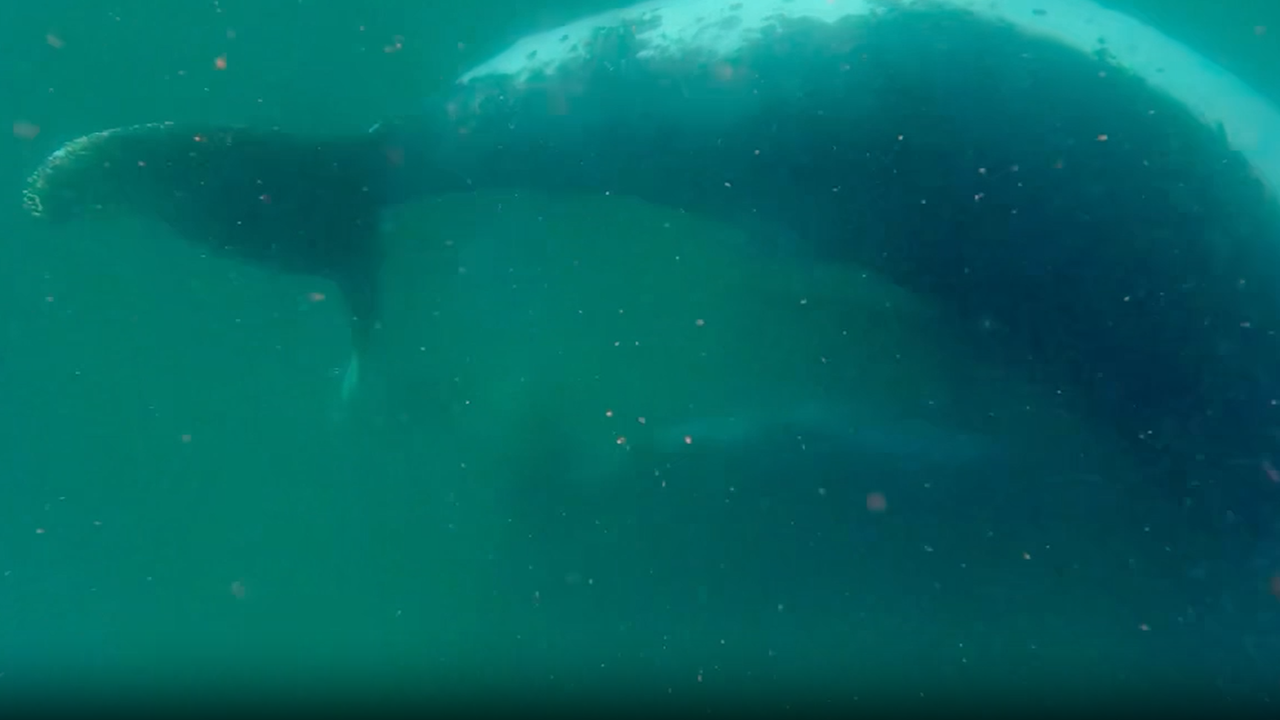
In an extraordinary first-of-its-kind video, researchers have documented a humpback whale mom grieving her stillborn calf.The footage was recorded off the coast of southeastern Australia in July 2025, according to a study published Wednesday (Sept. 16) in the journal Discover Animals. In the clip, a female humpback whale (Megaptera novaeangliae) hovers above her baby's motionless body on the seafloor and tries to make eye contact with the newborn, as if to check for signs of life."It is extremely rare to witness," study first author Olaf Meynecke, a marine ecologist at Griffith University in Australia, told Live Science in an email. "Only about 20 births of humpback whales have been observed...

📅 2026-09-16 14:44:47    •    Live Science

Scientists find an immune “false alarm” that may drive rapid aging
Science News

Scientists find an immune “false alarm” that may drive rapid aging

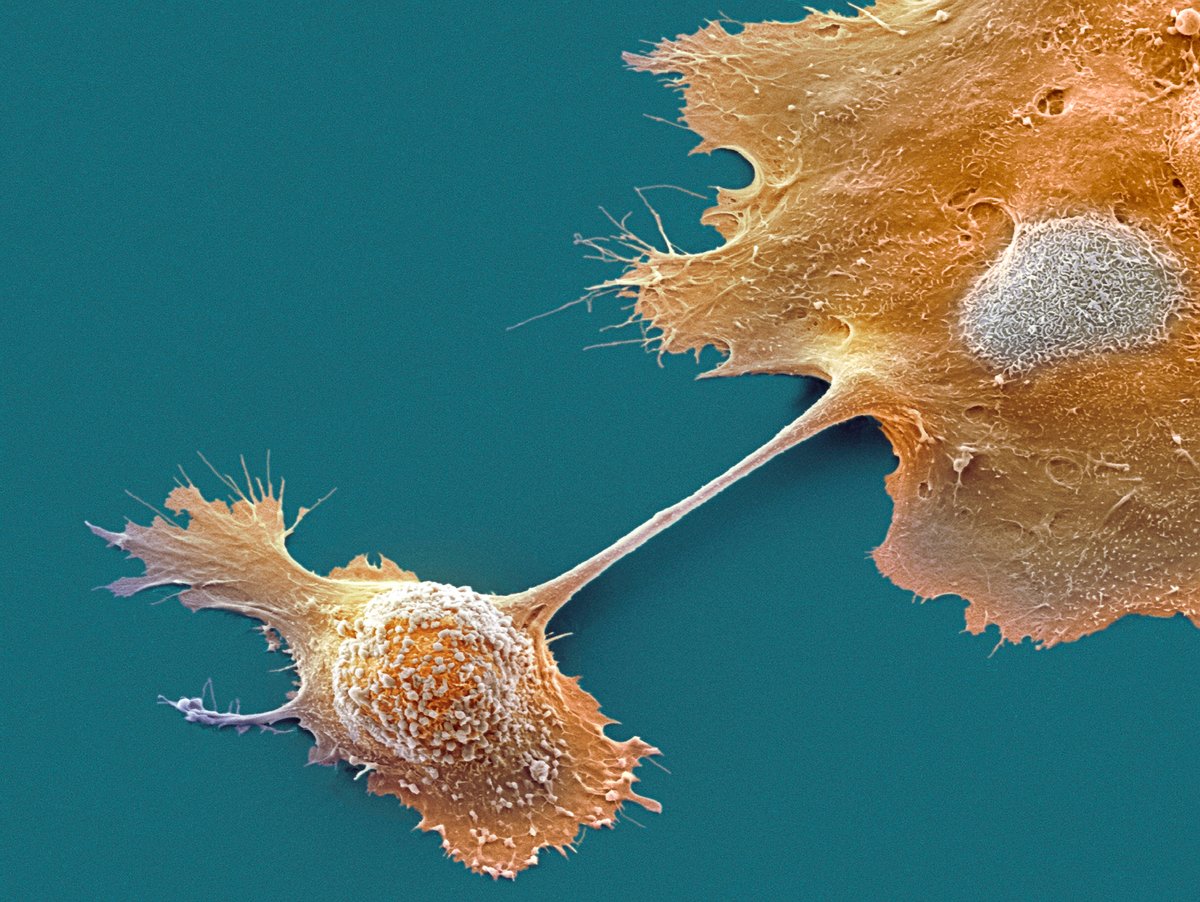
Scientists have discovered that some severe genetic disorders linked to rapid aging may be driven not just by damaged DNA, but by the body’s overreaction to that damage. When broken DNA fragments leak into the wrong part of a cell, an immune sensor called cGAS can mistake them for signs of a viral infection, triggering chronic inflammation and even interfering with DNA repair itself.

📅 2026-09-16 14:05:35    •    ScienceDaily
A 240-million-year-old fossil just changed the dinosaur timeline
Science News

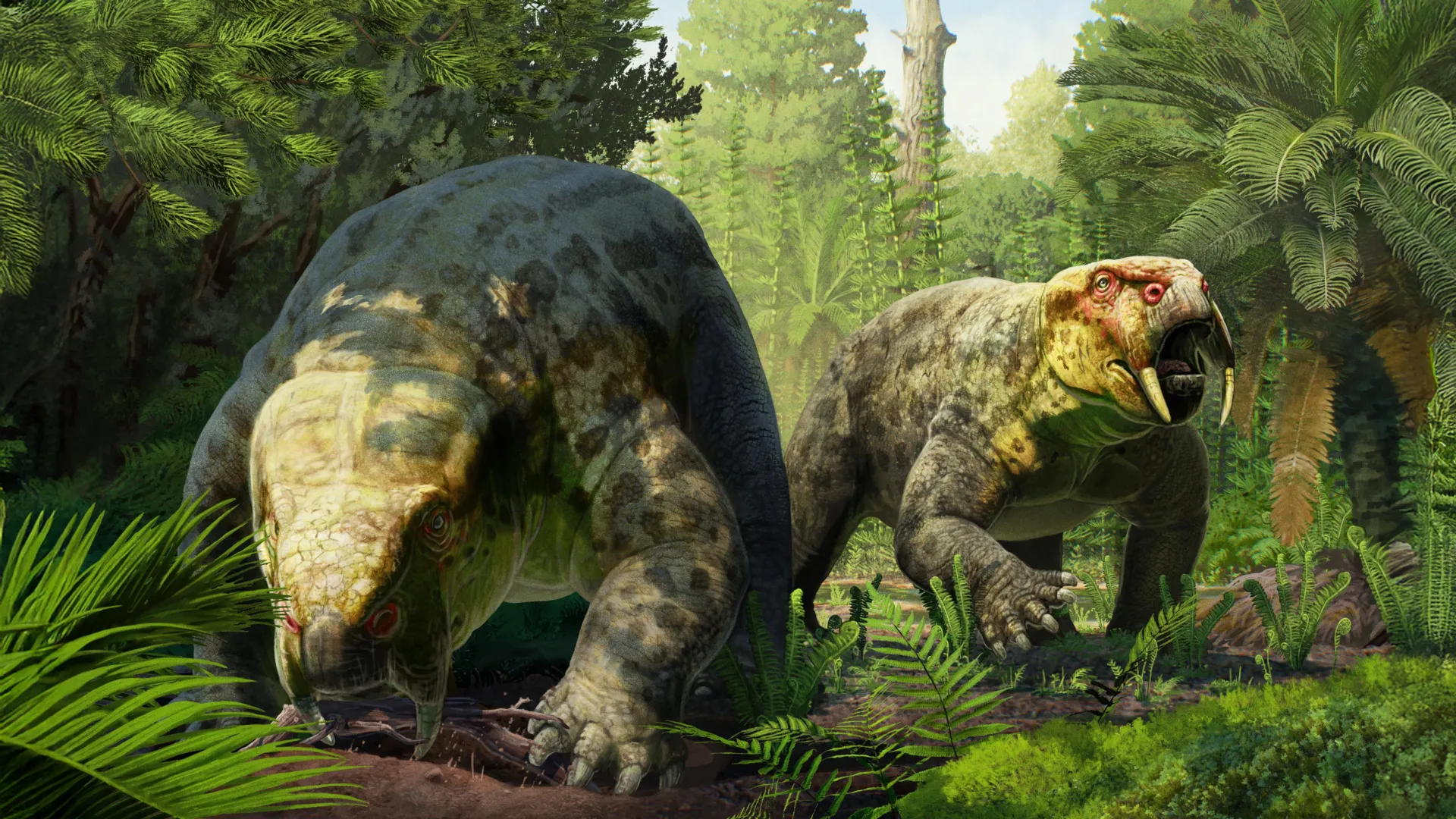
A 240-million-year-old fossil just changed the dinosaur timeline

A newly identified 240-million-year-old animal from Tanzania is forcing scientists to rethink the early dinosaur timeline. Dinodontosaurus isiyavamanda belongs to a group previously known only from South America, linking fossil deposits on the two continents. That connection suggests Tanzania’s supposed oldest dinosaur fossils may actually be millions of years younger than previously thought.

📅 2026-09-16 13:48:08    •    ScienceDaily
Alzheimer’s damage may begin outside the brain
Science News

Alzheimer’s damage may begin outside the brain

Removing a type of immune cell from lymph nodes in mice reduced brain inflammation and cell damage in a model of Alzheimer’s-like disease.

📅 2026-09-16 13:00:00    •    Science News
Scientists find the whole grain “sweet spot” for better heart health
Science News

Scientists find the whole grain “sweet spot” for better heart health

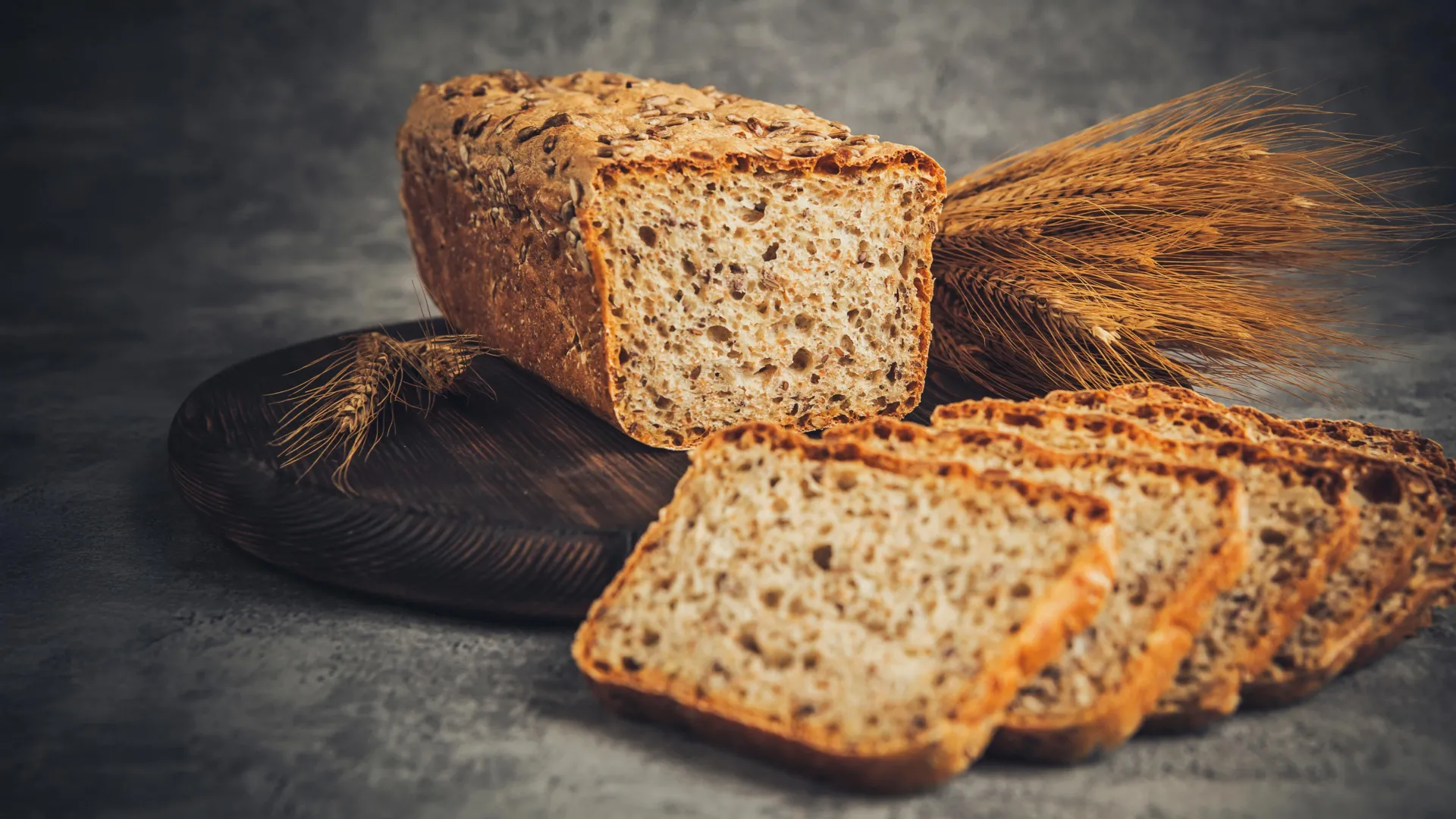
Eating four to six servings of whole grains a day may deliver meaningful benefits for heart health, according to a large review of 87 clinical trials. Researchers found improvements in body weight, waist size, blood pressure, cholesterol, blood sugar, triglycerides, and some markers of inflammation.

📅 2026-09-16 12:52:48    •    ScienceDaily
Scientists recreated what mice saw from brain activity alone
Science News

Scientists recreated what mice saw from brain activity alone

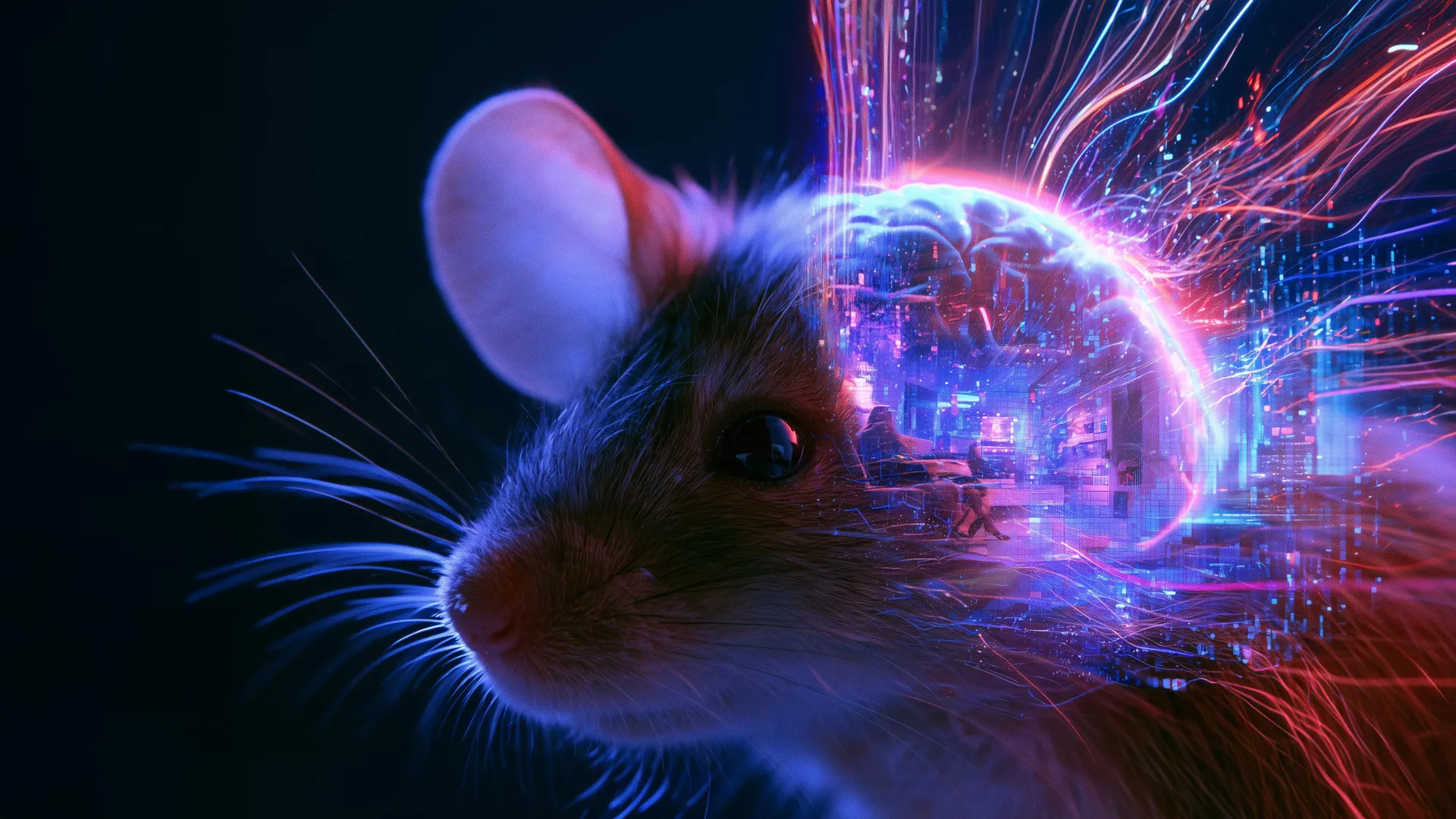
Scientists reconstructed videos from the brain activity of mice, producing 10-second clips based only on signals from neurons in the visual cortex. The breakthrough could help reveal how the brain reshapes what we see before it becomes our perception of reality.

📅 2026-09-16 12:33:18    •    ScienceDaily
Venus may have swallowed its own moon
Science News

Venus may have swallowed its own moon

Venus may have once had a moon, but new research suggests the planet’s incredibly slow rotation could have doomed it. Computer simulations showed that instead of gradually drifting away like Earth’s moon, a Venusian moon would likely spiral inward until it crashed into the planet, with larger moons falling even faster.

📅 2026-09-16 11:49:57    •    ScienceDaily
Irrigation’s climate benefit could equal 363 years of its own emissions
Science News

Irrigation’s climate benefit could equal 363 years of its own emissions

U.S. irrigation produces some greenhouse gas emissions, but new research suggests it prevents vastly more by allowing farmers to grow more food on less land. Without irrigation, replacing lost crop yields could require converting natural ecosystems into farmland, releasing an estimated 6.86 gigatons of greenhouse gases. That is equivalent to about 363 years of current annual U.S. irrigation emissions.

📅 2026-09-16 11:34:17    •    ScienceDaily