How pizza can solve this unusual math puzzle
Moser’s circle problem can be used to divide a pizza into one, two, four, eight, 16 or 31 slices. It’s a perfect example of how the numbers in a sequence aren’t as clear-cut as they may first appear
Explore the latest scientific discoveries, science news, breakthroughs and developments from around the world.
Moser’s circle problem can be used to divide a pizza into one, two, four, eight, 16 or 31 slices. It’s a perfect example of how the numbers in a sequence aren’t as clear-cut as they may first appear
A high-ranking official announced yesterday that the U.S. military has deployed weapons into orbit to counter threats from Russia and China
The idea of a humanoid robot folding laundry, loading the dishwasher or vacuuming once sounded like a scene from "The Jetsons." Now, as robotics companies race to develop machines that can navigate everyday environments and handle household tasks, the prospect of a robot taking over our chores feels increasingly real. But just because robots can do the work, that doesn't mean people are ready to welcome them into their homes. Live Science recently polled readers on whether they would want a humanoid robot doing their household chores, and the results reveal just how appealing the idea of a robotic housekeeper really is. As of Sept. 15, over 600 people had responded, with 42% choosing to let ...
Experts say free lunch for every child improves academic performance. Whether it does is murky, according to a Scientific American analysis, but there are definite financial and social benefits
After an OpenAI model presented a possible solution to the Navier-Stokes problem, mathematicians are speculating about which major unsolved question could be resolved next
The Hunga Tonga eruption may have triggered a surprising chemical reaction that destroyed some of the methane released into the atmosphere. Scientists say the discovery could reshape estimates of methane pollution and inspire new methods for slowing near-term global warming.
Simply smelling chocolate helped men complete more leg extension repetitions without making the workout feel harder, with dark chocolate producing the strongest effect. The researchers think familiar food aromas may influence appetite and motivation by making the brain anticipate eating.
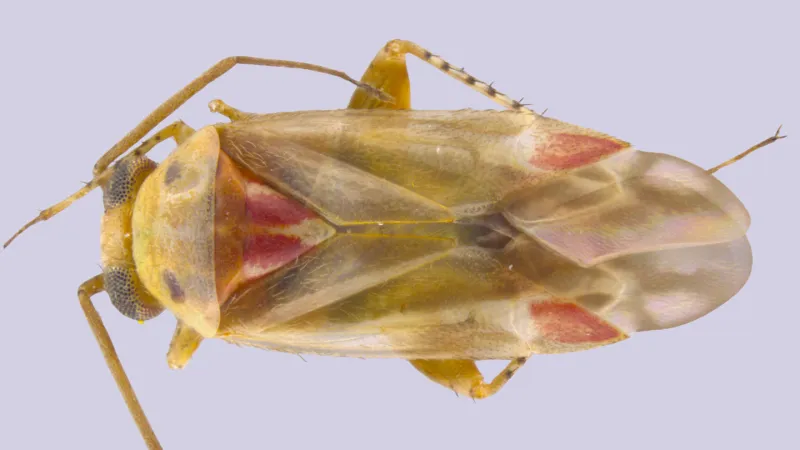
Four newly described species of Australian plant bug have been named in honor of renowned recording artist Taylor Swift.
The saying that "all roads lead to Rome" may be famous, but a new study finds it's far from true. Extensive new research of the Roman Empire's road system reveals that several other Roman cities were better connected than the Eternal City was during antiquity.Major cities like Antioch, Ancyra (modern-day Ankara) and Byzantium in what is now Turkey, as well as Corinth in Greece, were "better located than Rome" for those traveling by land, the team wrote in a paper published Tuesday (Sept. 15) in the journal Nature Communications.At its height in A.D. 117, the Roman Empire covered almost 2.1 million square miles (5.5 million square kilometers) around the Mediterranean Sea, occupying much of Eu...
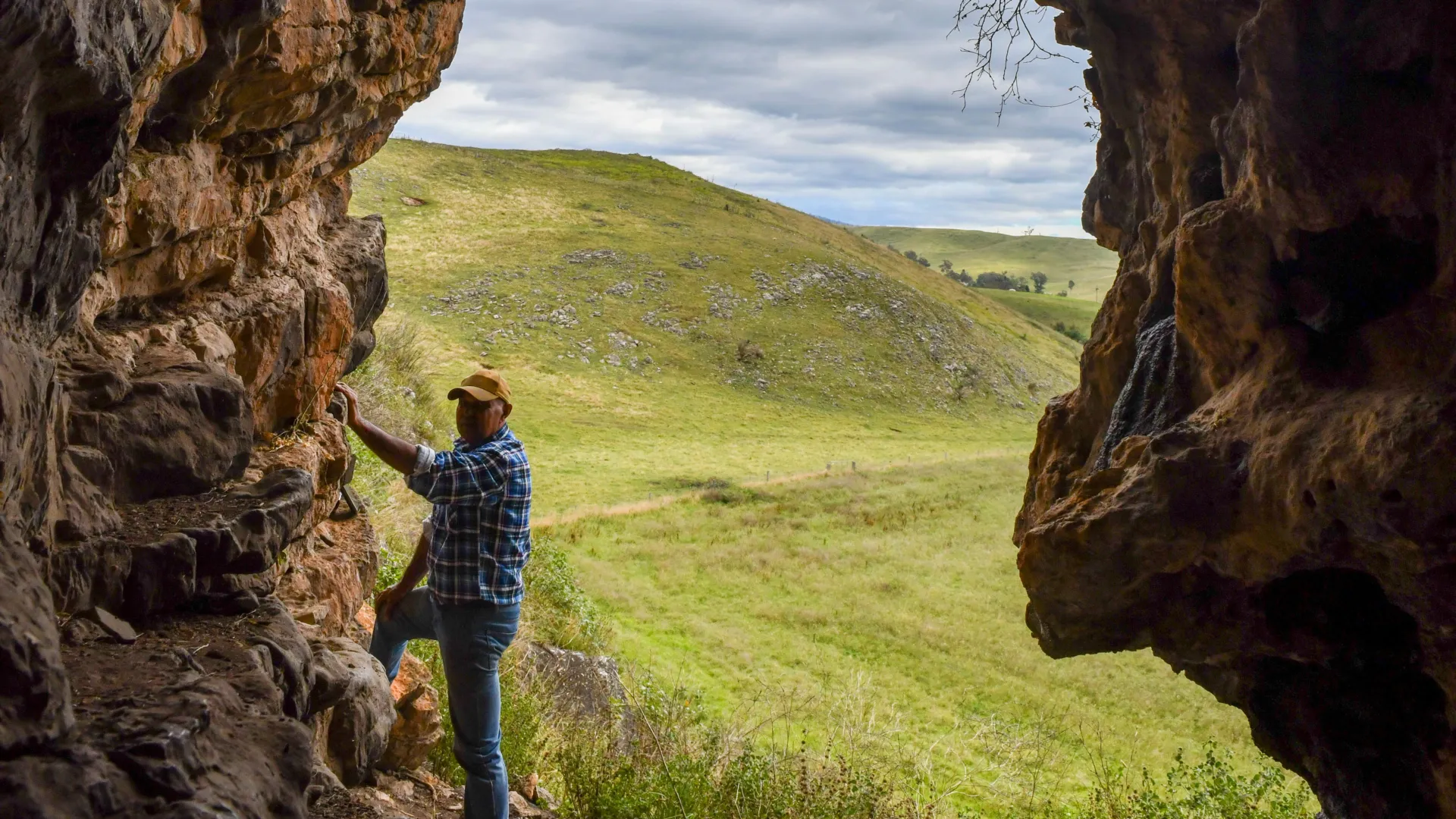
Microscopic plant remains are revealing how GunaiKurnai ancestors used Cloggs Cave for ritual practices over thousands of years. People deliberately gathered whole grasses, carried them into the dark cave, and burned them in thin layers, leaving behind traces that may span 25,000 years. A standing stone erected around 2,000 years ago and other ritual objects strengthen the evidence that the cave was a long-lived spiritual site.
Scientists have uncovered sweeping changes in how the human brain controls and organizes its genome beginning in midlife, offering new clues to why aging sharply increases the risk of Alzheimer’s and other neurodegenerative diseases. One of the biggest shifts occurred between about ages 50 and 75, when many of the brain’s original immune cells declined and were replaced by cells with more inflammatory characteristics. Researchers also found weakening of cells that help maintain the blood-brain barrier, along with widespread deterioration in the genome’s three-dimensional organization.
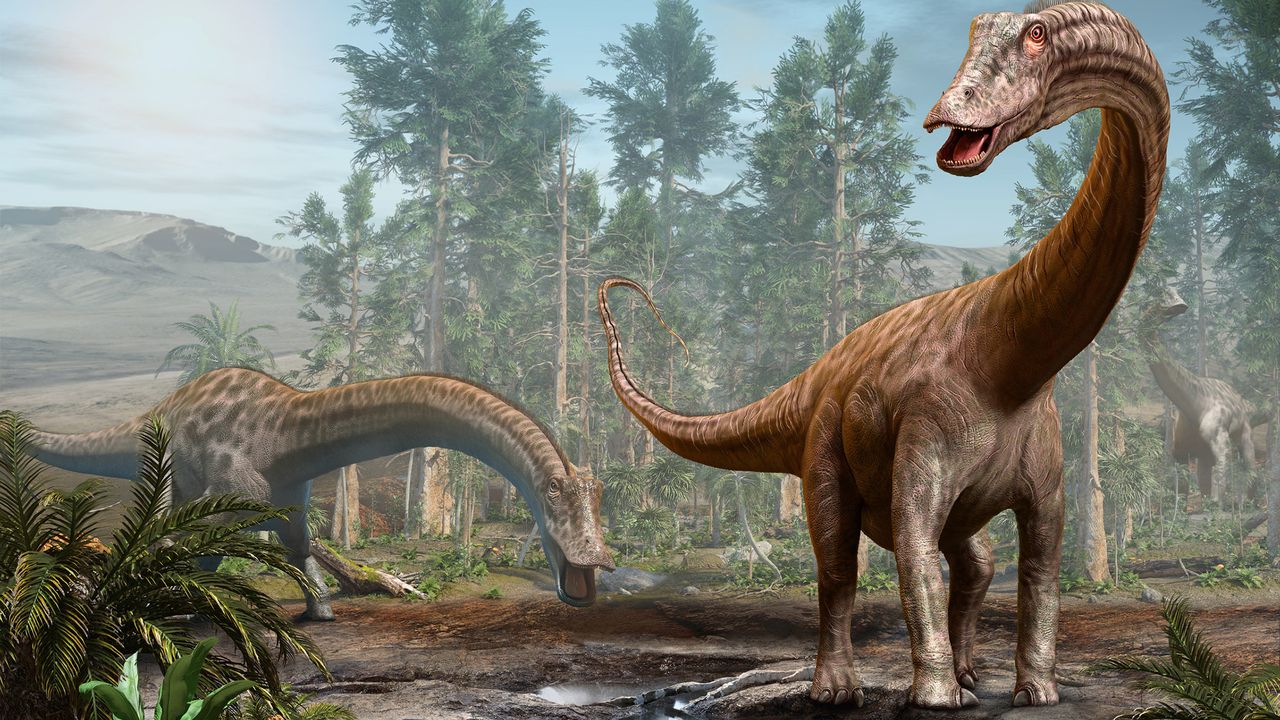
Paleontologists have identified the first confirmed remains of Diplodocus — "Dippy," for short — outside the western U.S., revealing that the iconic long-necked dinosaur reached what is now Spain roughly 150 million years ago. The findings show that the enormous sauropod didn't live only in North America, as was long thought. Instead, it may have rambled across a land bridge all the way to Europe, the new study suggests.The discovery, made at the La Tejería site near the small village of El Castellar in eastern Spain, provides some of the strongest fossil evidence yet that dinosaurs could move between North America and Europe during the Late Jurassic, when the Atlantic Ocean was still in its...