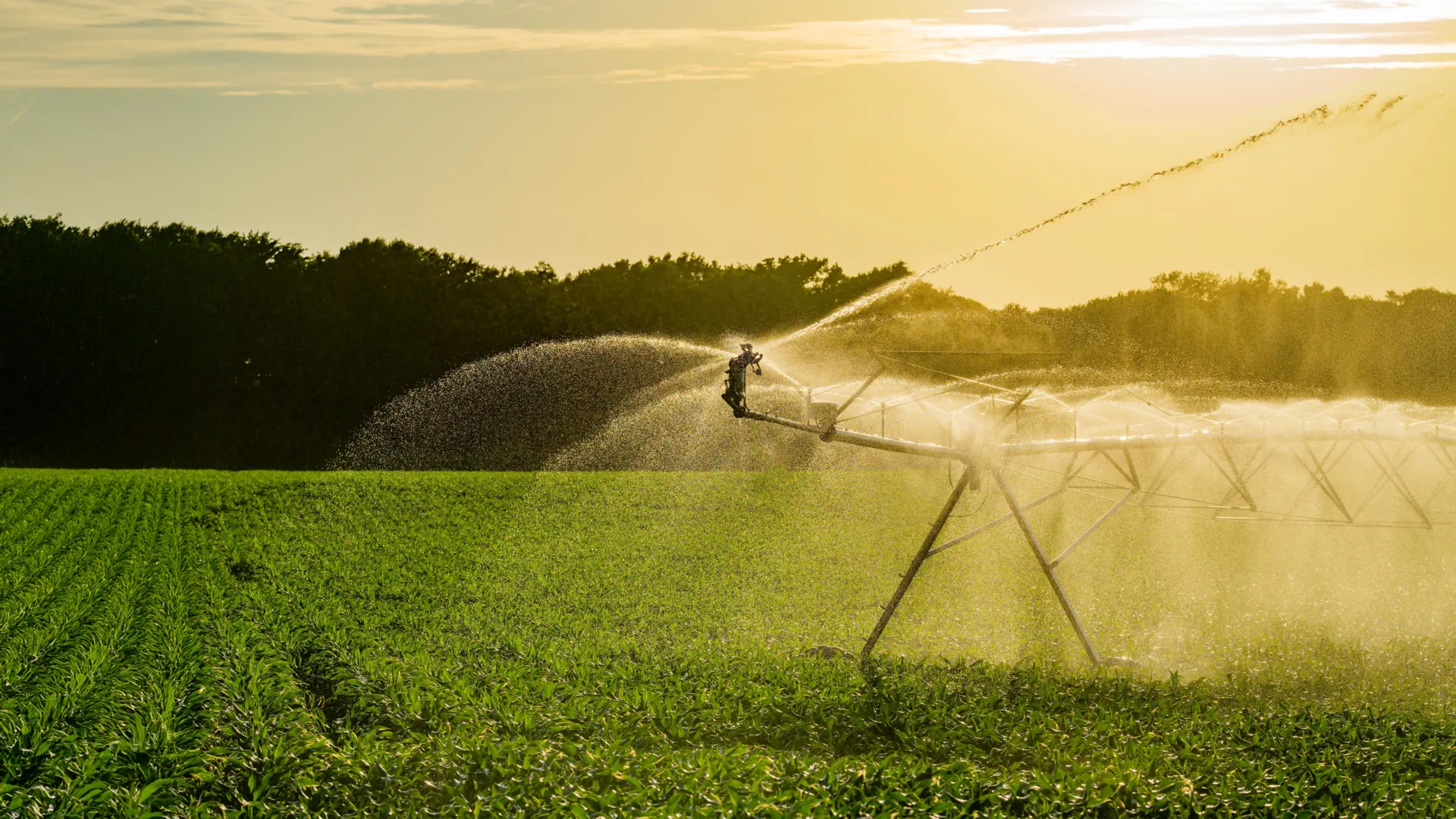
U.S. irrigation produces some greenhouse gas emissions, but new research suggests it prevents vastly more by allowing farmers to grow more food on less land. Without irrigation, replacing lost crop yields could require converting natural ecosystems into farmland, releasing an estimated 6.86 gigatons of greenhouse gases. That is equivalent to about 363 years of current annual U.S. irrigation emissions.
Irrigation’s climate benefit could equal 363 years of its own emissions
Original Source
This article was collected from: ScienceDaily
Gabeshana News automatically collects article information
from external RSS/Atom sources. The original article remains
available at the source website. Please visit the original
source for the complete article and the latest information.