Science News
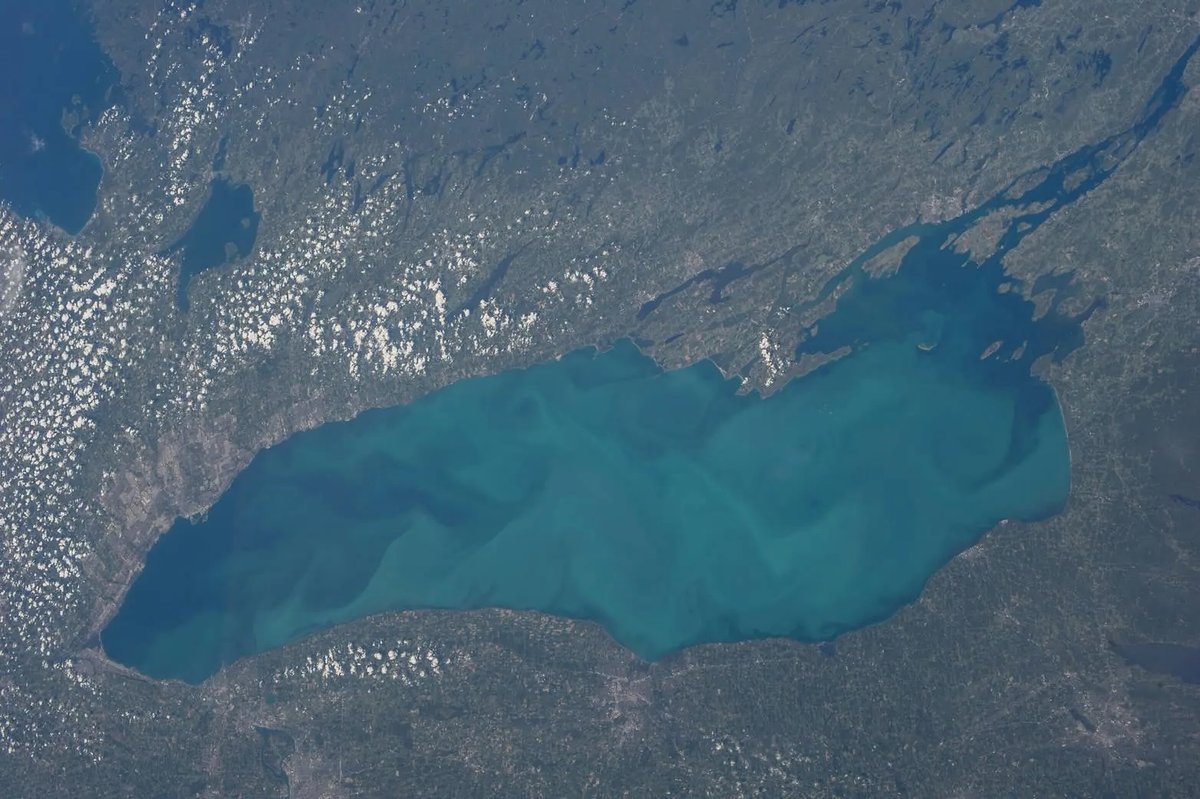
What changing ‘Lake Ontario’ to ‘Lake America’ means for weather forecasts
The National Weather Service is speeding ahead with changing the name of the Great Lake
📅
2026-09-18 14:38:00
•
Scientific American
Explore the latest scientific discoveries, science news, breakthroughs and developments from around the world.
The National Weather Service is speeding ahead with changing the name of the Great Lake

Starship's next test flight will be its first orbital mission. The craft will also release working Starlink V3 satellites for the first time, making the flight the first commercially useful Starship mission

New research suggests that Paleodictyon — honeycomb-shaped formations perhaps sketched by da Vinci — are not made by soft-bodied creatures.

Scientists discovered a population of cells that can start the process of programmed cell death, survive it, and then help rapidly rebuild damaged tissue. Their descendants become far more resistant to future damage, revealing a mechanism that could improve healing but may also help cancers return after treatment.
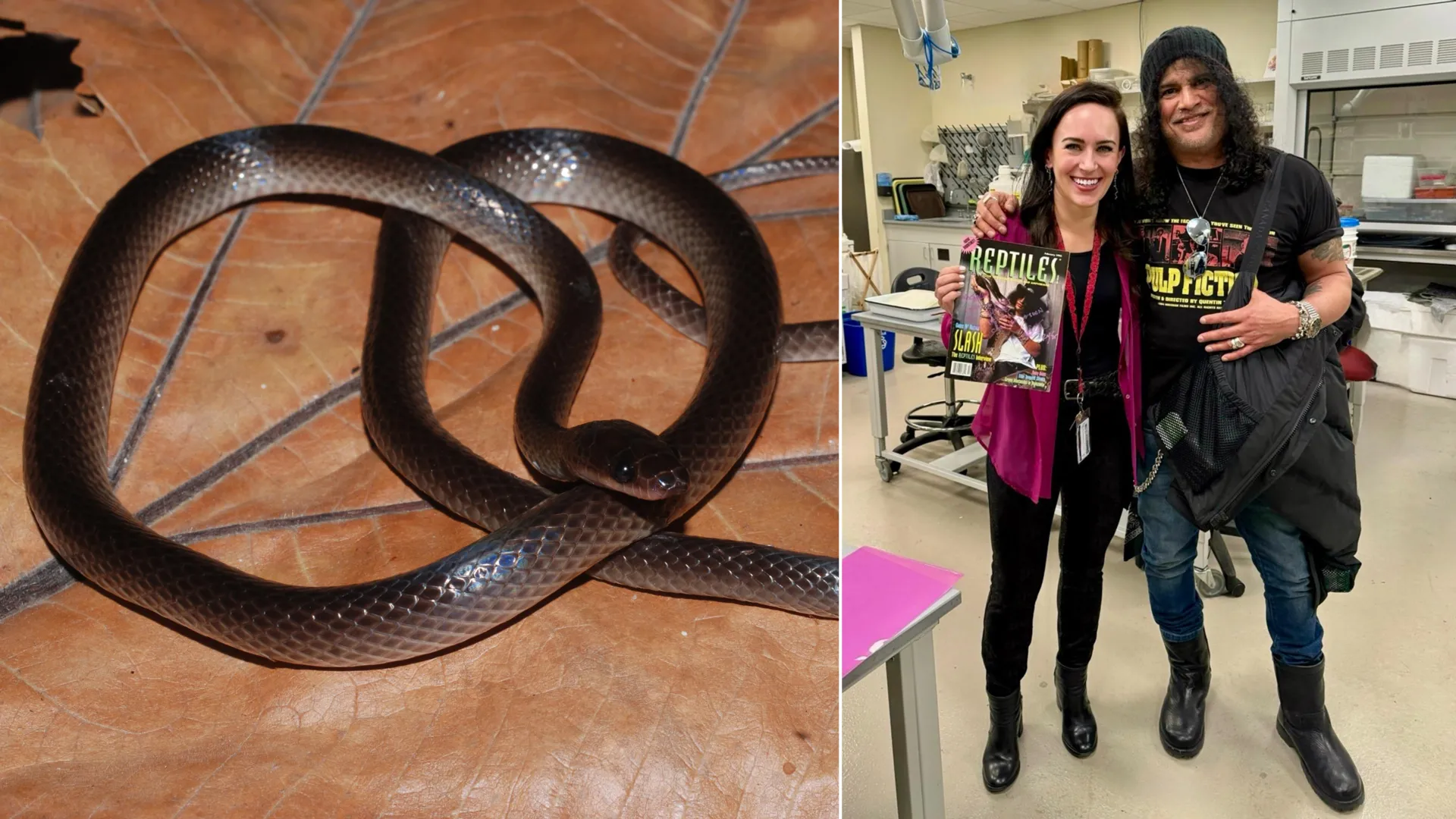
A newly discovered snake from New Guinea has been named after Guns N’ Roses guitarist Slash, who has loved reptiles since childhood. Genetic testing and physical differences confirmed that the reddish-brown groundsnake, Lielaphis slashi, is a species scientists had never formally recognized before. The nonvenomous snake may use large rear teeth to catch slippery lizards and reptile eggs.

Solve the math puzzle from our October 2026 issue, in which a bird watcher seeks an indoor hobby.

Following the possible recent detection of a dark matter particle, researchers have already come up with a veritable cornucopia of possible models for what sort of particle it might have been

A new Caltech device can redirect a beam of light in just 74 femtoseconds using another beam and a nanoscale silicon metasurface. The breakthrough could pave the way for dramatically faster photonic communications, computing, and sensing technologies.
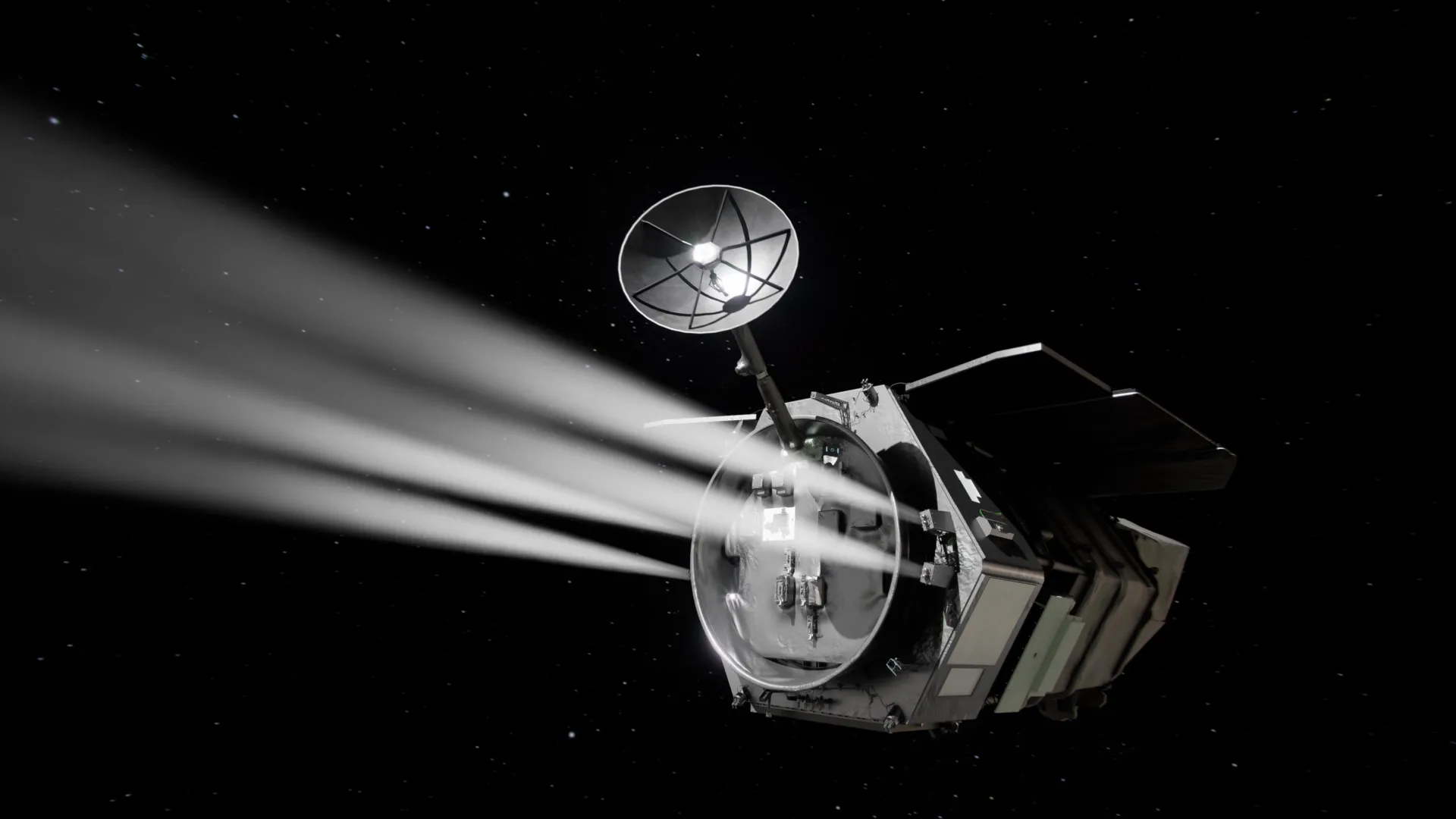
NASA’s Roman Space Telescope may now have enough fuel for at least 22 years of science, more than double its original 10 year design life. An extremely precise course correction, extra fuel at launch, and additional expected savings could keep the powerful observatory studying the universe for decades.

Scientists have found a new way to create a controlled beam of muonium, an exotic atom containing a heavier cousin of the electron. The advance could allow researchers to test for the first time whether gravity acts on second-generation particles exactly as Einstein’s theory predicts. Any unexpected difference would be a major surprise and could potentially point toward new physics, including a hypothetical fifth force.

The fish that preceded the first four-legged land animals came in a wider variety of forms than we had thought, and fossils show that one had an elbow joint that moved in an oddly restrictive way
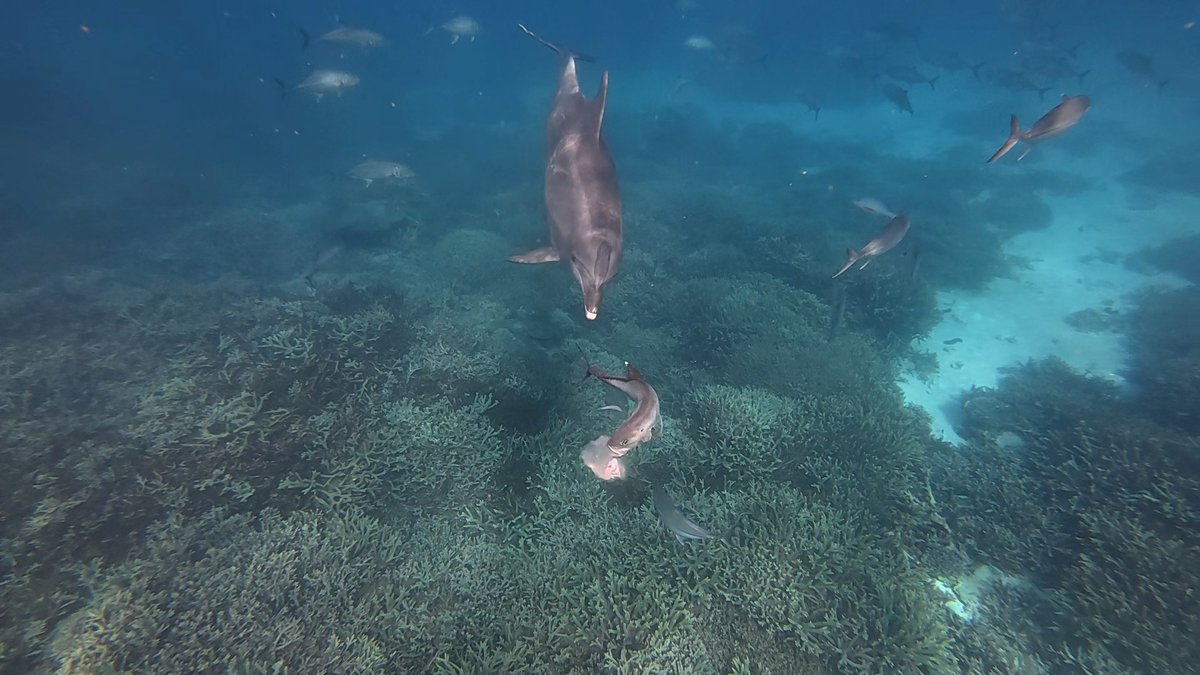
Don’t have the energy to catch your own meal? This dolphin has a gross solution