Indonesia is moving its capital. Will a forest pay the price?
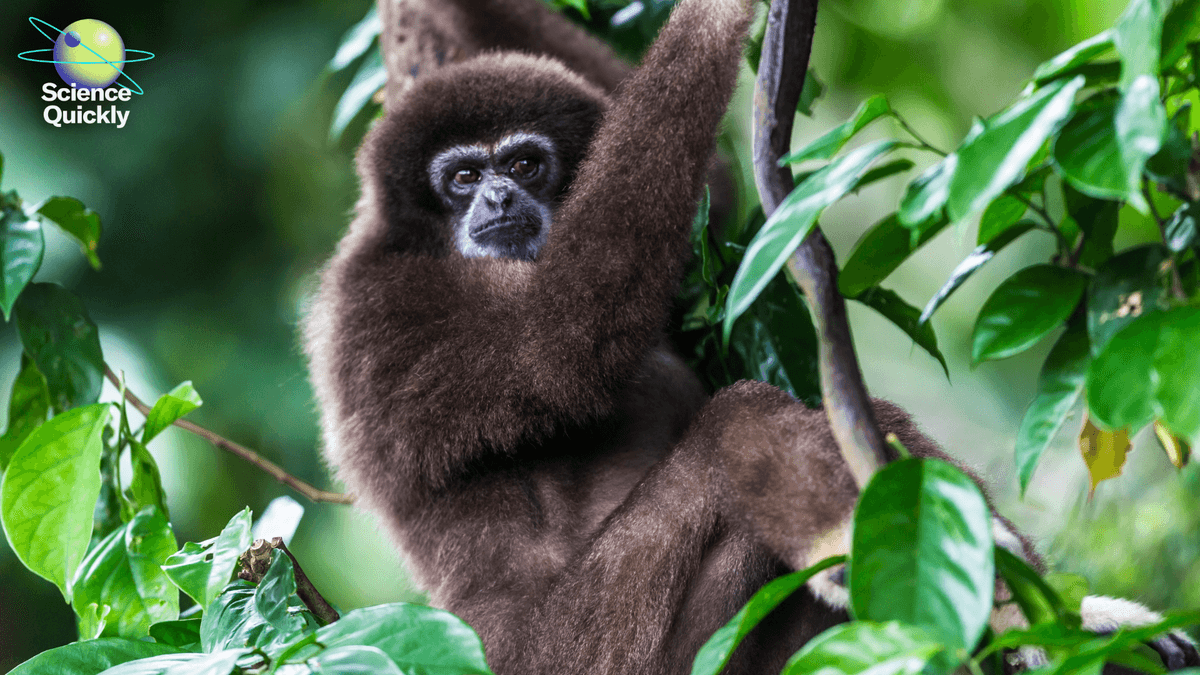
Filmmaker and journalist Leah Varjacques takes listeners inside an Indonesian forest thatβs quickly changing as the country attempts to move its capital city
Explore the latest scientific discoveries, science news, breakthroughs and developments from around the world.
Filmmaker and journalist Leah Varjacques takes listeners inside an Indonesian forest thatβs quickly changing as the country attempts to move its capital city
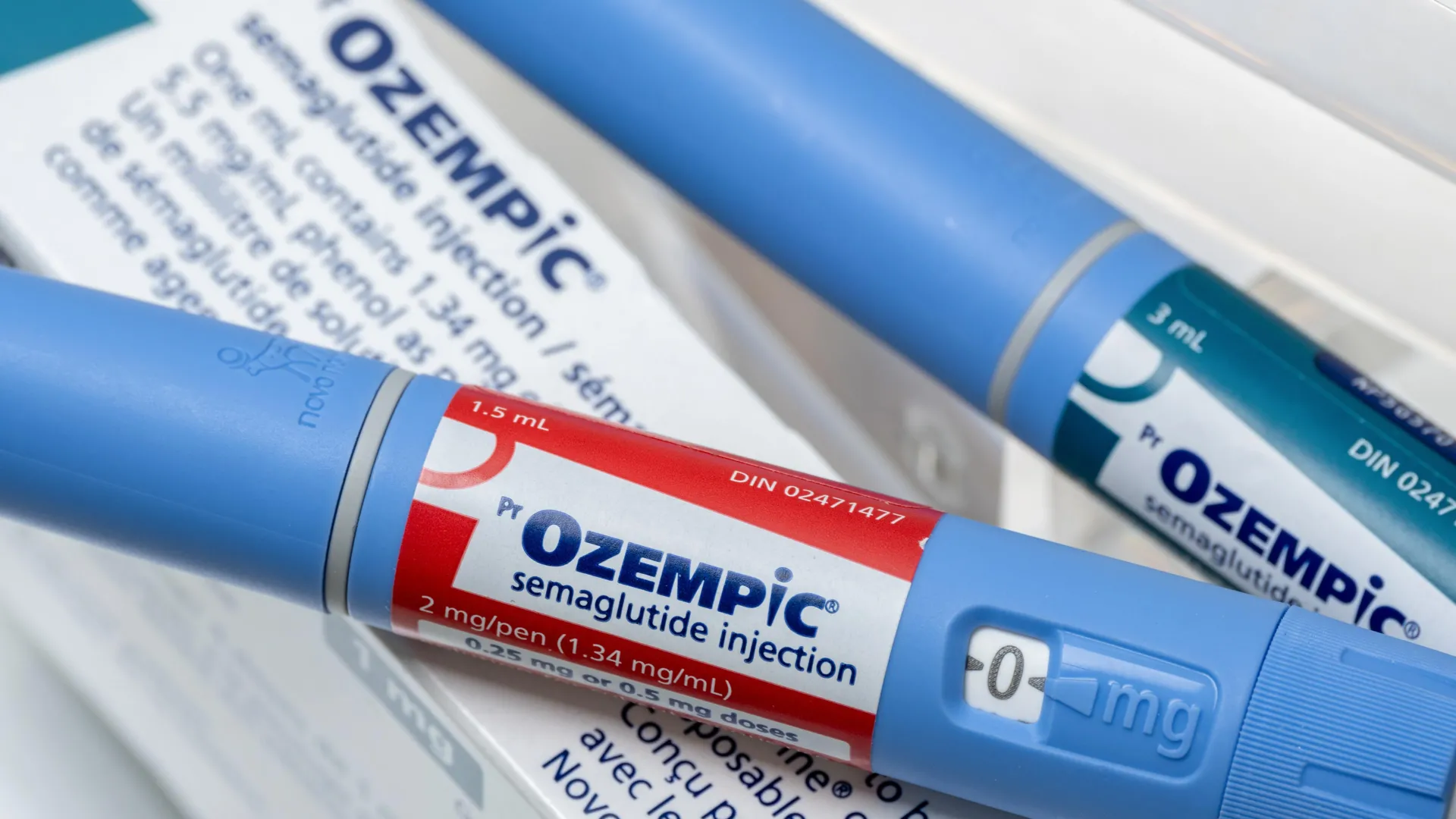
Ozempic and other GLP-1 medications can improve blood sugar, weight, and cardiovascular health, but researchers found little evidence that they also improve mental health, employment, marriage, or overall well-being. The findings suggest the drugsβ broader life effects may be subtler than their dramatic physical health benefits.
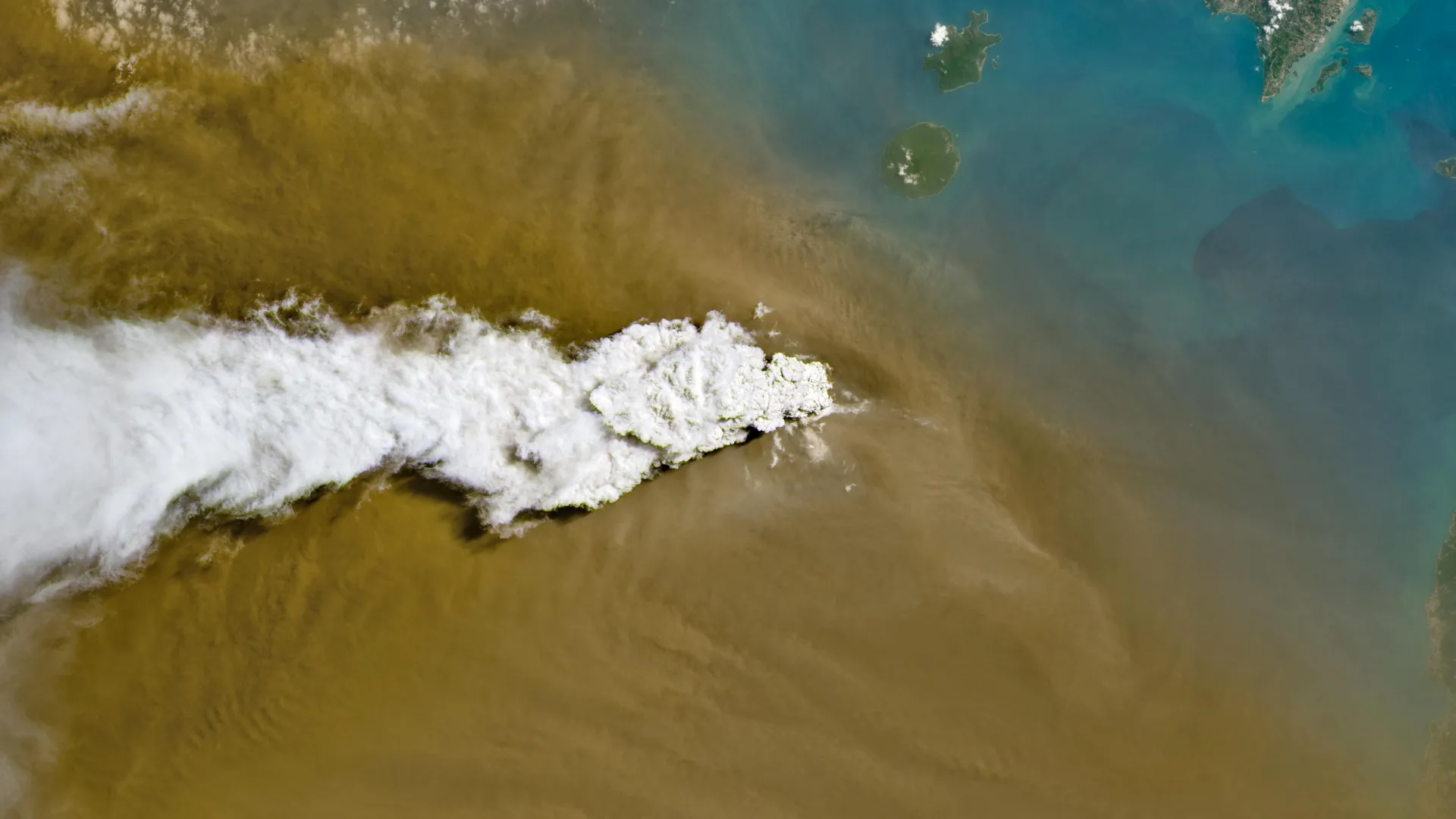
Anak Krakatau erupted for more than 24 hours in early September, sending volcanic ash up to 50,000 feet into the atmosphere. The ash cloud shut down eight airports, disrupted nearly 3,000 flights, and affected air quality as far away as Jakarta. NASA satellites captured dramatic views of the plume spreading across the region.
Growing leysβgrass and cloverβis nothing new in Swedish agriculture. But in the arable farming regions dominated by cereal production, leys are less common. One reason is that there needs to be a market for what is harvested.
Nearly two-thirds of the American public say climate change is increasing the risk of respiratory diseases and heat- and insect-related illnesses, according to a new survey from the Annenberg Public Policy Center (APPC) of the University of Pennsylvania.
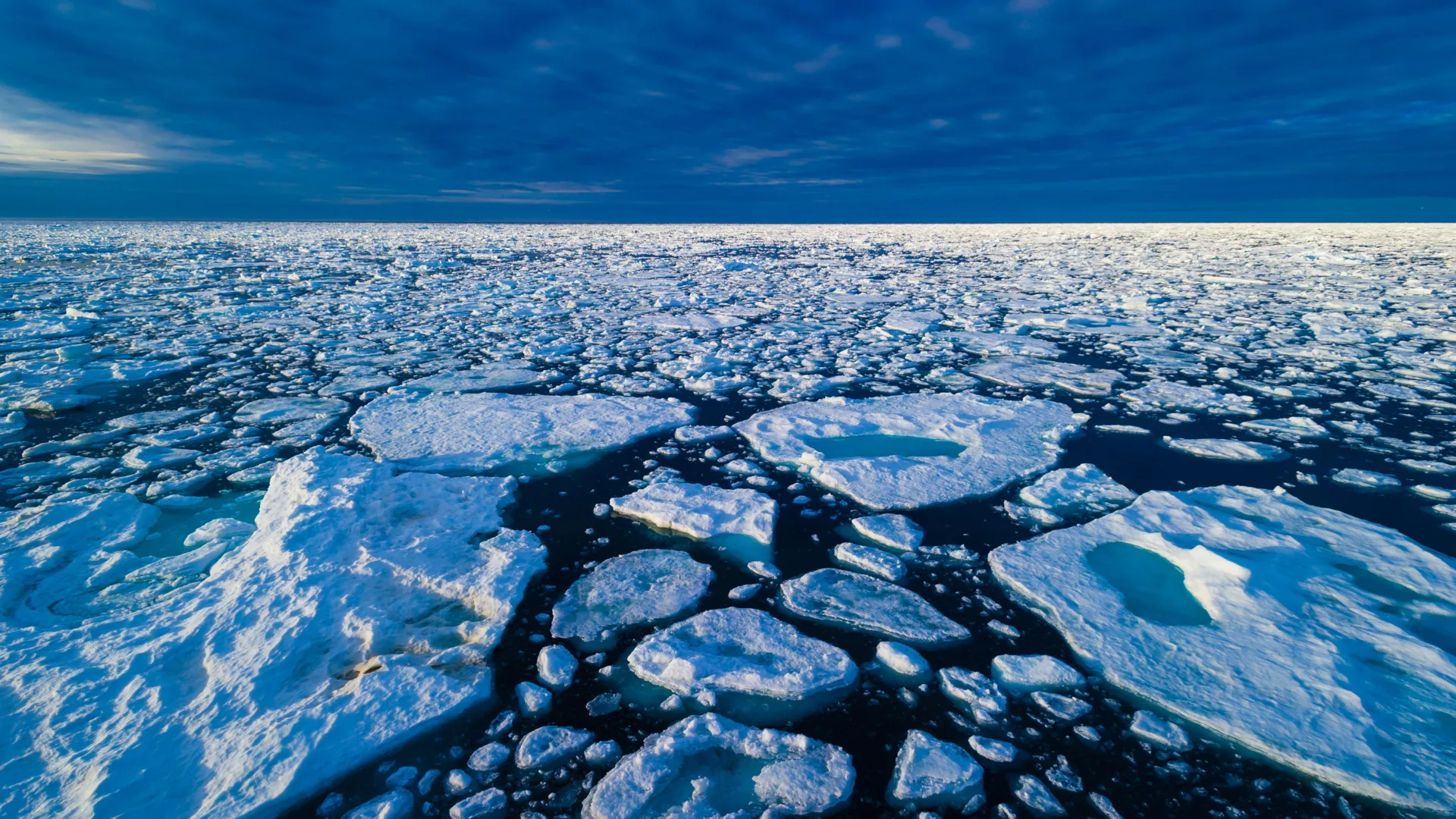
Arctic sea ice may move in unexpected ways because individual ice floes are constantly colliding and transferring energy. Researchers found that this simple process can explain several long-standing mysteries about how quickly the ice moves and spreads.
Imagine it's the dead of night. Your phone pings with a textβit's a government emergency alert: "Leave your home immediately! Only take with you enough supplies for the next three days." What would you want in your go-bag?
Norway's first fully automated facility for vegetable production was put into operation last fall. This spring, the first products hit store shelves.
On June 18, 2026, on the sidelines of the European Council in Brussels, the European Parliament, the European Commission and the Council of the European Union signed a joint declaration making culture a strategic priority for the first time.
Diving into cool water can be a quick way to escape the summer heat, but during certain times of year, freshwater can pose hidden dangers to people and pets.
KAIST's discovery of graphene oxide liquid crystals in 2011 laid the foundation for 15 years of research worldwide, leading to technologies for producing graphene fibers with high strength and thermal conductivity. The fundamental materials research that helped bring antibacterial toothbrushes and functional sportswear to market is now advancing into materials for thermal management.
On June 29, 2026, the snow accumulated by Switzerland's glaciers over the course of the previous winter had melted. Known as Glacier Loss Day, this date marks the point at which further melting begins to erode the glaciers' mass until snow accumulation resumes in the fall. Matthias Huss, the network head of Glacier Monitoring in Switzerland (GLAMOS), told Agence France-Presse (AFP) that this year's Glacier Loss Day was "three months too early, compared to a healthy state."