
Science News
Protein map reveals how red blood cells rapidly adjust to low oxygen
Scientists map the hidden protein network that helps red blood cells adapt to oxygen
📅
2026-09-19 11:40:01
•
Phys.org
Explore the latest scientific discoveries, science news, breakthroughs and developments from around the world.
Scientists map the hidden protein network that helps red blood cells adapt to oxygen
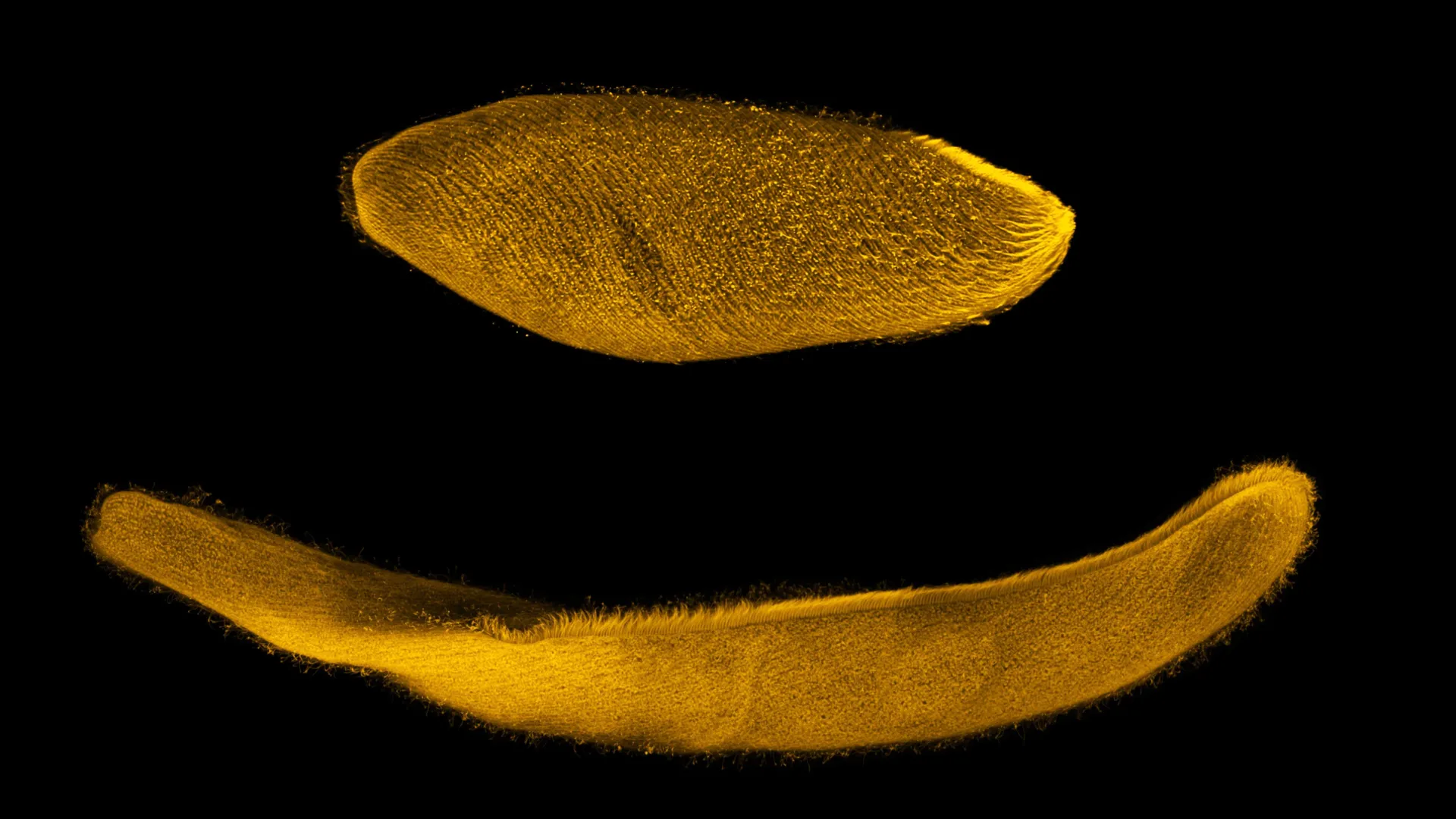
A single-celled organism can shrink to one-quarter of its length in milliseconds using a remarkable calcium-powered protein “fishnet.” Scientists hope its unusual machinery could inspire artificial muscles capable of moving far faster than today’s designs.

Complex systems may work better when their parts are not perfectly alike. Northwestern physicists found that carefully balanced variation, or “disorder,” can make networks such as power grids, ecosystems, neurons, and materials more stable. Even random differences sometimes improved stability compared with completely uniform systems. The discovery could help researchers design more resilient technologies and explain why natural systems are so rarely perfectly uniform.

A study initiated by Dr. Dan Theodorescu, a physician-scientist at the University of Arizona Cancer Center, revealed that the loss of the Y chromosome in men's body tissue could pave the way for cancer to develop. According to research recently published in JCI Insights, the loss of the chromosome, which is common in men as they age, creates a preneoplastic field effect, a hidden zone of genetic vulnerability in normal tissue that provides fertile ground for cancer to develop.

Many of the moons orbiting Saturn, Uranus and Neptune likely conceal oceans of liquid water beneath miles of icy shell. Because life as we know it needs water, these buried oceans rank among the most promising places to search for life beyond Earth.

Across the country, kids are settling into new school-year routines. Parents buy backpacks, teachers arrange desks and lesson plans, and friends reconnect. But in recent years, empty chairs are becoming a more common sight—especially in classrooms where students are already facing the most adversity.

Scientists have identified the genetic cause behind the mysterious AnWj blood group antigen, solving a puzzle that began in 1972 and establishing a new blood group system called MAL. The discovery could make it much easier to find extremely rare AnWj-negative patients and donors and protect them from potentially dangerous transfusion reactions.

The human brain uses about the same amount of wattage as a lightbulb

Climate models are numerical models used to project future climate change. They simulate the climate from the present into the future by calculating changes in the atmosphere, ocean and other components of the climate system. However, simulations of the present-day climate do not perfectly reproduce observations and contain various biases. The model characteristics that cause these biases can also affect simulations of the future climate. Understanding the causes and impacts of present-day climate biases is therefore important for improving the reliability of future climate projections.

If your blond preteen seems to be turning into a brunette, you're not imagining things. For some children, hair that starts out platinum blond gradually becomes darker and may end up dark brown, or even black, as they grow. So what causes this change? The short answer is that hair color is controlled by a complex interplay of genes, pigment-producing cells and, later in childhood, hormones. Scientists understand many of the genes involved in hair color, but they are still trying to find out why some blond children's hair darkens while others' locks remain blond for life. "It depends on their genetic inheritance," Desmond Tobin, a professor of dermatological science at University College Dubl...

The Korea Institute of Civil Engineering and Building Technology (KICT) announced that it will apply its early detection technology for quasi-stationary linear rainbands and sudden localized torrential rainfall to the Urban Flood Forecasting Platform operated by the Han River Flood Control Office in Korea for urban flood forecasting.
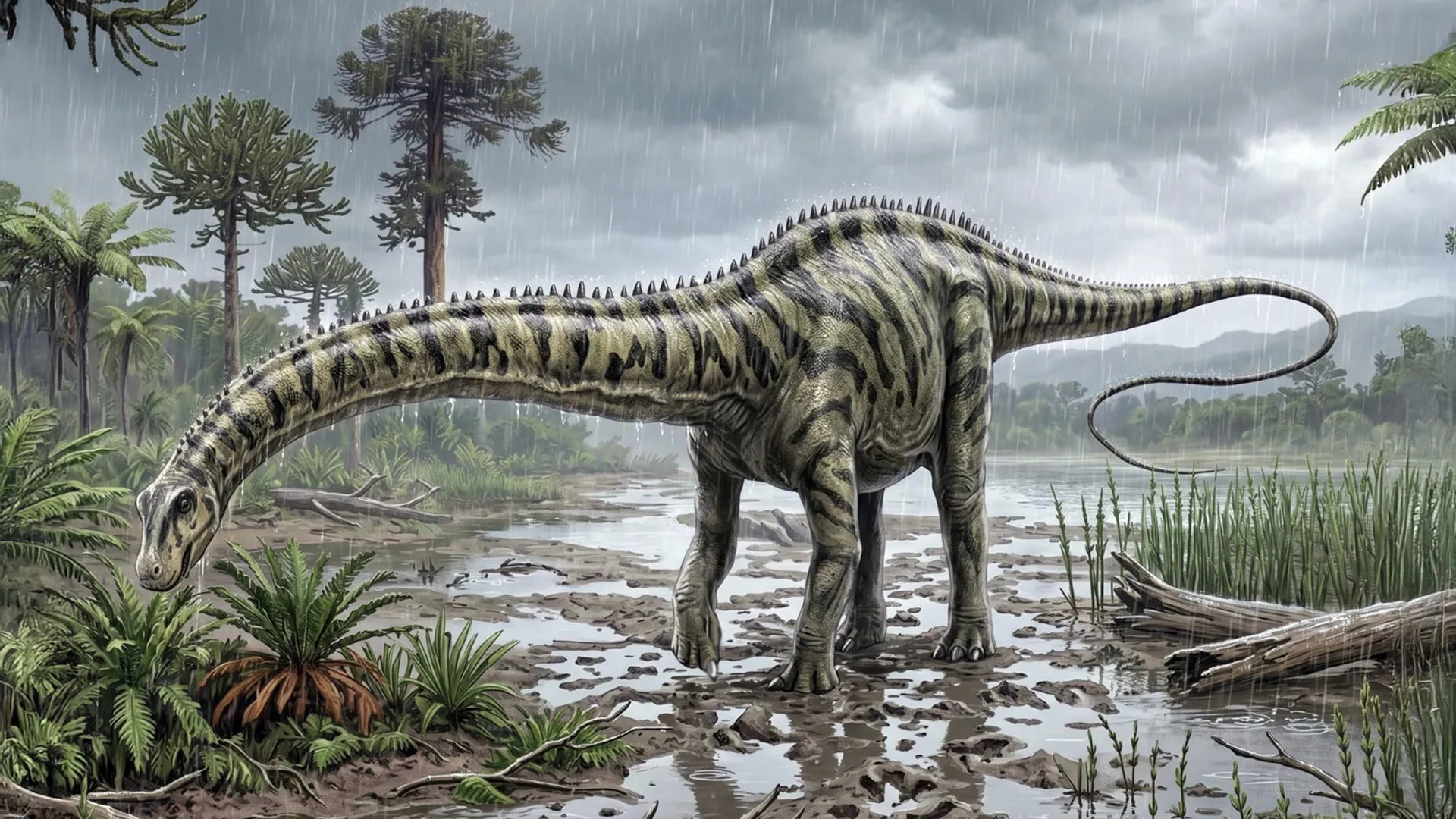
A 150-million-year-old dinosaur fossil from Spain has been identified as the first confirmed Diplodocus ever found outside North America. The giant sauropod measured about 25 meters long and was preserved well enough for researchers to match distinctive features in its tail bones to the famous genus. Its unexpected appearance in Europe suggests dinosaurs were moving between the continents during the Late Jurassic, possibly across temporary land connections.