Latest Scientific Discoveries

All News →
Engineers teach spacecraft to 'dream' their way to the space station
Science News

Engineers teach spacecraft to 'dream' their way to the space station

Docking with the ISS may seem simple. However, actually doing so shows how difficult orbital mechanics can be. It's like traveling down a highway at 28,000 km/hr (17,000 mph) and parallel parking in an open garage on a multibillion-dollar laboratory traveling at the same speed. If you try to accelerate forward, you actually drift up, and there's no air friction to naturally slow you down. Oh, and if you hit the lab, everyone aboard both your craft and the station dies, and the resulting debris field could wipe out dozens of satellites and even harm people on the ground. No pressure, obviously.

📅 2026-09-26 18:00:01    •    Phys.org
Sparse layers of 10-nanometer silver particles boost CO production from CO₂
Science News

Sparse layers of 10-nanometer silver particles boost CO production from CO₂

Electrolysis can reduce CO2 to CO, a raw material for chemical products such as fuels. Within the GreenQUEST project, an international team led by HZB chemist Prashanth Menezes has systematically investigated catalyst layers made of silver nanoparticles, varying both particle size and density.

📅 2026-09-26 17:00:01    •    Phys.org
A real-time look inside spacecraft heat shields during extreme heat conditions
Science News

A real-time look inside spacecraft heat shields during extreme heat conditions

When a spacecraft reenters Earth's atmosphere at hypersonic velocities, its protective heat shield faces extreme conditions, including temperatures beyond 3,000 degrees Fahrenheit (1,650 degrees Celsius). To survive, the shield relies on specialized materials that absorb heat as they degrade in a controlled process called ablation, sacrificing the shield's outer layers to protect the vehicle and crew within.

📅 2026-09-26 16:00:01    •    Phys.org
A major risk of breast cancer screening may have been overestimated for decades
Science News

A major risk of breast cancer screening may have been overestimated for decades

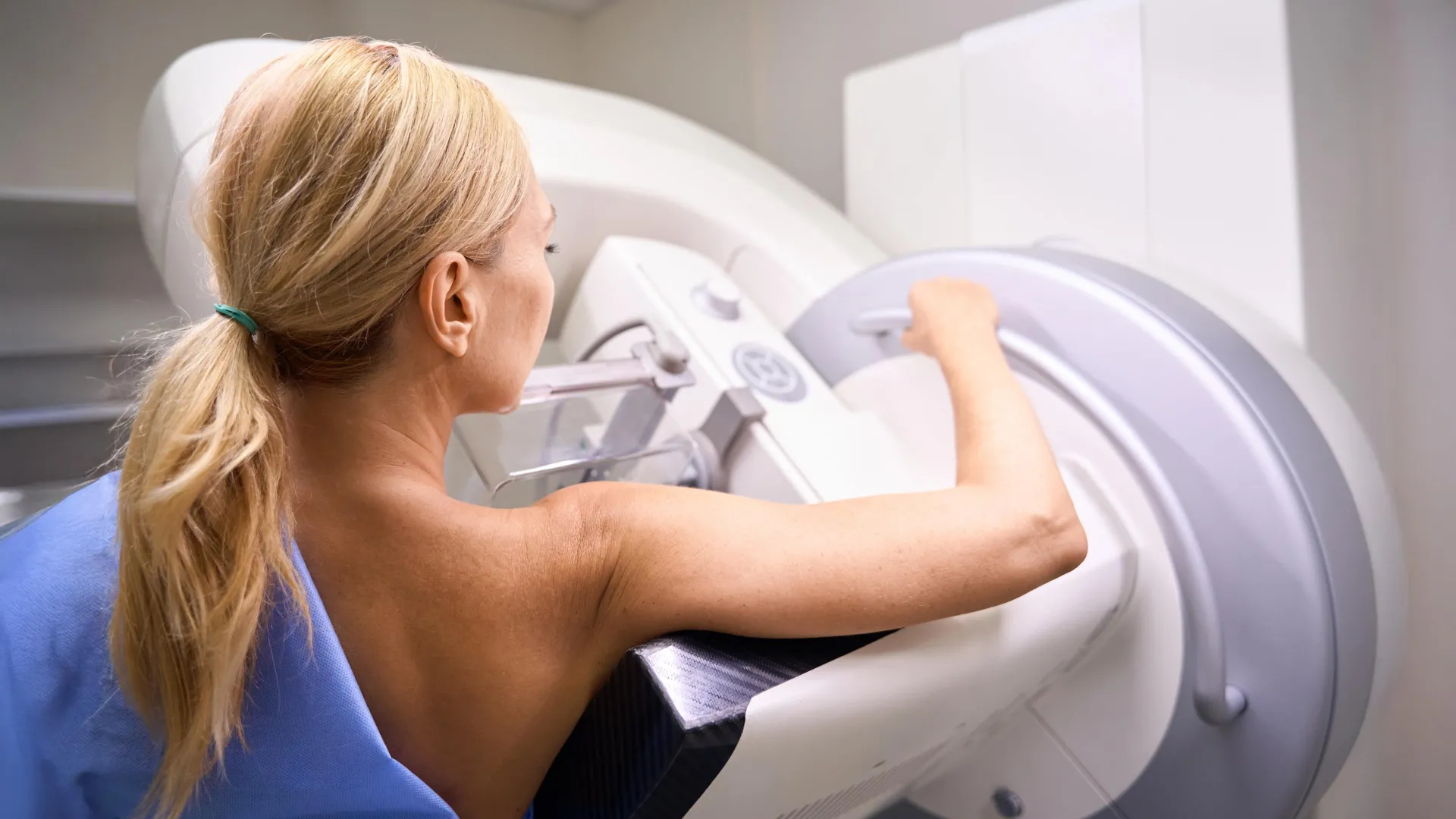
A new analysis suggests mammograms may lead to far less breast cancer overdiagnosis than some earlier studies indicated. Researchers reexamined all eight major randomized screening trials and accounted for differences in follow-up time, screening frequency, and screening after trials ended. Their results were consistent with an overdiagnosis rate below 5%, rather than estimates approaching 30% to 50%.

📅 2026-09-26 15:25:30    •    ScienceDaily
Crop protection: A new method for understanding insect sexual communication
Science News

Crop protection: A new method for understanding insect sexual communication

A team of INRAE scientists, in collaboration with Université Côte d'Azur and Nanjing Agricultural University in China, has used an innovative AI-based method to identify the sex pheromone of the lily moth1 and the olfactory receptors associated with it. The insect pest, whose caterpillars feed on these plants, is found in Asia and Oceania. This approach to identifying previously unknown molecules opens up new possibilities for identifying pheromones in other species. These molecules play a key role in certain biocontrol strategies currently used to protect crops, particularly in France. The results were obtained as part of the EXPLOR'AE program and published in BMC Biology.

📅 2026-09-26 15:00:01    •    Phys.org
That fresh cleaning smell could be filling your home with nanoparticles
Science News

That fresh cleaning smell could be filling your home with nanoparticles

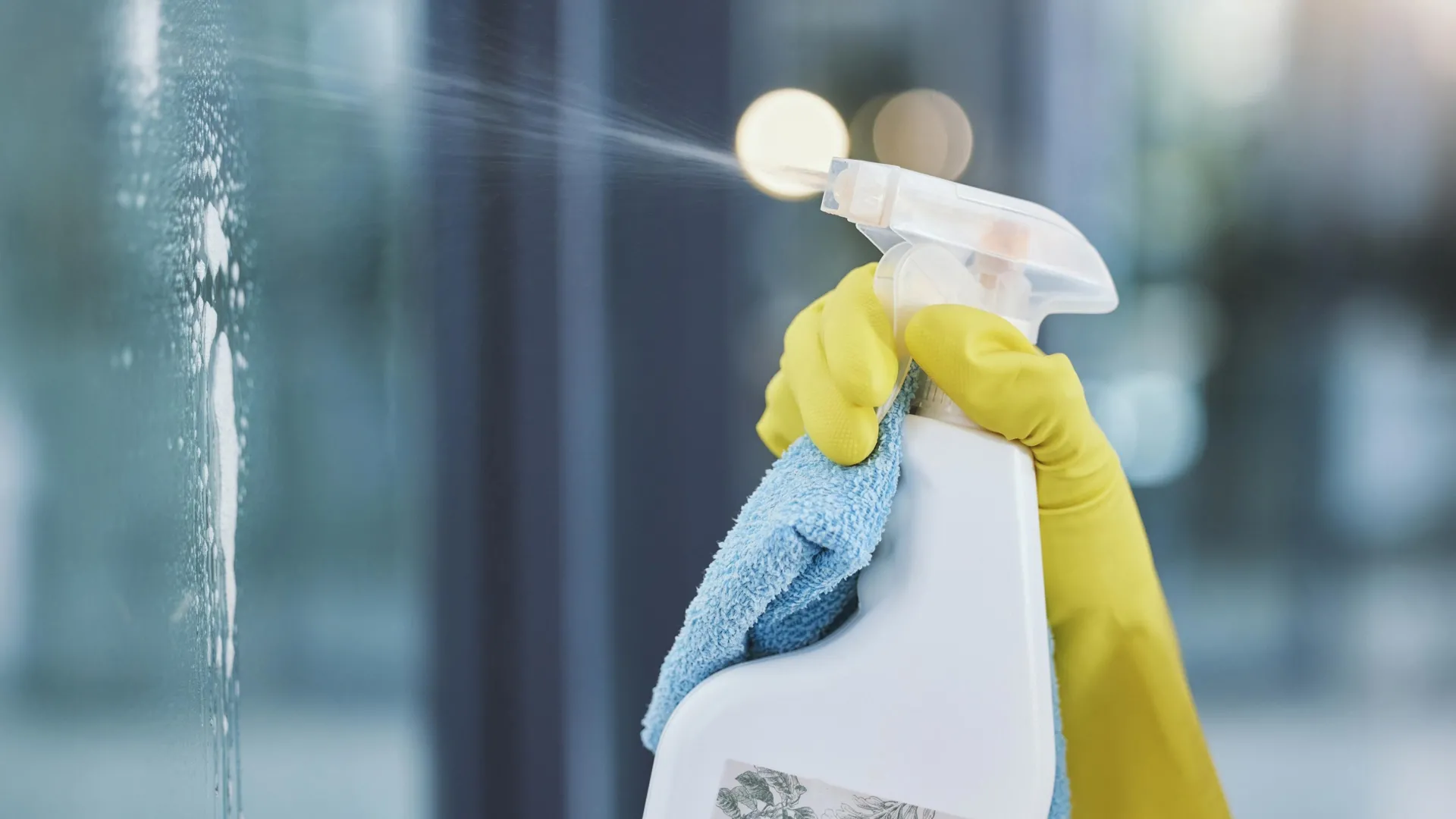
Researchers found that scented cleaners can react with ozone indoors to create billions or trillions of invisible nanoparticles that can penetrate deep into the lungs. The pollution forms within minutes and, in some cases, may produce an inhaled particle dose comparable to or greater than standing near heavy traffic.

📅 2026-09-26 14:49:45    •    ScienceDaily
Scientists may have misread a 2-billion-year-old clue about Earth
Science News

Scientists may have misread a 2-billion-year-old clue about Earth

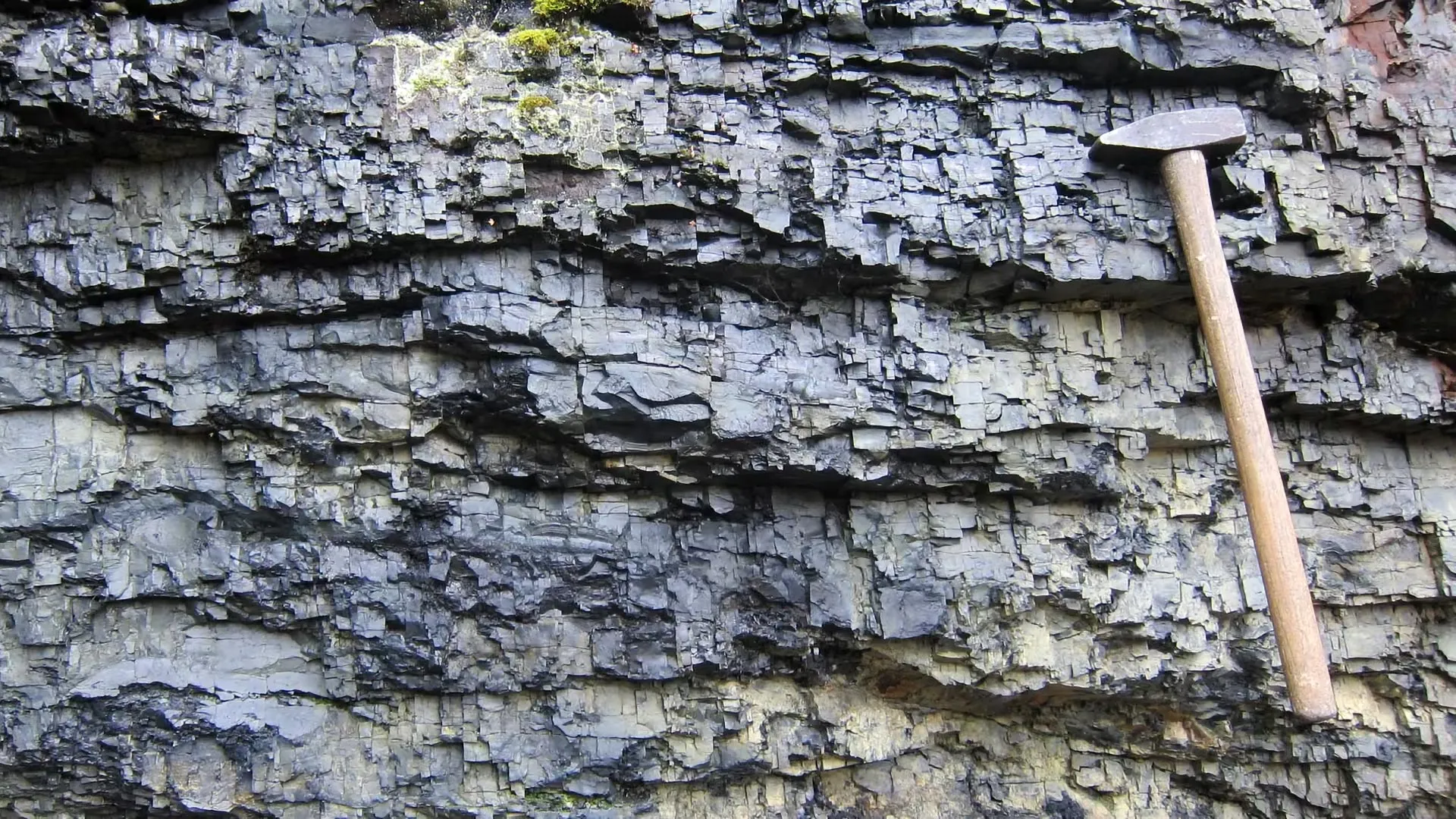
Scientists have found that a famous 2-billion-year-old chemical signature, once thought to record a massive global change in Earth’s carbon cycle, may instead have been produced by local magma, hydrocarbons, and methane-eating microbes. The discovery raises new questions about what was really happening as oxygen transformed the young planet.

📅 2026-09-26 14:38:02    •    ScienceDaily
Scientists burned their own scrolls to unlock a 2,000-year-old mystery
Science News

Scientists burned their own scrolls to unlock a 2,000-year-old mystery

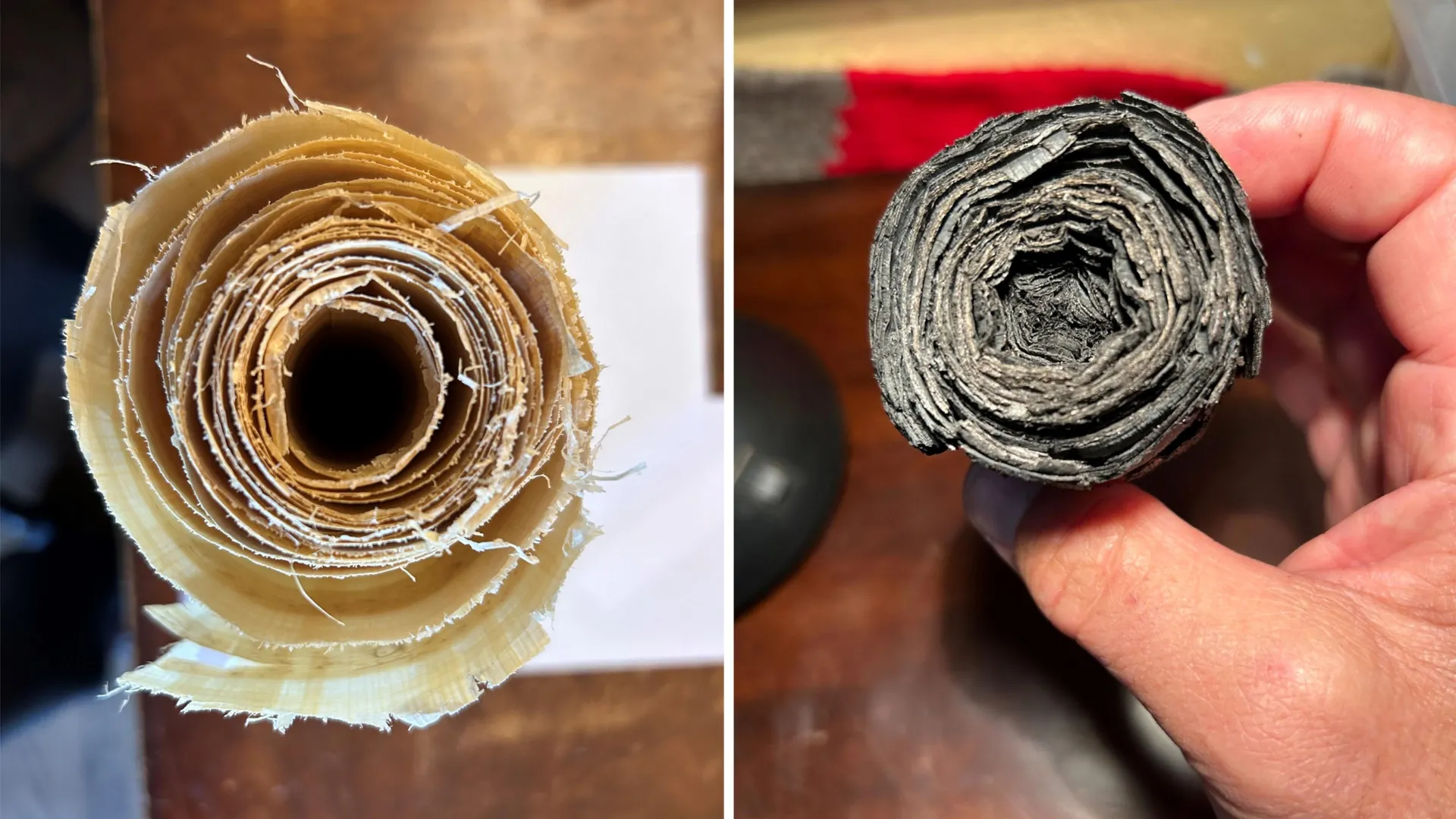
Scientists discovered that tiny amounts of lead in ancient ink can make writing inside burned papyrus scrolls stand out dramatically in X-ray scans. The technique could help unlock lost Greek and Roman texts preserved by the eruption of Mount Vesuvius nearly 2,000 years ago.

📅 2026-09-26 14:04:56    •    ScienceDaily
Quantum computer simulates matter “popping into existence”
Science News

Quantum computer simulates matter “popping into existence”

Scientists recreated a particle-forming process linked to the extreme physics of the early universe using a 13-ion quantum simulator. The breakthrough suggests quantum computers could eventually help researchers investigate how matter formed and evolved after the Big Bang.

📅 2026-09-26 13:47:38    •    ScienceDaily
Two astronauts who flew farther than anyone before are taking new NASA roles
Science News

Two astronauts who flew farther than anyone before are taking new NASA roles

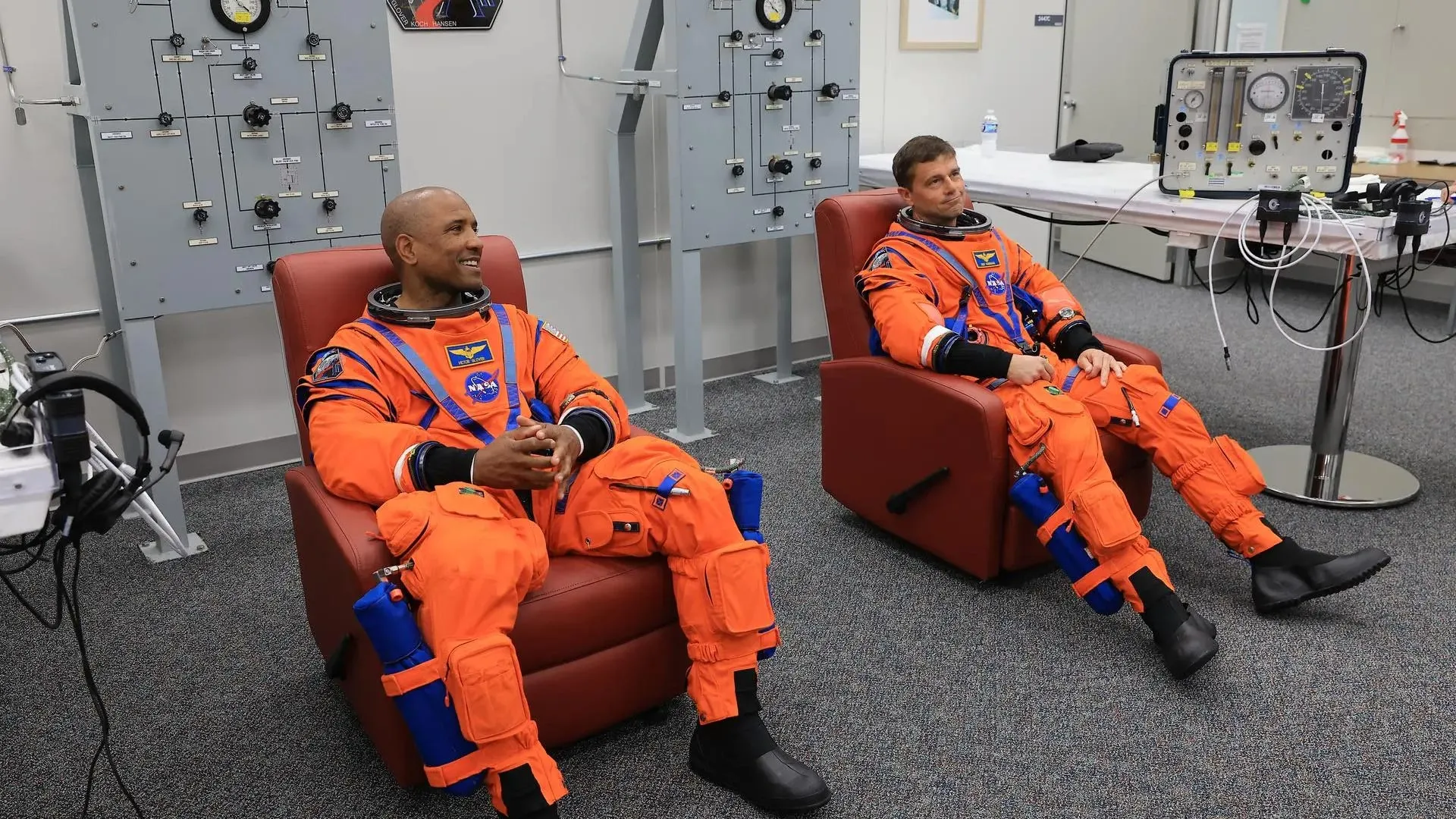
Artemis II astronauts Victor Glover and Reid Wiseman are transitioning to emeritus status at NASA after their historic journey around the Moon earlier this year. The pair will continue advising and mentoring NASA teams as preparations accelerate for Artemis III and future lunar missions. Their experience with Orion and deep-space operations could prove especially valuable as NASA works toward returning astronauts to the lunar surface.

📅 2026-09-26 13:21:58    •    ScienceDaily