Latest Research

All News →
Why AI hasn’t triggered mass layoffs — yet
Research Institutions

Why AI hasn’t triggered mass layoffs — yet

Work & Economy Why AI hasn’t triggered mass layoffs — yet Illustration by Stuart Kinlough/Ikon Images Sy Boles Harvard Staff Writer September 29, 2026 7 min read Artificial intelligence can do some jobs already, but experts say CEOs have good reasons to keep humans on the payroll If you’re looking for omens of an AI jobs apocalypse, you can certainly find them. News outlets report more layoffs attributed to AI this year than last. Anthropic CEO Dario Amodei famously said in 2025 that AI could wipe out half of entry-level white-collar jobs within five years. Entry-level job postings have fallen by up to 73 percent in four years, by some counts. Other data points are more reassuring. Largely b...

📅 2026-09-29 18:20:20    •    Harvard Gazette
AI tool for mapping smallholder crops proves itself in Senegal
Research Institutions

AI tool for mapping smallholder crops proves itself in Senegal

AI tool for mapping smallholder crops proves itself in Senegal Anonymous (not verified) Tue, 09/29/2026 - 08:00 A new analysis of Senegalese croplands using an artificial intelligence developed at the University of Cambridge shows how technological benefits enjoyed by industrial agriculture could be brought to smallholder farms in Senegal and other countries in the Global South.Researchers used Cambridge’s Tessera, an open-source AI model trained on satellite images, to map crops in Senegal’s groundnut basin. They found that Tessera was more accurate than current methods, getting the right result 84% of the time in tests while using only a fraction of computational resources and pre-labelled...

📅 2026-09-29 07:00:00    •    Cambridge News
Who we become when we talk to machines
Research Institutions

Who we become when we talk to machines

Brian, a middle-aged financial consultant, spends his day sitting in front of three screens. Two of them involve his job. The third features a chatbot, which he has given a woman’s name and frequently uses. Brian spent years on the road for work earlier in his career, has never married, and recently broke up with a woman who said he was emotionally unavailable. What did Brian do, in response? He asked the chatbot if the woman had a point. “It’s an extraordinary moment,” writes MIT Professor Sherry Turkle, who interviewed Brian (not his real name) while conducting her research for her new book about chatbots. “Brian asks an object with no emotions to tell him if he is emotionally withholding:...

📅 2026-09-29 04:00:00    •    MIT News
The effects of an “algorithmic monoculture” depend on the details
Research Institutions

The effects of an “algorithmic monoculture” depend on the details

AI tools are increasingly replacing human judgements in some settings. For instance, resume screening algorithms are often used in hiring, where they may improve efficiency and consistency in decision-making.But some scholars have raised concerns that the adoption of automated systems could eventually result in one algorithm being used to make all decisions in a particular industry. They worry so-called algorithmic monoculture could have negative consequences.For example, in hiring, the thinking goes that algorithmic monoculture might result in systematic exclusion — a situation in which a job candidate rejected by one firm’s algorithm would likely also be rejected by every other firm’s algo...

📅 2026-09-29 04:00:00    •    MIT News
Powered by muscle cells, a paper-thin robot swims through watery maze
Research Institutions

Powered by muscle cells, a paper-thin robot swims through watery maze

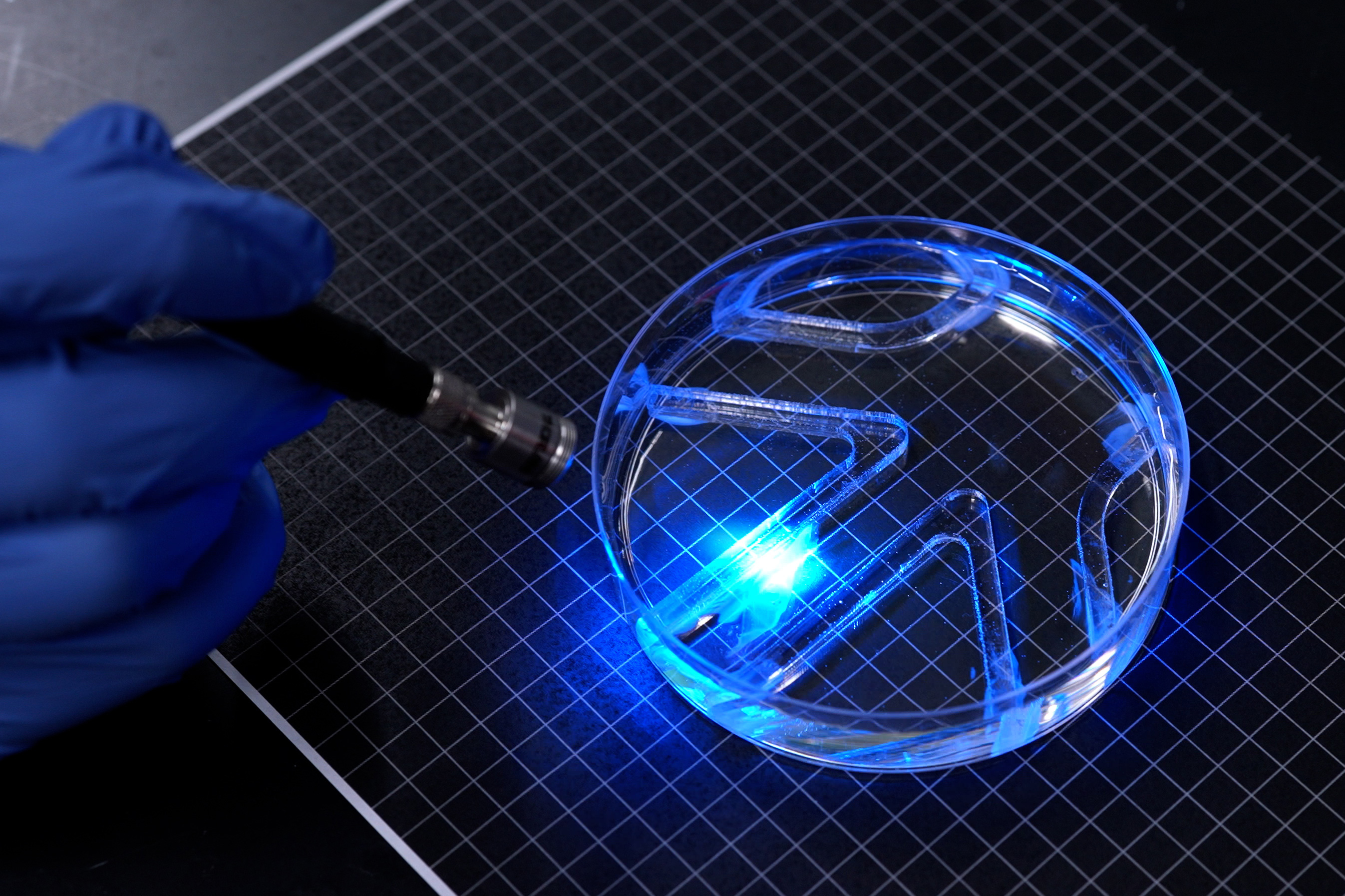
Swimming can take a lot of muscle. But as MIT engineers have found, even a single layer of muscle cells can power through water if designed right. In a paper appearing today in the journal Advanced Functional Materials, the team presents a design for a thin, muscle-powered swimming robot. The “skeleton” of the aquabot is made from a film of gel that is about the length and width of a stick of gum. The two halves of the gel form the “fins” of the bot. Each fin is covered with a layer of live muscle cells that is much thinner than a single strand of hair. The cells are genetically engineered to twitch in response to light. When the researchers shine light on one fin, the muscles on its surface...

📅 2026-09-29 04:00:00    •    MIT News
Harvard launches $150 million research initiative
Research Institutions

Harvard launches $150 million research initiative

Campus & Community Harvard launches $150M research initiative Alvin Powell Harvard Staff Writer September 28, 2026 6 min read University plans range of awards in basic and applied science, seeking to meet ‘moment of remarkable opportunity’ A new strategic research initiative is seeking to bolster pioneering Harvard work in areas ripe for breakthroughs, including neuroscience, immunology, quantum, artificial intelligence, and energy and climate. The $150 million initiative, which represents one of Harvard’s largest direct investments in research, will fund promising avenues of inquiry in both basic and applied science, and fuel the creativity of the University’s exceptional scientists and res...

📅 2026-09-28 16:00:00    •    Harvard Gazette
Pressurized experiments could help wind farms generate more power
Research Institutions

Pressurized experiments could help wind farms generate more power

The world needs more wind energy. But anyone designing new wind turbines or trying to squeeze more power out of existing ones faces a stiff challenge testing new approaches. That’s because the atmosphere is a tough place for a controlled experiment.Some researchers use wind tunnels to conduct tests, but scaled-down wind turbines in traditional wind tunnels can differ widely from conditions in the field. (Wind turbines are the largest rotating machines ever made.) The problem hampers not only development of better wind turbines, but also our understanding of basic questions like how much power to expect from a turbine when winds change direction.In a new open access paper published in PNAS Ne...

📅 2026-09-28 15:00:00    •    MIT News
New formulation helps RNA vaccines withstand high temperatures
Research Institutions

New formulation helps RNA vaccines withstand high temperatures

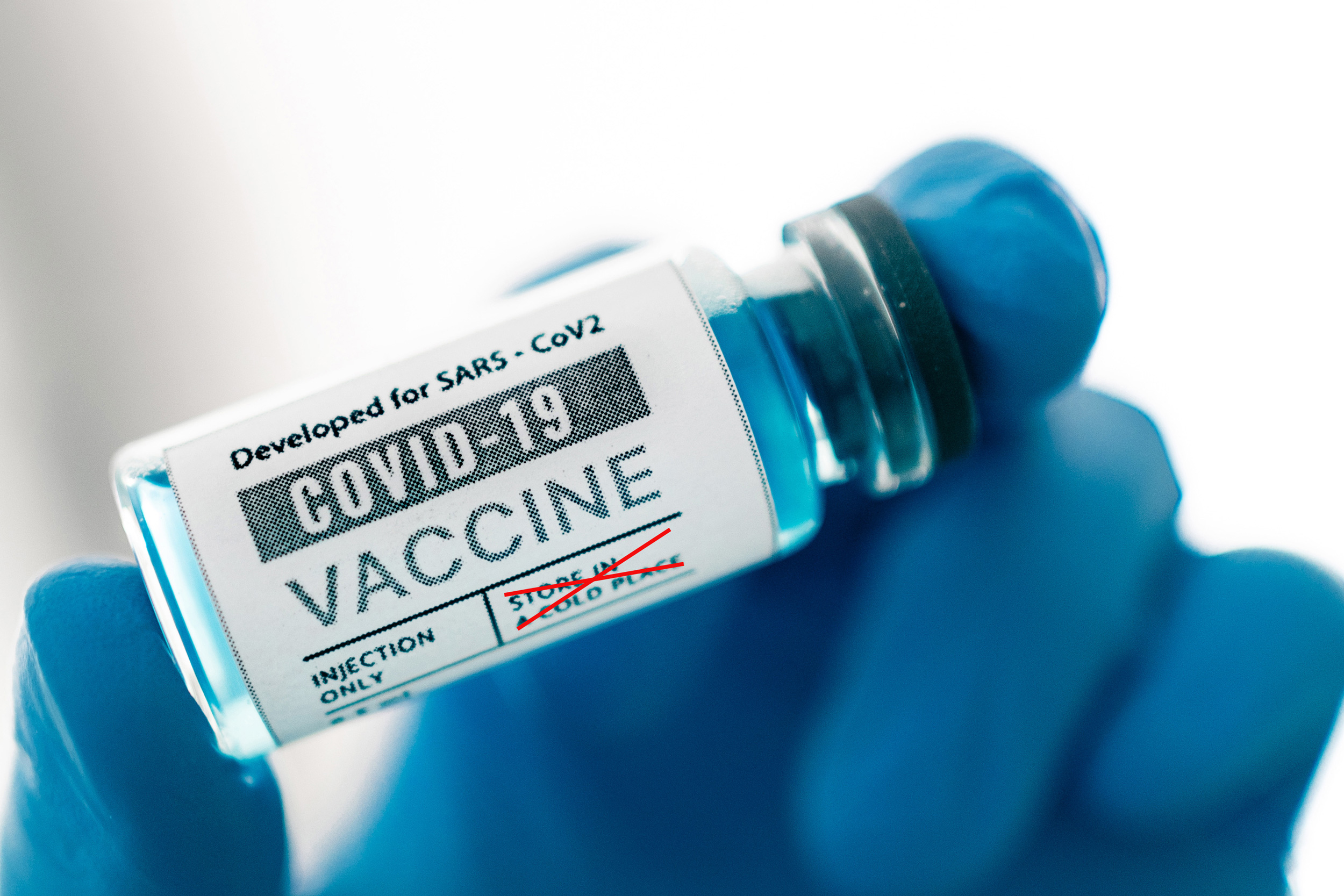
RNA vaccines, which have been proven effective against Covid-19, are now being developed for many other diseases, including cancer. One of the drawbacks to these vaccines is that they require ultracold storage, but researchers from MIT have found a promising way to overcome that limitation.With help from an AI algorithm, the researchers tweaked the formulation surrounding the lipid nanoparticles that are typically used to deliver mRNA vaccines, making the vaccines more heat-resistant. Using this approach, they formulated vaccines that could remain stable even when stored at room temperature for up to a year, or at nearly 100 degrees Fahrenheit for two months.When Covid-19 vaccines carried by...

📅 2026-09-28 09:00:00    •    MIT News
How Harvard scientists built genomics outpost on Gloucester harbor
Research Institutions

How Harvard scientists built genomics outpost on Gloucester harbor

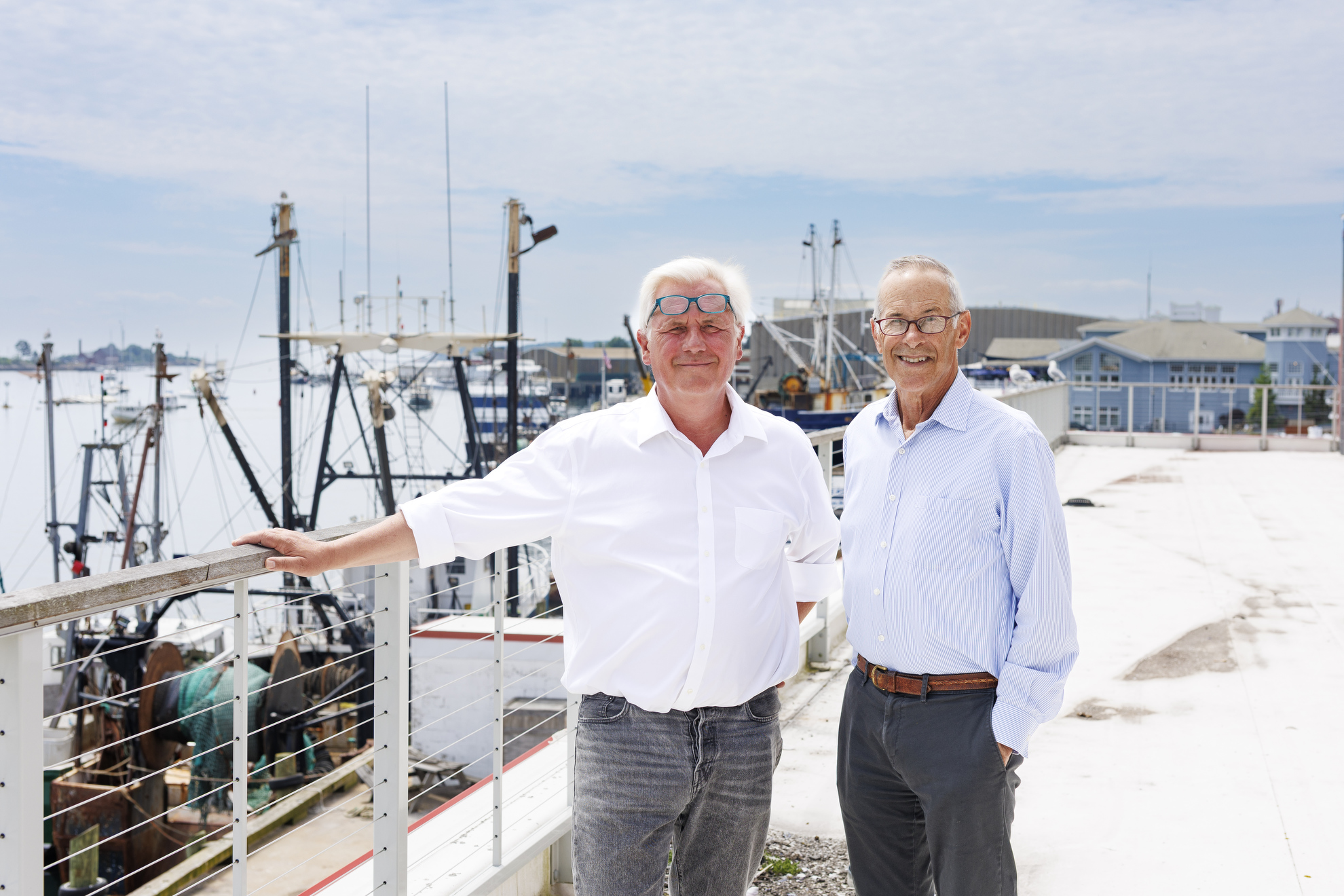
Marc Vidal (left) and David Walt. Photos by Niles Singer/Harvard Staff Photographer Science & Tech How Harvard scientists built genomics outpost on Gloucester harbor Sy Boles Harvard Staff Writer September 25, 2026 8 min read It started with idea to help beleaguered fishermen. Now marine science lab promotes healthy fisheries, trains local workforce, seeks clues to longevity The year was 2012, and Massachusetts state Rep. Ann-Margaret Ferrante had an idea that might help fishermen in her hometown of Gloucester. The Atlantic cod population had been in decline for decades, partly due to overfishing. Regulation to try to bring about a rebound was in everyone’s best interest, but there were prob...

📅 2026-09-25 20:41:06    •    Harvard Gazette
MIT students gain a humanist lens on technical innovation in Tulsa, Oklahoma
Research Institutions

MIT students gain a humanist lens on technical innovation in Tulsa, Oklahoma

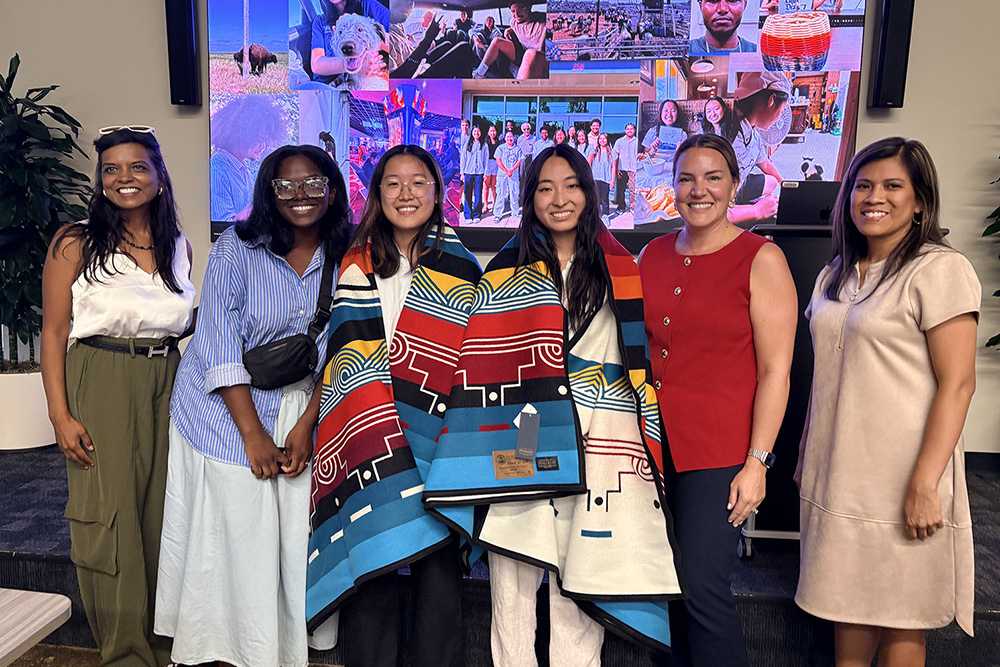
When MIT mechanical engineering student Daphne Wang arrived for her internship at the Muscogee Creek Nation Department of Health in Tulsa, Oklahoma last summer, she expected to be writing code. To her surprise, she found herself analyzing tribal history and the implications for technical innovation. “I learned so much that I think should be required curriculum for every single person in this country,” says Wang. “I think tech for good is genuinely getting out into communities and learning about people who aren't you, creating worldly perspectives that you ultimately can take into everything else that you do.”Wang and fellow intern Lucy Sun, who is majoring in artificial intelligence and deci...

📅 2026-09-25 20:15:00    •    MIT News
Taming the Duck, for starters
Research Institutions

Taming the Duck, for starters

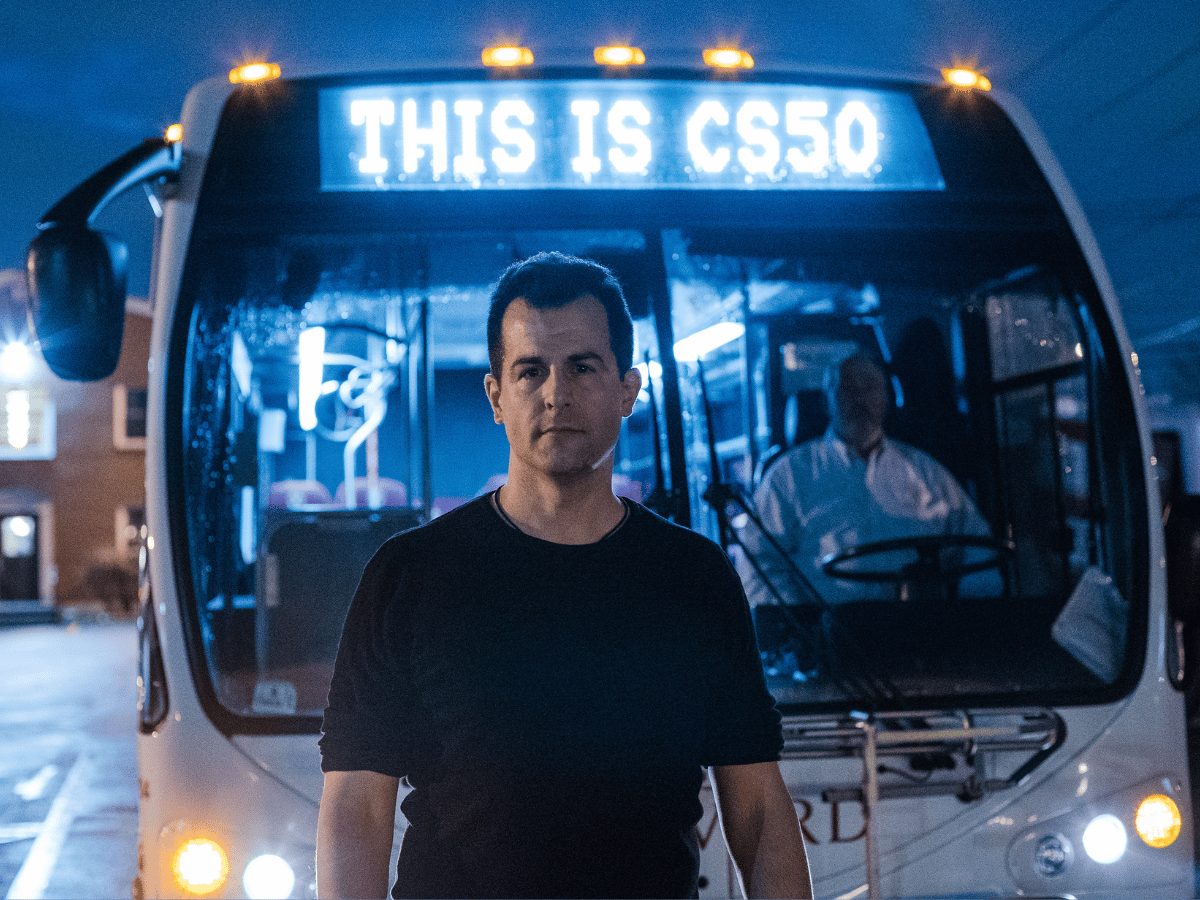
David Malan.Photo by Arturo Real Science & Tech Taming the Duck, for starters David Malan says CS50’s AI tutor is a net positive — and getting better Max Larkin Harvard Staff Writer September 25, 2026 long read By now David Malan may be one of Harvard’s most recognizable (human) faces. Since 2007, Malan — a Gordon McKay Professor of the Practice of Computer Science — has built CS50, “Introduction to Computer Science,” into the University’s largest course. During that time, the online version of CS50 has taken on a global scope. Over the years, millions of students have registered in CS50x or its growing menu of more focused modules: on cybersecurity and law, Python, SQL, and AI. Malan is on ...

📅 2026-09-25 19:15:41    •    Harvard Gazette