Latest Science & Research News

Stay informed about scientific discoveries, research developments and new findings from around the world.

Latest News

View All →
Computer Security: Kids at the keyboard
Research Institutions

Computer Security: Kids at the keyboard

TOPIC:Computing Computer Security: Kids at the keyboard Written by: Computer Security Office — 17 September, 2026 Last weekend, while the sun was shining brightly, nature was flourishing in all its colours, flavours and scents and hundreds of birds were chirping their favourite tunes, I decided to go for a stroll with my dog. A nice two-hour walk in the vineyards around CERN, hiking up the Jura, enjoying the view and returning home full of energy. So nice and neat. Or not… Under the supervision (or not) of my eldest daughter, I left my young son at home (as both were, as usual, not interested in a walk, and I was not interested in an argument about that). My daughter upstairs chatting with f...

📅 2026-09-17 09:29:52    •    CERN
Read Original Article →
Strong evidence for quantum entanglement between Z bosons found by ATLAS and CMS
Research Institutions

Strong evidence for quantum entanglement between Z bosons found by ATLAS and CMS

TOPIC:Physics Strong evidence for quantum entanglement between Z bosons found by ATLAS and CMS The mind-bending phenomenon is now becoming evident in a new particle Written by: Rory Harris — 17 September, 2026 Artistic impression of quantum entanglement between two Z bosons (Image: Daniel Dominguez/CERN) Quantum entanglement is certainly one of the stranger concepts to have emerged from the melting pot of 20th-century physics. Many great physicists, including Einstein, struggled to accept that the phenomenon could be real but, for decades now, the number of examples demonstrating it has been increasing. And, recently, the ATLAS and CMS Collaborations have added to these results by finding st...

📅 2026-09-17 08:15:26    •    CERN
Read Original Article →
New mesothelioma drug turns cancer’s own defenses against it
Science News

New mesothelioma drug turns cancer’s own defenses against it

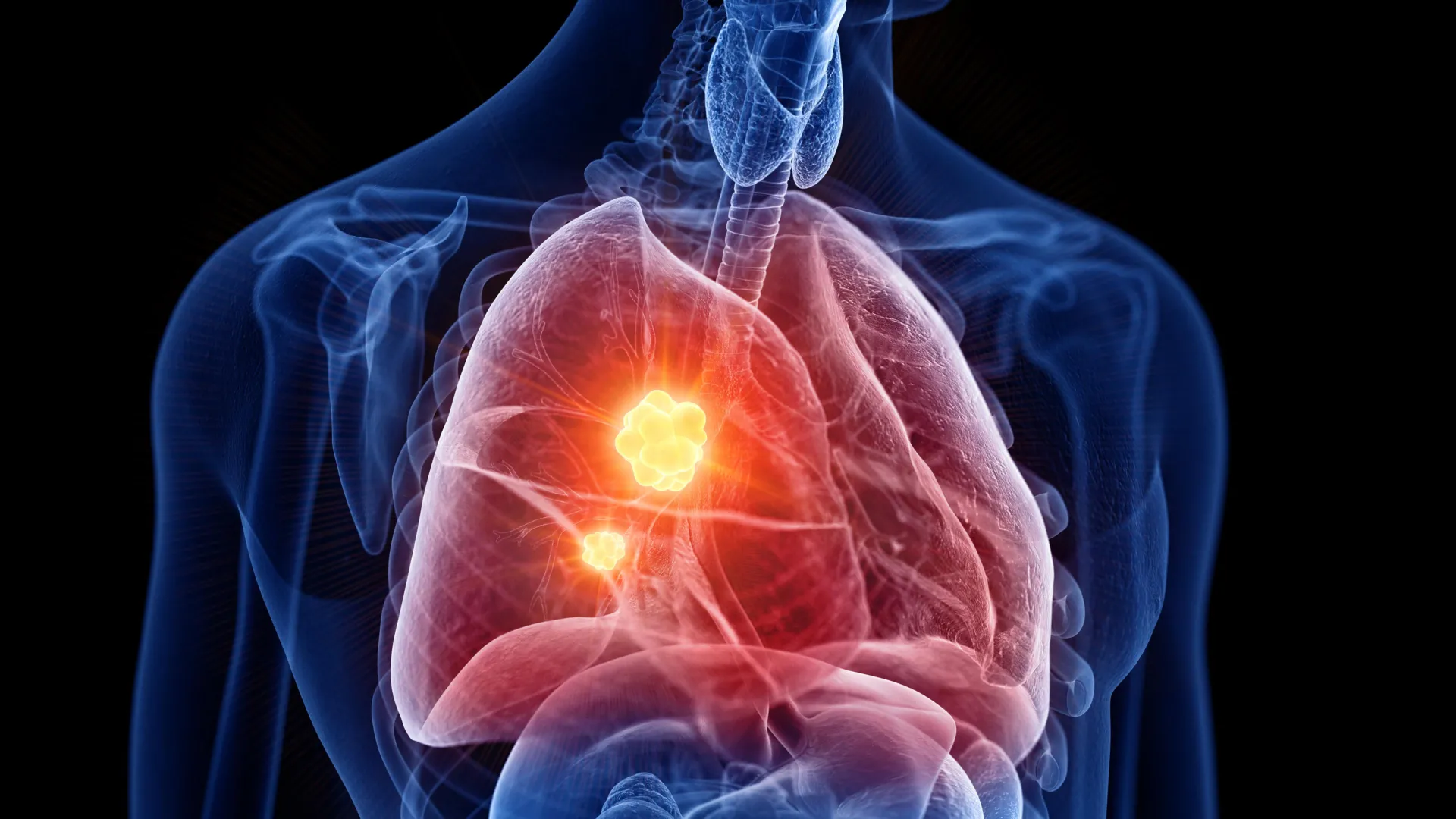
Scientists are testing a counterintuitive way to fight mesothelioma, an aggressive asbestos-linked cancer with few effective treatments. A new experimental mesothelioma drug kills cancer cells by disabling PRX3, an antioxidant defense that tumors use to survive intense oxidative stress. In an early clinical trial, it controlled disease progression in 67% of patients and produced encouraging survival results, raising hopes that the strategy could eventually be used against other cancers.

📅 2026-09-17 05:11:51    •    ScienceDaily
Read Original Article →
NASA’s New Horizons spots signs of liquid nitrogen flowing on Pluto
Science News

NASA’s New Horizons spots signs of liquid nitrogen flowing on Pluto

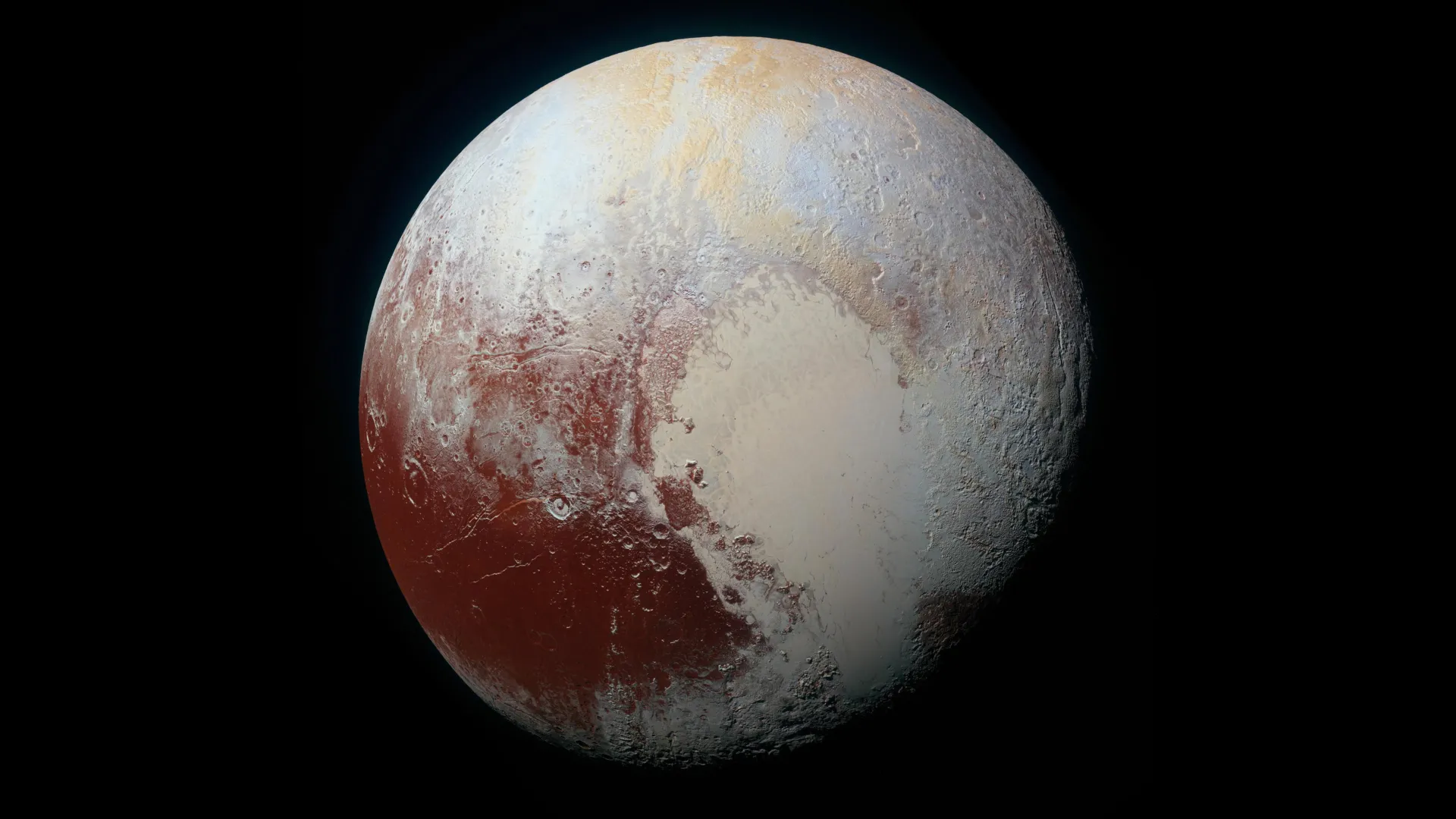
Scientists have found the first evidence that liquid may have flowed across Pluto’s surface in the recent past. Dark features on the enormous Sputnik Planitia glacier appear consistent with liquid nitrogen rising through cracks from deep beneath the ice. Computer models show that nitrogen could melt at the glacier’s base and travel upward like fluid through small conduits. The finding reveals that Pluto may be much more geologically active than its frozen appearance suggests.

📅 2026-09-17 04:02:29    •    ScienceDaily
Read Original Article →
Robotic lab sets up and runs optics experiments on demand
Research Institutions

Robotic lab sets up and runs optics experiments on demand

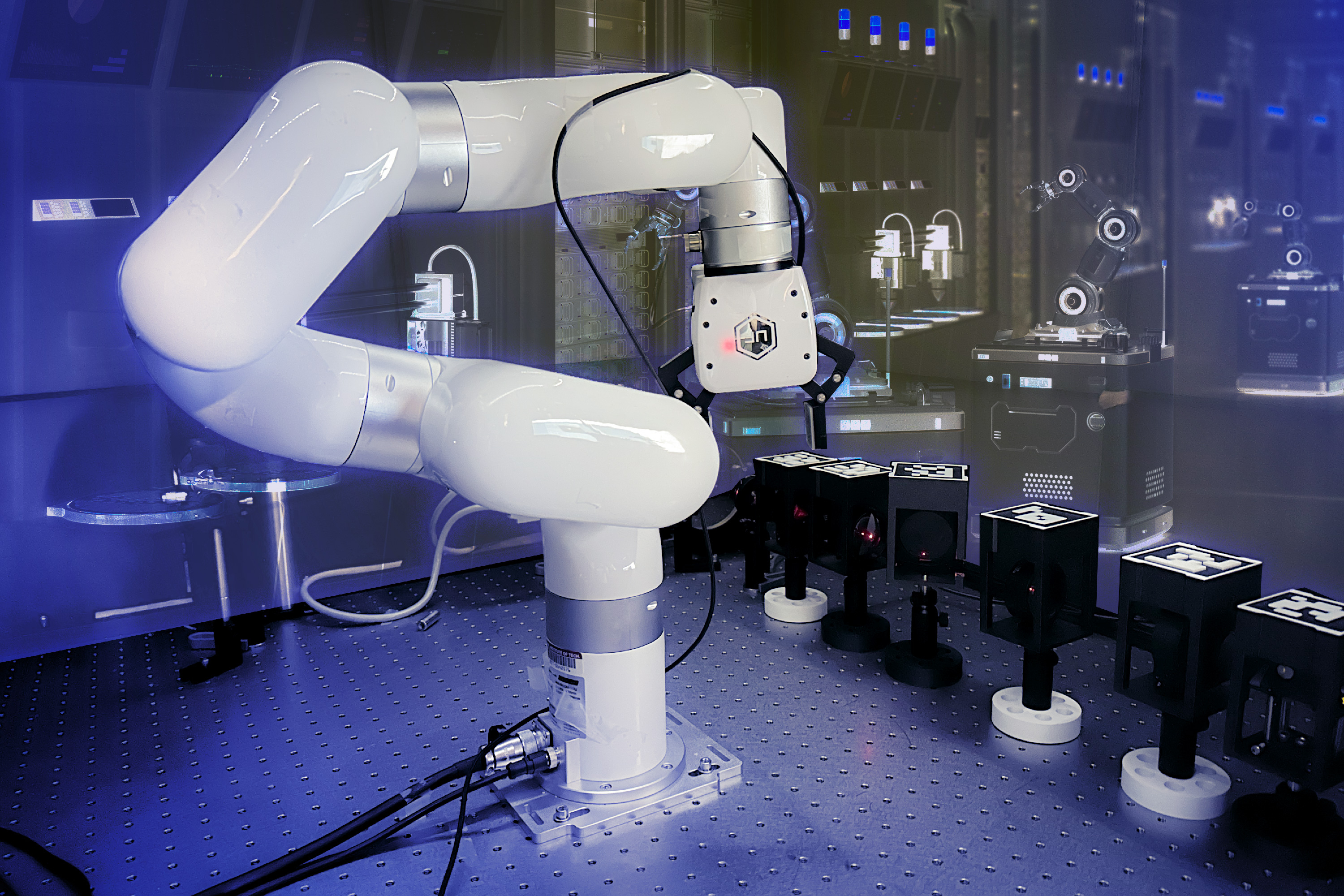
Every new generation of phone display, television screen, and solar panel is a result of precision optics experiments, which use lasers and other light sources to measure the optical properties of candidate materials. These experiments can take months to run, requiring scientists to meticulously angle and adjust delicate light sources, mirrors, cameras, and other components, in a careful and constant tuning that can be physically tedious and time-consuming. But MIT scientists say the whole process of building and running an optics experiment could one day be fully automated. Taking a step toward such a future, they have developed a reconfigurable, robotic optics laboratory. The new robotic l...

📅 2026-09-17 04:00:00    •    MIT News
Read Original Article →
Tracking visits to public points of interest can inform community health measures
Science News

Tracking visits to public points of interest can inform community health measures

It's not so much where people live, but where they frequently spend their time, that can provide useful information for predicting community health measures. A team led by geographers in the Penn State College of Earth and Mineral Sciences found that adding place visitation data—geographic data points collected from millions of anonymous cellphone users with GPS-enabled devices—to a population health model increased the model's predictive performance by an average of 7.5%.

📅 2026-09-17 01:20:02    •    Phys.org
Read Original Article →
Long-term oyster reef restoration shows clear success in murky waters
Science News

Long-term oyster reef restoration shows clear success in murky waters

Large-scale oyster reef restoration in the Chesapeake Bay is successfully creating three-dimensional habitats that support larger, more diverse fish communities, according to new research from scientists at the University of Maryland, Baltimore County (UMBC), the Smithsonian Environmental Research Center and the National Oceanic and Atmospheric Administration (NOAA). The study, published in Ecosphere, provides compelling evidence that restoration efforts are shifting underwater ecosystems from communities dominated by small, transient schooling fish to those supporting larger, resident species.

📅 2026-09-16 23:50:01    •    Phys.org
Read Original Article →
Device simulates natural conditions to grow biofilms and test their antibiotic susceptibility more accurately
Science News

Device simulates natural conditions to grow biofilms and test their antibiotic susceptibility more accurately

Biofilms are complex microbial communities that adhere to a surface and encase themselves in a viscous matrix they produce. This structure protects bacteria from antibiotics and the immune system far more effectively than if they lived in a free-floating state, making biofilms one of the most common causes of hard-to-treat chronic infections—such as respiratory infections in people with cystic fibrosis and chronic obstructive pulmonary disease (COPD), chronic wounds, or infections associated with catheters and prosthetic devices. Added to this is the global rise in antibiotic resistance, which makes it increasingly urgent to have tools capable of predicting which treatment will work in each ...

📅 2026-09-16 23:40:05    •    Phys.org
Read Original Article →
Hot electrons reveal electronic collisions may raise resistance in twisted graphene
Science News

Hot electrons reveal electronic collisions may raise resistance in twisted graphene

When a material heats up, its electrical resistance often rises. The harder question is what, exactly, is getting in the way. The electrons carrying the current may be scattered by vibrations of the material's atomic lattice, known as phonons. They may also collide with one another. Frustratingly, a conventional temperature test warms the electrons and the lattice together, so the effects arrive tangled in the same resistance measurement.

📅 2026-09-16 23:40:01    •    Phys.org
Read Original Article →
Building big with DNA gets a software upgrade
Science News

Building big with DNA gets a software upgrade

Forty-four years ago, Nadrian Seeman published his groundbreaking ideas on using DNA as a structural material, expanding DNA's significance far beyond its role as a carrier of genetic information. Since then, the steadily growing field of DNA nanotechnology has seen numerous innovations. One was the DNA origami technique, which enables researchers to fold a single long strand of DNA into a desired 2D or 3D shape.

📅 2026-09-16 23:30:01    •    Phys.org
Read Original Article →

ChatGPT at university: Study maps why students stick with AI for learning
Science News

ChatGPT at university: Study maps why students stick with AI for learning

What factors influence students' decisions about whether they will continue to use ChatGPT for learning in the future? This was the question addressed by a new study from ELTE's Faculty of Informatics, which used an interpretable machine learning framework to identify the factors that most strongly influence the use of generative artificial intelligence in higher education.

📅 2026-09-16 23:20:04    •    Phys.org
Read Original Article →
Henry VIII's dissolution enforcer stashed Catholic manuscript—its lost pages have just been rediscovered
Science News

Henry VIII's dissolution enforcer stashed Catholic manuscript—its lost pages have just been rediscovered

Sir John Gage, a key figure in Henry VIII's dissolution of the monasteries, saved a dangerous Catholic book from likely destruction, a new study suggests. The identification of six lost pages of a medieval bestseller—illicitly prized by Catholics in the Reformation—as belonging to Gage, exposes the split loyalties of one of Tudor England's great survivors.

📅 2026-09-16 23:10:01    •    Phys.org
Read Original Article →
Page 99of 159   •   3,800articles