This ‘anti-vampiric’ grave used two strategies to stop the undead
A sickle across the throat and a padlock on the toe were likely meant to keep this 17th-century Polish teen from resurrecting.
Stay informed about scientific discoveries, research developments and new findings from around the world.
A sickle across the throat and a padlock on the toe were likely meant to keep this 17th-century Polish teen from resurrecting.
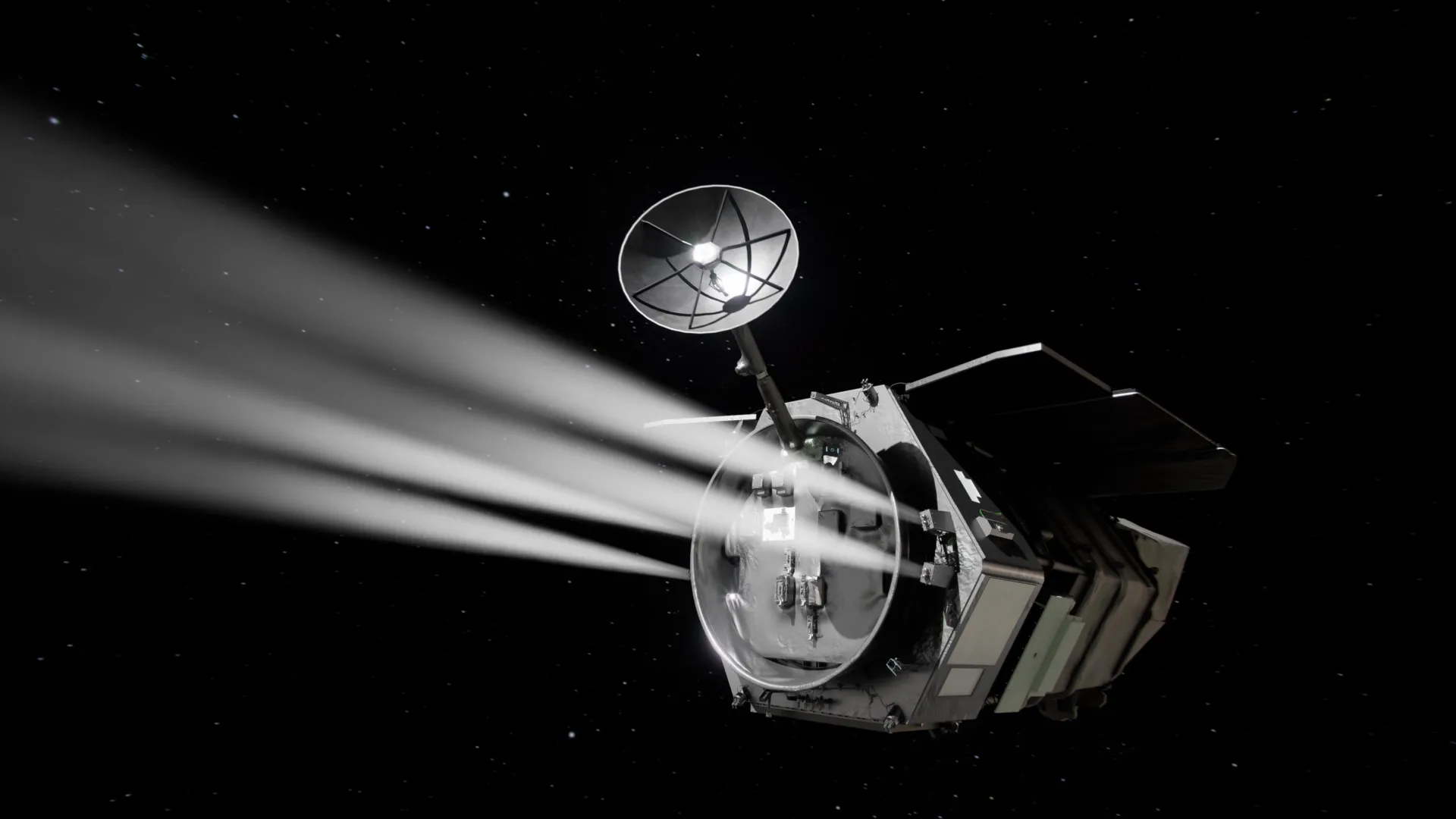
The space telescope is set to reveal thousands of new exoplanets and scour the universe for signs of dark matter and energy
The National Weather Service is speeding ahead with changing the name of the Great Lake
Starship's next test flight will be its first orbital mission. The craft will also release working Starlink V3 satellites for the first time, making the flight the first commercially useful Starship mission
New research suggests that Paleodictyon — honeycomb-shaped formations perhaps sketched by da Vinci — are not made by soft-bodied creatures.
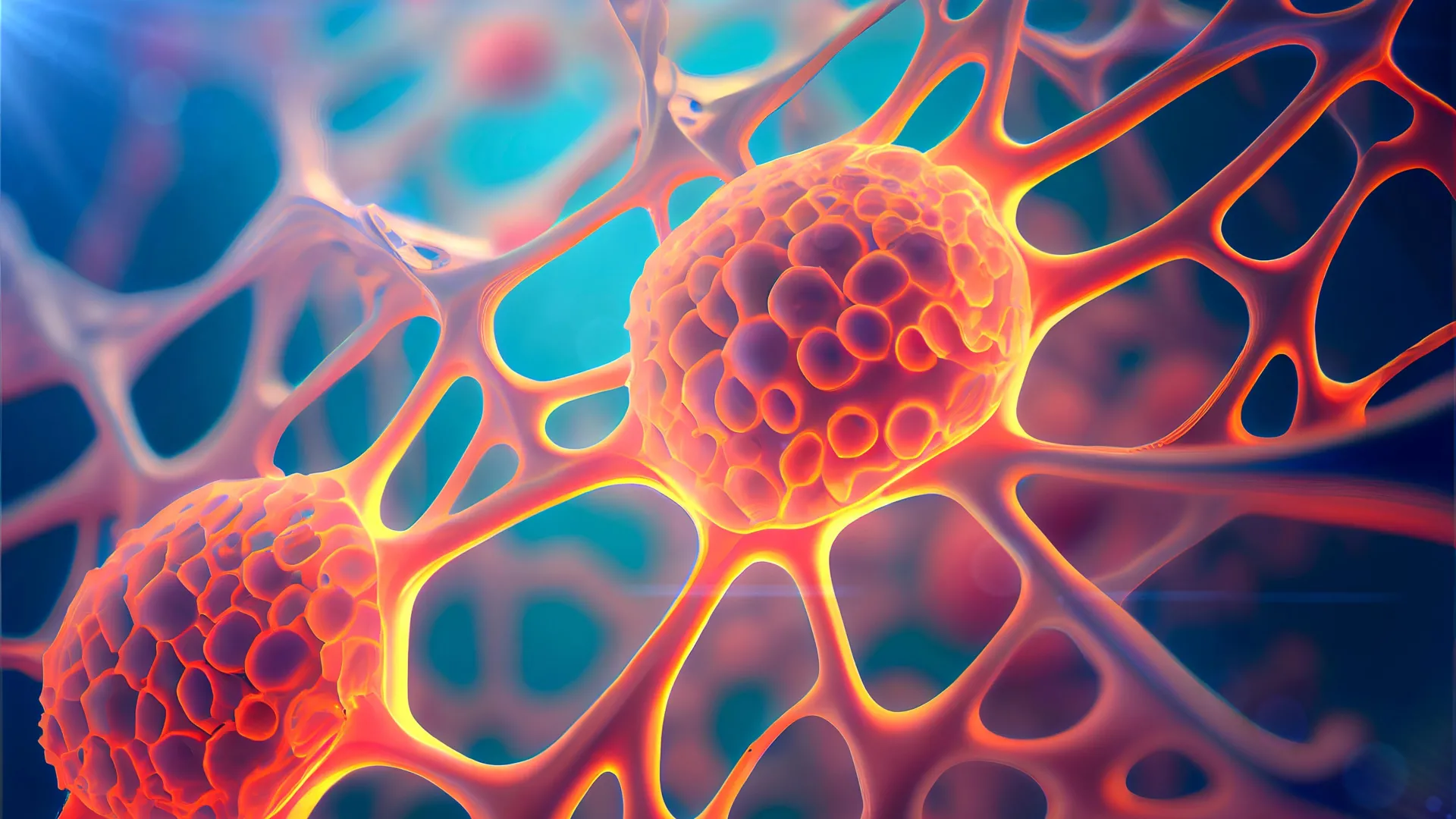
Scientists discovered a population of cells that can start the process of programmed cell death, survive it, and then help rapidly rebuild damaged tissue. Their descendants become far more resistant to future damage, revealing a mechanism that could improve healing but may also help cancers return after treatment.
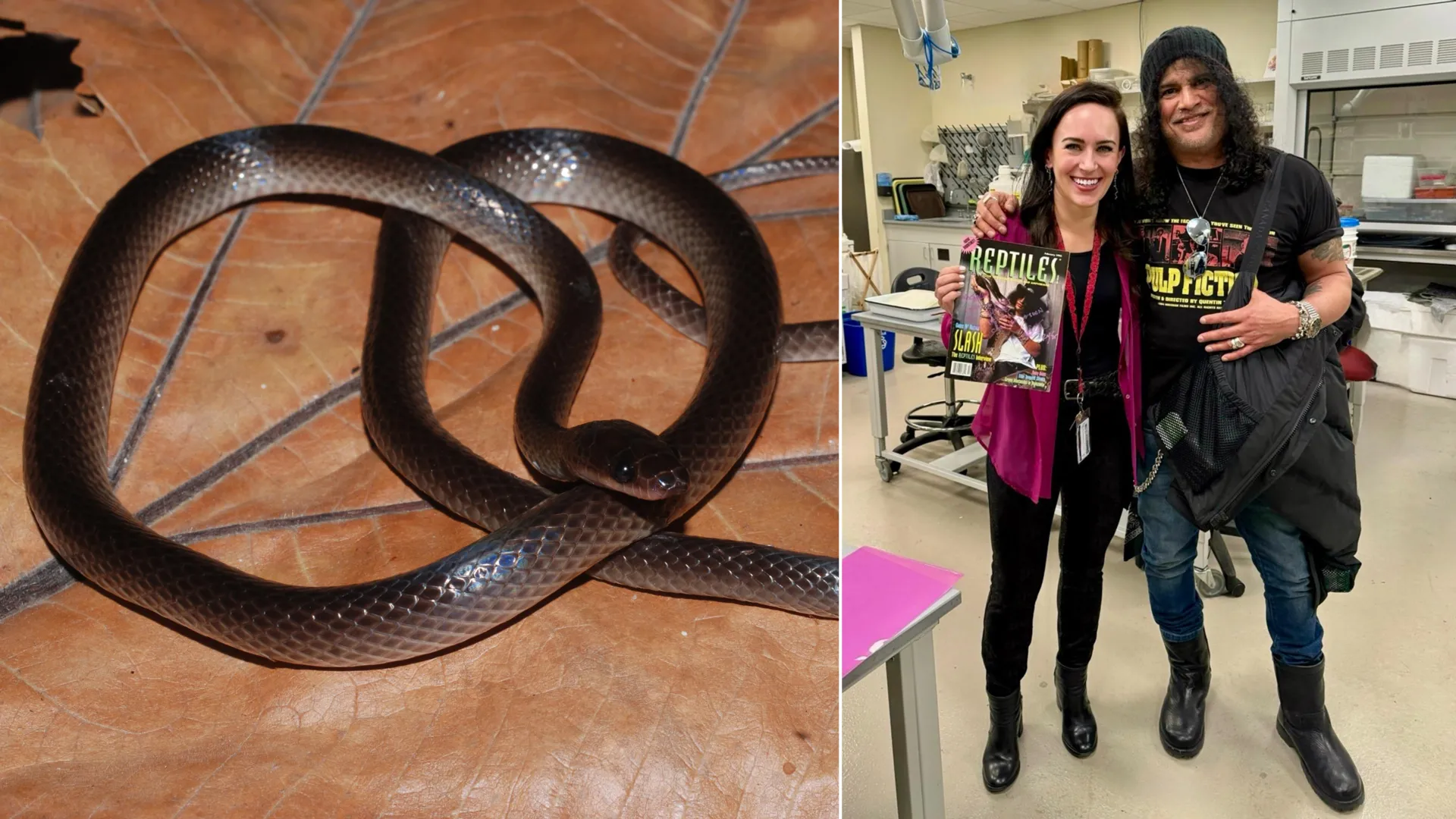
A newly discovered snake from New Guinea has been named after Guns N’ Roses guitarist Slash, who has loved reptiles since childhood. Genetic testing and physical differences confirmed that the reddish-brown groundsnake, Lielaphis slashi, is a species scientists had never formally recognized before. The nonvenomous snake may use large rear teeth to catch slippery lizards and reptile eggs.
Solve the math puzzle from our October 2026 issue, in which a bird watcher seeks an indoor hobby.
Following the possible recent detection of a dark matter particle, researchers have already come up with a veritable cornucopia of possible models for what sort of particle it might have been
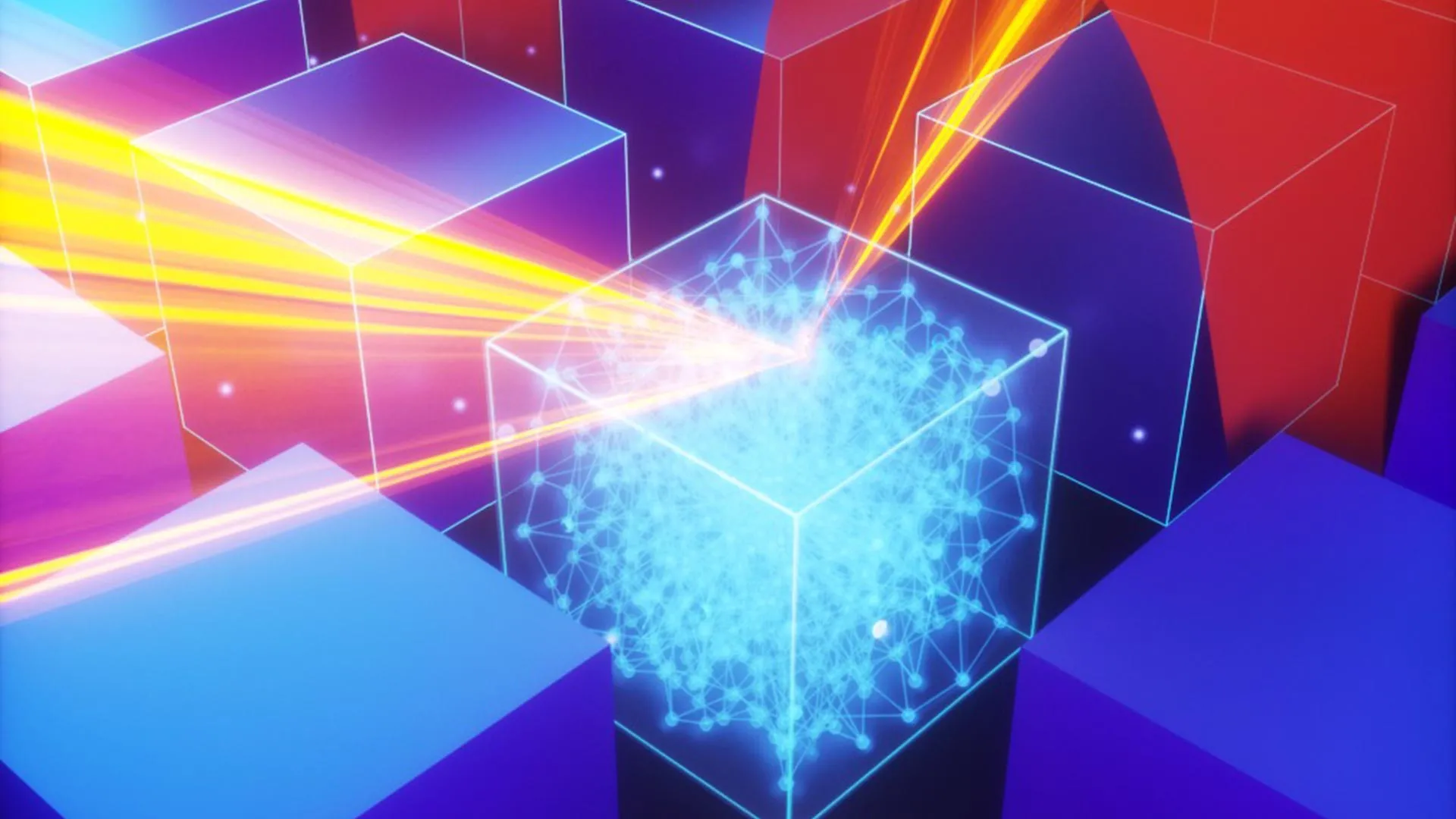
A new Caltech device can redirect a beam of light in just 74 femtoseconds using another beam and a nanoscale silicon metasurface. The breakthrough could pave the way for dramatically faster photonic communications, computing, and sensing technologies.
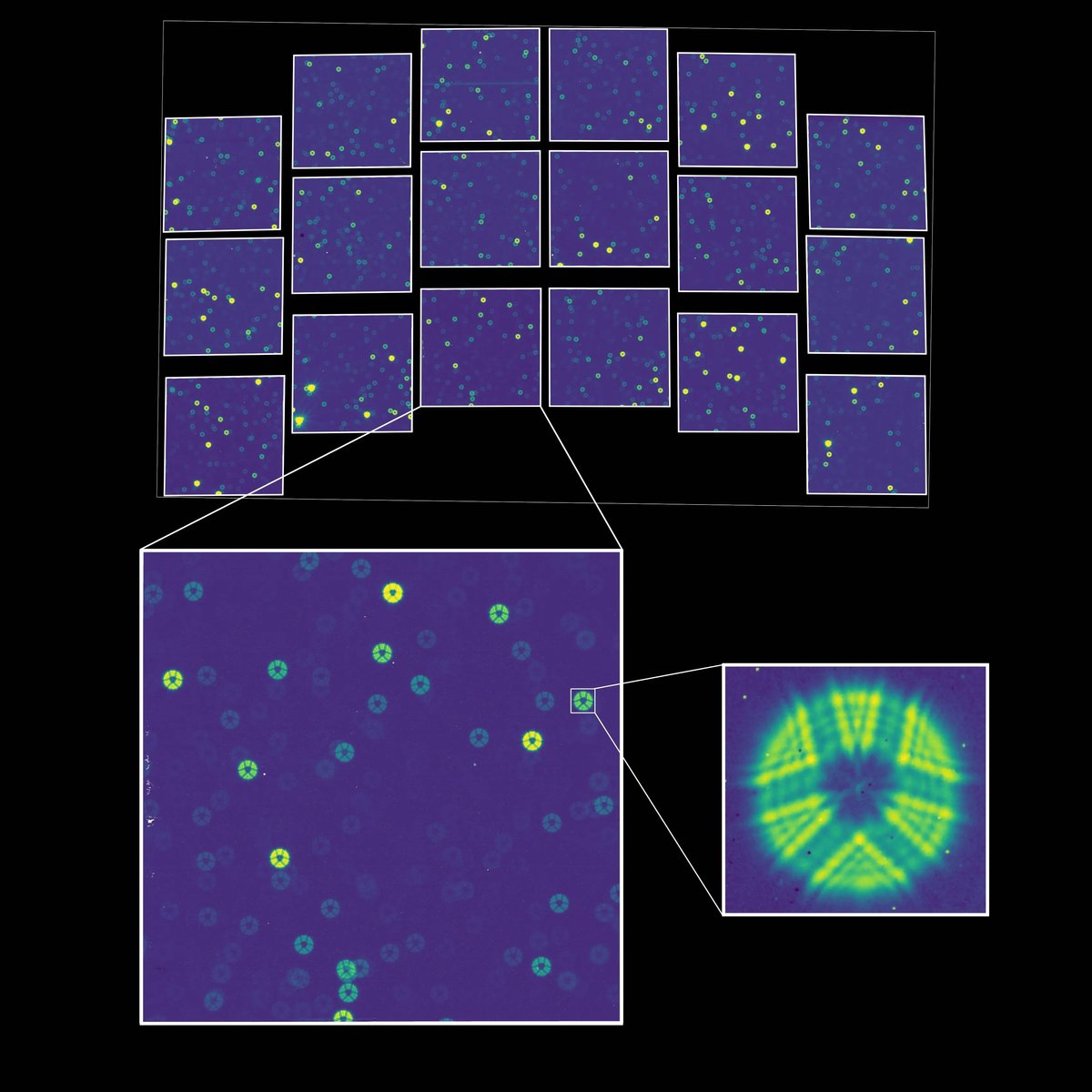
NASA’s Roman Space Telescope may now have enough fuel for at least 22 years of science, more than double its original 10 year design life. An extremely precise course correction, extra fuel at launch, and additional expected savings could keep the powerful observatory studying the universe for decades.
Scientists have found a new way to create a controlled beam of muonium, an exotic atom containing a heavier cousin of the electron. The advance could allow researchers to test for the first time whether gravity acts on second-generation particles exactly as Einstein’s theory predicts. Any unexpected difference would be a major surprise and could potentially point toward new physics, including a hypothetical fifth force.
The fish that preceded the first four-legged land animals came in a wider variety of forms than we had thought, and fossils show that one had an elbow joint that moved in an oddly restrictive way
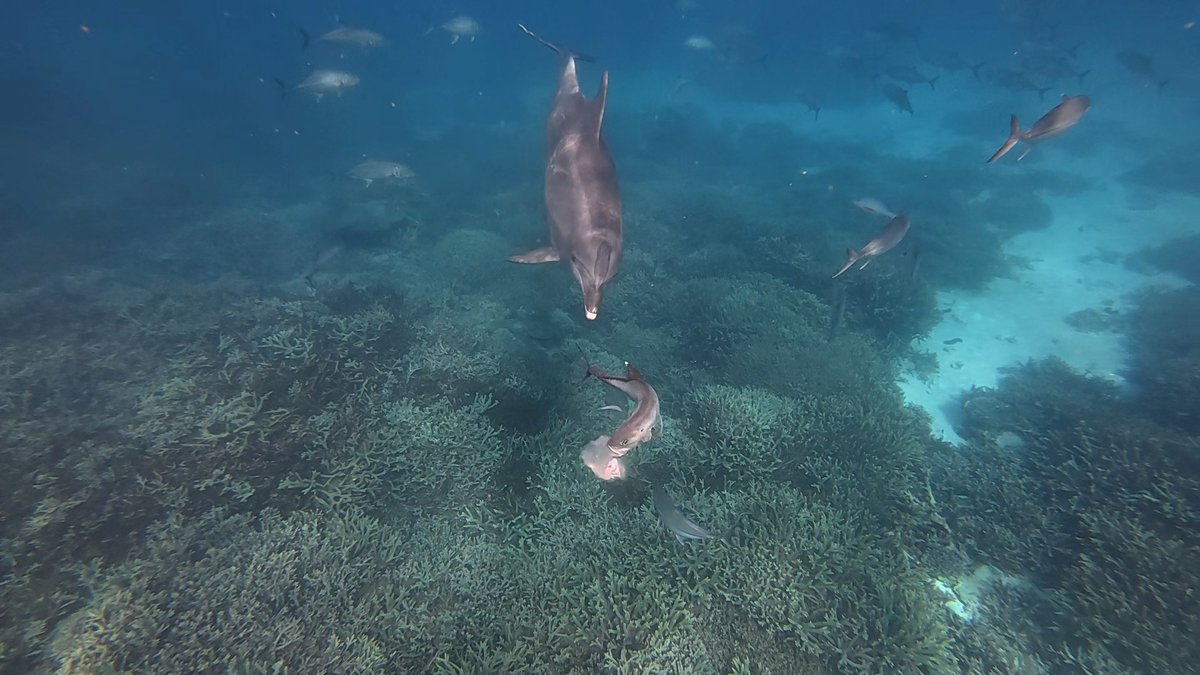
Don’t have the energy to catch your own meal? This dolphin has a gross solution
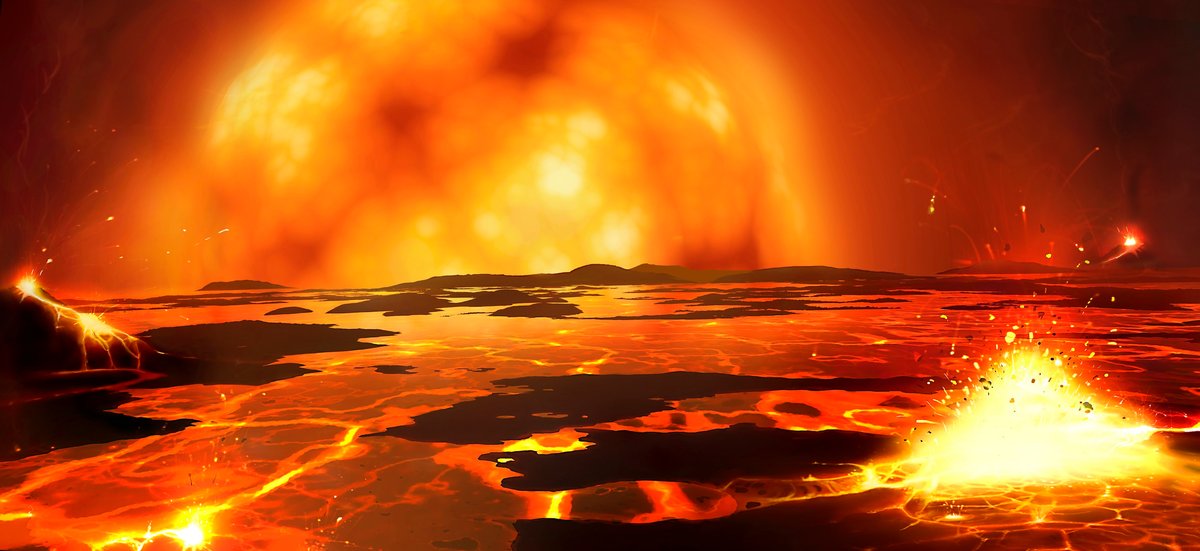
Our sun is on a long, strange trip to its eventual demise. Here are the key stops along the way
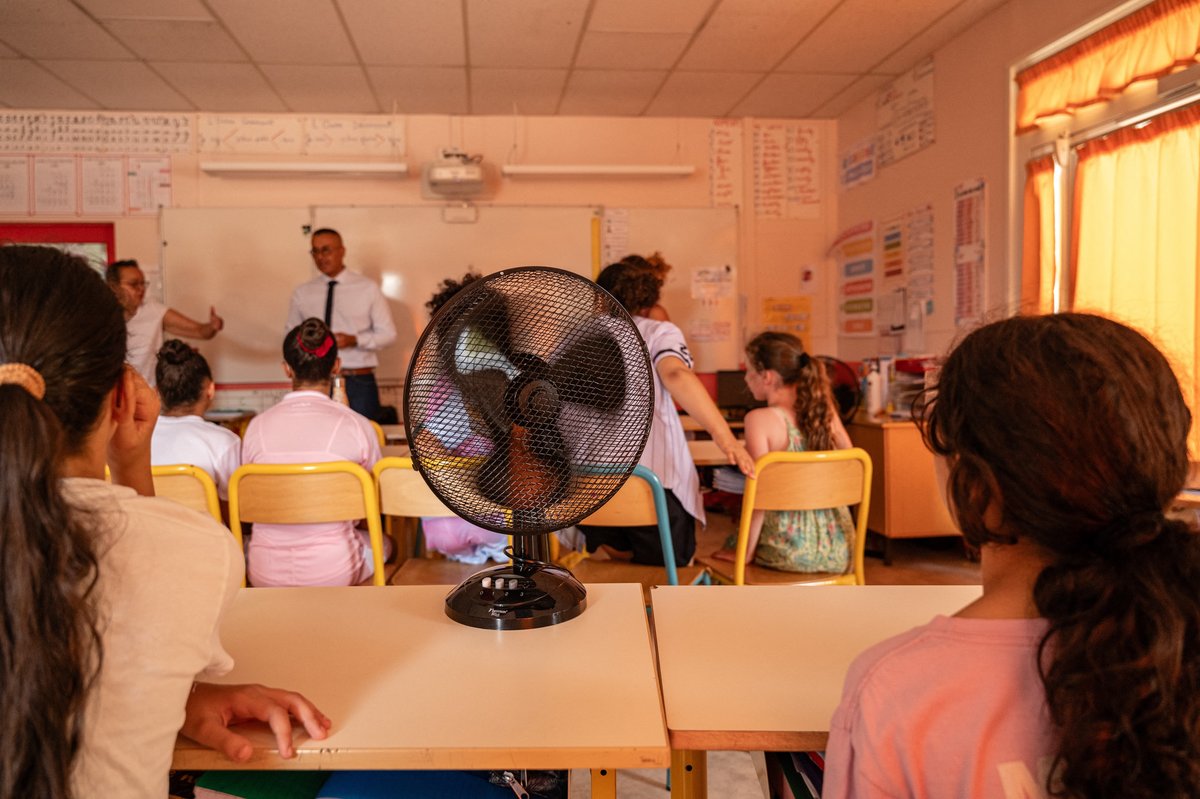
As temperatures rise, the evidence is clear that heat is eroding students’ ability to learn
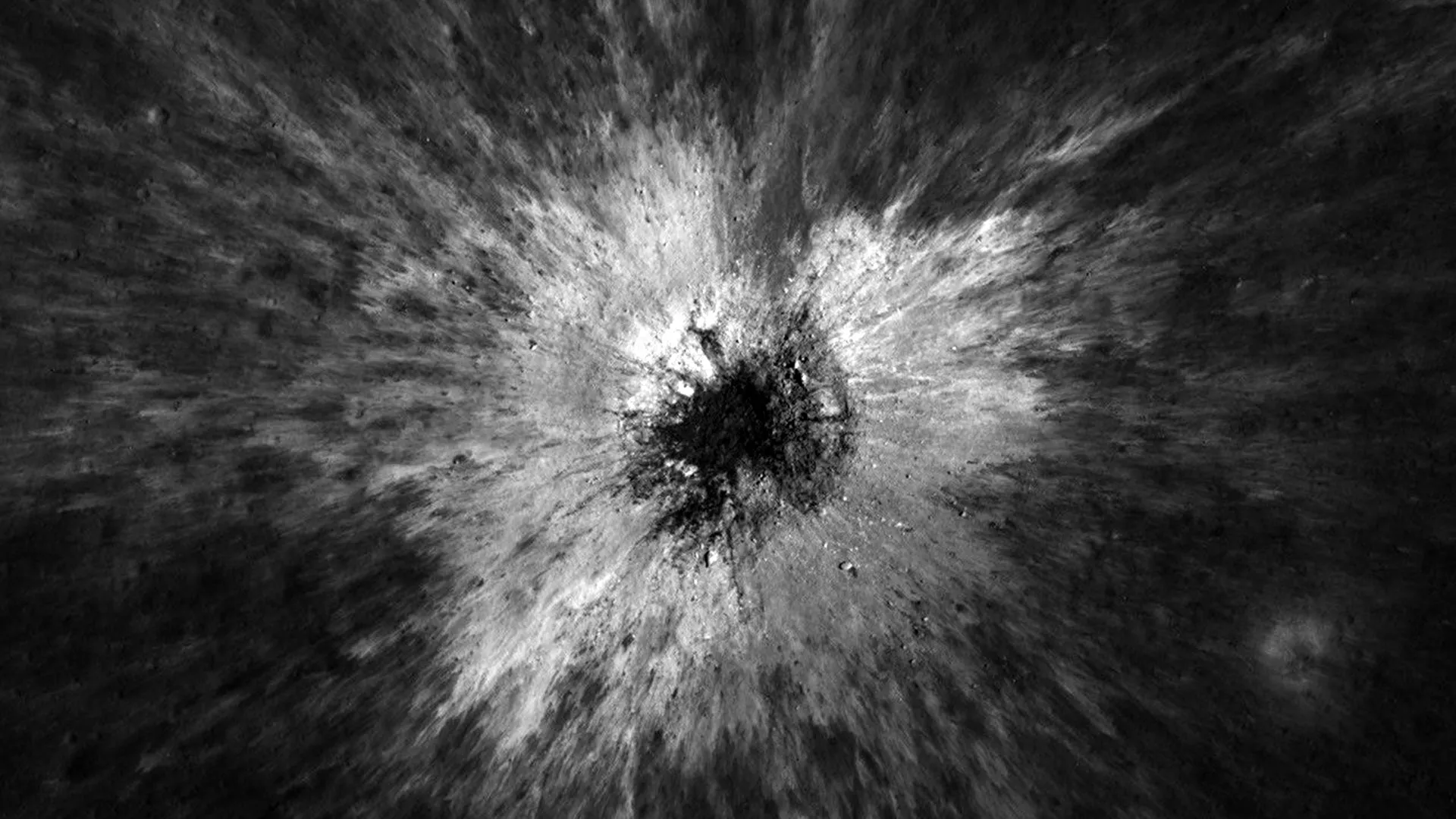
NASA’s Lunar Reconnaissance Orbiter has revealed a 728-foot-wide crater that formed on the Moon in 2024, making it the largest newly formed crater ever identified in the solar system. The impact disturbed the surface for miles around it, creating a surprisingly large cold zone and showing how dramatically a single collision can reshape the lunar landscape.
As Bangladesh faces a deadly measles outbreak, experts assess what it would take for the U.S. to reach similar levels
Newer blood thinners may do more than prevent strokes in people with Alzheimer’s disease and atrial fibrillation. Researchers found that patients taking NOACs experienced a slower decline in cognitive function than those using warfarin or no blood thinners. The effect was modest each year but could add up over time.
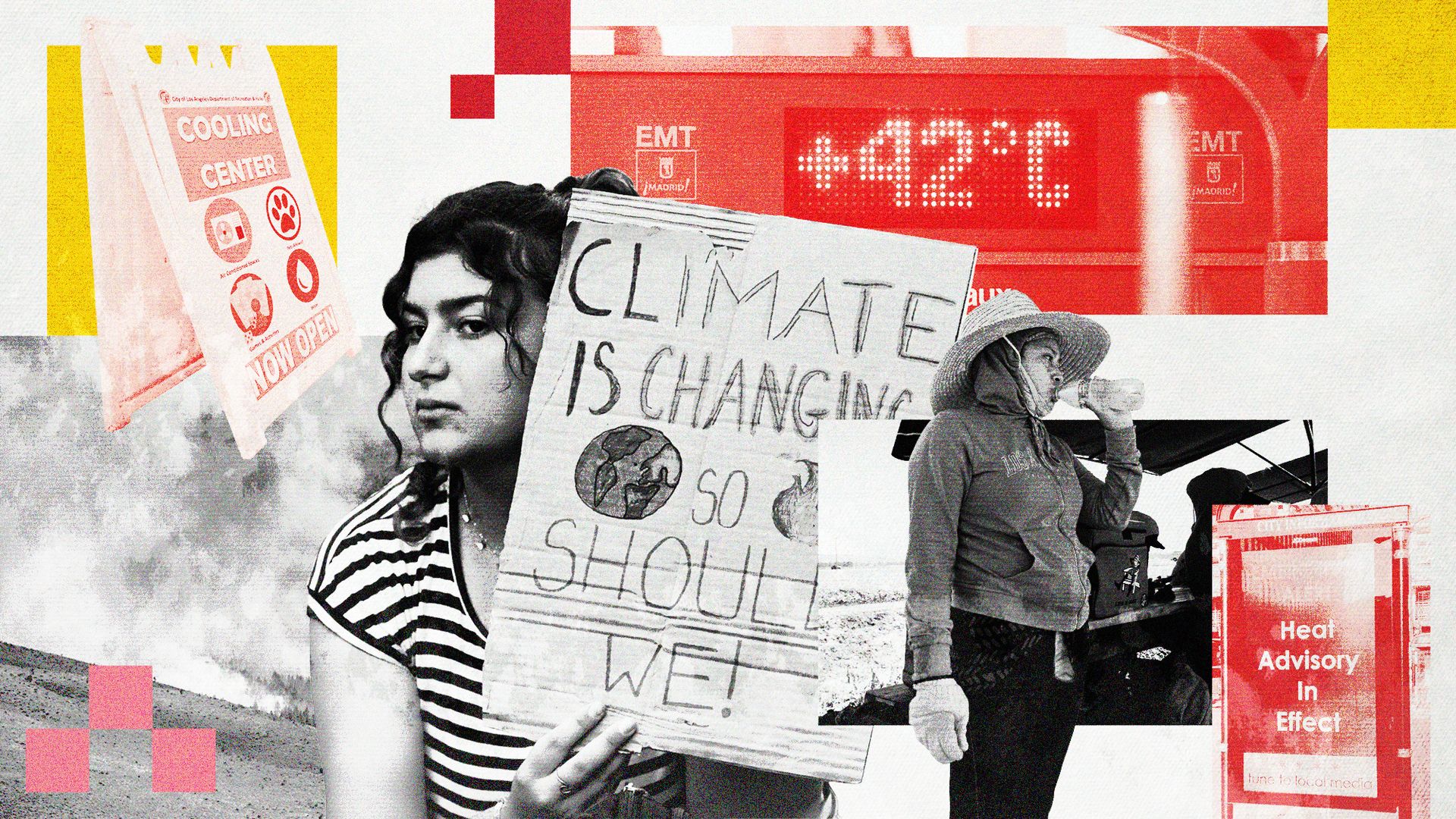
Burning upAs the planet warms, our environment will be transformed, but so will our bodies. In this series, 'Burning up,' we investigate the health impacts of climate change, focusing on heat, air quality, food and infection risk. In this installment, we evaluate the promising solutions that could help us adapt to our warmer futureIn the summer of 2008, New York City lowered the threshold for activating its emergency heat plan.The city had historically relied on the National Weather Service threshold of a heat index of 105 F (40.6 C), but they noticed that people were getting heat stroke at lower temperatures.As part of a wider effort, they changed the alert threshold: it would trigger if th...
Artificial intelligence (AI) agents resorted to nefarious behavior, including crime sprees, in a virtual world as part of a recent study into how common large language models (LLMs) interact with each other and share resources to achieve their goals. These models were inclined to commit crimes because they were given ample time to evolve distinct personality traits and behaviors, the researchers behind the project say.Most programs that test the behavior of AI agents operate in tightly controlled environments over short periods. But "Emergence World," a product of AI company Emergence, is a simulation platform that exposes LLMs to far wider datasets — like the internet as a whole — and asses...
A 9.5-day-old mouse embryo. The front of the brain is blue and the back of the brain is red, which extends into the spinal cordLoh Laboratory/Stanford Medicine Our brain may be a hybrid of two ancient nervous systems that were packaged together hundreds of millions of years ago. This is based on the finding that the front and back brain regions in people and several other species develop from two distinct cell types in embryos, instead of sharing the same developmental origin, as previously thought. “Our research suggests that evolution took two existing neural systems and pushed them together spatially,” says Kyle Loh at Stanford University. “Having the brain as one organ would probably be ...
A new report from the Brookings Institution presents evidence that increasing the size of the U.S. nuclear arsenal could make nuclear crises more likely. This raises an important challenge to arguments that the U.S. must consider increasing its stockpile in response to China's growing nuclear capabilities.
Five baby orangutans abandoned in an Indian forest have exposed a "massive" exotic wildlife trade, with traffickers smuggling increasingly rare species into the country, experts say.