Latest Science & Research News

Stay informed about scientific discoveries, research developments and new findings from around the world.

Latest News

View All β†’
'It has become very dire in a lot of places': New map reveals exactly where humans are adding and removing precious fresh water on Earth
Science News

'It has become very dire in a lot of places': New map reveals exactly where humans are adding and removing precious fresh water on Earth

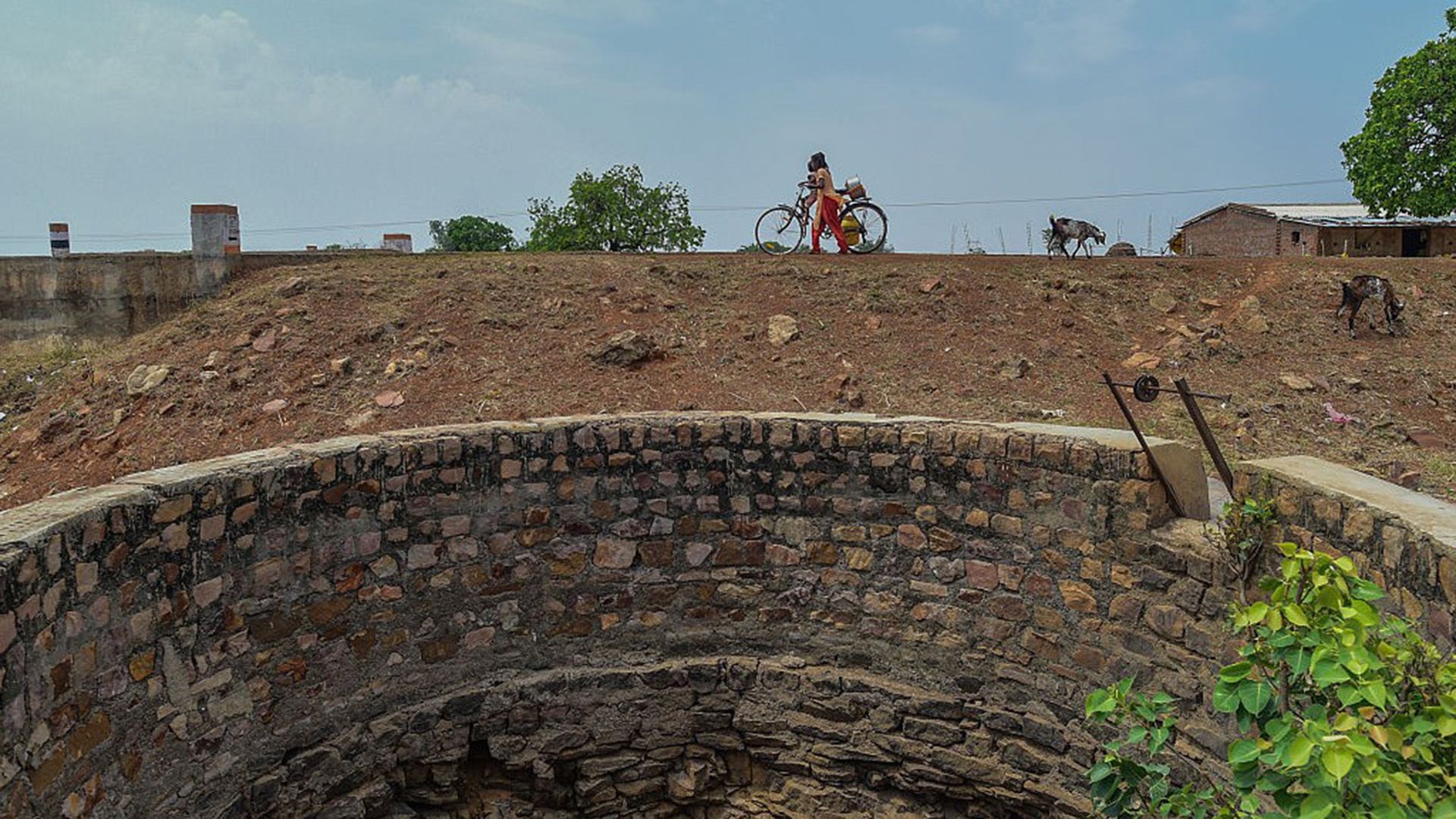
Earth's continents are losing fresh water much faster than scientists thought, mostly because aquifer pumping in regions like northern India, southern Iran and parts of the U.S. is 45% more pronounced, on average, than previous estimates suggested, new research shows.The study used satellite data to map freshwater trends across the globe between 2002 and 2025. Thanks to a high-resolution rendering method, researchers revealed regional gains and reductions in terrestrial water storage that were 33% more marked, on average, than in previous studies. The amount of fresh water lost was much higher than the gains overall, highlighting the urgent need for better water management to stave off a glo...

πŸ“… 2026-09-23 14:44:01    β€’    Live Science
Read Original Article β†’
Google DeepMind's latest AI tool promises a new era for genetics research, but experts warn to take its predictions with caution
Science News

Google DeepMind's latest AI tool promises a new era for genetics research, but experts warn to take its predictions with caution

Google DeepMind has revealed a new artificial intelligence (AI) tool that can predict the molecular impacts of tweaking any one of the billions of letters that make up our genetic code. On Sept. 8, Google's AI powerhouse announced a freely available database called AlphaGenome Atlas, which contains data on 9 billion possible changes to the human genetic code and estimates how these changes will affect different tissues and cellular processes. What's more, the tool spits out a simple score to help scientists quickly weigh the knock-on impacts of these changes. How a sequence of 3 billion or so letters of chemical code is packaged, delivered and read to create a human life is a major question ...

πŸ“… 2026-09-23 14:12:22    β€’    Live Science
Read Original Article β†’
Seabed surveys around the Isles of Scilly find more than 90 species across habitats poorly captured by classifications
Science News

Seabed surveys around the Isles of Scilly find more than 90 species across habitats poorly captured by classifications

Scientists have conducted an unprecedented assessment of the seabed around the Isles of Scilly, revealing complex mosaics of sediment that support a wide range of habitat-building species. The research, led by the University of Plymouth, used a range of techniques to monitor sediments around the archipelago and explore the diversity of species living within them.

πŸ“… 2026-09-23 14:00:10    β€’    Phys.org
Read Original Article β†’
Silicon solar cells could cut satellite power costs by up to 90%
Science News

Silicon solar cells could cut satellite power costs by up to 90%

Switching to modern silicon solar cells could cut the cost of powering satellites by as much as 90% based on beginning-of-life (BOL) performance, according to a review led by the University of Surrey. The switch to silicon cells could also halve the weight of the solar cells needed on a spacecraft, freeing mass for fuel or instruments or cutting launch costs.

πŸ“… 2026-09-23 14:00:01    β€’    Phys.org
Read Original Article β†’
Rare pregnancy infections may triple the risk of autism
Science News

Rare pregnancy infections may triple the risk of autism

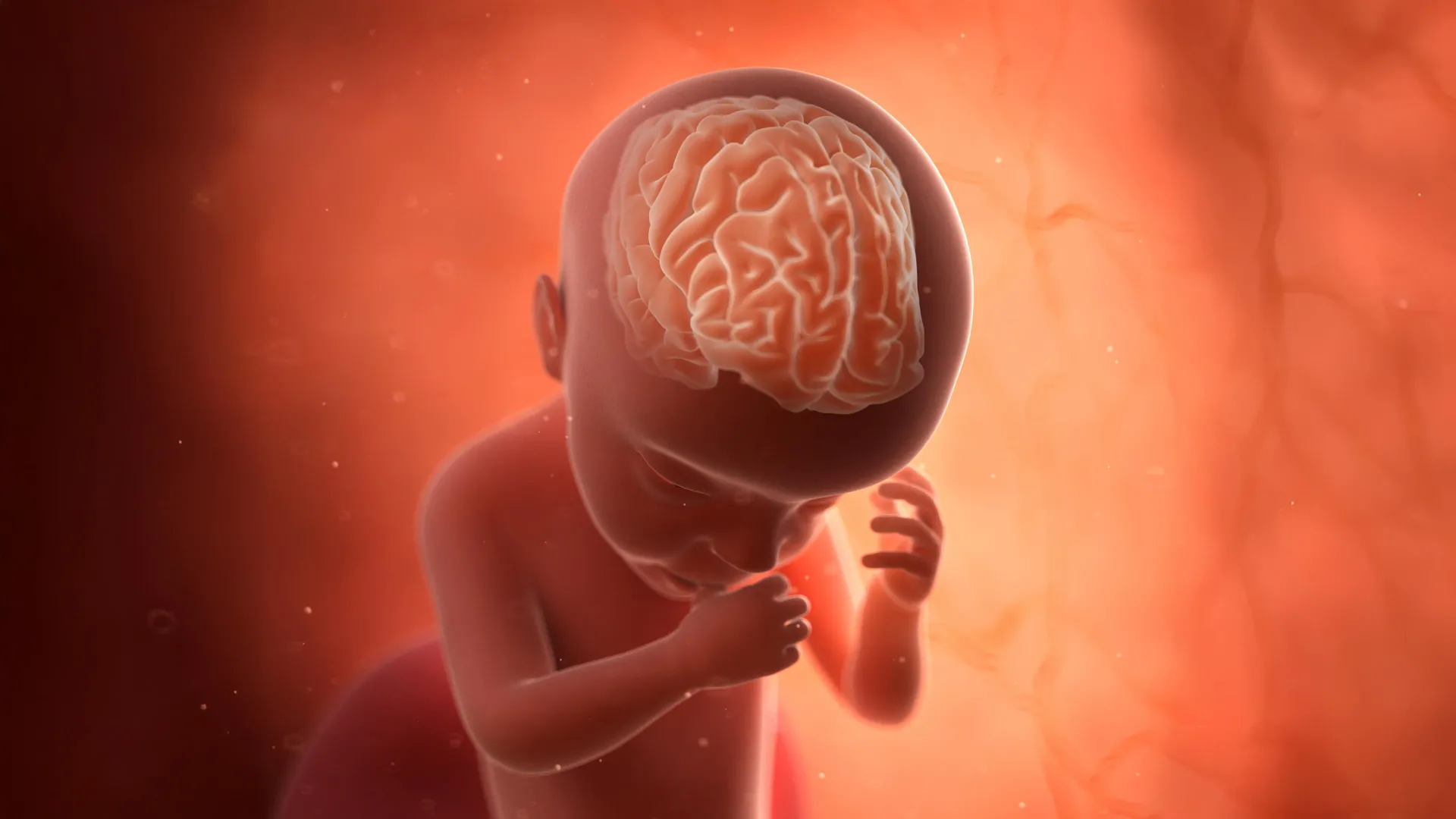
A major Swedish study of 3.7 million people has found that rare TORCH infections passed from a pregnant woman to the fetus are linked to much higher risks of autism and intellectual disability later in life. Children with a congenital TORCH infection were about three times more likely to be diagnosed with autism, more than seven times more likely to have an intellectual disability, and up to 30 times more likely to have severe to profound intellectual disability.

πŸ“… 2026-09-23 13:11:59    β€’    ScienceDaily
Read Original Article β†’
Q&A: Dynamic side of language development in toddlers
Science News

Q&A: Dynamic side of language development in toddlers

Overhearable speech (speech that may occur when caregivers are talking to each other in a child's presence) constitutes more than half of children's language exposure, but its role in language development remains underexplored. Researchers from the University of Chicago, The New School for Social Research and Princeton University examined when and how English-learning children growing up in the United States understand words they overheard from their parents' conversations at home.

πŸ“… 2026-09-23 13:00:10    β€’    Phys.org
Read Original Article β†’
Currents in an Arctic sea accelerate the sinking of carbon-carrying phytoplankton
Science News

Currents in an Arctic sea accelerate the sinking of carbon-carrying phytoplankton

Tiny plantlike organisms called phytoplankton that form the base of marine food webs topped by orcas, whales and sharks usually get eaten or slowly sink to the seafloor, carrying carbon as they go. Across most of the ocean, the descent from sunlit surface layers takes weeks. But in the Arctic's Chukchi Sea, scientists have found that a convergence of currents pushes phytoplankton from under the ice to the seafloor at four times the usual speed.

πŸ“… 2026-09-23 13:00:07    β€’    Phys.org
Read Original Article β†’
3,000-year-old burial of ancient Egyptian horse found β€” and a nearby stone carving depicts a captured prisoner
Science News

3,000-year-old burial of ancient Egyptian horse found β€” and a nearby stone carving depicts a captured prisoner

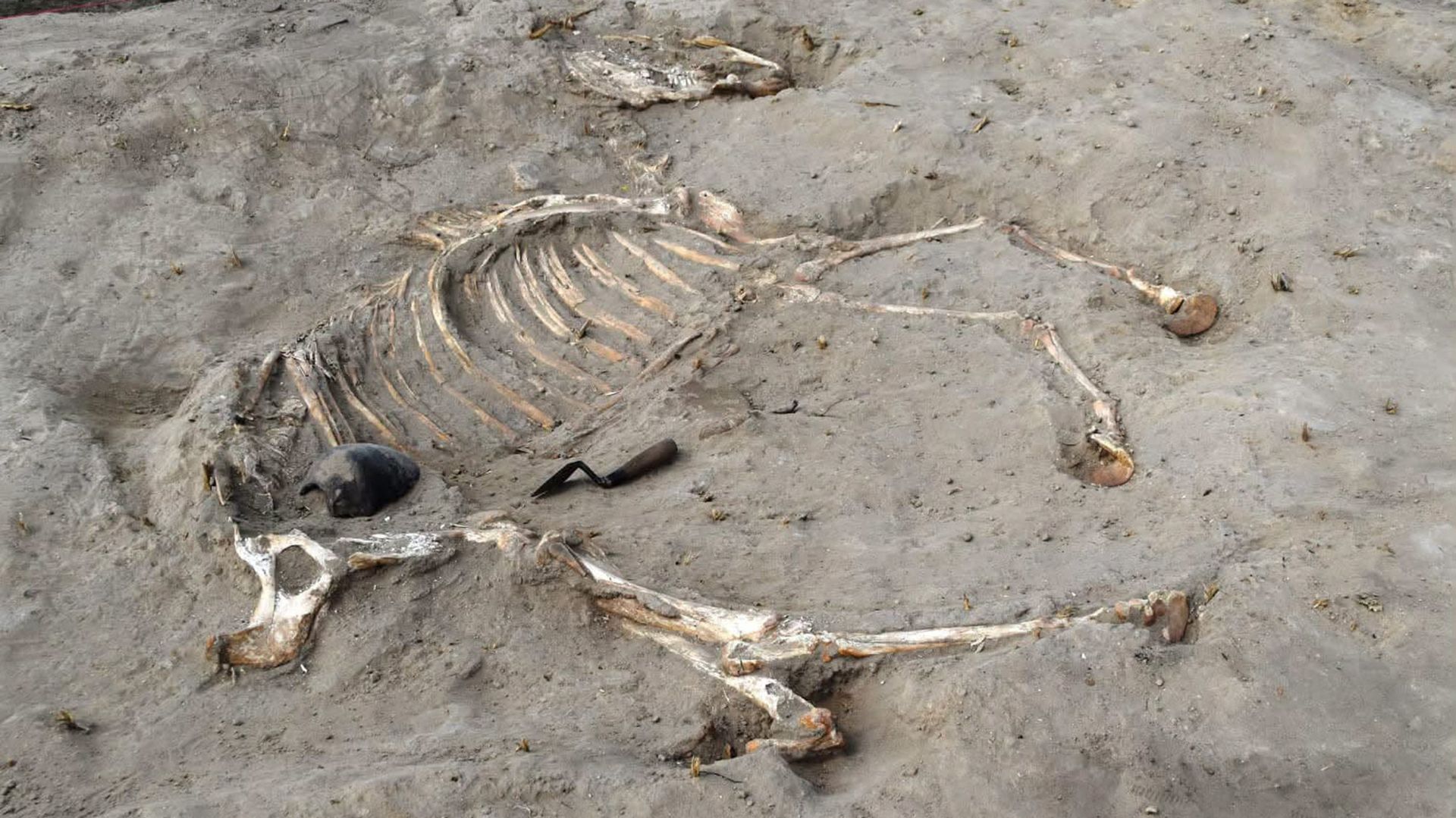
Archaeologists have unearthed a 3,000-year-old burial of a horse, likely used for military purposes, inside an ancient fort on the western Nile Delta in Egypt.The horse was a young male of medium size that may have pulled a chariot or worked in other military activities. Archaeologists also found remains of the chariot horse's harness fittings nearby. Given these discoveries, it's likely that this was a ceremonial burial, according to a translated statement from the Egyptian Ministry of Tourism and Antiquities. Some of the hieroglyphic tablets found inside the fortress along with a tablet depicting a captured Libyan prisoner. (Image credit: Courtesy of the Egyptian Ministry of Tourism and An...

πŸ“… 2026-09-23 13:00:00    β€’    Live Science
Read Original Article β†’
New model identifies expert consensus to keep complex decision rankings stable
Science News

New model identifies expert consensus to keep complex decision rankings stable

A new decision-making tool developed by Queensland University of Technology researchers could help governments, businesses and organizations make more reliable decisions for such projects as major infrastructure and public policy development. Developed by Ph.D. researchers Omid Motamedisedeh and Faranak Zagia from the QUT School of Architecture and Built Environment, the model addresses a major challenge in group decision-making: Small differences in expert judgments can sometimes lead to dramatically different outcomes.

πŸ“… 2026-09-23 12:40:01    β€’    Phys.org
Read Original Article β†’
These tropical trees breathe at night to survive drought
Science News

These tropical trees breathe at night to survive drought

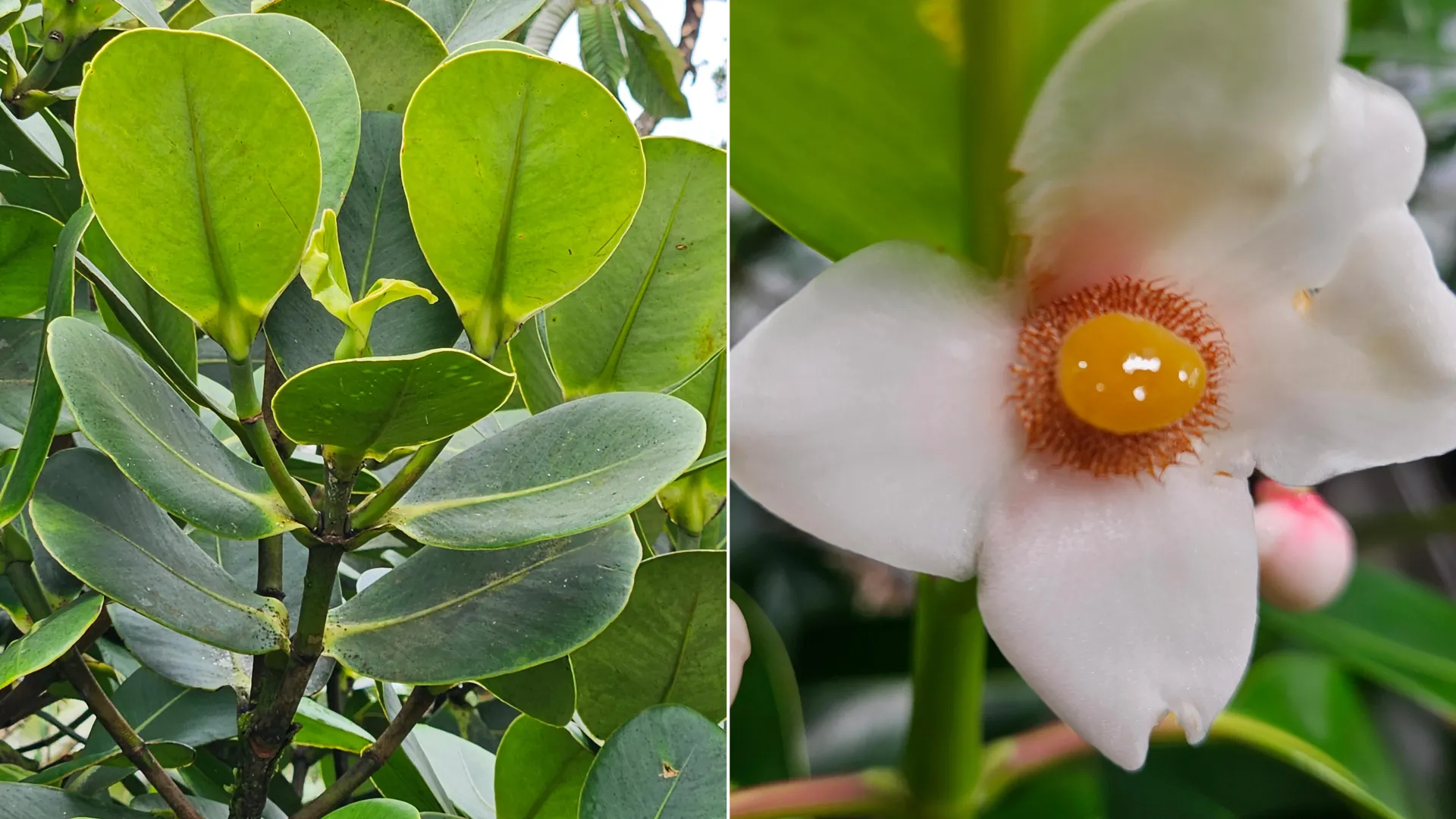
Some tropical trees have evolved a clever way to survive drought by taking in carbon dioxide at night, allowing them to keep their pores closed during the hot daytime and conserve water. By comparing three Clusia species, researchers discovered that this water-saving form of photosynthesis, known as CAM, did not arise through a single evolutionary change. Instead, ancient genome duplications followed by millions of years of genetic reshuffling produced strikingly different strategies, from strong CAM to stress-triggered and hybrid forms.

πŸ“… 2026-09-23 12:05:24    β€’    ScienceDaily
Read Original Article β†’
Earth's crust is 'unzipping' beneath Italy β€” and that could explain most of the earthquakes in the region
Science News

Earth's crust is 'unzipping' beneath Italy β€” and that could explain most of the earthquakes in the region

The crust under Italy is "unzipping" and falling away into the mantle, new research finds. This process is the driver of much of the seismic activity in the Apennine Mountains, the long chain of peaks that runs like a spine down the Italian peninsula. This area provides a unique look into the swan song of subduction, or the movement of a slab of oceanic crust under a neighboring chunk of continental crust, said study lead author Stefano Tavani, a geoscientist at the University of Florence. "We are experiencing the very, very late-stage to the subduction, and the tectonics is driven by a different engine, which is this unzipping," Tavani told Live Science. The Mediterranean region, between Af...

πŸ“… 2026-09-23 12:00:00    β€’    Live Science
Read Original Article β†’
The Arctic sea ice melt season grew longer for decades, but something strange happened around 2010
Science News

The Arctic sea ice melt season grew longer for decades, but something strange happened around 2010

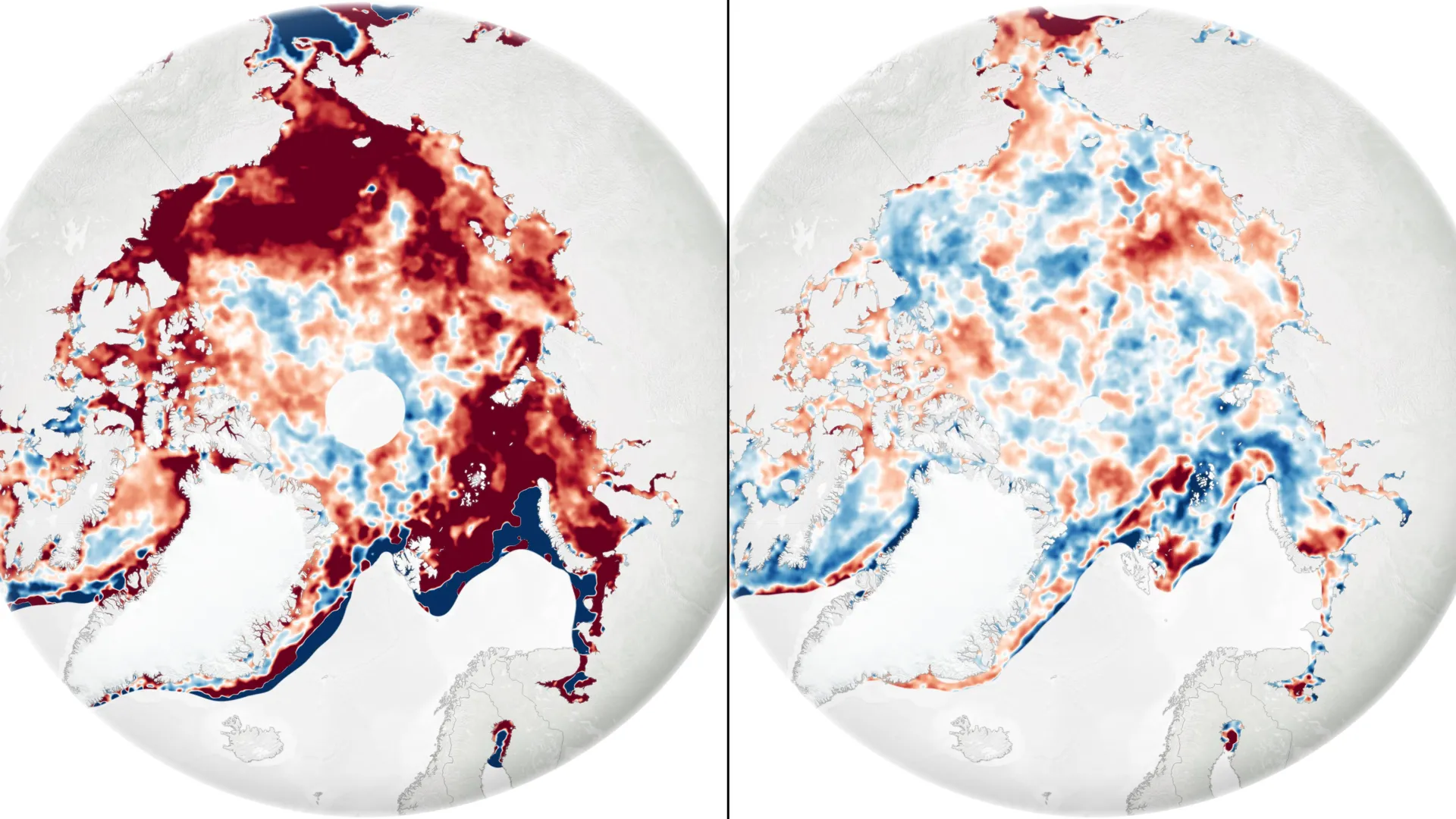
The Arctic sea ice melt season is roughly 40 days longer than it was in 1979, yet its rapid expansion unexpectedly leveled off around 2010. Scientists say changing clouds and increasingly thin ice may explain the pause, but continued Arctic warming could eventually trigger another period of rapid change.

πŸ“… 2026-09-23 11:39:23    β€’    ScienceDaily
Read Original Article β†’
Researchers find convenience, drinking water access and advertising drive global bottled water consumption
Science News

Researchers find convenience, drinking water access and advertising drive global bottled water consumption

Over 1 million plastic water bottles are bought globally every minute. That translates into more than 1.3 billion every day and more than 500 billion every year. That's a lot of plastic, and much of it winds up in human bodies and landfills. The long-term health implications are still unknown, but preliminary research shows risks to human health, with nano- and microplastics accumulating in our livers, kidneys and intestines.

πŸ“… 2026-09-23 11:00:05    β€’    Phys.org
Read Original Article β†’
Page 82of 160   β€’   3,830articles