Latest Science & Research News

Stay informed about scientific discoveries, research developments and new findings from around the world.

Latest News

View All β†’
Just 7 days of strength training started shrinking fat cells in mice
Science News

Just 7 days of strength training started shrinking fat cells in mice

Just seven strength-training sessions helped obese mice shrink visceral fat cells and reactivate molecular pathways involved in burning stored fat, despite no change in overall body weight. The findings suggest some benefits of resistance exercise may begin long before weight loss becomes visible, though the results still need to be confirmed in humans.

πŸ“… 2026-10-08 08:33:40    β€’    ScienceDaily
Read Original Article β†’
Scientists warn a popular vitamin D supplement may have a hidden downside
Science News

Scientists warn a popular vitamin D supplement may have a hidden downside

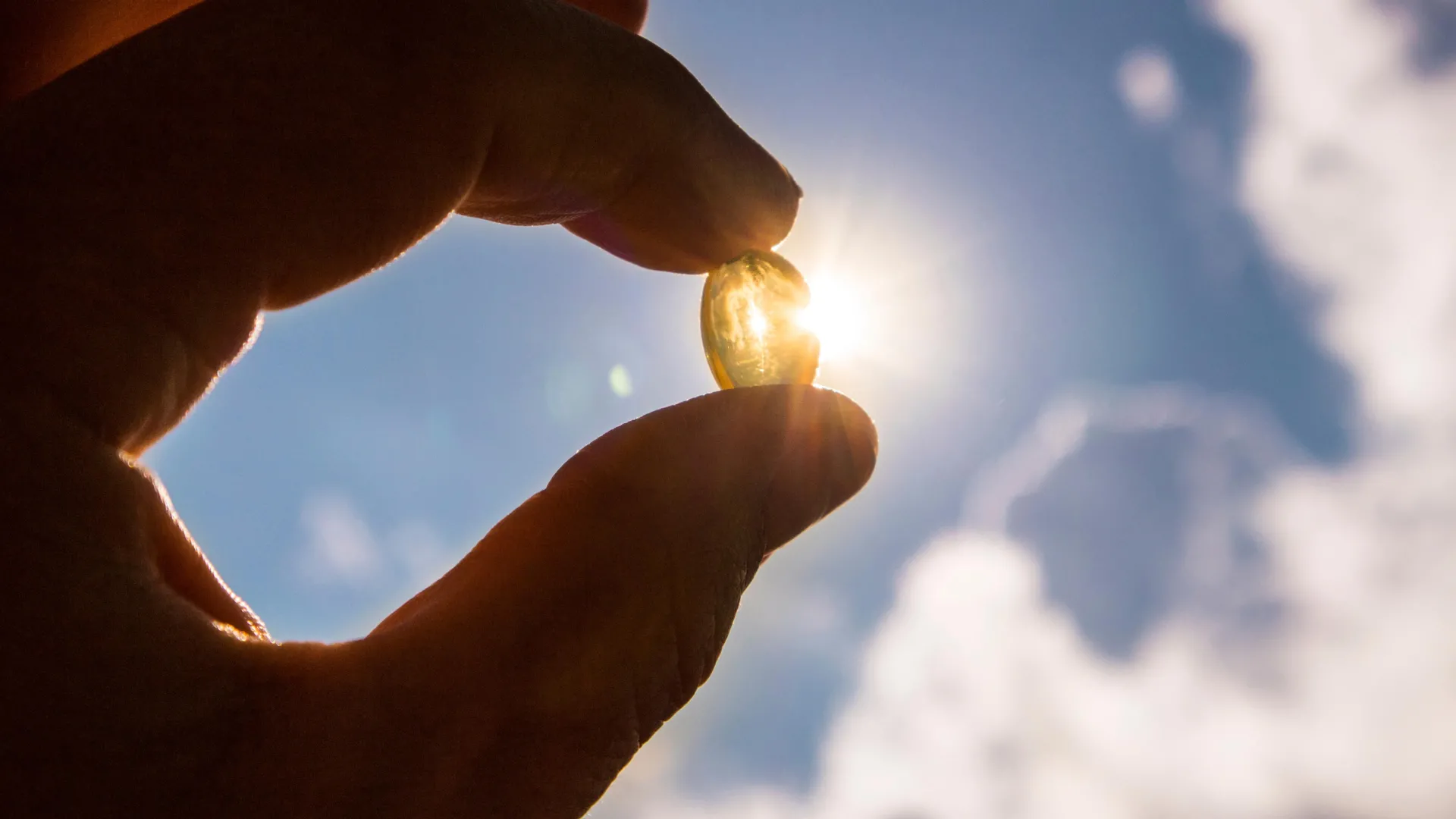
Not all vitamin D supplements are created equal, and new research suggests that one popular form may have an unexpected downside. Scientists found that taking vitamin D2 can actually lower the body's levels of vitamin D3, the form naturally produced by sunlight and more effective at boosting overall vitamin D. Previous studies also suggest that vitamin D3 may provide stronger immune protection against viruses and bacteria.

πŸ“… 2026-10-08 04:06:26    β€’    ScienceDaily
Read Original Article β†’
Working around men may make women feel worse about mistakes, study finds
Science News

Working around men may make women feel worse about mistakes, study finds

We all make them, and we all make them at work: Mistakes on the job happen regardless of line of work, experience or gender. How employees feel about them and how they are perceived by others, however, differs. Women are more likely than men to perceive mistakes negativelyβ€”but this depends on whom they share the office with, a new study in Frontiers in Organizational Psychology has shown.

πŸ“… 2026-10-08 04:00:05    β€’    Phys.org
Read Original Article β†’
Not all trans fats are bad, major review finds
Science News

Not all trans fats are bad, major review finds

A large analysis of 22 studies found that the trans fats naturally present in dairy foods such as milk, butter, yogurt, and cheese do not appear to raise the risk of heart disease or type 2 diabetes. Unlike industrial trans fats from partially hydrogenated oils, dairy trans fats showed no meaningful harmful effects on blood fats in controlled trials and were not linked to higher rates of heart disease, stroke, cardiovascular death, or diabetes in long-term studies.

πŸ“… 2026-10-08 03:00:54    β€’    ScienceDaily
Read Original Article β†’
Dads are dying after their kids are born, and almost no one is tracking it
Science News

Dads are dying after their kids are born, and almost no one is tracking it

A study of more than 130,000 babies born in Georgia found that hundreds of fathers died within the first five years of their child’s life, and about 60% of those deaths were potentially preventable. Homicide, accidental injuries, suicide, and drug overdoses accounted for most of the preventable deaths, highlighting what researchers call a major blind spot in public health.

πŸ“… 2026-10-08 02:05:55    β€’    ScienceDaily
Read Original Article β†’
Cross-border shopping dilutes public revenue less than previously thought
Science News

Cross-border shopping dilutes public revenue less than previously thought

Will higher sin taxes, and therefore higher prices, on candy, soft drinks and beer lead to more cross-border shopping? The answer is often assumed to be yes in the public debate, where one of the main arguments against sin taxes on unhealthy products has long been that higher prices will encourage more Danes to shop across the border.

πŸ“… 2026-10-08 02:00:01    β€’    Phys.org
Read Original Article β†’
Emotional ties to cultural heritage show strongest link to digital museum engagement
Science News

Emotional ties to cultural heritage show strongest link to digital museum engagement

Museums are increasingly using digital technologies to create more interactive and accessible experiences for visitors. Technologies such as three-dimensional (3D) digital models, virtual reality (VR) and augmented reality (AR) allow visitors to explore artifacts in new ways, both online and during visits to physical museums.

πŸ“… 2026-10-08 01:40:02    β€’    Phys.org
Read Original Article β†’
Digital finance research maps psychology, algorithms, and risk
Science News

Digital finance research maps psychology, algorithms, and risk

A study of almost 1,000 research papers in the field of digital finance has mapped out how technology, investor behavior and financial market risk are connected. The work identified three distinct foundations rather than a single framework, with implications for understanding how psychological factors influence financial decisions and how to develop viable algorithms that provide automated investment guidance.

πŸ“… 2026-10-08 01:20:02    β€’    Phys.org
Read Original Article β†’
Rising seas threaten the world's migratory shorebirds
Science News

Rising seas threaten the world's migratory shorebirds

Birds undertake some of the world's most impressive migrations, traveling hundreds to thousands of kilometers every year in search of safe breeding grounds and seasonally abundant food resources. For many birds, migration is the key to their success. However, migration can also make species more vulnerable to threats.

πŸ“… 2026-10-08 01:00:01    β€’    Phys.org
Read Original Article β†’
Stanford scientists turn a cancer driver into a kill switch
Science News

Stanford scientists turn a cancer driver into a kill switch

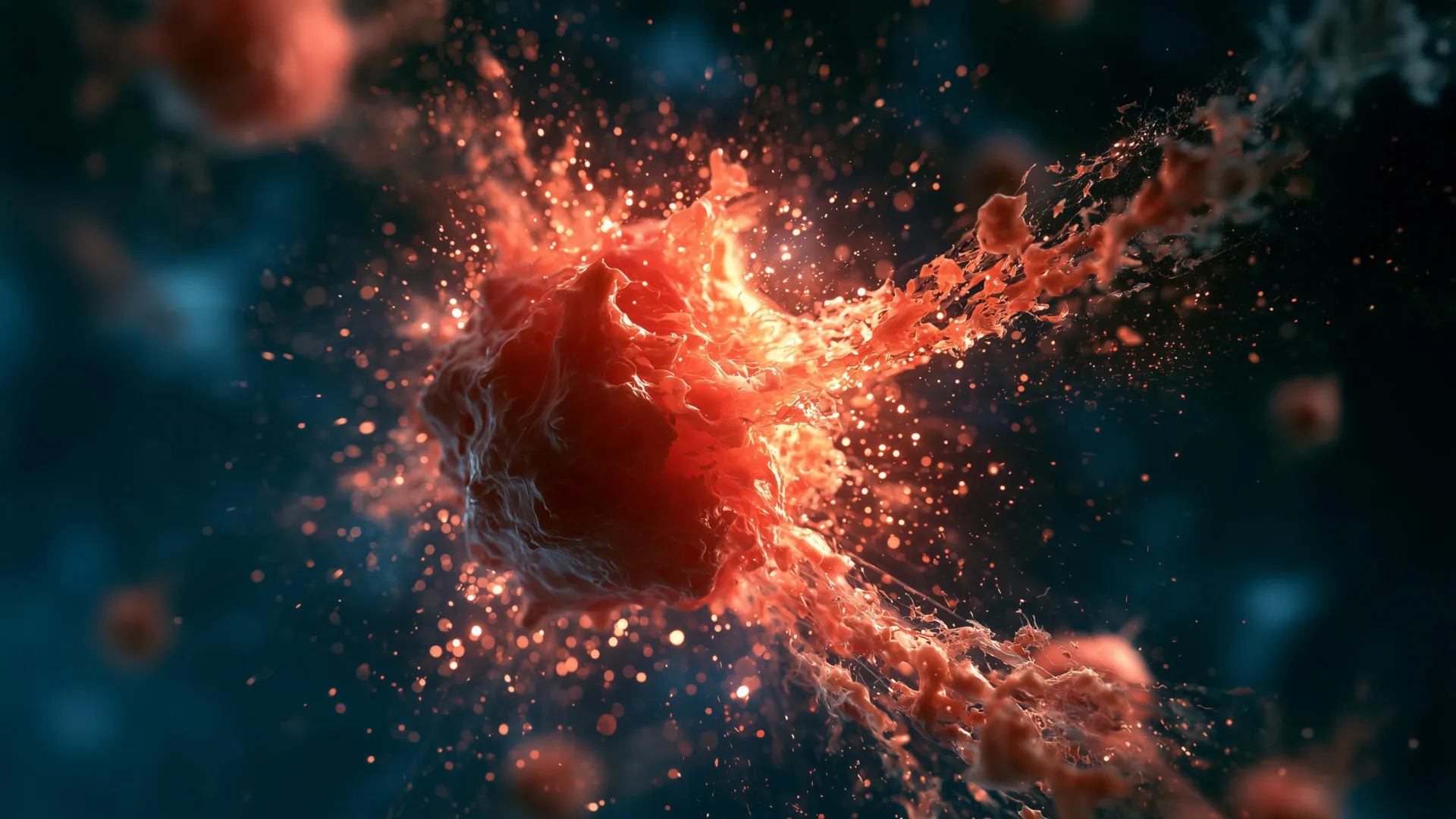
A Stanford-designed molecule turns a major lymphoma-promoting protein against cancer cells, activating their own self-destruct machinery instead of simply blocking tumor growth. In mice, the treatment completely eliminated aggressive human lymphoma tumors within 11 days, although much more testing is needed before it could reach patients.

πŸ“… 2026-10-08 00:52:42    β€’    ScienceDaily
Read Original Article β†’
Tiny photosynthetic organisms help transport carbon to the depths of the Baltic Sea
Science News

Tiny photosynthetic organisms help transport carbon to the depths of the Baltic Sea

Tiny photosynthetic organisms in the Baltic Sea can contribute substantially to the transport of carbon from surface waters to deeper parts of the sea. A new study from the Department of Ecology, Environment and Plant Sciences at Stockholm University shows that their ability to form colonies and aggregates is an important factor determining how much of their biomass sinks.

πŸ“… 2026-10-07 23:40:01    β€’    Phys.org
Read Original Article β†’
How a harmful bacterium senses ironβ€”and why it matters for fighting infections
Science News

How a harmful bacterium senses ironβ€”and why it matters for fighting infections

Pseudomonas aeruginosa is a common culprit in hospital-acquired bacterial infections and is growing more resistant to antibiotics. New findings from Aaron Smith, professor of chemistry and biochemistry at UMBC, and collaborators at Oklahoma State University show how a two-protein system inside the bacterium operates like a sensitive switch: The pair detects iron both outside and inside the cell and then rewrites large parts of the microbe's metabolism in response.

πŸ“… 2026-10-07 23:20:06    β€’    Phys.org
Read Original Article β†’
Superbug P. aeruginosa uses two protein plugs to seal channels against antibiotics
Science News

Superbug P. aeruginosa uses two protein plugs to seal channels against antibiotics

A joint research team has identified a new mechanism underlying antibiotic resistance in Pseudomonas aeruginosa, a major multidrug-resistant "superbug." The discovery provides important clues for the development of new treatments for multidrug-resistant bacterial infections. The findings are published in the journal Nature Communications.

πŸ“… 2026-10-07 23:00:01    β€’    Phys.org
Read Original Article β†’
Chain reaction that begins when tumor suppression gene is switched off offers clues to how cancer develops
Science News

Chain reaction that begins when tumor suppression gene is switched off offers clues to how cancer develops

A tumor suppressor gene known as p53 is mutated in more than half of all cancers, but how it acts to prevent cancer formation is largely unknown. A study by UT Southwestern Medical Center researchers sheds light on this phenomenon by showing what happens when p53 becomes disabled, revealing the gene's diverse roles in maintaining healthy metabolic activity, repressing mobile genes called retrotransposons and preventing cells from adopting features of sperm and eggs.

πŸ“… 2026-10-07 22:40:04    β€’    Phys.org
Read Original Article β†’
Page 40of 159   β€’   3,800articles