5 dead as Hurricane Simon, Rachel pummel Mexico's Pacific coast
Rains and flooding along Mexico's Pacific coast from Hurricane Simon and Tropical Storm Rachel have left five people dead, authorities said Monday.
Stay informed about scientific discoveries, research developments and new findings from around the world.
Rains and flooding along Mexico's Pacific coast from Hurricane Simon and Tropical Storm Rachel have left five people dead, authorities said Monday.
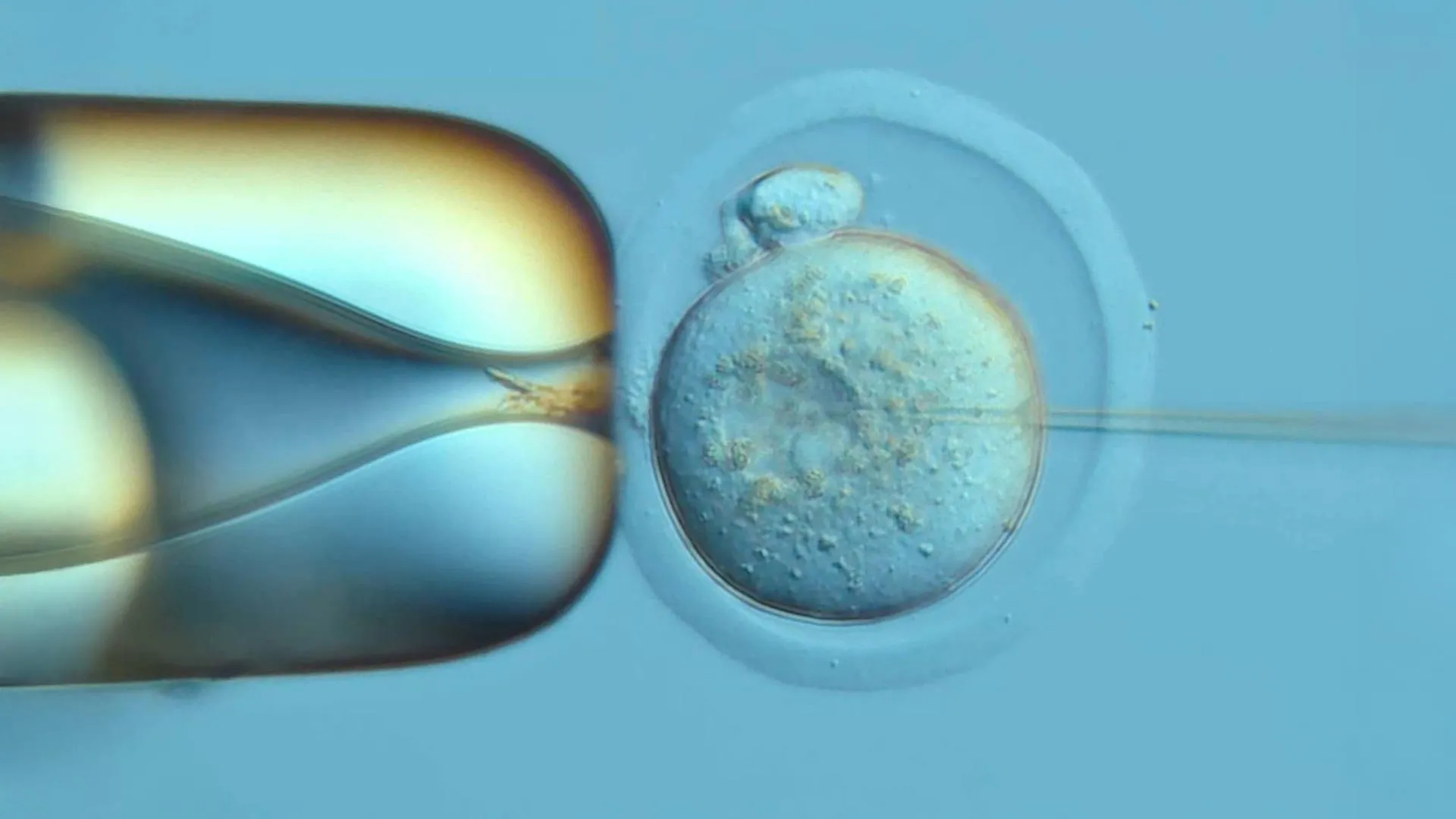
Scientists have traced the development of a mouse embryo from its first two cells to the formation of organs, using a remarkable DNA recording system that reveals the family history of individual cells. Their findings uncover how different cell types emerge on their own schedules and could help explain what goes wrong in birth defects, genetic disorders, and cancer.
Indonesian authorities on the tourist island of Bali released 20 protected green sea turtles back into the ocean Tuesday after they were found and seized on an empty boat seemingly abandoned by wildlife smugglers fleeing a police raid.
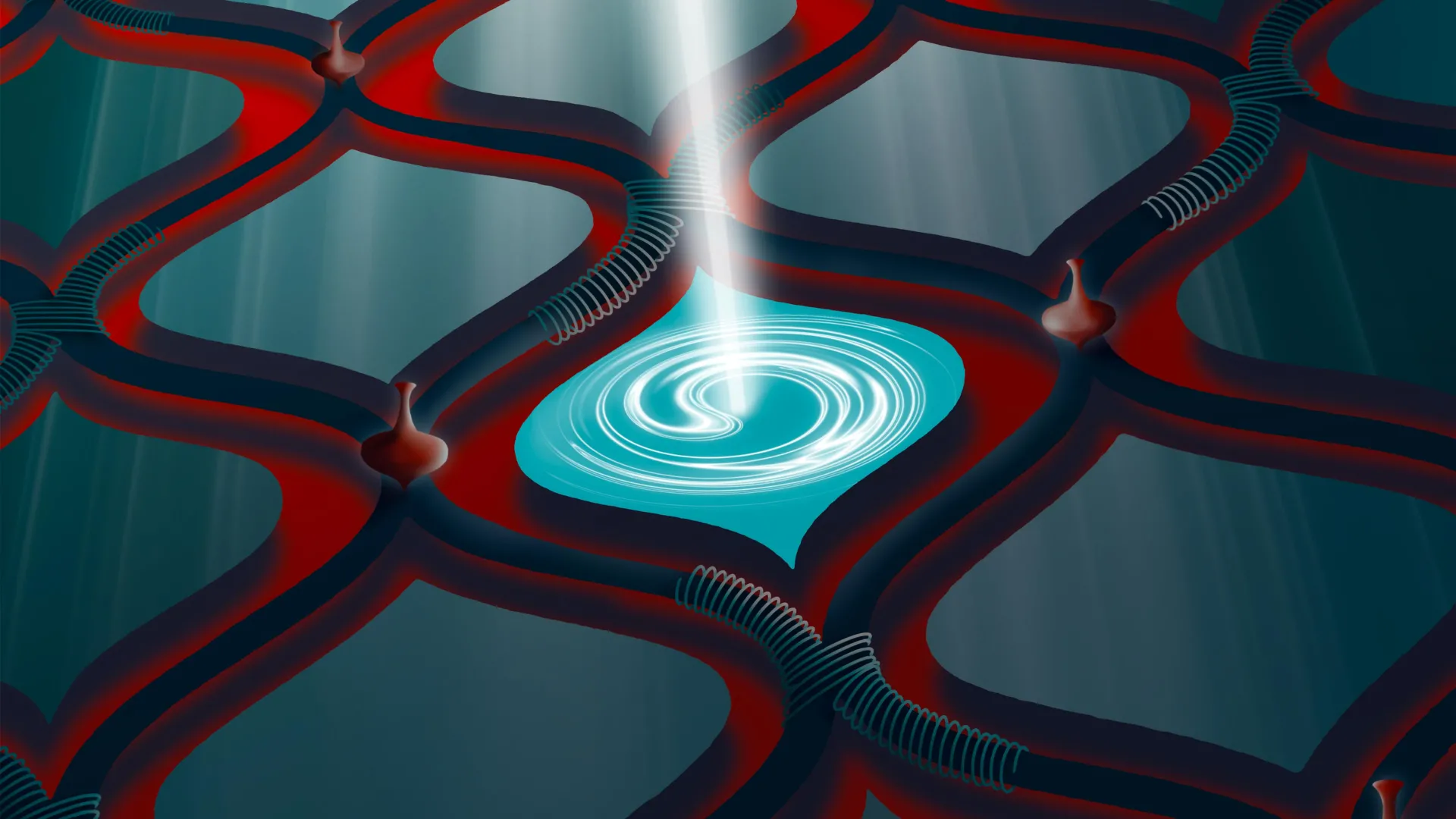
Oxford physicists have recreated a bizarre quantum effect in which a particle responds to a magnetic field without ever traveling through it. Using a hybrid quantum computer, they demonstrated how introducing a simulated magnetic flux could completely halt a particle's movement through quantum interference. The experiment brings a decades-old prediction into a new setting where matter and quantum fields influence one another.
Your daily routine could have a bigger impact on your ability to handle stress than you realize. A Binghamton University study of approximately 400 college students found that eating breakfast regularly, exercising, sleeping well, and taking fish oil were associated with greater psychological flexibility, which helps people adapt to stressful situations. Poor sleep and unhealthy eating habits, meanwhile, were linked to lower flexibility and resilience.
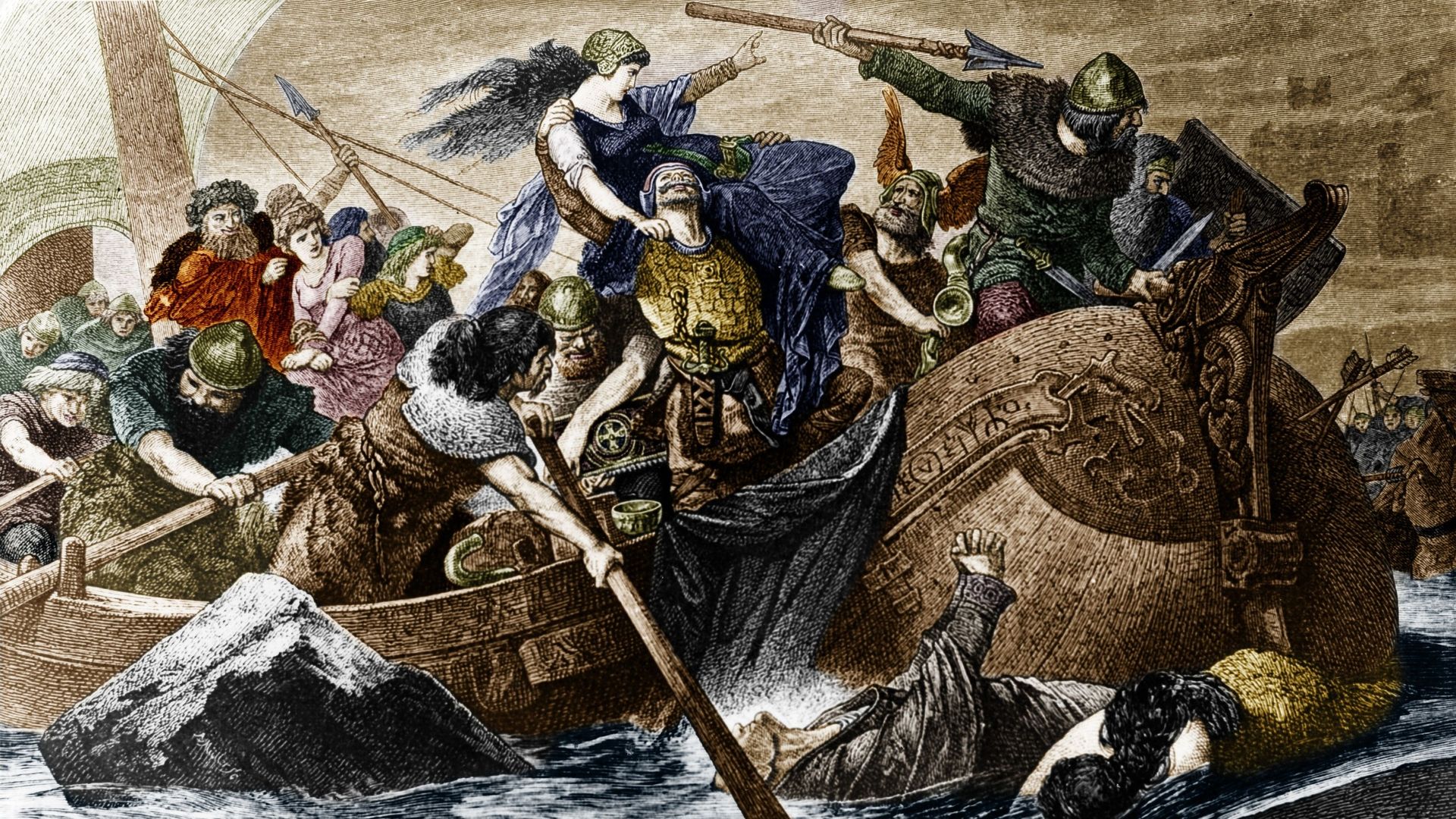
Slavery has existed for thousands of years, permeating ancient and modern societies across the world. The Vikings were no different. Enslaved people were valuable commodities, being captured and then traded across the Vikings' vast networks. Legal texts and written sources show how enslaved people were sold at trading centers in the same vein as cattle. In this excerpt from "The Sea-King and the Sorceress: Life and Death in the Viking Age" (Basic Books, 2026), author and archaeologist Neil Price looks at the horrific lives of the "thralls" β the Viking term for the enslaved. In it, he highlights the inhumane treatment of enslaved people, from the raids to kidnap people into the slave trade t...
In the early medieval period, the Vikings were just one part of a vast tapestry of Scandinavians who ruled, sailed, traded and fought around the world, from North America to Asia. In his new book, "The Sea-King and the Sorceress: Life and Death in the Viking Age" (Basic Books, 2026), author Neil Price, professor and chair of archaeology at Uppsala University in Sweden, reveals the true diversity and complexity of people who lived during the Viking Age (often dating from A.D. 793 to 1066). Price investigates more than 20 burials from the Viking Age, lingering on details that can tell us about these individuals and their world. He also shines a light on frequently overlooked groups, including ...
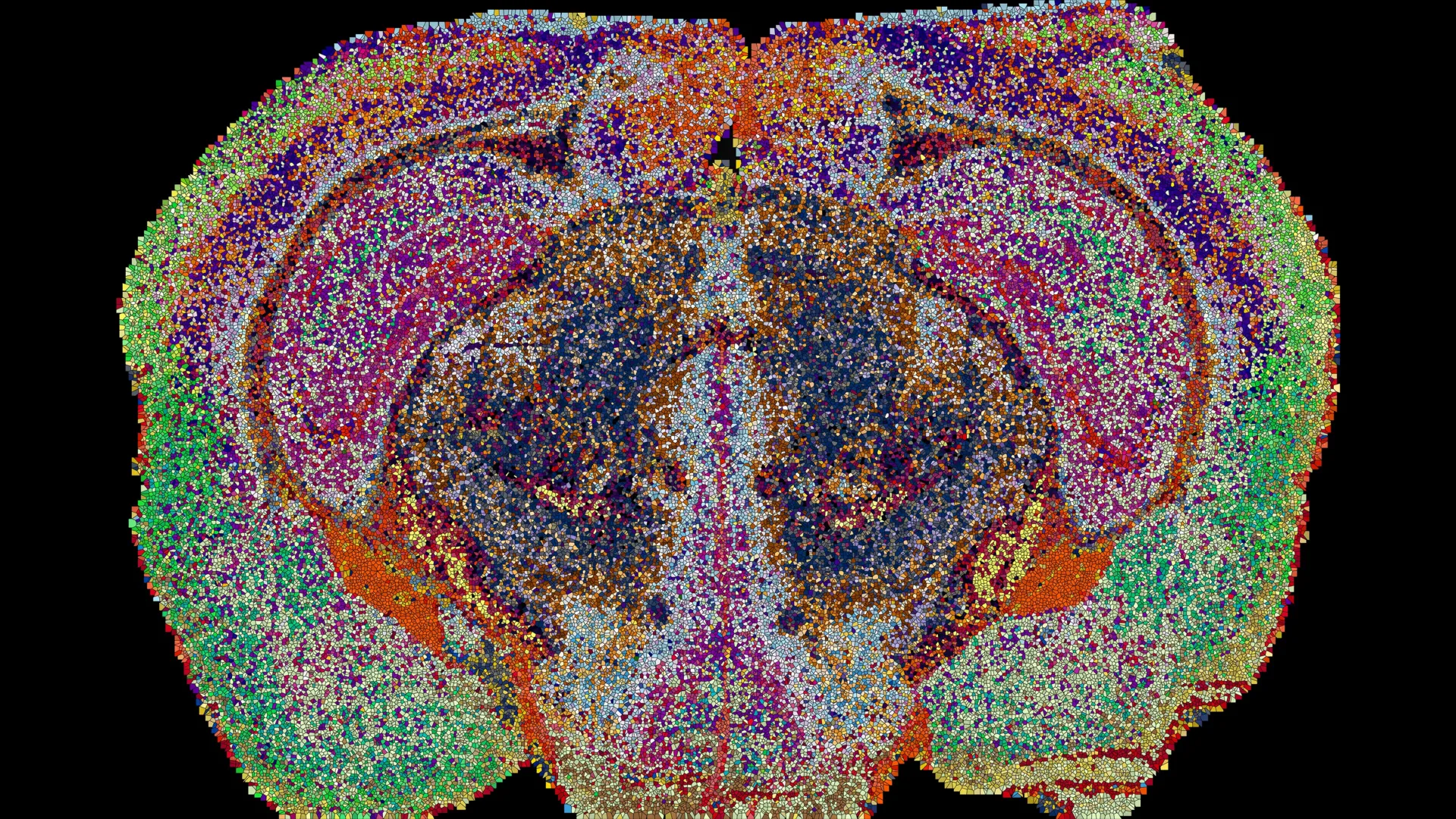
Scientists have uncovered a hidden layer of organization in the brain by creating the first detailed 3D map of its lipids, the fatty molecules essential for brain structure and communication. By analyzing millions of measurements from mouse brains, researchers identified 539 distinct chemical zones, revealing patterns and boundaries that traditional brain maps have missed. Surprisingly, even white matter, once thought to be relatively uniform, contains a complex patchwork of chemically distinct regions.
Scientists have uncovered a surprising hidden ability of light that allows it to develop spinning, twisting behavior as it travels through empty space, without special lenses, mirrors, or materials. Researchers discovered that lightβs internal geometry can naturally produce left- and right-handed patterns, challenging long-standing assumptions about how light behaves. By carefully arranging a beamβs structure, scientists can control where and how these spinning patterns emerge, unlocking a new way to manipulate light.
A century of recipes published in the magazine Good Housekeeping reveals how the variety of seafood presented to U.K. readers has "narrowed," new research shows.
Not every snakebite injects venom. When venom enters the body, however, it can cause snake envenoming. This is a potentially fatal condition that mostly affects poor rural communities across tropical and subtropical regions where people don't have easy access to medical care.
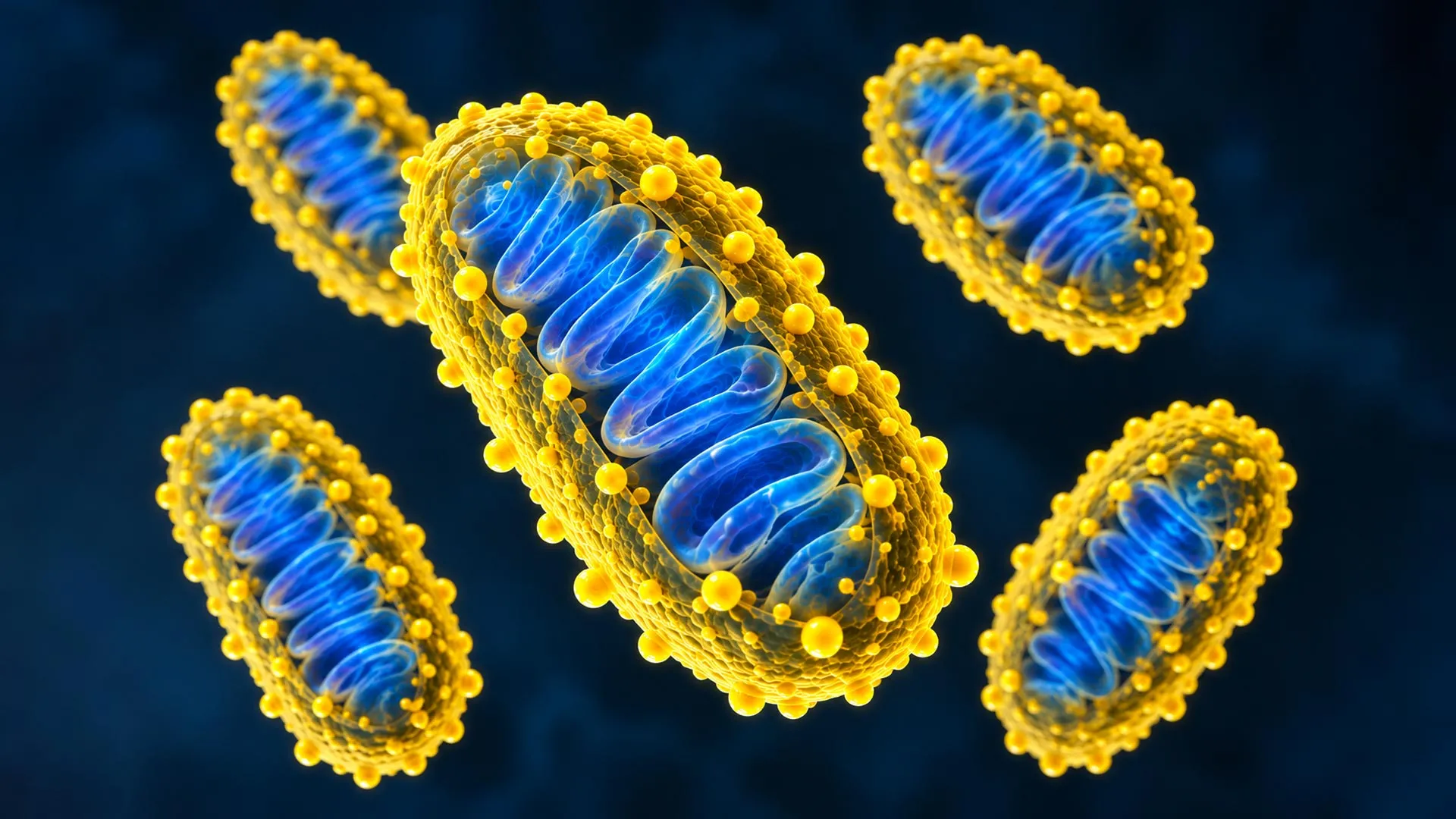
Scientists have created a new coating for mitochondria that preserves their ability to produce energy, potentially opening the door to new treatments for diseases involving these tiny cellular powerhouses. The technology could one day help transfer healthy mitochondria into damaged cells, although its effectiveness in transplantation remains unproven.
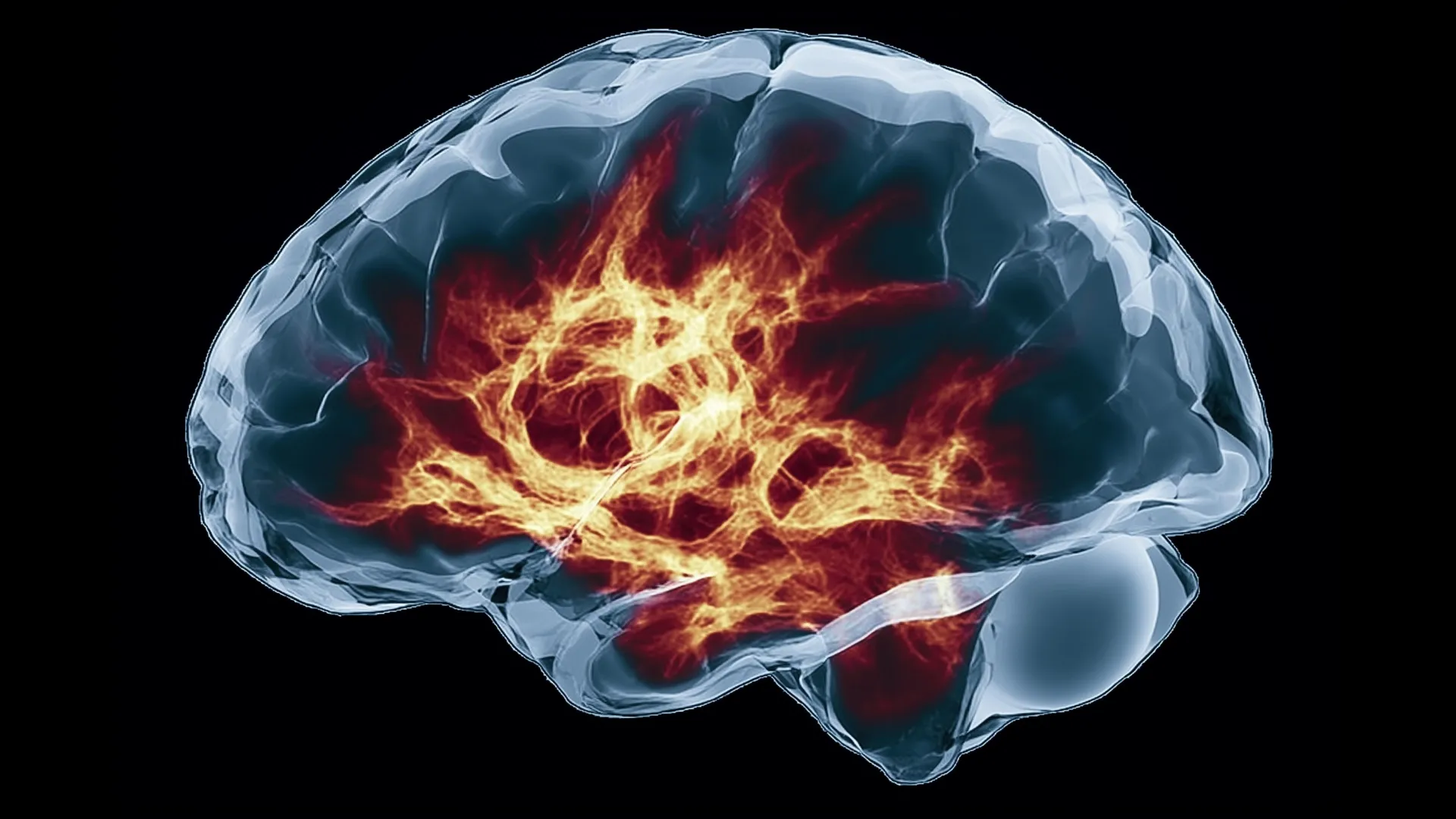
The FDA has approved the first drug that directly targets Alexander disease, a devastating neurological disorder affecting fewer than one in a million people. Developed through decades of research, Zanvastro showed promising results in clinical trials, stabilizing motor function and even improving movement in some patients.
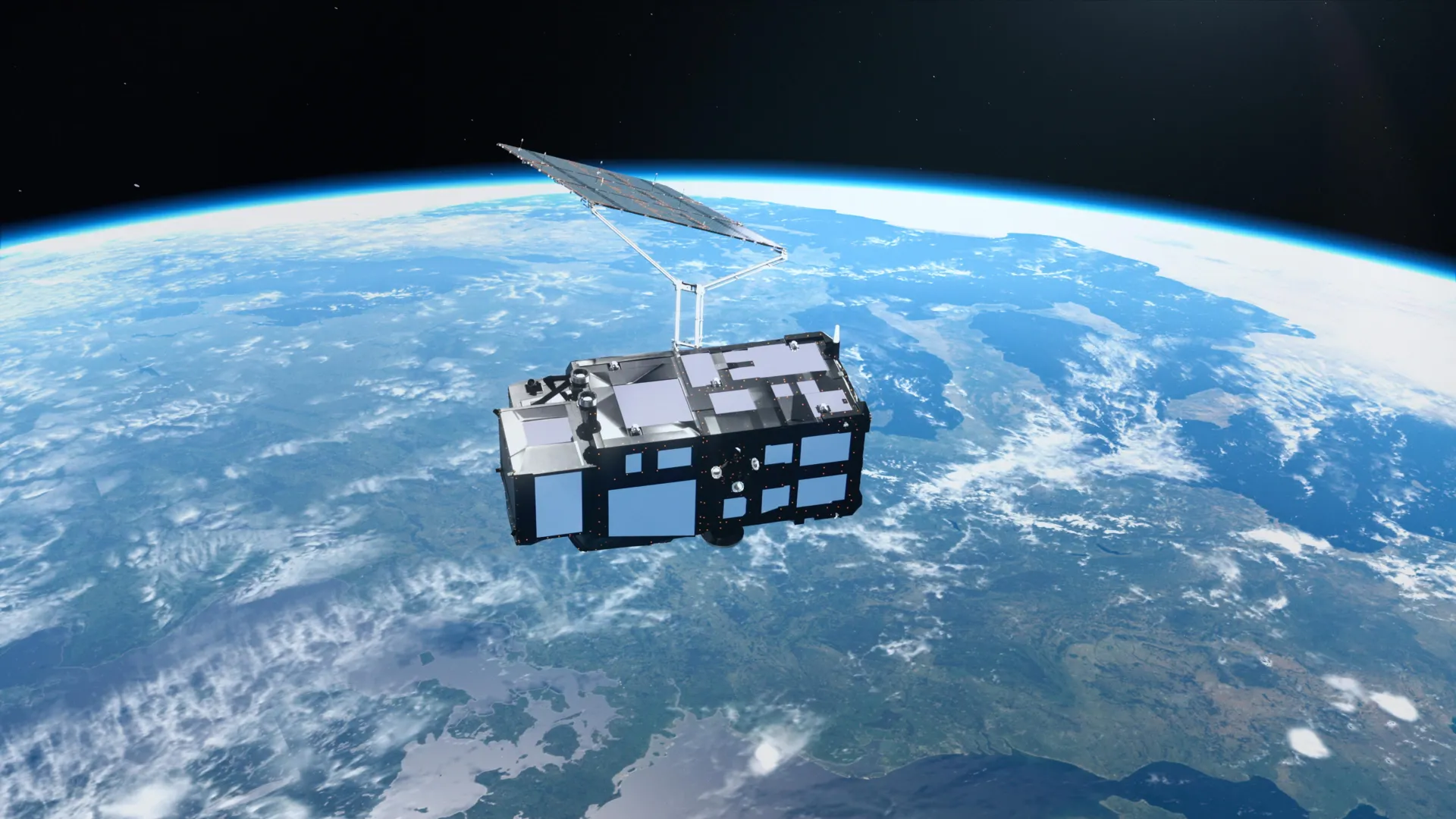
Europe's Sentinel-3C satellite has returned breathtaking images of Earth just two weeks after launch, revealing the snowy Alps, frozen Arctic islands, and brilliant turquoise Caribbean waters. Its first measurements also show promising results for tracking rising seas, melting ice sheets, and other changes reshaping our planet.
The humble amino acid glycineβthe simplest of all amino acidsβis everywhere. The human body produces it, and it helps make up our skin, bones and ligaments. It's found in meats like beef and has even been discovered in comets returned from outer space.
Recent research shows that gravity and quantum information are deeply connected and that the shape of spacetime can be traced back to the way information is stored in quantum fields.
The first definitive evidence of when post-Roman lead production began in one of Europe's largest medieval lead-producing regions, the Derbyshire Peak District in central England, has been uncovered by archaeologists after centuries of mining had erased much of the archaeological evidence. The work has been published in Antiquity.
Magnetic fields are invisible yet essential components in technologies ranging from MRI scanners and particle accelerators to atomic clocks and future quantum computers. Each of these applications requires magnetic fields with specific shapes and properties. Today, creating such tailored magnetic fields requires researchers and engineers to design specialized, carefully optimized magnets or large systems of coils for each individual applicationβa complex and resource-intensive process.
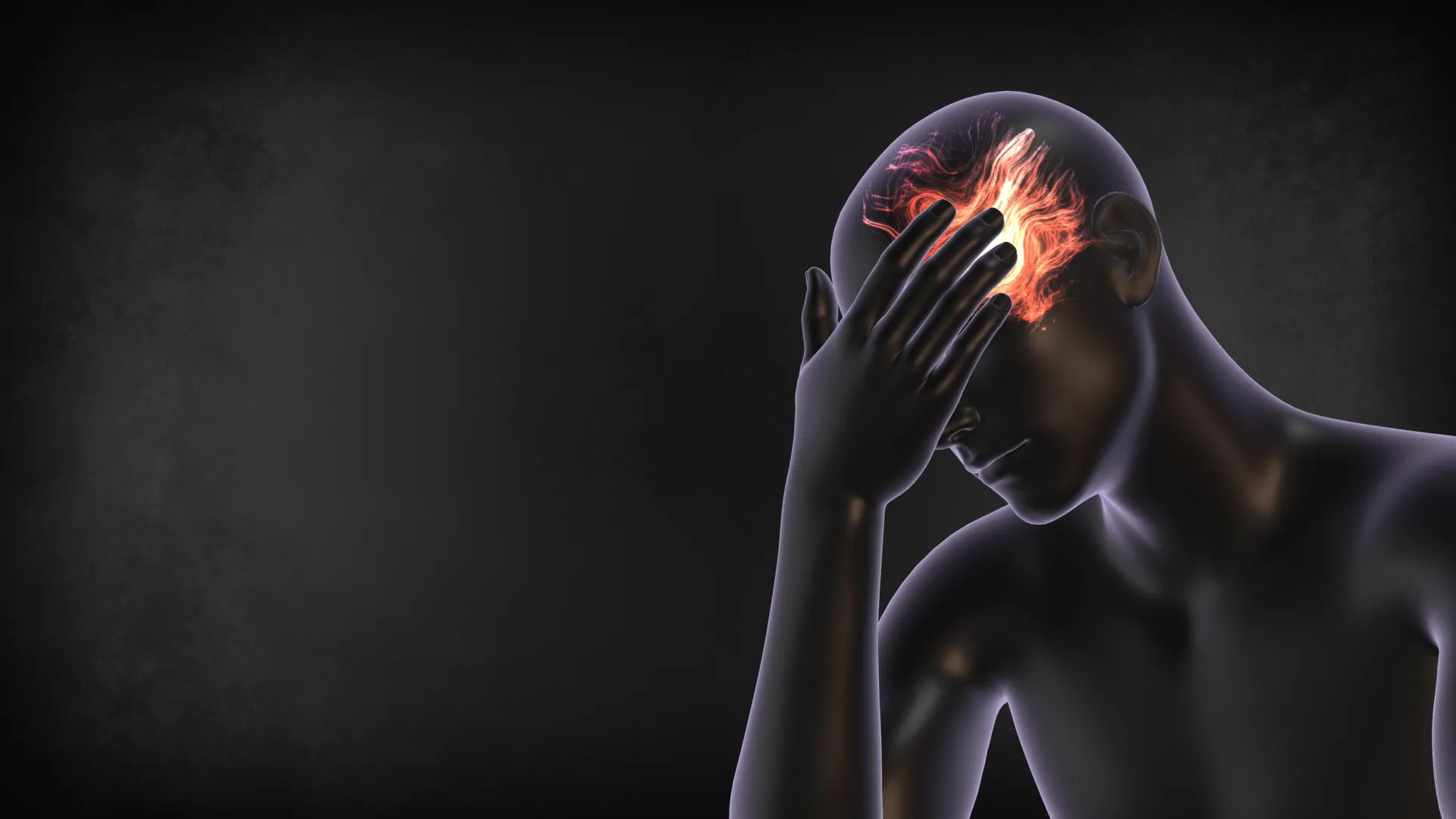
Excessive smartphone use may be taking a hidden toll on the brain and body, with heavy scrolling linked to poorer memory, reduced attention, disrupted sleep, and potential balance problems. Researchers found that weak self-control and fear of missing out, rather than personality alone, are key factors behind problematic phone use.
A new antiviral defense system discovered by Columbia scientists could be adapted in the future into a gene editor that slows down aging in our cells and improves cancer therapies. At the same time, the discovery also sheds light on an ancient event in evolution that may have helped set the stage for the emergence of higher organisms.
Elections across the world faced a wide range of pressures on electoral integrity in 2025, from violence and misinformation and disinformation to electoral management malfunctions, cyberattacks and natural hazards, according to a new report.
Parkinson's disease (PD) is one of the most common neurological disorders associated with later life, and its prevalence rises sharply with age. It affects the brain systems that control movement, often causing tremor, stiffness, slowness and problems with balance, all of which can reduce independence and quality of life in older adults. The condition is mainly linked to the gradual loss of dopamine-producing nerve cells.
A material thinner than a human hair may foster faster computing devices that demand less energy and store more data, according to a multi-institutional team led by researchers in the Penn State College of Earth and Mineral Sciences.
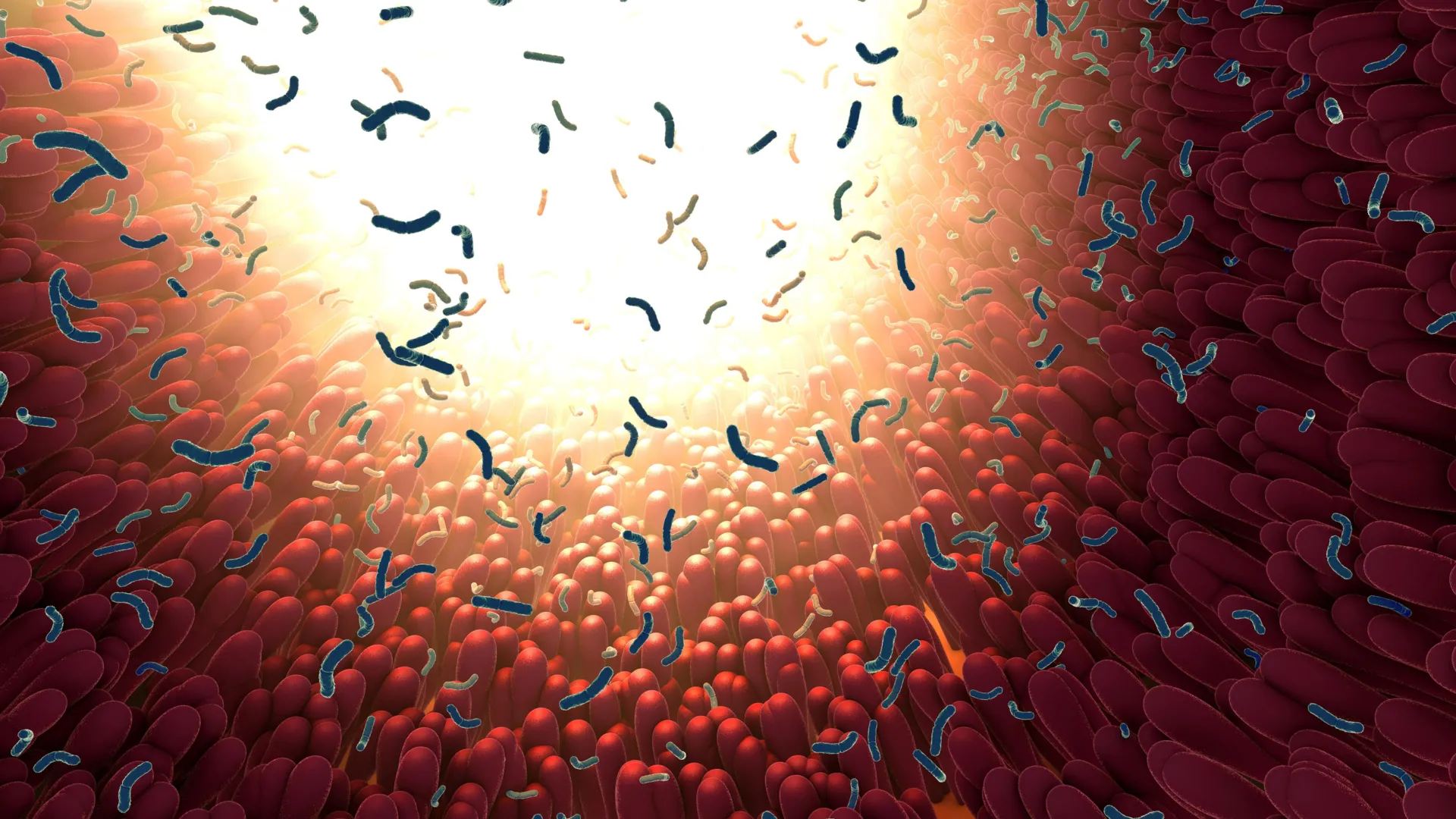
Scientists have developed a model showing that gut bacteria play a surprisingly important role in how many calories we absorb, meaning food labels may not tell the full story. In a controlled study, people eating a high-fiber diet absorbed about 116 fewer calories per day than those eating a typical Western diet, without feeling hungrier.