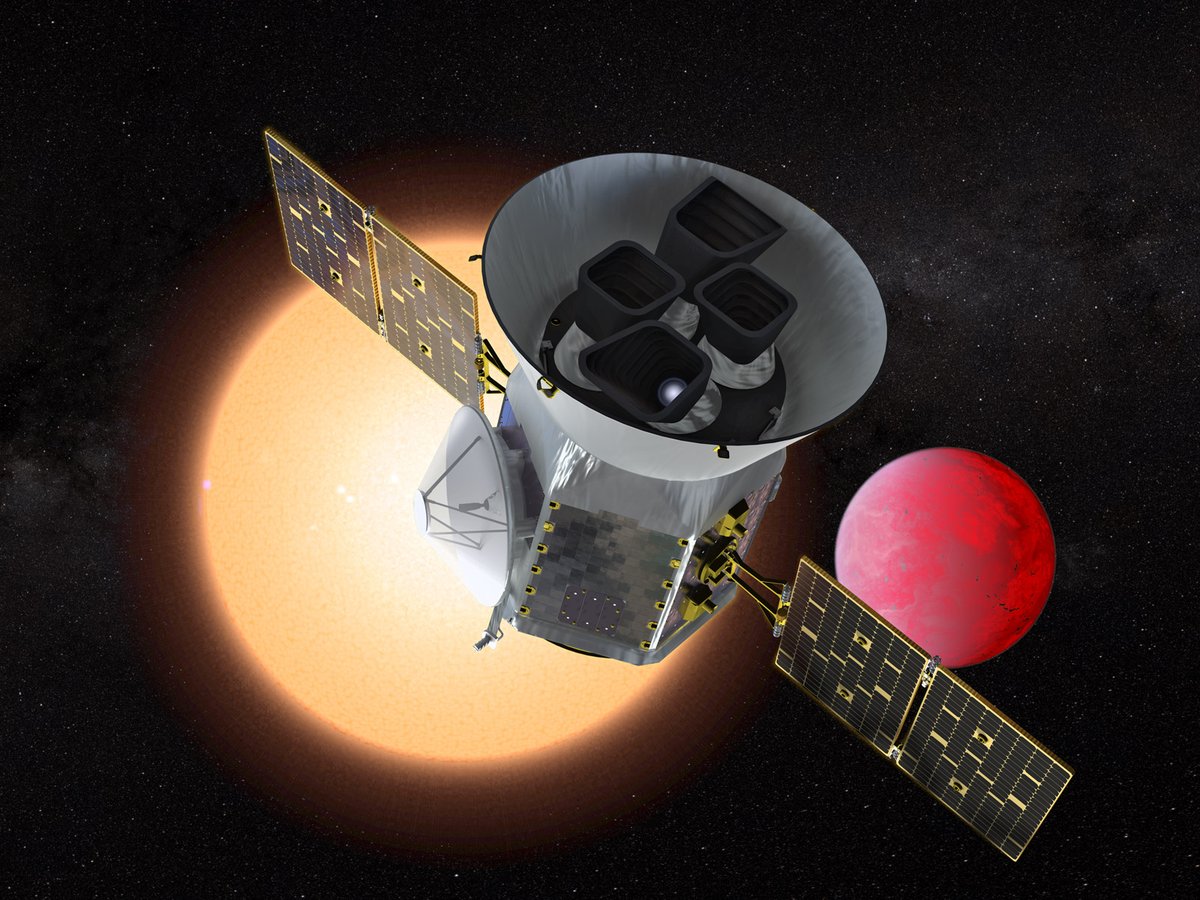
Amateur astronomer harnesses AI to find a possible hidden exoplanet
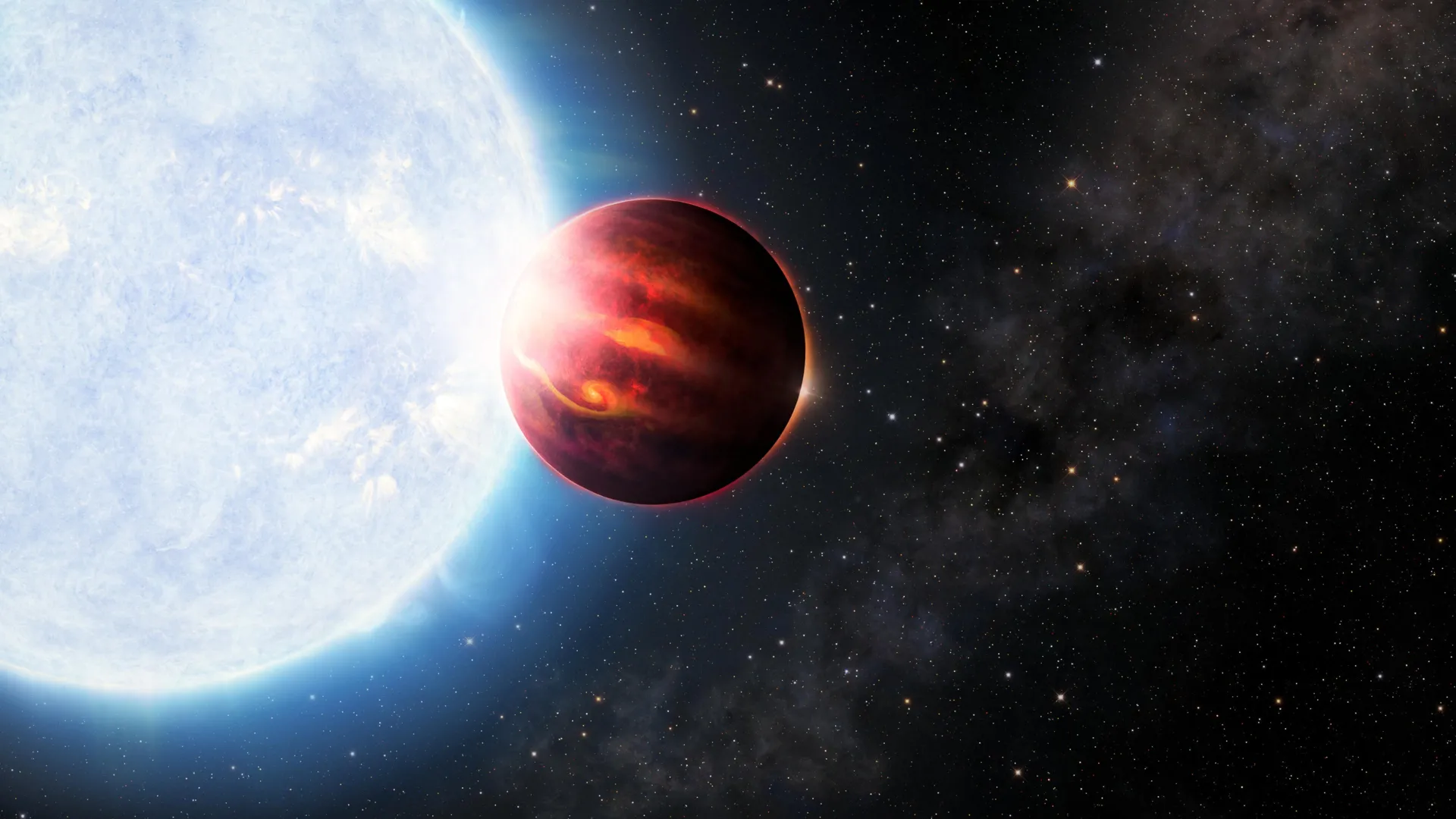
Evidence for this possible super-Earth has been lurking for years in NASA data. Pavel Rabtsevich found itโwith a little help from AI
Stay informed about scientific discoveries, research developments and new findings from around the world.
Evidence for this possible super-Earth has been lurking for years in NASA data. Pavel Rabtsevich found itโwith a little help from AI
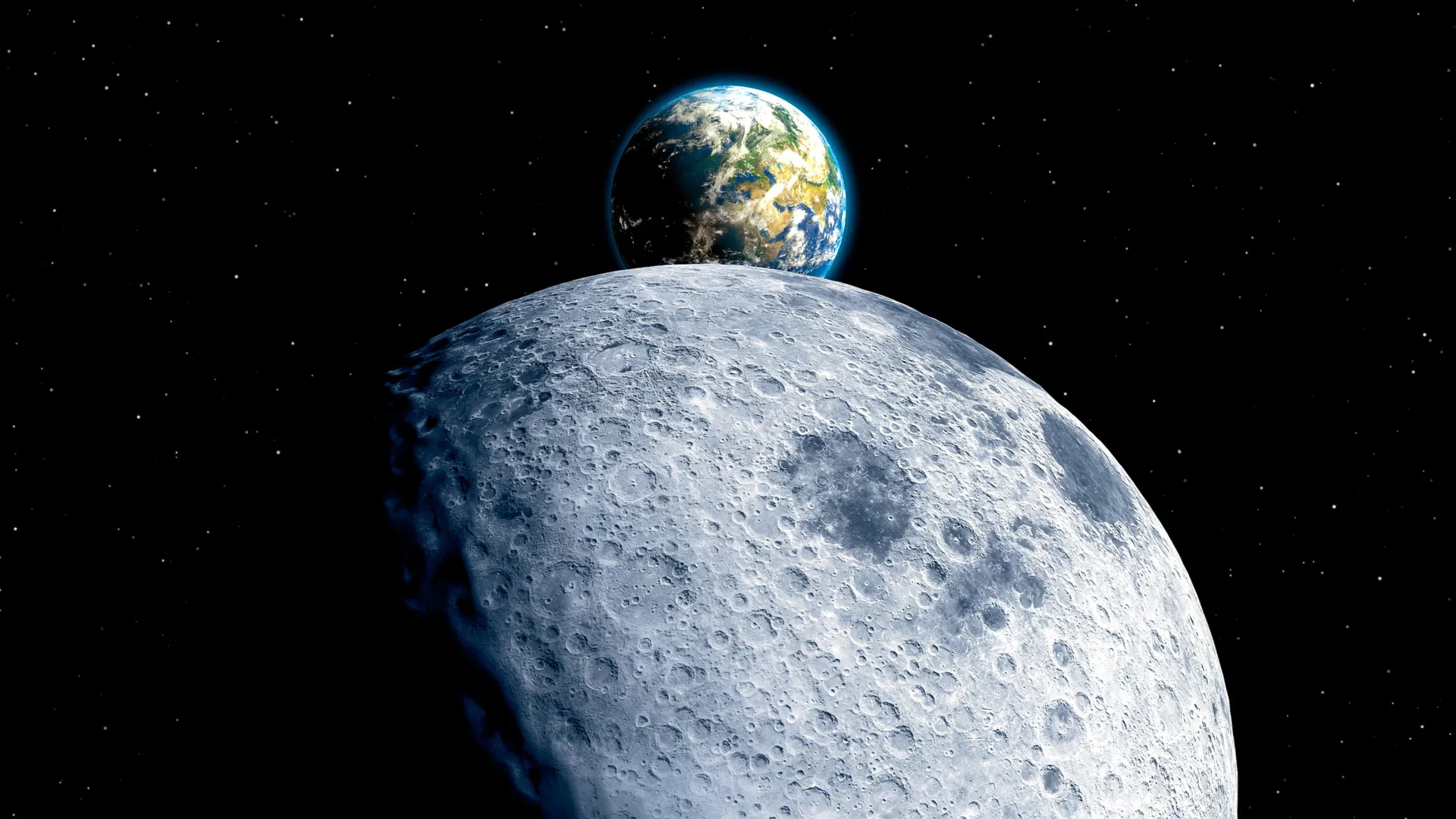
Scientists may have solved a long-standing mystery about why the Moonโs two sides are so different, using samples collected from its farside for the first time. Their findings suggest that uneven heating from Earth's gravitational pull drove enormous flows of ancient magma, creating the dramatically different lunar landscapes we see today.
Scientists have discovered a protein that may help harmful aging cells hide from the immune system, allowing them to accumulate and fuel age-related health problems. Blocking the protein in mice reduced these cells and inflammation while improving blood sugar regulation and strength, offering a promising new direction for anti-aging research.
The patient: A 16-year-old girl in CaliforniaThe symptoms: The teenager was referred to an emergency department because she was having hallucinations, including seeing a flying green dinosaur and hearing voices telling her to hurt others. She also had a sense that she was being followed.In the emergency room, she was trembling and sweating and had a racing pulse and shallow, fast breathing. She did not have a fever, although she did have one at the hospital that had referred her.During her conversations with ER clinicians, the teen reacted to the vision of the dinosaur as though the creature were present in the room. She reported that she had experienced these hallucinations since seventh gr...
The large language model took less than a day to identify the curious stretch of DNA
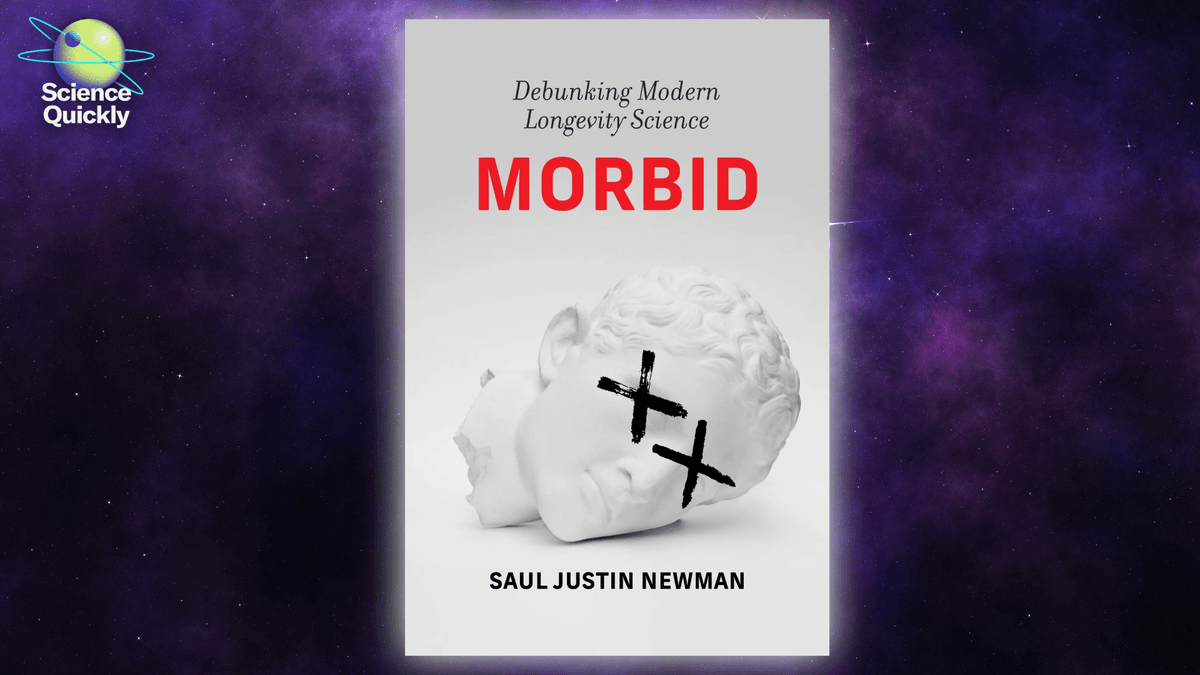
The data behind Blue Zones might not be that strong
Deforestation slowed worldwide last year, but the improvement is unlikely to last as the situation deteriorates in Central Africa and an exceptionally strong El Niรฑo weather pattern intensifies, a new study said on Wednesday.
Until now, the alien white-hot worlds of exoplanets have been depicted as circular, but new research has revealed the true shape of their atmospheres to be a deformed sphere rather than a perfect circle.
The two warmest time periods on Earth in the past 140 million years drove both mass extinctions and explosions in plant diversity, according to researchers in Australia and Austria who say this could explain how flowering plants became dominant among land plants. The study, published in Nature Plants, examined fossilized pollen and spores to show that the mid-Cretaceous and early Cenozoic periods of extreme global warmth were central to plant evolution. This applies not only to flowering plants, but also to the other main land plant groups.
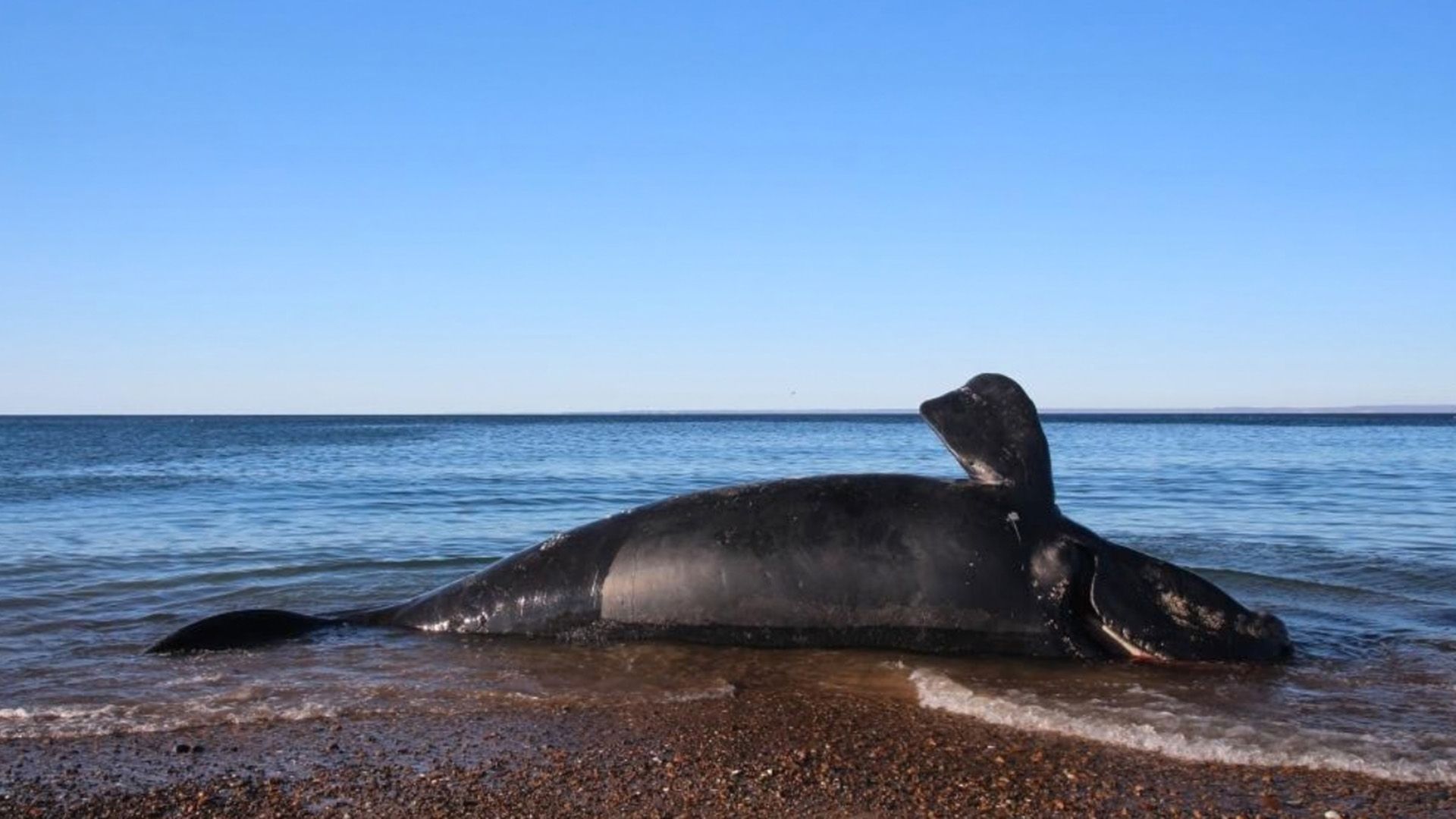
Since June, more than 300 southern right whale (Eubalaena australis) calves have died in Argentine Patagonia, in what scientists describe as an "exceptional" die-off. The preliminary figure already far exceeds the previous annual record set in 2012, when 113 southern right whale calves died โ the highest number ever documented for the species, both locally and globally.Now, scientists are racing to figure out exactly what's causing the record-breaking die-off. Laboratory analyses of specimens that died this year tested positive for the pathogenic bacterium Erysipelothrix rhusiopathiae, environmental authorities in Chubut province told Live Science. E. rhusiopathiae was first identified in so...
A massive prehistoric snake discovered in India may have rivaled the largest snake ever known. Called Vasuki indicus, the 47-million-year-old giant could have reached up to 50 feet long, making it comparable to the legendary Titanoboa. Scientists believe its enormous body made it a slow-moving ambush predator, similar to a modern anaconda.
A promising new treatment for knee arthritis uses tiny, dissolvable particles to block abnormal blood vessels, easing inflammation and pain without joint replacement surgery. In a study of 194 patients, 80% experienced clinically meaningful pain relief lasting at least 12 months.
Multiple coveys of wild bobwhite quail were recently sighted at the University of Tennessee's Ames AgResearch and Education Center, marking an encouraging milestone in an ongoing effort to restore habitat for the species at this historic bird dog field trial destination.
A new study reveals that people draw a surprisingly sharp line between human consciousness and artificial intelligence, even when both behave identically. Researchers found that participants considered even the most responsive AI less conscious than the least responsive human. Yet when asked about "awareness" instead, people judged humans and AI much more similarly.
Lilly Jan was perplexed and a little annoyed. Last year, Jan, an assistant teaching professor in the Cornell Nolan School of Hotel Administration in the Cornell SC Johnson College of Business, was trying to collect information on food industry businesses owned by Black women.
Astronomers have discovered that a scorching-hot planet 320 light-years away shares a striking chemical similarity with its host star, providing the first direct evidence for a fundamental assumption about planet formation. The breakthrough could help scientists predict what distant rocky planets are made of and identify worlds with conditions favorable for life.
With spring underway and the weather warming, reptiles are on the move in suburbs, parks and scrubland across Australia. Snake catchers and wildlife caregivers are responding to calls for help, and reptile enthusiastsโknown as "herpers"โare heading outdoors in search of their next sighting.
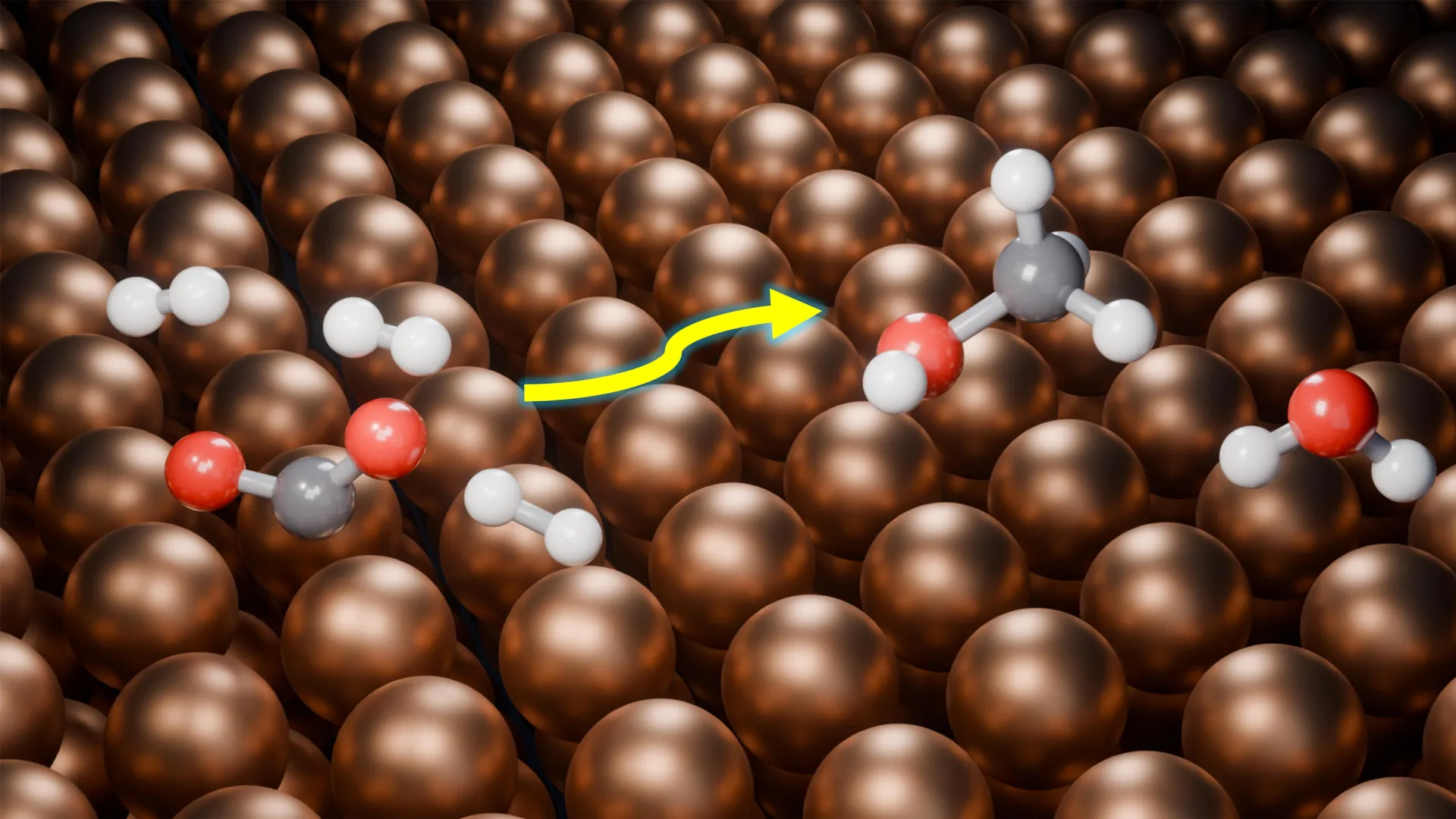
Scientists used artificial intelligence to uncover nearly 10,000 chemical reactions involved in transforming carbon dioxide into fuels and chemicals, revealing crucial pathways that traditional models had missed. The discovery dramatically improved predictions of CO2 conversion and uncovered a surprising hydrogen reaction that could inspire more efficient catalysts.
Researchers at Friedrich Schiller University Jena and the University of Regensburg have developed a method for determining, using light, a quantum property of electrons that has hitherto been difficult to access. The focus is on what is known as Berry curvatureโa quantity that describes certain geometric properties of the quantum mechanical states of electrons. The researchers measured it in a layer of the semiconductor tungsten diselenide, just one atomic layer thick, using ultrashort laser pulses. The results have been published in the latest issue of the journal Nature Photonics.
Deep in the forests of Yunnan, China, scientists have discovered a "fungal giant" that challenges our understanding of how large fungi can become. The newly described species, Dianjunus rex, produces vertical fruiting bodies up to 50 cm (20 inches) high and weighing up to 2.2 kg (4.9 pounds)โthe largest known within the phylum Ascomycota.
A new species of dinosaurโa long-clawed predator the size of a large tigerโhas been discovered by a UCL-led team from a fossil found on the Isle of Wight. The dinosaur, described in a new paper in the journal Royal Society Open Science, belongs to a group of agile, two-legged carnivores called megaraptorans and is the first of this group to be found in Europe.
People who are better at noticing fine details in soundโan ability known as auditory precisionโcan master the pronunciation of new languages faster and more accurately than other learners, a new study published in the Journal of Experimental Psychology finds.
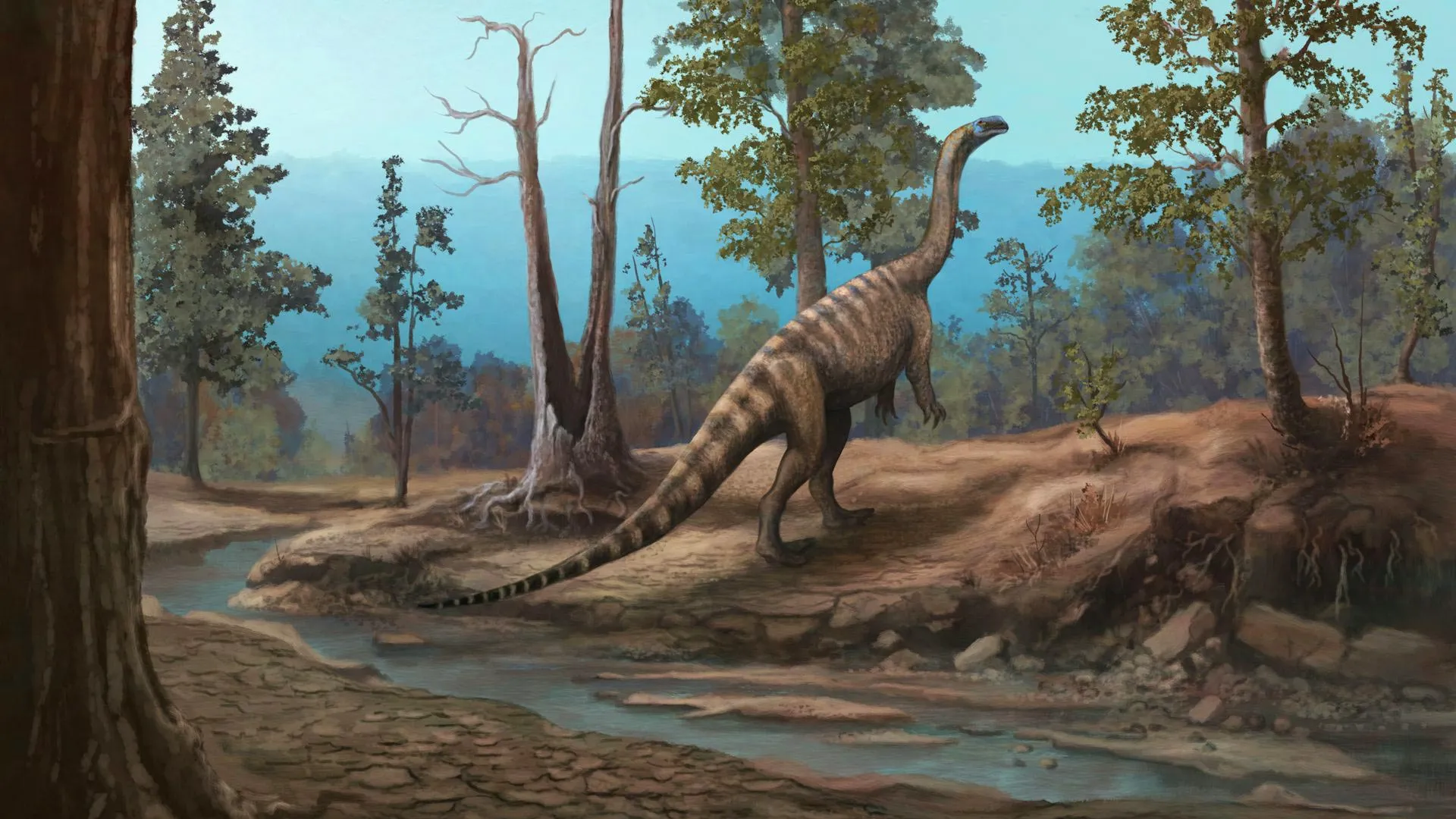
A newly identified 210-million-year-old dinosaur from Zimbabwe is helping scientists uncover a surprisingly distinct prehistoric ecosystem. The discovery suggests that ancient climate differences may have separated dinosaur populations across southern Africa, leading to unique species that challenge previous assumptions about their evolution.
Magnetic skyrmions (MSks) are swirling patterns of magnetization that form inside certain magnetic materials. They can behave like actual particles in many ways, exhibiting a stable internal structure and distinct boundaries. Because they are extremely small and can be pushed around with relatively little energy, MSks are regarded as promising information carriers in emerging technologies, including low-power memories and logic circuits. However, a major goal in the field has been to find practical ways to control their motion with high precision.