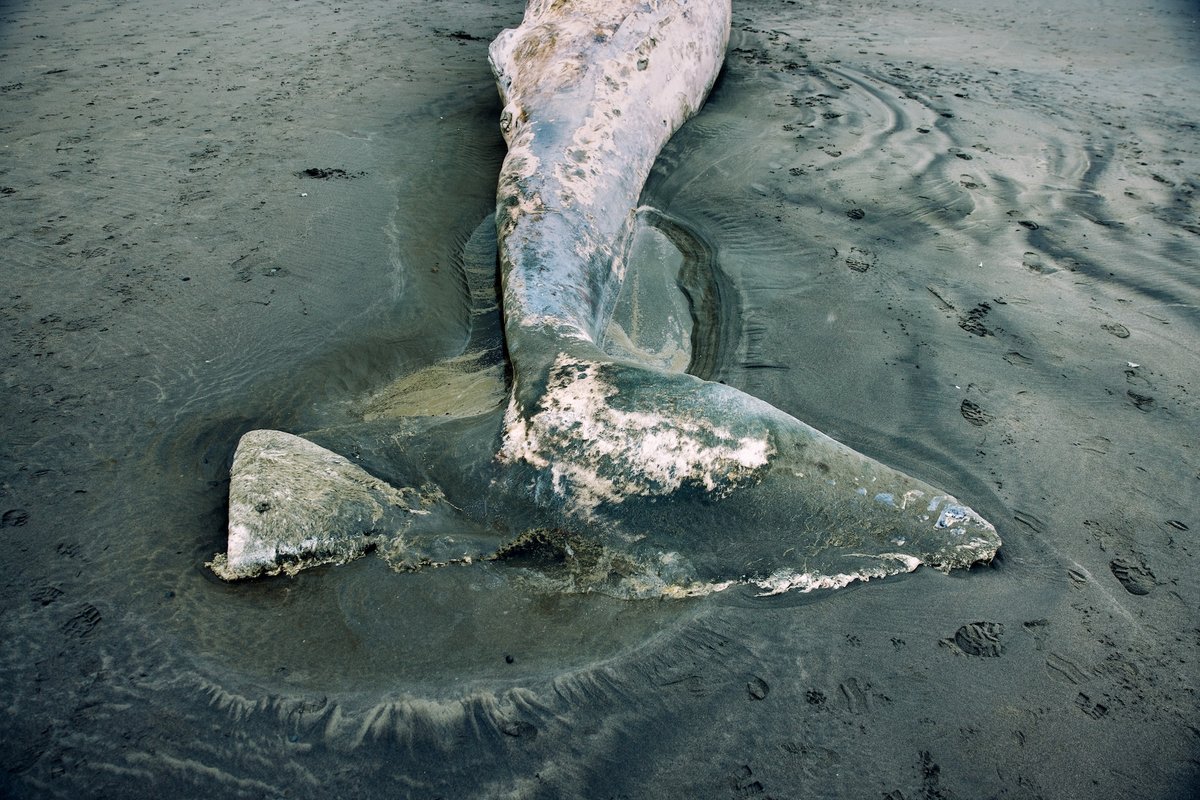
Gray whales are washing up dead on the West Coast. The reason is alarming
Up and down the Pacific coast, dead gray whales are mysteriously washing ashore—and scientists think they know why
Stay informed about scientific discoveries, research developments and new findings from around the world.
Up and down the Pacific coast, dead gray whales are mysteriously washing ashore—and scientists think they know why
Hurricane Lowell lashed Hawaii with damaging winds, heavy rainfall and powerful floods, knocking out power for 91% of a western island as it pushed farther into the Pacific on Tuesday.
OpenAI said Tuesday that one of its unreleased artificial intelligence models had solved a mathematical puzzle that has eluded mathematicians for generations, a claim that also drew a fight with rival researchers over credit.
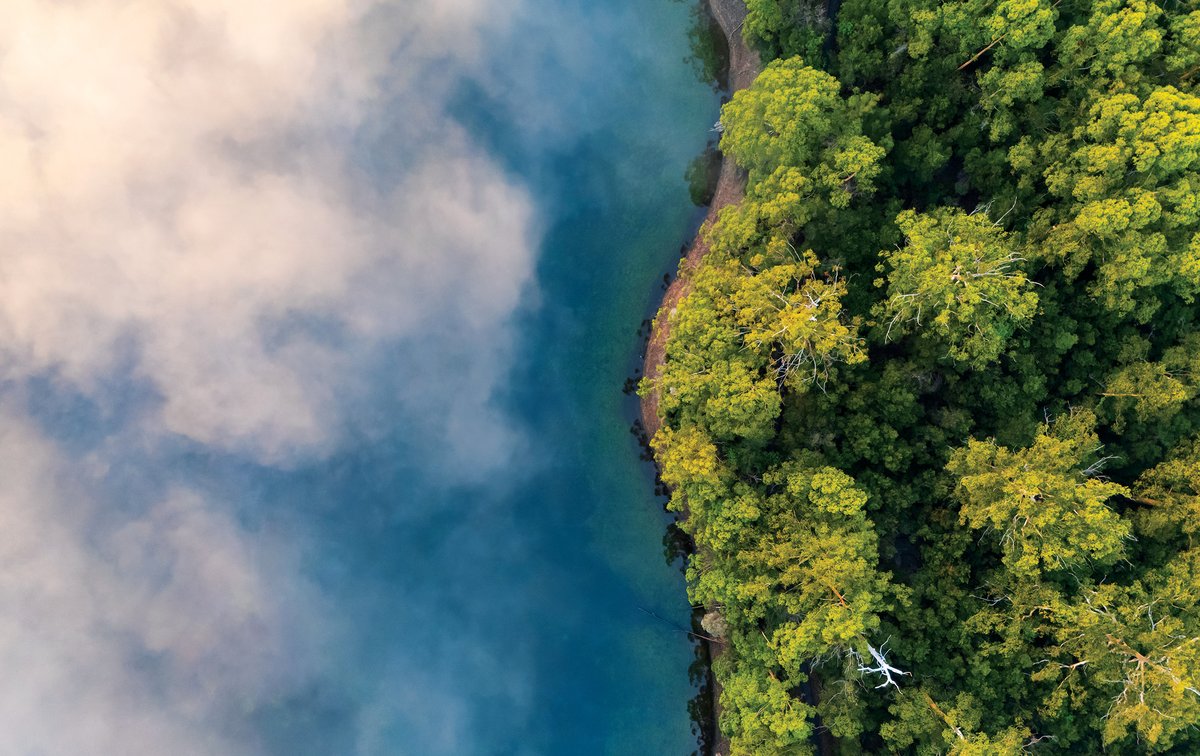
There’s more to fog than meets the eye
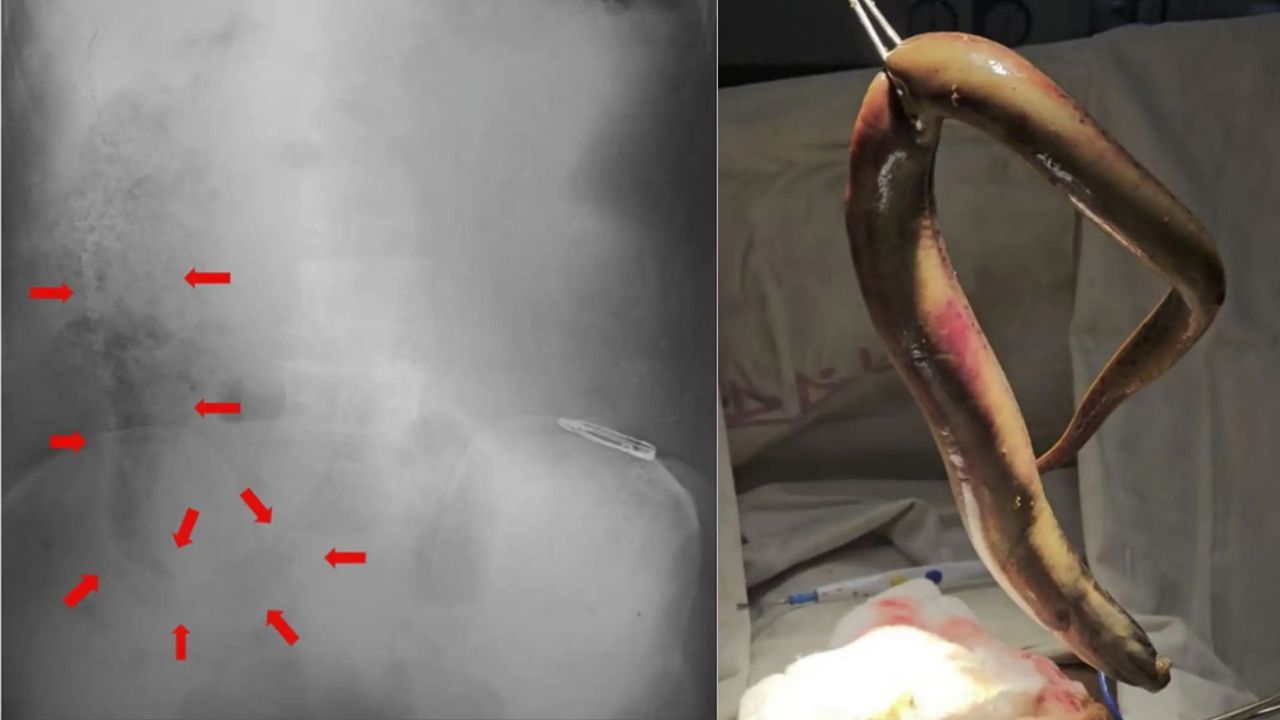
The patient: A 55-year-old man in BangladeshThe symptoms: The man went to the emergency room with severe abdominal pain that he said began five hours prior to his visit. What happened next: During a physical examination, doctors noted that the patient's temperature and blood pressure were normal. His heartbeat was slightly elevated, at 110 beats per minute (bpm). (A typical resting heart rate for adults is 60 to 100 bpm.)The man explained that one day earlier, an eel had "entered through his rectum accidentally," his doctors wrote in a report of the case. At the time of the encounter, the man was wearing a lungi — a type of long skirt often worn by Bangladeshi men — and he explained that the...
Assistant professor of psychology Jessica Ayers’s new research challenges assumptions about the kind of friendships we need
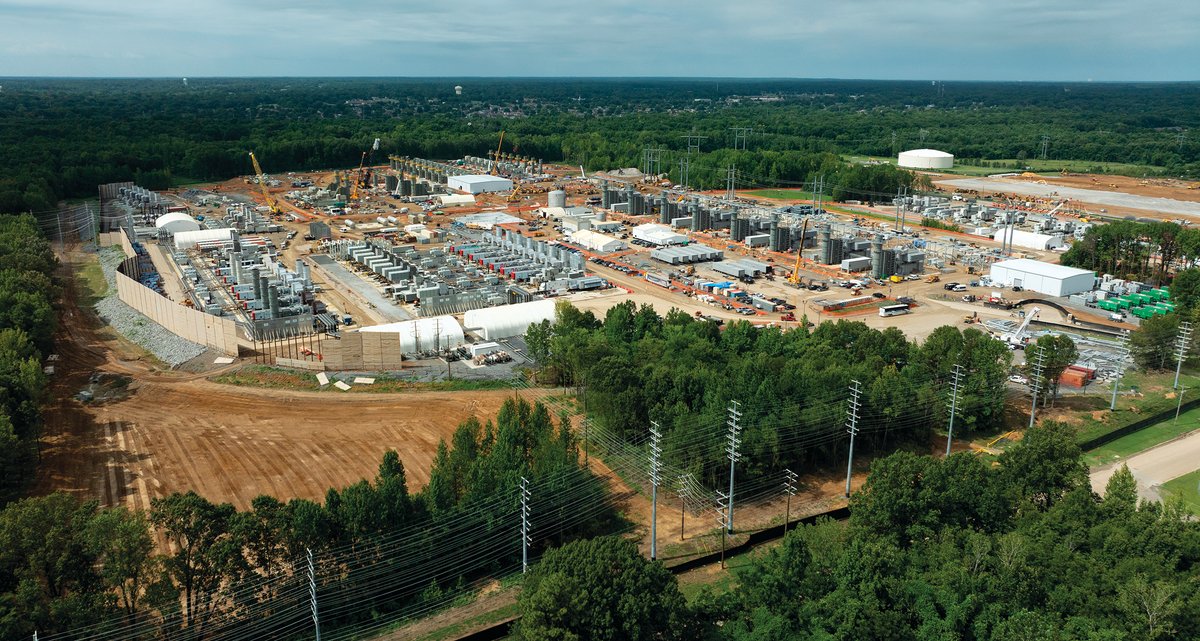
Dozens of temporary gas turbines are powering SpaceXAI’s expansion—and fights over permits and pollution
In this excerpt from "The Carbon Wave" (MIT Press, 2026), author Leah Stokes, an associate professor of environmental politics at the University of California, Santa Barbara, looks at a hopeful moment in U.S. politics when climate change took center stage: when Rep. Alexandria Ocasio-Cortez and Sen. Ed Markey ramped up calls for a "Green New Deal." In September 2017, a still-unknown Alexandria Ocasio-Cortez watched as Hurricane Maria devastated Puerto Rico. Electricity went down for months. Like thousands of Puerto Ricans, her grandfather died in the storm's aftermath. She could see how climate change was hitting her community harder than others.And it wasn't just Ocasio-Cortez's communit...
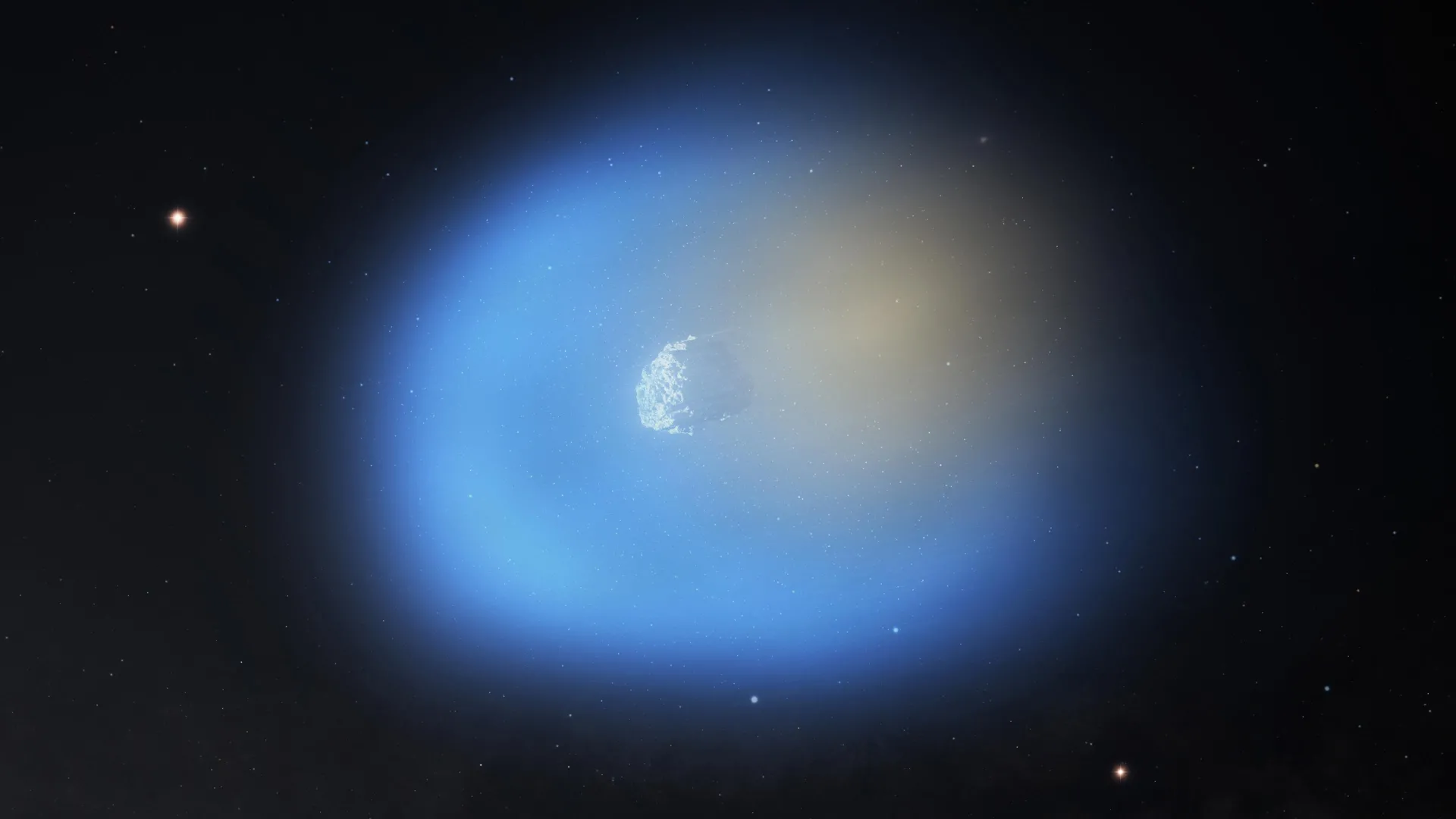
Interstellar comet 3I/ATLAS contains exceptionally high levels of methanol, suggesting it formed under conditions very different from those that shaped most comets in our solar system. ALMA also revealed that tiny icy grains around the comet are releasing methanol like miniature comets, giving astronomers an unusually detailed look at an object from another star system.
Families' interest in their kids' education is falling in many high-income countries as school systems struggle with plunging test scores, according to newly released results from a standardized test taken by 15-year-olds around the world.
For centuries, French and Italian mountain communities on the flanks of Western Europe's highest peak have gazed upon seemingly eternal glaciers and snow that gave the colossus its name: Mont Blanc, the white mountain.
There's little worse in a gardener's mind than watching their careful planning and hard work go up in a cloud of teeth, thanks to every four-legged freeloader within chewing distance.
Today's best weather computers would still have struggled to accurately predict the weather for the D-Day landings, University of Reading research shows. The new research, published in the journal Weather ahead of the release of the D-Day film "Pressure," used AI models to produce 50 different forecasts of the storm that famously pushed back the Allies' invasion of Normandy in June 1944.
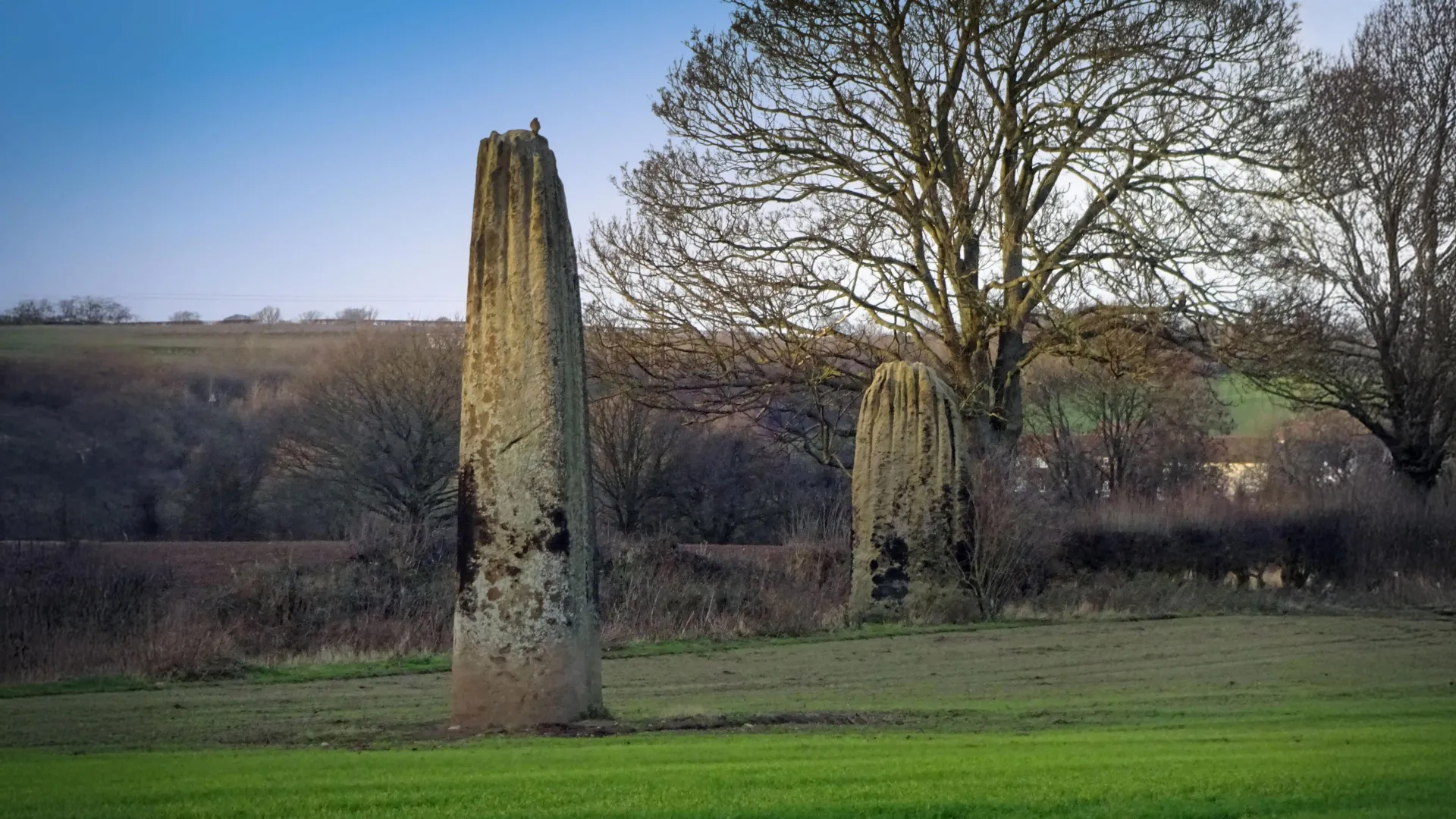
Britain’s towering Devil’s Arrows were built from 25-tonne stones hauled at least 18 kilometers from Brimham Rocks around 4,000 years ago. The discovery reveals an astonishing feat of prehistoric engineering and suggests the stones’ distant source may have been chosen for cultural or spiritual reasons.
In new research in the PsyCh Journal, people who tended to analyze experiences as mathematical cost-benefit problems were more likely to ignore moral rules. This tendency was associated with a greater willingness to make ethical compromises for money or status, as well as to accept immoral help when it benefited them.
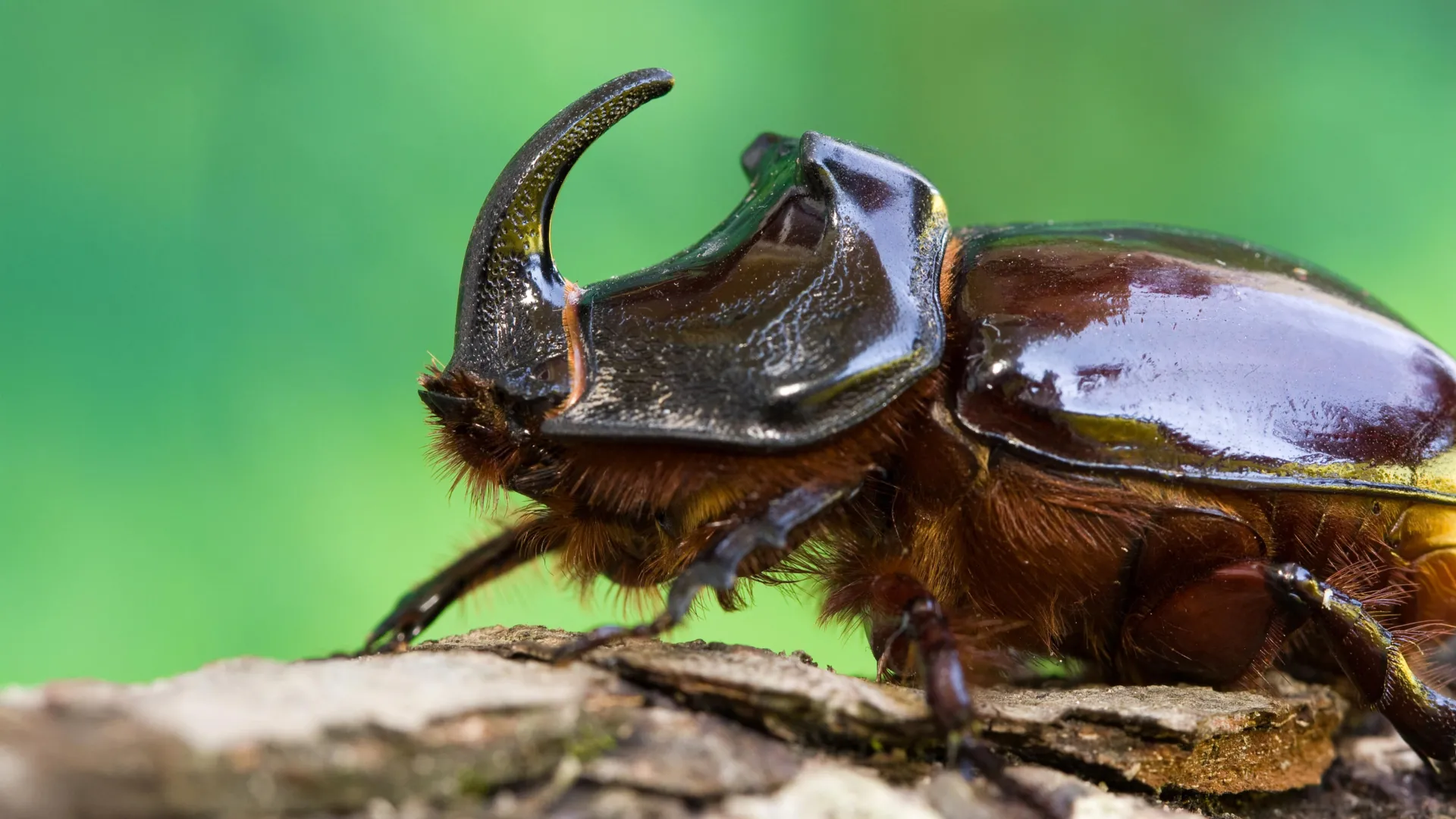
Insects quietly hold much of the natural world together, yet conservation efforts are overlooking the tropical regions where more than 80 percent of insect species live. Monash University researchers have developed a global framework to close this gap by combining scientific studies with museum collections, local expertise, citizen science, social media records, and new technologies.
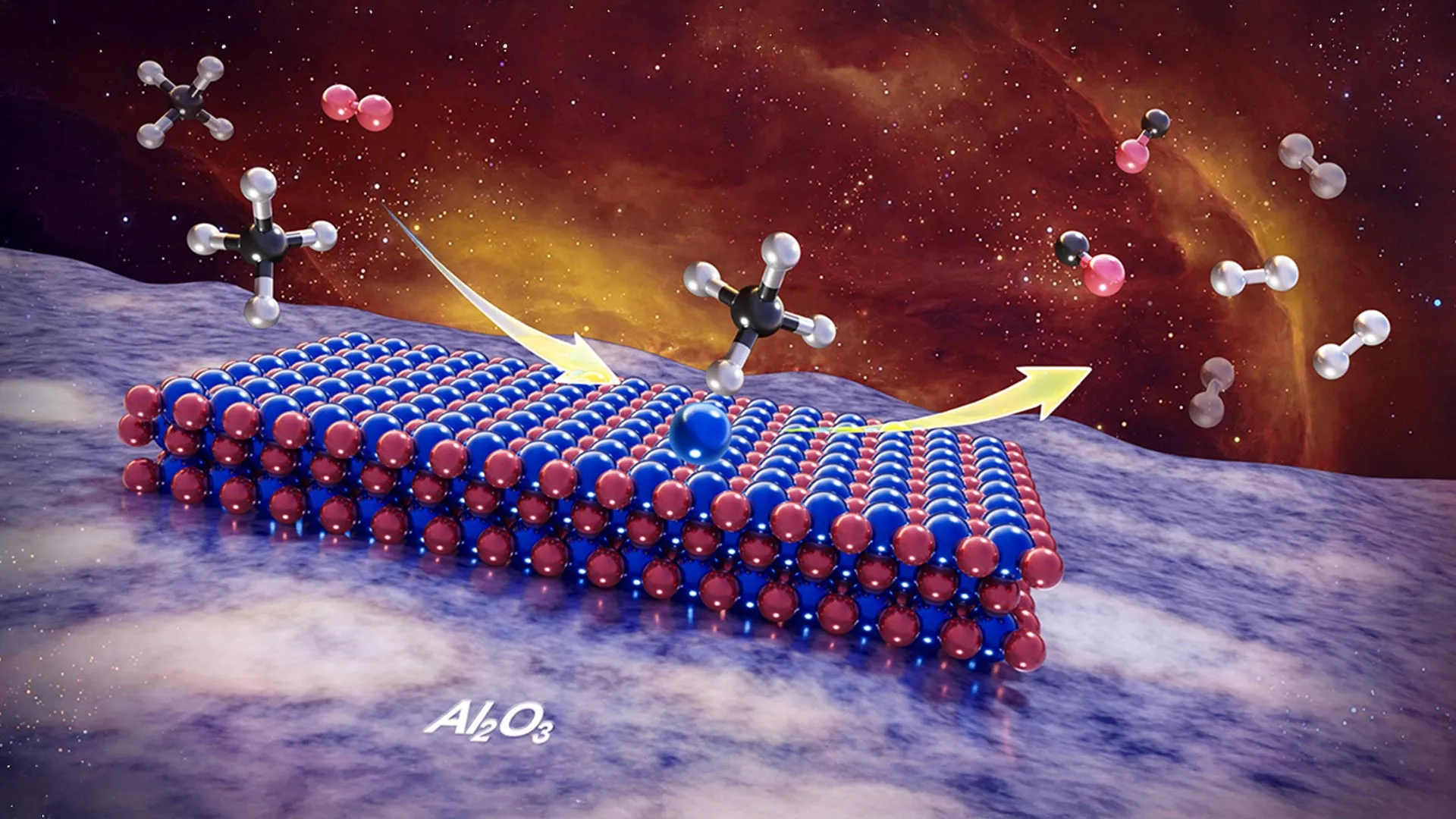
Scientists found that a tiny atomic structure that forms on nickel oxide during methane conversion is more effective than the metallic nickel long believed to drive the reaction. The discovery allowed a low-nickel catalyst to rival one containing 10 times more metal, potentially opening the door to cheaper and more efficient industrial catalysts.
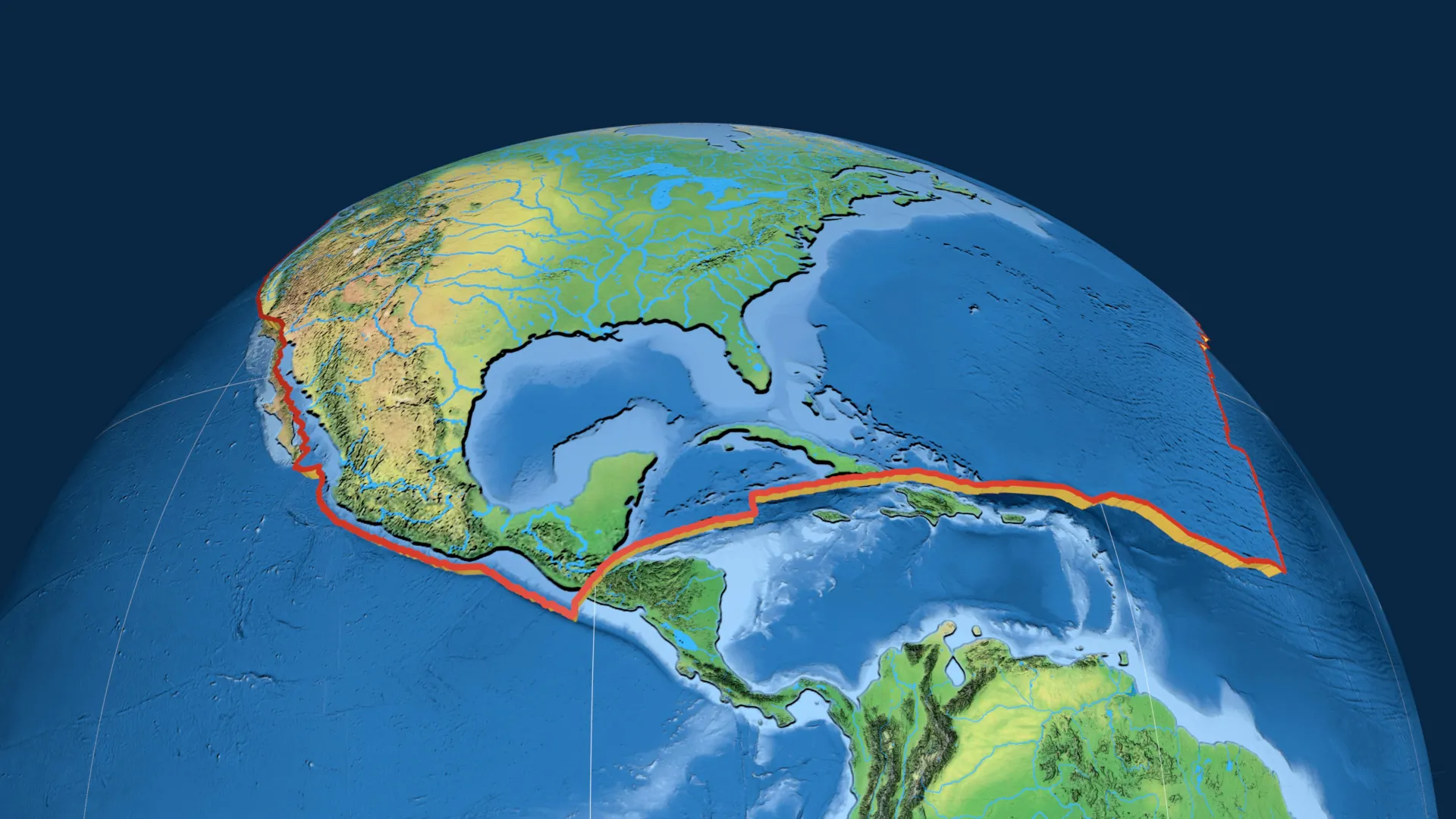
Volcanic rocks in Colombia are rewriting the timeline of the collision between Central and South America. Their magnetic signatures show that major tectonic deformation had already weakened by the late Miocene, suggesting the most intense collision occurred earlier than previously believed.
Hidden deep in the bush, ranging over huge territories at speeds humans can't match and through terrain not even the most rugged vehicle can handle, hyenas and lions are hard to study. Now, new research using GPS collars to map the movements of individual animals has revealed crucial information about the relationship between these competing carnivore species. We've long assumed that hyenas simply shadow lions for scraps, but these findings show that when they encounter each other, it's the lions, especially males, that approach hyenas, and the hyenas that give way.
A new analysis of more than 1,700 supernovae is questioning whether the universe is really accelerating at all. After accounting for the ages of the stars that produce these explosions, researchers found signs that cosmic expansion may actually be slowing. They also argue that the apparent acceleration changes with direction, which would be difficult to explain with dark energy. Other cosmologists dispute the conclusion, setting up a major test for upcoming observatories.
Astronomers have detected an exceptionally faint hydrogen radio signal from billions of light-years away using South Africa’s MeerKAT telescope. Instead of finding galaxies one at a time, the technique measures their combined hydrogen glow across enormous stretches of space. The successful detection shows that astronomers may soon be able to create much larger 3D maps of the Universe.
Nearly two-thirds of Australian children surveyed in a recent study received at least one form of grooming-related communication from a stranger online in the past year, while almost one-third reported receiving direct requests for sexual information or interactions.
Submerged aquatic vegetation (SAV), one of the Chesapeake Bay's most important indicators of ecosystem health, increased by 7% in 2025, according to researchers at William & Mary's VIMS & Batten School.
Ocean color remote sensing is a vital tool for monitoring global ocean carbon sinks and primary productivity. However, the on-orbit calibration accuracy of satellite sensors is insufficient, and weak marine signals account for only approximately 10% of the signals received by satellites, leading to significant uncertainties in ocean color remote-sensing applications.