Latest Science & Research News

Stay informed about scientific discoveries, research developments and new findings from around the world.

Latest News

View All →
Fully recyclable hydrogel begins healing itself within minutes
Science News

Fully recyclable hydrogel begins healing itself within minutes

Imagine this. You pick up a contact lens from its container and—yikes!—it falls on the bathroom floor. Before you know it, your cat pounces, claws out. By the time you wrestle it back, the lens looks like a tiny chew toy. And then, just like that—the scratches fade away and the ripped edge seals itself up.

📅 2026-09-10 21:40:09    •    Phys.org
Read Original Article →
Portland report maps complex journeys through homelessness
Science News

Portland report maps complex journeys through homelessness

A new report from Portland State University's Homelessness Research and Action Collaborative (HRAC) and the OHSU-PSU School of Public Health offers an in-depth examination of how individuals navigate, survive and attempt to exit homelessness in Multnomah County. Titled "Without a Map: A Lived Experience Study of the Paths People Create Through Homelessness," the publication serves as the second and final part of the Pathways study.

📅 2026-09-10 21:20:01    •    Phys.org
Read Original Article →
New genomic tool for clams boosts sustainable aquaculture
Science News

New genomic tool for clams boosts sustainable aquaculture

An international team of researchers, including CIIMAR, has developed a new tool that could help produce clams that are more resistant to disease and climate change while also strengthening the conservation of these species' genetic diversity. The study, published in the journal Aquaculture, represents a significant step forward for sustainable aquaculture and the management of two of the most economically important clam species: the Japanese clam (Ruditapes philippinarum) and the good clam (Ruditapes decussatus).

📅 2026-09-10 21:00:10    •    Phys.org
Read Original Article →
Global study reveals hidden nutritional value of shellfish and other aquatic invertebrates
Science News

Global study reveals hidden nutritional value of shellfish and other aquatic invertebrates

The nutritional value of aquatic invertebrates such as oysters, mussels and crabs has been significantly overlooked, according to a new study led by researchers at King Abdullah University of Science and Technology (KAUST). The findings provide one of the most comprehensive assessments to date of the nutritional contribution of aquatic invertebrates, along with new evidence to better understand their role in human nutrition and help inform more sustainable fisheries, aquaculture and food-system planning.

📅 2026-09-10 21:00:06    •    Phys.org
Read Original Article →
How sex with multiple mates can help save species from extinction
Science News

How sex with multiple mates can help save species from extinction

Allowing females to mate with multiple males, rather than just one, could help make species more resistant to extinction, University of East Anglia research shows. A new study reveals that when females have multiple males to mate with, their offspring inherit significantly fewer harmful genetic mutations. This, in turn, makes the entire population healthier and less likely to die out.

📅 2026-09-10 20:40:07    •    Phys.org
Read Original Article →
Supercomputer simulations reveal how the molecular motor kinesin steers itself along tracks
Science News

Supercomputer simulations reveal how the molecular motor kinesin steers itself along tracks

Kinesin is a molecular motor responsible for hauling essential cargoes within cells by walking step by step along filamentous tracks known as microtubules. To move efficiently and avoid falling off, the motor's two feet must coordinate their stepping in a precise direction. Scientists have known that a connecting segment called the neck region is crucial for coordinating this motion. However, its exact three-dimensional structure and how it physically interacts with the microtubule track have remained a mystery because of the limitations of current imaging techniques.

📅 2026-09-10 20:40:05    •    Phys.org
Read Original Article →
Water isotopes reveal early drought signals in Central Amazon rainfall
Science News

Water isotopes reveal early drought signals in Central Amazon rainfall

The historic droughts of 2023 and 2024 in the Amazon reduced river flows and altered the region's rainfall composition. Daily monitoring in Manaus, the capital of the Brazilian state of Amazonas, revealed these changes through the use of isotopes, which act as a kind of water "fingerprint." This method demonstrated how El Niño and warming in the North Atlantic affected the origin of moisture and precipitation dynamics.

📅 2026-09-10 20:30:01    •    Phys.org
Read Original Article →
An unusual bacterium that penetrates and lives inside human cells may offer a new drug target
Science News

An unusual bacterium that penetrates and lives inside human cells may offer a new drug target

Research underway in the lab of Rebecca Alexander, a professor in Wake Forest University's Department of Chemistry, is shedding light on an unusual human bacterium, Mycoplasma penetrans. Alexander's work to understand how and why this unique pathogen acts as it does could one day lead to new classes of drugs that better target illnesses associated with this particular pathogen, as well as others that act similarly.

📅 2026-09-10 20:20:01    •    Phys.org
Read Original Article →
Where U.S. has lost ground since 9/11
Research Institutions

Where U.S. has lost ground since 9/11

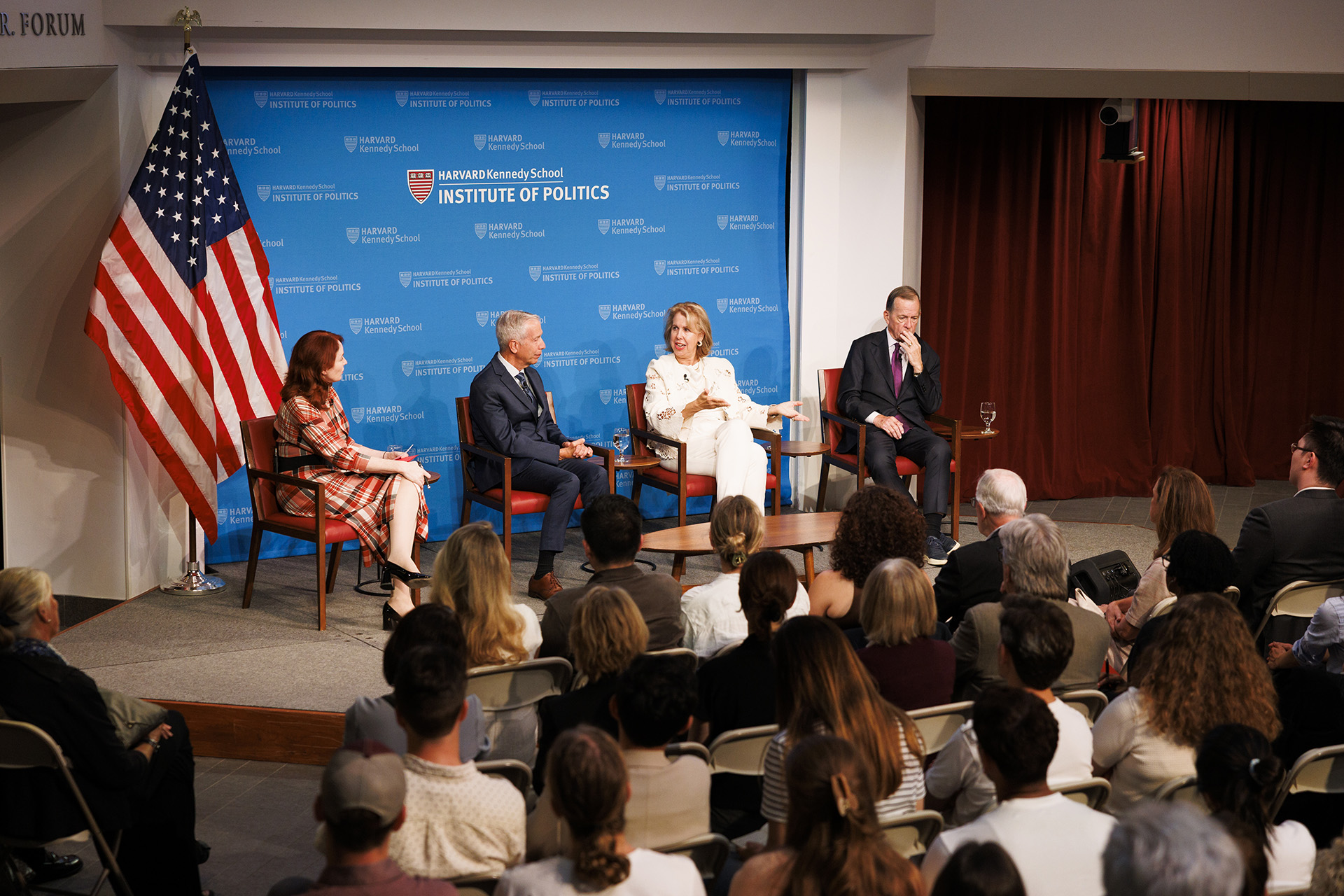
Nation & World Where U.S. has lost ground since 9/11 Moderator Meghan O’Sullivan (from left), Joseph Pfeifer, Nancy Gibbs, and Michael Mullen. Niles Singer/Harvard Staff Photographer Clea Simon Harvard Correspondent September 10, 2026 5 min read FDNY chief, admiral who survived Pentagon attack, Time journalist say decline in national unity since then is perhaps most damaging problem After the terrorist attacks on Sept. 11, 2001, the nation rallied under the cry “Never forget.” But 25 years later, several lessons that emerged from that day of death and destruction have been forgotten, according to a panel of experts at a John F. Kennedy Jr. Forum at the Institute of Politics on Tuesday night....

📅 2026-09-10 19:26:37    •    Harvard Gazette
Read Original Article →
Who needs opioids?
Research Institutions

Who needs opioids?

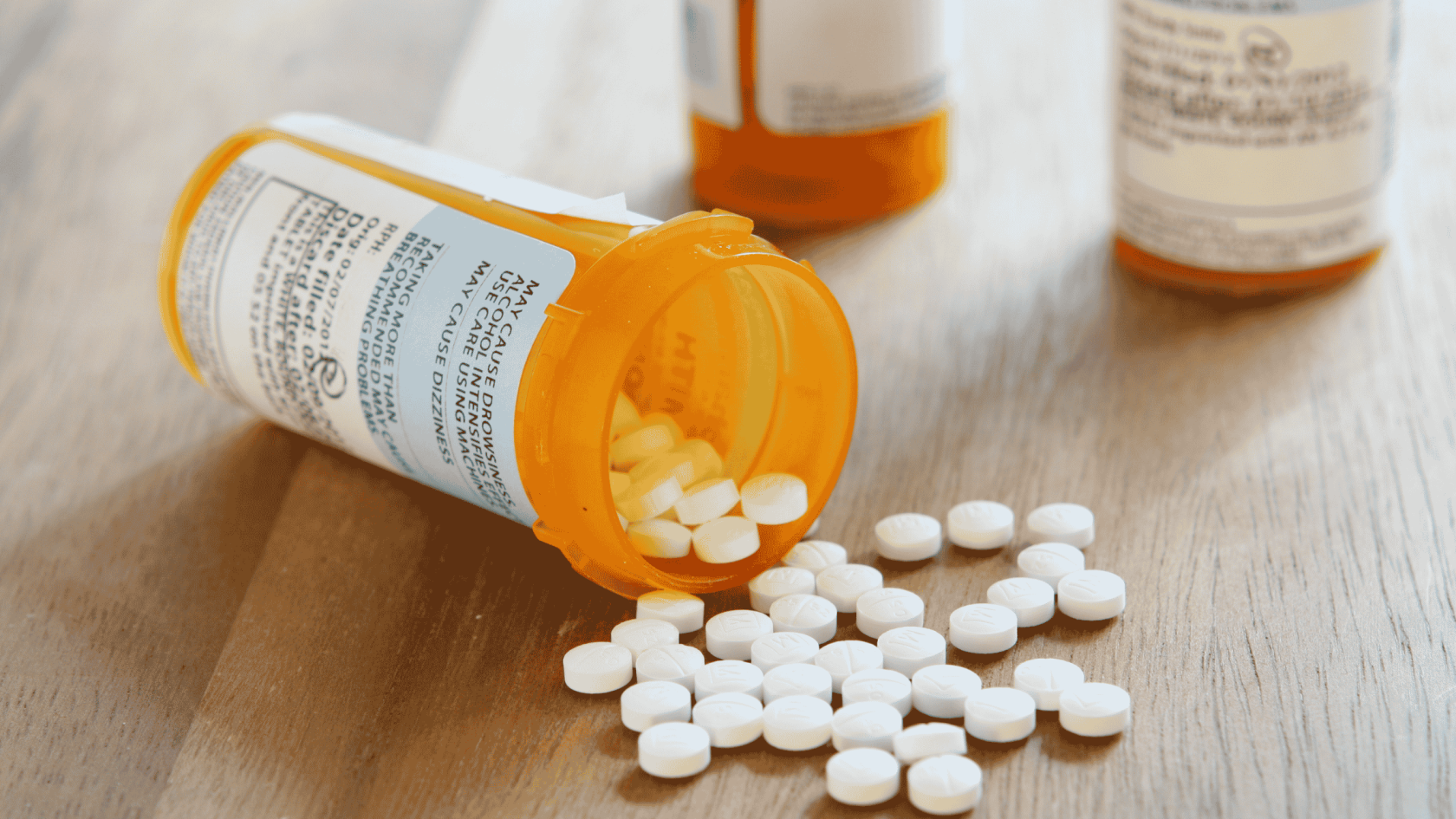
Health Who needs opioids? Kathleen Refior HSDM Communications September 10, 2026 5 min read As concerns about misuse persist, paper suggests role for AI in making pain treatment more precise For a patient having their wisdom teeth removed, the days after surgery can bring an important question: How much pain medication will I actually need? Over-the-counter medications such as acetaminophen and ibuprofen provide adequate pain relief for most, but some patients experience breakthrough pain that does not respond to these medications and may benefit from an opioid. For clinicians, the challenge is knowing before surgery which patients will need additional pain relief. Harvard School of Dental M...

📅 2026-09-10 19:19:25    •    Harvard Gazette
Read Original Article →
Infectious diseases will seed new ground as the planet warms — here's where they'll spread
Science News

Infectious diseases will seed new ground as the planet warms — here's where they'll spread

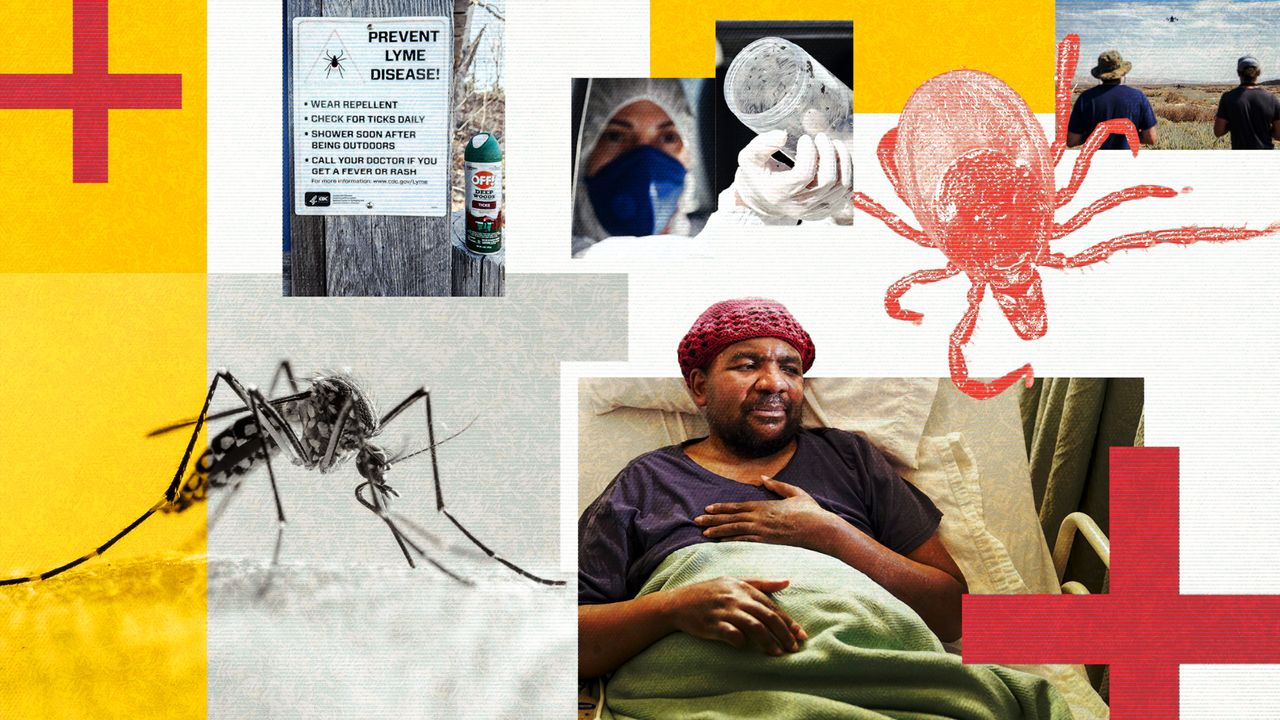
Burning UpAs the planet warms, our environment will be transformed, but so will our bodies. In this series, 'Burning up,' we investigate the health impacts of climate change, focusing on heat, air quality, food and infection risk. We also evaluate the promising solutions that could help us adapt to our warmer future.To the untrained eye, Xiaoyu Shan's lab bench looked like a home gardening experiment gone bad: dishes filled with dirt — some that looked like mud pies and others that were bone-dry — and not a plant to be seen. But those dishes held a warning. The dirt that Shan, a postdoctoral research associate in biology and biological engineering at Caltech, was studying contained soil micr...

📅 2026-09-10 17:00:15    •    Live Science
Read Original Article →
Does having a bad dream make you a bad person?
Research Institutions

Does having a bad dream make you a bad person?

Illustration by Liz Zonarich/Harvard Staff Health Does having a bad dream make you a bad person? Psychologist breaks down what those negative night narratives might be trying to tell you Samantha Laine Perfas Harvard Staff Writer September 10, 2026 4 min read Part of the Wondering series A series of random questions answered by Harvard experts. Deirdre Leigh Barrett is a dream researcher and a Harvard Medical School lecturer on psychology in the department of psychiatry at Cambridge Health Alliance. She is also the author of “The Committee of Sleep: How Artists, Scientists, and Athletes Use Their Dreams for Creative Problem Solving — And How You Can Too.” Dream interpretation is tricky. Let’...

📅 2026-09-10 16:57:09    •    Harvard Gazette
Read Original Article →
Page 113of 156   •   3,729articles