Latest Science & Research News

Stay informed about scientific discoveries, research developments and new findings from around the world.

Latest News

View All β†’
From 10 to 22 years: The Nancy Grace Roman Space Telescope's mission has just been extended
Science News

From 10 to 22 years: The Nancy Grace Roman Space Telescope's mission has just been extended

The Nancy Grace Roman Space Telescope hasn't yet reached its Sun–Earth L2 orbit, and it already has some good news. NASA has announced that the mission has enough fuel to potentially double its mission length. Though initially scheduled for five years of observations, followed by a five-year extended mission, the entire mission could now reach 22 years.

πŸ“… 2026-09-16 17:40:02    β€’    Phys.org
Read Original Article β†’
Prime assembly can correct multiple mutations at once, pointing toward universal gene therapies
Science News

Prime assembly can correct multiple mutations at once, pointing toward universal gene therapies

Genomic editing holds great potential yet continues to have limitations. Current methods either rely on untargeted gene delivery or short DNA edits that need to be individualized for each patient. A new paper published today in Nature describes a novel genome engineering method called prime assembly that allows long DNA fragments to be stitched into precise, programmable target positions within living cells. This approach may allow for the development of universal gene therapies that can be used for many patients.

πŸ“… 2026-09-16 17:20:04    β€’    Phys.org
Read Original Article β†’
This week’s new questions
Science News

This week’s new questions

If every ship on the planet were hauled out of the water, how much would global sea levels change, and how quickly? How different would Earth be if anaerobic life were the only life form, and could it have become sentient?

πŸ“… 2026-09-16 17:00:00    β€’    New Scientist
Read Original Article β†’
What is the most-used Beatles song in academic paper titles?
Science News

What is the most-used Beatles song in academic paper titles?

Josie Ford Feedback is our weekly column of bizarre stories, implausible advertising claims, confusing instructions and more Paper writer If you are a researcher studying a niche topic, one of the few ways to get some attention is to give your paper a witty title featuring a pop culture reference. Feedback has long been a fan of such things, but we would never have thought to do what the team led by Gabriel Budel at Delft University of Technology in the Netherlands did, which is to get systematic about it. Budel and his colleagues searched two academic databases for papers whose titles contain references to the titles of songs by the Beatles. They ended up with β€œ2237 exact references and 963...

πŸ“… 2026-09-16 17:00:00    β€’    New Scientist
Read Original Article β†’
Why it is time to restate the case for the importance of research on animals
Science News

Why it is time to restate the case for the importance of research on animals

Pete Ryan All of a sudden, governments have begun to talk about something that once seemed impossible: the end of animal testing. Last year, the US and the UK both unveiled road maps intended to help move us towards this goal. A few months ago, the European Commission did likewise. The coming of age of technological alternatives to some kinds of animal research is to be celebrated. A few of these alternatives are actually more revealing than the animal experiments they replace. But if nations overstate what is possible, they risk reigniting a heated and painful row. We see this overstatement not only in news headlines, but even in the titles of policy documents themselves. Some of these talk...

πŸ“… 2026-09-16 17:00:00    β€’    New Scientist
Read Original Article β†’
Was there a 'before' the Big Bang? Jim Al-Khalili on the mind-bogglingness of time
Science News

Was there a 'before' the Big Bang? Jim Al-Khalili on the mind-bogglingness of time

Time keeps getting away from us. It has a fraught relationship with our subjective experience β€” sometimes slowing down or dragging on; and at other times speeding up, with years seeming to fly by as we get older. Our brain cells are even known to distort our sense of time when we're tired. In physics, time gets even more complicated, incorporated into theories of relativity β€” the experience of the clock's ticking being relative to the observer and their place in space β€” and entropy, which gives time its unidirectional flow. Meanwhile quantum mechanics indicates time can move both forwards and backwards, at least inside quantum systems. In this excerpt from "On Time: The Physics That Makes th...

πŸ“… 2026-09-16 15:56:08    β€’    Live Science
Read Original Article β†’
A star is born: half billion-year-old fossil rewrites the origin story of starfish
Research Institutions

A star is born: half billion-year-old fossil rewrites the origin story of starfish

A star is born: half billion-year-old fossil rewrites the origin story of starfish Sarah Collins Wed, 09/16/2026 - 16:00 The fossilised animals, discovered in southwestern China and named Yujingia glutenotunica, are thought to be close to the last common ancestor of ambulacrarians, the modern group that includes starfish, sea stars, sea urchins and acorn worms. The international research team, including researchers from the University of Cambridge, say the fossils could also help us understand why two closely-related lineages – starfish and their relatives, and chordates, the phylum that includes humans – evolved wildly different body plans over millions of years. The results are reported in...

πŸ“… 2026-09-16 15:00:00    β€’    Cambridge News
Read Original Article β†’
New AI technique could make minimally invasive surgeries safer and more precise
Research Institutions

New AI technique could make minimally invasive surgeries safer and more precise

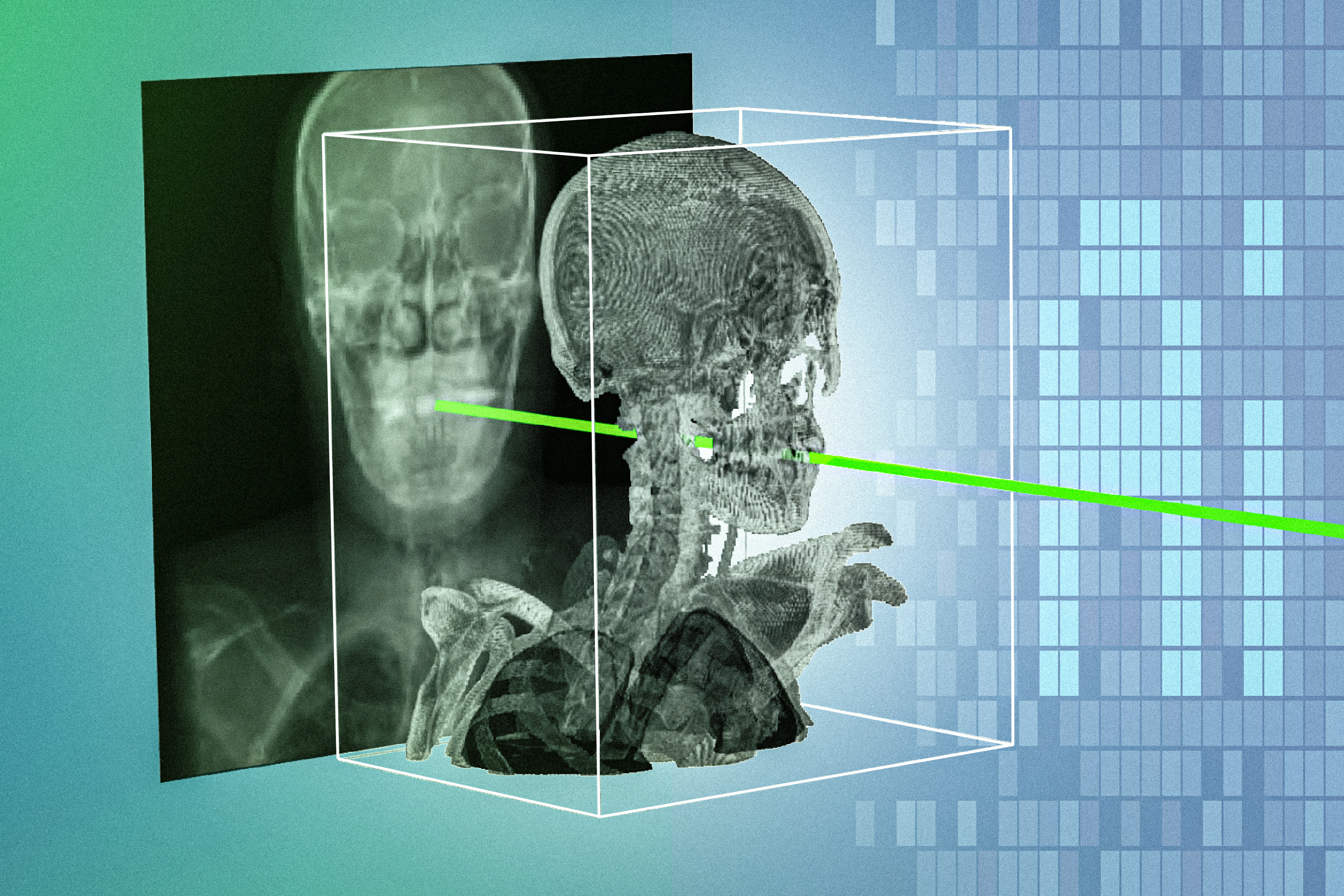
Researchers created a new technique that accurately and rapidly matches X-rays captured during surgery with a patient’s preoperative 3D medical scan. This method could make it easier for clinicians to precisely pilot minimally invasive surgical tools, leading to faster and safer procedures.Clinicians perform many minimally invasive surgeries using real-time X-rays to help them steer devices like catheters and endoscopes through tiny incisions. But since X-rays are flat images, it can be challenging to determine exactly where surgical tools are located and oriented within the patient’s body, increasing the risk of complications.To help localize surgical devices, clinicians may manually align ...

πŸ“… 2026-09-16 15:00:00    β€’    MIT News
Read Original Article β†’
Scientists shrank mice's brains and replaced the missing tissue with human 'organoids'
Science News

Scientists shrank mice's brains and replaced the missing tissue with human 'organoids'

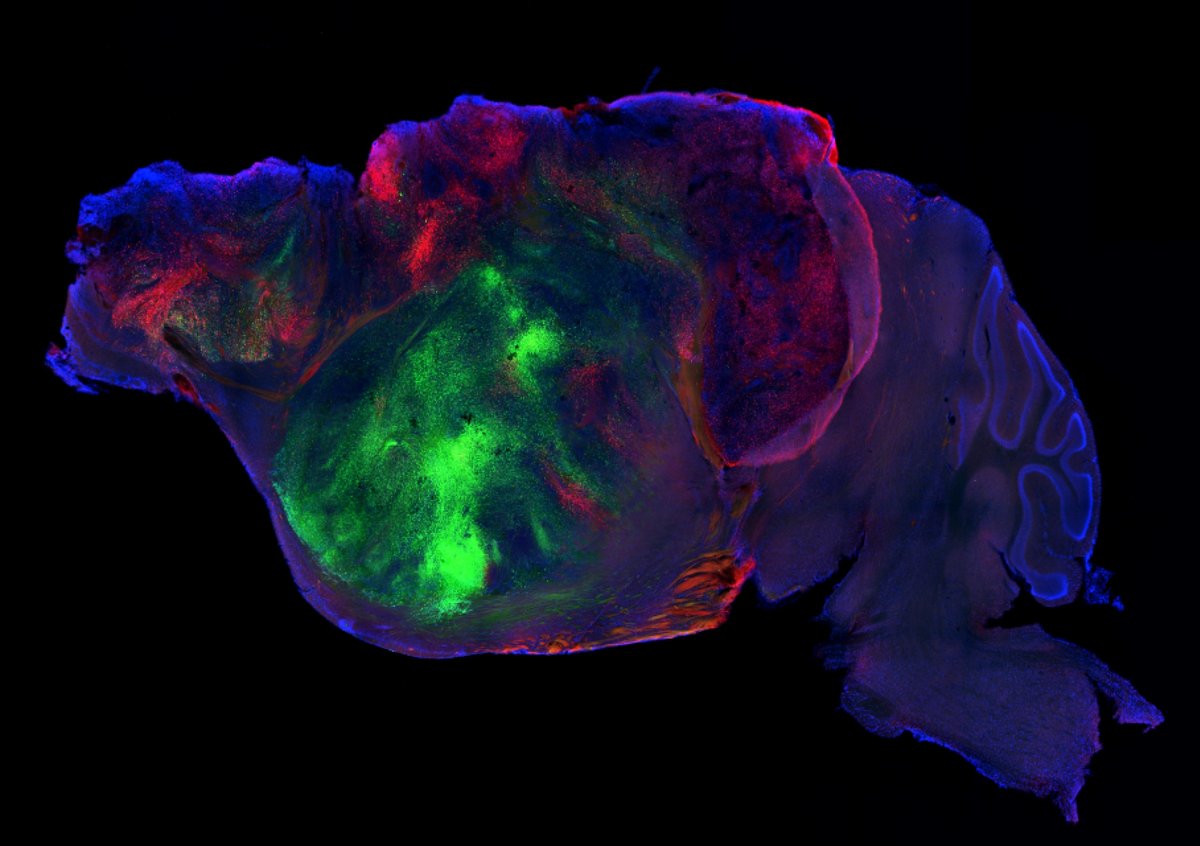
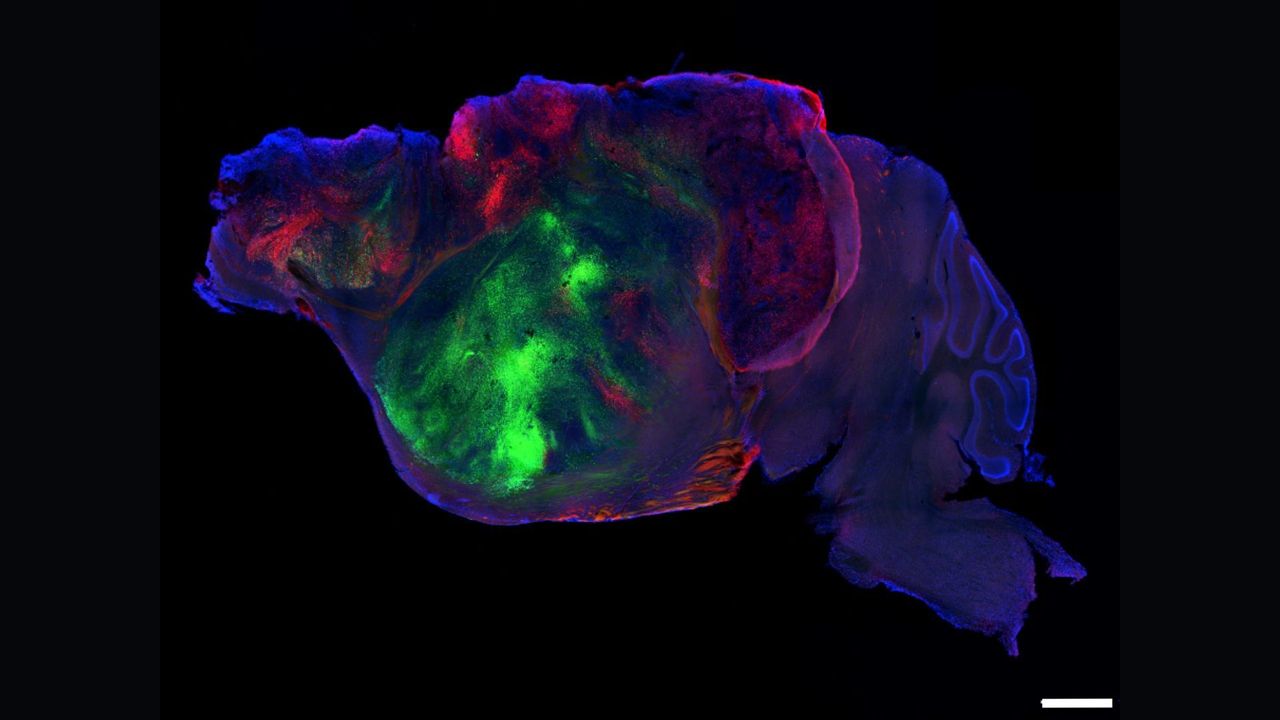
In a new study, scientists reared lab mice that were missing sections of their brains and then replaced the missing tissue with human cells. The experiment represents a step forward in the study of human brain organoids β€ͺ—‬ tiny models of the human brain grown from stem cells. In the long run, scientists aim to use organoids to better understand how the brain develops and how its structure and function change in the context of disease. "It is definitely an advance in the field," said Dr. H. Isaac Chen, an associate professor of neurosurgery at the University of Pennsylvania Perelman School of Medicine. Chen was not involved in the current study but has conducted experiments transplanting hum...

πŸ“… 2026-09-16 15:00:00    β€’    Live Science
Read Original Article β†’
Scientists turn seawater into fresh water without harmful brine
Science News

Scientists turn seawater into fresh water without harmful brine

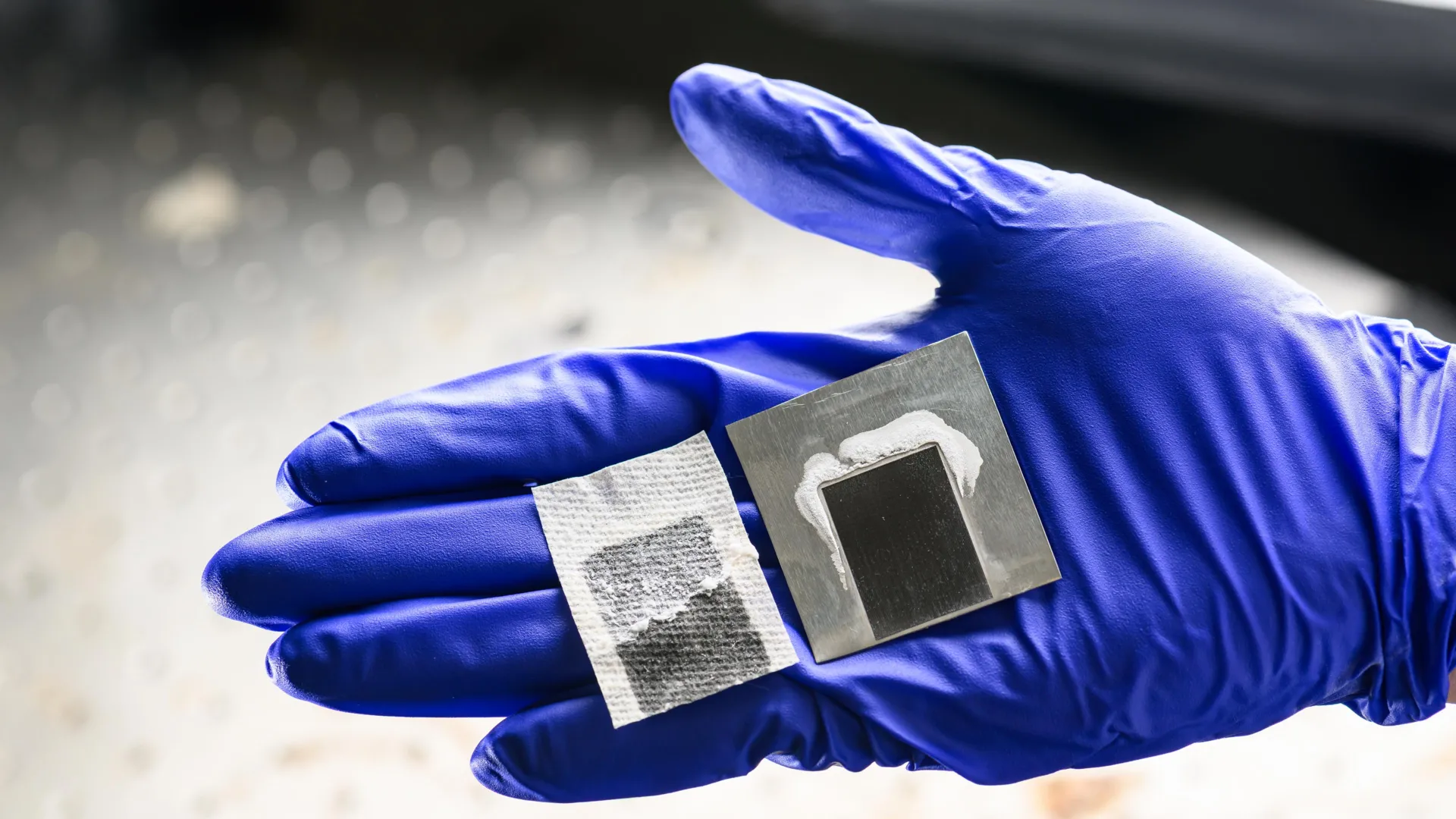
Scientists have developed a solar-powered desalination system that turns seawater into fresh water while removing nearly all of the leftover salt as a solid instead of producing harmful brine. The self-cleaning technology could also recover valuable minerals such as lithium, potentially turning desalination waste into a useful resource.

πŸ“… 2026-09-16 14:44:50    β€’    ScienceDaily
Read Original Article β†’
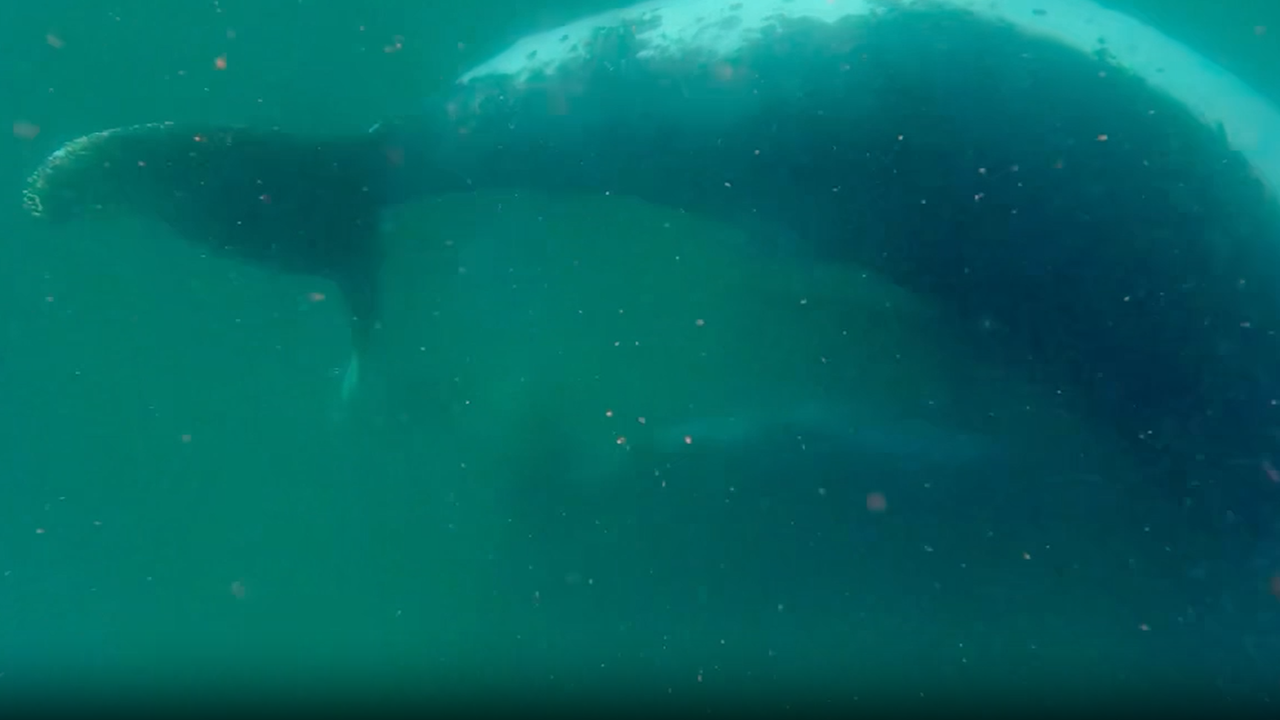
'It is extremely rare to witness': Scientists record humpback whale mom grieving her stillborn calf in first-of-its-kind footage
Science News

'It is extremely rare to witness': Scientists record humpback whale mom grieving her stillborn calf in first-of-its-kind footage

In an extraordinary first-of-its-kind video, researchers have documented a humpback whale mom grieving her stillborn calf.The footage was recorded off the coast of southeastern Australia in July 2025, according to a study published Wednesday (Sept. 16) in the journal Discover Animals. In the clip, a female humpback whale (Megaptera novaeangliae) hovers above her baby's motionless body on the seafloor and tries to make eye contact with the newborn, as if to check for signs of life."It is extremely rare to witness," study first author Olaf Meynecke, a marine ecologist at Griffith University in Australia, told Live Science in an email. "Only about 20 births of humpback whales have been observed...

πŸ“… 2026-09-16 14:44:47    β€’    Live Science
Read Original Article β†’
Eraldo Zaccheroni (1926 – 2026)
Research Institutions

Eraldo Zaccheroni (1926 – 2026)

Eraldo Zaccheroni (1926 – 2026) β€” 16 September, 2026 Eraldo Zaccheroni, an influential engineer who worked at CERN during the Organization’s earliest years, sadly passed away in Faenza, Italy, on 10 August at the age of 100. Born on 21 May 1926 in Meldola, in the Emilia-Romagna region of Italy, Eraldo earned his degree in electrical engineering from the University of Bologna in 1953. He then joined the newly founded CERN in 1954 to work within the Proton Synchrotron Division’s Linear Accelerator (LINAC) Radio Frequency group. Eraldo designed various components for CERN’s first linear accelerator (known today as Linac1), which entered service in 1958. Among the projects he led, the design of ...

πŸ“… 2026-09-16 14:39:39    β€’    CERN
Read Original Article β†’
Page 102of 158   β€’   3,791articles