
Science News
Does each new covid-19 variant pose a significant threat?
Most covid-19 cases are caused by a particular type of variant, but do we need to worry every time a new one emerges?
📅
2026-10-09 16:39:31
•
New Scientist
Explore the latest scientific discoveries, science news, breakthroughs and developments from around the world.
Most covid-19 cases are caused by a particular type of variant, but do we need to worry every time a new one emerges?

Majestic African antelopes known as gemsbok have been roaming the U.S. Southwest since their introduction in the 1960s and 1970s. Brought to New Mexico as a game species for hunting, gemsbok quickly settled in, expanding more than 100 kilometers (62 miles) from their introduction point. University of Illinois Urbana-Champaign researchers say that's due to their exceptional adaptations to arid conditions, which they predict will dramatically expand under climate change.

U.S. colleges and universities have long struggled to increase the racial diversity of their faculty.

Imagine you're road-tripping across the country 10 years from now. You spend a few minutes charging your electric vehicle and then set off — and your car's solar paint keeps it charged as you drive. Your eyes are on the stunning scenery, taking in the vistas along Route 66 or the grandeur of the Rocky Mountains, or you're catching up on messages. Your hands barely touch the wheel, and your foot doesn't push a pedal. Your car communicates with others on the road, so there's no need to brake suddenly or swerve. That's because it knows a vehicle five cars up from you has done so, and all those in between are slowing at exactly the right pace to avoid dramatic changes in trajectory.And when you ...

Parts of Earth's climate system can change abruptly once warming pushes them beyond critical thresholds. The Greenland and Antarctic ice sheets, the Amazon rainforest, coral reefs and major ocean currents are all among the systems containing potential climate tipping points.

You have probably noticed it on a hot summer day: A basement feels cool even when the air outside is baking. The ground does not heat up and cool down as fast as the air does. A few hundred feet down, it stays close to the local yearly average all year, which can be around 50 degrees Fahrenheit (10 degrees Celsius).

The rise and fall of a continent-spanning cliff may help explain a mysterious 1-billion-year gap in Earth’s geologic history, a new study suggests.
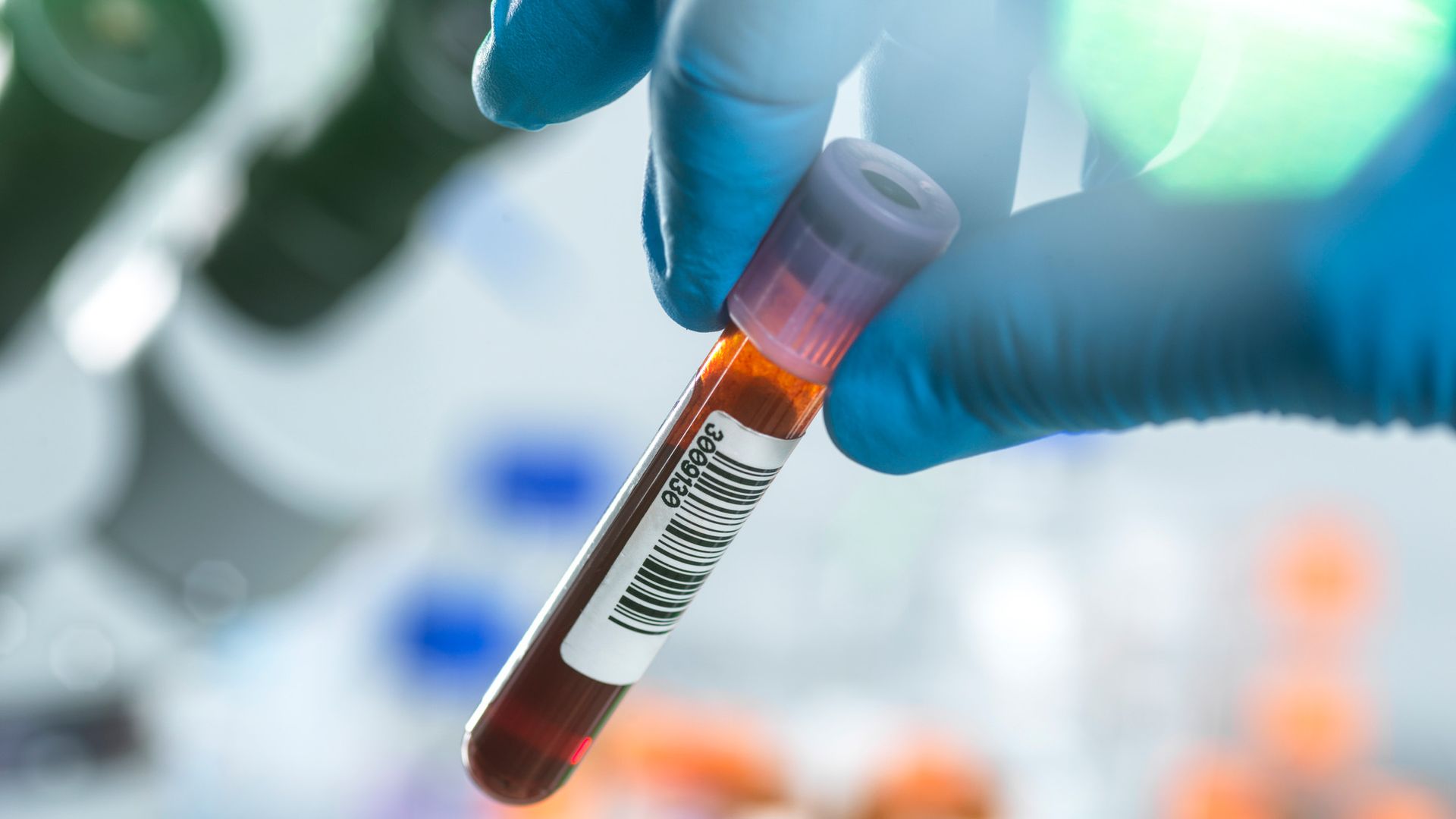
Two people born on the exact same day can age in totally different ways — one in relative health and the other with chronic disease. Now, scientists have found a key difference in the immune systems of people who are more prone to age-related conditions, and it could help explain why some people remain healthier longer. In young people, the immune system contains many naive T cells, a type of white blood cell. Over time, exposure to pathogens and vaccinations transforms some of these T cells into memory cells, which can respond quickly to defend the body against germs. These memory cells make different types of characteristic proteins, called granzymes, which kill infected cells. They come...
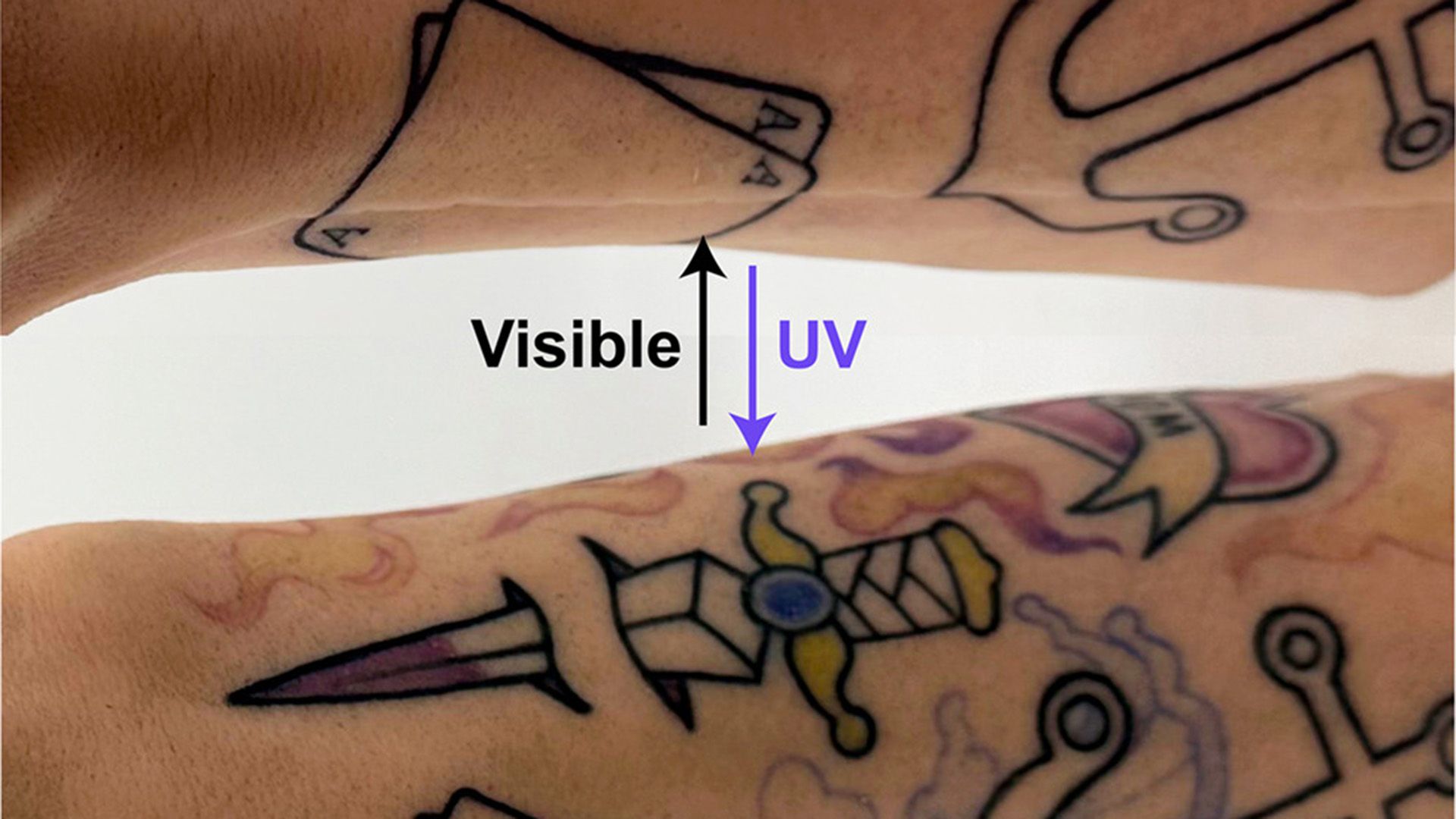
The new tattoo ink is activated under UV light. (Image credit: Matter & Light, Bruns et al.)Researchers have developed a new type of tattoo ink that can be switched on and off with light, allowing colors and images embedded in the skin to be changed and even "erased" without having to go through the painful tattoo-removal process. The system, which is being commercialized under the name PhotoTat, could eventually give people a way to conceal or change permanent body art. It could also have more practical applications, including medical tattoos that are visible only when a doctor needs to see them, researchers reported in a study published Friday (Oct. 9) in the journal Matter & Light. "This ...

A new type of ink could overcome one of the main downsides of tattoos: the inability to make them invisible

The movie is based on the true story of how Facebook employee Frances Haugen blew the whistle on the company’s safety practices

Atherosclerosis, the build-up of fatty plaque in arteries, usually affects people older than 50, but a "meaningful" proportion of younger adults also have the condition