Latest Scientific Discoveries

All News →
Turning up the heat on chickpea yield
Science News

Turning up the heat on chickpea yield

A University of Queensland study has outlined a practical pathway for accelerating the development of heat-adapted chickpeas using data from new 'omic' technologies. Ph.D. candidate Callum Jamie said the suite of technologies offered tremendous opportunities to understand how a complex trait like heat tolerance works.

šŸ“… 2026-10-15 12:00:02    •    Phys.org
A fungus is threatening the world’s food supply. Scientists just found a new defense
Science News

A fungus is threatening the world’s food supply. Scientists just found a new defense

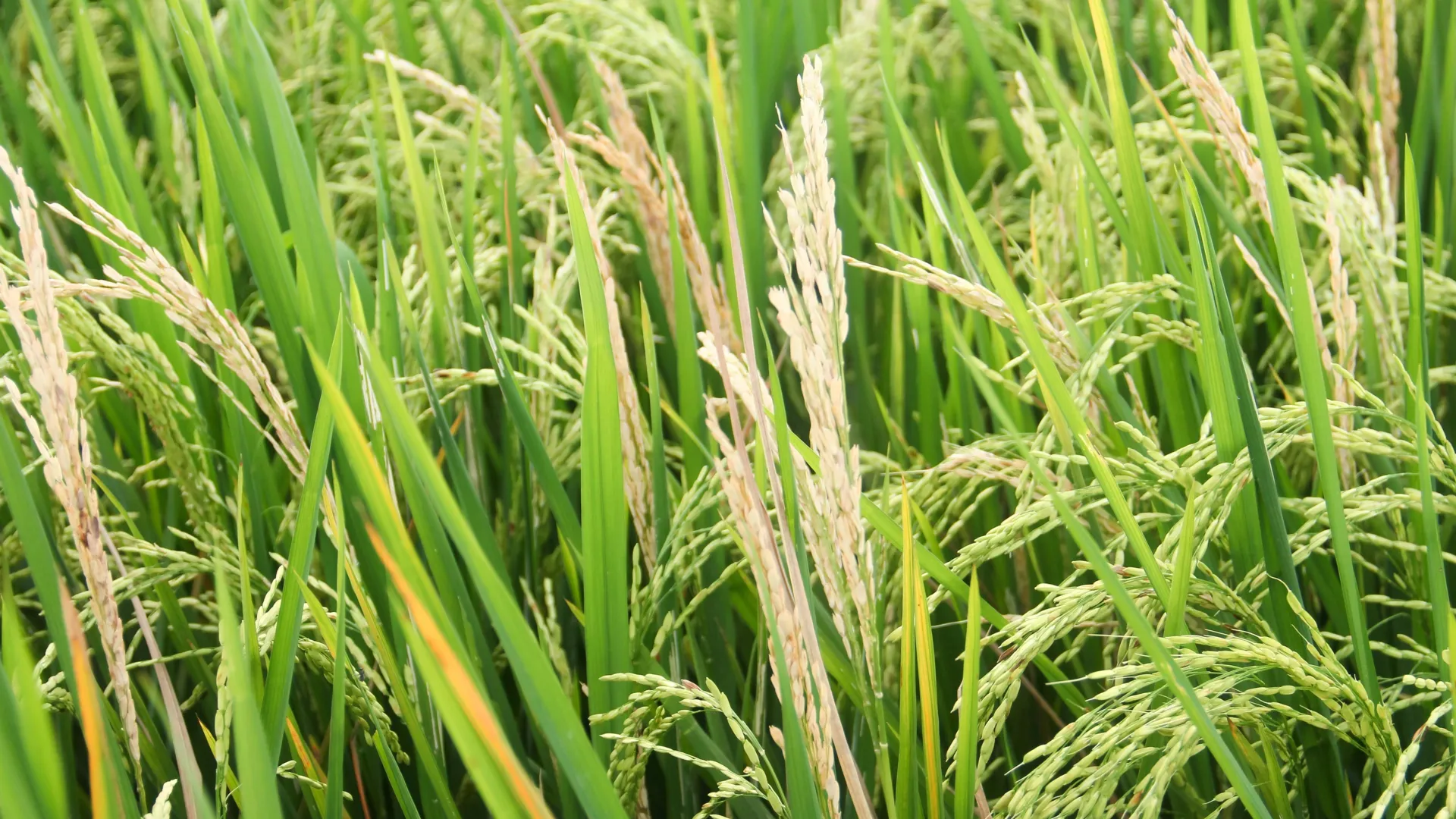
Scientists have discovered a potential new weapon against a devastating fungus that threatens rice, wheat, and barley worldwide. By engineering a special type of plant immune receptor, researchers created defenses capable of recognizing multiple fungal threats at once. The breakthrough could eventually lead to crops with powerful, long-lasting disease resistance, helping protect a global food supply increasingly threatened by spreading infections and climate change.

šŸ“… 2026-10-15 11:45:43    •    ScienceDaily
Scientists discover a surprising danger in smaller cancer cells
Science News

Scientists discover a surprising danger in smaller cancer cells

Scientists have discovered that unusually small cancer cells carrying extra chromosomes can be far more aggressive than larger ones, growing faster, spreading more readily, and resisting common treatments. The surprising finding could help explain why some tumors are especially dangerous and provide a new way to predict cancer outcomes.

šŸ“… 2026-10-15 11:27:40    •    ScienceDaily
Early growth differences help explain which beech trees survive forest competition
Science News

Early growth differences help explain which beech trees survive forest competition

The fight for survival in the forest is fierce: light, water and nutrients are all limited. This is particularly true in "mast years"—times when trees and shrubs produce an unusually large crop of fruits, nuts or seeds. Then the race for growth is on. But can differences in height between trees in their first year of life make a difference to their future, even if these differences are just one or two centimeters (0.4 or 0.8 inches)?

šŸ“… 2026-10-15 11:20:01    •    Phys.org
Green space is linked with fewer gun-related homicides—but not everywhere
Science News

Green space is linked with fewer gun-related homicides—but not everywhere

Physical surroundings affect everything from personal well-being to a neighborhood's safety. A new study from The Ohio State University finds that when it comes to preventing gun violence in a community, green space can help, but its location makes a big difference.

šŸ“… 2026-10-15 11:00:01    •    Phys.org
Quantum sensor could measure how Earth drags spacetime
Science News

Quantum sensor could measure how Earth drags spacetime

Einstein's theory of general relativity describes gravity as the bending of spacetime, a mathematical model that combines three-dimensional space and time into a single, four-dimensional continuum. The theory also predicts that a rotating object, such as Earth, slightly drags the surrounding spacetime as it rotates, a phenomenon known as frame-dragging.

šŸ“… 2026-10-15 10:40:01    •    Phys.org
Rare study reveals a striking divide inside an Alzheimer’s patient’s brain
Science News

Rare study reveals a striking divide inside an Alzheimer’s patient’s brain

A rare examination of an Alzheimer’s patient’s brain revealed that regions cleared of amyloid plaques had remarkably little of the harmful tau buildup associated with memory loss, while neighboring areas showed extensive damage. The discovery suggests that removing amyloid may have lasting protective effects and could help slow Alzheimer’s progression, especially when treatment begins early.

šŸ“… 2026-10-15 10:05:24    •    ScienceDaily
Countries most vulnerable to fossil fuel phaseout generate just 6% of global output, climate analysis finds
Science News

Countries most vulnerable to fossil fuel phaseout generate just 6% of global output, climate analysis finds

Countries highly vulnerable to the phase-out of oil, gas and coal account for just 6% of global economic output, countries in Africa stand to benefit from their vast solar energy potential, and the economic interests of the U.S., Europe and China are affected by climate policy in surprisingly similar ways. A study by the Potsdam Institute for Climate Impact Research (PIK) published in Nature Sustainability now shows, for 169 countries around the world, how the fight against global heating affects national assets—and what geopolitical challenges and opportunities arise as a result.

šŸ“… 2026-10-15 09:00:12    •    Phys.org