Latest Scientific Discoveries

All News →
Cortisol is a reproduction friend, not enemy
Science News

Cortisol is a reproduction friend, not enemy

A major international study of the role cortisol plays in reproduction has found it may not be the villain it has been depicted as, and it may actually promote healthy reproduction.

📅 2026-10-15 13:20:04    •    Phys.org
Finding new ways to catch a thief—via intruders' airborne eDNA
Science News

Finding new ways to catch a thief—via intruders' airborne eDNA

Environmental DNA (eDNA) is increasingly being investigated by forensic scientists as a tool to help solve criminal cases that lack biological traces—and attention is also turning to collecting trace airborne eDNA left behind by intruders in residential burglaries.

📅 2026-10-15 13:00:09    •    Phys.org
Mysterious brain activity under anesthesia challenges what we know about consciousness
Science News

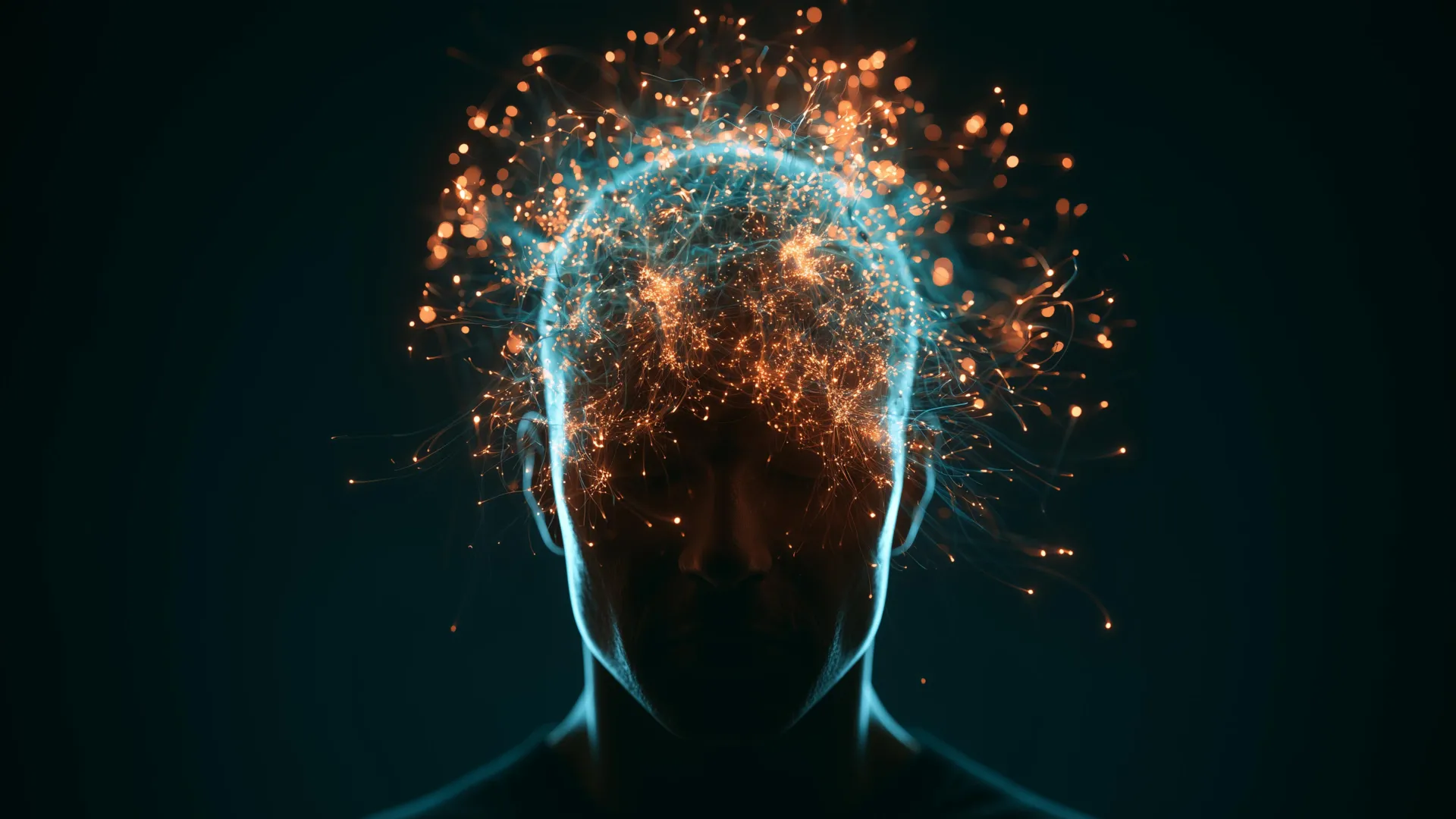
Mysterious brain activity under anesthesia challenges what we know about consciousness

Even under general anesthesia, the human brain can analyze language, recognize different types of words, and predict what comes next in a story, according to a surprising discovery by Baylor researchers. The findings challenge our understanding of consciousness and suggest that the unconscious brain is far more capable than scientists previously realized.

📅 2026-10-15 12:52:05    •    ScienceDaily
Arctic sea ice hits another troubling low in 2026
Science News

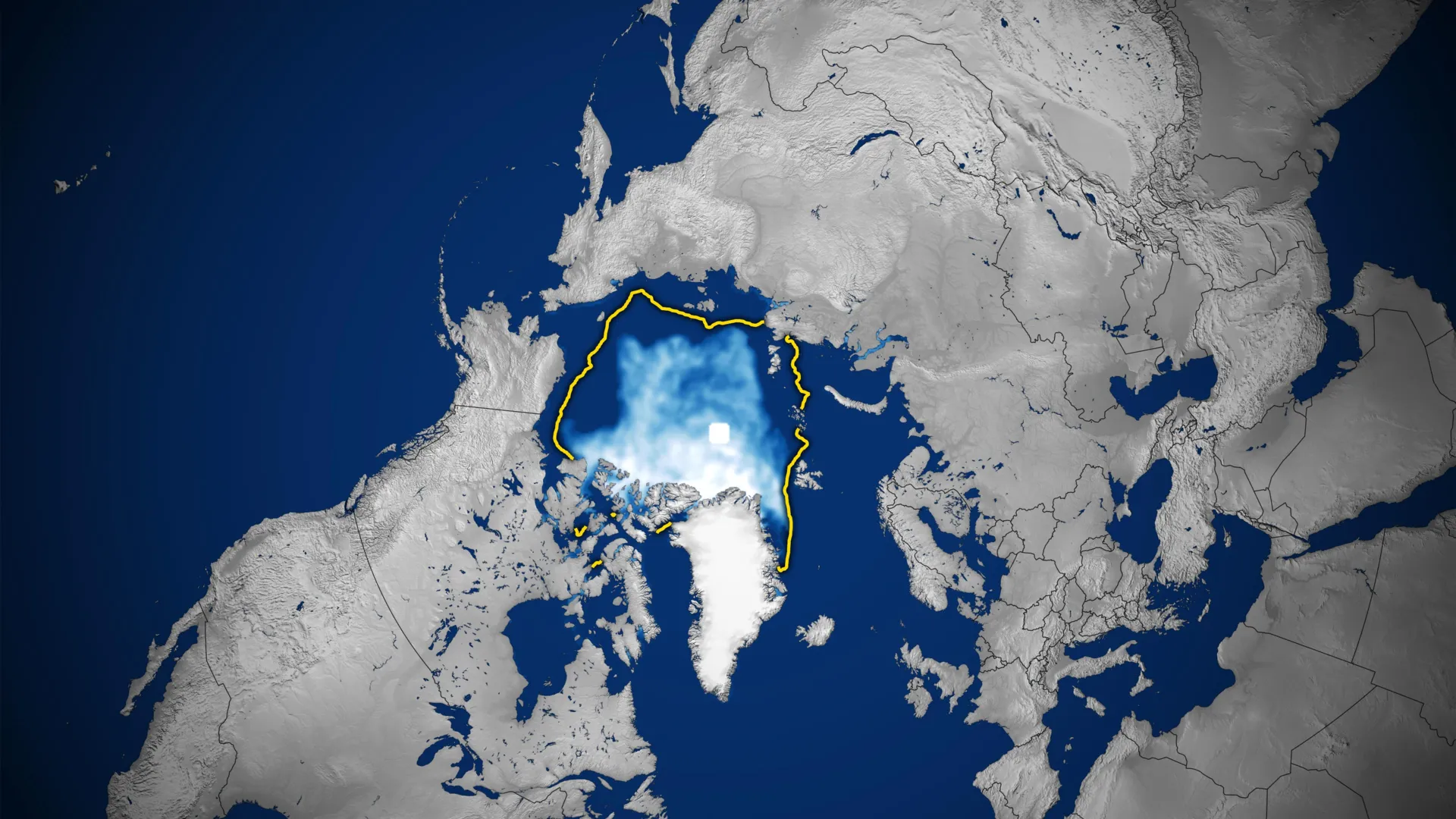
Arctic sea ice hits another troubling low in 2026

Arctic sea ice is shrinking in both winter and summer, with satellite records revealing that the region's remaining ice is becoming thinner, younger, and more vulnerable to melting. Despite a recent slowdown in summer losses, scientists warn that the Arctic could experience a nearly ice-free summer before 2050.

📅 2026-10-15 12:40:44    •    ScienceDaily
Why tightly confined water's response to electric fields depends on direction
Science News

Why tightly confined water's response to electric fields depends on direction

Using an advanced new mathematical model, a pair of physicists in Belgium has revealed the origins of an unusual, direction-dependent effect found in water confined to a narrow gap between two plates. Through research published in Physical Review Letters, Mehdi Neek-Amal and Francois Peeters at the University of Antwerp showed how two drastically different dielectric responses in this water emerge from the natural bonding behavior of its molecules.

📅 2026-10-15 12:40:08    •    Phys.org
Q&A: Expanding climate models to better capture the complexities of public health
Science News

Q&A: Expanding climate models to better capture the complexities of public health

About a decade ago, a group of climate scientists described five scenarios for the future. Called the Shared Socioeconomic Pathways (SSPs), these scenarios suggest how socioeconomic development could evolve in worlds with differing challenges to climate adaptation and mitigation.

📅 2026-10-15 12:40:05    •    Phys.org
Eating late at night linked to up to 30% higher risk of liver disease
Science News

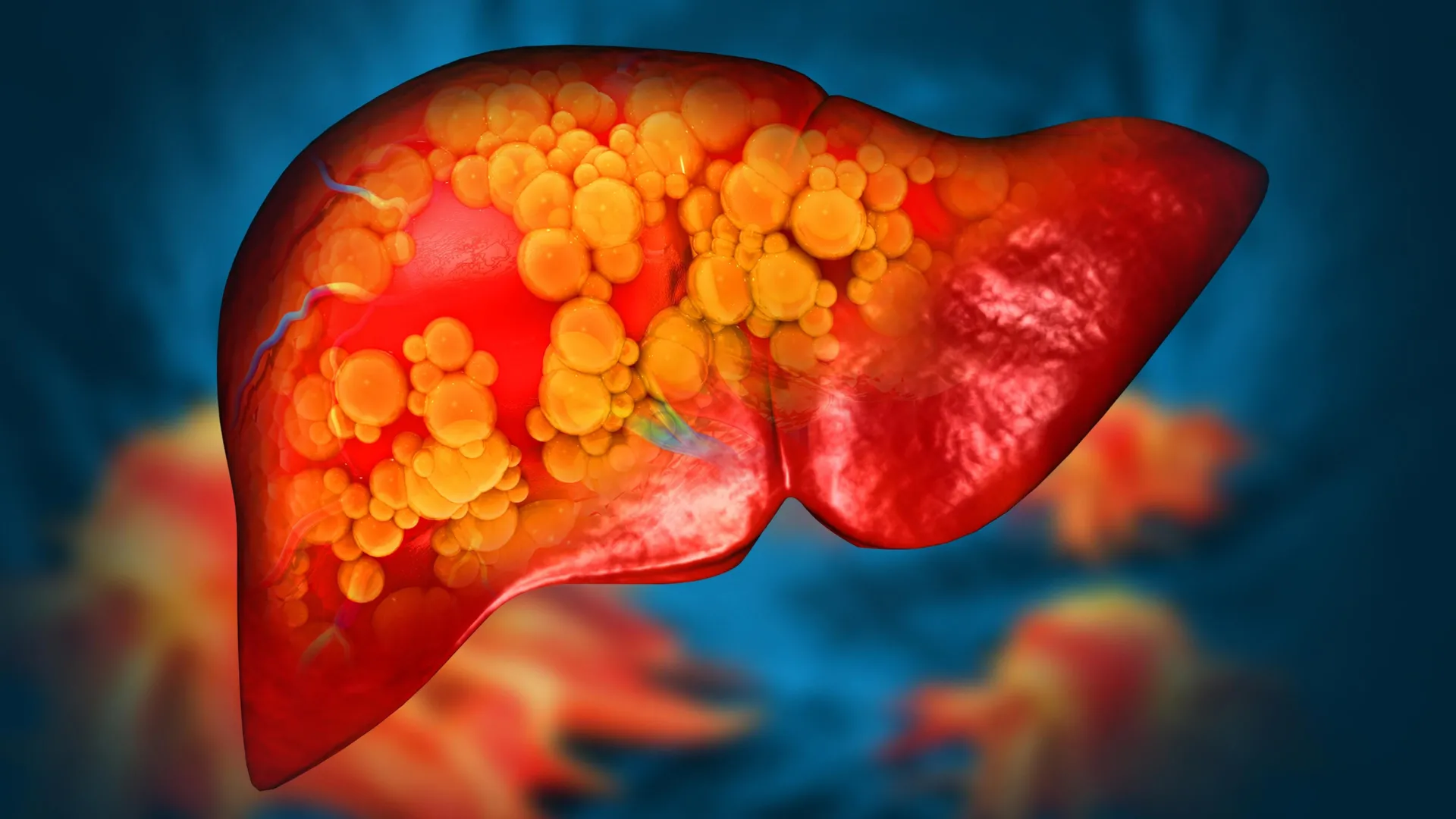
Eating late at night linked to up to 30% higher risk of liver disease

Eating late at night could be putting your liver at risk, according to a large study led by Oregon Health & Science University. Researchers analyzed data from nearly 200,000 people and found that those who regularly ate after dinner or around bedtime had a 20% to 30% higher risk of liver disease, including fatty liver disease and cirrhosis.

📅 2026-10-15 12:26:16    •    ScienceDaily