
Science News
The shingles vaccine may protect the heart
Shingrix, the same vaccine that protects people from the blistering shingles rash, might also lower risk of heart disease.
📅
2026-09-09 17:00:00
•
Science News
Explore the latest scientific discoveries, science news, breakthroughs and developments from around the world.
Shingrix, the same vaccine that protects people from the blistering shingles rash, might also lower risk of heart disease.

It’s unclear what these objects actually are, but evidence for them has been detected by NASA’s Chandra space telescope for years
Related storiesNext-generation AI 'swarms' will invade social media by mimicking human behavior and harassing real users, researchers warn'A dangerous proposition': How AI is warping the social fabric and the ways we collectively imagine the future'There's a sense that these algorithms are objective and they get to know you': How social media warps our understanding of healthcareArtificial intelligence (AI) systems can now hold conversations, reason through difficult mathematical equations, and respond in ways that seem more human. As AI grows more advanced, the question is shifting from the realm of science fiction to scientific debate. A recent preprint study examined "consciousness steeri...

It can't be heard, but different parts of the human body are in constant conversation, communicating to keep the entire system running efficiently. For biologists, being able to listen in on this discussion is a long-sought-after goal. Over the years, researchers have caught snippets of these exchanges, but the complete dialogue has remained out of reach.

A few hundred million years after the Big Bang, the first stars ignited—literally the "let there be light" moment for the universe. Now known to astronomers as Population III, or Pop III, stars, these giants were very different from the stars we know today. They formed from pristine hydrogen and helium, with almost no "metal" (i.e., other elements) holding them back. They were also huge, growing to tens to hundreds of times larger than the sun. And they died young, in many cases collapsing into the universe's earliest black holes.
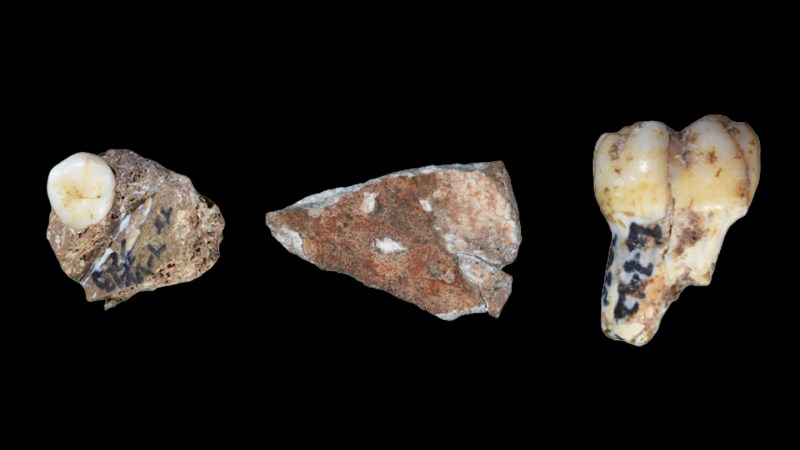
Teeth and bone fragments unearthed in a cave in China, along with animal bones and stone tools, help paint a picture of Denisovan life.
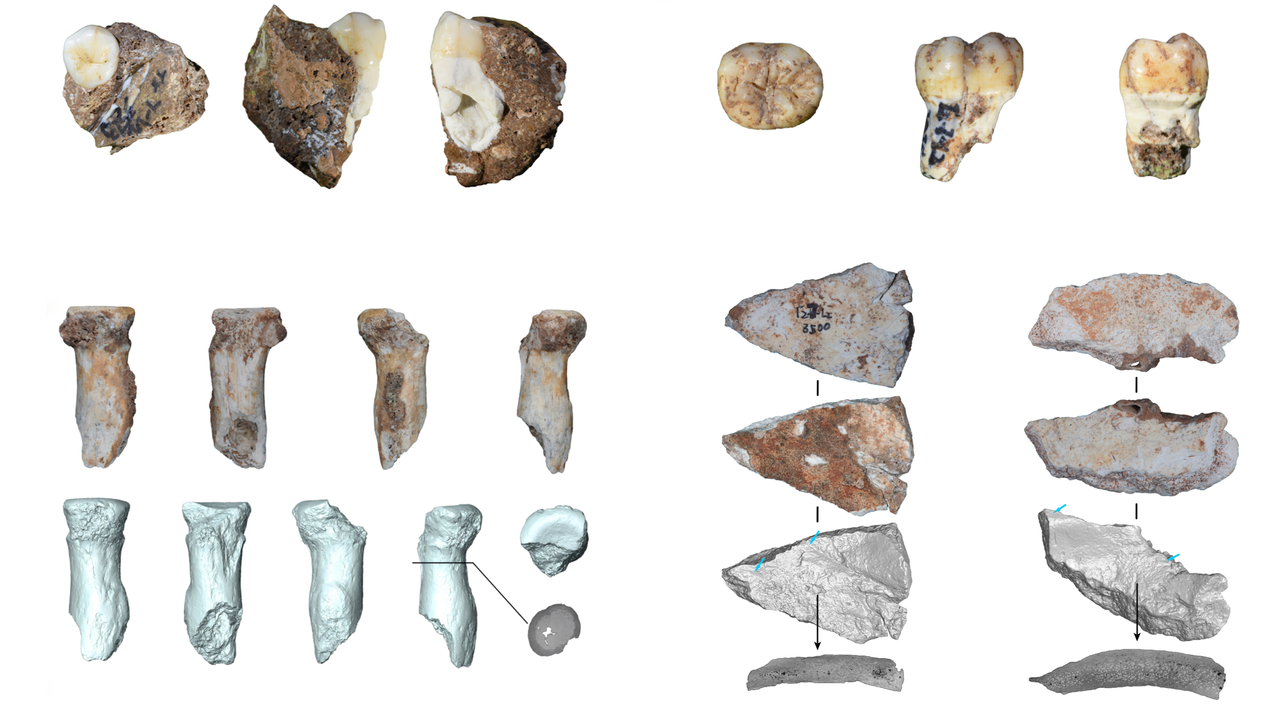
Archaeologists excavating in southwestern China have discovered a cave that was used by Denisovans for more than 100,000 years. Five human fossils, scores of stone tools, and hundreds of animal bones recovered from the cave reveal for the first time that the enigmatic Denisovans thrived in a forested environment where they hunted and ate large game animals.Denisovans were a lineage of humans who lived in Asia and went extinct around 30,000 years ago. Ancient DNA has shown that Denisovans, Neanderthals and modern humans (Homo sapiens) are distantly related and that all three groups interbred in the past. But while archaeologists have found numerous Neanderthal and modern-human skeletons, Deni...
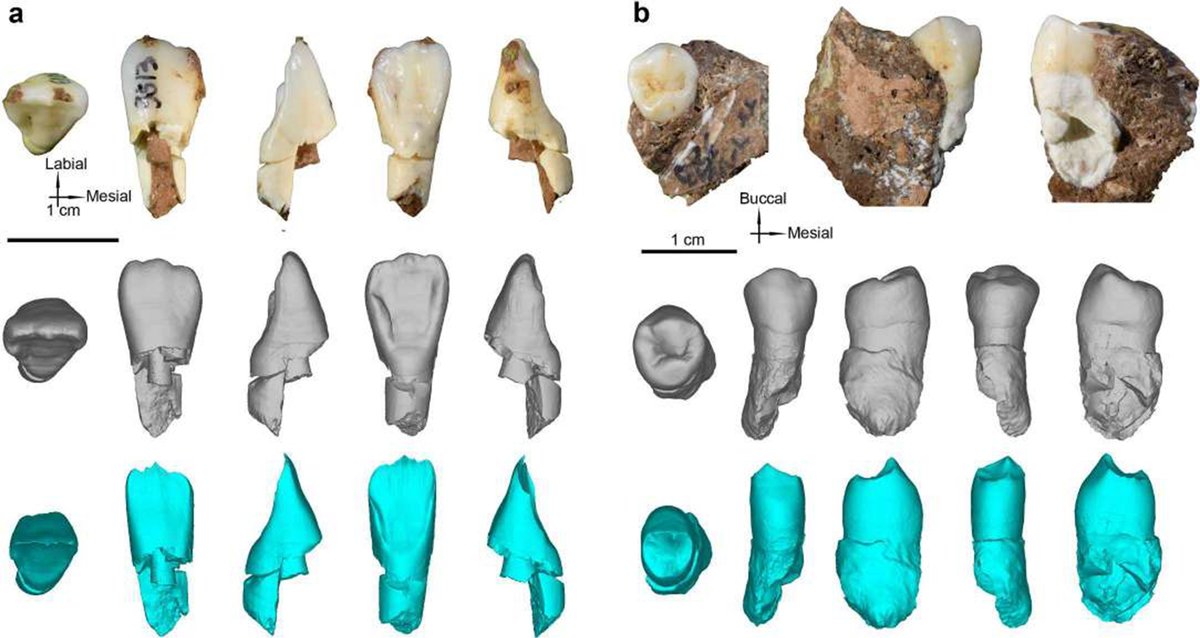
An analysis of ancient bones found in a Chinese cave offer glimpses of how Denisovans lived more than 130,000 years ago

Cleaner engine standards and a gradual uptake of electric vehicles have been credited with helping improve Auckland's air quality in recent years.

Monash University scientists have developed a global framework to tackle a major blind spot in biodiversity conservation: Insects underpin ecosystems and food production but remain largely invisible to conservation efforts across the tropics.

Senegalese engineers in hairnets and white gloves are carefully assembling a nanosatellite at a French lab—another step toward fostering their own space industry back home.

A new Flinders University study of primary school children shows a science-based digital phonics reading app can accelerate early reading while helping teachers quickly identify students needing extra support.