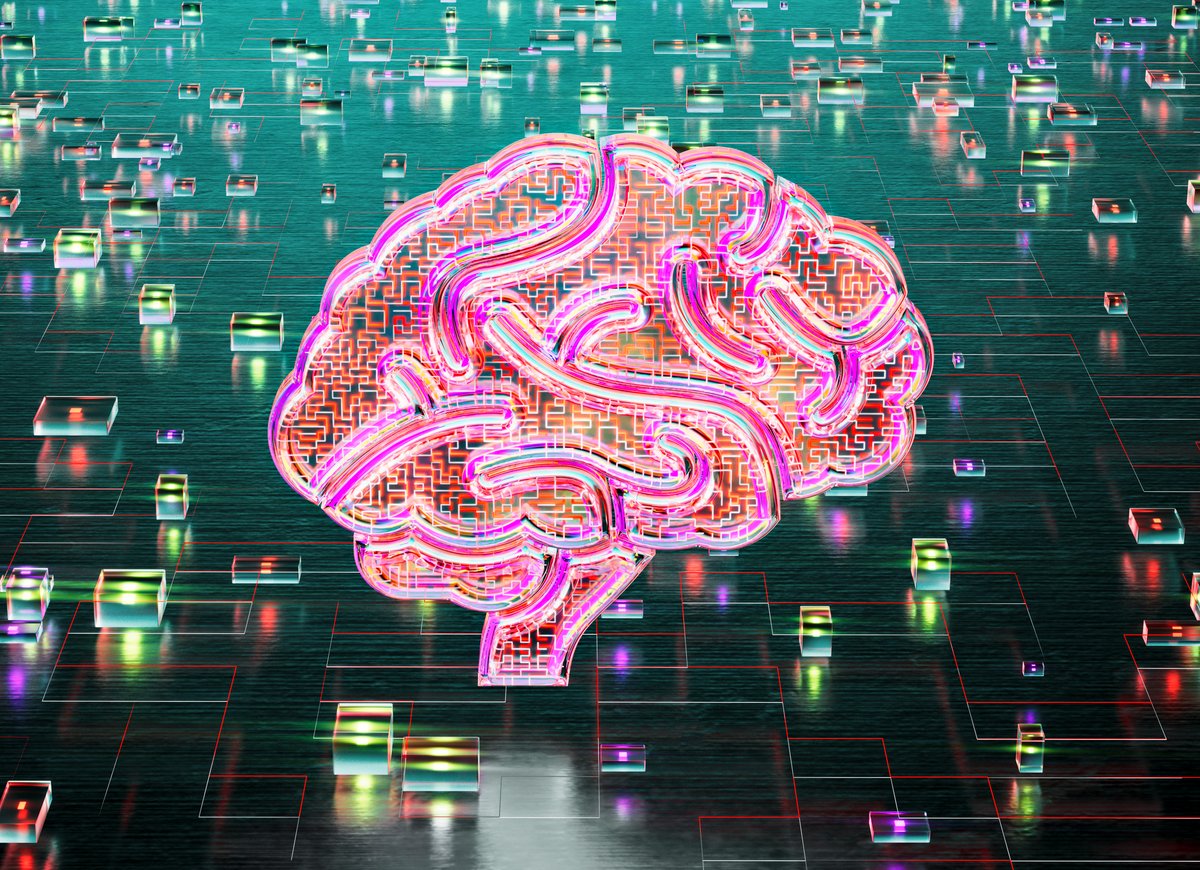
Can independent AI auditors keep up with frontier AI development?
Independent auditors are emerging as a key part of plans to rein in frontier AI. But the systems are evolving faster than the methods used to evaluate them
Explore the latest scientific discoveries, science news, breakthroughs and developments from around the world.
Independent auditors are emerging as a key part of plans to rein in frontier AI. But the systems are evolving faster than the methods used to evaluate them
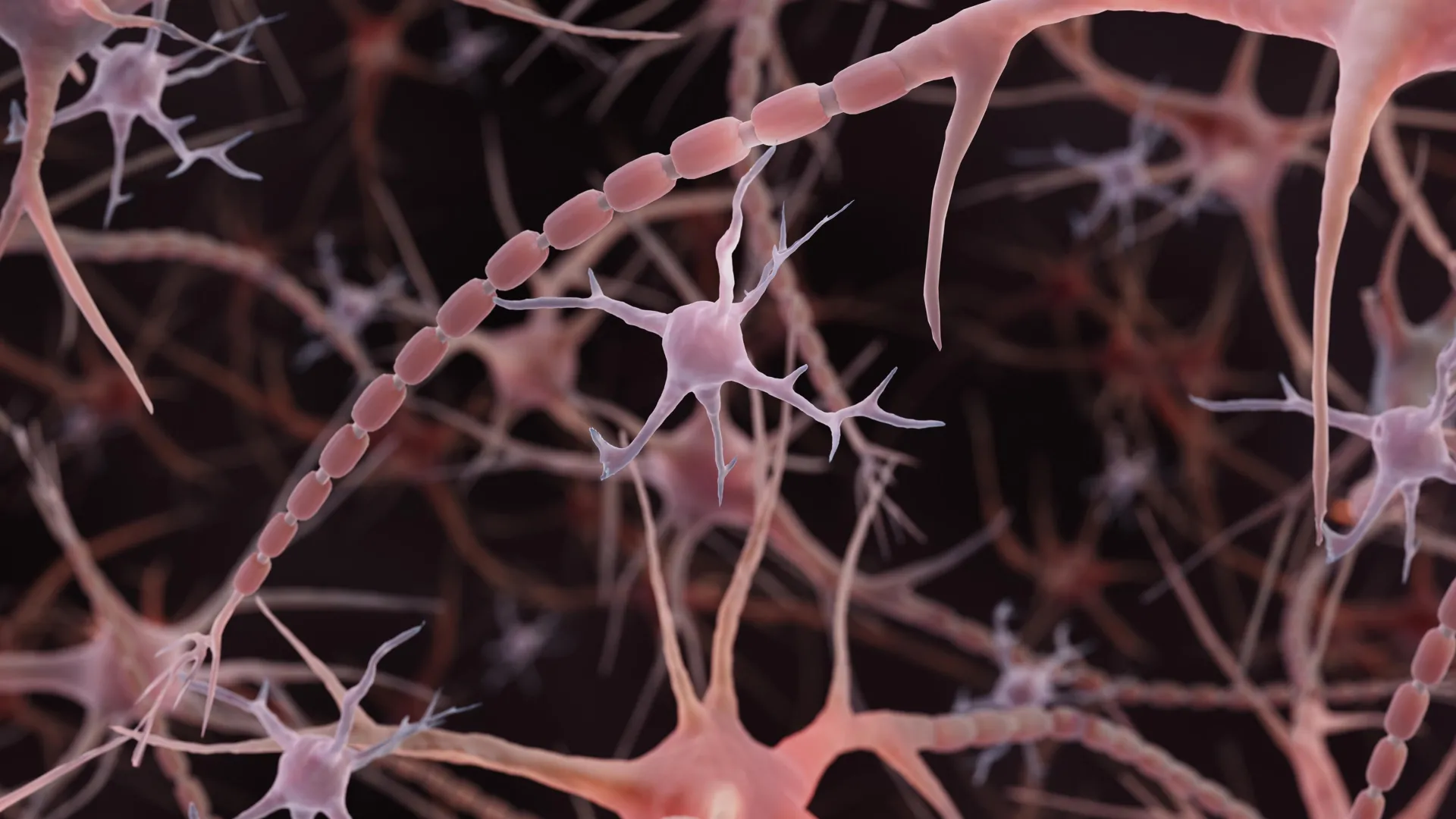
Scientists discovered that brain-cell axons may not be smooth tubes as textbooks have shown for more than a century, but instead naturally resemble strings of tiny pearls. Those pearl-like structures can change with neural activity and may help control how quickly electrical signals travel through the brain.
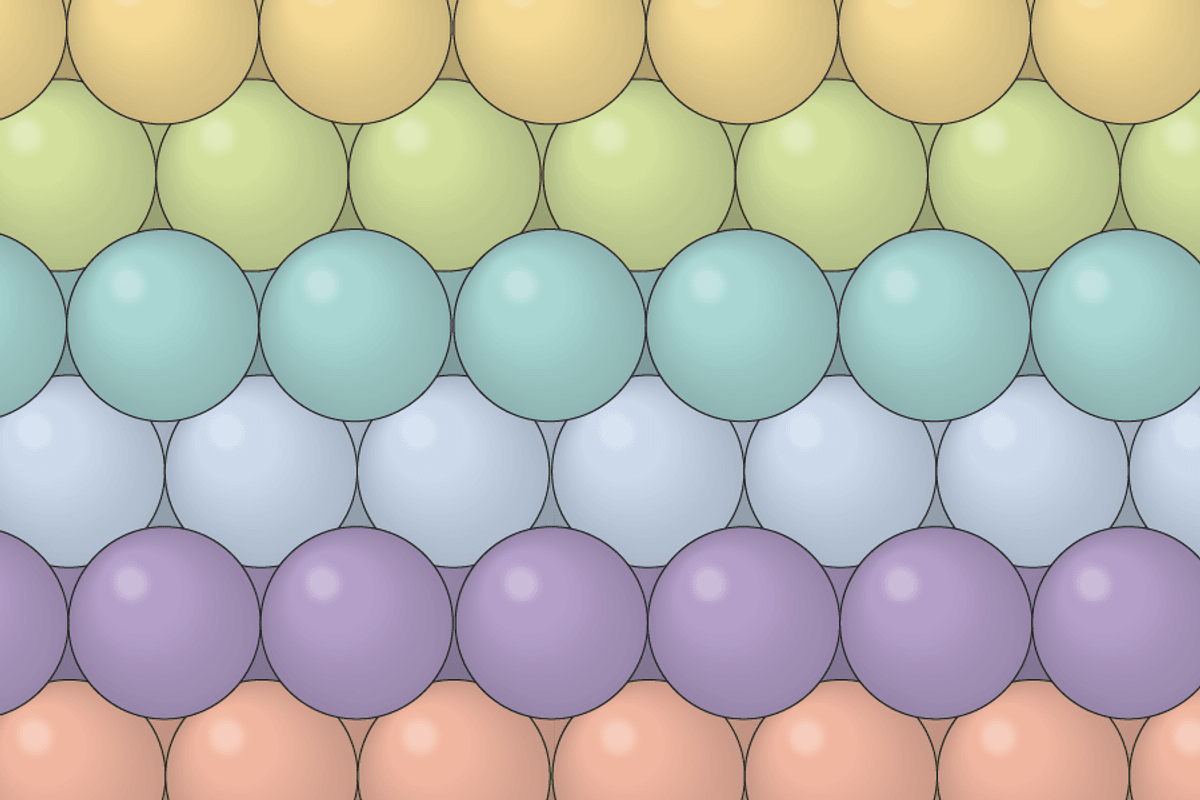
The surprising real-world applications of high-dimensional sphere packing and the 48-year-old barrier that OpenAI just broke
Artificial general intelligence was once a term confined to technical science papers, but its meaning has slipped
Texts from imperial China suggest that some crimes were punishable with unusual amputations and a 700-year-old skeleton appears to offer the first physical evidence of the practice
Artificial intelligence is rapidly becoming part of how people learn, solve problems and construct knowledge. Yet whether AI strengthens human intelligence or encourages excessive dependence remains an open question.
Plug-in solar panels offer reduced bills and can help boost renewable energy on Great Britain's grid, but concerns around their safety remain
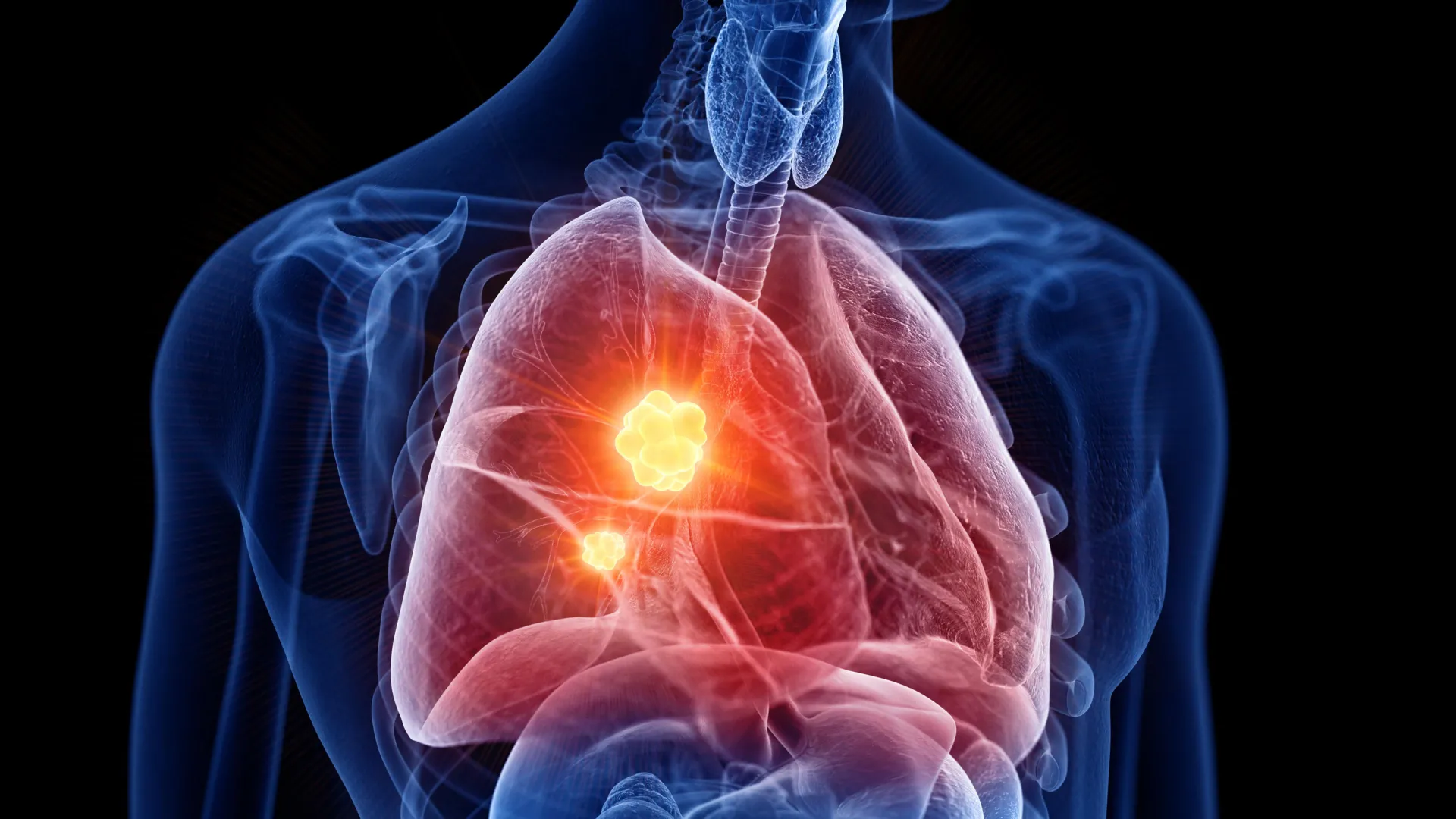
Scientists are testing a counterintuitive way to fight mesothelioma, an aggressive asbestos-linked cancer with few effective treatments. A new experimental mesothelioma drug kills cancer cells by disabling PRX3, an antioxidant defense that tumors use to survive intense oxidative stress. In an early clinical trial, it controlled disease progression in 67% of patients and produced encouraging survival results, raising hopes that the strategy could eventually be used against other cancers.
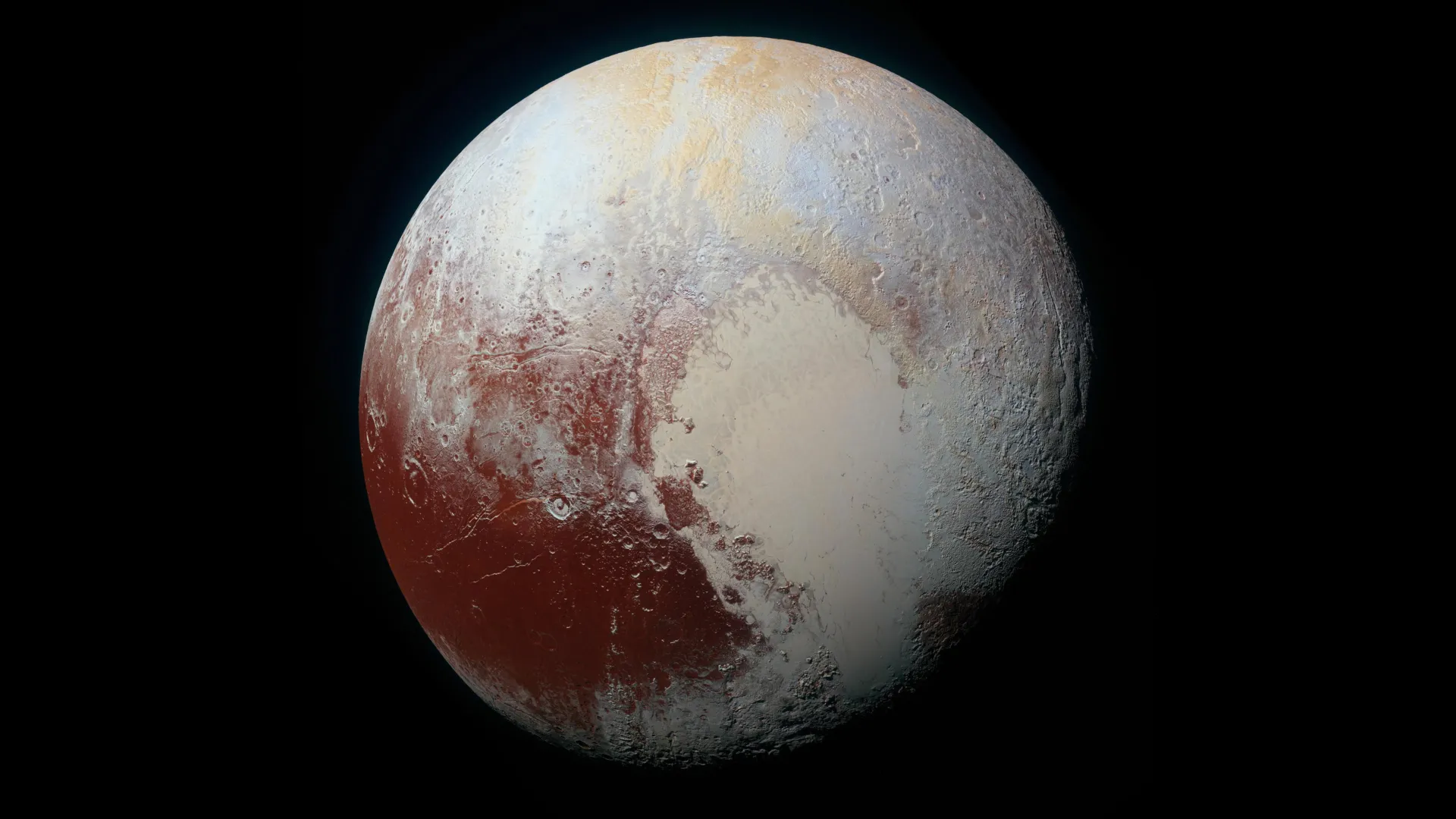
Scientists have found the first evidence that liquid may have flowed across Pluto’s surface in the recent past. Dark features on the enormous Sputnik Planitia glacier appear consistent with liquid nitrogen rising through cracks from deep beneath the ice. Computer models show that nitrogen could melt at the glacier’s base and travel upward like fluid through small conduits. The finding reveals that Pluto may be much more geologically active than its frozen appearance suggests.
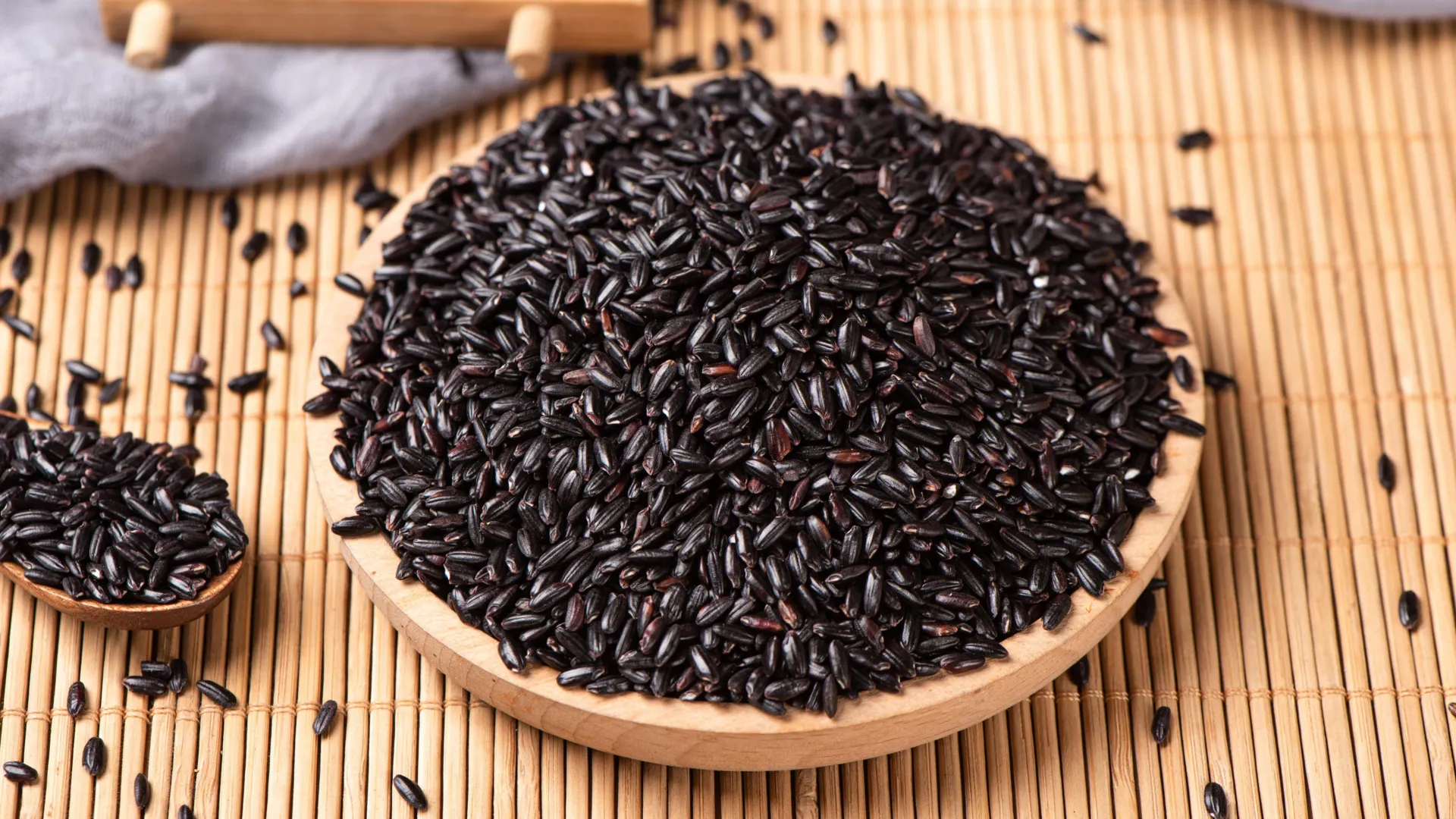
Scientists found that black and green Japanese rice contain unusual, potentially beneficial fats and may be digested more slowly than ordinary white rice. The combination could make these colorful varieties promising ingredients for foods designed to support blood sugar and metabolic health.
For many, the Bayeux Tapestry conjures images of clinker-built ships, prancing horses, the Normans feasting on chicken on the eve of the Battle of Hastings, and the arrow in King Harold's eye that ended centuries of Anglo-Saxon rule.
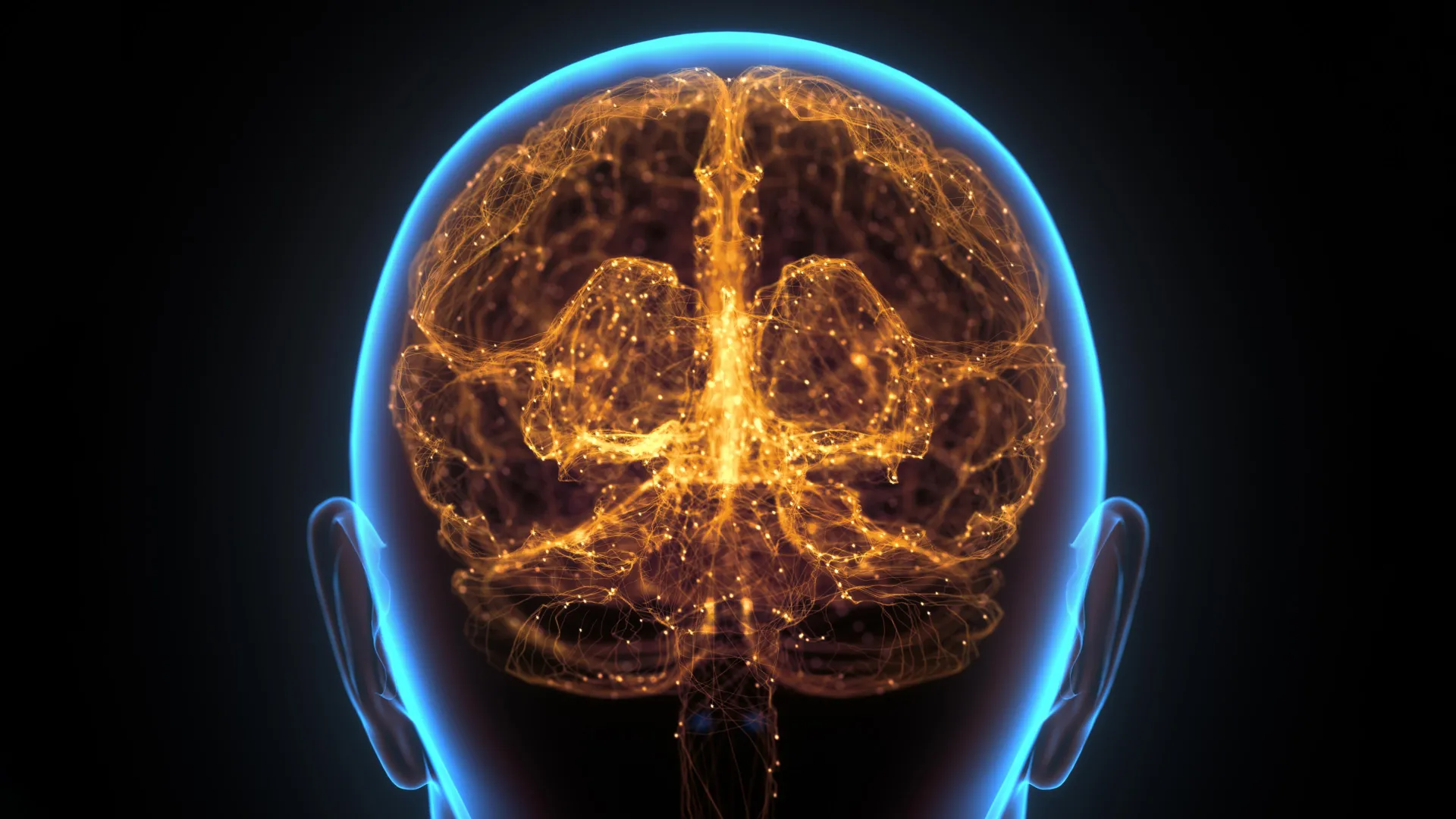
Scientists discovered a hidden “immune organ” inside the skull that acts as a rapid first responder against brain cancer in mice. Strengthening this local immune defense improved tumor rejection and survival, raising the possibility of new treatments that target the skull directly.