Latest Scientific Discoveries

All News →
Beautiful new cat species is first to be named in a century
Science News

Beautiful new cat species is first to be named in a century

The tilcayo (Leopardus tilcayo) in an animal refuge in La Paz, BoliviaPaola Nogales-Ascarrunz A new cat species has been scientifically described – the diminutive, spotted tilcayo from Bolivia. Several species of small cat in the Leopardus genus live in South America, including the ocelot, margay, kodkod, Geoffroy’s cat and the tiger cat or oncilla. The similar appearance of these nocturnal and hard-to-spot cats has made separating them into distinct species difficult. This is particularly true of tiger cats, which are about the size of a house cat, and are found in Costa Rica in Central America, and across a vast swathe of South America including Bolivia, Brazil, Venezuela, Colombia, Ecuado...

📅 2026-09-17 15:00:00    •    New Scientist

This popular fermented food may help flush nanoplastics from the body
Science News

This popular fermented food may help flush nanoplastics from the body

A kimchi-derived bacterium can bind to nanoplastics under gut-like conditions and may help carry them out of the body. In mice, the probiotic more than doubled the amount of nanoplastics detected in feces, pointing to a surprising potential use for microbes from fermented foods.

📅 2026-09-17 14:42:52    •    ScienceDaily
Scientists discover a mysterious new frog hiding in the Amazon
Science News

Scientists discover a mysterious new frog hiding in the Amazon

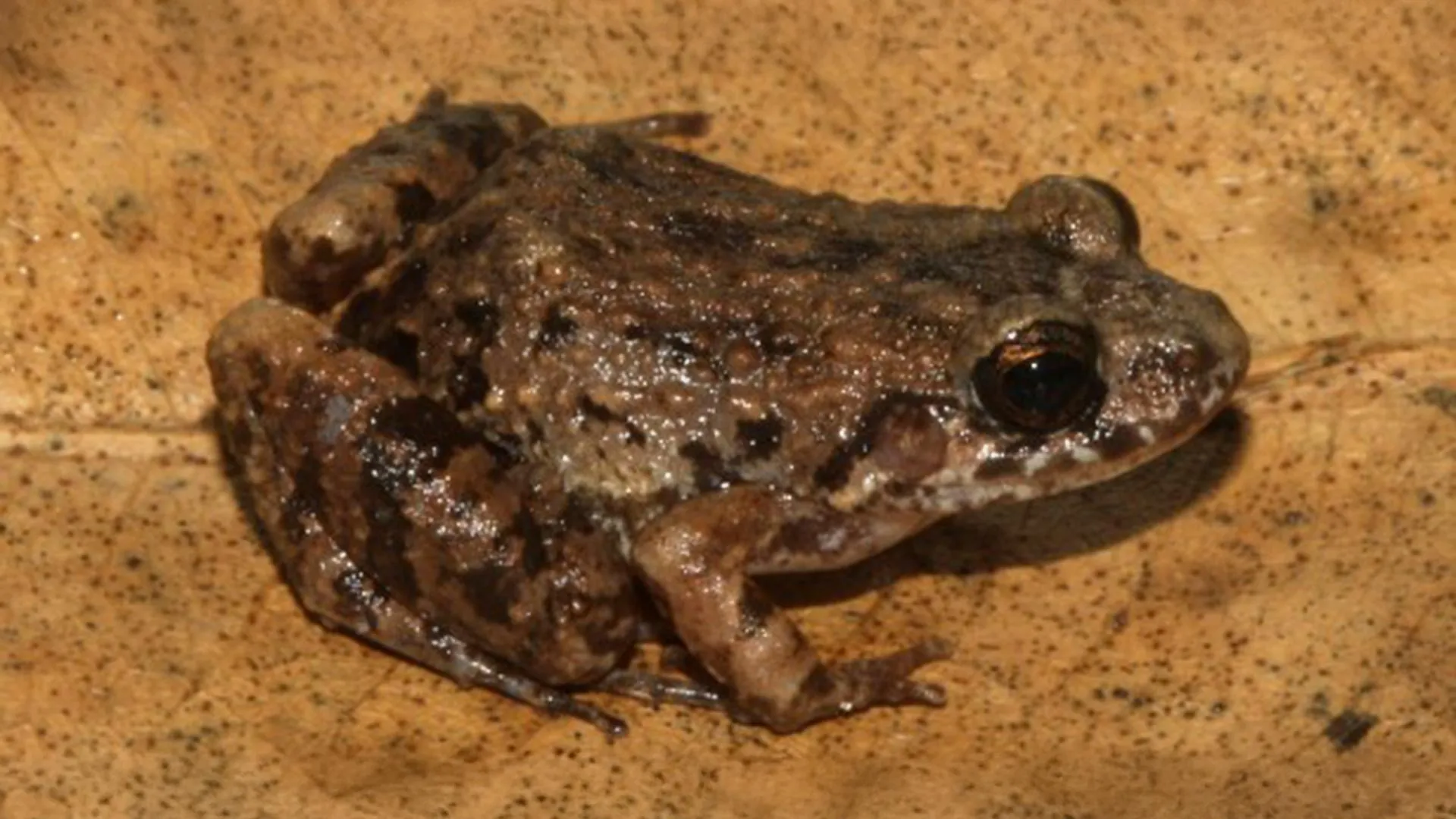
Scientists discovered a new frog species in the flooded forests of the western Amazon, distinguishing it from nearly identical relatives through DNA and its unique call. Adenomera varcena highlights how much Amazonian biodiversity remains hidden even as habitat loss and climate change threaten these poorly understood species.

📅 2026-09-17 14:08:44    •    ScienceDaily
1,000-year-old 'snake amulet' featuring a Christian saint and 'Medusa' discovered in Russia
Science News

1,000-year-old 'snake amulet' featuring a Christian saint and 'Medusa' discovered in Russia

Archaeologists excavating a medieval settlement in northwestern Russia have unearthed an unusual 11th-century pendant that combines Christian and pagan imagery. It is the oldest amulet of its kind discovered in the region.The double-sided copper-alloy pendant was found during a summer excavation in Staraya Russa, a historic town between Moscow and St. Petersburg, according to a translated statement from Novgorod State University. One side depicts a Christian saint, while the other side has a Medusa-like figure. The artifact is known in Russian as a "snake amulet" or "serpentine pendant." Four other examples of this jewelry type are known from Christian sites in the area, but those have been ...

📅 2026-09-17 13:59:01    •    Live Science
A $100 detector can see invisible particles raining down from space
Science News

A $100 detector can see invisible particles raining down from space

A pocket-sized, roughly $100 detector can reveal the invisible stream of cosmic particles constantly passing through Earth and even through our bodies. What began as a student physics project is now being used in major experiments, balloon missions, and potentially future spacecraft.

📅 2026-09-17 13:54:19    •    ScienceDaily
Astronomers just found the youngest known planet ever
Science News

Astronomers just found the youngest known planet ever

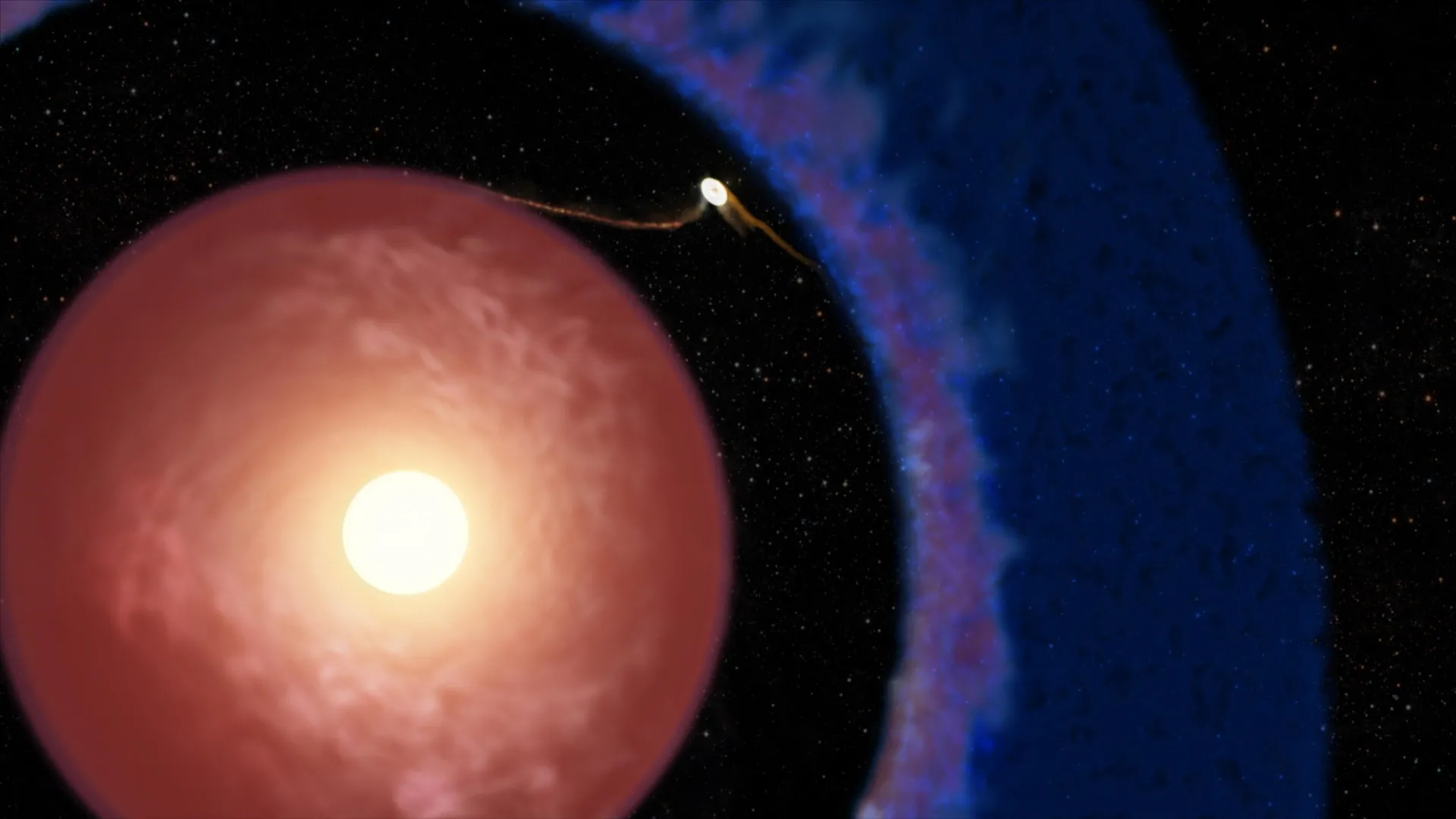
Astronomers have confirmed a Jupiter-size planet less than a million years old, making Elias 2-24 b the youngest known planet and giving scientists a rare look at a world still being born. Its surprisingly rapid formation challenges leading theories about how giant planets come together, especially so far from their stars.

📅 2026-09-17 13:00:19    •    ScienceDaily
JWST’s mysterious little red dots may be black holes growing at incredible speeds
Science News

JWST’s mysterious little red dots may be black holes growing at incredible speeds

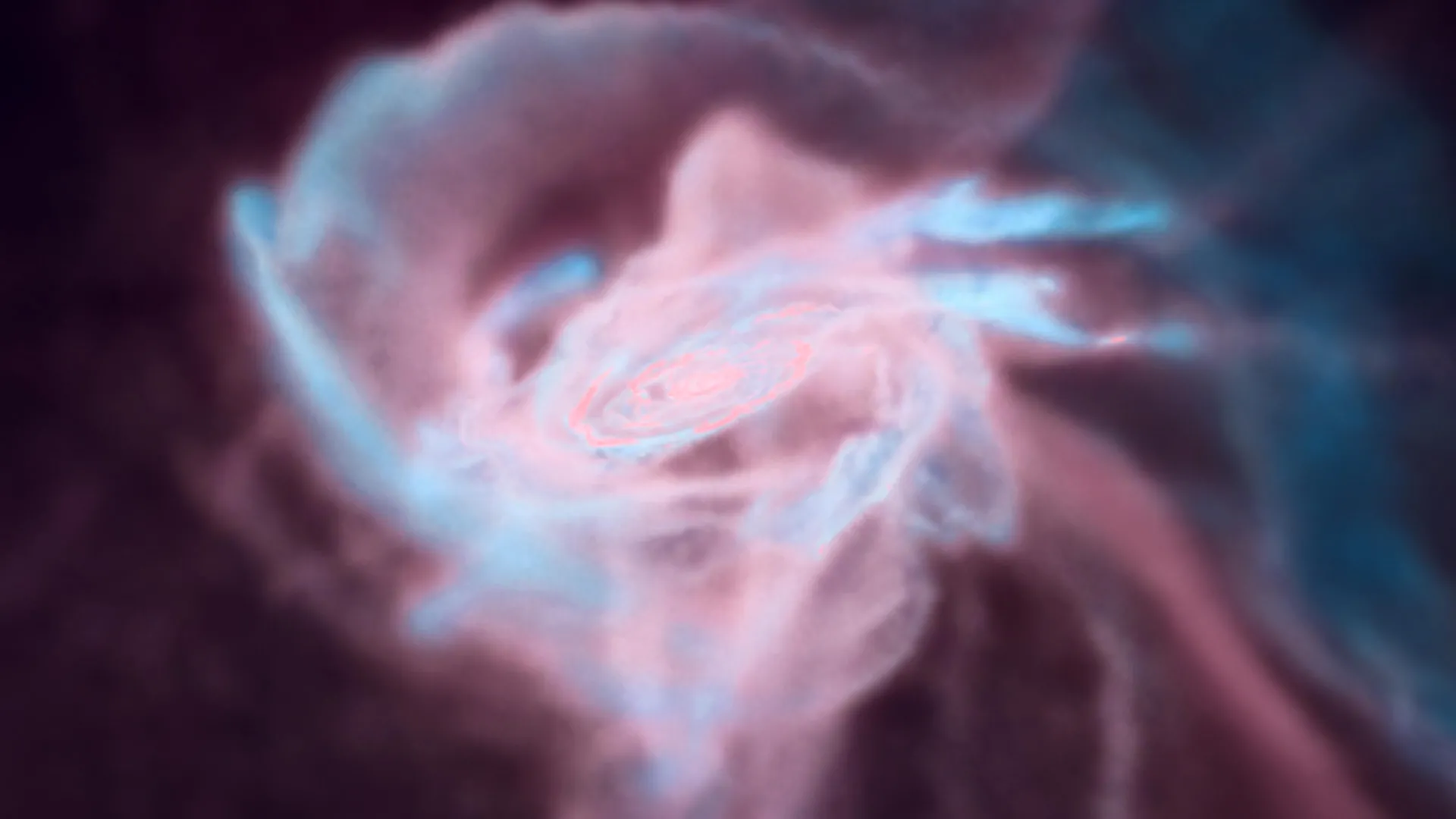
New supercomputer simulations suggest JWST’s puzzling Little Red Dots are rapidly growing black holes from the early Universe. Extreme radiation may have helped create unusually massive black hole seeds, while dense surrounding gas allowed them to grow dozens of times faster than black holes can today. The simulated objects closely resemble the Little Red Dots seen by Webb. If correct, they could solve the mystery of how enormous black holes formed so soon after the Big Bang.

📅 2026-09-17 12:45:48    •    ScienceDaily
'At some point we're going to have to react': How El Niño, climate change, and crime are pushing the Amazon rainforest over the brink
Science News

'At some point we're going to have to react': How El Niño, climate change, and crime are pushing the Amazon rainforest over the brink

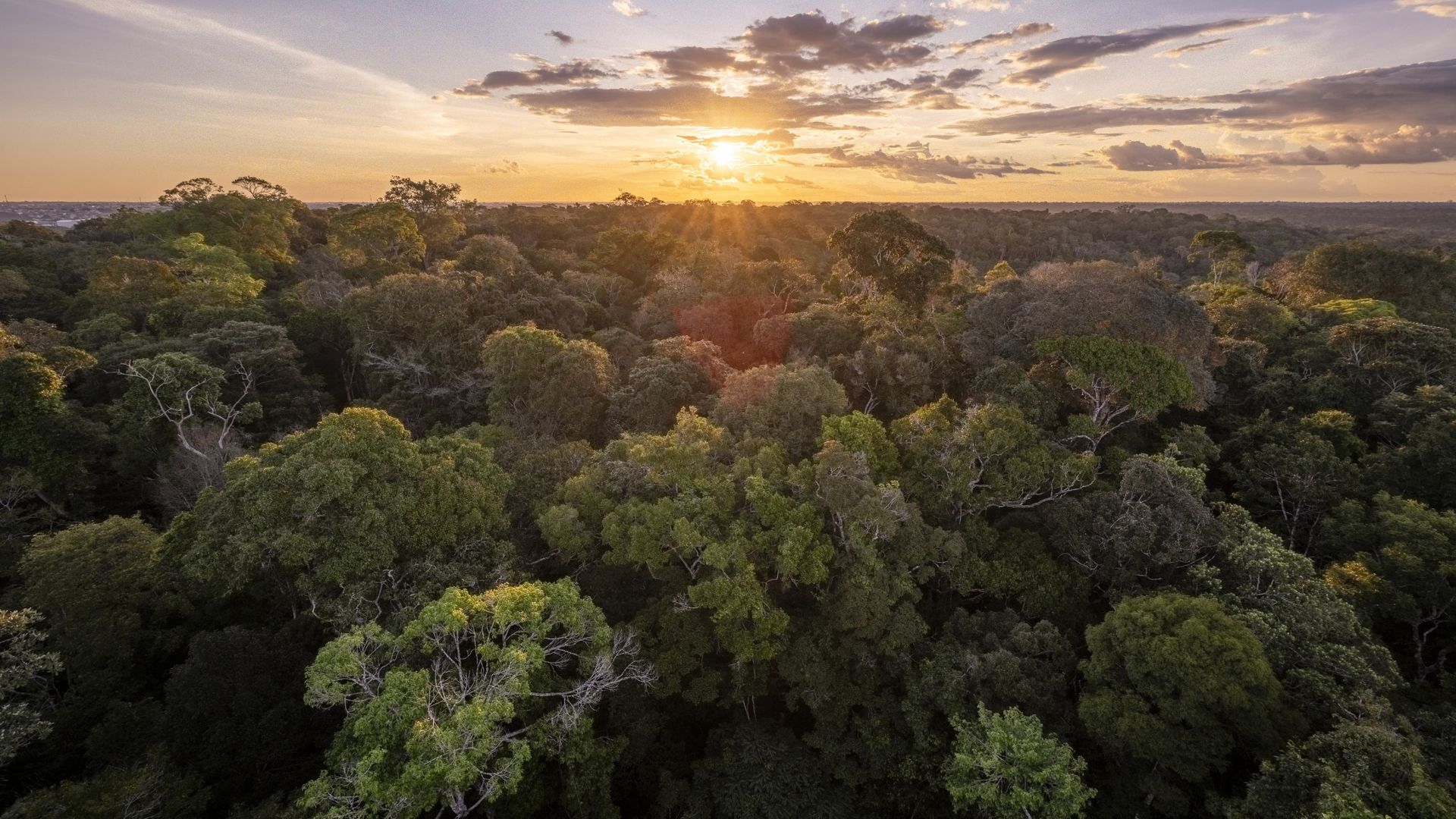
The Amazon, Earth's largest tropical rainforest, could be on the brink of an irreversible change as the ongoing El Niño strengthens its grip on our climate.El Niño is the warm phase of a multiyear natural climate cycle that is often marked by rising global temperatures and disruptive weather. This time, scientists monitoring the event are warning that climate change has helped supercharge it to likely the strongest ever recorded.As temperature records are breached and the risk of a humanitarian crisis looms, already stressed natural systems are coming under unprecedented strain. The Amazon is one such system. Having suffered severe degradation in recent decades, some fear that a historic El ...

📅 2026-09-17 12:40:08    •    Live Science
Scientists find a natural gut compound that helps heal the intestine
Science News

Scientists find a natural gut compound that helps heal the intestine

A natural compound produced by gut bacteria after digesting foods such as pomegranates, walnuts, and berries may help repair and protect the intestinal lining. The discovery reveals a surprising beneficial side of an inflammatory pathway and could inspire more targeted treatments for Crohn’s disease and ulcerative colitis.

📅 2026-09-17 11:13:50    •    ScienceDaily