Latest Scientific Discoveries

All News →
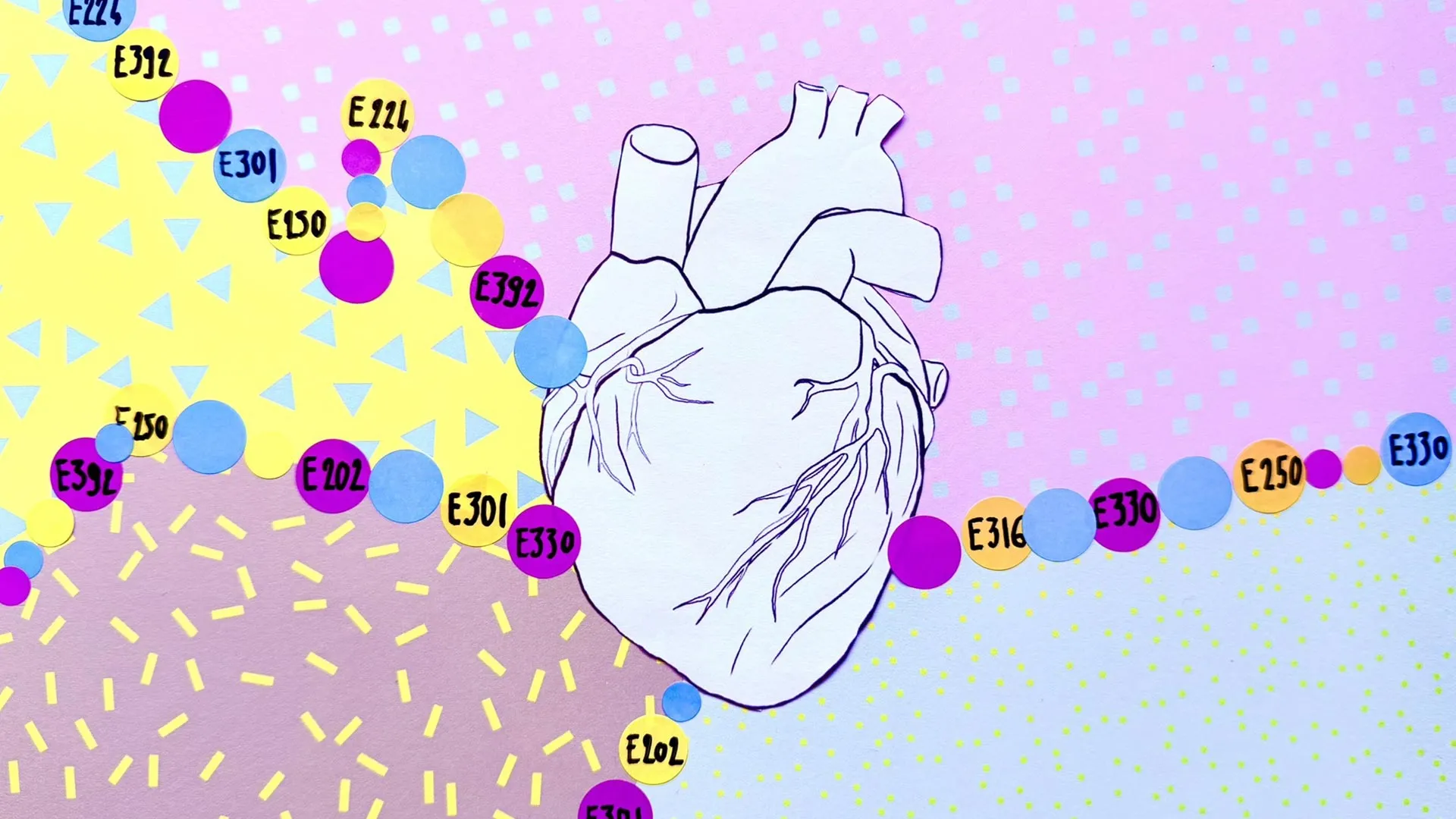
8 common food additives linked to high blood pressure and heart disease
Science News

8 common food additives linked to high blood pressure and heart disease

Common preservatives hiding in processed foods may carry unexpected heart risks, with heavy consumption linked to substantially higher rates of high blood pressure and cardiovascular disease. Researchers identified eight widely used preservatives associated with hypertension, although the observational study cannot prove they were directly responsible.

📅 2026-09-20 12:43:41    •    ScienceDaily
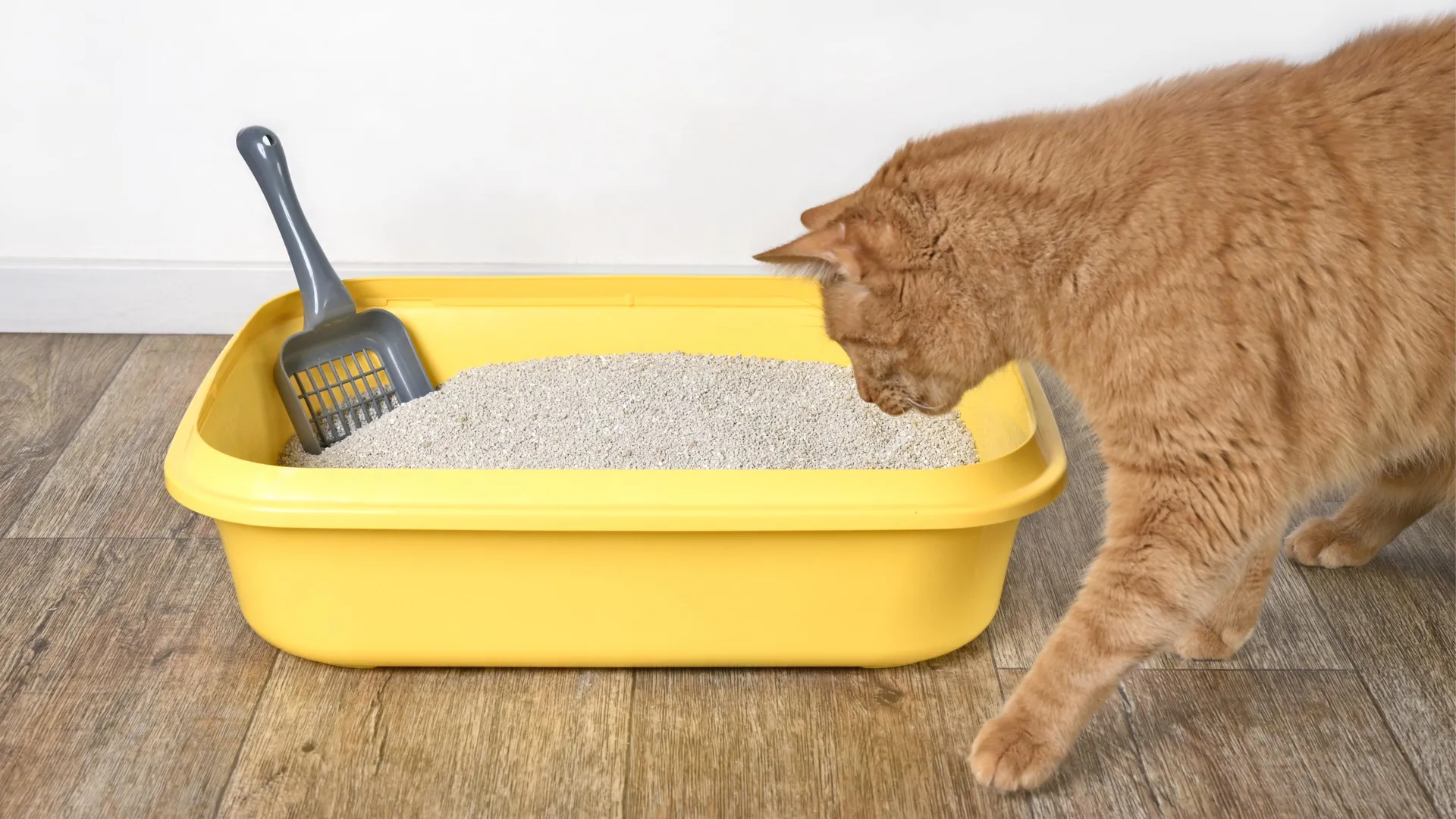
Scientists discover a hidden “ID card” in cat urine
Science News

Scientists discover a hidden “ID card” in cat urine

Cats may identify one another through a surprisingly durable chemical “calling card” made from 13 unusual fatty acids in their urine. The compounds appear linked to mysterious fat droplets in the kidneys and may represent a scent-recognition system shared across the cat family.

📅 2026-09-20 12:24:21    •    ScienceDaily
Scientists may have solved a 2,000-year-old Dead Sea Scrolls mystery
Science News

Scientists may have solved a 2,000-year-old Dead Sea Scrolls mystery

Researchers may have solved a long-running mystery surrounding the Dead Sea Scrolls by proposing that the Qumran sect really did use its distinctive 364-day calendar. Its perfectly ordered 52-week system kept holidays on the same weekdays, but it slowly drifted out of sync with the seasons because it was shorter than the true solar year.

📅 2026-09-20 11:58:13    •    ScienceDaily
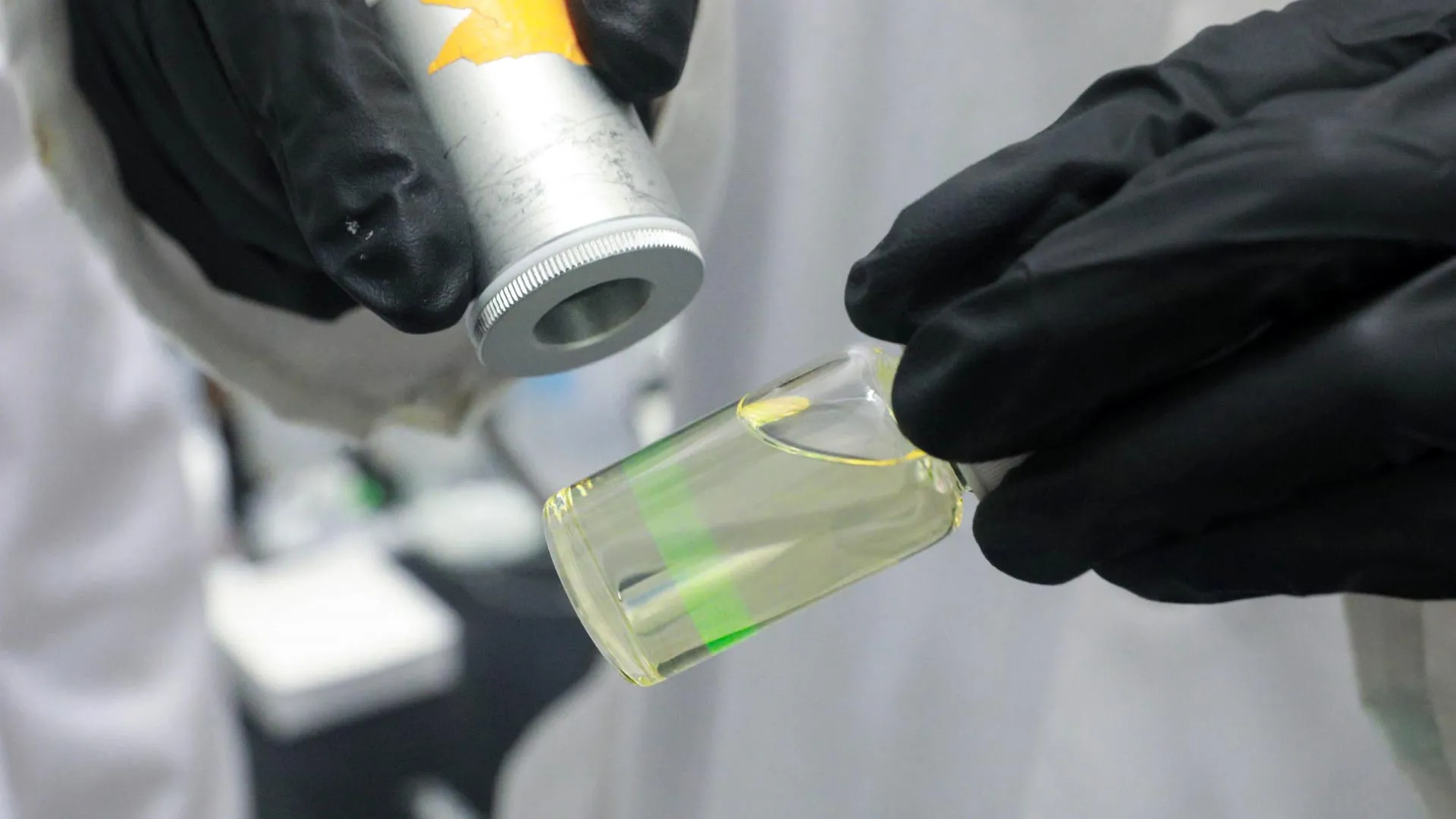
New nanoparticles make hidden chemical differences light up
Science News

New nanoparticles make hidden chemical differences light up

Scientists have developed ultra-bright nanoparticles that can detect tiny amounts of chemicals and distinguish between molecules that look almost identical. The technology could one day provide a cheaper way to catch dangerous drug impurities or trace pollutants using simple low-cost lasers.

📅 2026-09-20 11:35:28    •    ScienceDaily
Scientists opened a sealed envelope after 10 years. Gravity still didn’t make sense
Science News

Scientists opened a sealed envelope after 10 years. Gravity still didn’t make sense

A decade-long NIST experiment has produced a new measurement of the universal gravitational constant that differs unexpectedly from another leading result, deepening a 225-year-old physics puzzle. The discrepancy is tiny, but for one of nature’s most fundamental constants, it is large enough to keep scientists wondering whether hidden experimental errors or something more surprising is involved.

📅 2026-09-20 10:30:31    •    ScienceDaily
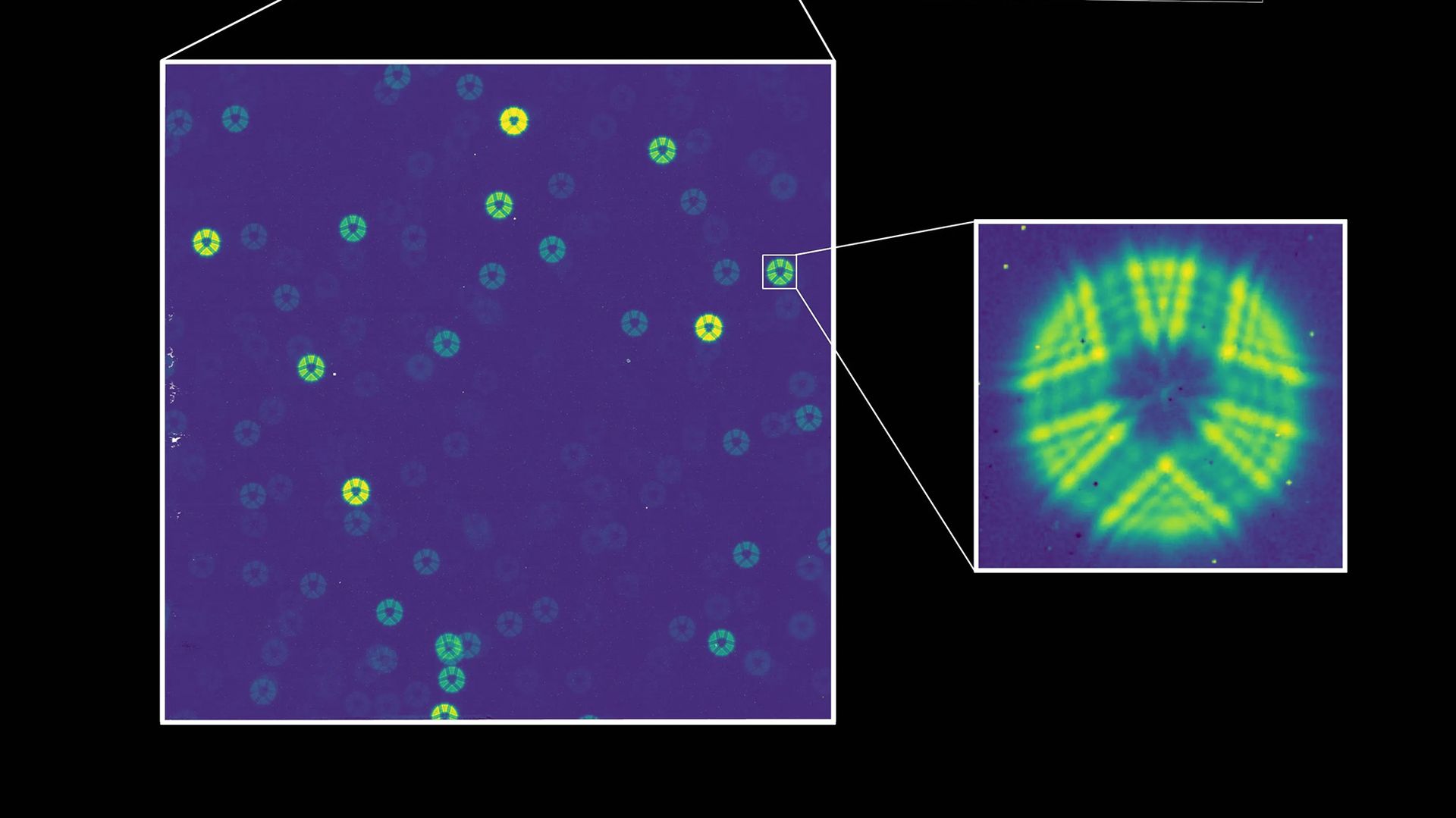
'On our way to groundbreaking science': Stars turn neon-green in first test image from NASA's Roman telescope
Science News

'On our way to groundbreaking science': Stars turn neon-green in first test image from NASA's Roman telescope

Roman's first test image shows hundreds of stars as green rings of light. After a few more months of tuning, it will capture images as crisp as Hubble's but 100 times bigger. (Image credit: NASA's Goddard Space Flight Center, Tyler Desjardins (STScI))Quick factsWhat it is: Hundreds of stars, captured in the Nancy Grace Roman Space Telescope's first test imageWhere it is: An unknown section of spaceWhen it was shared: Sept. 15, 2026Imagine opening your eyes for the first time and seeing that the sky is full of green doughnuts.This was the view that greeted NASA's Nancy Grace Roman Space Telescope, which just activated its powerful, 300-megapixel infrared camera for the first time. The telesco...

📅 2026-09-20 10:00:00    •    Live Science
Did the Vikings really shoot fiery arrows at funeral boats?
Science News

Did the Vikings really shoot fiery arrows at funeral boats?

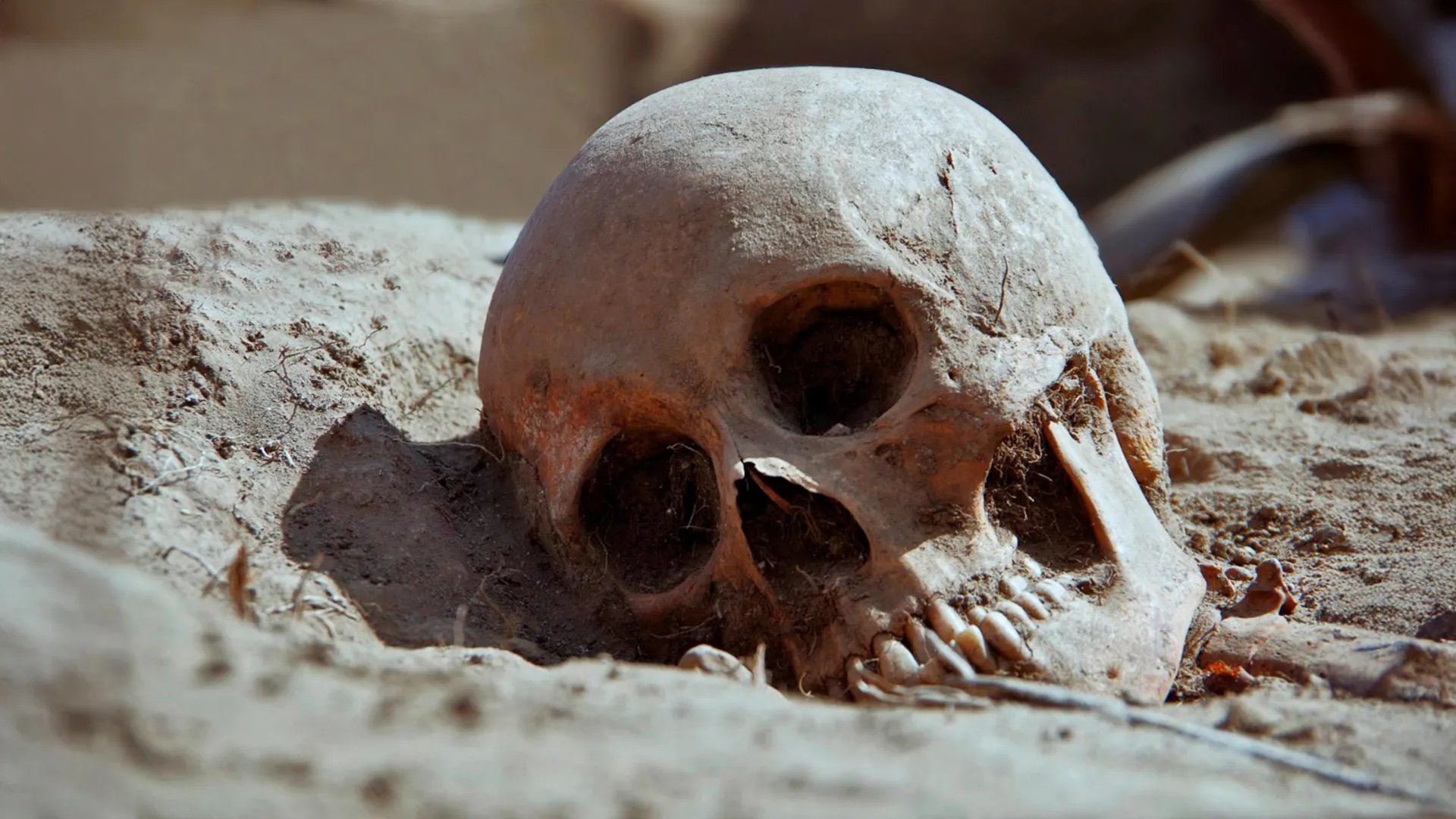
In movies and TV shows, it's a popular motif: A dead Viking is placed on a boat, and it drifts slowly out to sea; from land, an archer shoots a fiery arrow that falls onto the boat and engulfs it in flames.It's been seen in the 1958 movie "The Vikings," the History Channel show "Vikings" and fantasy series such as "Game of Thrones." But did the Vikings actually do this?To find out, we asked experts whether there is any archaeological or historical evidence to support the idea.Archaeological evidenceSign up for our newsletterSign up for our weekly Life's Little Mysteries newsletter to get the latest mysteries before they appear online.Our sources noted that a burial like this would leave litt...

📅 2026-09-20 09:00:00    •    Live Science
Ancient DNA reveals how plague kept returning for 400 years after the Black Death
Science News

Ancient DNA reveals how plague kept returning for 400 years after the Black Death

Ancient DNA reveals that plague repeatedly returned to Europe for more than 400 years after the Black Death, evolving into new lineages and spreading through trade, migration, and war. Researchers also developed a method to date ancient plague genomes more precisely, linking many of them to specific outbreaks recorded in historical sources.

📅 2026-09-20 06:46:18    •    ScienceDaily
A 66-million-year-old tooth reveals T. rex was nearly as warm as a human
Science News

A 66-million-year-old tooth reveals T. rex was nearly as warm as a human

Chemical clues preserved inside fossilized T. rex teeth reveal that the dinosaur maintained a body temperature of about 97 degrees Fahrenheit, almost identical to humans. The finding provides direct evidence that the giant predator was warm-blooded, helping explain how it stayed active and survived in chilly environments as far north as Alaska.

📅 2026-09-20 05:56:26    •    ScienceDaily
Einstein’s “spooky action” just survived one of physics’ most extreme tests
Science News

Einstein’s “spooky action” just survived one of physics’ most extreme tests

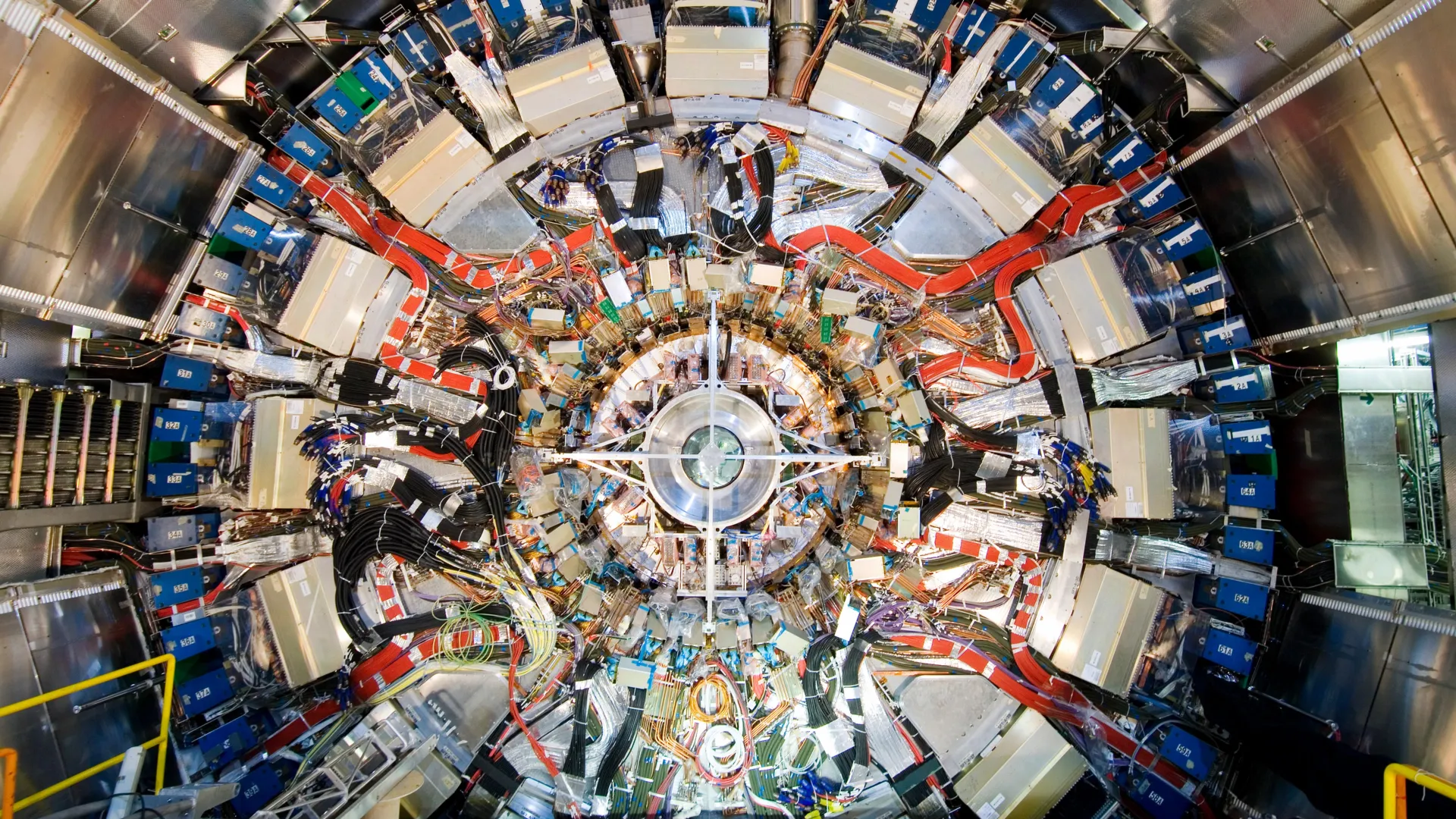
Physicists have detected strong evidence that heavy, fleeting Z bosons can become quantum entangled during Higgs boson decays at CERN’s Large Hadron Collider. The result shows that Einstein’s “spooky action at a distance” survives even under some of the most extreme conditions ever created in a laboratory.

📅 2026-09-20 05:16:00    •    ScienceDaily