
Science News
Finally, a true blue rose exists
Scientists engineered roses that made both a blue pigment and a colorless helper molecule that brought out its shade.
📅
2026-09-23 15:00:00
•
Science News
Explore the latest scientific discoveries, science news, breakthroughs and developments from around the world.
Scientists engineered roses that made both a blue pigment and a colorless helper molecule that brought out its shade.
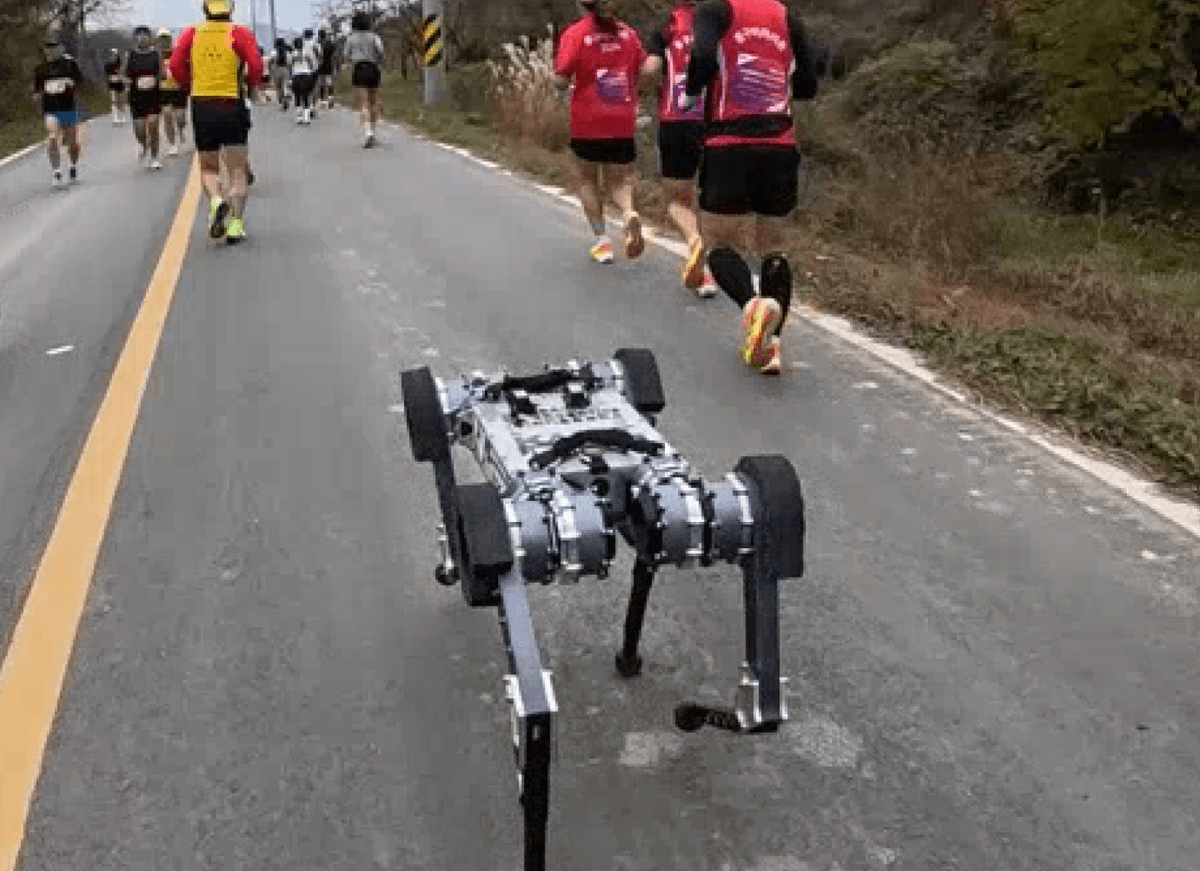
The quadrupedal machine finished the course in a solid four hours, 19 minutes and 52 seconds—and on just one battery charge

Earth's continents are losing fresh water much faster than scientists thought, mostly because aquifer pumping in regions like northern India, southern Iran and parts of the U.S. is 45% more pronounced, on average, than previous estimates suggested, new research shows.The study used satellite data to map freshwater trends across the globe between 2002 and 2025. Thanks to a high-resolution rendering method, researchers revealed regional gains and reductions in terrestrial water storage that were 33% more marked, on average, than in previous studies. The amount of fresh water lost was much higher than the gains overall, highlighting the urgent need for better water management to stave off a glo...
Google DeepMind has revealed a new artificial intelligence (AI) tool that can predict the molecular impacts of tweaking any one of the billions of letters that make up our genetic code. On Sept. 8, Google's AI powerhouse announced a freely available database called AlphaGenome Atlas, which contains data on 9 billion possible changes to the human genetic code and estimates how these changes will affect different tissues and cellular processes. What's more, the tool spits out a simple score to help scientists quickly weigh the knock-on impacts of these changes. How a sequence of 3 billion or so letters of chemical code is packaged, delivered and read to create a human life is a major question ...

Scientists have conducted an unprecedented assessment of the seabed around the Isles of Scilly, revealing complex mosaics of sediment that support a wide range of habitat-building species. The research, led by the University of Plymouth, used a range of techniques to monitor sediments around the archipelago and explore the diversity of species living within them.

Switching to modern silicon solar cells could cut the cost of powering satellites by as much as 90% based on beginning-of-life (BOL) performance, according to a review led by the University of Surrey. The switch to silicon cells could also halve the weight of the solar cells needed on a spacecraft, freeing mass for fuel or instruments or cutting launch costs.

Both sides of Australian politics are saying the school curriculum needs to change.

A research team led by faculty at the Duke Quantum Center (DQC) has observed string-breaking dynamics related to particle-antiparticle formation on a quantum simulator, among the first such observations in quantum physics.

Unlike electric charge, as far as we know all mass is positive, and positive masses attract one another. Could negative mass exist, and if so, what would be the ramifications?

The arts, cultural and creative sectors can act as powerful catalysts for climate action, changing how people understand, engage with and act on climate change, new research from University College Cork (UCC) has found.
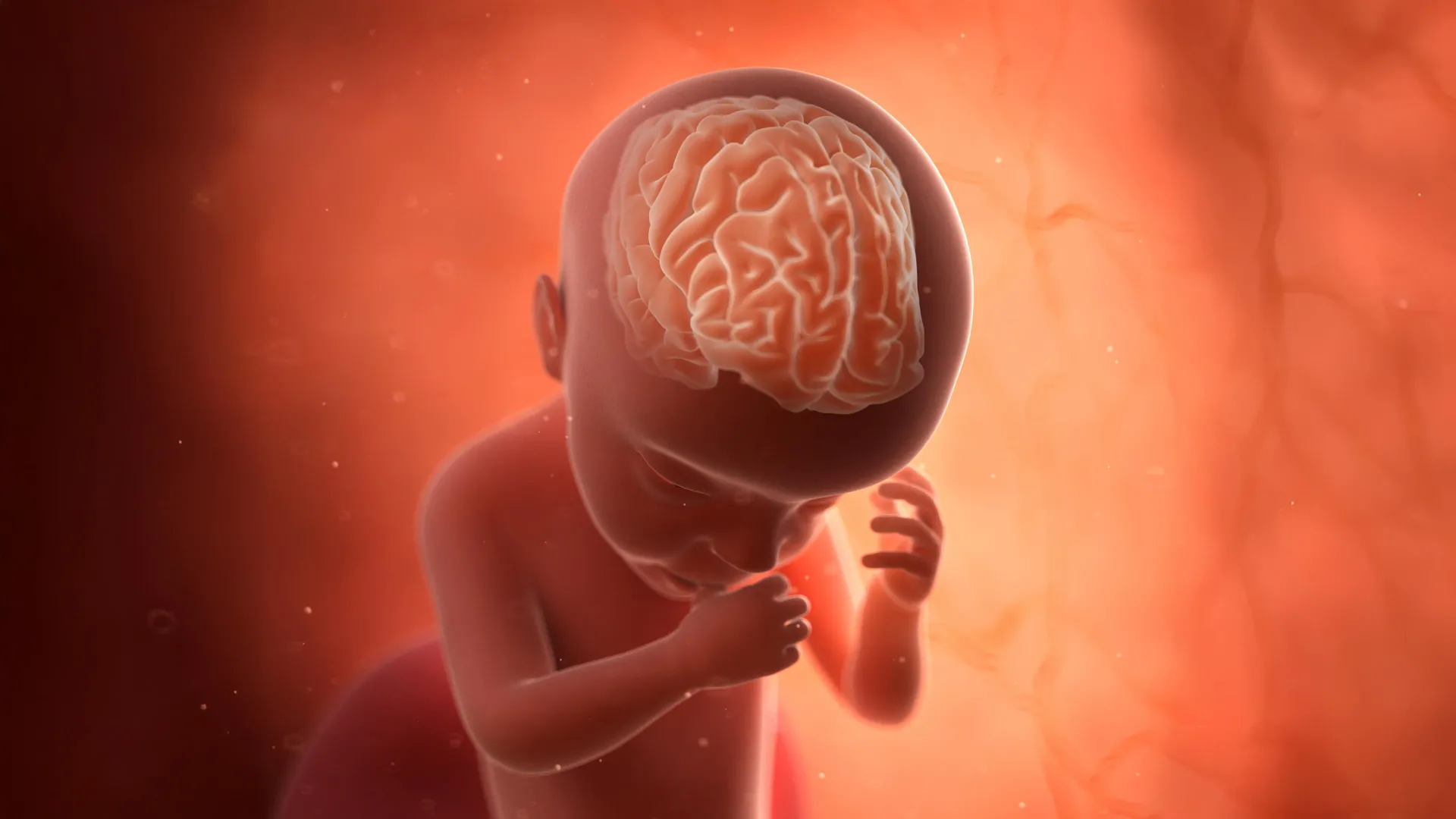
A major Swedish study of 3.7 million people has found that rare TORCH infections passed from a pregnant woman to the fetus are linked to much higher risks of autism and intellectual disability later in life. Children with a congenital TORCH infection were about three times more likely to be diagnosed with autism, more than seven times more likely to have an intellectual disability, and up to 30 times more likely to have severe to profound intellectual disability.

Overhearable speech (speech that may occur when caregivers are talking to each other in a child's presence) constitutes more than half of children's language exposure, but its role in language development remains underexplored. Researchers from the University of Chicago, The New School for Social Research and Princeton University examined when and how English-learning children growing up in the United States understand words they overheard from their parents' conversations at home.