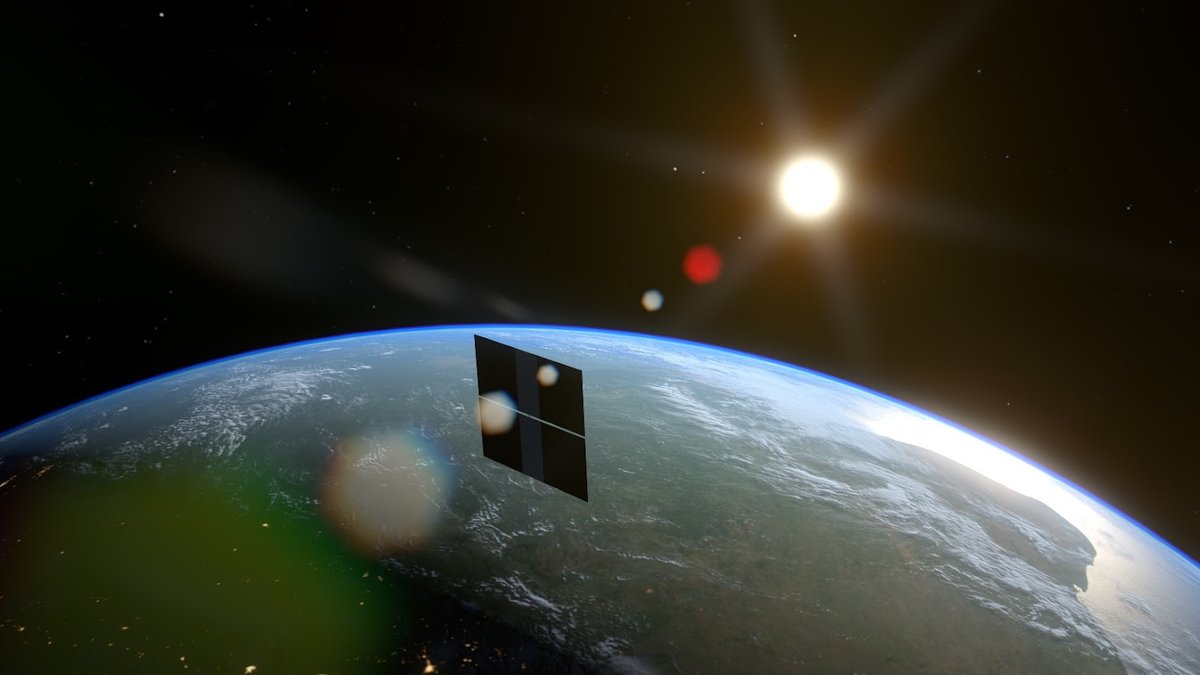
Google tests its plan for AI data centers in space with Project Suncatcher
Today Project Suncatcher is sending four AI processors into orbit on a SpaceX rocket to see whether the building blocks of a data center can survive space
Explore the latest scientific discoveries, science news, breakthroughs and developments from around the world.
Today Project Suncatcher is sending four AI processors into orbit on a SpaceX rocket to see whether the building blocks of a data center can survive space
Naegleria amoebas’ exploration skills and crawling behaviors could help explain how the brain-eating variety travel into human brains.
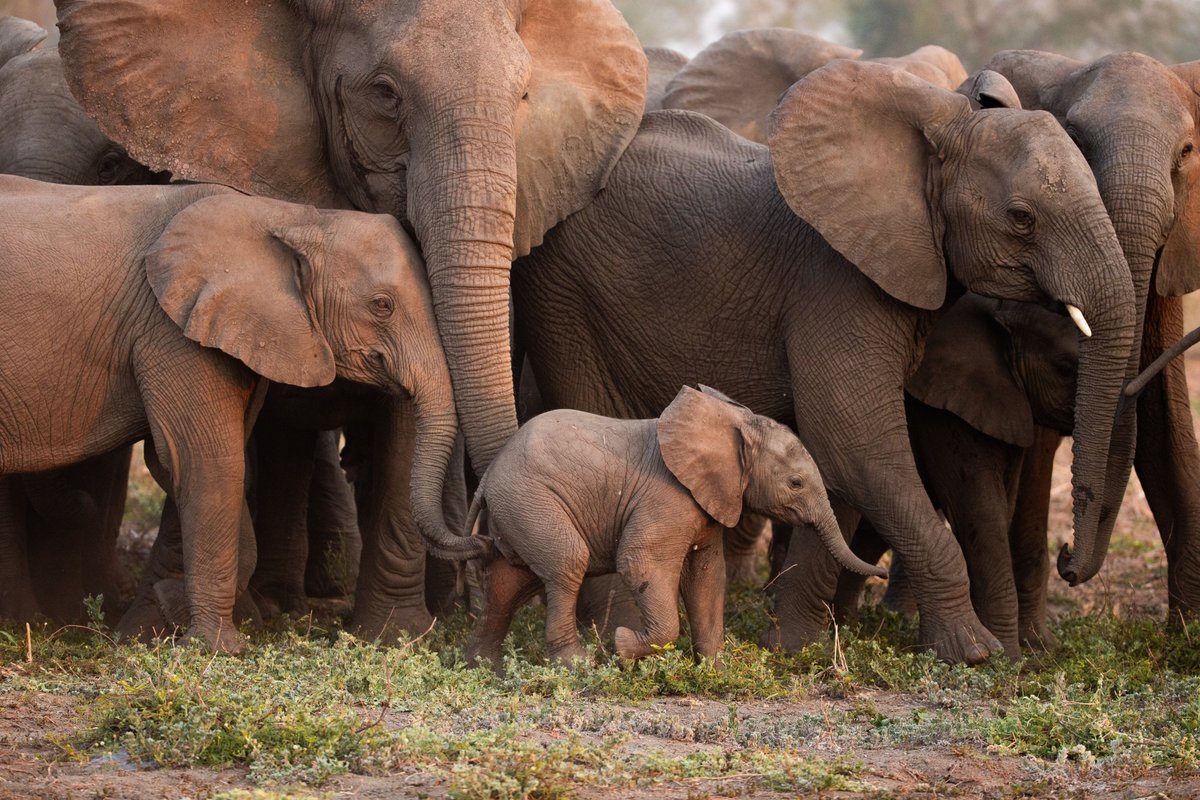
Elephants will sometimes use special rumbles to reassure their calvesElephantVoices Elephants appear to harmonise their vocal rumbles when they join together to form choruses, tuning their voices to sound more alike as the chorus unfolds. The findings come from a machine learning study, which also reveals that this convergence is particularly likely to occur during specific kinds of choruses – such as when elephants reconnect with one another or organise group activities – and that the calls themselves may contain information about what the animals are doing. The findings could offer new insights into how elephants communicate and navigate life within their complex societies, says Sara Keen ...
Scientists are piecing together why elephants make these low calls and what they might mean
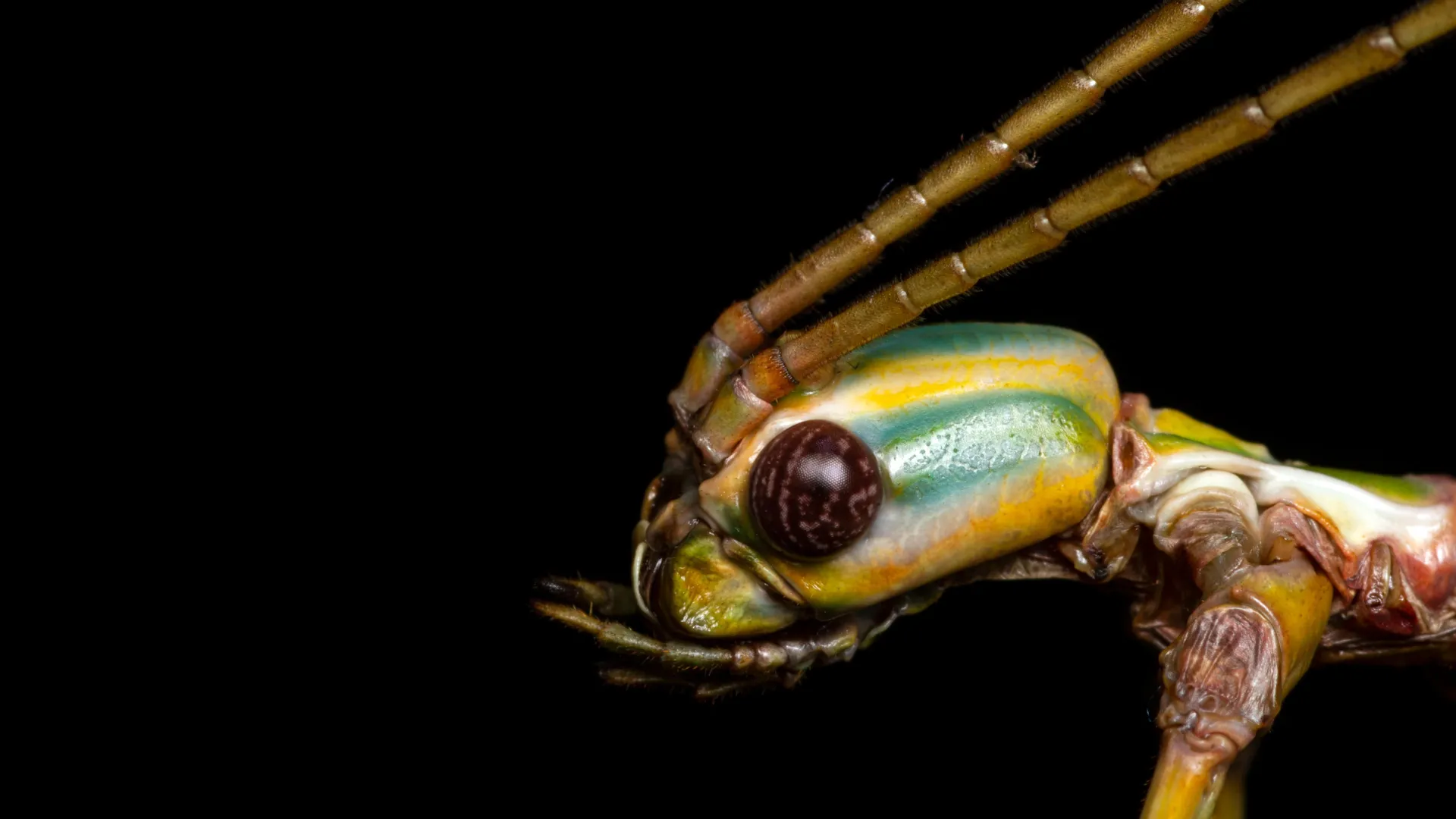
Scientists have identified two new species of large Australian stick insects, including one that lays extraordinary “lidded” eggs never before recorded in the group. The discovery also revealed that a familiar stick insect had been misidentified for decades, showing how much biodiversity may still be hiding in plain sight.
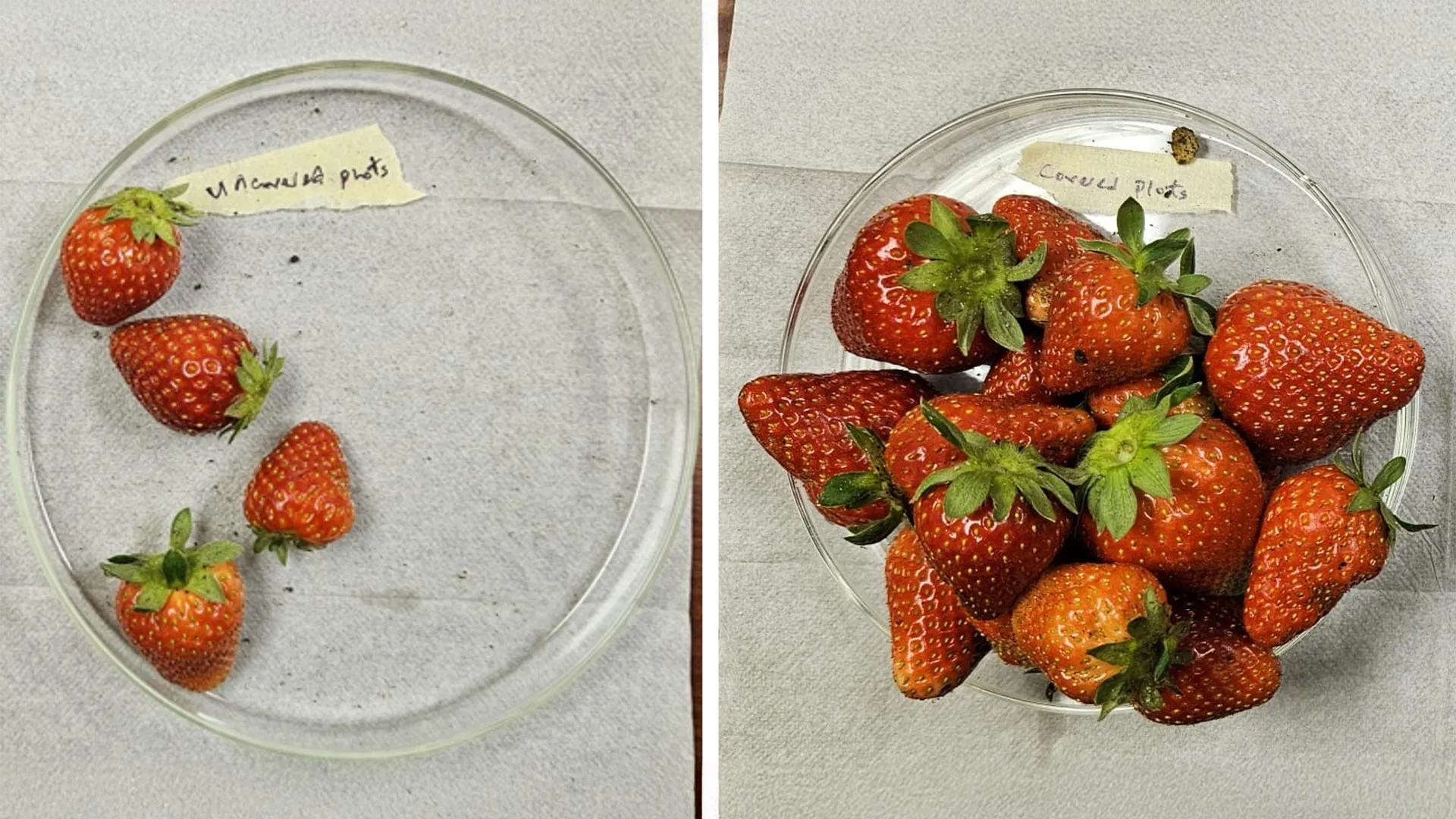
A new protective fabric boosted strawberry yields by as much as 3.56 times while blocking insects and still allowing sunlight, rain, and airflow to reach the plants. Originally inspired by research on military clothing, Plant Armor could also help farms reduce pesticide and water use.
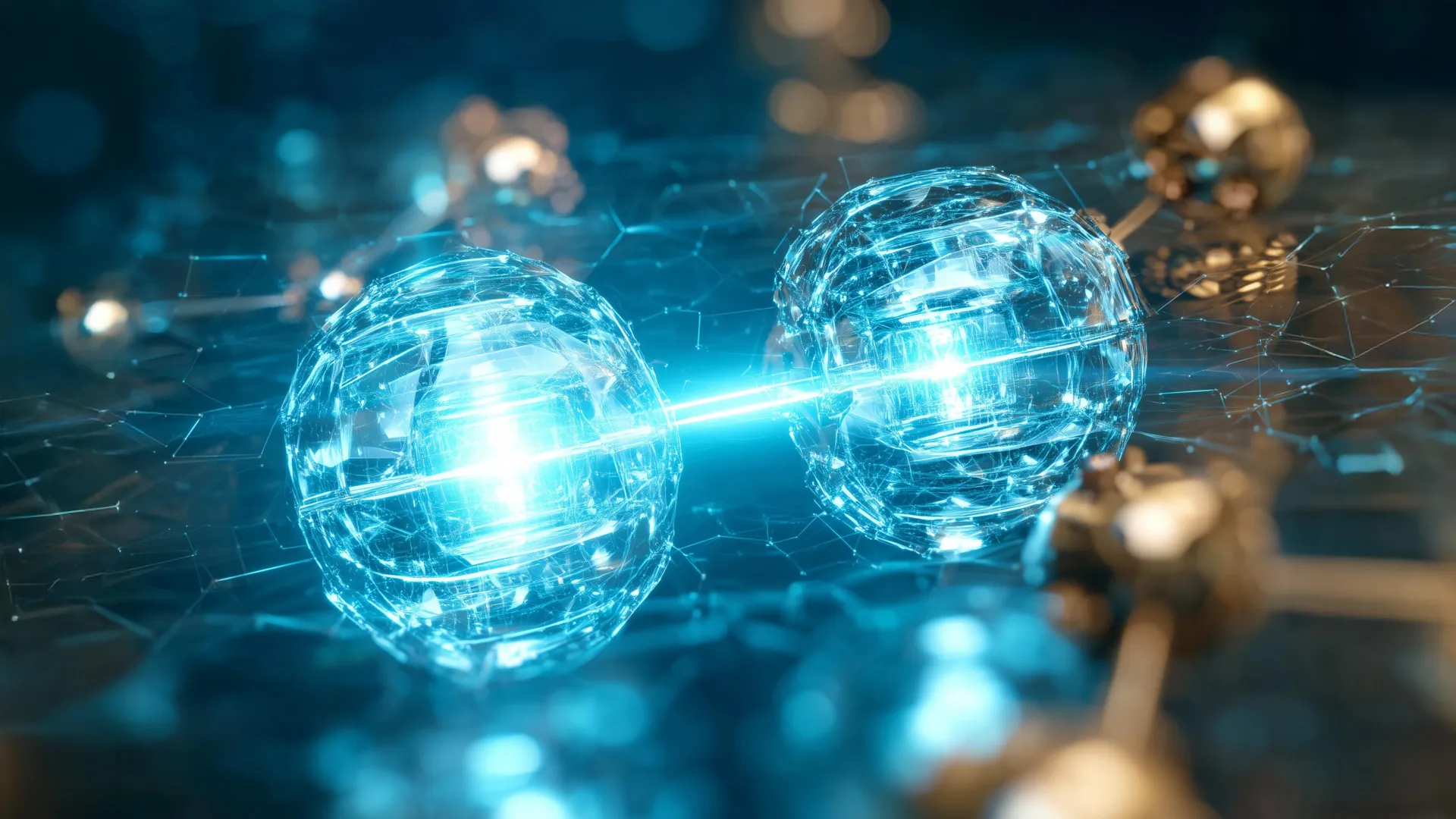
A proposed qubit made with superfluid helium could cut quantum computing error rates by around 100 times by shielding quantum information from common forms of electromagnetic noise. If experiments confirm the predictions, the technology could eventually work alongside today’s superconducting qubits or serve as a new kind of quantum memory.
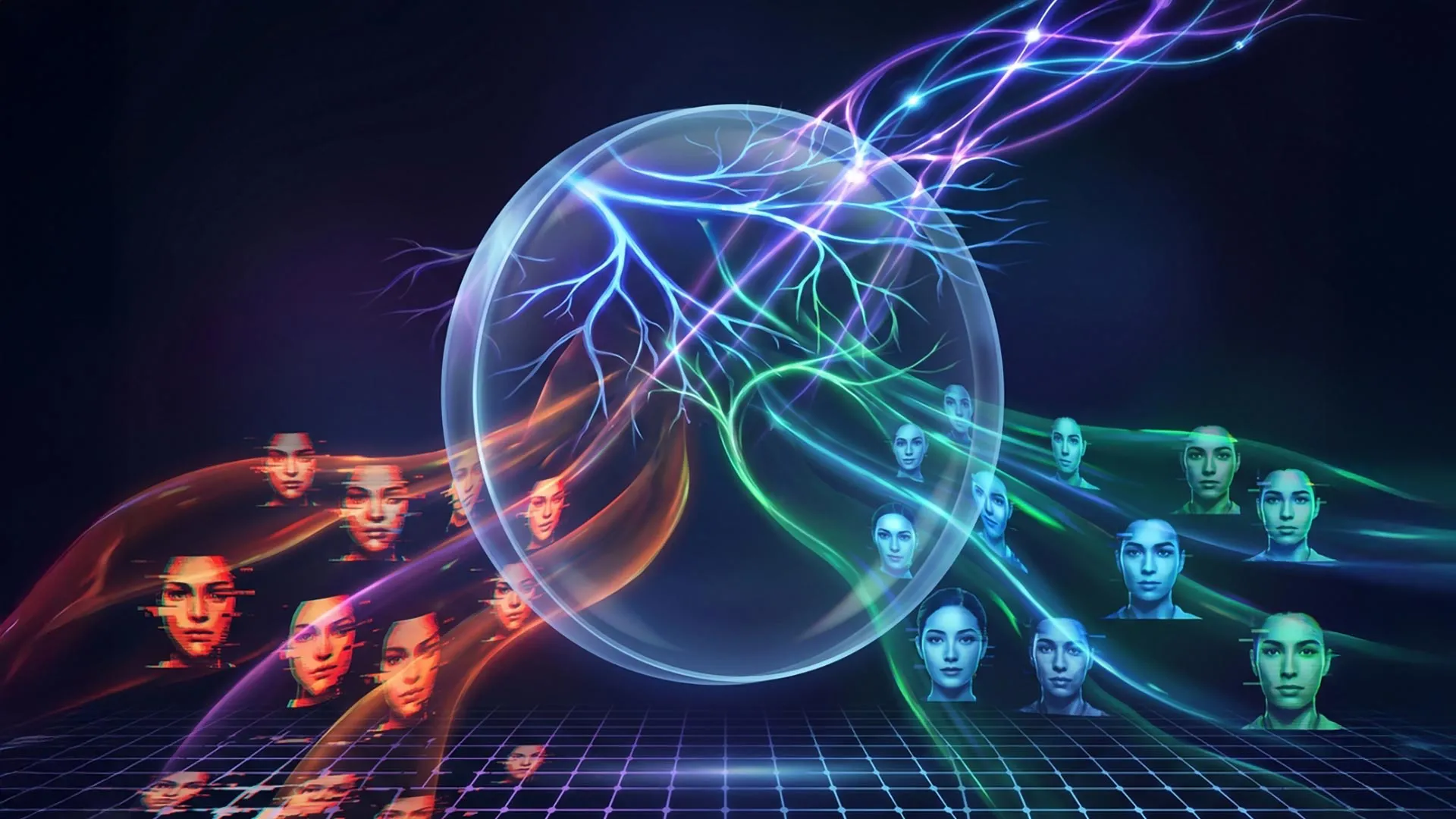
UCLA researchers built an AI system that uses light to analyze more than a dozen videos simultaneously, detecting deepfakes with nearly 98% accuracy. Its speed, low energy demands, and resistance to attacks could make it a powerful tool for screening the growing flood of AI-generated video.
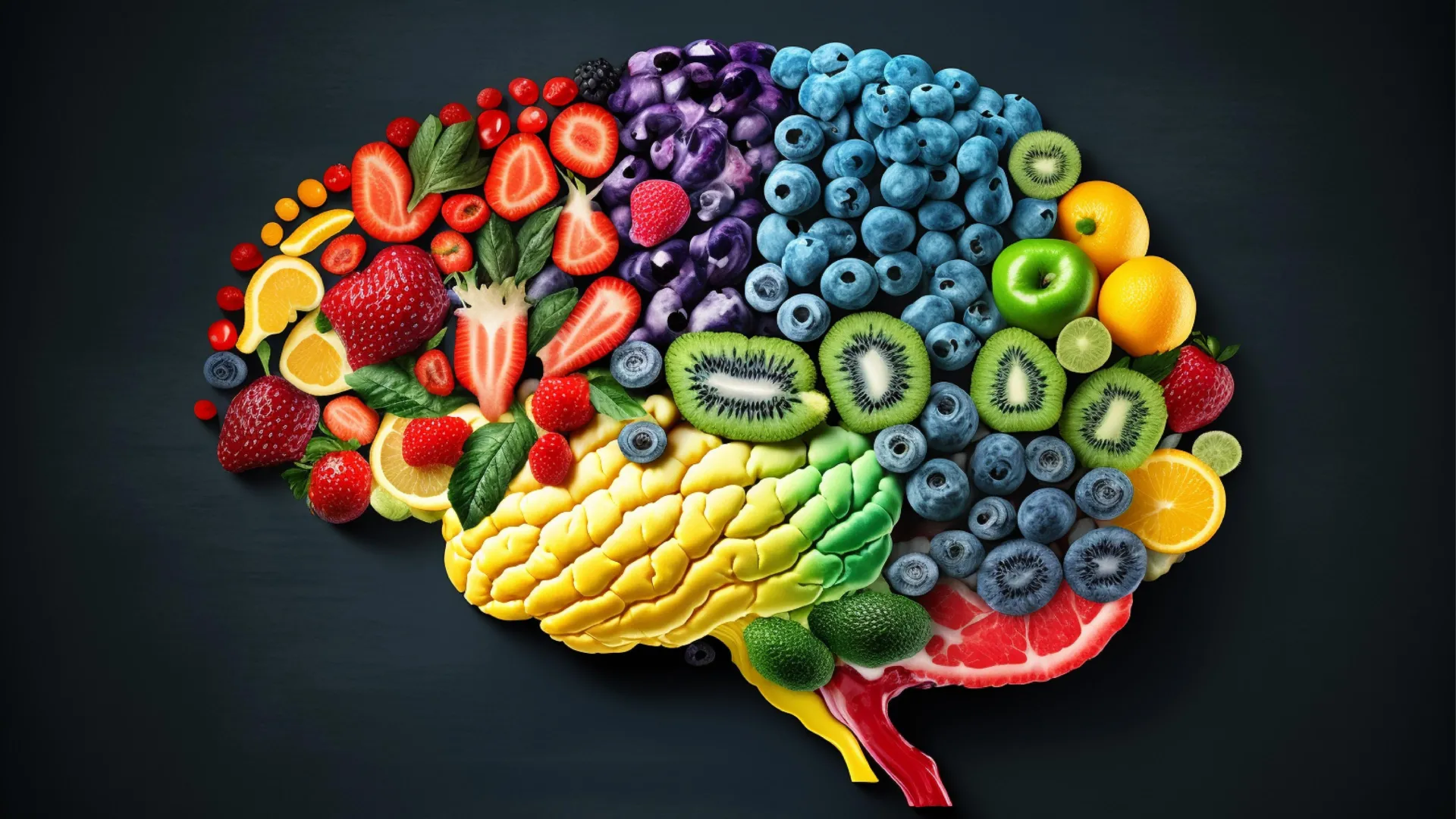
People who followed the MIND diet more closely showed slower brain shrinkage and less grey matter loss over time, with the strongest differences equivalent to about 2.5 years of delayed brain aging. Berries and poultry were linked with healthier brain changes, while sweets and fried fast foods were associated with greater tissue loss.
The storm ends, the fire goes out, floodwaters recede.
A female humpback whale may have spent days with her stillborn calf. This rare sighting may suggest that baleen whales experience grief.
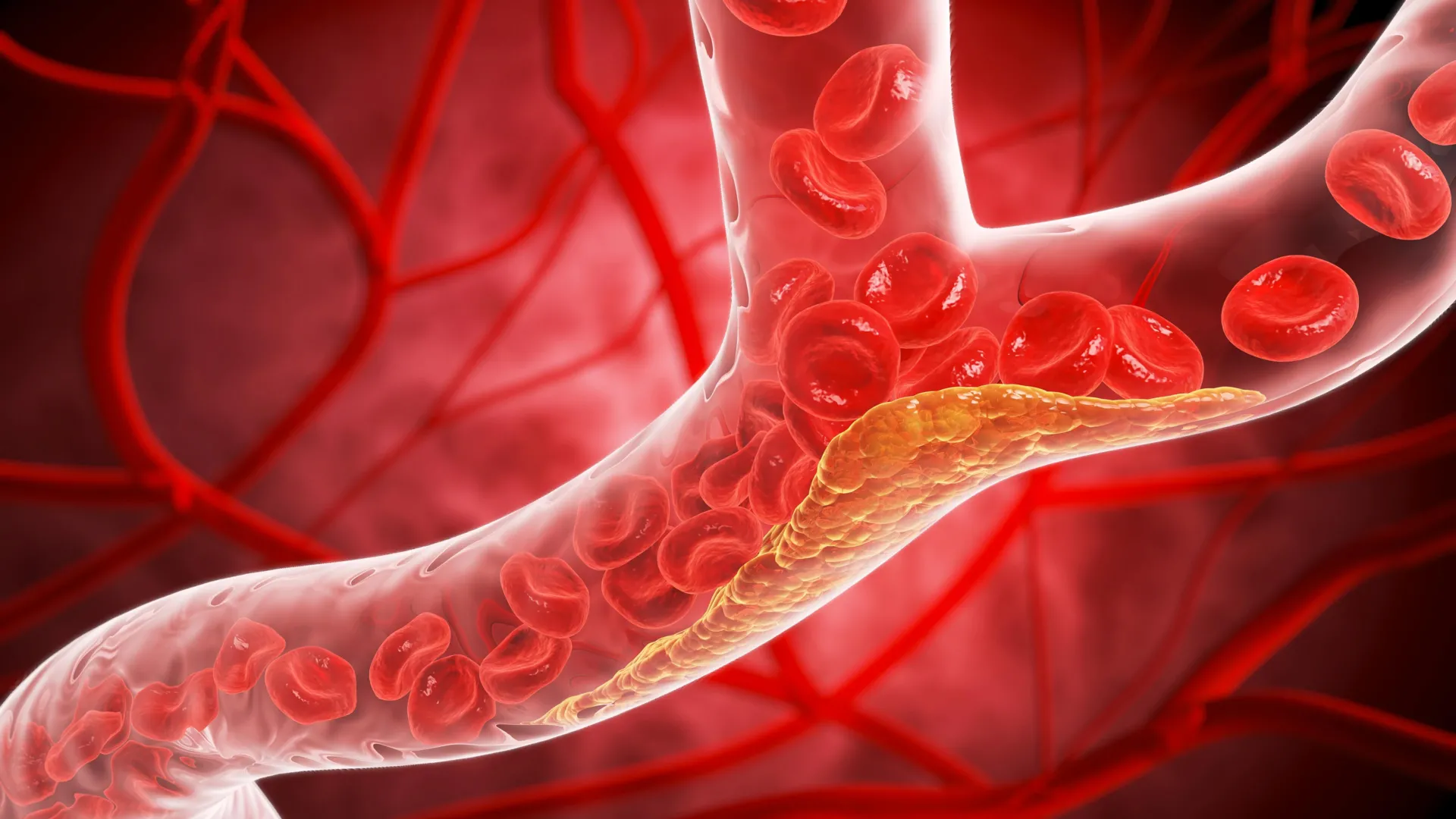
More than half of 16,000 apparently healthy adults had signs of atherosclerosis, with arterial plaques already detectable in about 1 in 13 people ages 18 to 29. Researchers say directly imaging the arteries could reveal hidden cardiovascular disease years or even decades before symptoms appear.