Extreme heat putting pregnant women, newborns at risk: UN climate chief
Extreme heat is putting pregnant mothers and their newborns at increasing risk, United Nations climate chief Simon Stiell will warn on Monday.
Explore the latest scientific discoveries, science news, breakthroughs and developments from around the world.
Extreme heat is putting pregnant mothers and their newborns at increasing risk, United Nations climate chief Simon Stiell will warn on Monday.
Research into hormones that regulate appetite is on everybody's lips for the Nobel medicine prize, to be announced on Monday when the 2026 Nobel season kicks off.
The sun had barely risen, but diving volunteer Elizaveta Bodrova was already raring to plunge into the cold waters of Lake Issyk-Kul, where the ruins of a once-thriving city have lain submerged for centuries.
NASA has selected the GIMLI project to investigate whether the Marius Hill Pit opens into a vast underground cave or lava tube. Using radar, seismic sensors, gravity measurements, and cameras, researchers will search beneath the lunar surface and estimate the size of any hidden void. Such caves could preserve clues to the Moon’s volcanic history and potentially provide protected shelters for future astronauts.
Over 500 years before the building of the Great Pyramid in Egypt, First Dynasty kings were buried in a tomb surrounded by many burials of household officials and artisans—many of which seem to have taken place at the same time, a suspiciously high number of simultaneous deaths.
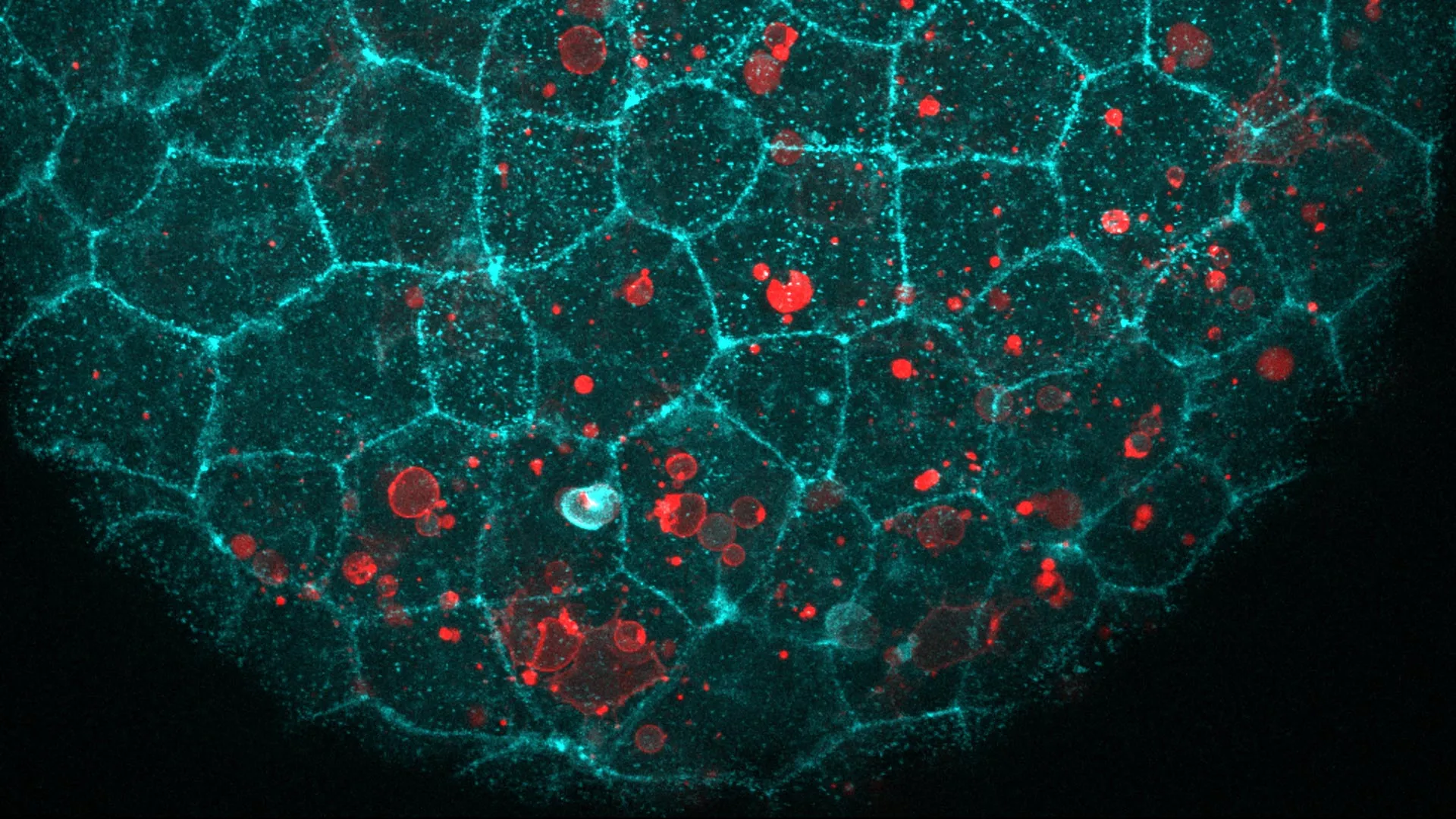
Scientists have discovered that E-cadherin, a protein best known as the “glue” holding cells and tissues together, has a surprising second job: helping epithelial cells swallow nearby dead cells. Using live zebrafish and mouse embryos, researchers found that cells can dramatically reshape their lower surfaces to engulf cellular debris while keeping their upper surfaces stable, allowing protective barriers to remain sealed.
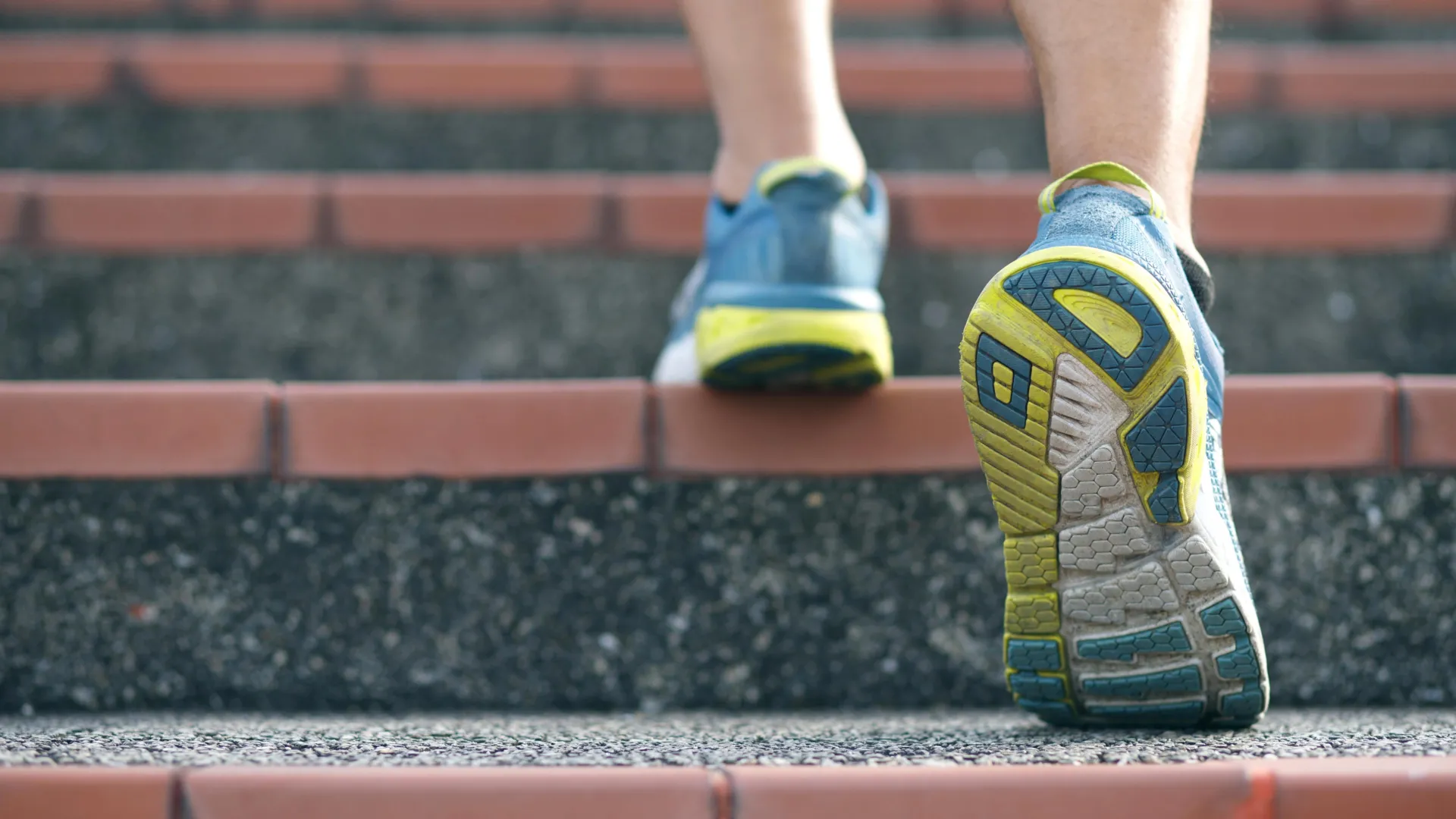
Researchers found that just 20 minutes of comfortable walking can rapidly stimulate the gut. Within one to two minutes after exercise, bowel sounds became stronger, more frequent, and lasted longer, suggesting increased intestinal movement. The boost was brief, fading within a few minutes, but it may help explain why walking can provide relief from constipation.
In front of most Australian houses, between the sidewalk and the road, runs a strip of land most people never really think about. In Australia, it's called the nature strip, but it goes by other names in other regions, including a verge, parkway or tree lawn.
A region of Antarctica with some of the greatest potential to reshape the natural world and human society is also the least scientifically understood and explored.
Recently, spatial omics has become a powerful tool, enabling researchers to see not only what molecules are present in a tissue, but also where they are located and how they are organized across cells, tissue structures and local microenvironments. This spatial context has deepened our understanding of cancer, neurobiology and immunology. Yet as the field advances, an important question remains: How many of these powerful technologies are ready for routine clinical use?
A systematic review of informal businesses published in the International Journal of Entrepreneurship and Small Business argues that they should be treated as part of the larger entrepreneurial ecosystem rather than as a peripheral feature of the economy.
If you've ever felt overwhelmed by menu options at a restaurant, cereal varieties at the grocery store or potential partners while scrolling through dating apps, you've experienced choice overload.