Latest Scientific Discoveries

All News →
Don't miss: Watch Saturn shine and Halley’s Comet debris streak across the sky
Science News

Don't miss: Watch Saturn shine and Halley’s Comet debris streak across the sky

October skywatchers can see Saturn at opposition, catch meteors from Halley’s Comet during the Orionid peak, and watch the Moon sweep past the famous Pleiades star cluster. Moonlight may obscure some Orionids, but the best viewing should come before dawn after the Moon sets.

📅 2026-10-05 11:59:17    •    ScienceDaily
A new kind of magnetism could unlock faster, more efficient computers
Science News

A new kind of magnetism could unlock faster, more efficient computers

Scientists have discovered evidence of altermagnetism in a thin, highly tunable material that could help electronics use electron spin instead of relying only on electrical charge. The unusual magnetic state may enable faster, more energy-efficient devices without the unwanted magnetic interference caused by conventional magnets.

📅 2026-10-05 11:35:24    •    ScienceDaily
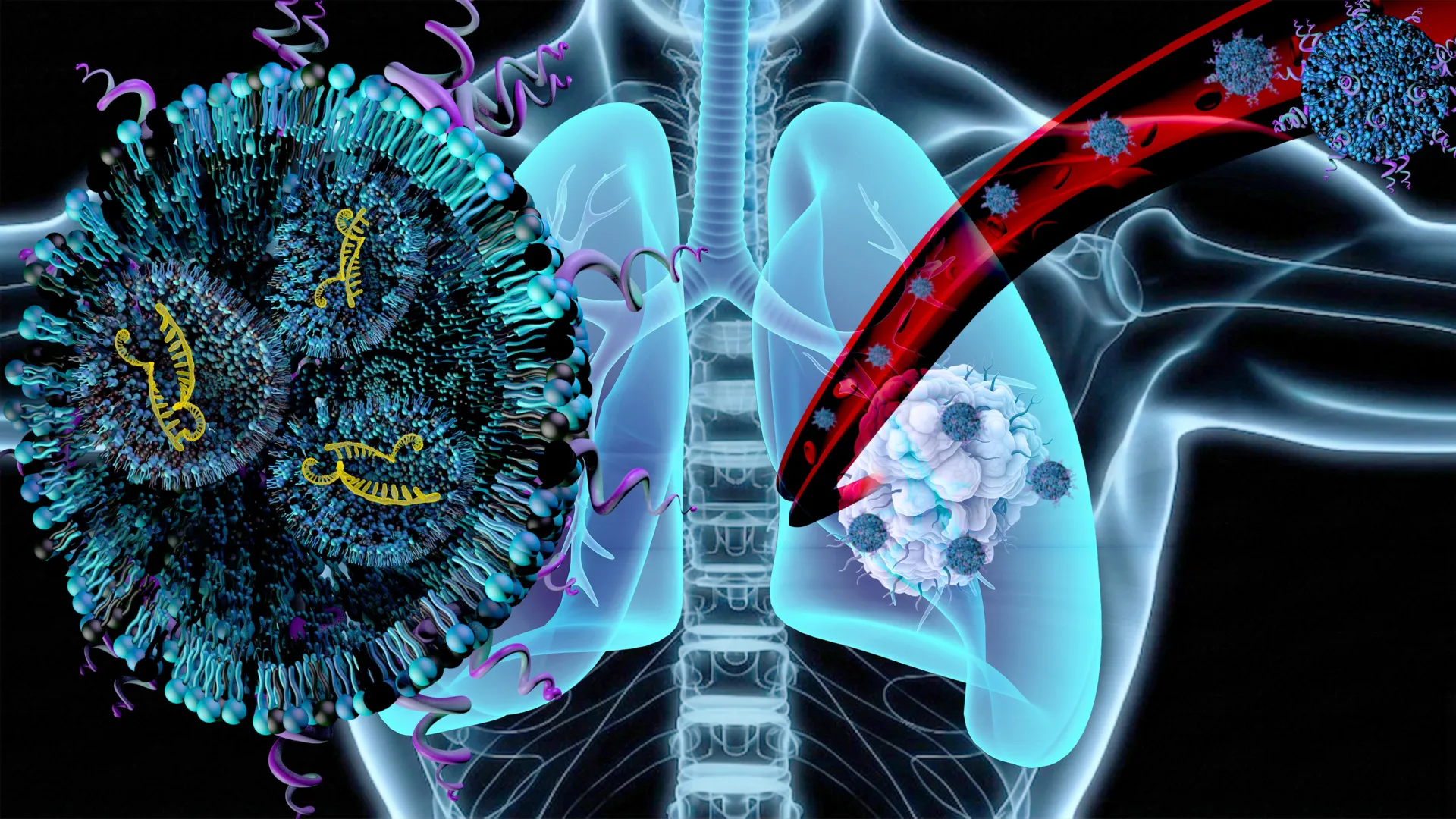
Scientists just found a way to fight lung cancer and muscle wasting at the same time
Science News

Scientists just found a way to fight lung cancer and muscle wasting at the same time

A new nanoparticle therapy reduced lung tumors in mice while also targeting cachexia, the severe muscle wasting that can accompany cancer. By delivering follistatin mRNA directly to tumors, the approach could eventually offer a way to fight both the disease and one of its most dangerous complications.

📅 2026-10-05 11:11:21    •    ScienceDaily
US-German trio wins medicine Nobel for work on optogenetics
Science News

US-German trio wins medicine Nobel for work on optogenetics

The Nobel Prize in medicine was awarded Monday to U.S. psychiatrist and neurologist Karl Deisseroth and German scientists Peter Hegemann and Georg Nagel for their pioneering work in the neuroscience field of optogenetics.

📅 2026-10-05 10:32:02    •    Phys.org
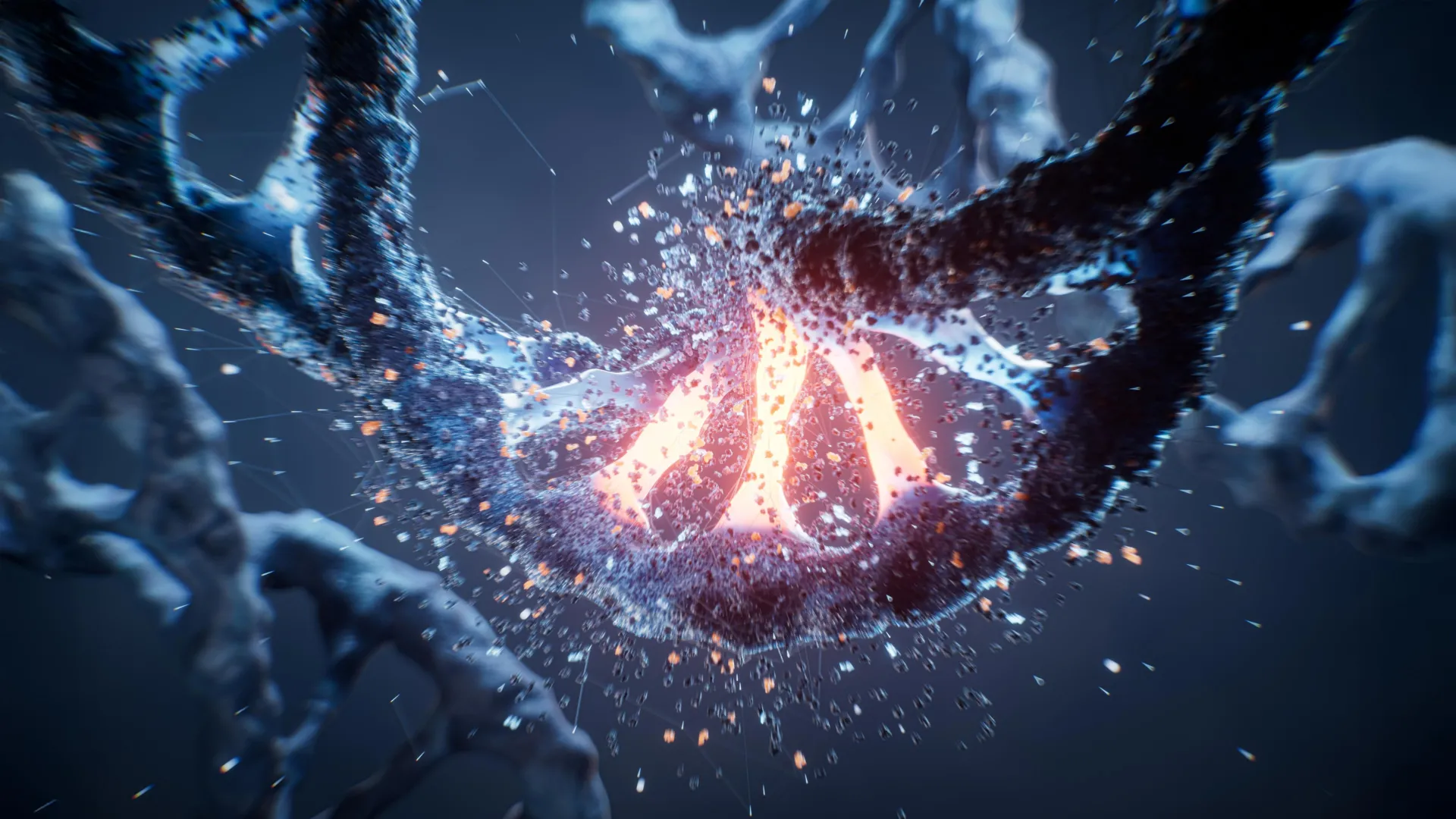
Scientists discover a human brain gene that can jump through DNA
Science News

Scientists discover a human brain gene that can jump through DNA

Scientists have discovered a human gene with a remarkable double life: it appears to play an important role in brain cells while still retaining the ability to jump around the genome. Called BC200, the gene evolved millions of years ago from a mobile piece of DNA known as a transposon, but unlike most genes that arose this way, it never lost its mobility. Researchers even found BC200 embedded inside a human poxvirus, suggesting it may have jumped from infected skin cells into the virus.

📅 2026-10-05 10:06:28    •    ScienceDaily
Urn with jaguars and skulls: A 1,400-year-old burial container depicting a deceased ruler's arrival to the Maya underworld
Science News

Urn with jaguars and skulls: A 1,400-year-old burial container depicting a deceased ruler's arrival to the Maya underworld

This burial urn depicts a person, accompanied by skulls, as they are received into the Maya underworld. (Image credit: The Walters Art Museum; (CC0 1.0 Universal))QUICK FACTSName: Urn with jaguars and skullsWhat it is: A ceramic burial urnWhere it is from: GuatemalaWhen it was made: Circa A.D. 600 to 900This colorful ceramic urn depicts a person wearing a jaguar costume and surrounded by human skulls, about to be received into the Maya underworld. The urn once held the bones of an ancestor for their descendants to venerate.The urn was anonymously gifted to The Walters Art Museum in Baltimore in 2008. According to the museum, the urn is about 17.5 inches (44.5 centimeters) tall and was likely...

📅 2026-10-05 10:00:00    •    Live Science
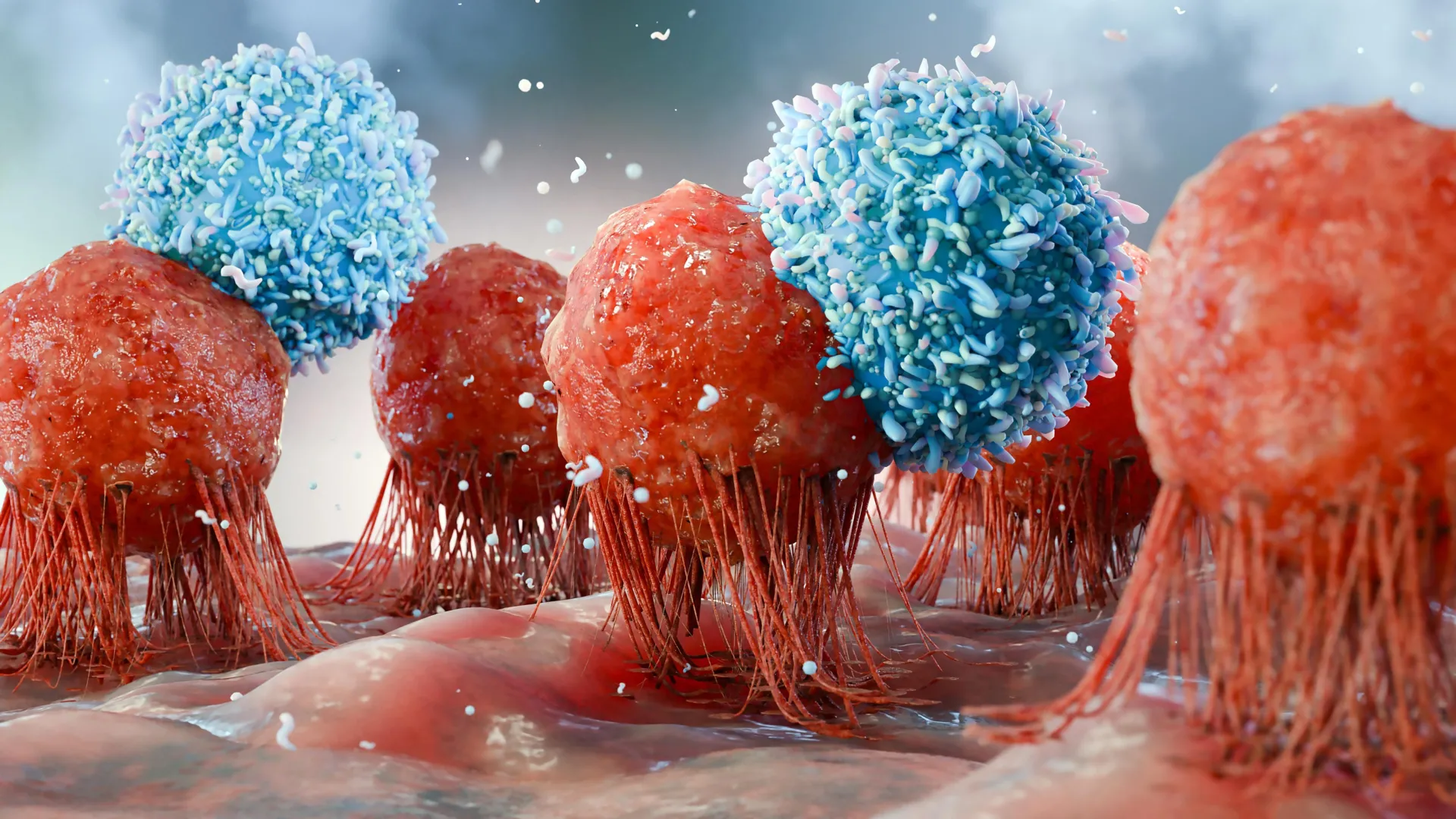
Cancer-fighting t cells burn out. Scientists may have found a fix
Science News

Cancer-fighting t cells burn out. Scientists may have found a fix

Cancer immunotherapy can lose its punch when tumor-fighting T cells become exhausted, but researchers may have found a way to keep them going longer. Scientists at Memorial Sloan Kettering Cancer Center identified a signaling molecule called MEK that can push T cells to burn through their energy while producing cancer-killing proteins. In animal and laboratory studies, blocking MEK helped the cells conserve energy, survive longer, and remain active even in the harsh environment around tumors.

📅 2026-10-05 09:24:29    •    ScienceDaily
Electrical technique could help identify signs of life in space
Science News

Electrical technique could help identify signs of life in space

The truth is out there—but identifying signs of life in space involves an intense search for biosignatures within our solar system and beyond. However, developing sensitive yet compact technologies capable of detection has proven to be an out-of-this-world challenge.

📅 2026-10-05 09:00:06    •    Phys.org
New quantum chip taps into weird quasiparticles to get qubits to communicate over long distances
Science News

New quantum chip taps into weird quasiparticles to get qubits to communicate over long distances

Researchers have developed a new type of interconnected architecture for quantum computing chips, and it could pave the way for machines capable of large-scale processing, including those with over a million qubits.In a study published June 15 in the journal APL Quantum, scientists aimed to resolve a huge problem with the leading quantum processing units (QPUs): Qubits struggle to communicate and share quantum information with each other if they aren't immediate neighbors.That's why the scientists pioneered Quantum Phononic Links (QPLs) — an approach for long-range coupling between qubits that leans on phonons — quasiparticles that carry vibration energy — to convey information. By contrast,...

📅 2026-10-05 09:00:00    •    Live Science