Latest Research

All News →
Can you tell an amorphophallus from an aspergillus?
Research Institutions

Can you tell an amorphophallus from an aspergillus?

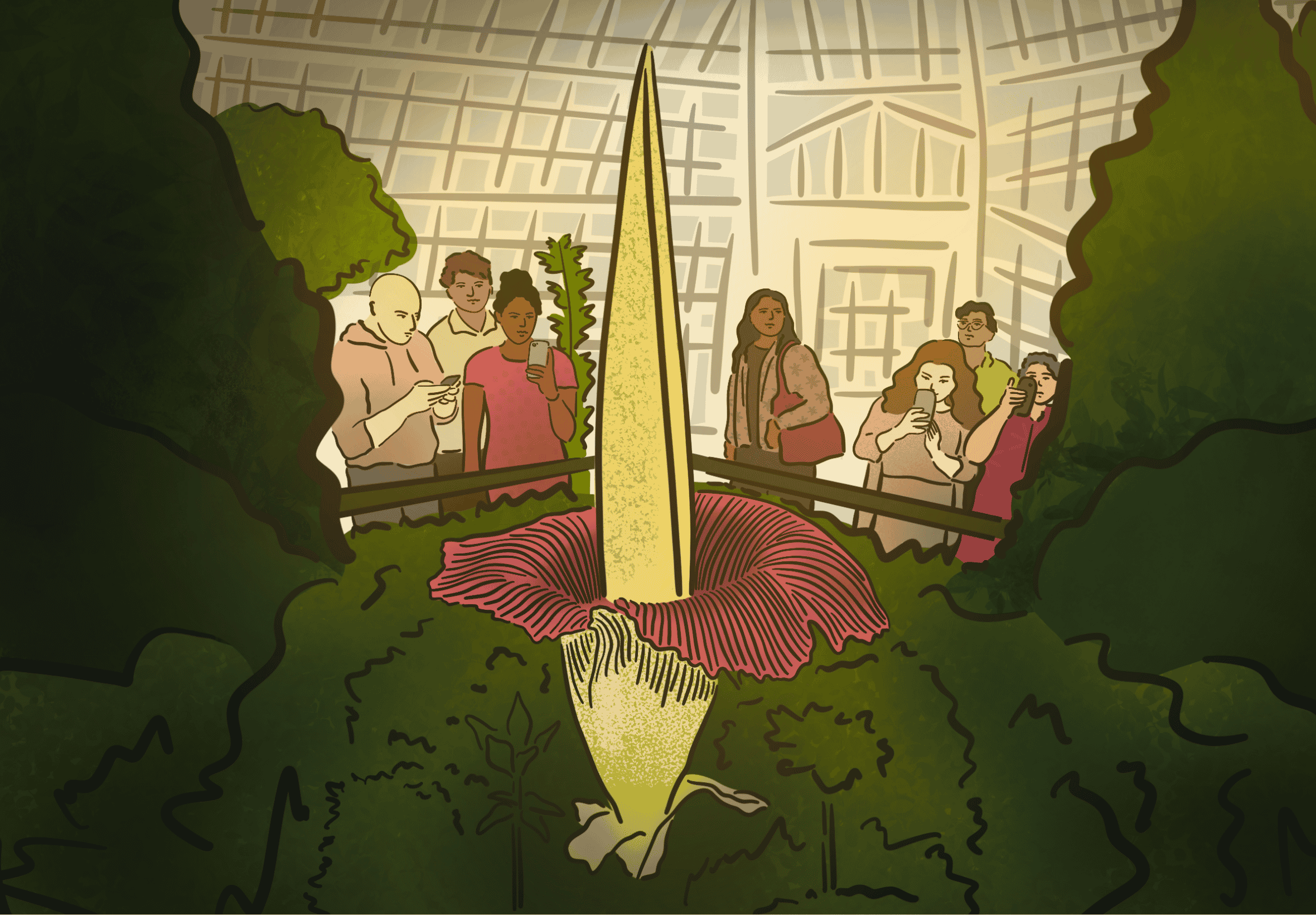
Illustrations by Liz Zonarich/Harvard Staff Science & Tech Can you tell an amorphophallus from an aspergillus? Sy Boles Harvard Staff Writer September 15, 2026 1 min read Word nerds, classicists, and botanists, it’s your time to shine in etymology quiz inspired by Div School book Can plants see? Can they pray? If trees could make music, what would it sound like? Those questions and others are explored in “Thinking with Plants and Fungi,” a collection of essays from botanists, anthropologists, artists, and theologians inspired by a conference of the same name, hosted at the Harvard Divinity School’s Center for the Study of World Religions. At the core of the book is an inquiry into how we sho...

📅 2026-09-15 20:10:40    •    Harvard Gazette

MIT makes progress on campus climate goals
Research Institutions

MIT makes progress on campus climate goals

In 2021, MIT set campus decarbonization goals as part of its Fast Forward climate action plan. Five years later, many of those goals have been met or are on track for completion, including efforts to make the Institute’s buildings more efficient, expand rooftop solar installations, and attain net-zero emissions. “Decarbonizing our campus goes hand-in-hand with MIT’s playing a leadership role in promoting carbon reduction and climate resilience through its research, innovation, and efforts to inform public policy in this area,” says Glen Shor, executive vice president and treasurer. “Our teams are leveraging that same innovative spirit to meet our campus climate goals.”Creating an energy-effi...

📅 2026-09-15 19:55:00    •    MIT News
3 Questions: Putting nuclear waste into perspective
Research Institutions

3 Questions: Putting nuclear waste into perspective

For decades, one of the major complaints about nuclear power in the United States has been the argument that, after all this time, we still have not come up with a dependable strategy for sequestering high-level radioactive waste, including spent fuel from plant operation. This issue is of such importance that Haruko Wainwright has put it at the center of her research agenda as an Atlantic Richfield Career Development Professor in Energy Studies at MIT and an associate professor in the departments of Nuclear Science and Engineering and Civil and Environmental Engineering. In an essay called “The best-managed industrial waste in history,” which appeared in the Aug. 27 issue of the journal Nat...

📅 2026-09-15 19:30:00    •    MIT News
How drought is affecting plants and pollinators: expert analysis
Research Institutions

How drought is affecting plants and pollinators: expert analysis

How drought is affecting plants and pollinators: expert analysis Abby Munson Tue, 09/15/2026 - 15:51 What happens to the relationship between plants and pollinators during a drought?All plants need water, and the lack of water affects plants in a range of ways that are critical for their flowers. Drought stressed plants redirect growth to their roots, to find more water, and may close their stomatal pores – this prevents any further water loss but also limits access to the carbon dioxide needed for photosynthesis. As a result of these two changes, drought stressed plants often make fewer flowers. The flowers that are produced can also look and smell different when plants are droughted. Evide...

📅 2026-09-15 14:51:27    •    Cambridge News
Sleep app tracks link between air pollution and a bad night’s sleep
Research Institutions

Sleep app tracks link between air pollution and a bad night’s sleep

Sleep app tracks link between air pollution and a bad night’s sleep Sarah Collins Tue, 09/15/2026 - 10:00 Researchers from the University of Cambridge, Tsinghua University and the sleep technology company Sleep Cycle analysed coughing sounds from 32 cities in 12 countries over 500 days, and found that higher daily air pollution levels were strongly linked to nighttime coughing levels, even where local pollution levels were below the World Health Organization’s recommended daily exposure limit. The researchers used cough sounds passively recorded by the mobile app via the phone’s microphone. Cough sounds were counted on individual devices and pooled by city to build an unprecedented dataset o...

📅 2026-09-15 09:00:00    •    Cambridge News
Marine bacteria team up to break down one of the ocean's toughest carbon-storing molecules
Research Institutions

Marine bacteria team up to break down one of the ocean's toughest carbon-storing molecules

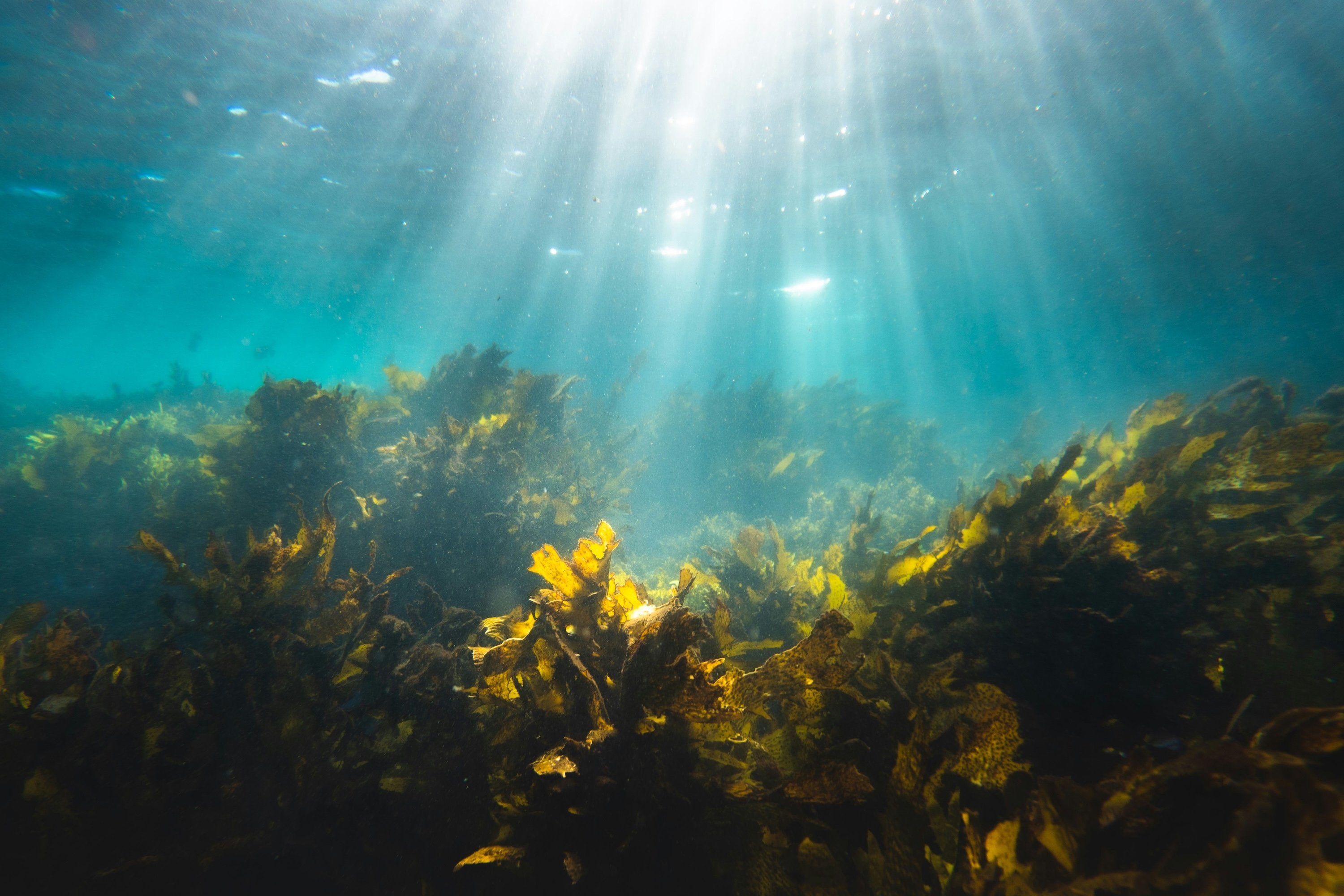
Deep in the ocean, brown algae and diatoms produce a complex carbohydrate molecule called fucoidan, which helps form the algae's protective outer layer. The fucoidan molecule is very difficult for microbes to break down because its chemical structure may include dozens of different linkages and branching patterns that vary from one algae species to another. This resistance to decay is one reason why fucoidan matters; when microbes struggle to break it down, fucoidan can sink deep into the ocean, carrying carbon with it and potentially storing it for long periods. This could make fucoidan an important player in the ocean’s carbon cycle.For many years, scientists knew of individual bacteria th...

📅 2026-09-14 20:30:00    •    MIT News
How did her sister become so sick so fast?
Research Institutions

How did her sister become so sick so fast?

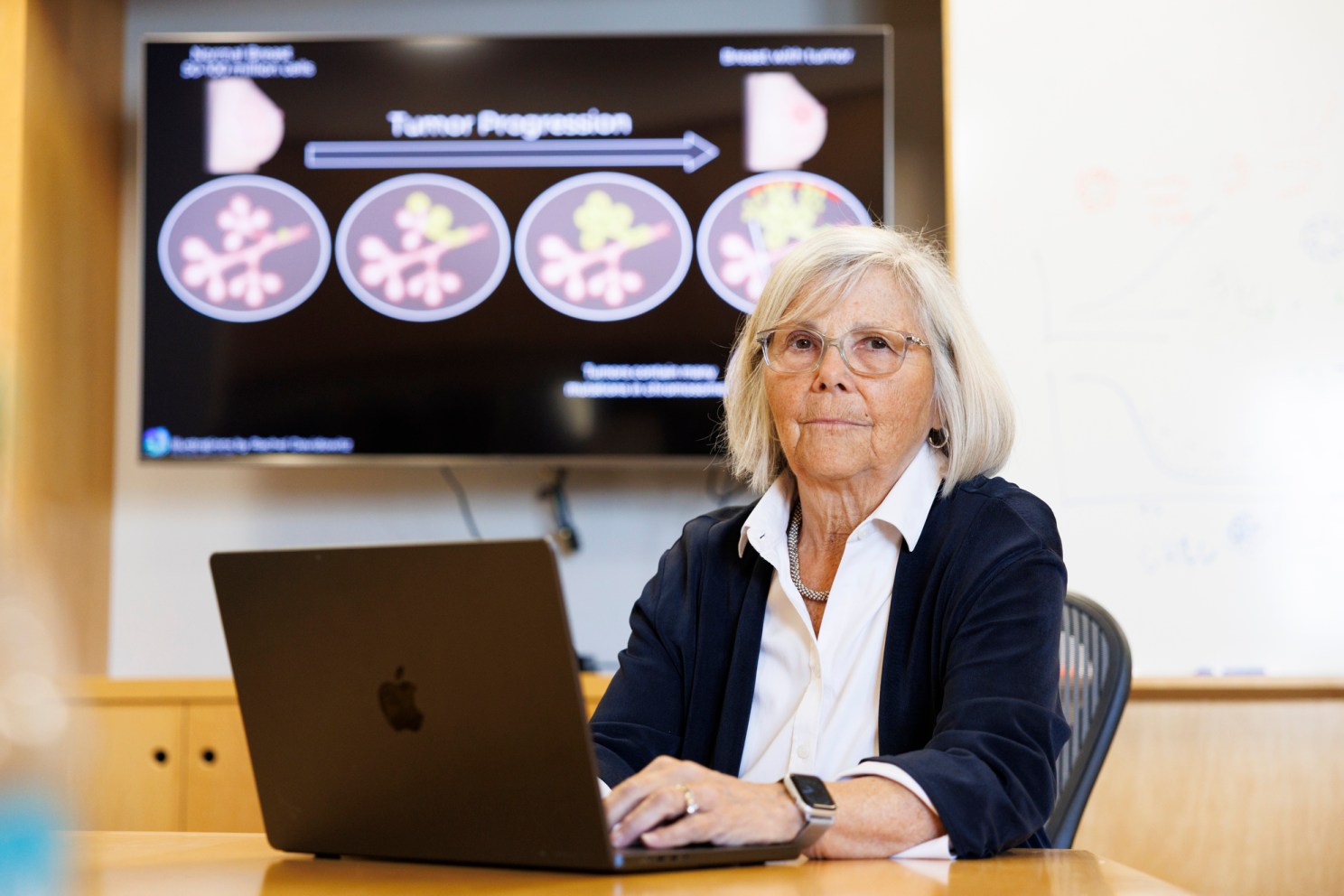
Joan Brugge. Niles Singer/Harvard Staff Photographer Health How did her sister become so sick so fast? Joan Brugge’s decadeslong professional fight against cancer began when she tried to make sense of a tragedy Anna Lamb Harvard Staff Writer September 14, 2026 6 min read A series focused on the personal side of Harvard research and teaching. Joan Brugge was on track to graduate from Northwestern University in a few years and launch into a career teaching math when a single phone call changed the direction of her life. “I was a sophomore and I got this call from my parents, sobbing, asking could I please come home because my sister was going to be operated on,” Brugge said. It turned out that...

📅 2026-09-14 20:27:45    •    Harvard Gazette
When everything is politics on campus
Research Institutions

When everything is politics on campus

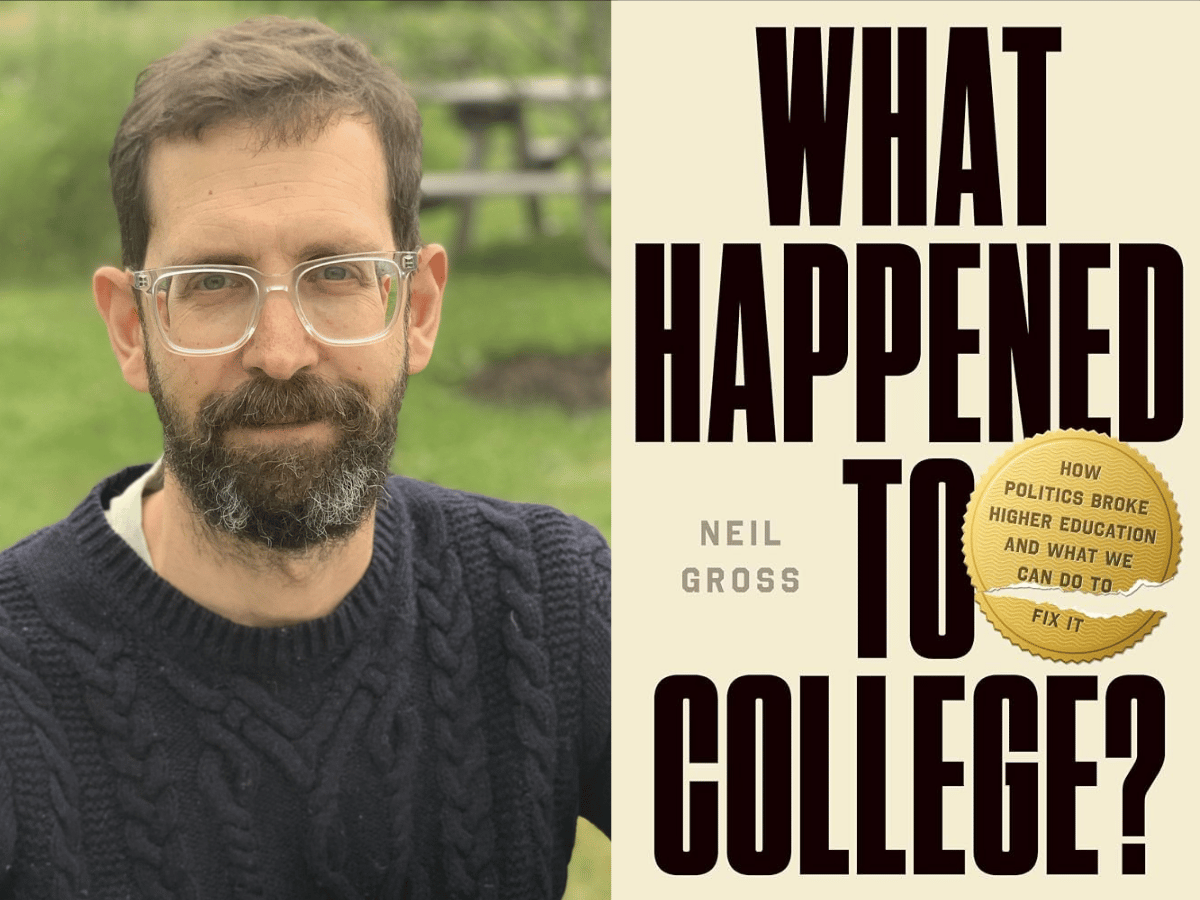
Neil Gross.Photo by Jessica Berger Gross Nation & World When everything is politics on campus Sociologist Neil Gross argues polarization undermining education opportunities, lays out how students might change things Jacob Sweet Harvard Staff Writer September 14, 2026 6 min read Colby College sociologist Neil Gross says he thought he had a sense of the level of polarization on American college campuses based on his prior research. But Gross, author of the new book “What Happened to College,” said in an interview that he was surprised by how much things had changed in recent decades. “I didn’t realize how far it had gone,” said Gross, who is currently conducting research at the Radcliffe Insti...

📅 2026-09-14 17:27:43    •    Harvard Gazette
Nazir Afzal OBE launches part one of the independent review following the death of Professor Jason Arday
Research Institutions

Nazir Afzal OBE launches part one of the independent review following the death of Professor Jason Arday

Nazir Afzal OBE launches part one of the independent review following the death of Professor Jason Arday Anonymous (not verified) Mon, 09/14/2026 - 10:28 On Friday 4 September, the University announced in broad terms how the review process following the death of Professor Jason Arday will work. A statement was also published on the University website.We explained that part one will examine the support, interventions and protections available to Professor Jason Arday, and that the University Council had agreed to appoint Nazir Afzal OBE to serve as the independent lead of this part. The University Council has now agreed Mr Afzal’s terms of reference for part one of the review.Anyone who wishe...

📅 2026-09-14 09:28:12    •    Cambridge News