Science News

Latest science news, discoveries and scientific developments.

This week’s new questions
Science News

This week’s new questions

Is it faster to jog up stairs or take them two at a time? If the world we observe is just our brain’s interpretation of the electro-chemical signals it receives from our eyes, what is the world actually like?

📅 2026-09-23 17:00:00    •    New Scientist
Researcher finds that cats lie around for a ridiculous amount of time
Science News

Researcher finds that cats lie around for a ridiculous amount of time

Josie Ford Feedback is our weekly column of bizarre stories, implausible advertising claims, confusing instructions and more A little catty Feedback’s felines are often nowhere to be seen. For hours at a time – in the case of the more free-range cat, sometimes several days – they vanish from sight. What might they be doing? Torturing the local small-animal population perhaps, or chasing fallen leaves around the yard, or visiting the local school to cause as much disruption to learning as possible, or perhaps just lazing in a warm spot to sleep. But who knows? One person who does know is Michelle Smit at Massey University in New Zealand, because she and her colleagues put collar-mounted accel...

📅 2026-09-23 17:00:00    •    New Scientist
When will the AMOC collapse? We don’t know, but should still prepare
Science News

When will the AMOC collapse? We don’t know, but should still prepare

Uncertainty about when or even if the Atlantic Meridional Overturning Circulation, a vital ocean current, might collapse has been an excuse to ignore the risk, but that actually makes it even more important that we act now

📅 2026-09-23 17:00:00    •    New Scientist
Earth's first bats didn't come from where we thought, landmark genetic study reveals
Science News

Earth's first bats didn't come from where we thought, landmark genetic study reveals

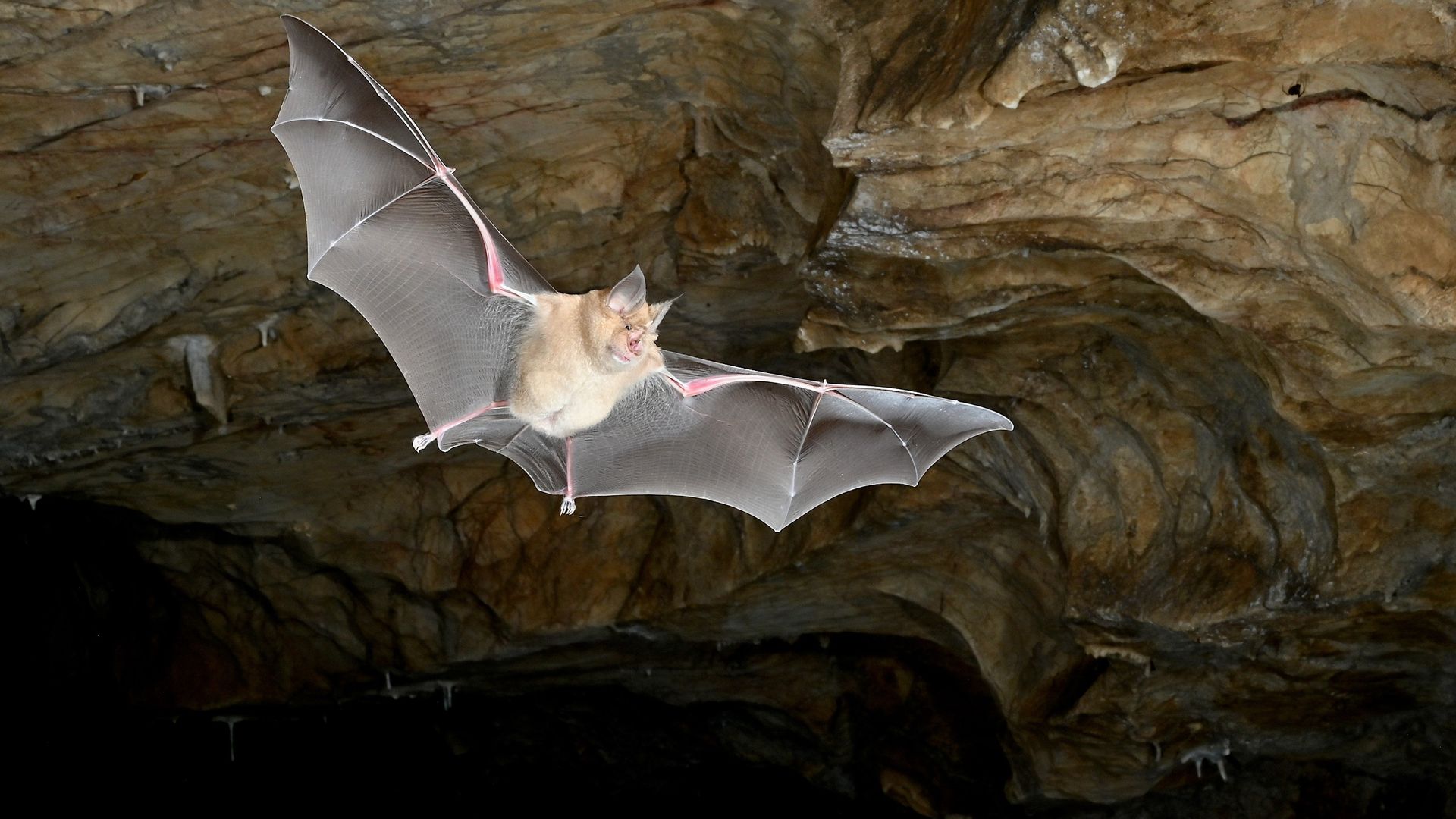
Scientists may have settled a decades-long debate about bat evolution, including controversial questions about when bats began to communicate and fly, a landmark study shows.The new research, published Wednesday (Sept. 23) in the journal Nature, is the biggest bat DNA and fossil study ever conducted. Researchers created new, top-quality genome assemblies for 41 bat species, which they analyzed together with 62 existing sequences, providing a record dataset of 103 bat genomes and 44 bat fossils."It is extraordinary," study co-author Emma Teeling, a professor of molecular evolution and mammalian phylogenetics at University College Dublin, told Live Science in an email; "after decades of resear...

📅 2026-09-23 16:05:28    •    Live Science
Missing Celtic fort annihilated by Julius Caesar finally found under Paris hospital
Science News

Missing Celtic fort annihilated by Julius Caesar finally found under Paris hospital

Archaeologists excavating a Paris hospital's courtyard, a stone's throw from Notre-Dame, have discovered the first evidence of a Celtic fort that Julius Caesar tried to conquer in 52 B.C. The ancient walls show evidence of a violent fire, seemingly confirming the claim that the Celtic group who lived there, known as the Gauls, burned down their own town so that it wouldn't fall into Caesar's hands."The wall's architecture, with its large blocks and interlocking beam system, immediately led us to believe it was a wall of Gallic tradition," Dorothée Chaoui-Derieux, chief curator of heritage at the Île-de-France Regional Archaeology Service, said in a translated statement. Traces of fire and fi...

📅 2026-09-23 16:03:51    •    Live Science
Astronomers detected radio signals coming from an exoplanet for the first time. Spoiler alert: It's not aliens.
Science News

Astronomers detected radio signals coming from an exoplanet for the first time. Spoiler alert: It's not aliens.

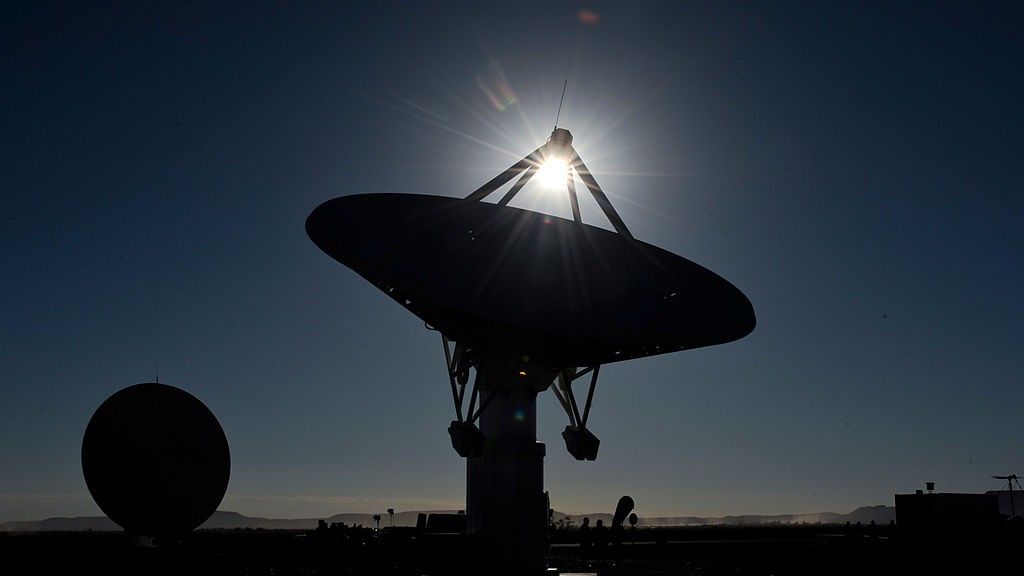
For the first time, astronomers have detected radio signals coming directly from a planet outside our solar system, according to a new preprint study. Spoiler alert: It's not aliens. But astrophysicists are still very excited about this discovery. "Astronomers have been looking for radio signals from exoplanets for some time," Suzanne Aigrain, a professor of astrophysics at the University of Oxford who was not involved in the study, told Live Science in an email. "There have been tentative, indirect detections before, but this is the first truly convincing direct detection, and it hopefully paves the way for many more."Artificial radio signals are a key focus in the search for extraterrestri...

📅 2026-09-23 15:45:19    •    Live Science
Finally, a true blue rose exists
Science News

Finally, a true blue rose exists

Scientists engineered roses that made both a blue pigment and a colorless helper molecule that brought out its shade.

📅 2026-09-23 15:00:00    •    Science News
'It has become very dire in a lot of places': New map reveals exactly where humans are adding and removing precious fresh water on Earth
Science News

'It has become very dire in a lot of places': New map reveals exactly where humans are adding and removing precious fresh water on Earth

Earth's continents are losing fresh water much faster than scientists thought, mostly because aquifer pumping in regions like northern India, southern Iran and parts of the U.S. is 45% more pronounced, on average, than previous estimates suggested, new research shows.The study used satellite data to map freshwater trends across the globe between 2002 and 2025. Thanks to a high-resolution rendering method, researchers revealed regional gains and reductions in terrestrial water storage that were 33% more marked, on average, than in previous studies. The amount of fresh water lost was much higher than the gains overall, highlighting the urgent need for better water management to stave off a glo...

📅 2026-09-23 14:44:01    •    Live Science
Google DeepMind's latest AI tool promises a new era for genetics research, but experts warn to take its predictions with caution
Science News

Google DeepMind's latest AI tool promises a new era for genetics research, but experts warn to take its predictions with caution

Google DeepMind has revealed a new artificial intelligence (AI) tool that can predict the molecular impacts of tweaking any one of the billions of letters that make up our genetic code. On Sept. 8, Google's AI powerhouse announced a freely available database called AlphaGenome Atlas, which contains data on 9 billion possible changes to the human genetic code and estimates how these changes will affect different tissues and cellular processes. What's more, the tool spits out a simple score to help scientists quickly weigh the knock-on impacts of these changes. How a sequence of 3 billion or so letters of chemical code is packaged, delivered and read to create a human life is a major question ...

📅 2026-09-23 14:12:22    •    Live Science
Seabed surveys around the Isles of Scilly find more than 90 species across habitats poorly captured by classifications
Science News

Seabed surveys around the Isles of Scilly find more than 90 species across habitats poorly captured by classifications

Scientists have conducted an unprecedented assessment of the seabed around the Isles of Scilly, revealing complex mosaics of sediment that support a wide range of habitat-building species. The research, led by the University of Plymouth, used a range of techniques to monitor sediments around the archipelago and explore the diversity of species living within them.

📅 2026-09-23 14:00:10    •    Phys.org
Silicon solar cells could cut satellite power costs by up to 90%
Science News

Silicon solar cells could cut satellite power costs by up to 90%

Switching to modern silicon solar cells could cut the cost of powering satellites by as much as 90% based on beginning-of-life (BOL) performance, according to a review led by the University of Surrey. The switch to silicon cells could also halve the weight of the solar cells needed on a spacecraft, freeing mass for fuel or instruments or cutting launch costs.

📅 2026-09-23 14:00:01    •    Phys.org
Quantum device simulates matter popping into existence
Science News

Quantum device simulates matter popping into existence

A research team led by faculty at the Duke Quantum Center (DQC) has observed string-breaking dynamics related to particle-antiparticle formation on a quantum simulator, among the first such observations in quantum physics.

📅 2026-09-23 13:40:01    •    Phys.org
Could negative mass exist and be observed?
Science News

Could negative mass exist and be observed?

Unlike electric charge, as far as we know all mass is positive, and positive masses attract one another. Could negative mass exist, and if so, what would be the ramifications?

📅 2026-09-23 13:20:12    •    Phys.org
Arts and culture key to inclusive climate action
Science News

Arts and culture key to inclusive climate action

The arts, cultural and creative sectors can act as powerful catalysts for climate action, changing how people understand, engage with and act on climate change, new research from University College Cork (UCC) has found.

📅 2026-09-23 13:20:05    •    Phys.org
Rare pregnancy infections may triple the risk of autism
Science News

Rare pregnancy infections may triple the risk of autism

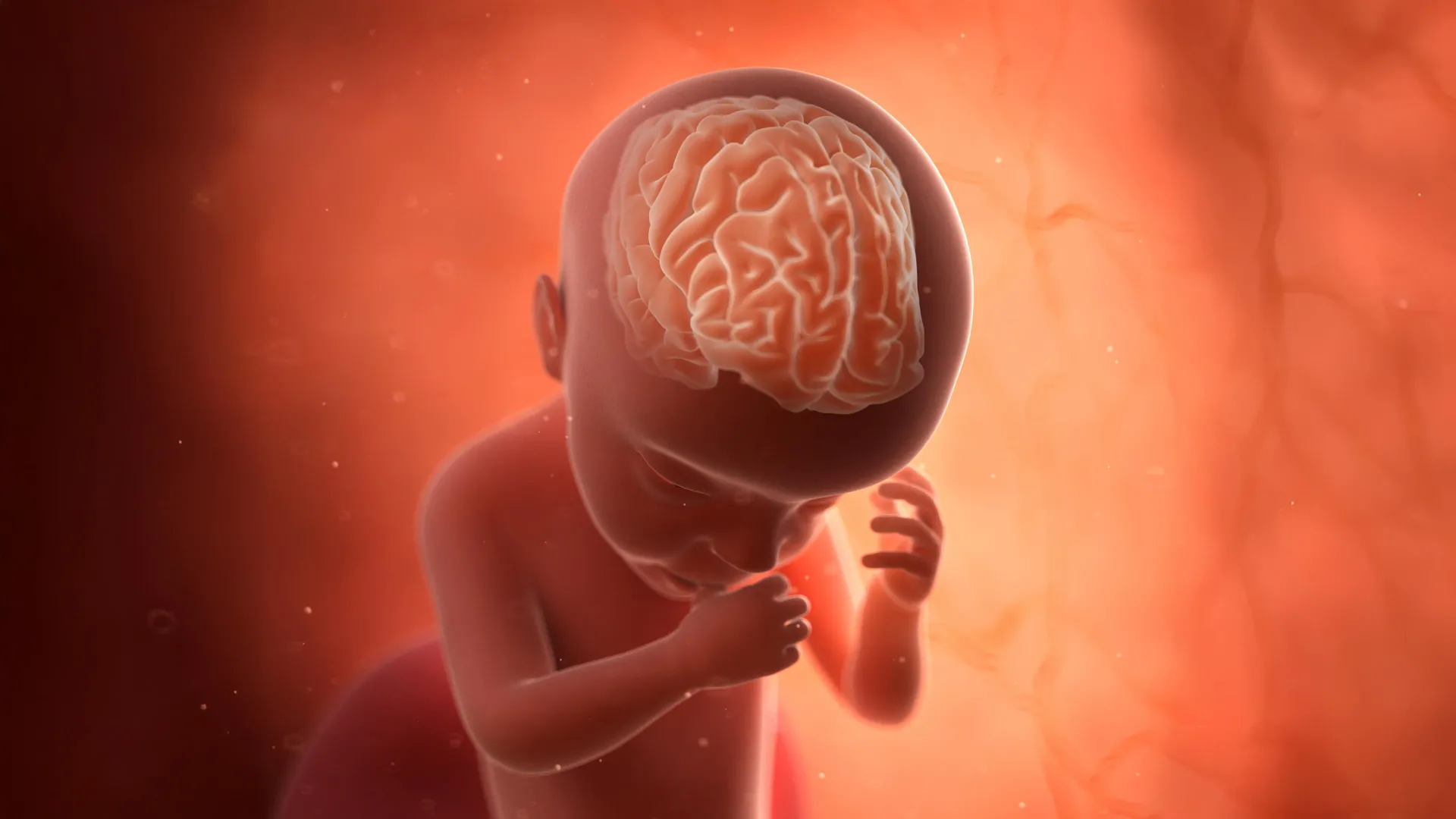
A major Swedish study of 3.7 million people has found that rare TORCH infections passed from a pregnant woman to the fetus are linked to much higher risks of autism and intellectual disability later in life. Children with a congenital TORCH infection were about three times more likely to be diagnosed with autism, more than seven times more likely to have an intellectual disability, and up to 30 times more likely to have severe to profound intellectual disability.

📅 2026-09-23 13:11:59    •    ScienceDaily
Q&A: Dynamic side of language development in toddlers
Science News

Q&A: Dynamic side of language development in toddlers

Overhearable speech (speech that may occur when caregivers are talking to each other in a child's presence) constitutes more than half of children's language exposure, but its role in language development remains underexplored. Researchers from the University of Chicago, The New School for Social Research and Princeton University examined when and how English-learning children growing up in the United States understand words they overheard from their parents' conversations at home.

📅 2026-09-23 13:00:10    •    Phys.org