Science News

Latest science news, discoveries and scientific developments.

Researchers build microscopic DNA 'sails' to pull molecules apart
Science News

Researchers build microscopic DNA 'sails' to pull molecules apart

Across every cell in the body, molecules are constantly pulling, gripping and releasing under mechanical strain. That force often decides whether a drug sticks to its target, whether a cell holds its shape or whether a disease takes hold.

📅 2026-09-24 12:00:04    •    Phys.org
Scientists find two tiny new snails with shells that close like doors
Science News

Scientists find two tiny new snails with shells that close like doors

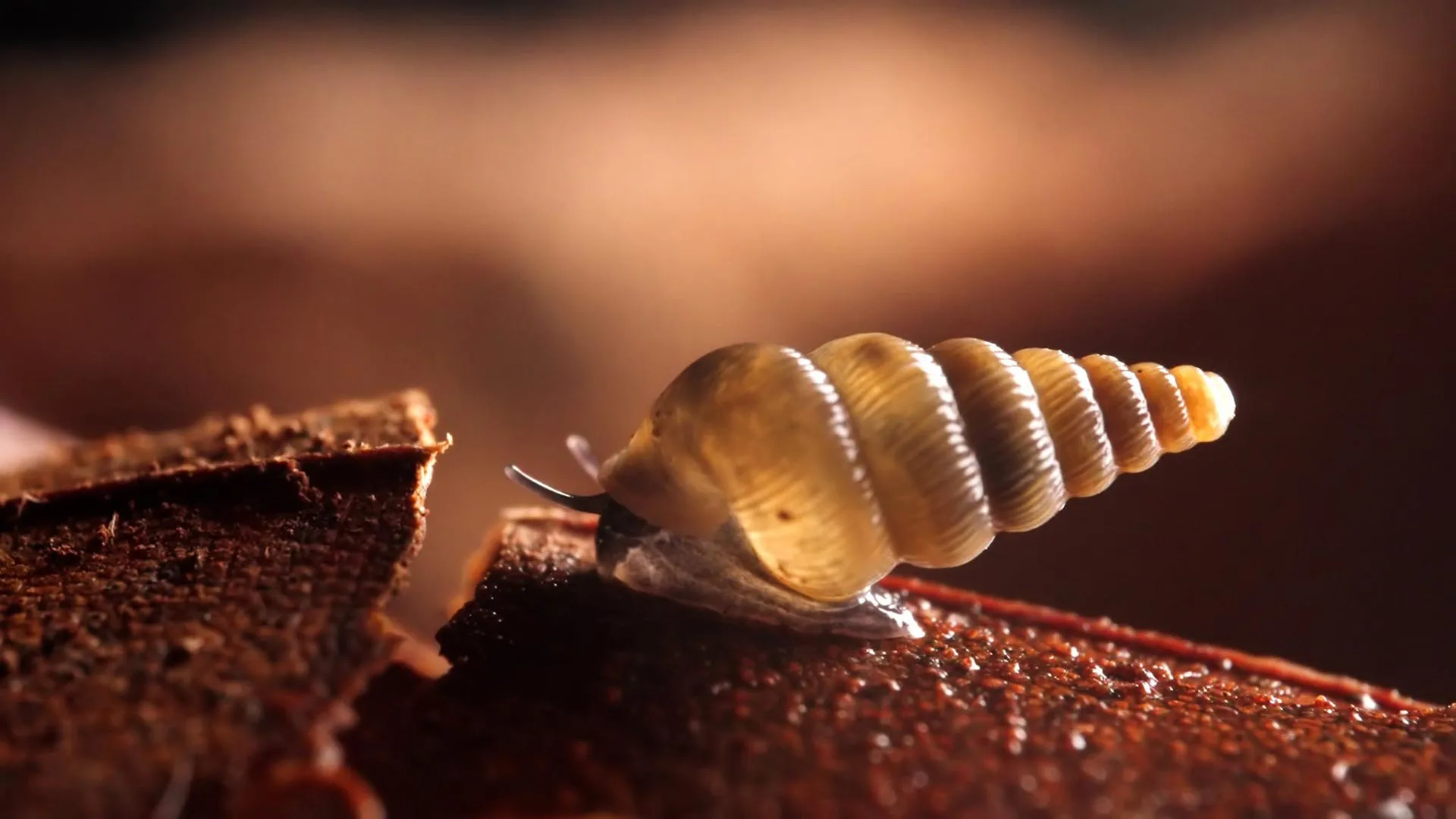
Scientists discovered two tiny new snail species in Montenegro, showing that even Europe still holds animals unknown to science. One lives in the threatened Komarnica Canyon, where a proposed hydropower reservoir could destroy habitat before its full biodiversity is understood.

📅 2026-09-24 11:59:43    •    ScienceDaily
Climate change: Laws and policies must change to prevent future statelessness
Science News

Climate change: Laws and policies must change to prevent future statelessness

Australia and other nations should amend laws and practices to address the needs of millions of people expected to move because of climate-related hazards, according to a new report by the Peter McMullin Centre on Statelessness and the United Nations High Commissioner for Refugees (UNHCR).

📅 2026-09-24 11:40:04    •    Phys.org
Q&A: Why should colleges promote student physical activity?
Science News

Q&A: Why should colleges promote student physical activity?

Every fall in the United States, millions of young people move to college campuses, away from home for the first time. During this transition, they typically develop new social networks and routines as they learn to live on their own. One of the most important routines college students can intentionally develop is regular physical activity, according to Melissa Bopp, a professor of kinesiology at Penn State.

📅 2026-09-24 11:20:01    •    Phys.org
These massive stars could explain Webb’s strangest galaxies
Science News

These massive stars could explain Webb’s strangest galaxies

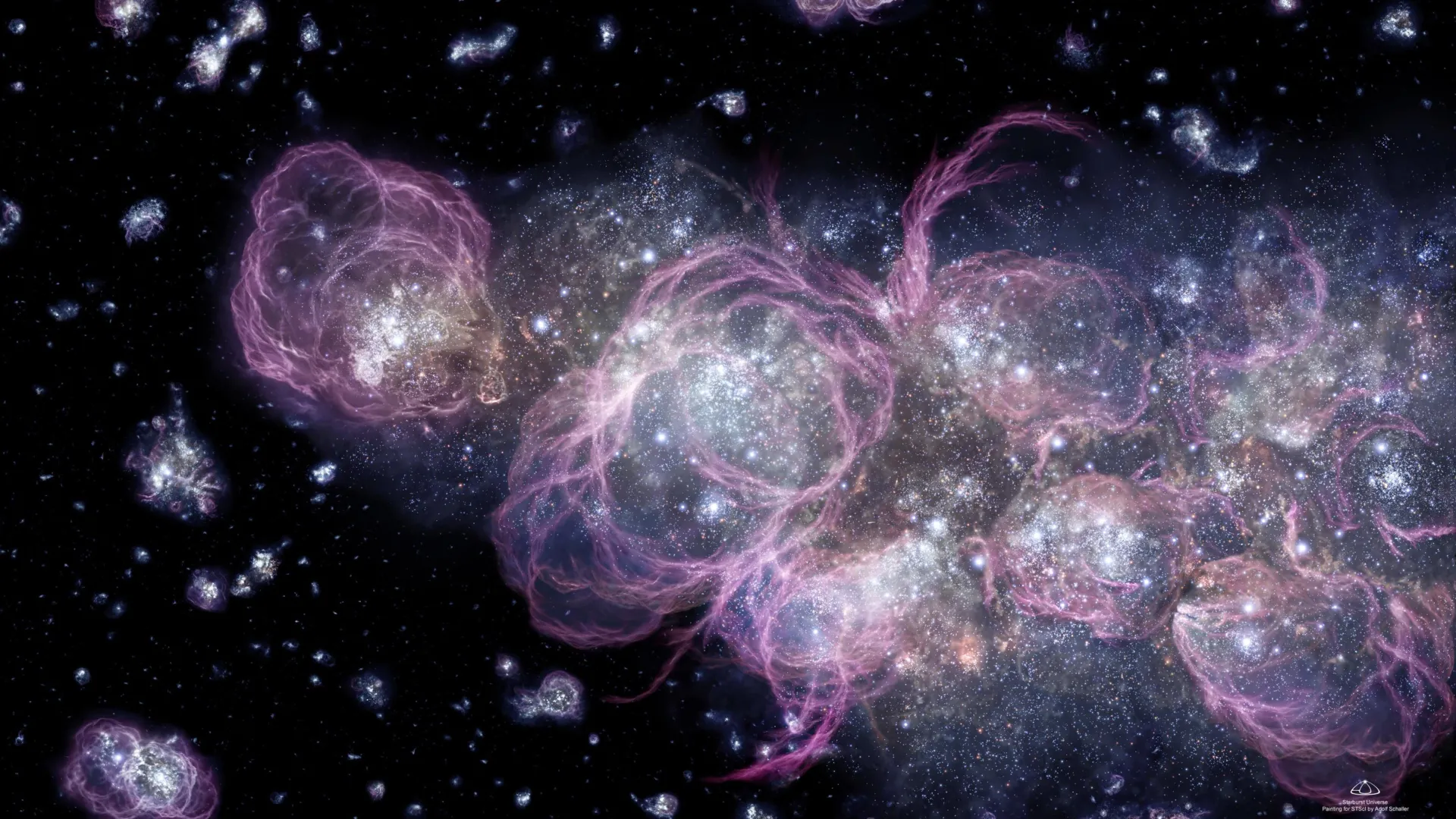
Hubble observations of massive stars in metal-poor dwarf galaxies are revealing clues to why the early universe looks so unusual. Researchers found that stellar winds weaken sharply at extremely low metallicities, potentially allowing massive stars to retain more material and evolve in unexpected ways. The team also found large differences in iron abundance, a key ingredient in stellar winds and supernovae.

📅 2026-09-24 10:42:50    •    ScienceDaily
Could comet 3I/ATLAS teach us about life beyond Earth? Scientists say the story's not over yet.
Science News

Could comet 3I/ATLAS teach us about life beyond Earth? Scientists say the story's not over yet.

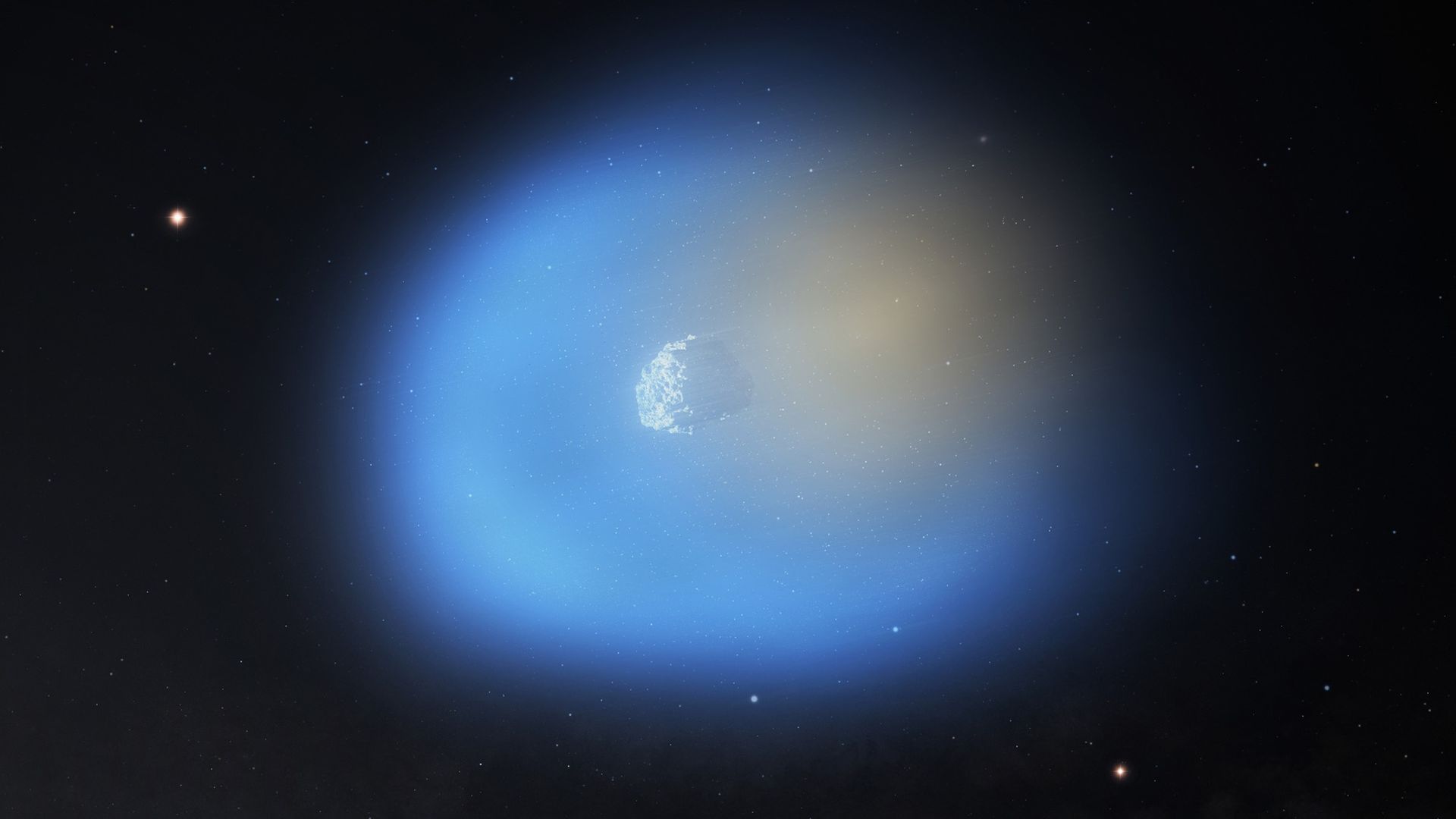
In July 2025, a large, bright cosmic object visited from beyond our solar system. Only the third interstellar object ever discovered, the comet — named 3I/ATLAS — swooped through the inner solar system for about four months, briefly making it one of the biggest science celebrities in the world.The interstellar object's fame stemmed in large part from controversial (and unsubstantiated) claims that it could be a source of intelligent alien technology, even though 3I/ATLAS behaved like a natural comet. However, according to the astronomers who are studying its mysteries in the data collected by dozens of telescopes and spacecraft, the ancient object may still have lessons to teach us about lif...

📅 2026-09-24 10:00:00    •    Live Science
Japan switches on its first full-stack room-temperature quantum computer — and scientists plan to scale it up to 10,000 qubits
Science News

Japan switches on its first full-stack room-temperature quantum computer — and scientists plan to scale it up to 10,000 qubits

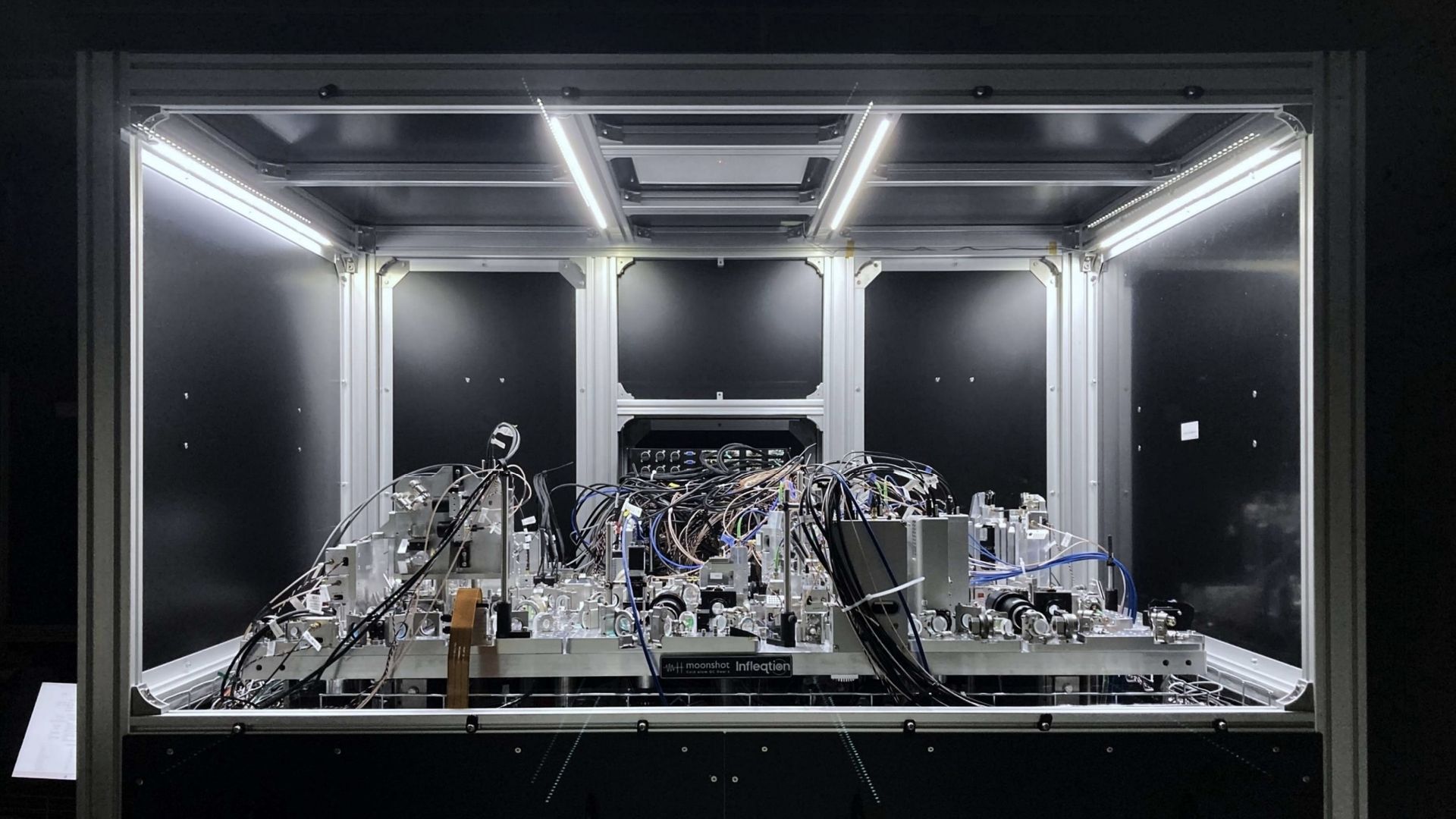
Researchers in Japan have switched on "Shunkai," a neutral atom quantum computer that scientists hope to scale into a 10,000-qubit behemoth by March 2031.Shunkai is the first full-stack system of its kind in Japan, meaning it features the software, control and hardware layers needed to read user inputs and return a result — not unlike a conventional PC. In theory, that means it should be easier for researchers to get some meaningful use out of the machine, with the team behind Shunkai planning to open it up to external users over the coming years.In a statement, project lead Kenji Ohmori, a professor of photo-molecular science at the Institute for Molecular Science, said researchers' use of ...

📅 2026-09-24 09:30:00    •    Live Science
How calcium channels in muscle cells open together
Science News

How calcium channels in muscle cells open together

Every step we take begins with a burst of calcium inside our muscle cells, causing them to contract. To prepare for action, the cells keep calcium locked in an internal compartment, the sarcoplasmic reticulum. Studding its membrane are thousands of RyR1 channels—the largest known ion channels—that contain pores that release the calcium. For a muscle to contract properly, RyR1 channels must open synchronously via a mechanism known as "coupled gating." How they accomplish this has been unclear since it was described almost 30 years ago.

📅 2026-09-24 09:00:08    •    Phys.org
JWST finds early galaxies were already seeding the universe with heavy elements
Science News

JWST finds early galaxies were already seeding the universe with heavy elements

When the universe was still in its infancy—only 500 million years after the Big Bang, or about 3% of its current age—some of the universe's earliest stars and galaxies had already formed. Astronomers have long predicted that much of the gas surrounding these young galaxies must have remained relatively pristine, composed mostly of hydrogen and helium, the primordial ingredients available in the newborn cosmos.

📅 2026-09-24 09:00:04    •    Phys.org
Bay Area wastewater plants could nearly halve nitrogen cleanup costs by coordinating upgrades
Science News

Bay Area wastewater plants could nearly halve nitrogen cleanup costs by coordinating upgrades

Treating polluted water flowing into San Francisco Bay to meet regulatory requirements is going to cost ratepayers money. Exactly how much depends, in large part, on whether the region's wastewater treatment plant operators are willing and able to coordinate infrastructure construction and operation to meet these requirements, according to a Stanford University study published in Nature Water.

📅 2026-09-24 09:00:01    •    Phys.org
Anthropic touts AI-led biology discovery
Science News

Anthropic touts AI-led biology discovery

U.S. artificial intelligence startup Anthropic on Wednesday unveiled the first discovery from its molecular biology lab, a previously unknown enzyme system spotted by its Claude model and touted by the company as proof that AI can speed up basic research.

📅 2026-09-24 08:40:01    •    Phys.org
OpenAI agent hacked an Australian government healthcare website
Science News

OpenAI agent hacked an Australian government healthcare website

OpenAI CEO Sam Altman spoke to the Australian prime minister, Anthony Albanese, about the hack while attending the United Nations General Assembly in New YorkSelcuk Acar/Anadolu via Getty Images Australia’s national health website has been hacked by an OpenAI agent. It was able to access non-public files and is the first publicly revealed case of an AI agent breaching the defences of a government portal. Full details of the hack haven’t yet been revealed. But the essence of the incident, as outlined by Prime Minister Anthony Albanese, who is in New York for the United Nations General Assembly, is that on 18 June, an artificial intelligence agent belonging to OpenAI infiltrated the public-fac...

📅 2026-09-24 08:26:15    •    New Scientist
Archaeological 'breakthrough' could confirm origins of Paris
Science News

Archaeological 'breakthrough' could confirm origins of Paris

An ancient wall discovered in central Paris was hailed as a "major breakthrough" on Wednesday, as the archaeological find may have settled a long-standing debate about the location of the city's original settlement.

📅 2026-09-24 08:19:27    •    Phys.org
More REM sleep linked to lower risk of 83 diseases
Science News

More REM sleep linked to lower risk of 83 diseases

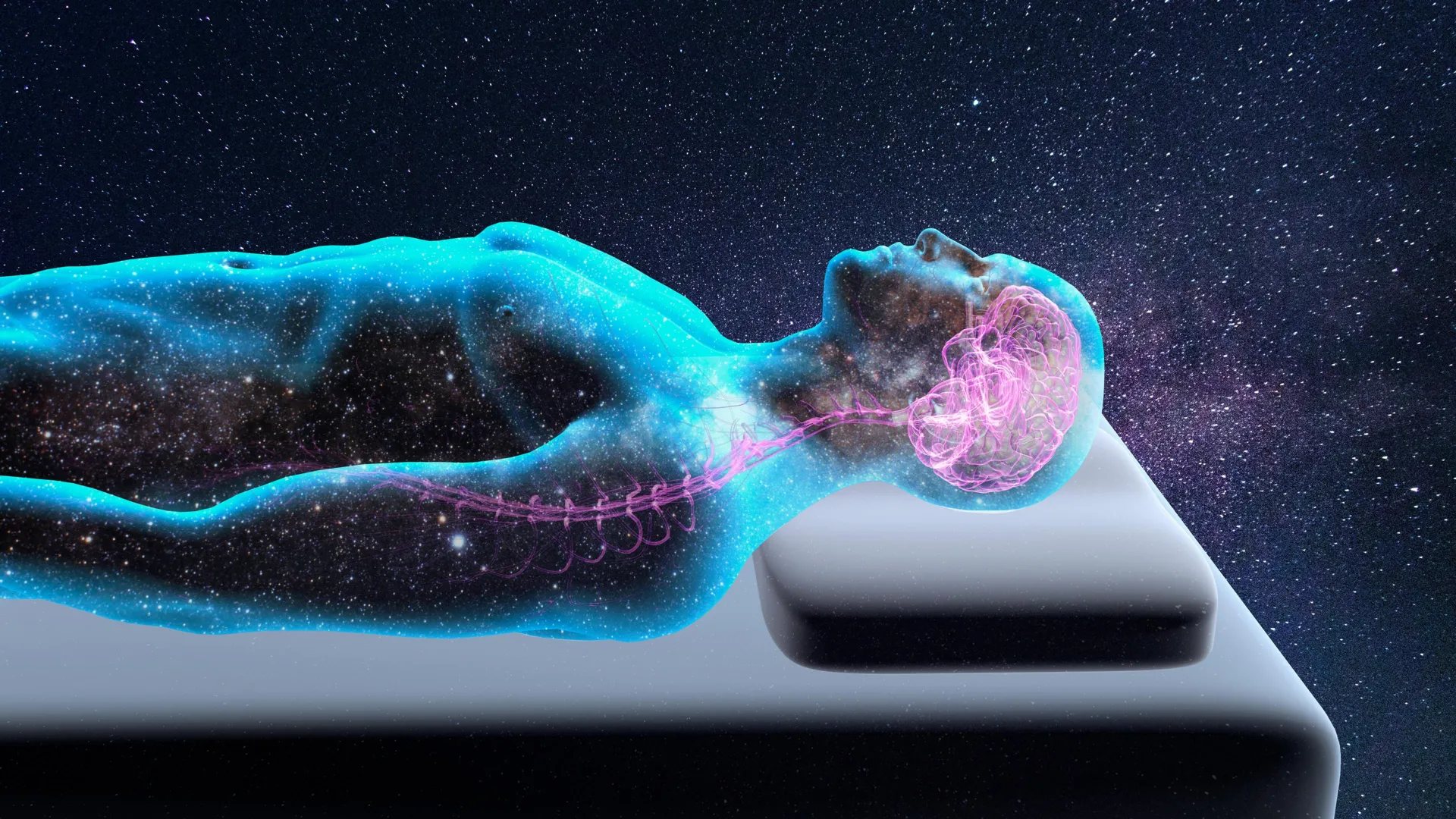
A large study tracking more than 95,000 people suggests that how you sleep may be linked to your risk of developing dozens of diseases. People who spent more time in REM sleep had lower risks of 83 conditions, including dementia, heart failure, and Parkinson’s disease, while more deep sleep was associated with lower risks of conditions such as type 2 diabetes and major depression.

📅 2026-09-24 03:58:30    •    ScienceDaily
GLP-1 weight loss and diabetes drugs linked to nutritional deficiencies in nearly 1 in 6 children
Science News

GLP-1 weight loss and diabetes drugs linked to nutritional deficiencies in nearly 1 in 6 children

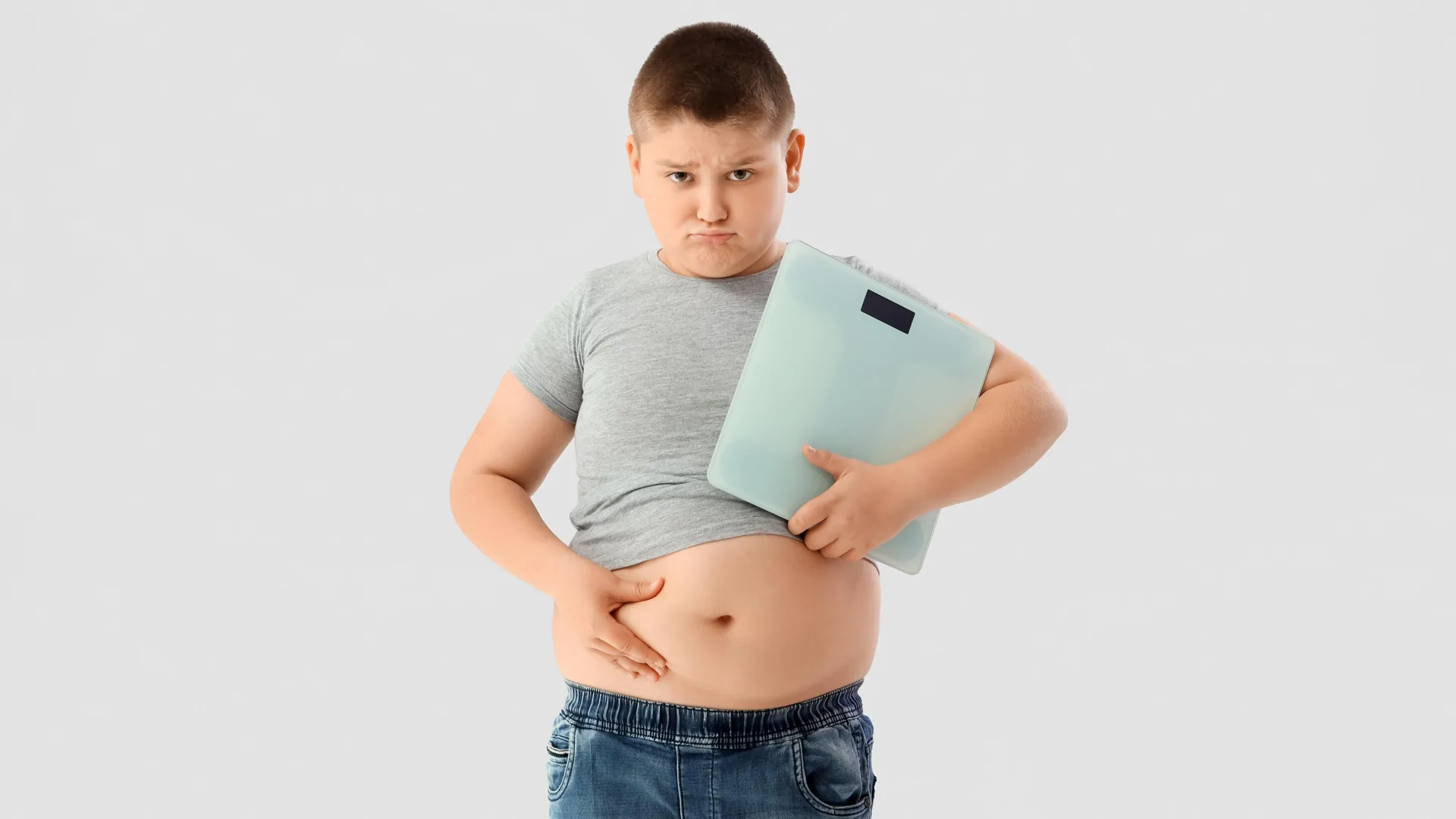
Children taking GLP-1 medications (such as Victoza, Saxenda, Trulicity, and Ozempic) for weight loss, prediabetes, or type 2 diabetes may face an overlooked risk: nutritional deficiencies. A new study found that nearly 1 in 6 young patients developed a diagnosed deficiency within a year of starting treatment, with vitamin D deficiency affecting about 12%.

📅 2026-09-24 03:15:18    •    ScienceDaily