Science News

Latest science news, discoveries and scientific developments.

Viewer impatience may explain why ads lasting ten seconds or less outperform longer spots
Science News

Viewer impatience may explain why ads lasting ten seconds or less outperform longer spots

A research team led by professor Inyoung Chae of Sungkyunkwan University (SKKU), together with professor Beth L. Fossen of Indiana University and professor Philip Kim of Texas Christian University in the United States, has demonstrated that ultrashort "micro ads" lasting 10 seconds or less are significantly more effective than longer, more elaborate advertisements at driving immediate online visits and consumer engagement.

📅 2026-10-01 21:20:12    •    Phys.org
The 2025 Kamchatka tsunami kept the Pacific ringing for more than ten hours. Its rhythm could help tsunami warnings
Science News

The 2025 Kamchatka tsunami kept the Pacific ringing for more than ten hours. Its rhythm could help tsunami warnings

On July 29, 2025, at 23:24 Universal Time, a long stretch of seafloor off Russia's Kamchatka Peninsula was thrust upward. The magnitude 8.8 earthquake was the largest on Earth since the Tohoku earthquake of 2011, according to the U.S. Geological Survey, and within minutes a tsunami was spreading across the Pacific. Warnings went out from Japan to Chile. On Shumshu, in the Kuril Islands, the water splashed up to about 19 meters (62 feet) high.

📅 2026-10-01 21:20:02    •    Phys.org
Engineer brings 'surgineering' mindset to future of medicine
Science News

Engineer brings 'surgineering' mindset to future of medicine

Farshid Alambeigi refers to one of his most ambitious research efforts as "the sci-fi project." The idea lives up to the name. He is developing robotic technology that could one day help manufacture living tissue—potentially even functioning organs—for transplantation.

📅 2026-10-01 21:00:06    •    Phys.org
How the biological clock regulates phases of wakefulness
Science News

How the biological clock regulates phases of wakefulness

The circadian clock is an internal biological system that regulates sleep-wake cycles, as well as many physiological functions such as body temperature and hormone production. In many animals, this clock relies on a network of neurons that generates rhythms of approximately 24 hours.

📅 2026-10-01 20:40:15    •    Phys.org
Your voice may reveal how fast you're aging, new AI 'speech clock' suggests
Science News

Your voice may reveal how fast you're aging, new AI 'speech clock' suggests

A new AI tool that analyzes speech could give users a glimpse of how they are aging and whether they're at risk of dementia, a new study suggests.The tool analyzes hundreds of speech and language patterns to estimate the user's chronological age from the way they talk. In a study involving nearly 3,000 Spanish-speaking adults, those whose estimated age was higher than their actual age were more likely to have cognitive problems, dementia and signs of accelerated biological aging, researchers reported Wednesday (Sept. 30) in the journal Science Advances. They were also more likely to have less favorable social and economic circumstances than other study participants.This voice-analyzing tool ...

📅 2026-10-01 18:15:00    •    Live Science
Earth’s geographic poles wander more than we had thought
Science News

Earth’s geographic poles wander more than we had thought

The geographic poles can shift at surprisingly high ratesPlanet Observer/Universal Images Group via Getty Images The Earth’s geographic poles – the points where the imaginary axis of the planet’s rotation is located – may be far less immutable than previously known, with a new study finding that ancient sea-level changes provide a clue to their movement. Earth has two main pairs of poles: its magnetic poles, resulting from its magnetic field, and its geographic poles based on its rotation. The magnetic poles are constantly in movement and are often hundreds of kilometres away from the geographic north and south poles. They can even flip altogether. The geographic poles are much more stable. ...

📅 2026-10-01 18:00:00    •    New Scientist
Physicists unveil the most accurate atomic clock ever ‪—‬ and it could literally redefine the second
Science News

Physicists unveil the most accurate atomic clock ever ‪—‬ and it could literally redefine the second

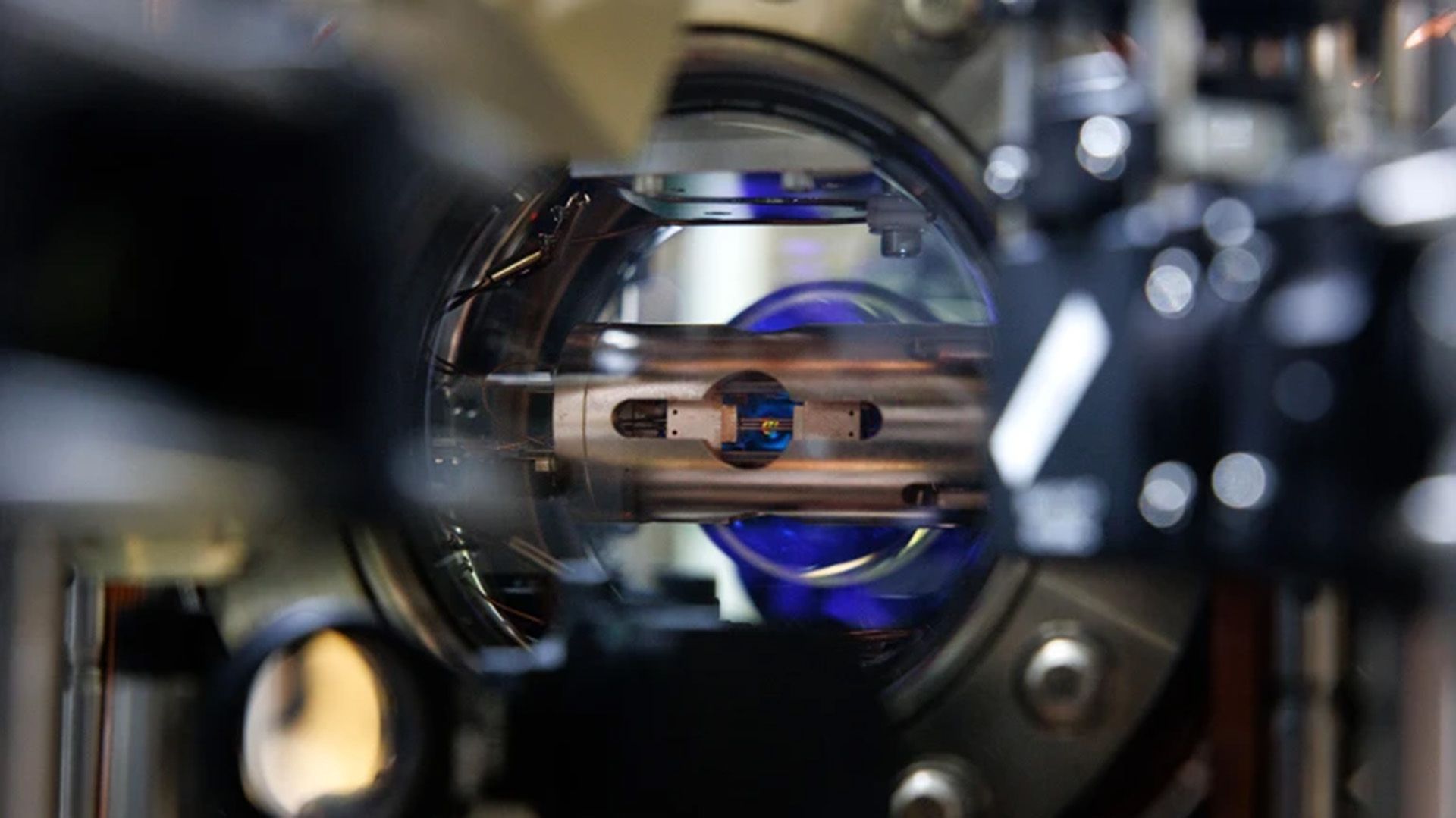
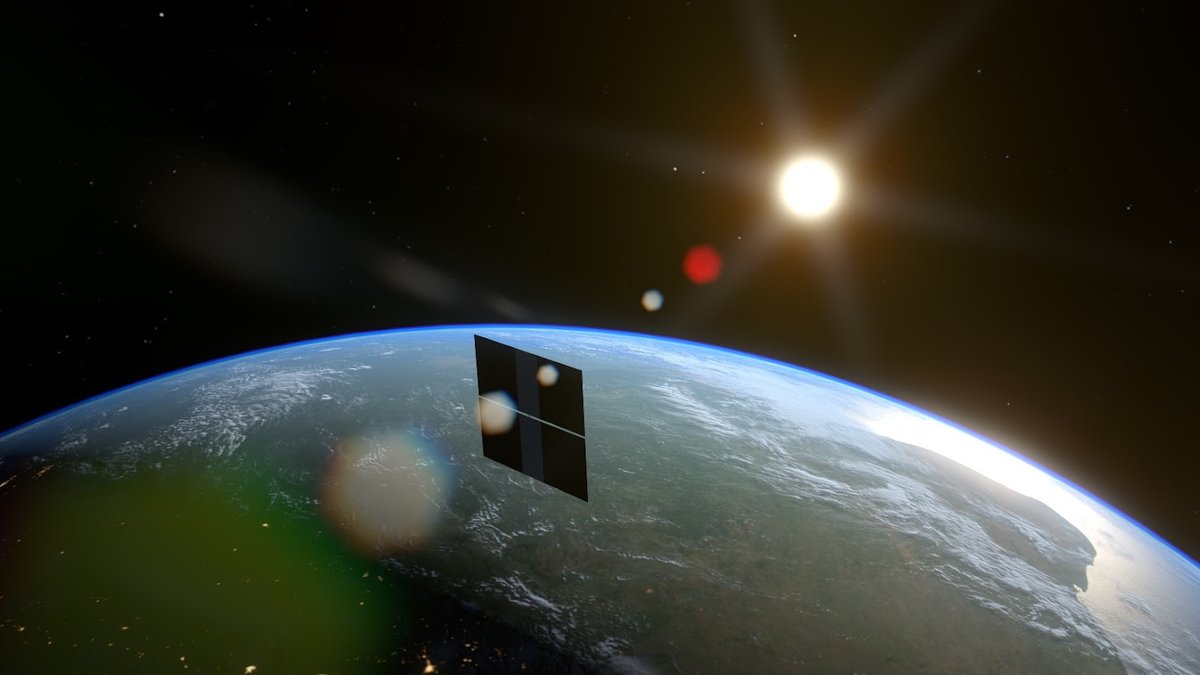
Scientists have created the most accurate atomic clock ever made ‪—‬ and it could literally redefine the second. Researchers recently unveiled the record-breaking device, which uses the vibration of atoms of an element called lutetium to precisely measure each microsecond. It is accurate up to 19 decimal places — a 41% improvement over the previous record holder. The results were published Sept. 23 in the journal Nature.Atomic clocks have been around since the 1950s. The first atomic clocks were made with the radioactive isotopes of the element cesium, a silvery metal that quickly became the gold standard for timekeeping. The International Bureau of Weights and Measures (BIPM) revised its de...

📅 2026-10-01 17:11:19    •    Live Science
Watch the world's smallest crocodiles snatch bats in their hidden underground lair ‪—‬ a behavior never seen before
Science News

Watch the world's smallest crocodiles snatch bats in their hidden underground lair ‪—‬ a behavior never seen before

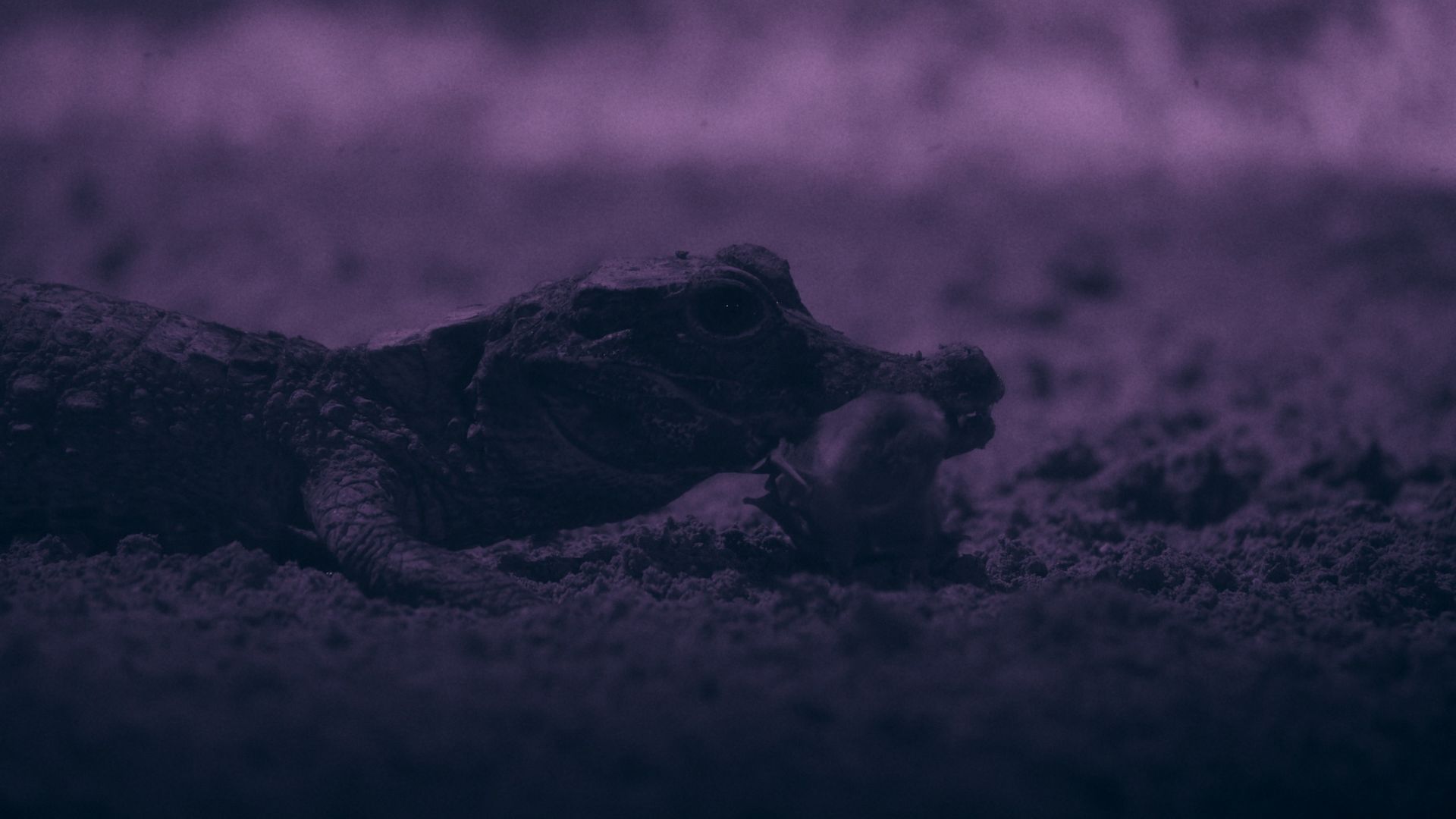
The world's smallest crocodiles use a sneak attack to hunt bats in hellish underground caves filled with poop, a new video reveals. The footage of the never-before-seen behavior was captured for the upcoming National Geographic series "Africa: Earth's Wild Home" and offers a rare glimpse into the lives of Gabon's mysterious cave-dwelling dwarf crocodiles. Dwarf crocodiles (Osteolaemus tetraspis), which grow to only around 5 feet (1.5 meters) long, live across West and Central Africa and are typically found in forests, rivers, swamps and similar surface habitats. However, the cave population filmed in the new series is unique. Discovered in 2008, these subterranean explorers spend their days ...

📅 2026-10-01 16:10:41    •    Live Science
Adversity shaped our evolution as a species. People raised in it may have underrecognized strengths because of it.
Science News

Adversity shaped our evolution as a species. People raised in it may have underrecognized strengths because of it.

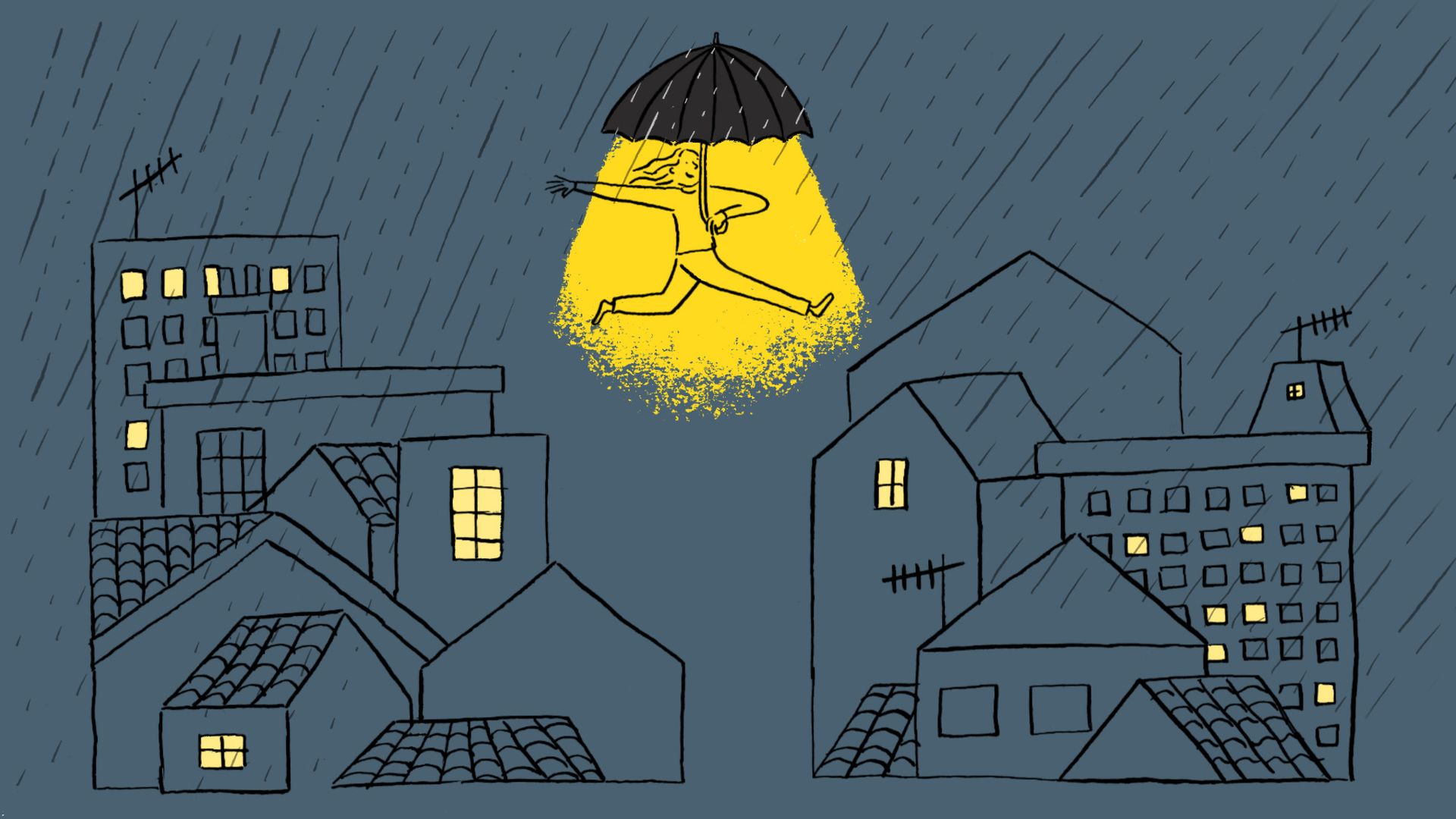
Meriah DeJoseph grew up below the poverty line, so she was intrigued in college when she started reading what researchers had to say about people from low-income backgrounds. But there was something eating away at her. Although well-intentioned, the early research mainly focused on the risks of growing up in poverty. As she progressed through her education, studying how poverty affects children, she'd go home and describe research in the field to her mom and her friends. The looks on their faces seemed to be saying "Is that really everything? Is that all it says? Is that what you think?" She realized the research was missing the strengths people she grew up with exhibited, such as creative p...

📅 2026-10-01 16:00:00    •    Live Science
'This is what happened with Claude and me': AI's failed attempt to crack the Riemann hypothesis led mathematician to a breakthrough
Science News

'This is what happened with Claude and me': AI's failed attempt to crack the Riemann hypothesis led mathematician to a breakthrough

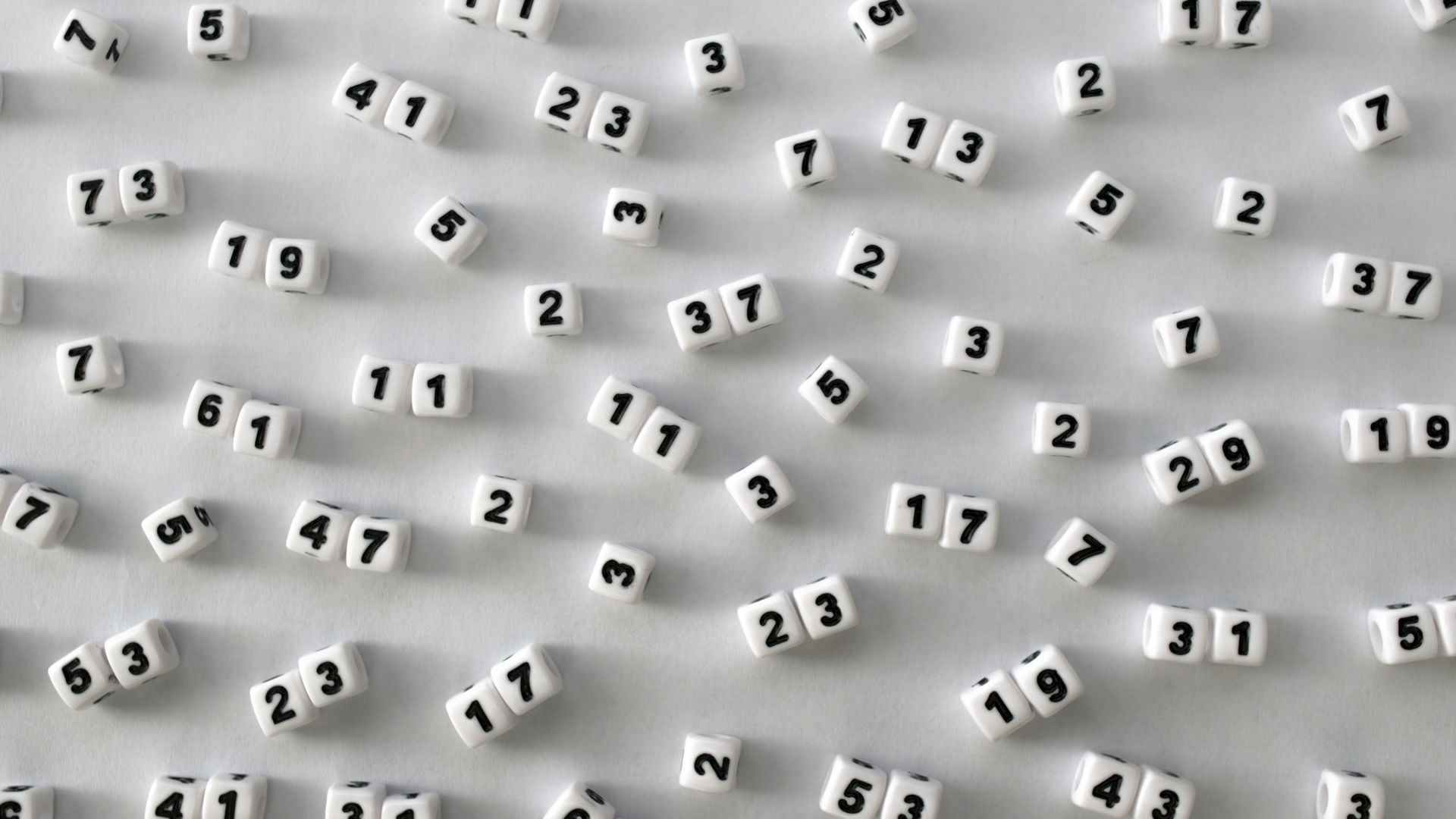
An artificial intelligence (AI) model's failed attempt to crack one of math's most notorious unsolved problems has helped a human mathematician make progress on a related puzzle. Earlier this summer, Claude — Anthropic’s AI model — attempted to find a solution to what's widely considered one of the most important unsolved math problems. Known as the Riemann hypothesis, it proposes a hidden order behind the apparently random distribution of prime numbers.And while the bot's attempt failed, it did make a huge leap in progress on a related problem. Now, Youness Lamzouri, an expert in this field at the University of Lorraine in France, has not only confirmed Claude's progress using a different a...

📅 2026-10-01 15:56:04    •    Live Science
Elephants imitate each other when they produce deep rumbling sounds
Science News

Elephants imitate each other when they produce deep rumbling sounds

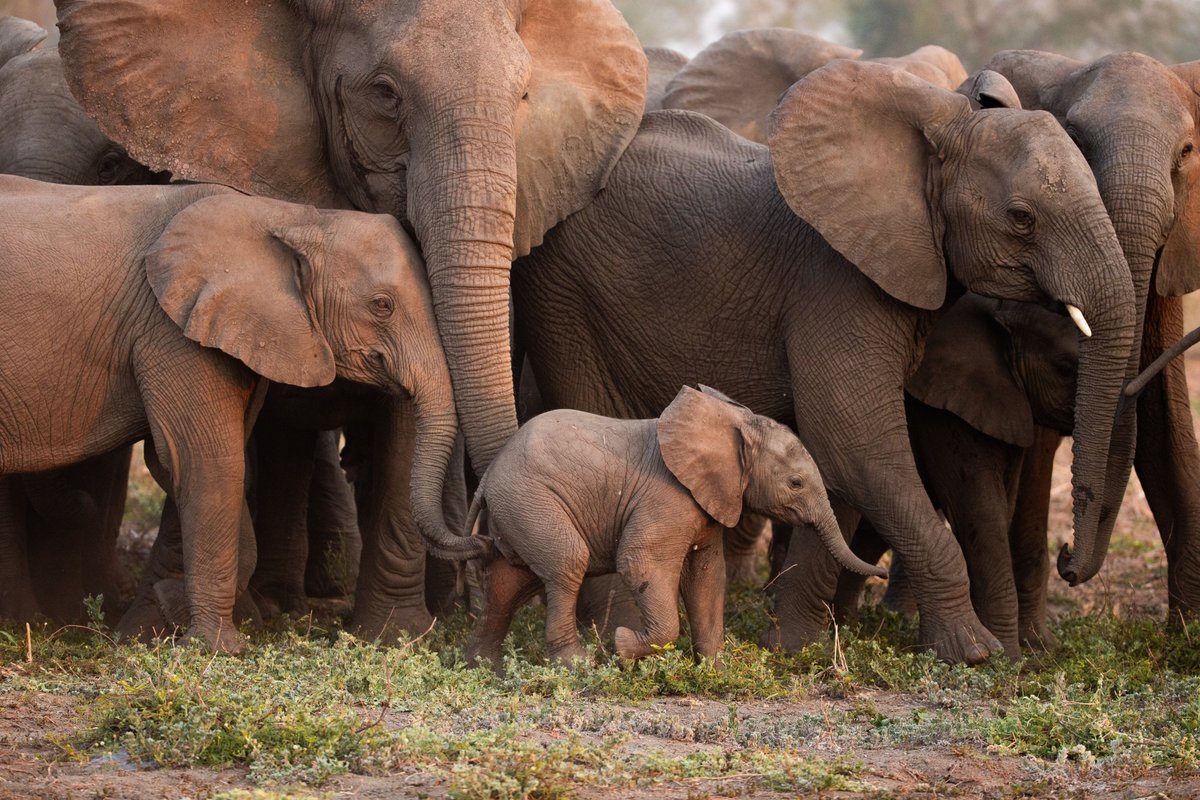
Elephants will sometimes use special rumbles to reassure their calvesElephantVoices Elephants appear to harmonise their vocal rumbles when they join together to form choruses, tuning their voices to sound more alike as the chorus unfolds. The findings come from a machine learning study, which also reveals that this convergence is particularly likely to occur during specific kinds of choruses – such as when elephants reconnect with one another or organise group activities – and that the calls themselves may contain information about what the animals are doing. The findings could offer new insights into how elephants communicate and navigate life within their complex societies, says Sara Keen ...

📅 2026-10-01 15:00:00    •    New Scientist
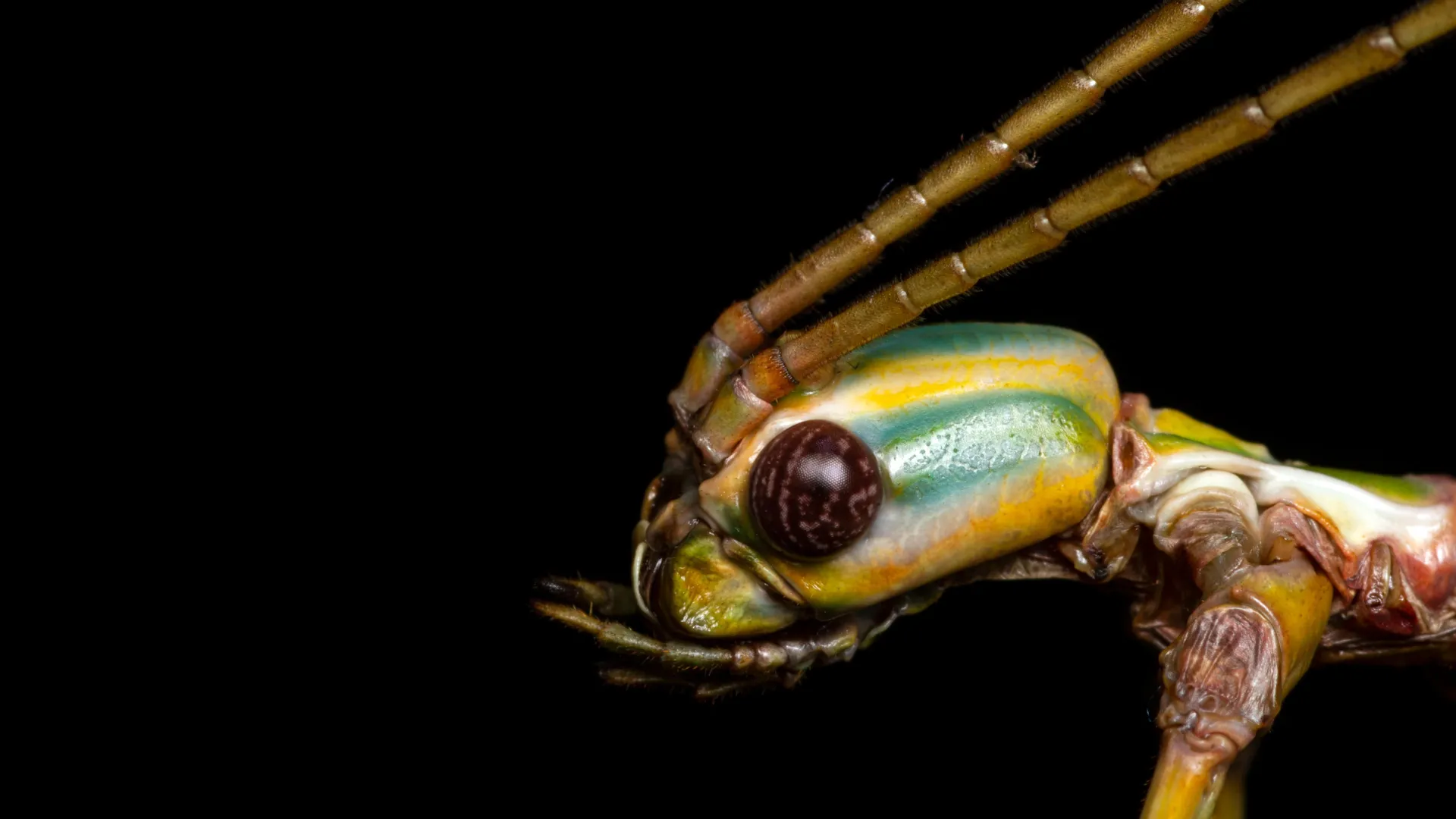
This giant stick insect fooled scientists for decades
Science News

This giant stick insect fooled scientists for decades

Scientists have identified two new species of large Australian stick insects, including one that lays extraordinary “lidded” eggs never before recorded in the group. The discovery also revealed that a familiar stick insect had been misidentified for decades, showing how much biodiversity may still be hiding in plain sight.

📅 2026-10-01 13:59:22    •    ScienceDaily