Science News

Latest science news, discoveries and scientific developments.

Mining fragmented microbial DNA identifies candidates for anticancer testing
Science News

Mining fragmented microbial DNA identifies candidates for anticancer testing

Researchers have developed a practical strategy for recovering biosynthetic information from fragmented metagenomic data. Through this work, the researchers identified and prioritized promising natural-product candidates with potential antibacterial or anticancer activity.

📅 2026-10-01 22:20:01    •    Phys.org
Small protein helps amplify cell signals from receptors targeted by many medicines
Science News

Small protein helps amplify cell signals from receptors targeted by many medicines

A small protein known as p11 may play a much broader role in cellular signaling than previously thought. Researchers at Karolinska institutet have now shown that p11 interacts with numerous receptors targeted by commonly used medicines, opening new possibilities for treating conditions such as pain, inflammation and depression. The research is published in the journal Science Advances.

📅 2026-10-01 22:10:01    •    Phys.org
Where the waters meet: Connecting global limits and river basin management
Science News

Where the waters meet: Connecting global limits and river basin management

Human activity and climate change are putting growing pressure on water resources, disrupting the predictability of the water cycle and changing the availability and quality of freshwater. IIASA researchers and partners have developed a new framework for guiding water management and planning at the river basin level, derived from the existing Global Water Planetary Boundary.

📅 2026-10-01 22:00:18    •    Phys.org
Webb provides crash course on planet-shattering collisions
Science News

Webb provides crash course on planet-shattering collisions

In the early history of our solar system, scientists theorize that a Mars-sized object called Theia smashed into the infant Earth, vaporizing massive amounts of rock and blasting it into space. Some of that material coalesced into the moon, where NASA's Artemis program is returning humans, preparing for Mars and shaping the future of space exploration.

📅 2026-10-01 22:00:13    •    Phys.org
New method generates nearly indistinguishable photons for quantum communication
Science News

New method generates nearly indistinguishable photons for quantum communication

Working in close collaboration, researchers from Paderborn University, the University of Basel and Ruhr University Bochum have made a breakthrough in quantum communication. In their recently published paper in the journal Physical Review Letters, they demonstrate how special semiconductor nanostructures can be used to generate individual photons and pairs of photons that are almost perfectly identical. These "indistinguishable" particles form the basis for quantum entanglement and quantum interference.

📅 2026-10-01 21:40:10    •    Phys.org
Artisans turn old São Paulo subway construction uniforms into backpacks
Science News

Artisans turn old São Paulo subway construction uniforms into backpacks

Corporate uniforms, advertising banners and industrial technical fabrics almost always end up in landfills at the end of their "life cycles," even when they are still in good condition. To address this issue, Ciclou, a startup based in São Paulo, Brazil, has developed a system that transforms environmental liabilities into economic opportunities. The system connects major waste generators, such as industries and corporations in sectors like events and infrastructure, with artisans from the outskirts of the city.

📅 2026-10-01 21:40:05    •    Phys.org
Yosemite toad killer may be hiding in their own homes
Science News

Yosemite toad killer may be hiding in their own homes

UCLA biologists have found the hiding place of a silent killer stalking threatened Yosemite toads: their own burrows. The Batrachochytrium dendrobatidis (Bd) fungus decimating amphibian populations around the world has long been thought to live in and infect the toads through their skin when they are in the water.

📅 2026-10-01 21:40:01    •    Phys.org
AI method predicts retention times of small molecules more reliably
Science News

AI method predicts retention times of small molecules more reliably

Whether in drug discovery, environmental analysis or metabolomics: anyone analyzing complex biological samples often needs to identify the small molecules they contain. Researchers at Friedrich Schiller University Jena, in collaboration with partners from the Helmholtz Zentrum München and the Technical University of Munich, have developed a method that addresses a problem in analytical chemistry that has persisted for decades.

📅 2026-10-01 21:30:01    •    Phys.org
Viewer impatience may explain why ads lasting ten seconds or less outperform longer spots
Science News

Viewer impatience may explain why ads lasting ten seconds or less outperform longer spots

A research team led by professor Inyoung Chae of Sungkyunkwan University (SKKU), together with professor Beth L. Fossen of Indiana University and professor Philip Kim of Texas Christian University in the United States, has demonstrated that ultrashort "micro ads" lasting 10 seconds or less are significantly more effective than longer, more elaborate advertisements at driving immediate online visits and consumer engagement.

📅 2026-10-01 21:20:12    •    Phys.org
The 2025 Kamchatka tsunami kept the Pacific ringing for more than ten hours. Its rhythm could help tsunami warnings
Science News

The 2025 Kamchatka tsunami kept the Pacific ringing for more than ten hours. Its rhythm could help tsunami warnings

On July 29, 2025, at 23:24 Universal Time, a long stretch of seafloor off Russia's Kamchatka Peninsula was thrust upward. The magnitude 8.8 earthquake was the largest on Earth since the Tohoku earthquake of 2011, according to the U.S. Geological Survey, and within minutes a tsunami was spreading across the Pacific. Warnings went out from Japan to Chile. On Shumshu, in the Kuril Islands, the water splashed up to about 19 meters (62 feet) high.

📅 2026-10-01 21:20:02    •    Phys.org
Engineer brings 'surgineering' mindset to future of medicine
Science News

Engineer brings 'surgineering' mindset to future of medicine

Farshid Alambeigi refers to one of his most ambitious research efforts as "the sci-fi project." The idea lives up to the name. He is developing robotic technology that could one day help manufacture living tissue—potentially even functioning organs—for transplantation.

📅 2026-10-01 21:00:06    •    Phys.org
How the biological clock regulates phases of wakefulness
Science News

How the biological clock regulates phases of wakefulness

The circadian clock is an internal biological system that regulates sleep-wake cycles, as well as many physiological functions such as body temperature and hormone production. In many animals, this clock relies on a network of neurons that generates rhythms of approximately 24 hours.

📅 2026-10-01 20:40:15    •    Phys.org
Your voice may reveal how fast you're aging, new AI 'speech clock' suggests
Science News

Your voice may reveal how fast you're aging, new AI 'speech clock' suggests

A new AI tool that analyzes speech could give users a glimpse of how they are aging and whether they're at risk of dementia, a new study suggests.The tool analyzes hundreds of speech and language patterns to estimate the user's chronological age from the way they talk. In a study involving nearly 3,000 Spanish-speaking adults, those whose estimated age was higher than their actual age were more likely to have cognitive problems, dementia and signs of accelerated biological aging, researchers reported Wednesday (Sept. 30) in the journal Science Advances. They were also more likely to have less favorable social and economic circumstances than other study participants.This voice-analyzing tool ...

📅 2026-10-01 18:15:00    •    Live Science
Earth’s geographic poles wander more than we had thought
Science News

Earth’s geographic poles wander more than we had thought

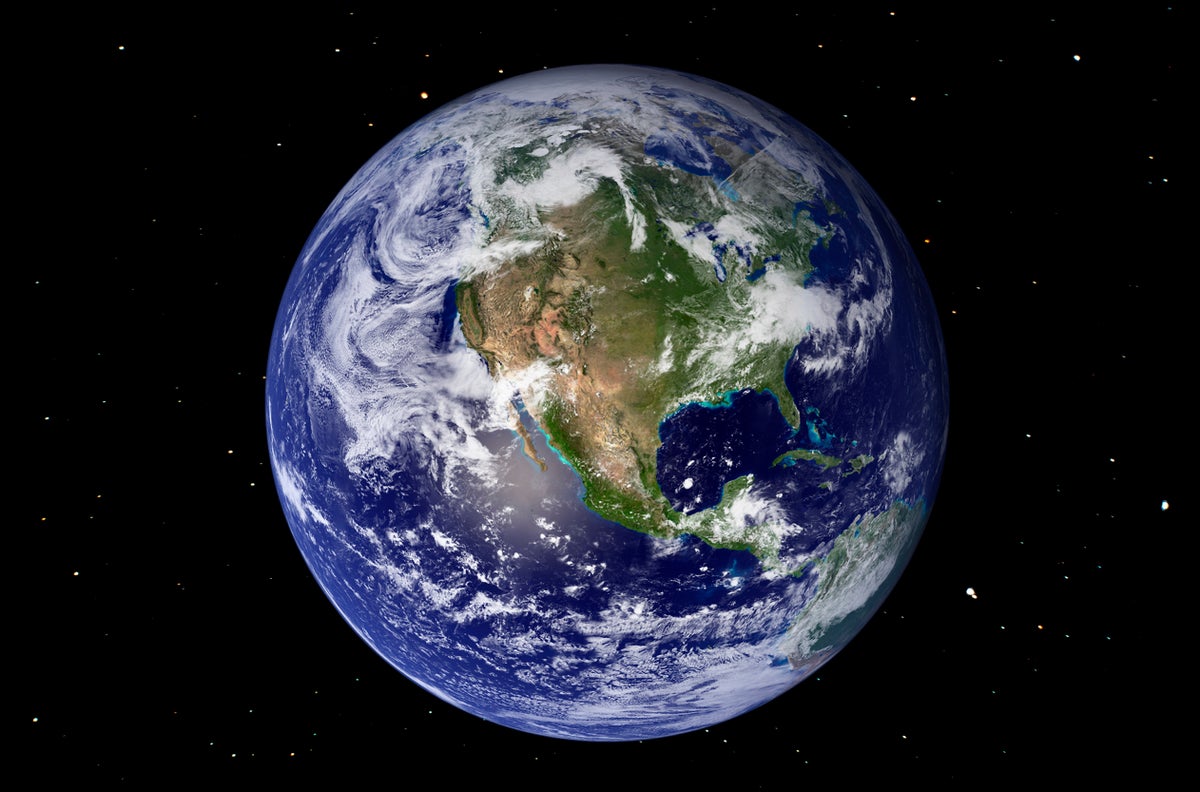
The geographic poles can shift at surprisingly high ratesPlanet Observer/Universal Images Group via Getty Images The Earth’s geographic poles – the points where the imaginary axis of the planet’s rotation is located – may be far less immutable than previously known, with a new study finding that ancient sea-level changes provide a clue to their movement. Earth has two main pairs of poles: its magnetic poles, resulting from its magnetic field, and its geographic poles based on its rotation. The magnetic poles are constantly in movement and are often hundreds of kilometres away from the geographic north and south poles. They can even flip altogether. The geographic poles are much more stable. ...

📅 2026-10-01 18:00:00    •    New Scientist
Physicists unveil the most accurate atomic clock ever ‪—‬ and it could literally redefine the second
Science News

Physicists unveil the most accurate atomic clock ever ‪—‬ and it could literally redefine the second

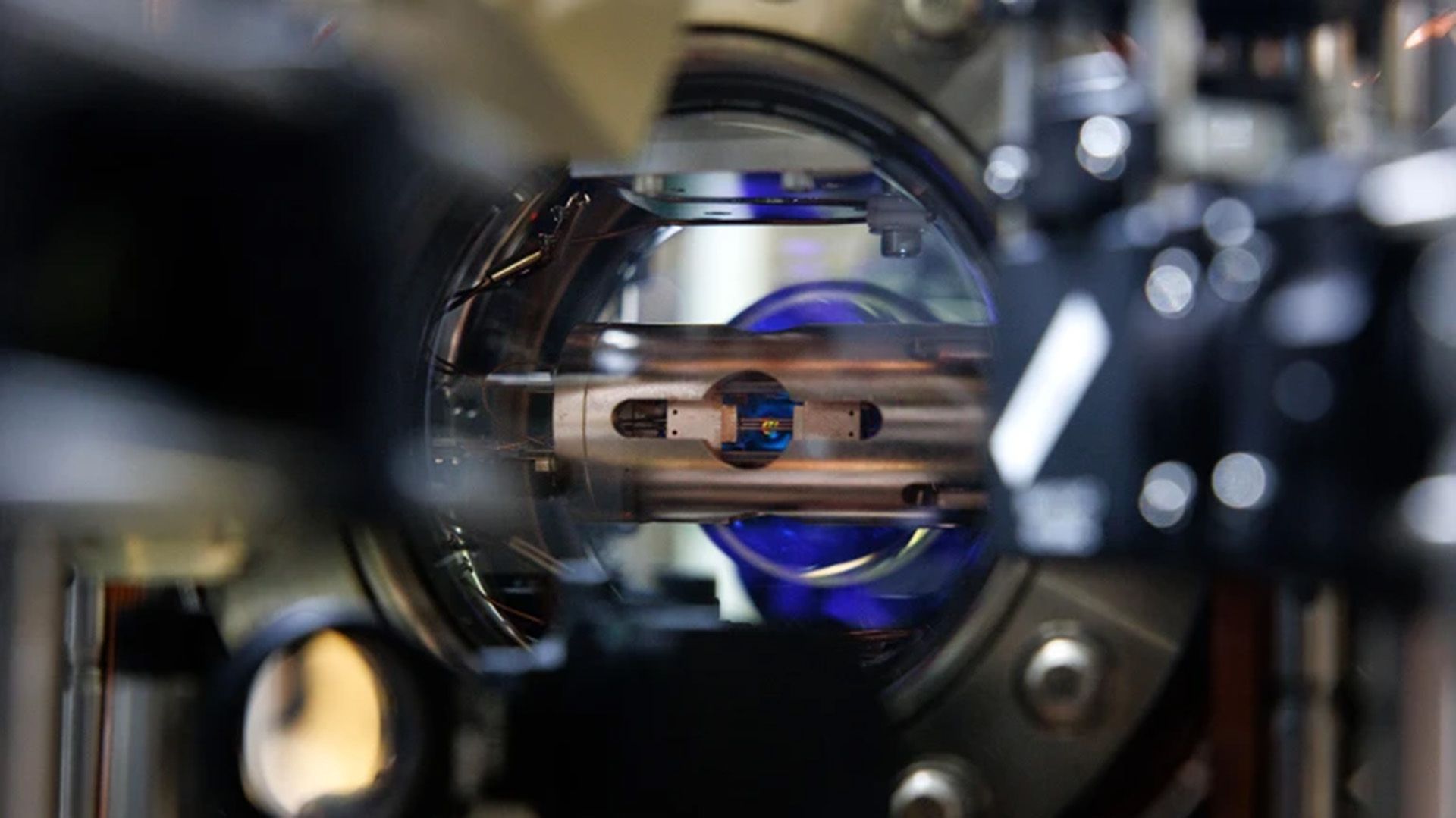
Scientists have created the most accurate atomic clock ever made ‪—‬ and it could literally redefine the second. Researchers recently unveiled the record-breaking device, which uses the vibration of atoms of an element called lutetium to precisely measure each microsecond. It is accurate up to 19 decimal places — a 41% improvement over the previous record holder. The results were published Sept. 23 in the journal Nature.Atomic clocks have been around since the 1950s. The first atomic clocks were made with the radioactive isotopes of the element cesium, a silvery metal that quickly became the gold standard for timekeeping. The International Bureau of Weights and Measures (BIPM) revised its de...

📅 2026-10-01 17:11:19    •    Live Science
Watch the world's smallest crocodiles snatch bats in their hidden underground lair ‪—‬ a behavior never seen before
Science News

Watch the world's smallest crocodiles snatch bats in their hidden underground lair ‪—‬ a behavior never seen before

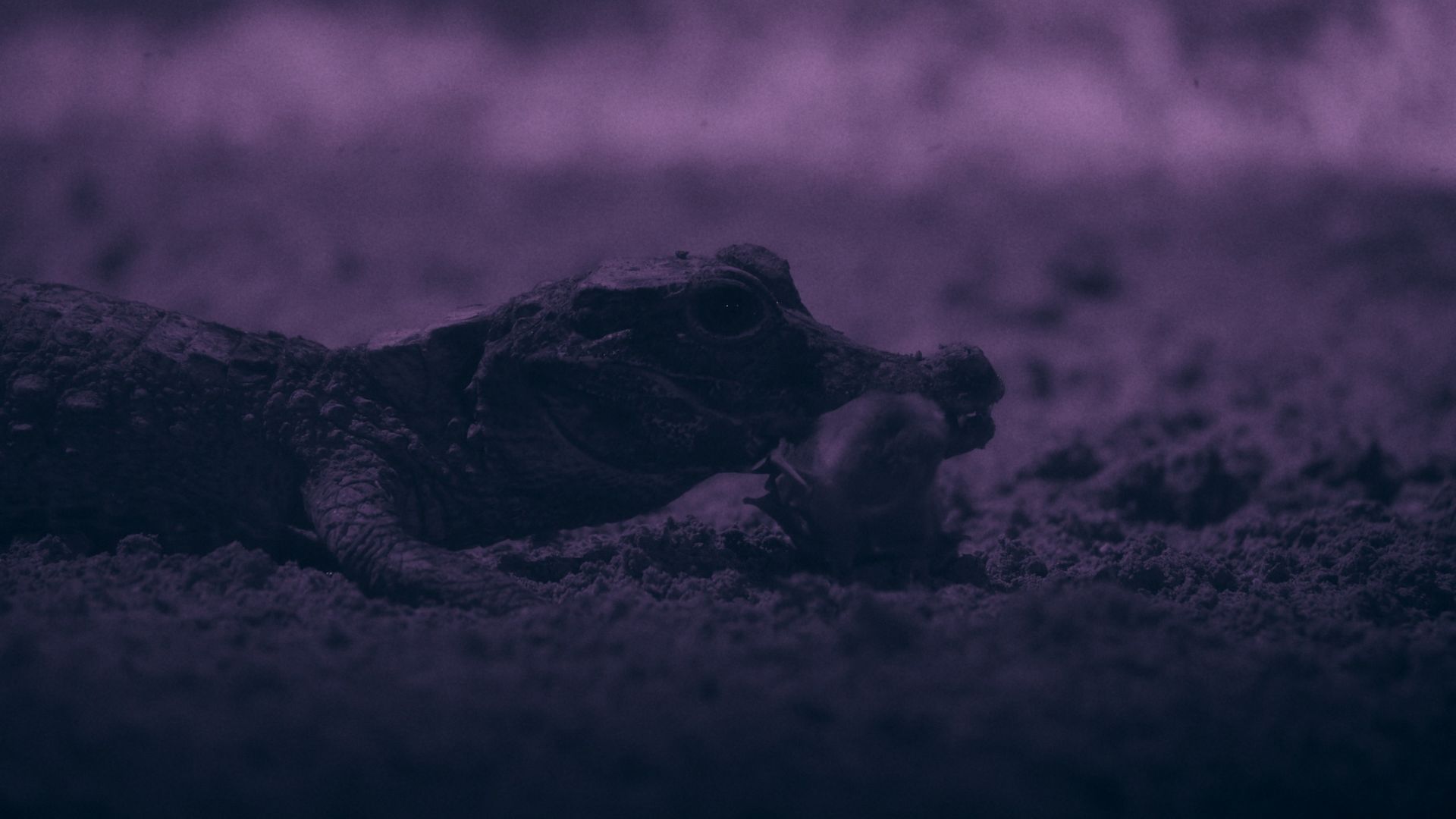
The world's smallest crocodiles use a sneak attack to hunt bats in hellish underground caves filled with poop, a new video reveals. The footage of the never-before-seen behavior was captured for the upcoming National Geographic series "Africa: Earth's Wild Home" and offers a rare glimpse into the lives of Gabon's mysterious cave-dwelling dwarf crocodiles. Dwarf crocodiles (Osteolaemus tetraspis), which grow to only around 5 feet (1.5 meters) long, live across West and Central Africa and are typically found in forests, rivers, swamps and similar surface habitats. However, the cave population filmed in the new series is unique. Discovered in 2008, these subterranean explorers spend their days ...

📅 2026-10-01 16:10:41    •    Live Science