Science News

Latest science news, discoveries and scientific developments.

Astronomers discover the lowest-mass double neutron star system to date
Science News

Astronomers discover the lowest-mass double neutron star system to date

Neutron stars, the extremely dense remains of massive stars that exploded at the end of their lives, are widely studied astrophysical objects. Some of these stars, known as pulsars, spin and send out beams of radio waves, making them appear to pulse as the beams sweep past Earth.

📅 2026-10-02 12:20:08    •    Phys.org
How deep do AI relationships really go? Attachment theory expert explains
Science News

How deep do AI relationships really go? Attachment theory expert explains

Attachment is the term psychologists use for the most significant relationships that hold people's lives together. But what makes an attachment relationship different from all others? According to the pioneering American–Canadian developmental psychologist Mary Ainsworth, it must meet the following six conditions.

📅 2026-10-02 12:20:02    •    Phys.org
Nearly 6 in 10 people with high blood pressure don’t know they have it
Science News

Nearly 6 in 10 people with high blood pressure don’t know they have it

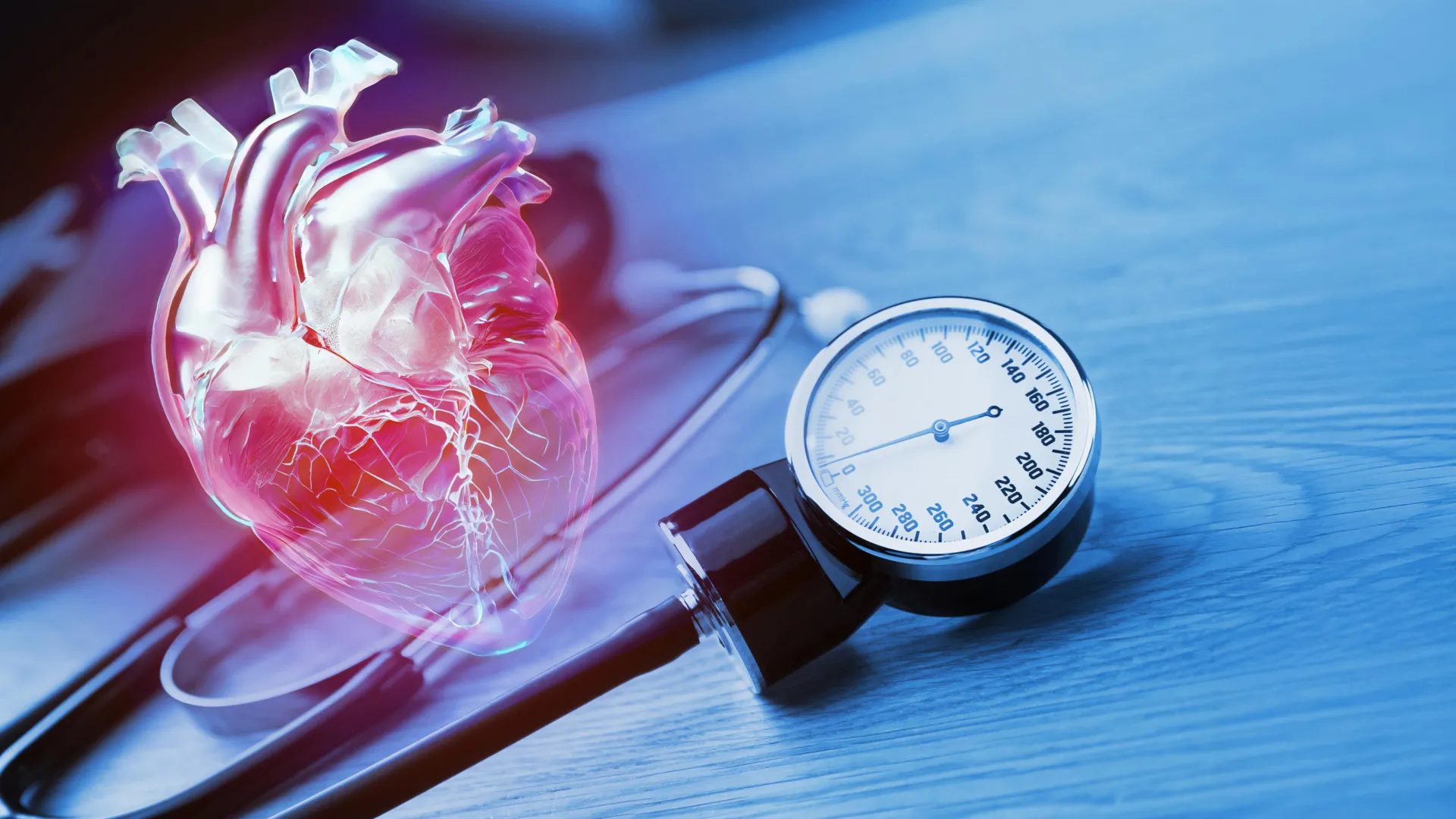
Nearly 6 in 10 people with high blood pressure in a large England study had never been diagnosed or treated, and half of those already taking medication still had elevated readings. Researchers say a more proactive approach to finding and controlling hypertension could prevent thousands of heart attacks and strokes.

📅 2026-10-02 12:03:31    •    ScienceDaily
97-million-year-old fossils reveal the earliest known animal “GPS”
Science News

97-million-year-old fossils reveal the earliest known animal “GPS”

Mysterious 97-million-year-old magnetic fossils may be the oldest evidence of an animal using Earth’s magnetic field like a built-in GPS. Their sophisticated magnetic structure could have helped an unknown ocean creature navigate thousands of kilometers with surprising precision.

📅 2026-10-02 11:54:34    •    ScienceDaily
The early universe wasn’t nearly as pristine as scientists thought
Science News

The early universe wasn’t nearly as pristine as scientists thought

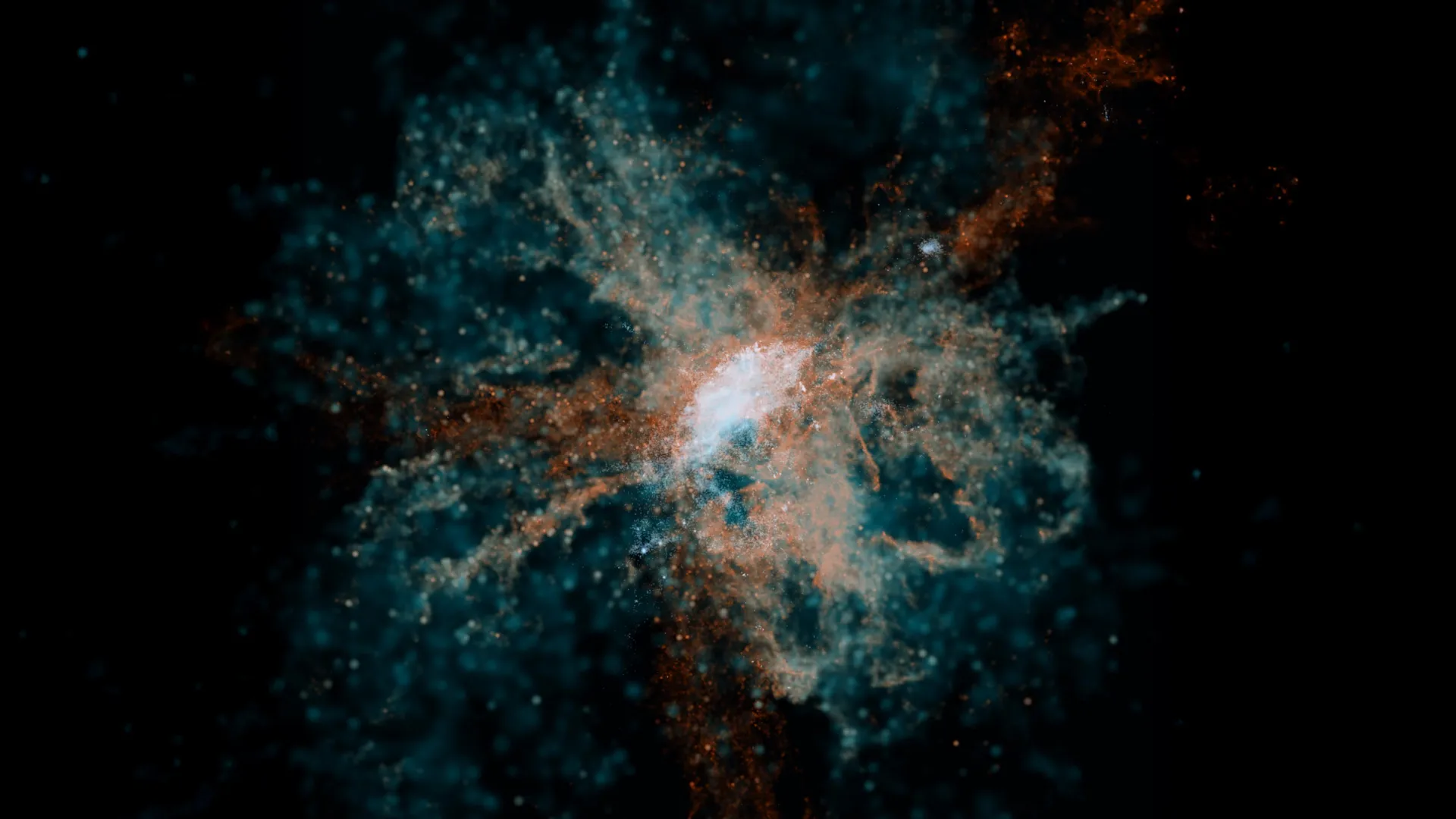
JWST has revealed that galaxies were spreading carbon, oxygen, and other heavy elements through space just 500 million years after the Big Bang. The surprising discovery suggests the young universe became chemically enriched much earlier than expected, potentially erasing traces of its very first stars.

📅 2026-10-02 11:24:07    •    ScienceDaily
The economy is resilient: Why do many Americans feel differently? An expert explains
Science News

The economy is resilient: Why do many Americans feel differently? An expert explains

Even as the Federal Reserve moves to raise interest rates for the first time in three years, many of the metrics that economists rely on to gauge the overall health of the economy—like jobs reports, the unemployment rate and the stock market—have looked relatively strong in recent months. Despite this, only about 24% of Americans rated the economy as "good" or "excellent" in a recent Pew Research Center survey.

📅 2026-10-02 11:20:07    •    Phys.org
Scientists just pushed superconductors beyond their usual current limit
Science News

Scientists just pushed superconductors beyond their usual current limit

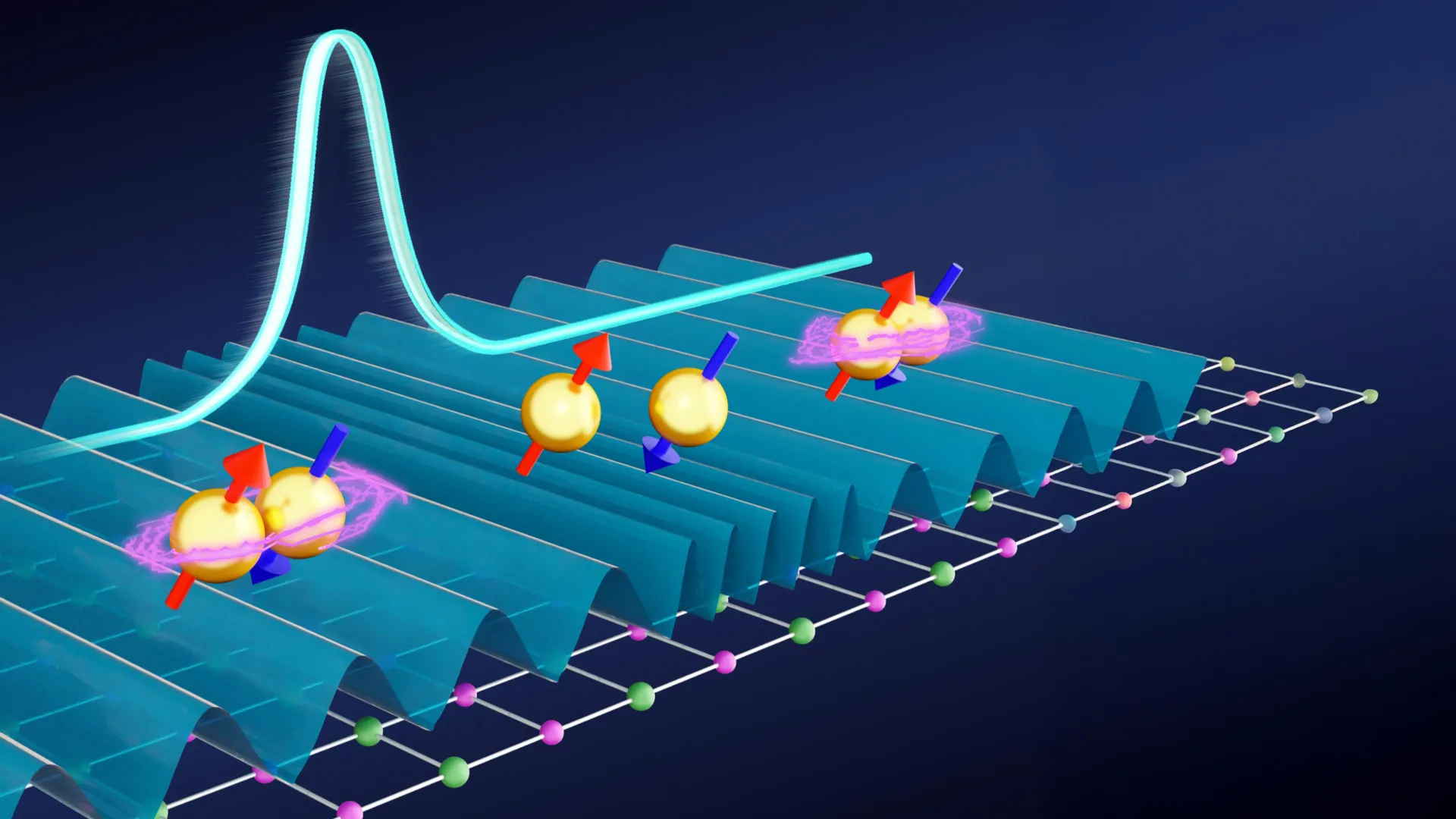
Ultrashort electrical pulses allowed scientists to push superconductors closer than ever to the point where their electron pairs actually break apart. The method revealed hidden differences between superconducting materials and could open new ways to probe and control their quantum behavior.

📅 2026-10-02 11:08:12    •    ScienceDaily
Q&A: How can marketers use AI effectively—without losing human judgment?
Science News

Q&A: How can marketers use AI effectively—without losing human judgment?

As marketers increasingly turn to artificial intelligence (AI) tools to create content and improve the efficiency of their workflows, a new study by a Penn State researcher and collaborators proposes an approach to deploying AI-generated marketing content at scale while reducing the need for costly and time-consuming traditional testing.

📅 2026-10-02 11:00:08    •    Phys.org
The ancestors of today's Indigenous people arrived in the Americas during the coldest part of the last ice age, study suggests
Science News

The ancestors of today's Indigenous people arrived in the Americas during the coldest part of the last ice age, study suggests

Archaeologists have been arguing for more than a century about whether people first entered the American continents before, during or after the coldest peak of the last ice age, called the Last Glacial Maximum (LGM). Now, a new study of the available genetic evidence suggests the group that gave rise to today's Indigenous people migrated to the Americas no earlier than 21,000 years ago."The evidence points to the arrival of humans ancestral to contemporary Indigenous peoples likely near the end of the Last Glacial Maximum, but earlier migrations may also have occurred," study co-authors Bethany Potter, an archaeologist at the Kansas Geological Survey, and Savannah Hay, a biological anthropol...

📅 2026-10-02 11:00:00    •    Live Science
How to see rainbows on exoplanets
Science News

How to see rainbows on exoplanets

A future NASA telescope could spot atmospheric phenomena on planets orbiting other stars

📅 2026-10-02 10:45:00    •    Scientific American
Cancer stem cells have an “energy addiction” scientists may be able to exploit
Science News

Cancer stem cells have an “energy addiction” scientists may be able to exploit

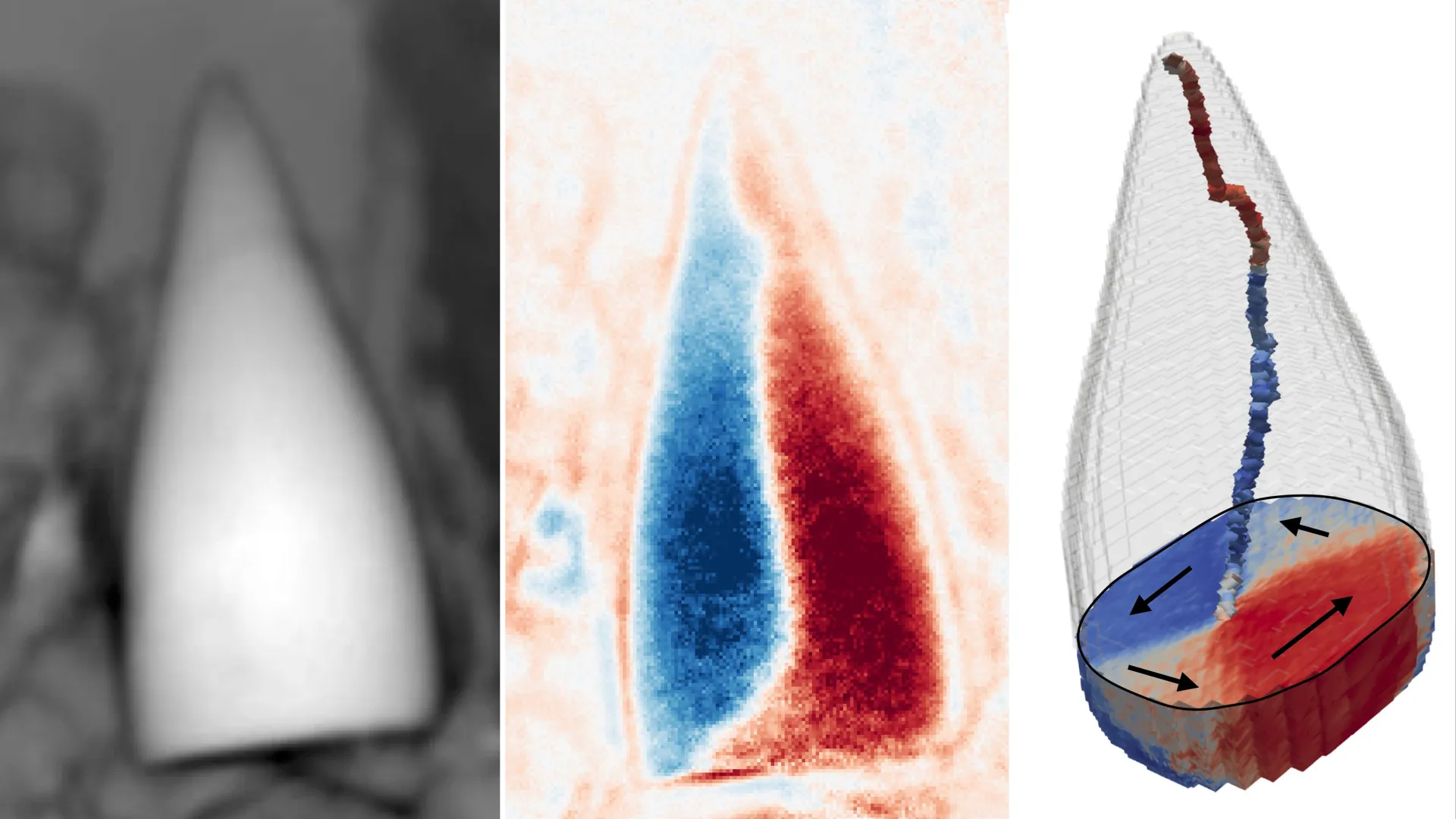
High-risk MDS stem cells appear to have an unexpected “energy addiction,” relying far more heavily than healthy blood-forming cells on a molecule called NAD. Disrupting this energy pathway selectively weakened the cancer-driving cells, revealing a potential new target for treatment.

📅 2026-10-02 10:37:59    •    ScienceDaily
'A kind of Rosetta Stone': AI decodes 217-year-old secret letter ordered by Napoleon
Science News

'A kind of Rosetta Stone': AI decodes 217-year-old secret letter ordered by Napoleon

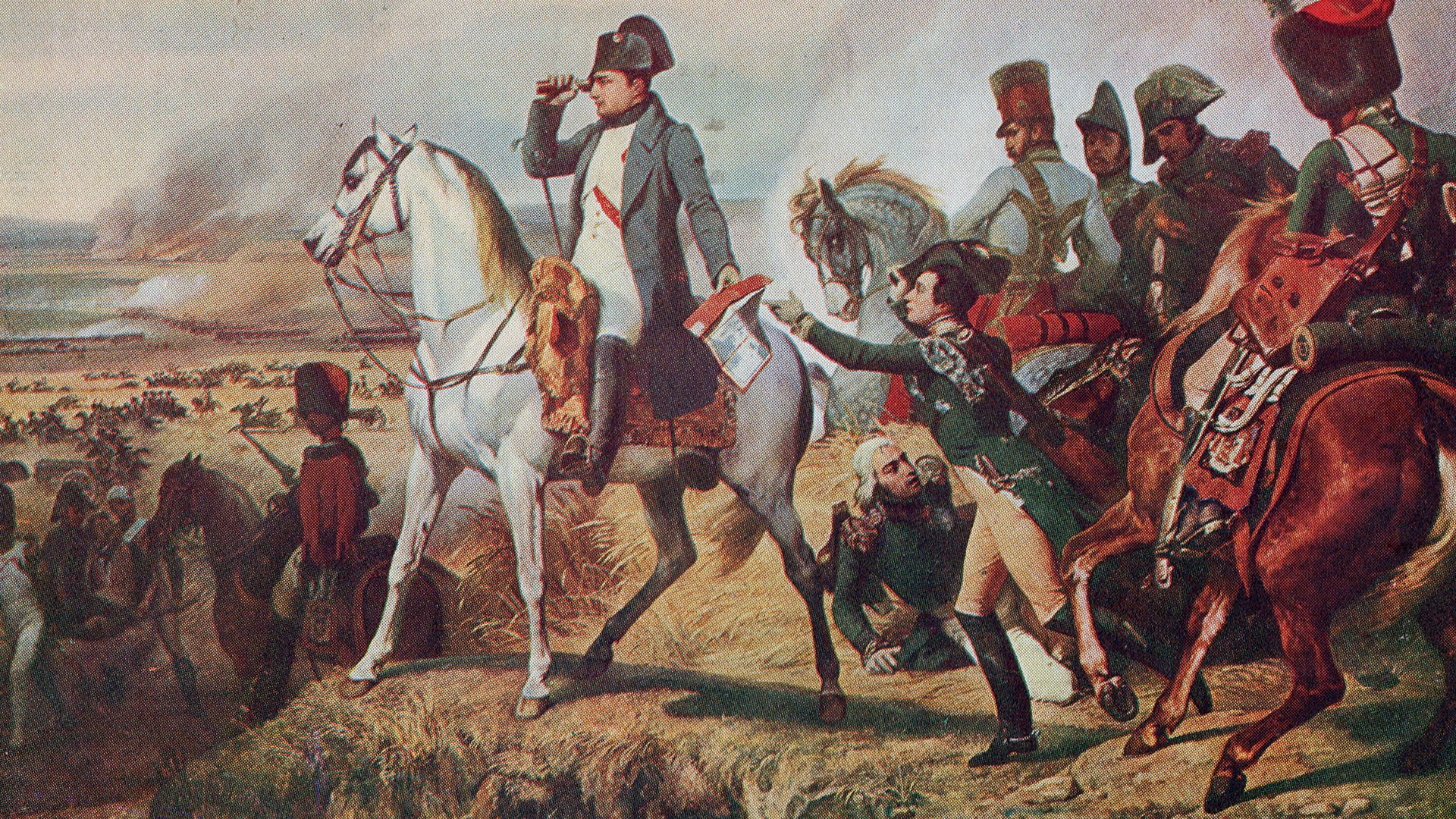
An engineer has utilized AI to break a previously unsolved cipher used by Napoleon Bonaparte to send secret messages to his generals — enabling us to read a 217-year-old letter for the first time. The announcement has historians excited about AI's potential to become a modern-day "Rosetta Stone" for translating coded historical messages. Carter Church, an AI engineer at cybersecurity firm Sentinel One, laid out the findings in a post on X on Wednesday (Sept. 30), explaining how he gave OpenAI's new model GPT-6 Astra one prompt and one image to crack the centuries-old code. Six hours later, the task was complete."I didn't believe it at first," Church told Live Science in a message. "Everyone ...

📅 2026-10-02 10:30:00    •    Live Science
'It's a portrait of their actual ancestor': Facial reconstruction of Indigenous man who lived in Ecuador 3,000 years ago shared with his descendants
Science News

'It's a portrait of their actual ancestor': Facial reconstruction of Indigenous man who lived in Ecuador 3,000 years ago shared with his descendants

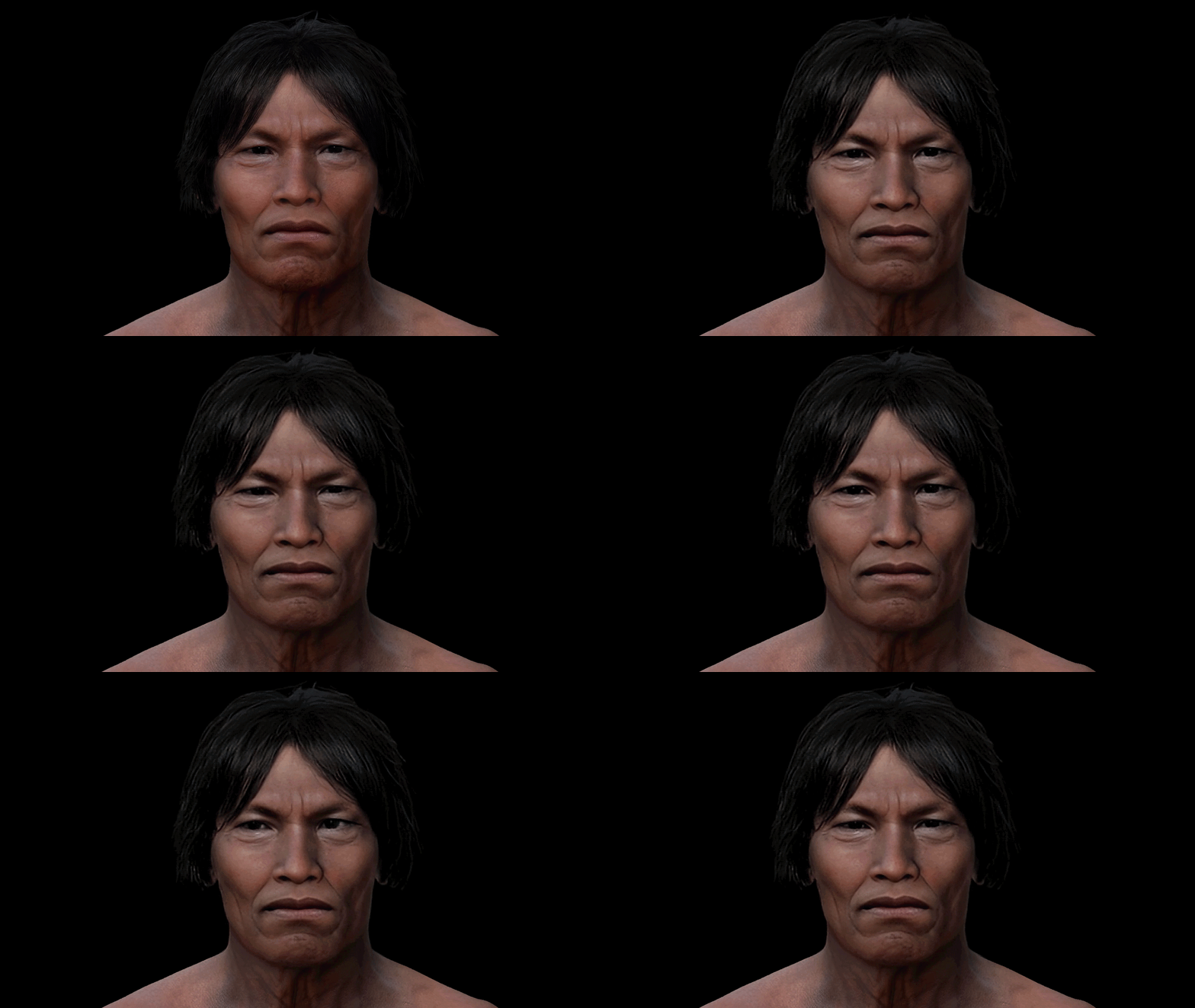
An international team has reconstructed the face of a man who lived in what's now Ecuador more than 3,000 years ago and whose skull featured in one of history's great anthropological debates.The facial reconstruction is based on the Punin-2 skull, which a farmer discovered in a ravine near the town of Punín in the Chimborazo region of Ecuador's central Andes in the 1970s.A similar skull, Punin-1, had been found in the same ravine in 1923 during an expedition led by the American Museum of Natural History. Some scientists at that time suggested its physical features were archaic, especially its prominent brow. As a result, scientists proposed in 1925 that the first Punin skull was evidence of ...

📅 2026-10-02 10:00:00    •    Live Science
Even one strength training session a week could make a difference
Science News

Even one strength training session a week could make a difference

Strength training may be one of the most powerful tools for staying independent as you age. Age related muscle loss, known as sarcopenia, can make everyday tasks harder while increasing the risk of falls, fractures, and loss of mobility. Research shows that resistance exercises such as squats, weights, resistance bands, and even body weight movements can preserve or rebuild strength, and surprisingly, even one session a week can produce meaningful benefits.

📅 2026-10-02 09:36:45    •    ScienceDaily