
Science News
‘A Mother’s Brain’ explores the neuroscience of motherhood
Neuroscientist Susana Carmona’s book guides readers through a new mom’s changing brain.
Latest science news, discoveries and scientific developments.
Neuroscientist Susana Carmona’s book guides readers through a new mom’s changing brain.
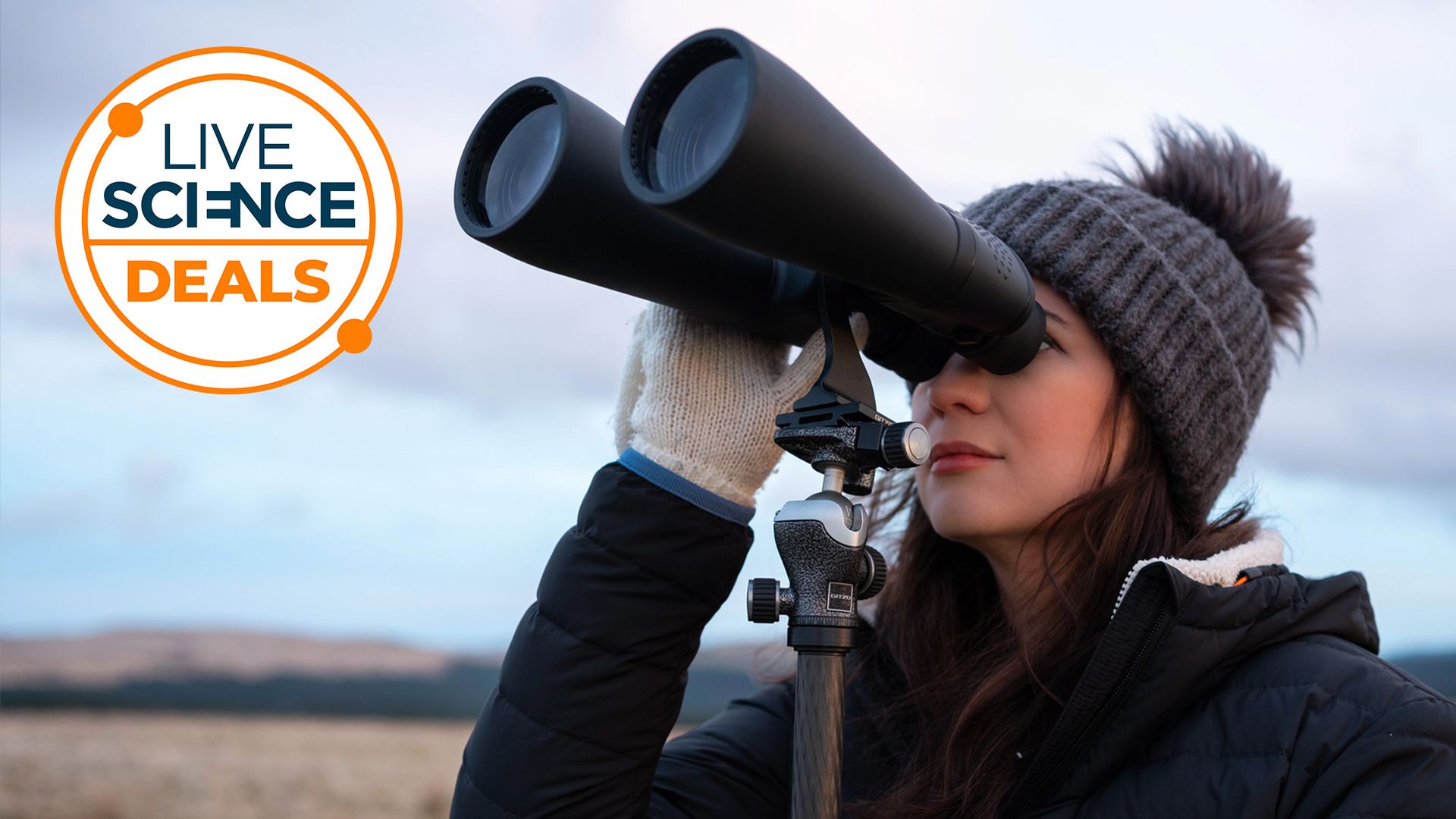
Amazon Prime Day is underway, and we've found some tempting deals on our favorite stargazing equipment at Amazon. The sale ends at 23:59 tonight, Wednesday, October 7, 2026, and we'll keep an eye on the deals so you can keep an eye on the skies. Fall is a fantastic time to stargaze, with meteor showers, full moons, constellations and planetary oppositions — some of which you can only see with binoculars or a telescope. Shop the best deals on telescopes and binoculars below.Telescope dealsIf you want a small, easy-to-use smart telescope with minimal investment, you can save $99 on the ZWO Seestar S30.These small smart telescopes are ideal for deep-sky astrophotography, particularly for large ...
“With today’s science we usually can’t show with high confidence that dangerous behavior isn’t there”
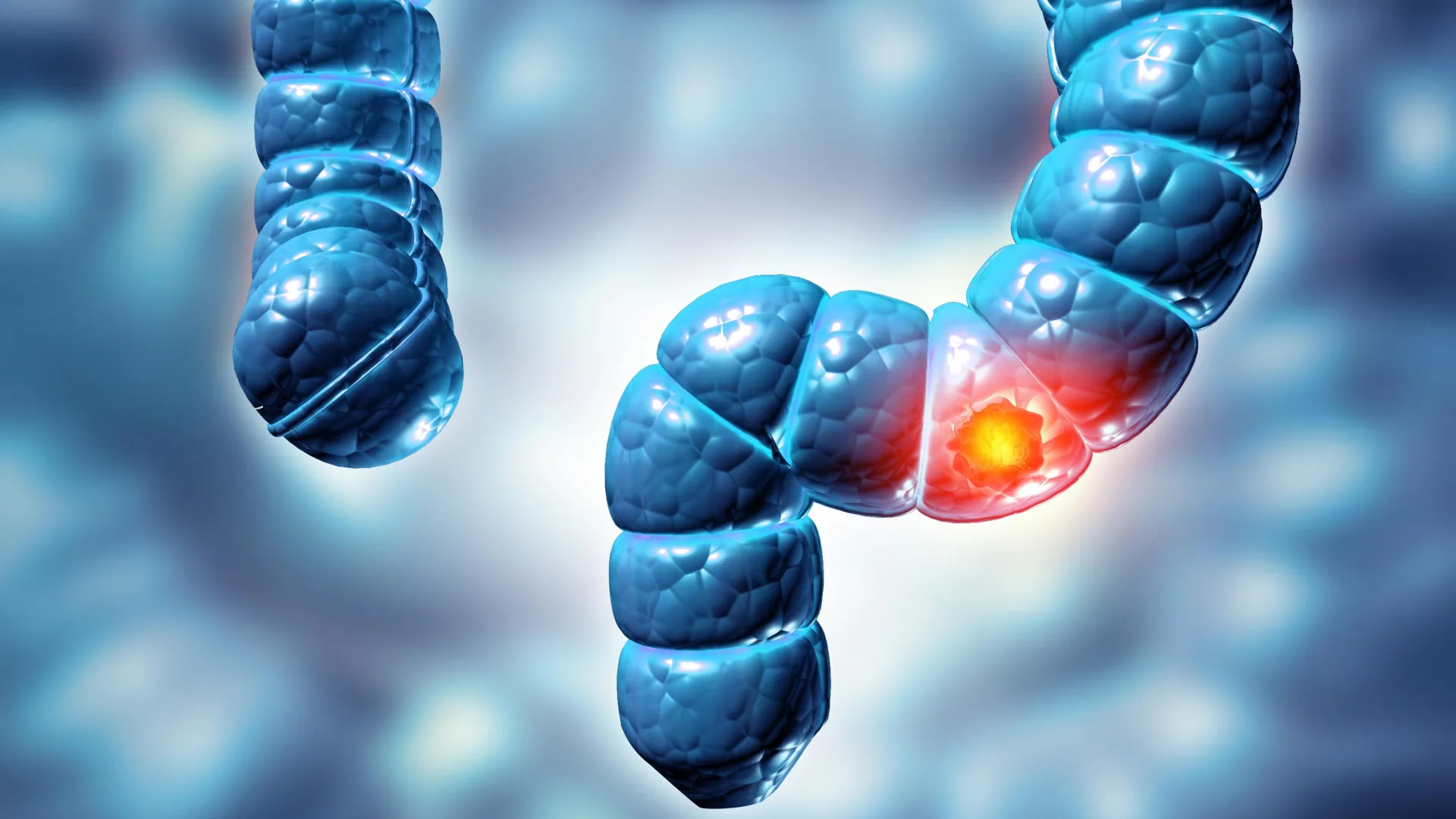
Colorectal cancer in young people is often diagnosed at an advanced stage, with researchers finding most patients age 21 or younger already had Stage III or IV disease. Because symptoms like rectal bleeding, weight loss, abdominal pain, and bowel changes may be overlooked, researchers are calling for greater vigilance.
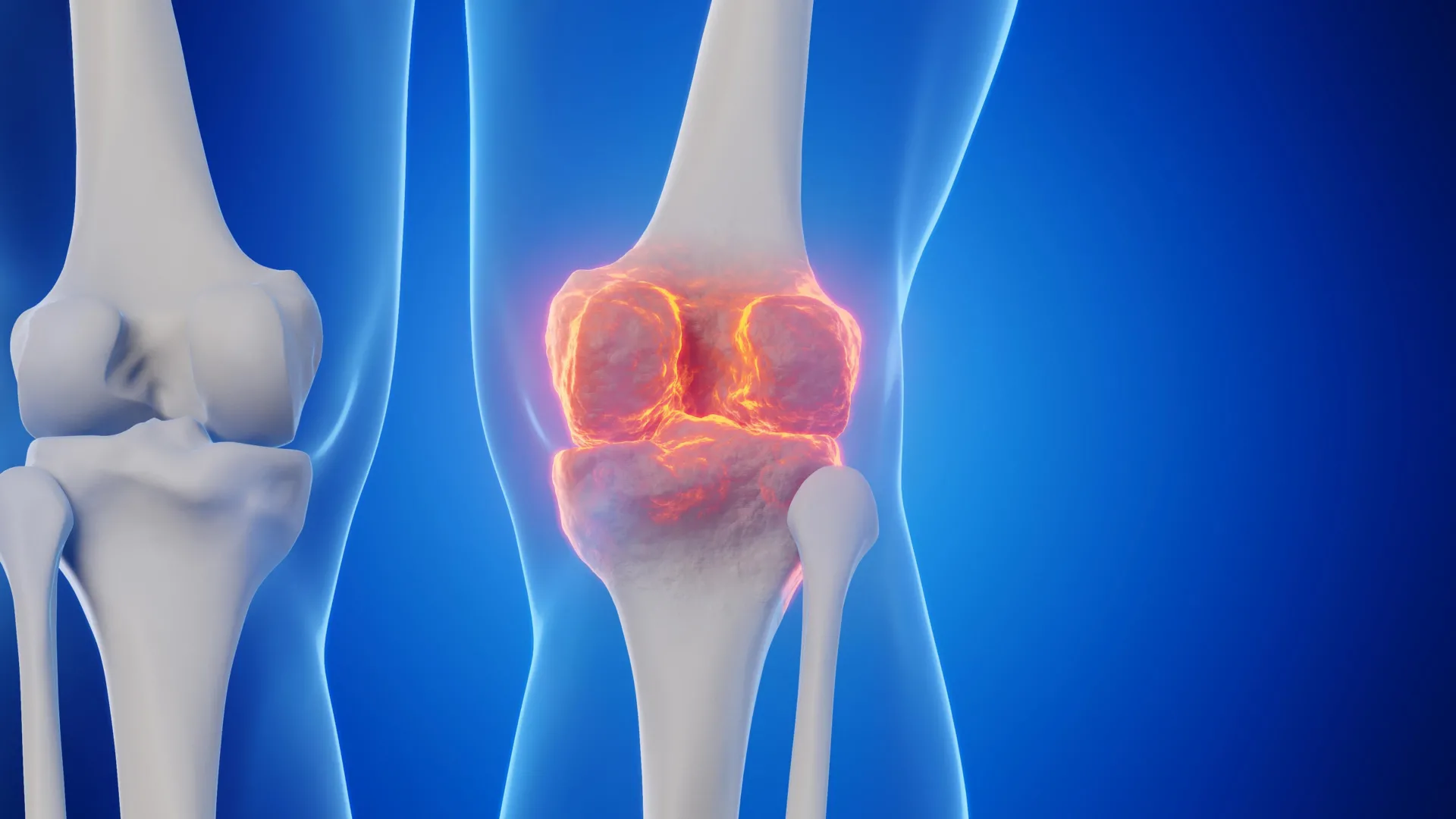
Scientists have found a surprising way to regrow damaged knee cartilage by blocking a protein that becomes more abundant with age. In old mice, the treatment restored naturally lost cartilage and also helped prevent osteoarthritis after ACL-like knee injuries, while human cartilage taken from knee replacement patients began producing new, functional joint cartilage after exposure to the same inhibitor.

Bigger bodies and wider beaks help birds like the bare-throated bellbird belt out calls louder than a jackhammer, but why such volume evolved remains unclear.
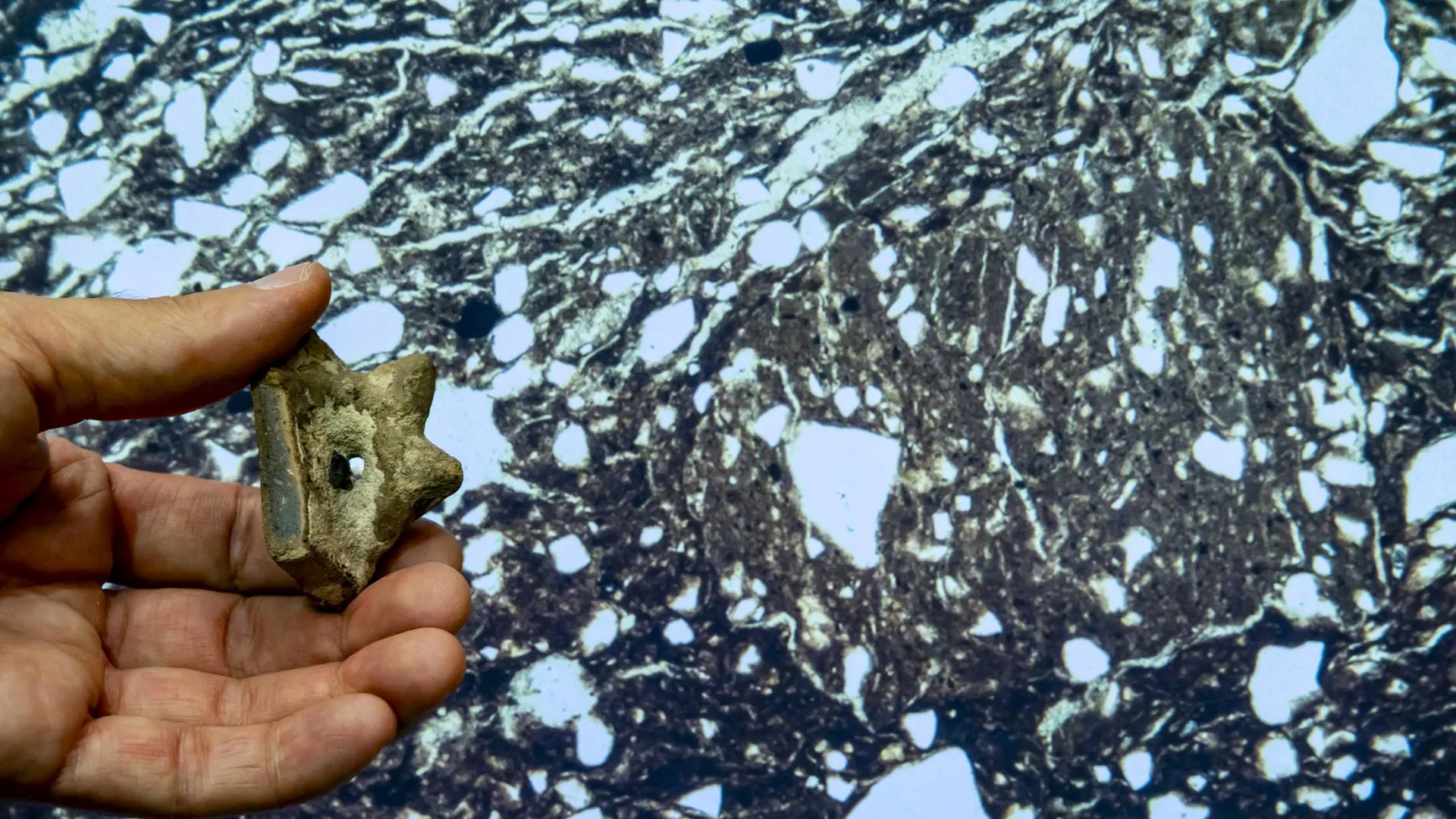
Ancient pottery from Tampa Bay appears to have been made by migrant craftspeople who brought specialized Mississippian pottery-making knowledge hundreds of miles south. Remarkably, they even incorporated crushed fragments of older homeland pottery into new vessels, preserving a physical link to their past across generations.
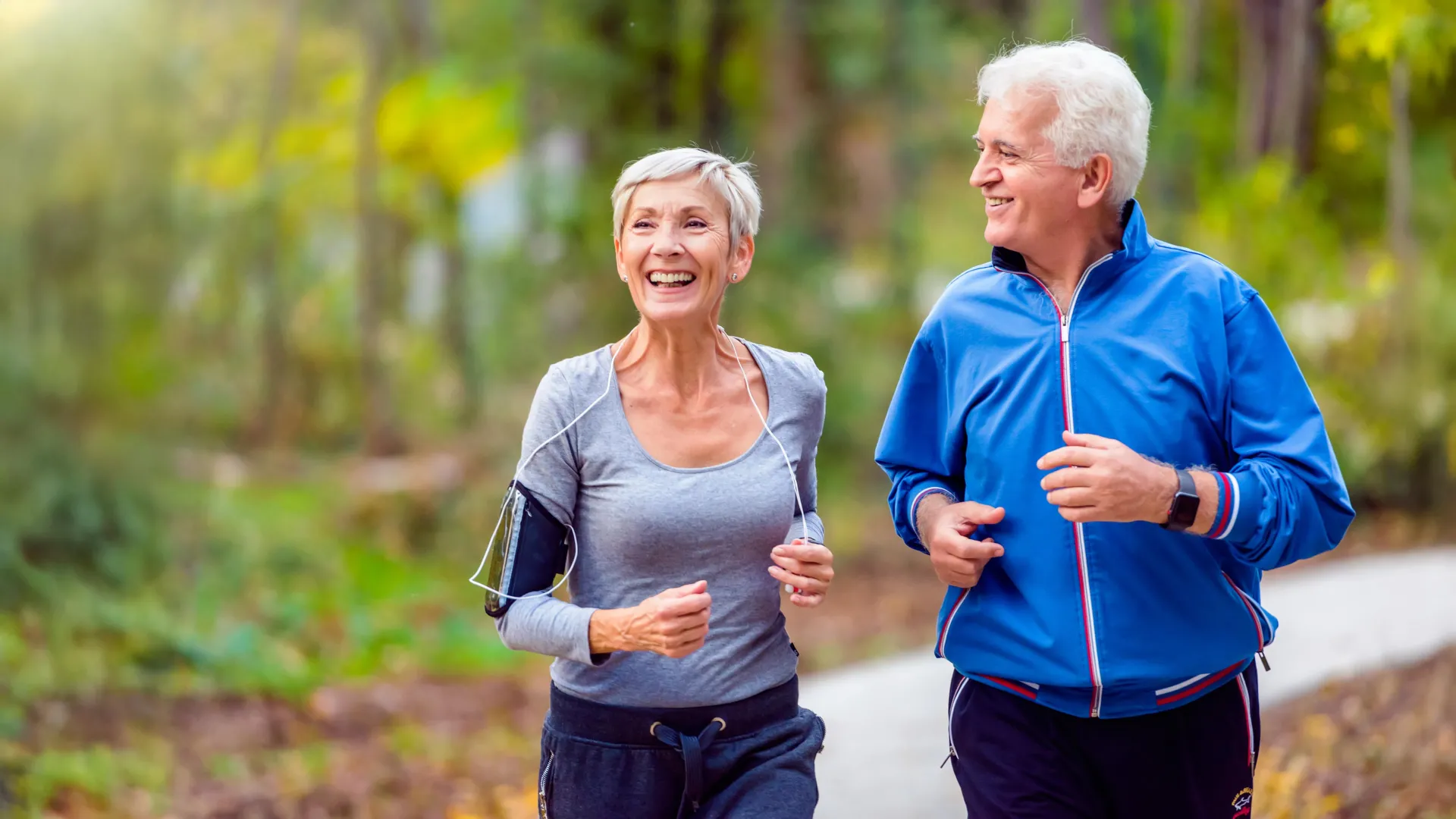
Couples who exercise together report better communication, healthier conflict resolution, and lower marital stress than those who work out alone. Even something as simple as taking a walk together may create valuable opportunities to talk, listen, and feel more connected.

Physicists at CERN’s Large Hadron Collider have captured the clearest evidence yet that quark-gluon plasma, the scorching-hot matter that filled the newborn universe, behaves like a true liquid. By tracking individual quarks as they blasted through the plasma, researchers saw them leave behind ripples, splashes, and swirling wakes much like a duck moving through water. The finding suggests this primordial “soup” is so dense that it can slow speeding quarks and respond collectively as a fluid.

In the humid tropics of Southeast Asia, afternoon thunderstorms roll through almost every day. Daytime heat causes towering, fluffy cumulonimbus clouds to form and swell before unleashing torrential rain on cities such as Singapore, Hong Kong and Bangkok. In these places, drainage systems are designed to cope with short, heavy downpours.

Researchers at Colorado State University are leading an attempt to restore Yosemite National Park's iconic meadows before it's too late by reintroducing native plants that once covered the landscape. Results are published in the Journal of Geophysical Research: Biogeosciences.

Extreme heat can have a profound impact on wild animals, causing their death in the most extreme cases and leaving less visible marks in others. Understanding the effects of temperature changes on specific species could inform conservation efforts and other initiatives aimed at protecting natural ecosystems from climate change.

Seagrasses are flowering plants that thrive in marine environments and form extensive meadows along the tropical Queensland coast. New James Cook University research shows the seagrass meadows of Trinity Inlet in Cairns Harbor have recovered after severe cyclones and flooding nearly wiped them out—but with a new mix of fish species.
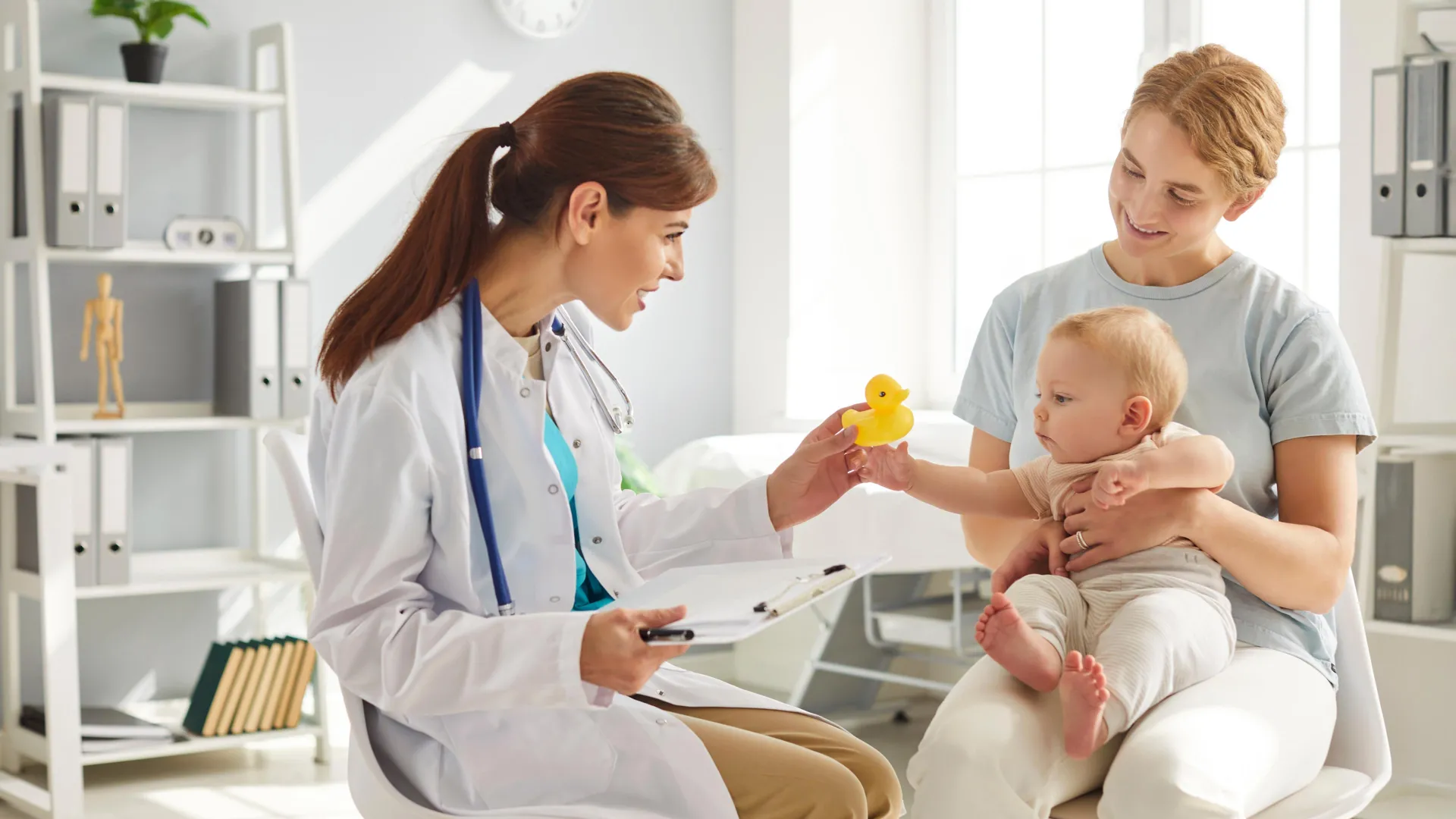
New mothers paired with patient navigators were much more likely to receive postpartum care, depression screening, preventive testing, and ongoing primary care. By helping with barriers such as transportation, childcare, scheduling, and confusing medical information, navigators may provide a powerful way to improve women’s long-term health.

Australia has made significant strides in improving cancer survival, but new research from Griffith University finds far less progress in supporting survivors' return to work, which remains a major challenge for many. The industry research report, "Return-to-Work for Cancer Survivors in the Life Insurance Context," was a joint research collaboration between Griffith University and Hannover Life Re of Australasia Ltd. and was published in the Griffith Research Repository.

Many of Australia's largest companies fail to show enough public evidence that workers affected by modern slavery can safely report concerns, a new Monash University–led report has found.

The human brain is built to hear voices. Speaking connects us to other people — and ourselves. What do our voices reveal about ourselves?
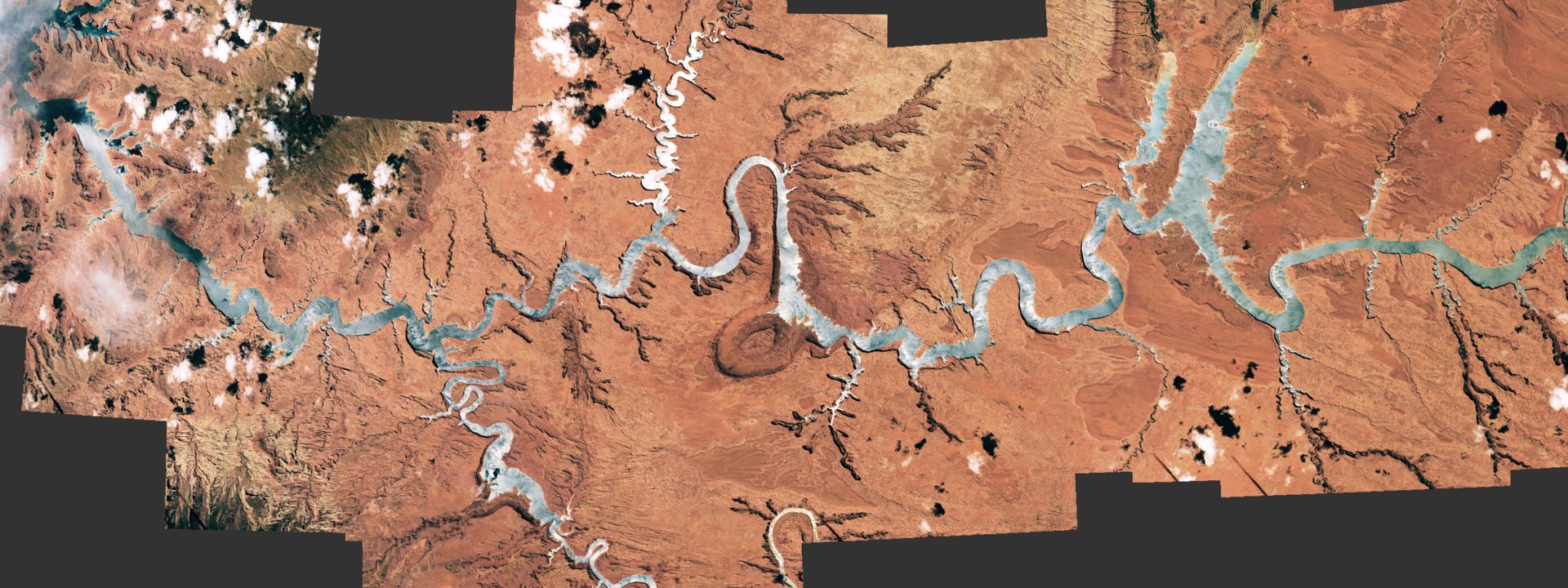
QUICK FACTSWhere is it? Lake Powell, Utah [37.47537121, -110.70474226]What's in the photo? A "sunglint" transforming a reservoir into a giant silver riverWho took the photo? An unnamed astronaut on board the International Space StationWhen was it taken? 2016This eye-catching astronaut photo mosaic shows a rare "sunglint" transforming a snaking reservoir into a giant silver river. The winding waterway at the heart of this image is a section of Lake Powell in southern Utah. The artifical reservoir starts around 70 miles (110 kilometers) southwest of the town of Moab and ends roughly 60 miles (100 km) northeast of the Grand Canyon in Arizona. When full, Lake Powell holds up to 1.2 billion cubic...

Francis Halzen won the Nobel Prize in physics on Tuesday for his efforts to demystify a rare group of neutrinos, tiny cosmic particles that scientists believe offer clues to how the universe evolved.
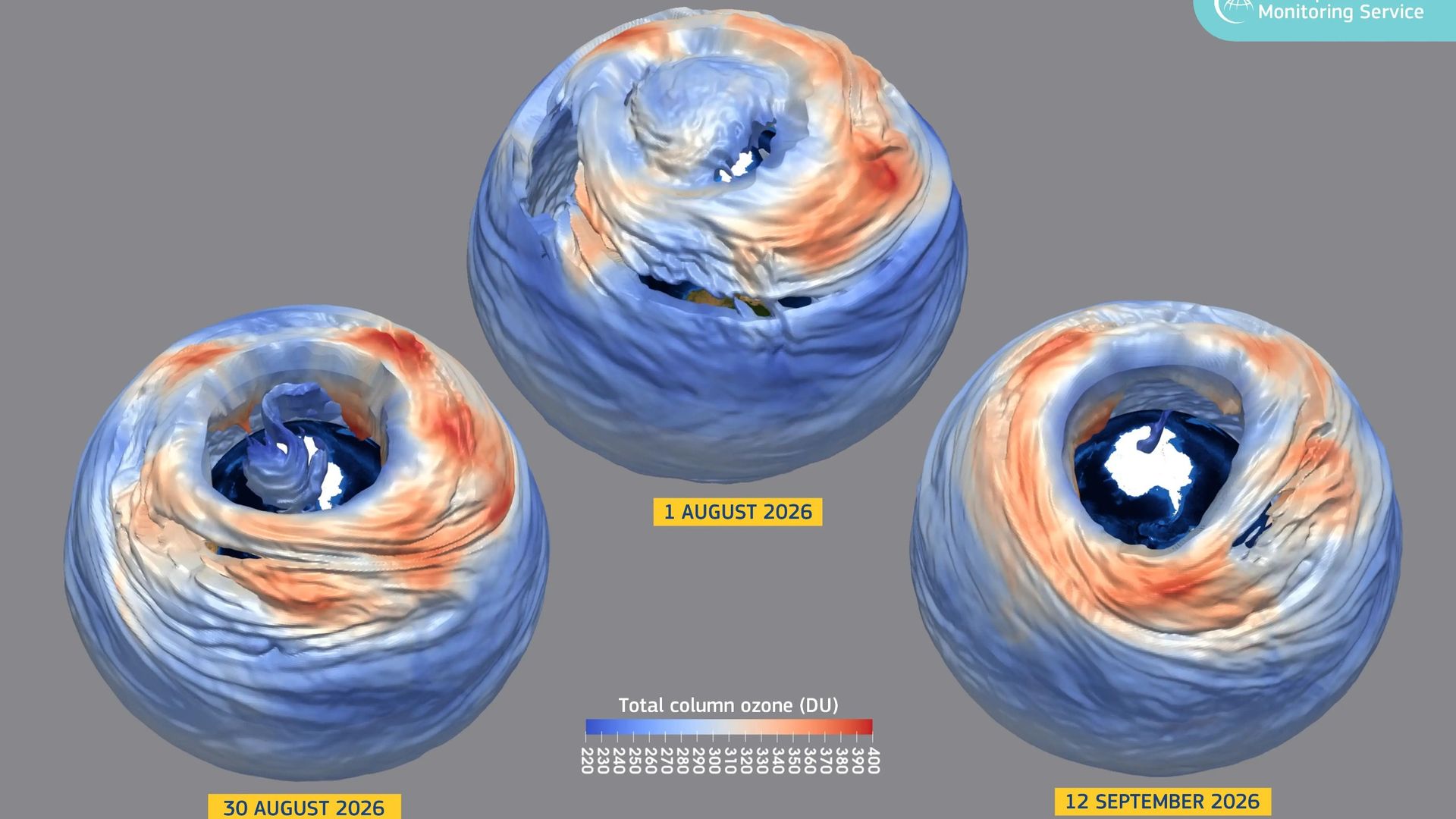
On Sept. 20, the Antarctic ozone hole peaked at 10.6 million square miles (27.4 million square kilometers), the second-largest size ever observed for this time of the year.The last time the ozone hole was this big was in October 2015, when it reached a whopping 10.8 million square miles (27.9 million square km), records from the Copernicus Atmosphere Monitoring Service show. So why is the hole in the ozone layer — the shield that protects life on Earth from harmful ultraviolet solar radiation — so big this year, despite other clues telling scientists that it is recovering as expected from the damage human-made chemicals did in the 20th century?The ozone hole's extent is due to extremely low ...