Science News

Latest science news, discoveries and scientific developments.

Neanderthal Europe was as much a wooden age as a stone age
Science News

Neanderthal Europe was as much a wooden age as a stone age

A wooden object from the Abric RomanĆ­ site interpreted as a wooden clubGerard Campeny/IPHES-CERCA Wooden tools, weapons, building materials and domestic items discovered in a Spanish cave challenge the assumption that Neanderthals’ technological life was based primarily on stone. The finds have given an unprecedented glimpse into everyday Neanderthal life and are a rare opportunity to recover part of their missing world, says Josep VallverdĆŗ at the Catalan Institute of Human Paleoecology and Social Evolution in Spain. ā€œNeanderthal technology was not only made of stone; it was also made of wood,ā€ he says. Advertisement if( window?.adverts?.addToArray ) { window.adverts.addToArray( { "pos": "m...

šŸ“… 2026-10-07 18:00:00    •    New Scientist
'It looks like a chimera' — 168 million years ago, a strange platypus-like mammal relative lived in China alongside dinosaurs
Science News

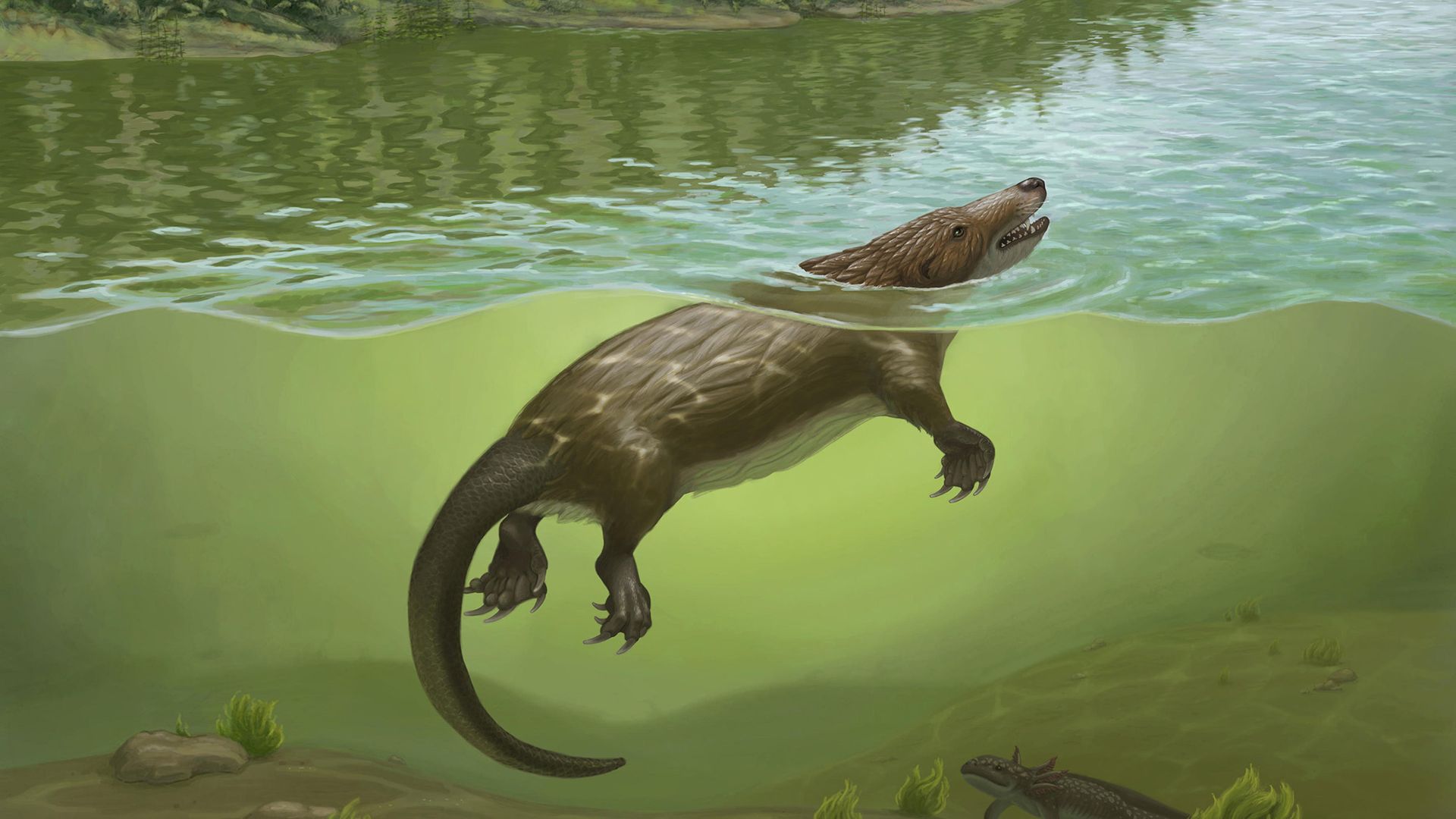
'It looks like a chimera' — 168 million years ago, a strange platypus-like mammal relative lived in China alongside dinosaurs

A newly discovered platypus-like creature is the largest-known mammal relative from the entire Jurassic period, a new study finds — although it still only weighed as much as a Chihuahua.The critter, which hunted salamanders in the freshwater lakes and rivers of what is now Inner Mongolia, China, lived during the mid-Jurassic between 168 million and 163 million years ago. It seems to be the earliest known mammal-type animal that lived a semiaquatic life.Researchers unearthed the delicate and detailed fossil in 2016, which revealed that the animal likely weighed about 2.2 to 4.4 pounds (1 to 2 kilograms). It was large for a mammal relative during the Jurassic, but its name, Megacauda sungei, w...

šŸ“… 2026-10-07 17:16:58    •    Live Science
1,000-mile-long cloud that forms and vanishes on Mars every day obeys 'exotic physics' never seen on Earth
Science News

1,000-mile-long cloud that forms and vanishes on Mars every day obeys 'exotic physics' never seen on Earth

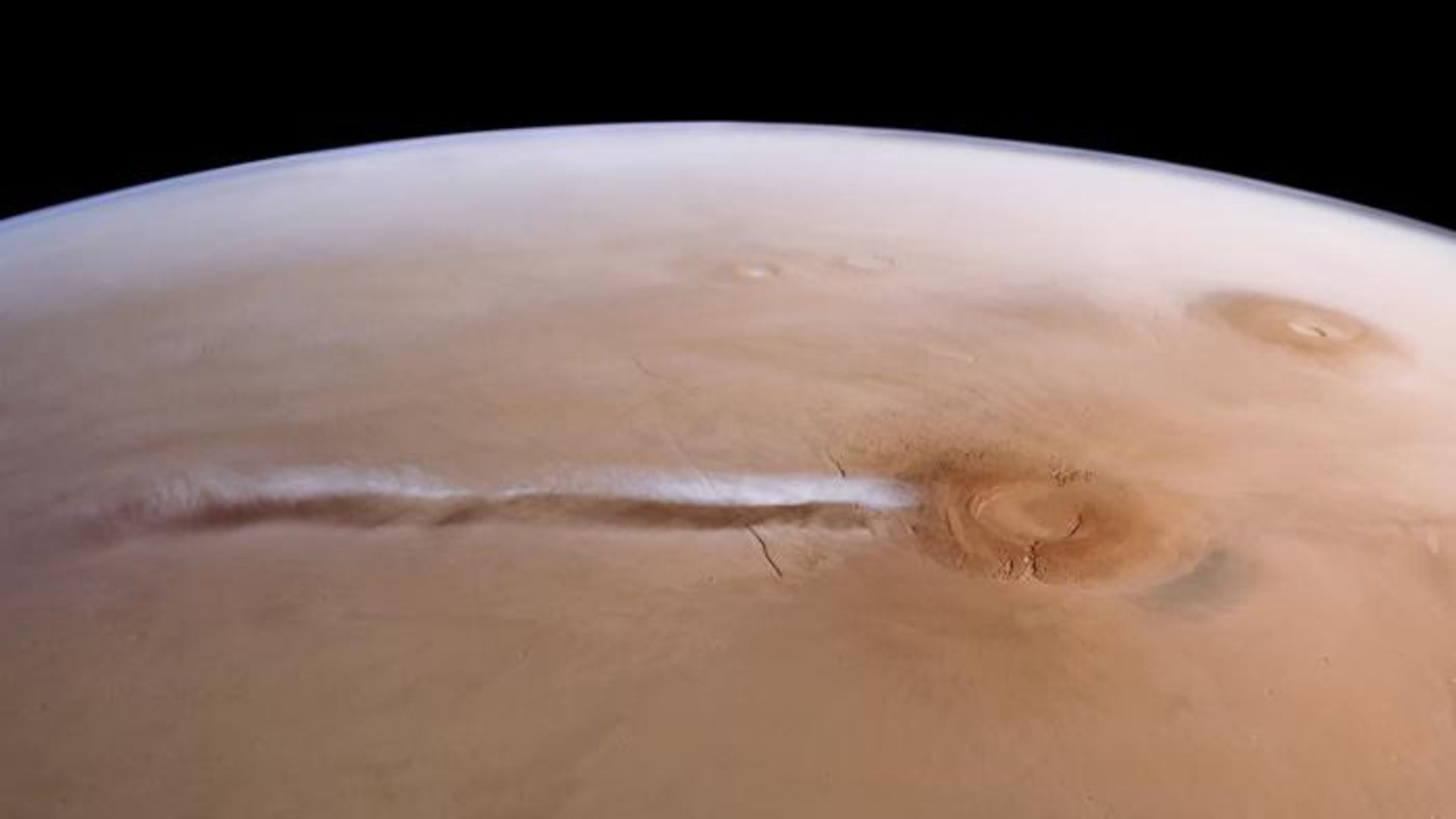
A 1,000-mile-long (1,600 kilometers) Martian cloud that emerges and then quickly disappears from the Red Planet's sky nearly every day is even weirder than scientists realized. New simulations suggest that the eerie apparition can only be explained using "exotic physics" that have been theorized but never seen on Earth or anywhere else in the solar system. The mysterious floating mass, dubbed the Arsia Mons Elongated Cloud (AMEC), frequently emerges above Arsia Mons, a 12-mile-tall (20 km) extinct volcano located in the Tharsis region, just south of the Red Planet's equator. The water vapor cloud was first spotted in 2018 by the European Space Agency's Mars Express orbiter and has since appe...

šŸ“… 2026-10-07 17:08:09    •    Live Science
'We stocked an RV as an emergency bugout vehicle': Readers share how prepared they are for a disaster
Science News

'We stocked an RV as an emergency bugout vehicle': Readers share how prepared they are for a disaster

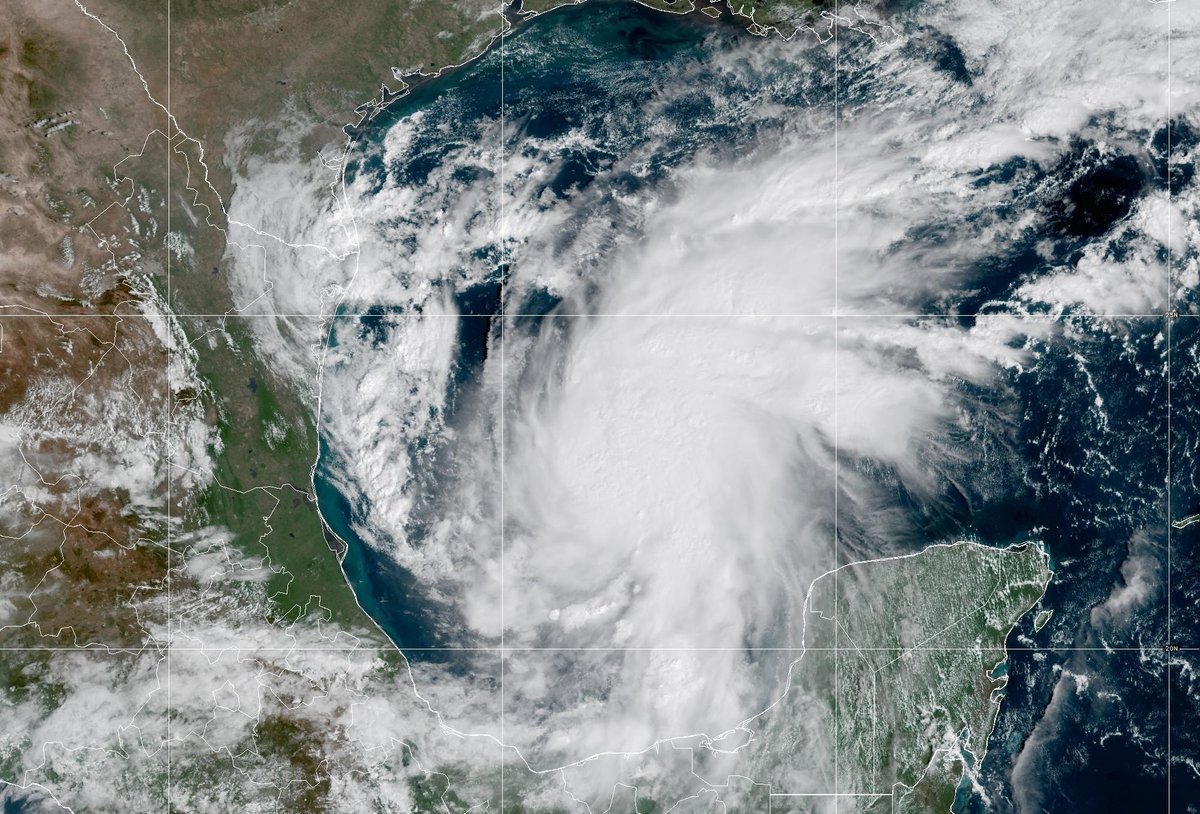
As the "super" El NiƱo is predicted to bring heavier storms and flooding to the U.S., experts recommend stocking up on food and other supplies. Floods and other disasters, like wildfires, are on the rise due to climate change, making disaster preparedness essential. But how prepared are people for a disaster? Preparedness levels vary; some people keep an emergency kit full of food and first-aid supplies, while others have a planned meeting place designated as a safe space. Having a plan can help people feel better about unpredictable events. But not everyone has thought this far ahead. Live Science recently asked readers how prepared they are for a natural disaster and what sort of plans or ...

šŸ“… 2026-10-07 16:23:53    •    Live Science
'Completely unexpected': Astronomers spy never-before-seen 'phoenix planet' rising from the ashes of a dead star
Science News

'Completely unexpected': Astronomers spy never-before-seen 'phoenix planet' rising from the ashes of a dead star

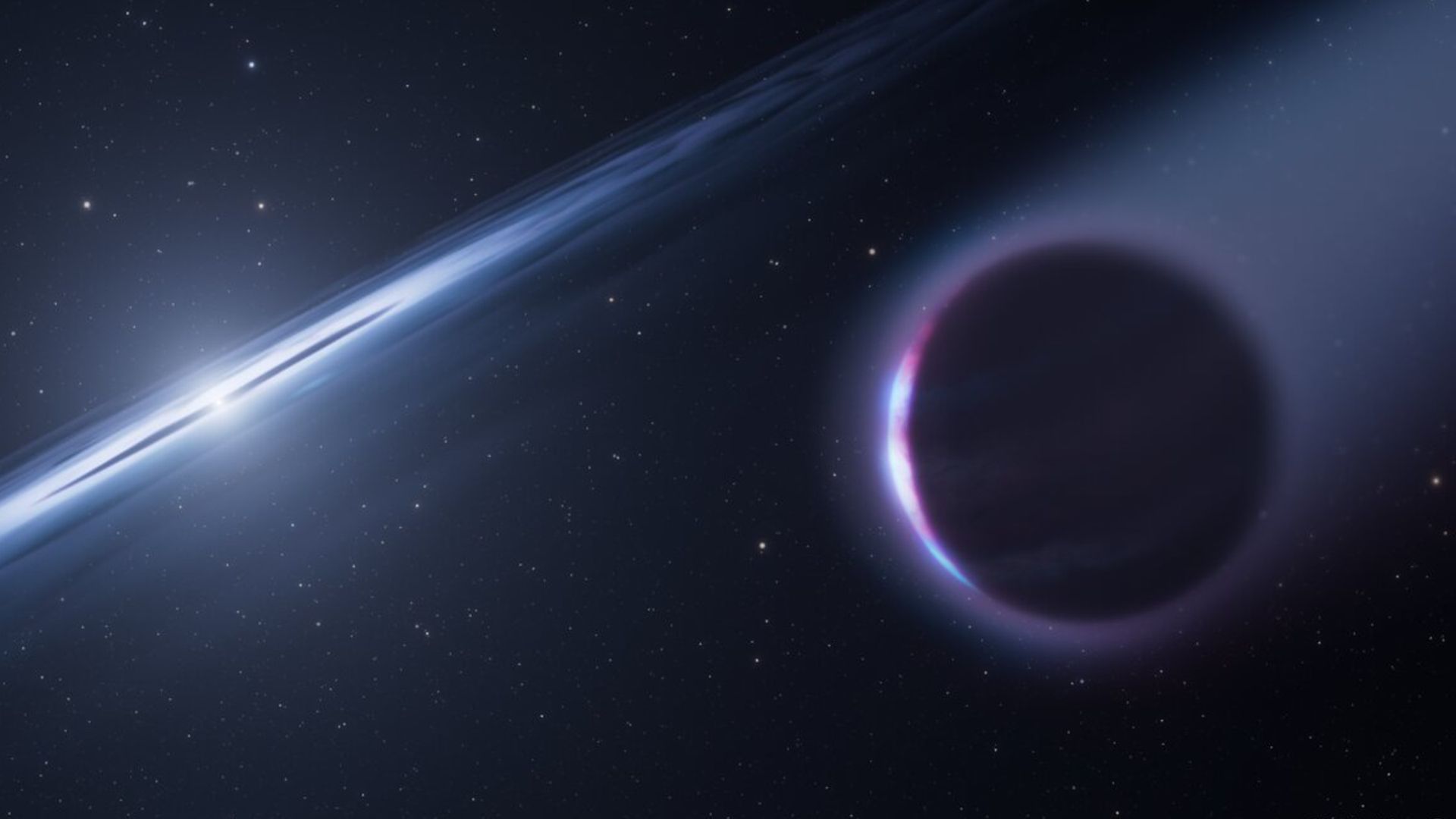
Astronomers have spotted a never-before-seen type of "phoenix planet" rising from the ashes of a dying alien sun. The discovery, which the scientists say was "completely unexpected," raises hopes that more of these reborn alien worlds could be lurking throughout the cosmos — and may offer a glimpse of our own solar system's fate. The unnamed exoplanet was spotted circling the white dwarf HS 0209+0832, which is located roughly 270 light-years from Earth. White dwarfs are stellar remnants, sometimes dubbed "zombie stars," that form from the leftovers of massive red giants that run out of fuel before eventually collapsing into shriveled husks. HS 0209+0832 is a particularly young white dwarf, s...

šŸ“… 2026-10-07 15:22:03    •    Live Science
'Sexy Mantis,' obscene orangutan and prancing sparrowhawk feature in 2026 Nikon Comedy Wildlife Awards
Science News

'Sexy Mantis,' obscene orangutan and prancing sparrowhawk feature in 2026 Nikon Comedy Wildlife Awards

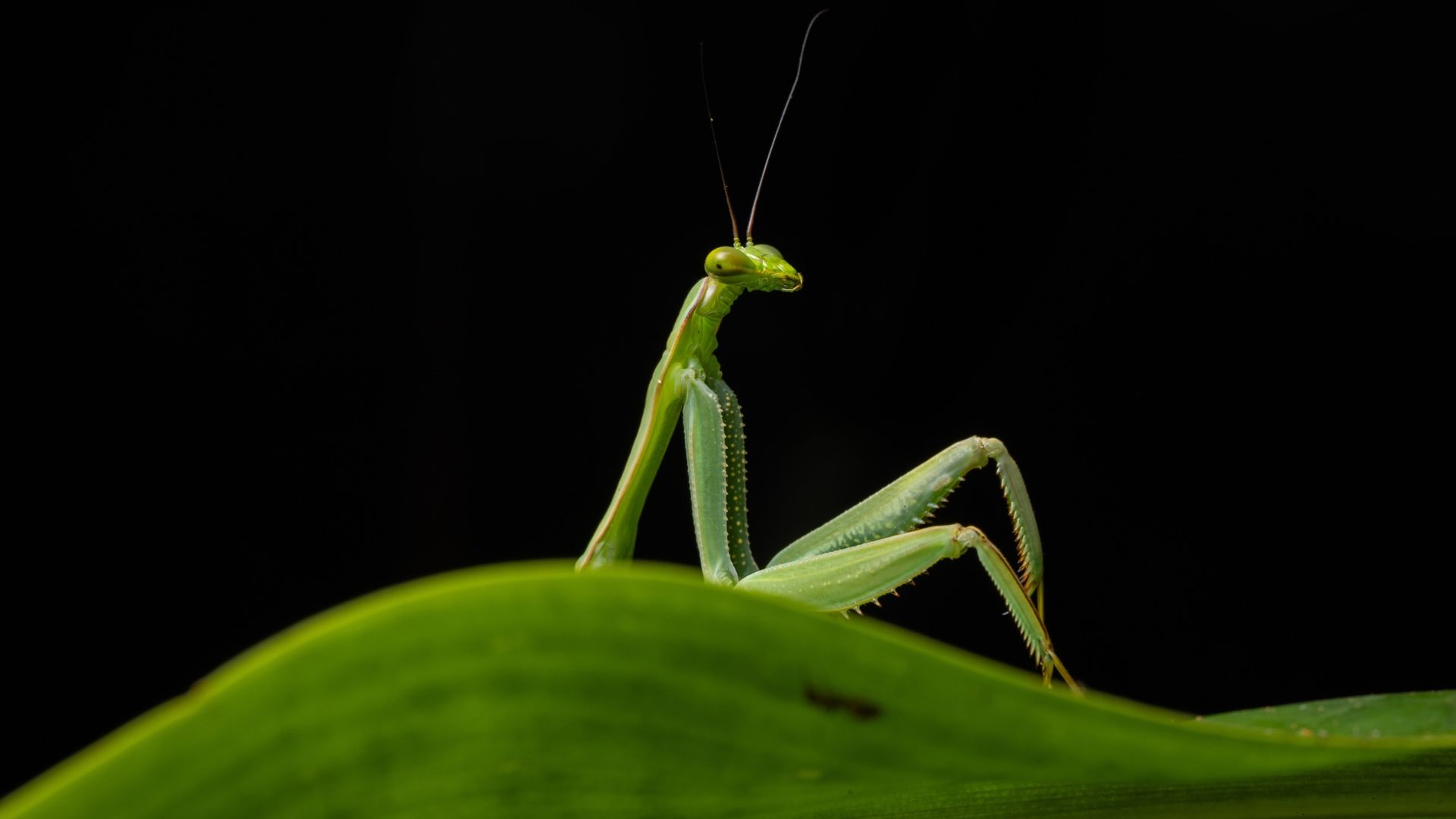
Have you ever wondered what it's like to be flipped off by an orangutan or seduced by a mantis? Well, wonder no more, thanks to the 2026 Nikon Comedy Wildlife Awards. This photography competition showcases the amusing side of nature, usually by anthropomorphizing it in some way, and features a variety of comical critters from across the globe. This year, a surprised owl and a brown bear striking a pose are featured among the more than 10,000 entries, with photographers competing for a luxury safari in Kenya's Maasai Mara National Reserve. Live Science rounded up some of the funniest photos from the 2026 finalists for your enjoyment. And yes, the orangutan and mantis have made it to the final...

šŸ“… 2026-10-07 15:19:59    •    Live Science
NASA’s Webb finds signs of Mars-sized worlds smashing together
Science News

NASA’s Webb finds signs of Mars-sized worlds smashing together

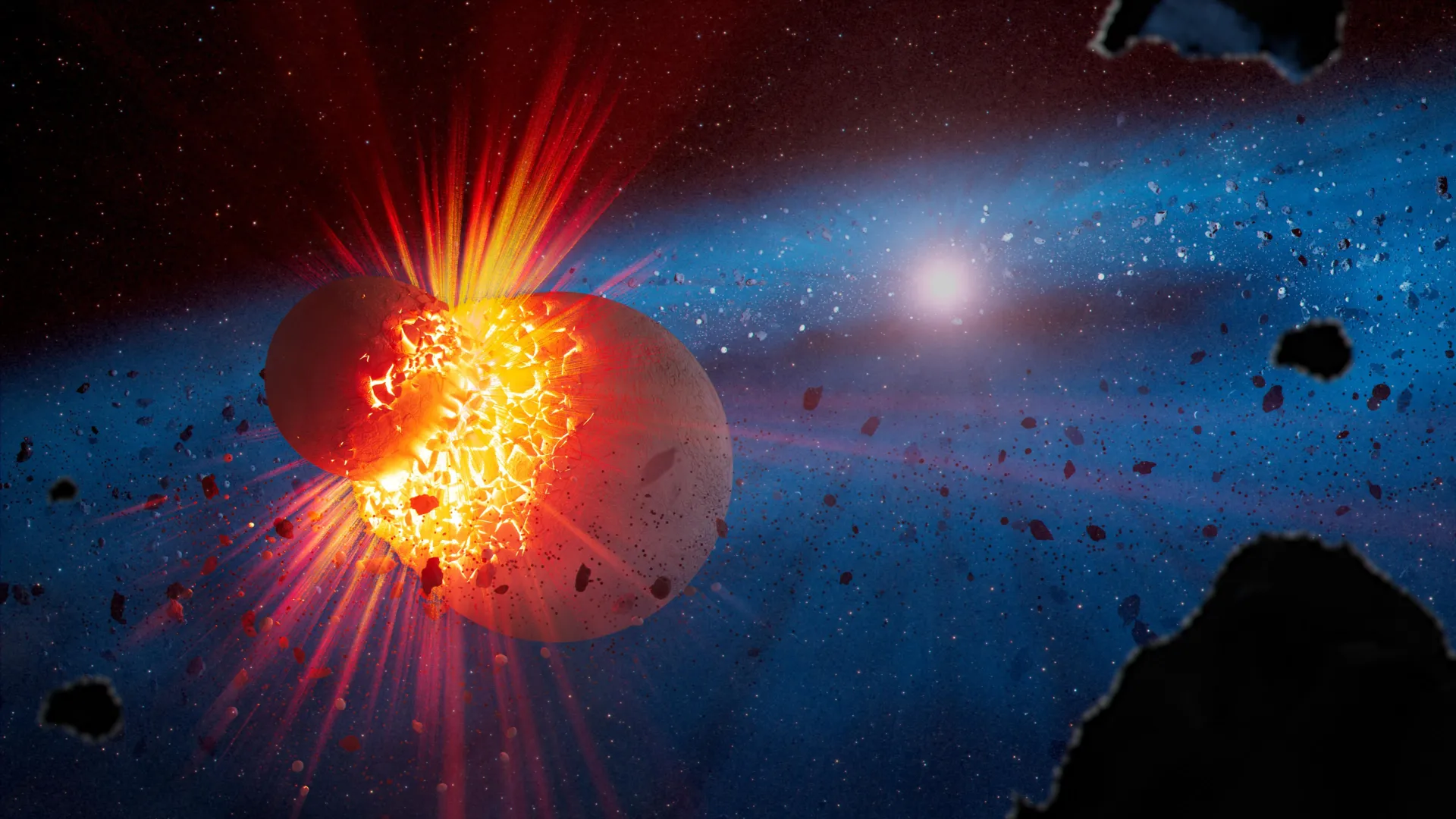
NASA’s James Webb Space Telescope is giving astronomers a glimpse of the kinds of violent collisions that may have shaped our own solar system, including the giant impact thought to have created the Moon. By studying 21 rare ā€œextreme debris disksā€ around young stars, researchers found that their dust can reveal the scale and intensity of planetary collisions.

šŸ“… 2026-10-07 13:09:15    •    ScienceDaily
Taking antibiotics? Sugar may be making the damage worse
Science News

Taking antibiotics? Sugar may be making the damage worse

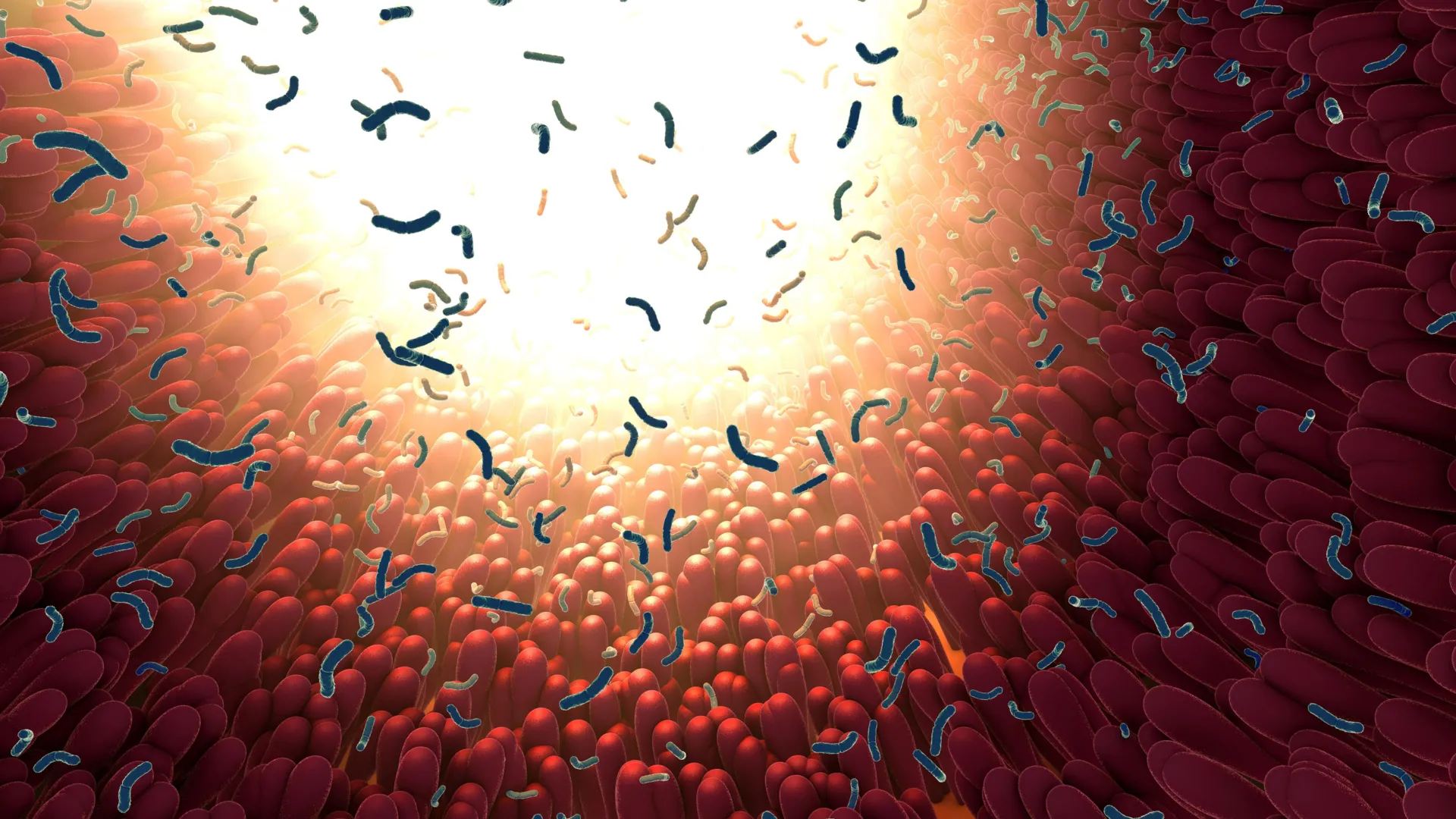
Eating more sugar while taking antibiotics was linked to greater disruption of the gut microbiome and increased growth of potentially harmful bacteria. Researchers say temporarily cutting back on sweets during and after antibiotic treatment could be a simple way to reduce this damage, though clinical trials are still needed.

šŸ“… 2026-10-07 13:06:21    •    ScienceDaily
Scientists changed how zoo lions eat. Their wild side came out
Science News

Scientists changed how zoo lions eat. Their wild side came out

Giving zoo lions whole carcasses on a feast-and-fast schedule appears to bring out more natural behavior. The lions spent nearly three times longer feeding, engaged in more tearing and manipulating of food, and rested more heavily after meals. Their activity then increased gradually during the fasting period, closely resembling the rhythm seen in wild lions.

šŸ“… 2026-10-07 12:46:44    •    ScienceDaily
Physicists just found the ā€˜ghost’ of superconductivity
Science News

Physicists just found the ā€˜ghost’ of superconductivity

Physicists have found striking evidence for an unusual form of superconducting behavior in uranium ditelluride, where electron pairs organize into rippling patterns called pair density waves. Even more surprisingly, these patterns appear to survive after ordinary superconductivity disappears, suggesting that the electron pairs responsible for superconductivity may begin forming before the material actually becomes superconducting.

šŸ“… 2026-10-07 12:34:39    •    ScienceDaily
Drug target could block brain inflammation linked to Alzheimer’s and Parkinson’s
Science News

Drug target could block brain inflammation linked to Alzheimer’s and Parkinson’s

Blocking a receptor called P2X7 significantly reduced inflammation in human brain tissue, revealing a potential new treatment strategy for neurological and psychiatric disorders. The discovery could help researchers repurpose existing drugs for conditions including traumatic brain injury, Alzheimer’s, Parkinson’s, depression, and schizophrenia.

šŸ“… 2026-10-07 12:13:35    •    ScienceDaily
Webb finds a surprising atmosphere on a scorching lava world
Science News

Webb finds a surprising atmosphere on a scorching lava world

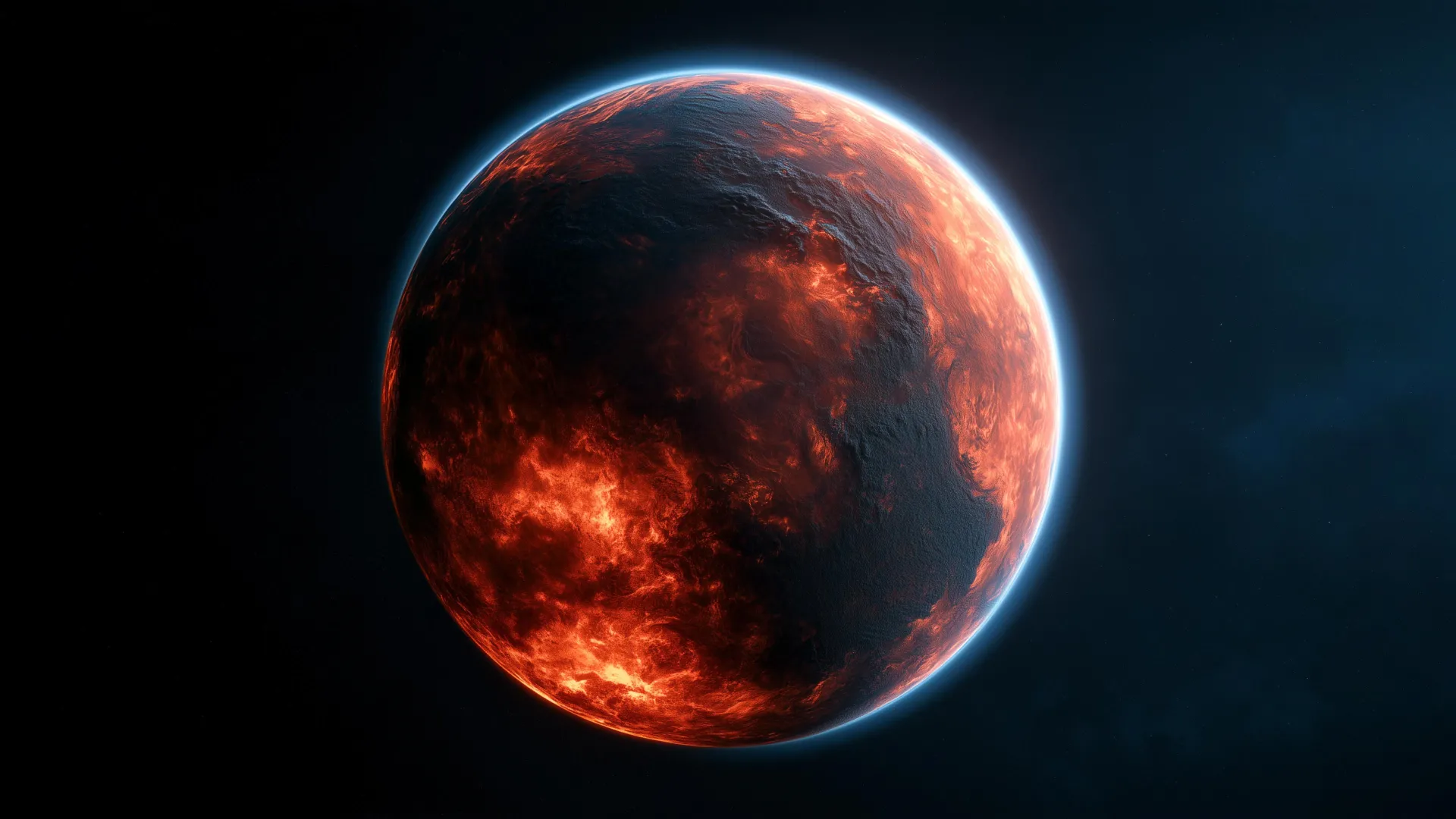
The James Webb Space Telescope has found strong evidence that the rocky lava world HD 3167 b has an atmosphere, despite circling its star every 24 hours under extreme heat. The surprising discovery could help scientists understand how rocky planets retain atmospheres and what the young, molten Earth may once have looked like.

šŸ“… 2026-10-07 11:58:25    •    ScienceDaily
Earth’s center is moving, and NASA just measured it
Science News

Earth’s center is moving, and NASA just measured it

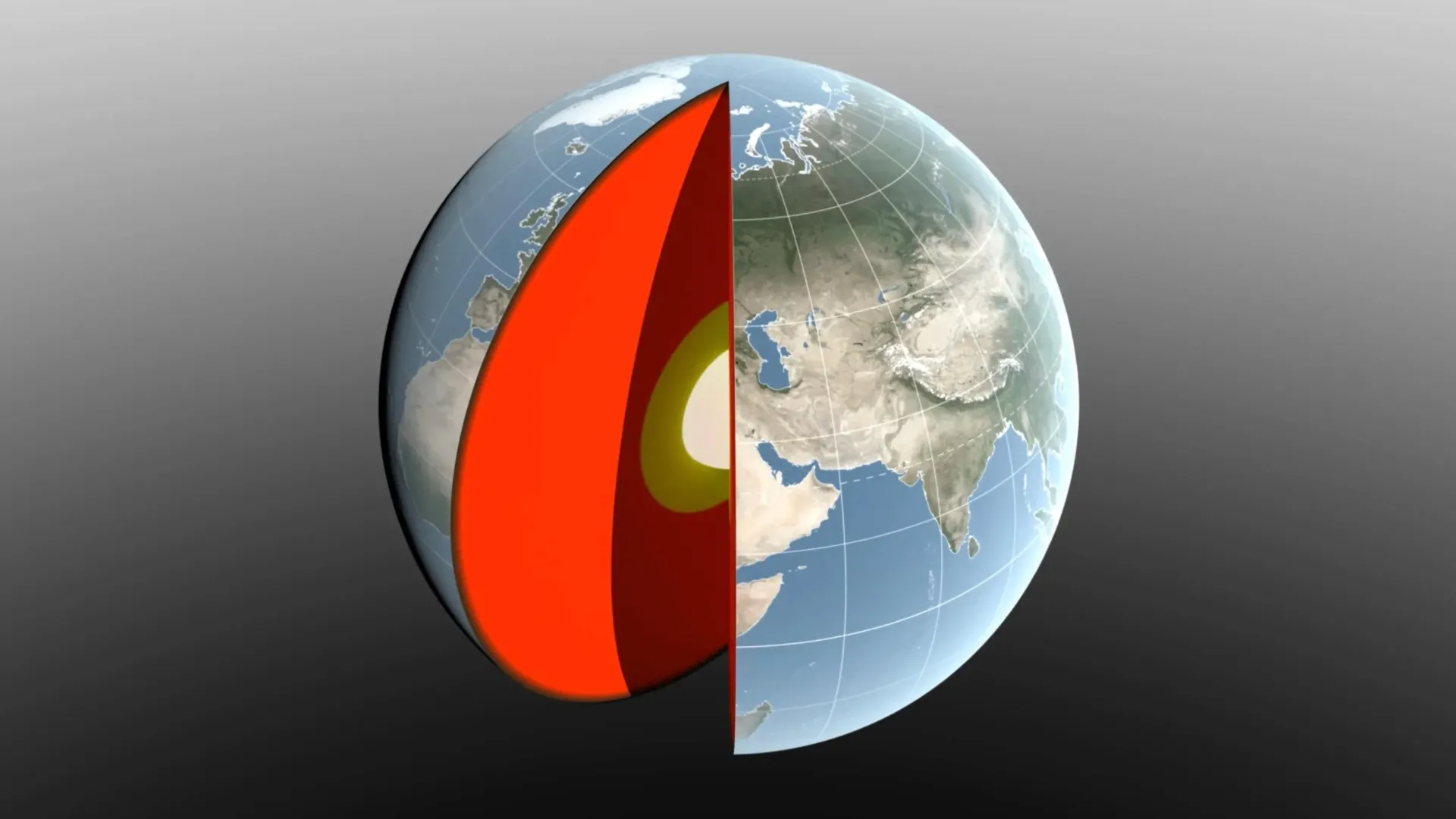
Earth’s center of mass is constantly on the move, shifting by a few millimeters as enormous amounts of water, ice, and even air migrate around the planet with the seasons. NASA scientists have developed a more precise way to track these tiny swings using laser-ranging satellites, GPS data, and measurements of how water and ice deform Earth’s crust.

šŸ“… 2026-10-07 11:30:51    •    ScienceDaily
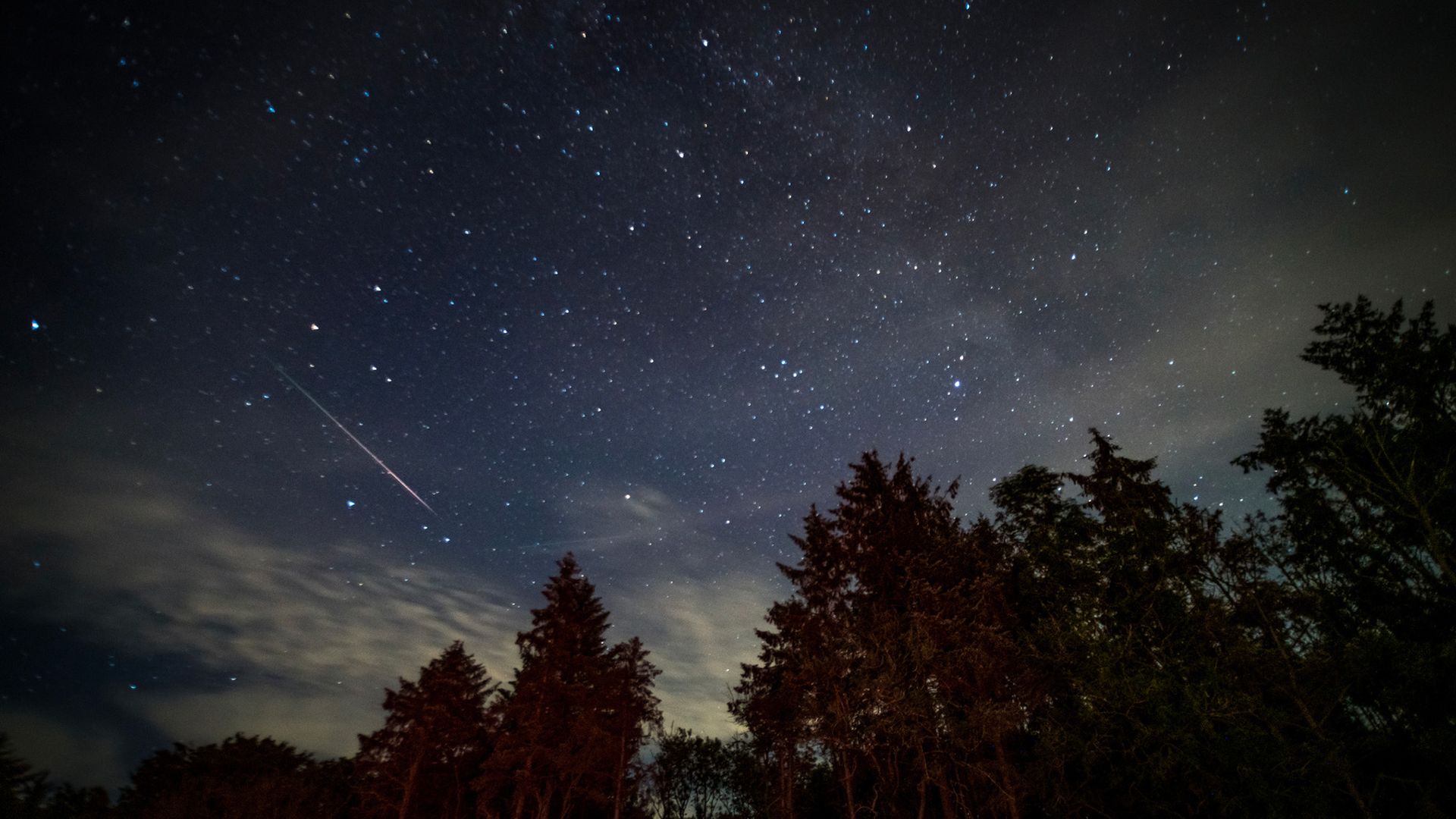
The Draconids, an unpredictable shower that can bring hundreds of meteors per minute, has begun
Science News

The Draconids, an unpredictable shower that can bring hundreds of meteors per minute, has begun

The Draconids, one of the year's most unpredictable meteor showers, will peak this week. Although only a few "shooting stars" are expected, the shower has a history of producing spectacular meteor storms with little warning.The Draconid meteor shower takes place Oct. 6-10 each year, peaking on Oct. 8-9, when around 10 "shooting stars" per hour are expected. Whereas most meteor showers are best seen after midnight or during the dark hours before dawn, the best time to view the Draconids is in the evening, according to Timeanddate.com, making it one of the more convenient meteor showers of the year. Just after dark Thursday (Oct. 8) will be the best time to look.The Draconids are different fro...

šŸ“… 2026-10-07 11:00:00    •    Live Science
What is AI model distillation, and why is it so hard to stop?
Science News

What is AI model distillation, and why is it so hard to stop?

Anthropic and OpenAI accused Chinese AI developers of mining their models’ answers to train cheaper copycats. Here’s how distillation works and why it’s so hard to stop

šŸ“… 2026-10-07 11:00:00    •    Scientific American